Mental health professionals: please help the Red Cross assist service members, veterans, and their families

By Tim Poe, American Red Cross volunteer

October 7, 2020- As part of their extraordinary service and commitment, members of the US armed services, veterans and their families face an array of challenges, some of which can impact mental health. In addition, 2020 has been an exceptionally difficult year for all of us. To help with vital mental health services, the Northern Ohio Region of the American Red Cross is seeking additional volunteers to serve as mental health facilitators as part of its Service to Armed Forces.

The Red Cross, which has served the military for over 135 years, provides services on all military installations in the US as well as 36 overseas installations. An important component of Red Cross Service to the Armed Forces is providing mental health and emotional support. Two such services are reconnection and mind-body workshops.

Reconnection Workshops focus on assisting service members, veterans and their families with the transitions that come with military service. Topics include building strong and effective communications skills, managing stress, discussing and finding methods to cope with trauma, emotional grit, connecting with children and defusing anger. There are also workshops which help children effectively cope and communicate. Another important workshop helps non-professional caregivers of wounded, ill, or injured service members and veterans.

With Mind-Body Workshops, the Red Cross teaches easy-to-use skills that connect the body with the mind to help participants cope with stress and trauma. Topics in the introductory course include breathing, mindfulness techniques, stretching and movement, body awareness and functioning, and guided imagery. A module to use mind-body skills includes drawing, journaling, meditation and mindfulness, body awareness through body scan, progressive muscle relaxation and mirroring, and self-directed imagery.

These workshops are free, confidential and offered in small groups.

Due to the pandemic, mental health facilitator roles are currently virtual but will return to being in-person once it passes.

If you are a mental health professional with a current and unencumbered license and hold a master’s level or above mental health degree, please consider volunteering to help the Red Cross provide these crucial services. Volunteering with the Red Cross provides a multitude of professional and personal benefits. These include training; professional development opportunities; remaining clinically active; the ability to advocate, provide feedback, and promote information in your area; and, most importantly, assisting those in need. For more information on volunteering please visit this page or call one of the numbers listed here.

More information about Red Cross Service to Armed Forces is available here.
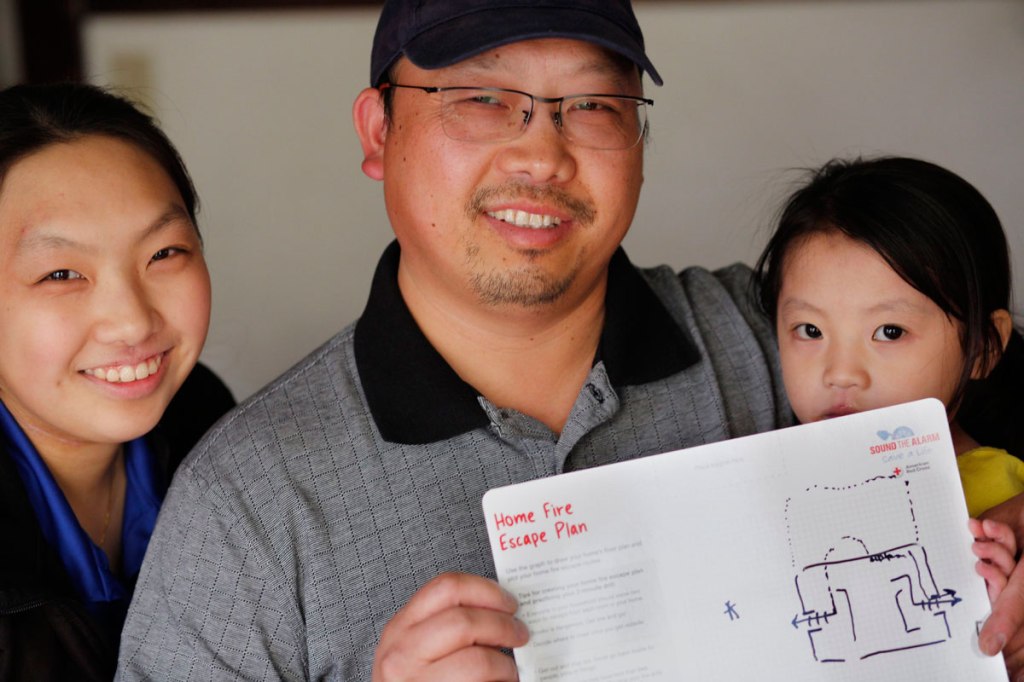
Pushing one button could save a life – will you do it?

More than 65% of your friends won’t

By Doug Bardwell, American Red Cross volunteer

October 5, 2020- It’s National Fire Prevention Week from October 4 – 10, and as a nation, we are woefully underprepared for an emergency. Home fires haven’t stopped since COVID-19 started, and American Red Cross volunteers still answer four fire calls per day on average in Northern Ohio.

A new 2020 national Red Cross survey shows most of us aren’t taking the steps to protect ourselves.

So, what are those things you aren’t doing?

  • Push the button to test your smoke alarms each month helps ensure that they’re working — which can cut the risk of dying in a home fire by half. Still, 65% of us don’t.
  • Practicing your escape plan twice a year also increases the odds of survival. But 70% of us don’t.
  • Escaping in less than two minutes can be the difference between survival and tragedy, according to fire experts. Yet more than half of us think we have more time.

It’s not that difficult, so how about today?

Here’s a quick to do list you might want to print out:

  1. Make sure you have smoke detectors on each level of your home, preferably inside and outside your bedrooms. If they are more than 10 years old, new batteries won’t help, they need to be replaced.
  2. Insure there are two escape paths from every room in your house. If there aren’t, seriously consider your alternatives.
  3. Have a meeting place for your family to rendezvous after a fire so everyone is accounted for.
  4. Practice emergency escape drills to make sure everyone can exit and meet outside in less than two minutes.
  5. Make sure young children recognize the sound of a fire alarm and, just as importantly, what you expect them to do if they hear one.

Many Northern Ohio fires could have been prevented

Being a disaster services responder, I hate to say it, but most of the calls I respond to in our region could have been prevented.

  • A kitchen fire that started while the cook went to watch TV.
  • A candle left in a room unattended, that the dog knocked over.
  • A child with a candle on their bedside table.
  • An electric fryer with a frayed cord.
  • A wheelchair patient smoking while on oxygen.
  • An electric heater placed too near a pile of clothes.
  • An electric heater left in the attic while away at work.

If any of those sound familiar – STOP IT!  Download the Red Cross Emergency app, tap Prepare, and then tap Home Fire.  You’ll find all sorts of helpful hints, which will benefit you and your family. Then help us prevent the tens of thousands of home fires we respond to annually by making a donation. Learn more about our fire prevention efforts and join the Home Fire Campaign.

Women of Tiffany Circle support Red Cross through leadership and philanthropy

New member launches donation match challenge

By Jason Copsey, American Red Cross volunteer

October 1, 2020- The generosity and talent of American Red Cross volunteers and donors bring the Red Cross mission to life in communities across the country every single day. This group is full of diverse and dedicated individuals constantly developing new, creative ways to help the Red Cross deliver critical services to those in need. One group, Tiffany Circle, provides a unique way for women to make a difference supporting the organization’s humanitarian mission.

Tiffany Circle is a community of women leaders who advance the Red Cross mission through focused investments of time, talent and treasure.Over 1,000 women belong to Tiffany Circle across the country. Membership enables women to support the Red Cross while building relationships with like-minded individuals committed to volunteerism, leadership and philanthropy.

Tiffany Circle members donate a minimum of $10,000 annually to support the Red Cross’ mission.

One of Northern Ohio’s newest Tiffany Circle members is Dr. Lydia Parker, owner of Parker Skin & Aesthetic Clinic. Dr. Parker joined Tiffany Circle in 2019.

“Tiffany Circle appealed to me as a group of women showing leadership and helping raise awareness of the Red Cross and all of the important work it does,” said Parker.

Dr. Parker was introduced to the Red Cross and Tiffany Circle by Donna Rae Smith, Tiffany Circle member and founder and CEO of Bright Side, Inc.

“I was surprised to learn the extent of what the Red Cross does,” said Parker. “The Red Cross is there when floods and wildfires create devastation, and here locally providing assistance after home fires and storms. This all requires strong philanthropic support. Many people believe Red Cross services are government funded, and miss how critical the philanthropy is.”

With this year’s contribution, Dr. Parker’s clinic is supporting a donation challenge, matching gifts raised up to $10,000. The clinic is directing participants to make donations on its online giving page at https://rdcrss.org/theparkerclinic.

“With the California wildfires turning families’ lives upside down, we all wish we could help in some way,” said Parker. “The match is one way we can all help and make even smaller donations more powerful.”

To learn more about Tiffany Circle and ways to give, visit Redcross.org.

Edited by Glenda Bogar, American Red Cross volunteer

Be a good neighbor this National Good Neighbor Day

By Chris Chmura, American Red Cross volunteer

September 28. 2020- September 28 is National Good Neighbor Day. How will YOU celebrate today? 

You may be a long-time resident in your neighborhood or possibly just recently moved in. I have lived in several different neighborhoods across Northeast Ohio that ranged from disconnected to extremely tight. In my experience, you will find the best neighbors are the ones that reach out consistently to each other during good times and bad.

As you know, we all are currently living during a historic time with the pandemic. On top of that, there are wildfires on the West Coast, hurricanes and tropical storm affecting in the South and flooding on the East Coast.  Now more than ever, we really need each other’s support!

Your long-time friend or brand-new neighbor might need to borrow one of your yard tools, a cup of sugar or possibly need help during a health emergency. The American Red Cross has an enormous amount of resources that you can learn to be a true asset to your neighborhood.

Courses & Certifications

 You can learn lifesaving skills to help your family, friends and neighbors in the safety of your home with our online classes.

Those of us who don’t face health emergencies every day can also benefit from Red Cross training. With a wide array of lifeguarding, caregiving and babysitting, and swimming and water safety courses, the Red Cross can provide you with the necessary training and skills you need to prevent, prepare for and respond to emergencies.

An easy way to help the people around you are simply by having an Emergency Preparedness kit. Be prepared for disasters and other emergencies with a well-stocked emergency kit for your home, workplace and automobile. You can build one yourself or choose from a variety of survival kits and emergency preparedness supplies to help you plan for tornadoes, flooding, fire and other disasters.

Volunteer to Help Save Lives

COVID-19 has not changed the Red Cross’ mission, and we are still providing the same types of support as we always have.

To help keep people safe, we are following guidance from CDC and public health authorities — and have put in place additional precautions. Some of these plans include social distancing protocols, face coverings, health screenings and opening additional shelters that can support fewer people than normal so that we can ensure social distancing protocols.

Ensuring people have a safe place to stay during a disaster is a critical part of the Red Cross mission, but how we support sheltering efforts may be different in each community, depending on local emergency operations plans.

The Red Cross is in need of healthy individuals who want to assist their local communities and respond to disasters. For more information and to see high-demand volunteer opportunities, visit redcross.org/volunteertoday.

AEDs for a Safer Workplace or Community

Create a safer workplace environment with help from Red Cross safety experts. The Red Cross can help with competitively priced Automated External Defibrillators (AED) solutions designed to fit your location, organization needs and stay within your budget.

The Red Cross works with the leading manufacturers to help you select AED devices to keep you and the team safe.

The Red Cross helps you put a complete, life-saving AED program in place at your facility, with:

  • AED product demonstrations
  • Access to assistance with on-site needs analysis, placement, and program implementation at your facility
  • Flexible AED purchase options, including different AED brands and multiple models
  • AED employee training
  • AED accessories and service
  • Single-source AED management systems
  • Qualified medical direction resources

For more information about obtaining an AED please call (888) 968-0988
Monday-Friday, 9:00am-6:00pm ET.

Maybe the best way for you to celebrate National Good Neighbor Day is by watching out for each other, respecting one another and just being there for the people around you.

Blood donations to treat sickle cell disease are needed

By Tim Poe, American Red Cross volunteer

September 25, 2020- September is Sickle Cell Awareness Month, and the need for blood donations to assist the 100,000 Americans with sickle cell disease is especially critical this year. While the disease does not have a cure, blood transfusions are one of the most effective treatments. The American Red Cross requests anyone who can help with a lifesaving blood donation to do so.

Sickle cell disease, which mostly affects those of African and Latino descent, causes red blood cells to be hard and crescent-shaped. Blood has difficulty flowing smoothly and carrying oxygen to the rest of the body, which may lead to severe pain, tissue and organ damage, acute anemia and even strokes.

As Christy Peters, External Communications Manager for Red Cross’ Northern Ohio Biomedical Services, reported in June, blood donations from African Americans are vital in treating sickle cell disease, as blood must be closely matched to reduce the risk of complications. During the COVID-19 pandemic, however, she noted, “the number of African Americans donating blood with the Red Cross has dropped by more than half.”

Julie Broze at MetroHealth Medical Center’s Hematology/Oncology Department also mentioned the importance of blood donors in treating sickle cell disease. While MetroHealth has not had its blood supply for sickle cell patients hindered, she said more people donating is vital, as the demographic can be difficult to match. African Americans who do not have the sickle cell trait or disease are especially encouraged to donate, as their blood has a greater chance to have needed antigens and be a better match.

For a personal perspective, I spoke with Demeatrice Nance, whose daughter Makenzie, now 16, has sickle cell disease. Both Demeatrice and Makenzie are effective advocates in educating people about sickle cell, the need for blood donations, perseverance and helping others.

Makenzie has given a number of talks, especially to fellow young people, on sickle cell and the need to donate blood. Demeatrice, a Certified Community Healthcare Worker for the Ohio Sickle Cell and Health Association, has performed vital roles in a number of efforts, including the largest African American blood drive in Ohio.

Their outlooks are inspiring. While they have faced sickle cell disease—and its personal and emotional challenges—for 16 years, they focus on being positive and doing what is needed. This remains true even during the current pandemic. Demeatrice said there is a greater need for blood, but many are currently afraid to give, so she and her daughter are continuing to educate and help.

An avid football fan, Makenzie adapts a coach’s saying that, when you get hit, keep your legs moving as you can still gain yardage. Makenzie says we can learn from that, whether donating blood, facing sickle cell, cancer, COVID-19 or other hardships. Even with the hits we are experiencing, we need to keep going, as we’ll help ourselves and others gain a bit more. So please, consider donating blood.

For another powerful perspective on sickle cell disease, please read Glinda Dames Fincher’s story here.

More information on joining the fight is available here.

Information on donating blood and Coronavirus is available here.

Edited by Glenda Bogar, American Red Cross volunteer

Help family, friends and neighbors by becoming a Red Cross Volunteer Transportation Specialist

By Chris Chmura, American Red Cross volunteer

September 21, 2020- We are all living in a new world with daily changes, challenges and a different pace in our professional and personal lives. Everyone has been pushed to change due to the COVID-19 pandemic.

One glaring fact is that millions of people have had their lives transformed into a daily struggle for life’s basic needs of food, shelter and, most importantly, their health. I have learned a deeper appreciation for these basic needs.

Chris Chmura

For years, I have donated blood to the American Red Cross to help others in need, feel like I was giving back and to follow my father’s lead with his years of donations. I wondered how I could increase my support by stepping into a more active role. I signed up to become a volunteer transportation specialist. 

Why this role? 

The Red Cross has many options for you to volunteer your time but the transportation specialist fit into my personal and professional schedule. Plus the position is fun! I enjoy going into various hospitals/labs, traveling throughout the city and working with people who are making a huge difference in millions of lives. My professional role is in the business world. So this volunteer position takes me into the dramatically different health profession. My respect has gone sky-high for the kind people who work around the clock at Red Cross labs and hospitals to process blood for people in need. I am amazed by the journey blood travels from a donor to the person who relies on it to save their life.  

My position started with some online training, driver shadowing and taking the leap to take over a shift. The Red Cross has an incredible network of support to help you succeed in this volunteer role. I hope you decide to sign up for this fulfilling experience. You can meet all types of people, learn about this lifesaving organization, expand your personal growth and feel the satisfaction of helping during this historic time. 

Do you have what it takes?

Are you a dependable, safe and courteous person who can help us make these important deliveries? Volunteer Transportation Specialists deliver lifesaving blood products from Red Cross distribution facilities to hospitals, using a Red Cross vehicle. We need you to commit to two to four shifts per month (or more if you can). Typical shifts are about four hours.

You’ll also need to meet these important qualifications:

  • Have a valid state driver’s license and proof of insurance
  • Have three years of driving experience and a clean driving record
  • Ability to lift up to 45 pounds

Apply to volunteer at: redcross.org/volunteertoday.

Edited by Glenda Bogar, American Red Cross volunteer


Volunteer heals from personal loss by helping others in need

By Eilene Guy, American Red Cross volunteer

September 16, 2020- Debbie Levison is filling monumental holes in her life – the loss of her husband to COVID-19, the end of her career – the best way she knows: Caring for others.

“I know I don’t really know what I’m getting into, but I’m looking forward to it,” she said, the day before flying to Oregon to help the American Red Cross provide shelter for tens of thousands fleeing historic wildfires.

Debbie Levison

Debbie readily admits 2020 has been a tough year for her. While her husband of 36 years struggled alone in a hospital against the virus that would take his life, she battled the same disease for a month at home, alone. When she recovered, she couldn’t bring herself to go back to her pharmacy job in the hospital where Bruce died, so she retired.

After a month of cleaning out closets, with family and friends sheltering in place elsewhere, “I realized I needed to do something; the walls were closing in on me.”

So Debbie turned to an organization she had long admired. “I always believed in the Red Cross. I believe in their mission.”

She wasn’t sure what she wanted to do; she started with a variety of online classes and – given her background in the medical field – chose blood services. She checks prospective donors’ temperatures, helps them check in, sanitizes surfaces and generally watches to be sure donors are feeling well after giving blood.

Debbie Levison (center) during her deployment to assist with the Oregon wildfires relief effort

In fact, having recovered from COVID herself, she has twice donated her blood with “convalescent plasma,” which may give a boost to those fighting the virus.

Next, she took training to join a Red Cross disaster action team, to help those displaced by home fires and other local disasters. On her very first call, she was struck by how much that Red Cross aid was a comfort to someone who had lost their home.

As natural disasters piled up across the United States – Hurricane Laura, the Midwest derecho, wildfires across the west – Debbie felt the pull, and the ability, to deploy in person. Once again, she turned to online training, specifically to help with sheltering evacuees in the COVID environment.

Headed for the west, she admitted to being in awe of the challenge. “The governor of Oregon said there might be as many as 60,000 people who would need shelter. That’s a lot of people,” to find housing for.

But she’s undaunted. “It has really given me a purpose,” she said. “It’s a very worthy mission.”

More than 5,000 Red Crossers are currently working to provide food, shelter, comfort and support to people dealing with major disasters across the country. And more will be needed to help those impacted by Hurricane Sally and whatever natural or manmade disasters follow.

You can help.

  • To make this humanitarian work possible, make a donation by visiting redcross.org, calling 800-RED-CROSS or texting REDCROSS to 90999 to make a $10 donation.
  • If you are able to give time, review our most urgently needed volunteer positions at redcross.org/volunteertoday. Training is free and protocols are in place to keep both our responders and our clients safe.

Help sustain the nation’s blood supply by going to redcrossblood.org to find a blood drive near you. The Red Cross can move lifesaving blood around the country safely to wherever and whenever it’s needed most, even in the pandemic environment. Blood donations are now being tested for COVID antibodies, so donors can learn if they’ve had the infection.

If you are in good health and you are willing and able to receive free Red Cross training and can deploy, you are invited to attend one of the upcoming virtual volunteer information session on Friday, September 18 or Saturday, September 19. Both sessions will be held from 10 to 11 a.m. For more information and to register, email Melanie Collins at melanie.collins4@redcross.org or call 330-204-6615.

Editor’s note: Debbie Levison is currently deployed to the Oregon wildfire disaster relief operation, her first national assignment. She worked 12 hours shifts on Monday and Tuesday this week, helping displaced residents in need of shelter settle into hotel rooms.

Northern Ohio disaster workers continue to deploy to several relief efforts

9 working virtually; 18 have physically deployed

By Eric Alves, American Red Cross of Northern Ohio

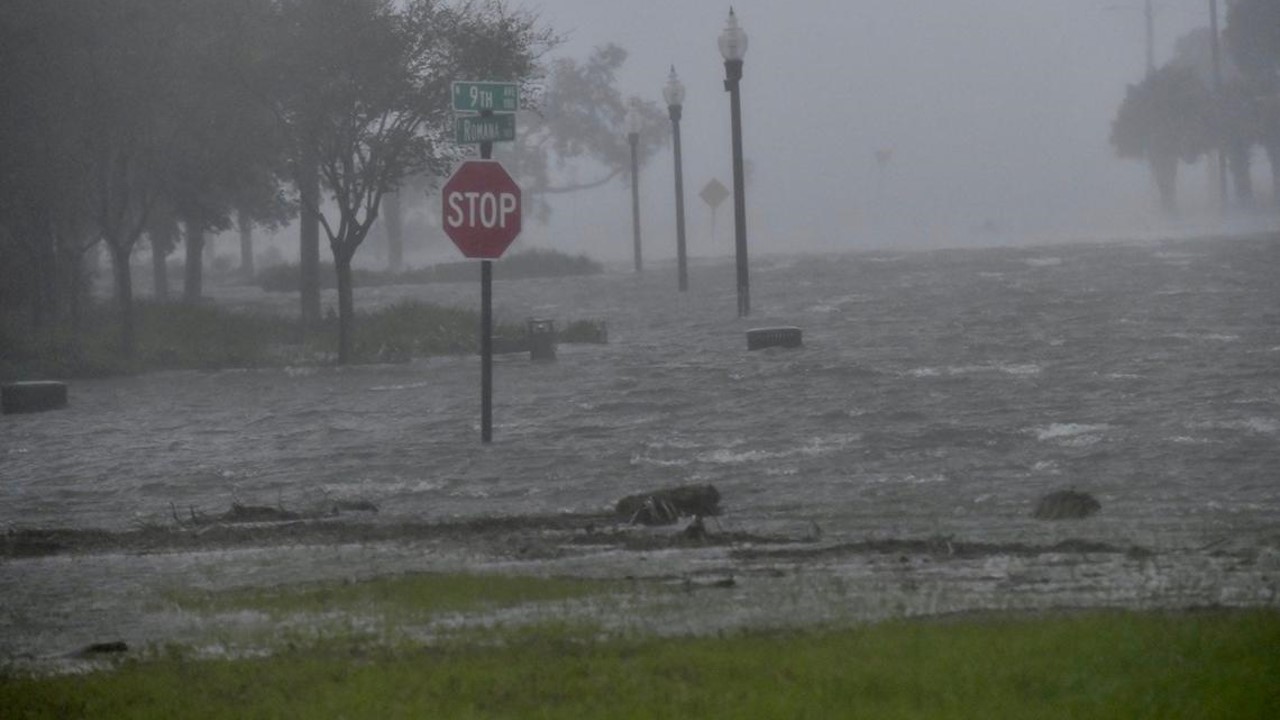
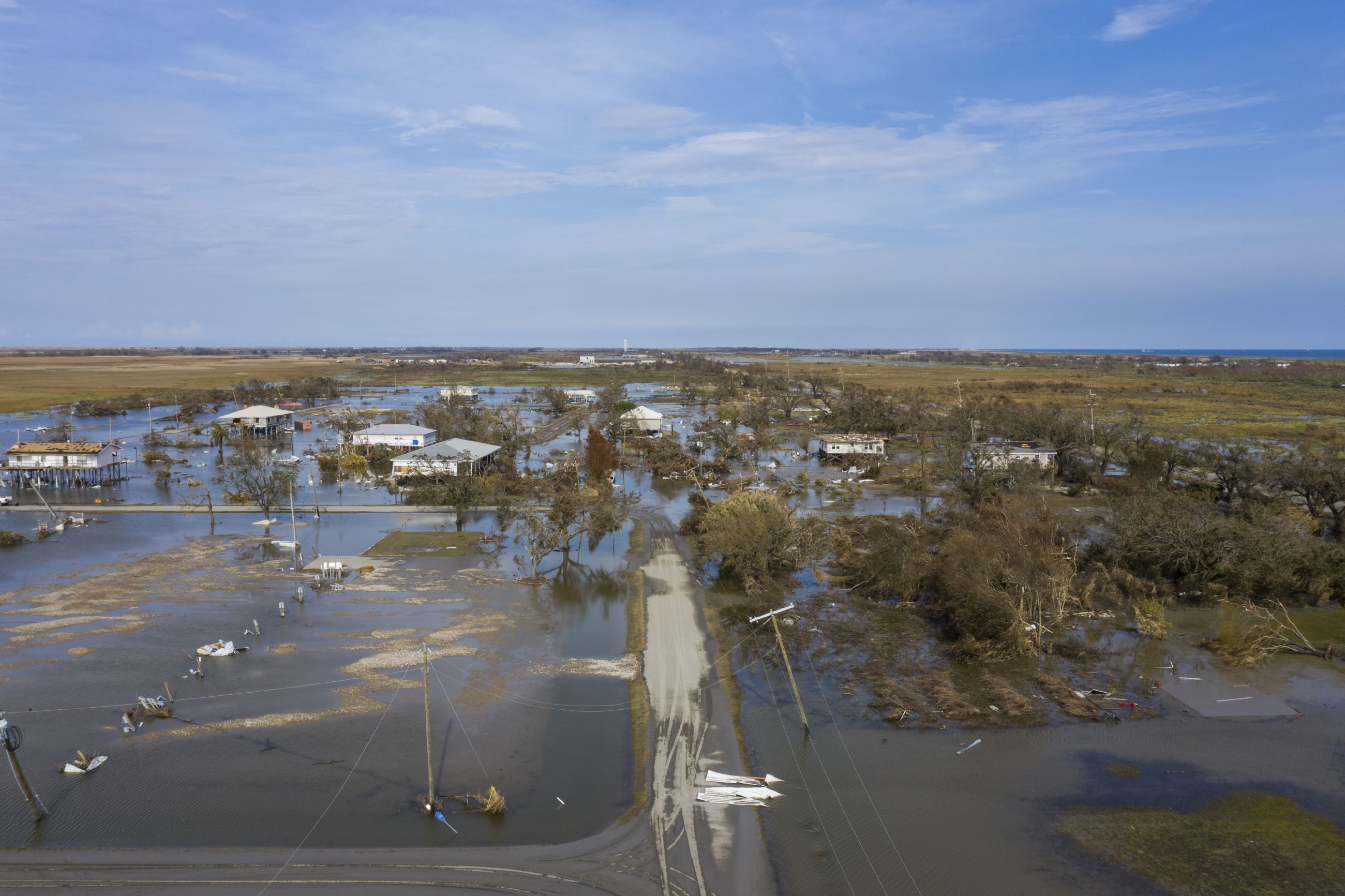
September 14, 2020- With Hurricane Sally approaching the Gulf Coast and expected to make landfall on Tuesday, the American Red Cross continues to respond to the California and Oregon wildfires, as well as the Hurricane Laura relief efforts in Louisiana and Texas.

Currently from Northern Ohio, one disaster worker has deployed to California, while nine have deployed to help with the Oregon wildfires.

In addition, 17 workers are continuing to assist people affected by Hurricane Laura, including three responding in Texas and 14 in Louisiana.

Northern Ohio Region leadership members Mike Parks, CEO and Tim O’Toole, Regional Disaster Officer, are among the disaster workers assigned to assist with the disaster responses. Mike has deployed to the Hurricane Laura response, while Tim was assigned to respond to the wildfire in Oregon. Both are working virtually currently.

To date, as part of the Hurricane Laura and the west coast wildfires disaster relief efforts, the Red Cross has provided emergency lodging to more than 29,600 residents, and with the help of partners, the Red Cross has also served more than 769,000 meals and snacks and distributed more than 174,000 relief items.

September 13, 2020. Central Point, Oregon. Patty Albin of the American Red Cross checks on Travis Wagner as he rests at the Jackson County Expo and Fairgrounds shelter after fleeing the wildfires in Central Point, OR on Sunday, September 13, 2020. Photo by Scott Dalton/American Red Cross

Additional volunteers are needed to train for disaster responses, specifically to respond to home fires locally and to staff shelters during national disaster responses. Licensed health care professionals are also needed to help people in disaster shelters.

If you are in good health and you are willing and able to receive free Red Cross training and can deploy, you are invited to attend one of the upcoming virtual volunteer information session on Friday, September 18 or Saturday, September 19. Both sessions will be held from 10 to 11 a.m. For more information and to register, email Melanie Collins at melanie.collins4@redcross.org or call 330-204-6615.

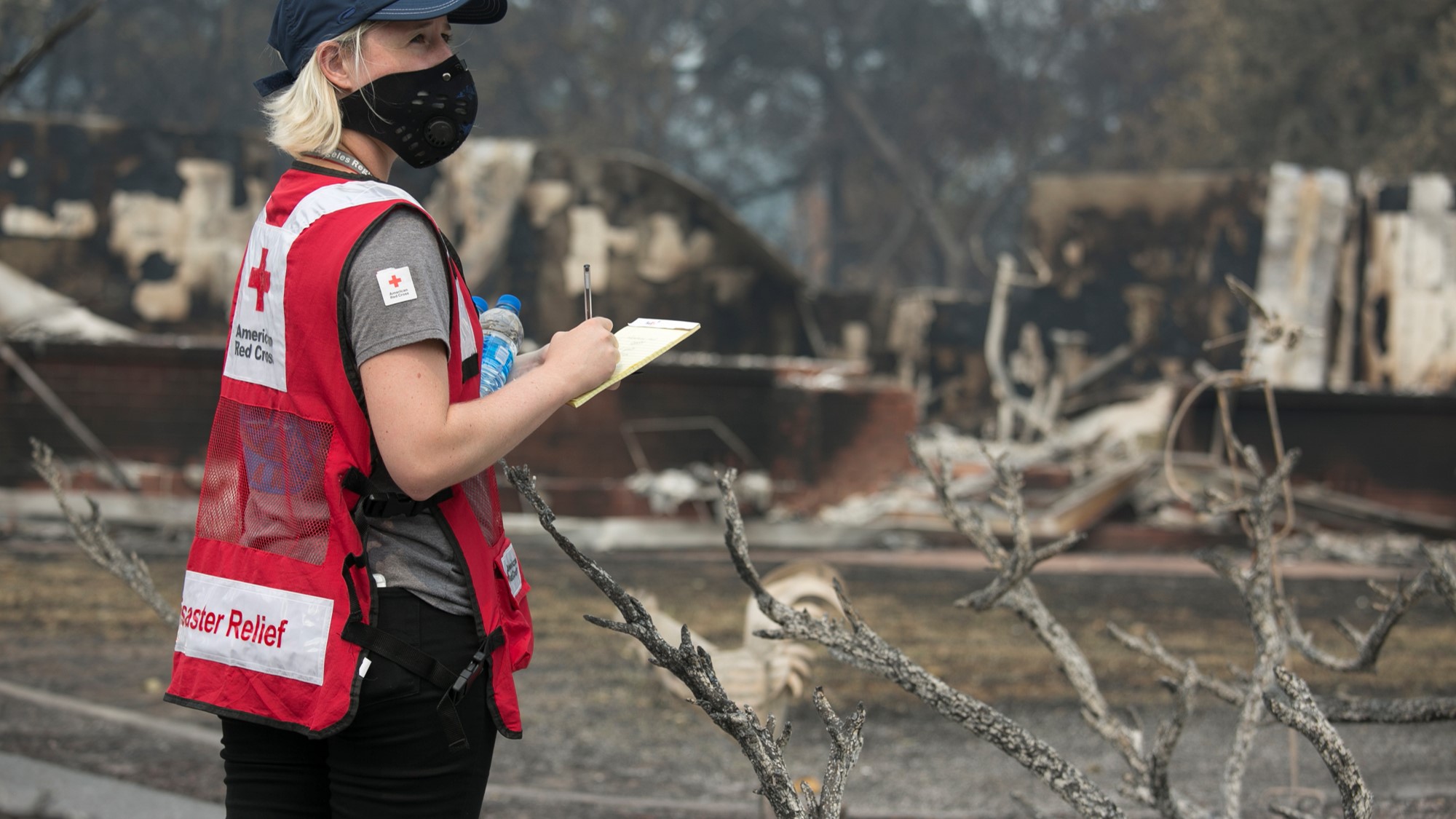
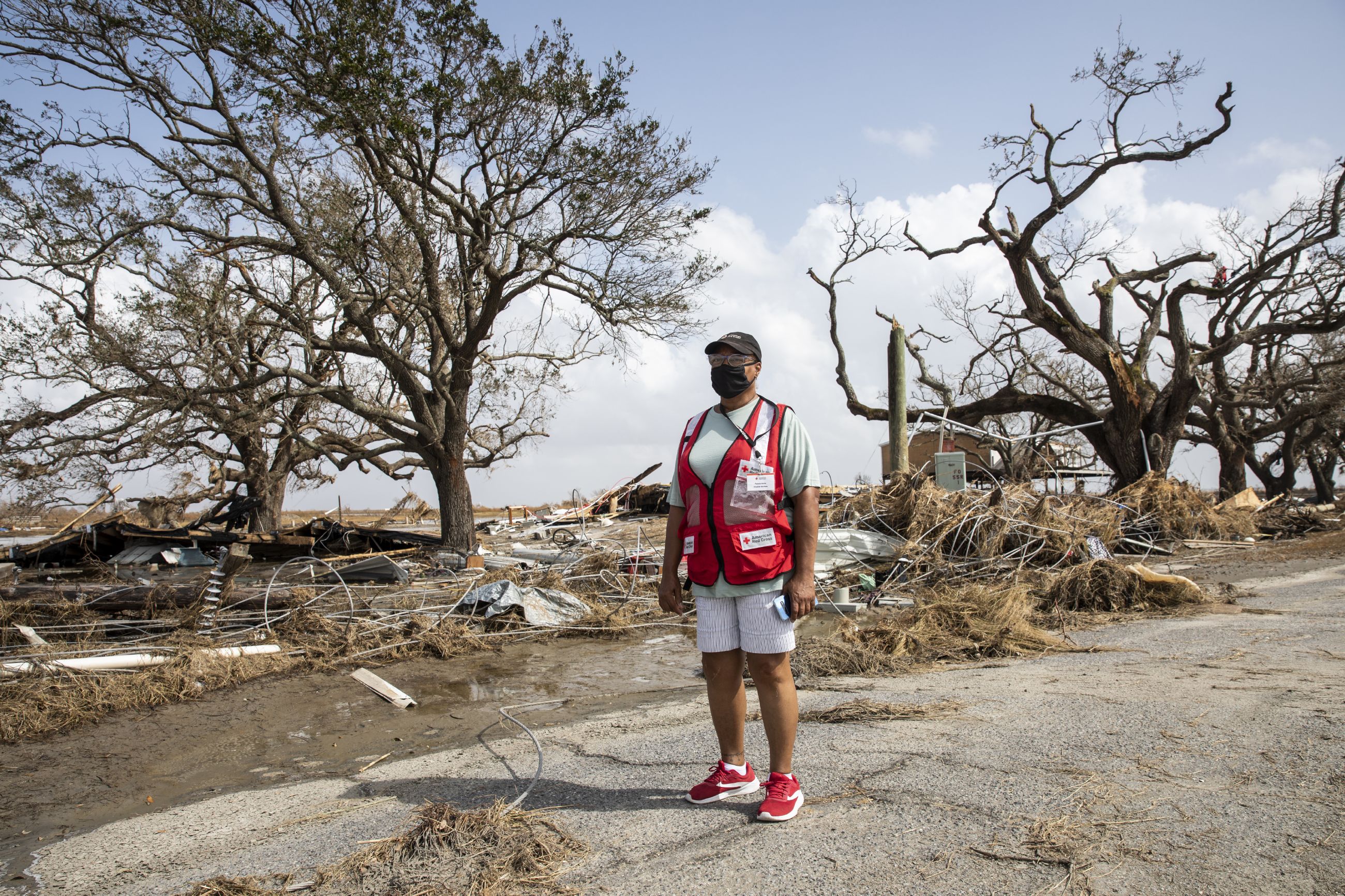
August 31, 2020. Sulphur, Louisiana Pamela Harris of the American Red Cross looks out on damage caused by Hurricane Laura, in Sulphur, LA on Monday, August 31, 2020. Photo by Scott Dalton/American Red Cross

If you are unable to deploy but you would like to support the Red Cross’ disaster relief efforts, donate by visiting redcross.org, calling 800-RED CROSS or texting the word REDCROSS to 90999 to make a $10 donation

The Red Cross remembers September 11

By Renee Palagyi, senior program manager, Disaster Cycle Services

Note from the Regional CEO: As we begin this day, 9/11—Patriots Day, I can’t help but remember the 3000+ people who perished on that fateful day 19 years ago.  My thoughts and prayers go out to the countless first responders and others, including Red Crossers, who sacrificed to render aid to those in need.  I’m sure we all remember where we were when we heard the news of the attacks on our nation.  As I think back to the people I called immediately, my wife & my mom, I encourage all of us to take a moment today to call those same people, if they’re still with us, and just tell them how much they mean to us.  Thanks for all you do!!  Please stay safe and well–enjoy your weekends.  Best regards…Mike

September 11, 2020- Today marks the 19th anniversary of one of the most infamous tragedies in American history: September 11, 2001.

Following the attacks on the Twin Towers and the Pentagon, along with Flight 93, the American Red Cross did what the Red Cross does when individuals are in need: support first responders, provide the world class Red Cross comfort and help individuals get back on their feet.

Immediately, the Red Cross:

  • Activated 6,000 Red Cross volunteers
  • Opened 13 Red Cross shelters
  • Sent disaster mental health workers to shelters, crash sites, airports and hospitals
  • Set up a mental health hotline
  • Opened respite centers for firefighters, police officers, port authority workers and others
  • Received 1 million calls on the blood donation line (the previous record in one day was 3,000 calls)
  • Every chapter in the nation supported stranded passengers at airports as air space was shut down
  • Launched the Family Registration Web, a predecessor to today’s redcross.org/safeandwell
  • Sent teams of Red Cross workers door-to-door in the Restricted Zone for families who had chosen to stay
  • After one year, the Red Cross had served 14 million meals for disaster workers and victims, mental health services for more than 237,000 people, and health services for 131,000 people.

To learn more about the Red Cross’ response following September 11, please read the following previous blog articles of reflection and rememberance:

10 Tips to Stay Safe this Labor Day Weekend

By Samantha Pudelski, American Red Cross volunteer

September 4, 2020- This year’s Labor Day plans may look a little different this year due to the COVID-19 pandemic. Whether you are staying home or venturing out, here are a few tips to enjoy the holiday weekend from the American Red Cross Northern Ohio Region.

First things first: make sure you follow the guidance of state and local public health officials with any activities you have planned. Whether it is a backyard barbeque or spending the day in the Cuyahoga Valley National Park, make sure you know what the latest COVID-19 guidelines for the area are.

Water Safety

If you choose to hang out this weekend on Lake Erie, at the pool or on any of our Northern Ohio waterways, make sure to swim only in designated areas that are supervised by a lifeguard. Make sure to maintain social distancing, both in and out of the water, between you and anyone who doesn’t live with you.

  1. Wear face coverings on land, especially when physical distancing is difficult. Do not wear them in the water as it may be difficult to breathe.
  2. Don’t share goggles, nose clips, snorkels, equipment or other personal items.
  3. Make sure to wear a properly fitted U.S. Coast Guard-approved life jacket while boating and have young children or inexperienced swimmers wear one around the water.
  4. A kiddie or inflatable pool can be a great alternative to going to a public place to enjoy the water. There should always be an adult supervising when children are in and around the pool. When swim time is over, make sure to drain the water from the pool and flip it over.
  5. Make sure to always supervise kids in or around water and avoid distractions. In group situations, designate a water watcher whose sole responsibility is to oversee the activity in the water until the next water watcher takes over.

Make sure you’re prepared by taking our free Water Safety for Parents and Caregivers online course and visit our Water Safety for Kids site for videos, activities and quizzes.

Heat Safety

Photo by Andrea Piacquadio on Pexels.com

While forecast for this weekend looks picture perfect, it’s always important to be mindful of the warm temperatures and the dangers that the summer sizzle can bring. Here are a few tips to always remember:

  1. Never leave children or pets alone in a vehicle. Temperatures inside a vehicle can reach dangerous levels within minutes.
  2. Drink plenty of fluids throughout the day even if you do not feel thirsty.
  3. Wear loose-fitting, lightweight, light-colored clothing. Dark colors absorb the sun’s rays, making you feel warmer.
  4. Keep your pets hydrated and cool too! Check on them frequently to make sure they are not suffering stress from the heat.
  5. Avoid strenuous exercise and activities during the hottest parts of the day when it’s hot out.

The American Red Cross First Aid app is a great resource to always have on your phone for information on how to treat heat emergencies.

Be sure to also take a virtual Be Red Cross Ready class to learn valuable preparedness information. Visit NOHRedCross.org/calendar for more information.