By Eilene E. Guy, American Red Cross volunteer
Dan Sutliff’s trip across the Pacific Ocean to Guam and the Northern Mariana Islands in July was no vacation, no opportunity to visit his wife’s relatives there.
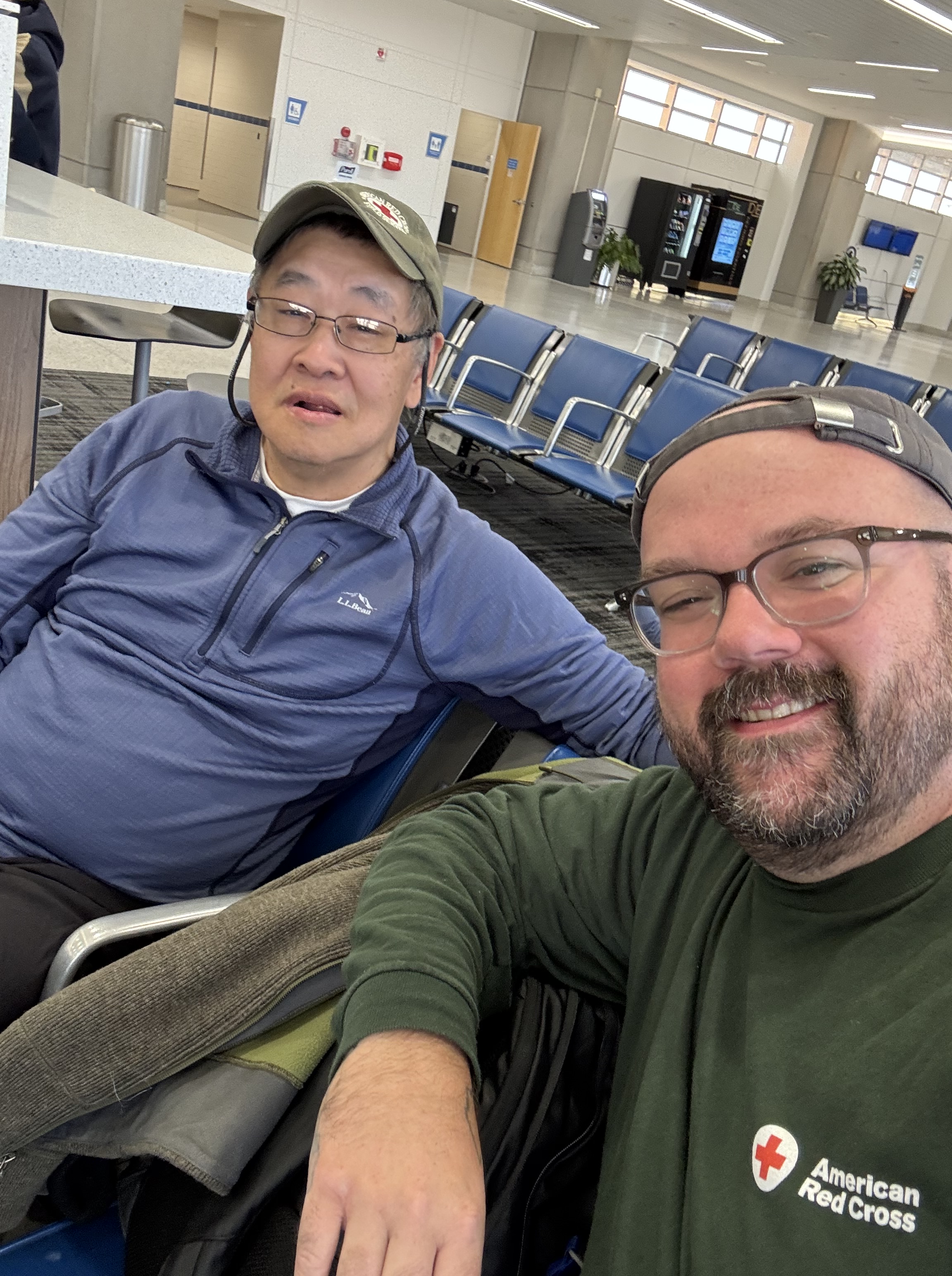
As an American Red Cross disaster volunteer, Dan wanted to help bring relief and hope to islanders hit by their third typhoon in as many months: Super Typhoon Bavi.
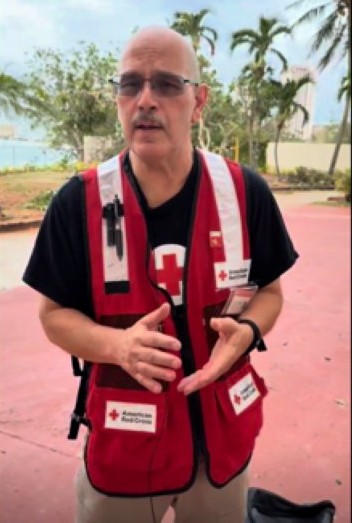
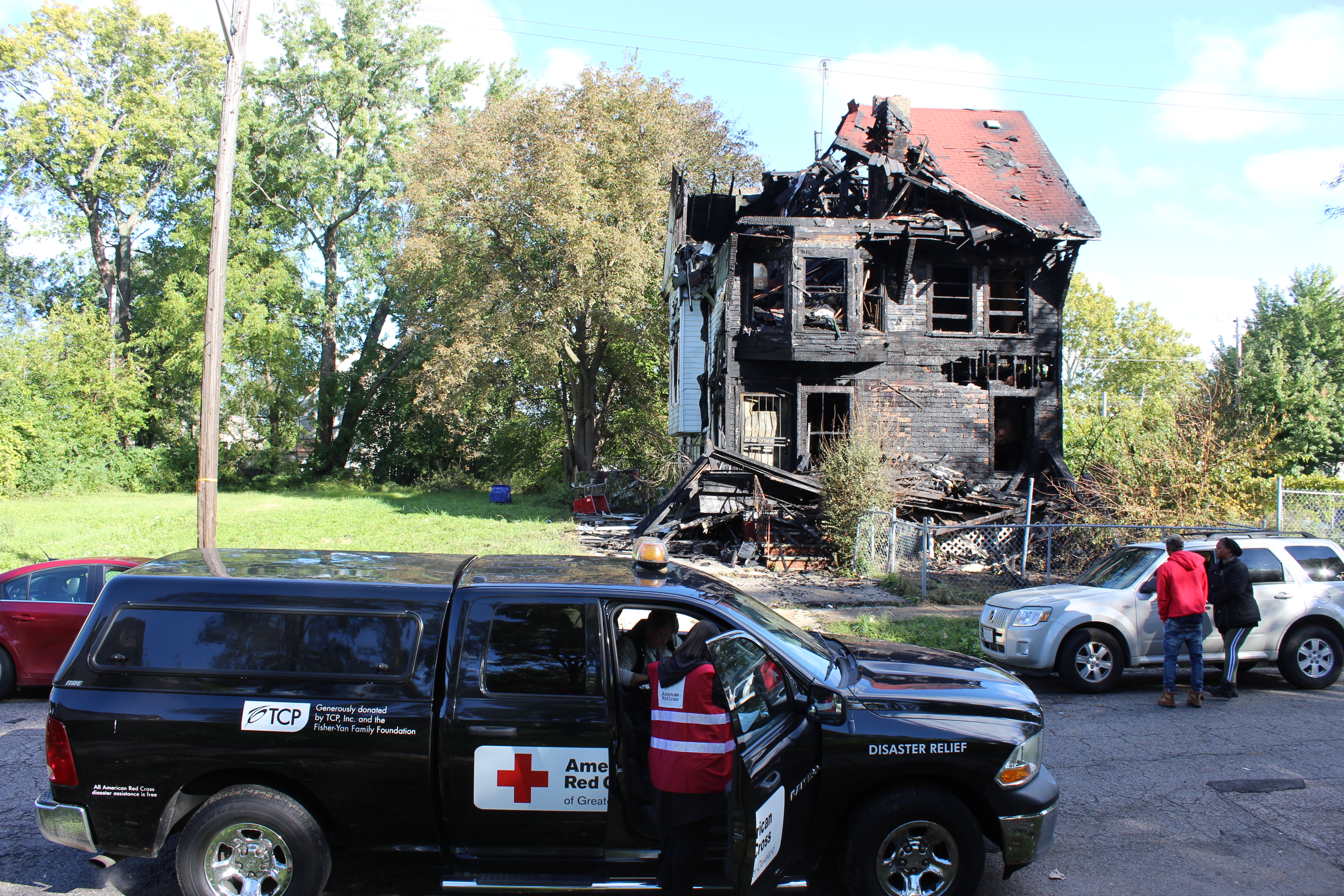
Dan, who lives in Brunswick, Ohio, has been a Red Cross volunteer for a couple of years, primarily responding to home fires, bringing reassurance and resources to folks in their time of need: shelter, food, immediate needs
But his deployment to a disaster 7,000 miles away was different: He arrived just in time to hunker down in Guam as the Category 5 storm skirted the American territory, dumping 15 inches of rain in just 12 hours.
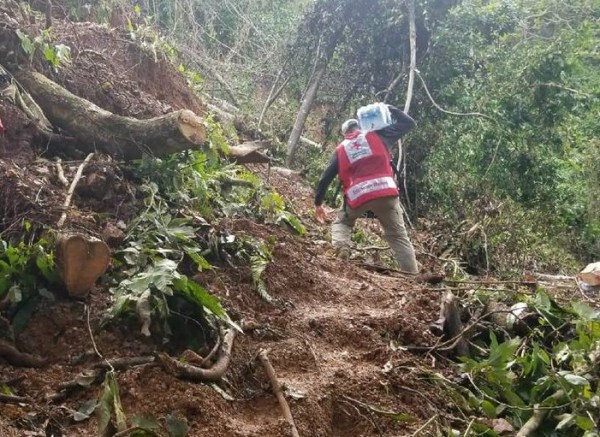
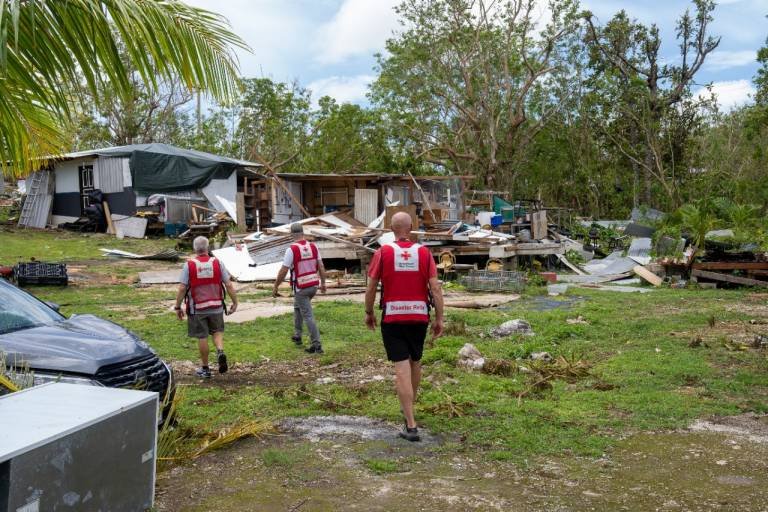
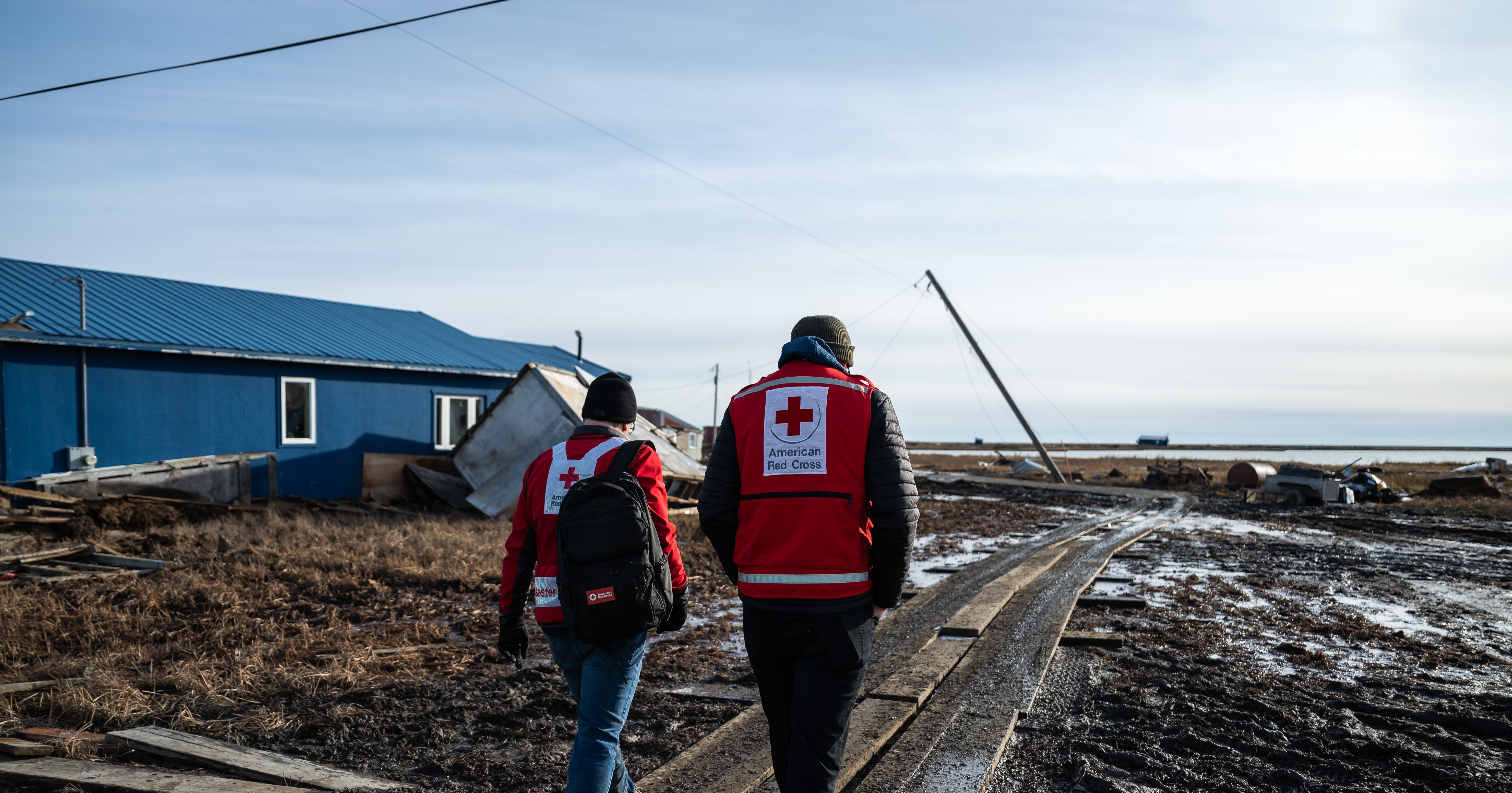
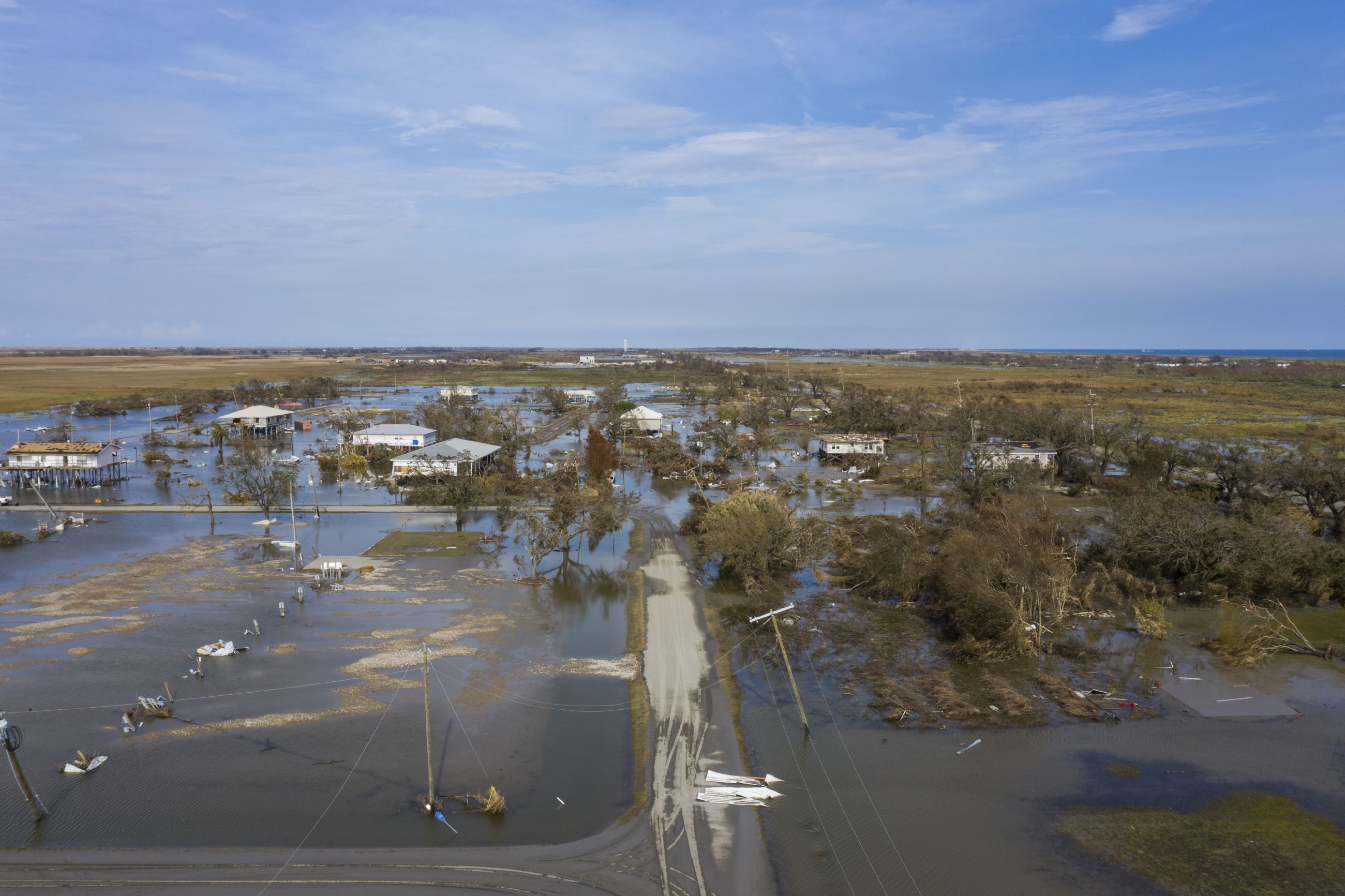
The next day he was able to get a quick flight to the neighboring island of Rota, where Bavi made a direct hit with sustained winds of 180 miles an hour. “Almost every building was affected in some way: roofs blown off, walls collapsed,” he said. Communications and critical infrastructure were demolished.
Dan and three other volunteers from “the states” teamed up with four island Red Crossers (Yes, Guam and the Marianas have their own American Red Cross.) got right to work, interviewing families, asking what they needed, and then working with the local authorities to distribute supplies.
Tarps, coolers, hand sanitizer and wipes are typical after a disaster, but the Red Crossers were able to offer supplies customized to the environment of a hot, humid and “buggy” island: sunscreen, bug repellent, solar lights and fans, mosquito nets, butane stoves, portable showers and meal kits tailored to local diets.
“One of our team had lived on Rota,” Dan said. “That local knowledge was critical” to coordinating with local authorities and finding resources – like a place to live, a generator to provide electricity, a vehicle – to be able to do their work.
Dan and his team supported the two shelters on the island. “The steady state population was about 70 in the Center for Aging and about 25 at the high school. There had been more,” while Bavi hovered over the island, he said. They did what they could to make their “guests” comfortable. For example, they used folding cafeteria tables as dividers to give families a bit of privacy.
Dan came away from his first national disaster impressed by how quickly the Red Cross can mobilize relief, even halfway around the world, and how important it is for responders themselves to be flexible, dealing with whatever situation presents itself. Travel hiccups, no big deal; accommodations with no power and, initially, no water. “It was sufficient,” was his attitude.
At the same time, Dan was impressed with the islanders’ resilience. “Some of them had lost everything,” he said, “but their attitude was, ‘We’ll be able to recover’.”
By the way, Dan took the opportunity to Facetime with his wife, Linda’s, uncle on the nearby island of Saipan while he was in the “vicinity.” Everyone in that family is fine after the storm, he said. And the Red Cross was there too.
Would you like to be able to help people – around the corner or around the world – prevent, prepare for or recover from disasters? “The Red Cross makes on-boarding easy,” Dan noted. Go to redcross.org to learn about the many ways to volunteer. (And no, you don’t have to travel far from home to make an impact!)
All the Red Cross disaster relief is free, provided by the generosity of the American people. To support this vital work, donate through redcross.org or 1-800-REDCROSS.








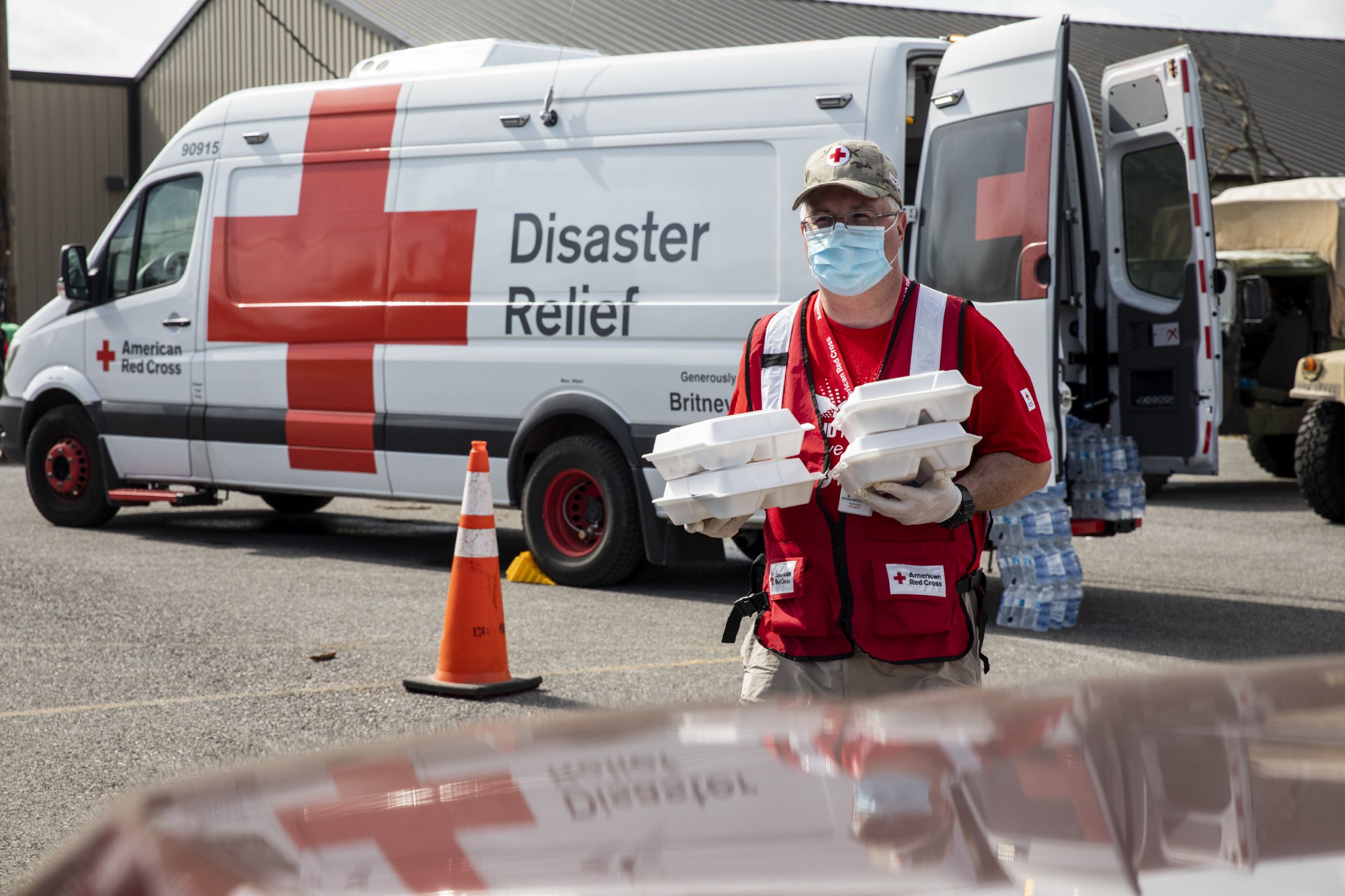
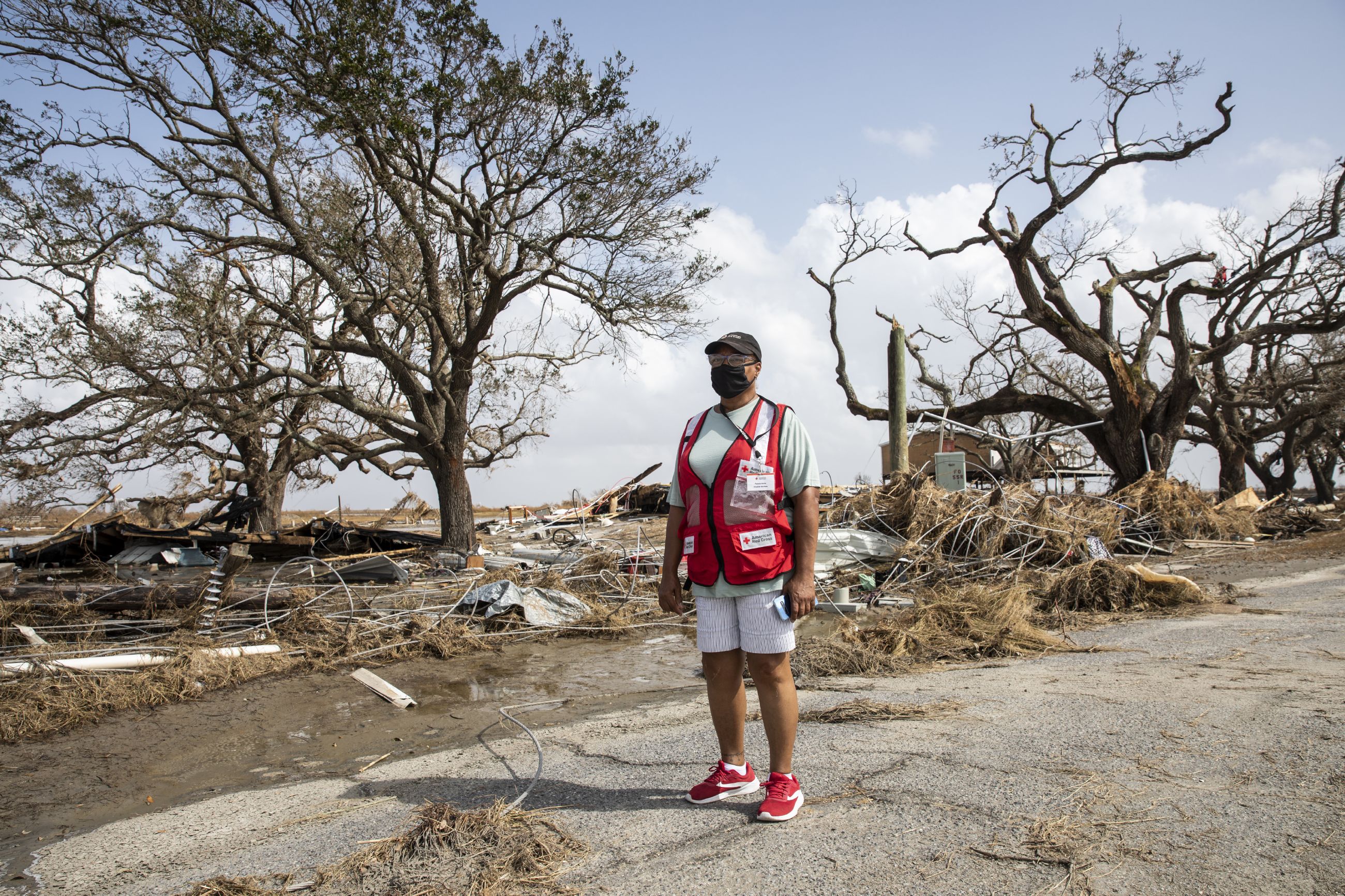


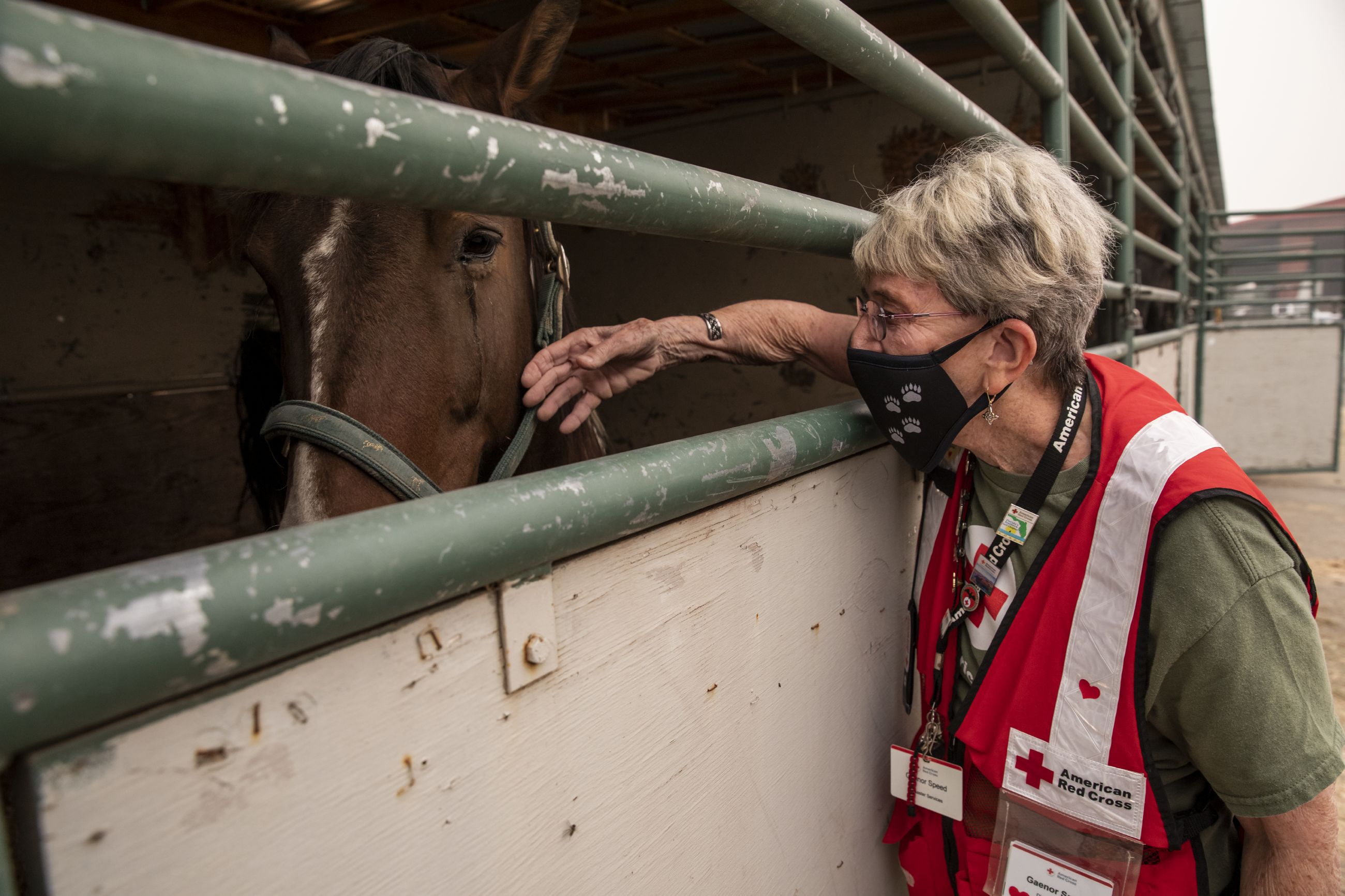
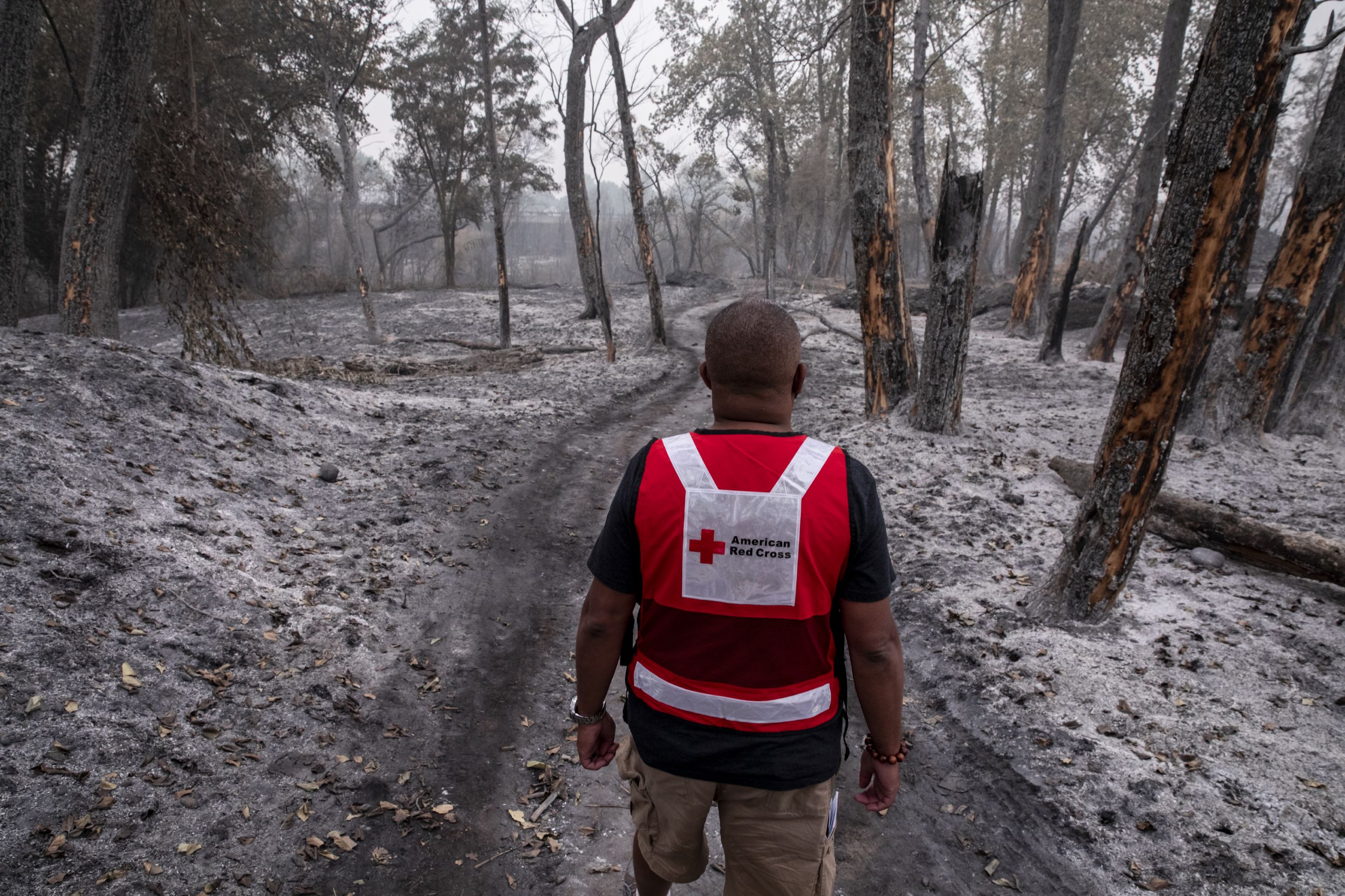

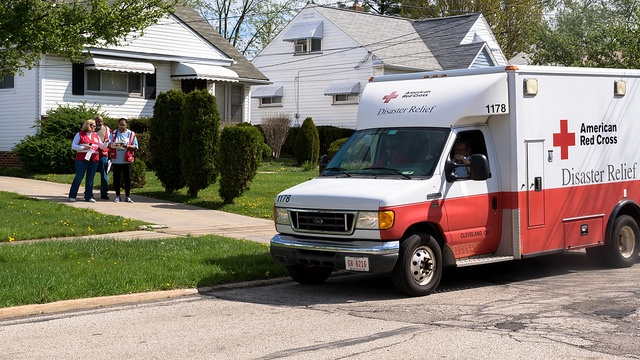
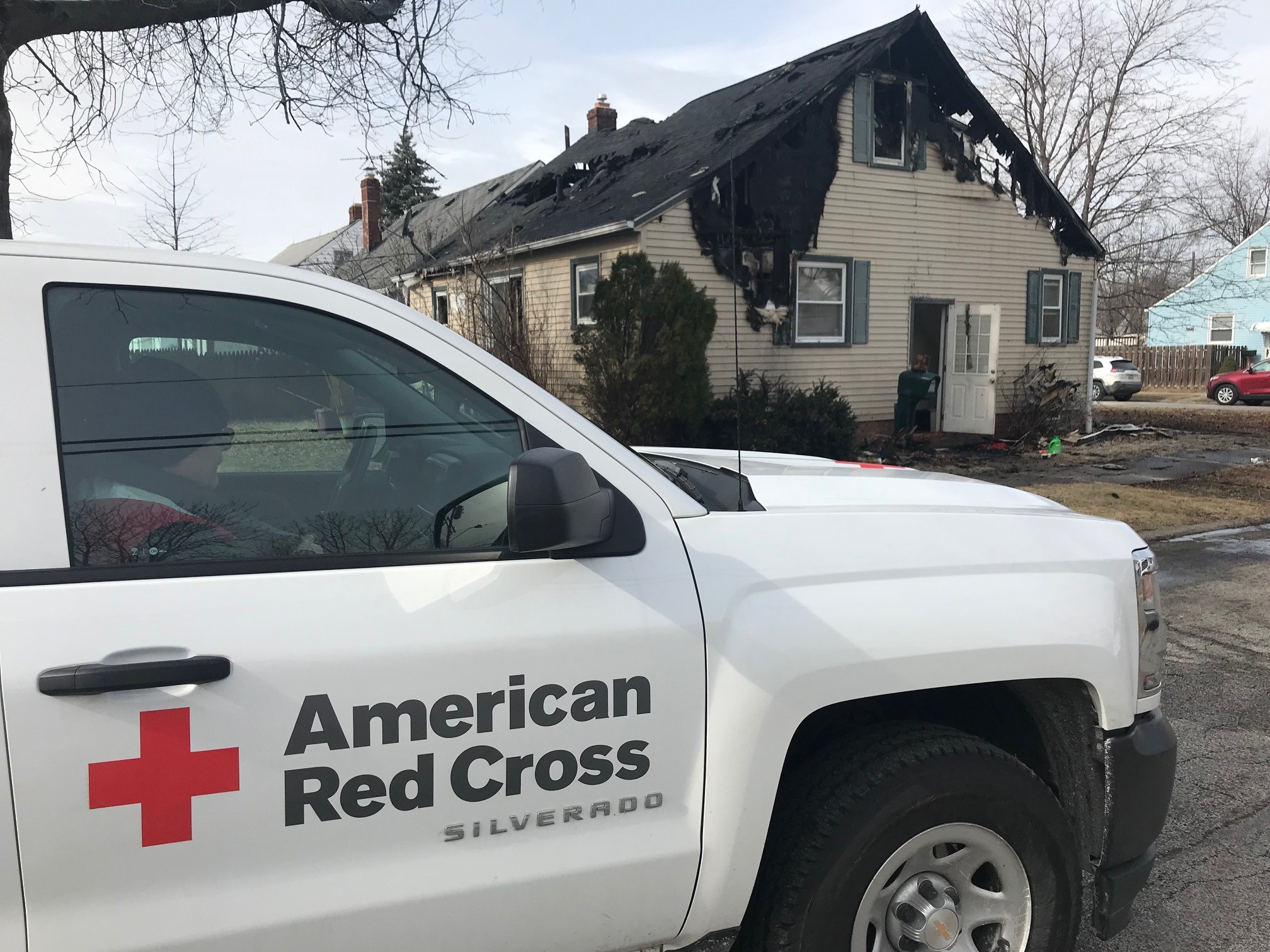 At a community event with the Emergency Response Vehicle, I let children use the public-address system. Some shyly say, “hi,” others say their names and a few words. One yells, “Pizza! Pizza! Pizza! … and ice cream!” Nearly all smile as their voices amplify.
 Not only were we given a place to warm up and enjoy food and refreshments, but we were given great support from everyone here,” said Bill and Diane Harasyn, Chardon residents who escaped the cold by visiting an American Red Cross-supported warming center.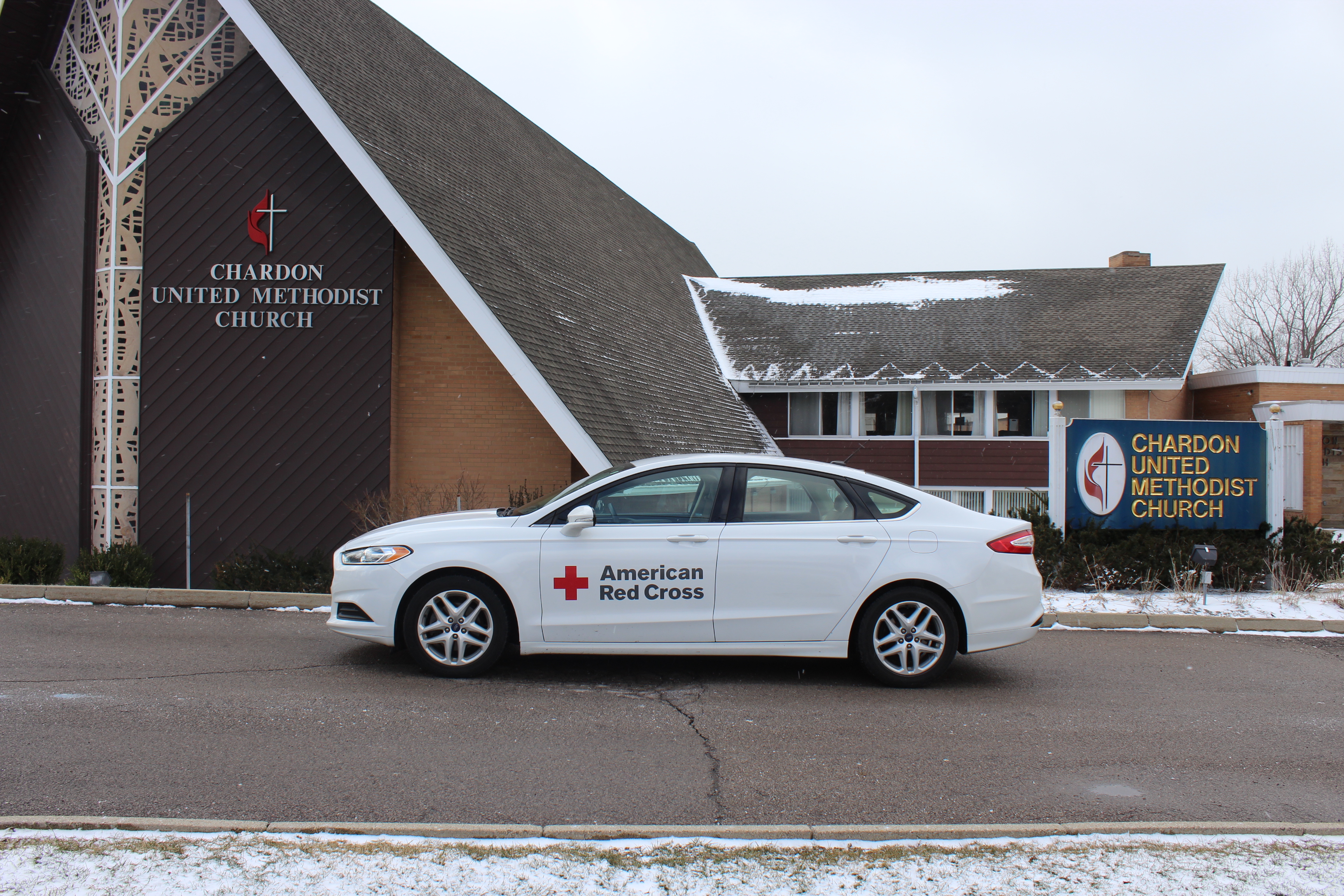


 Over the weekend, the Red Cross responded to 17 incidents in all five chapters in Northeast Ohio, assisting 64 residents, and distributing more than $12,300 in immediate financial assistance to help people in their darkest hours.