
By Eilene E. Guy, American Red Cross volunteer
Full confession: More than once in my life, I’ve walked into the kitchen and found my teakettle boiled dry, glowing red hot on the stove. I’d neglected to turn the burner off before I left the room. A-a-a-a-ck!
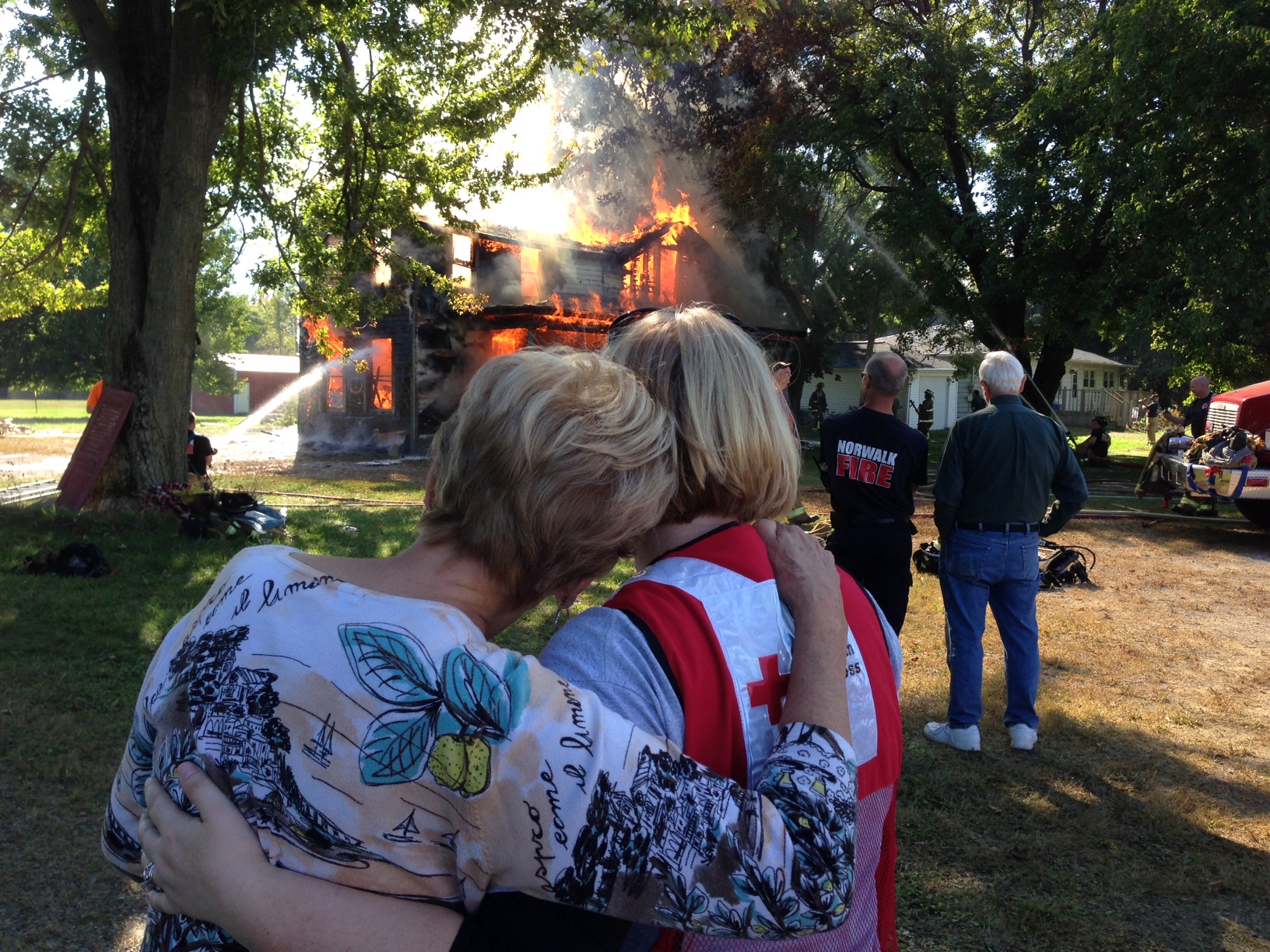
Lucky for me, I took action before my kitchen caught fire. But every year, more than 330,000 homes across America are hit by fires – some minor and some devastating – according to the National Fire Protection Association.

In northern Ohio alone, the American Red Cross responded to nearly 1,050 home fires between June 30, 2024, and July 1 of this year. Those alarms involved more than 4,600 people. Tragically, 25 adults and 11 children lost their lives.
Nobody should become that kind of a statistic.
As we slide toward the colder months, National Fire Prevention Week is a good time to review common sense prevention tips:
- Be sure anything that gets hot, like a portable heater, is at least three feet from furniture or curtains.
- Do not smoke in bed or on the sofa or stuffed furniture.
- Never leave candles unattended.
- Don’t leave the kitchen with pots, pans, skillets or teakettles on the stove, like I did!
- Keep matches and lighters out of reach of youngsters and teach them not to play with fire.
- Test smoke alarms monthly and practice a home escape plan twice a year.
- Identify devices in your home that have lithium-ion batteries: cell phones, laptops, tablets, eReaders, game controllers, digital cameras and tools, among other things. Learn how to buy, charge, store and recycle them safely.
Red Cross volunteers are ready to respond to home fires and other emergencies 24/7, but we’re also active with our home fire campaign year-round. It’s a life-and-death mission to cut that 330,000 fires number as “low as you can go.” (Remember limbo?) And to cut the fire-related deaths number to zero!
Fire safety experts have four solid recommendations:
- Have smoke alarms on every level of your home, inside bedrooms and outside sleeping areas.
- Test smoke alarms every month and if they’re not working, change the batteries. If your alarm is more than 10 years old, replace it; smoke detection elements only last 10 years.
- Talk with all family members about at least two ways to get out of the home in case of a fire, and practice that escape at least twice a year. Remember, you have just two minutes to get out of your home in case of fire.
- If a fire does occur, Get Out, Stay Out, and Call for Help! Be sure all children in the home know those important actions. No stop, drop and roll; no hiding from the alarm; no going back inside for a pet or a favorite toy. GET OUT, STAY OUT and CALL FOR HELP!
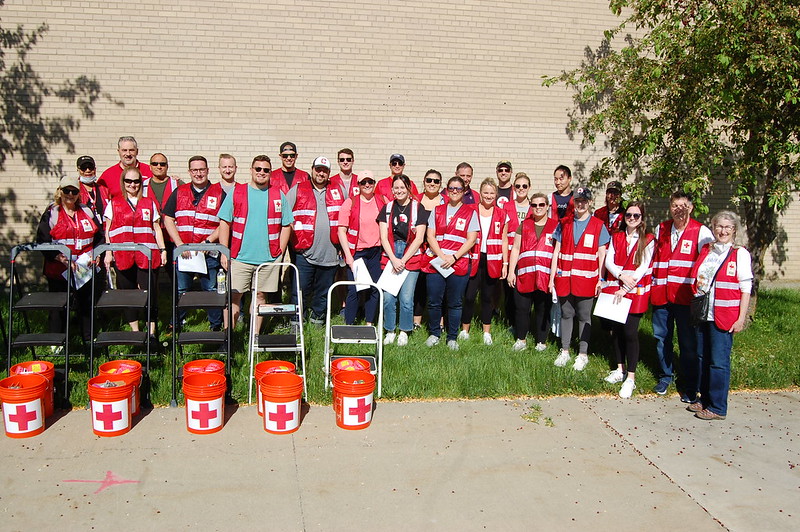
The Red Cross home fire campaign, which we call Sound The Alarm, pulls together volunteers, fire departments and local partners to go door-to-door to install free smoke alarms and to help residents draw up fire escape plans for their home.

In fiscal 2025, that campaign made some 9,200 residents of northern Ohio safer. Meanwhile, volunteers presented our Prepare with Pedro home fire safety programs to more than 3,800 children.
And this is saving lives! Since Sound The Alarm began at the national level 11 years ago, we’ve confirmed 2,489 lives have been saved specifically by our alarms and safety plans nationwide. Some 31% of those lives saved were children and teens under the age of 18.
All services provided by the Red Cross are free, made possible by the generosity of the American people. If you’d like to volunteer your time, take a class or make a financial donation to help people prevent, prepare for and respond to an emergency – from a home fire to a medical emergency to a natural disaster – please go to www.redcross.org.



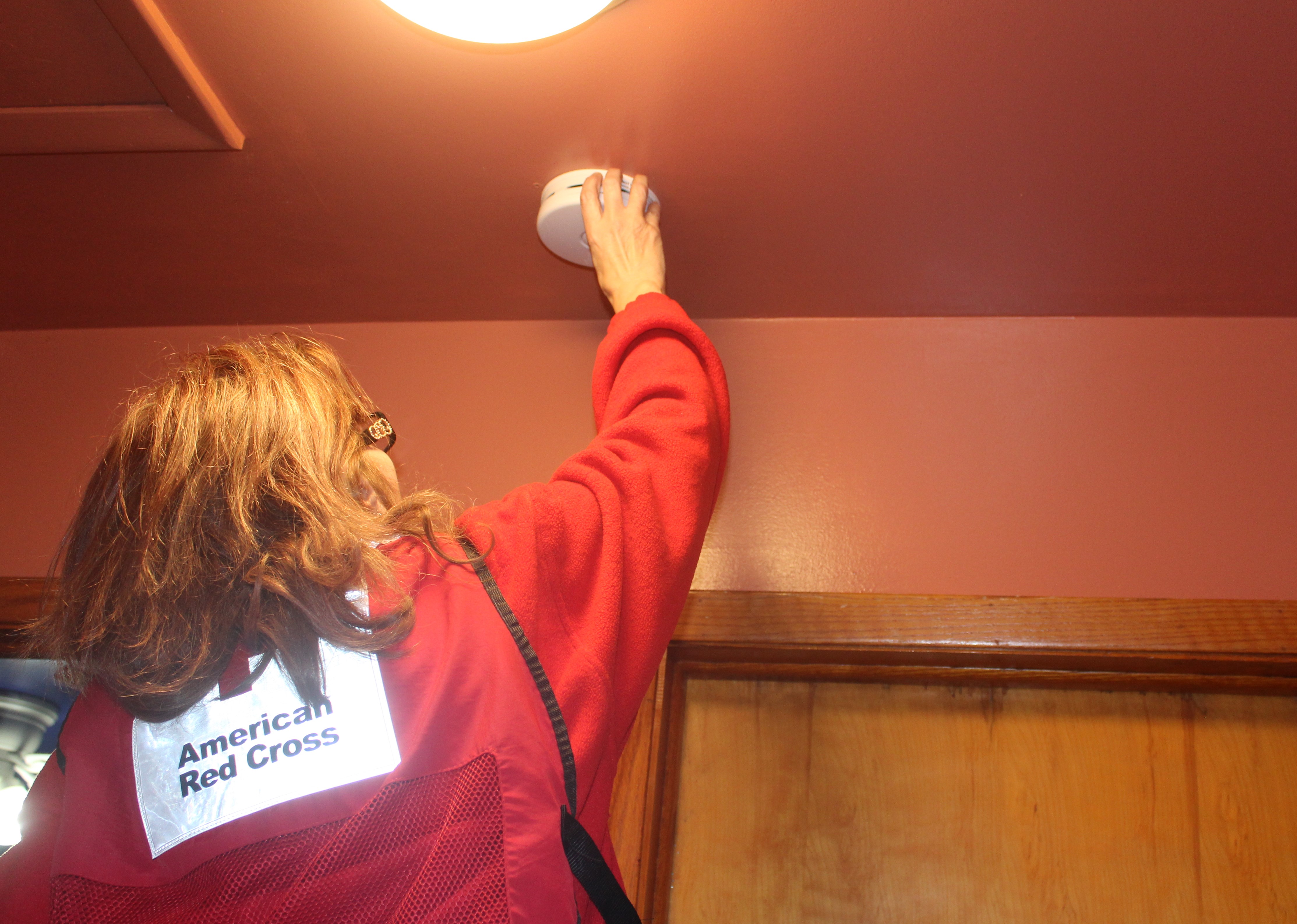






 SMOKE ALARM. Smoke alarms should be installed on every level of a home; outside bedrooms on the ceiling or high on the wall, at the top of open stairways and at the bottom of enclosed stairs and near (but not in) the kitchen. It is important to check your Smoke Alarms every month and replace their batteries annually. The life expectancy of ALL smoke alarms is 10 years – the sensors wear out.
 CARBON MONOXIDE ALARM. Carbon Monoxide Alarms should be placed in hallways throughout the home. They should also be placed in recreational vehicles and on boats.
 On the Third Day of Christmas
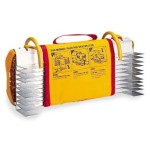 FIRE ESCAPE LADDER. Homes with more than one floor should have at least one Fire Escape Ladder stored on all floors, other than ground level. Store these ladders where they are easily accessible.
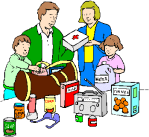 On the Fifth Day of Christmas
 On the Sixth Day of Christmas the Red Cross recommends that you assemble a PET SUPPLIES KIT. Pets enrich the lives of individuals and families in more ways than you can count. In turn they depend on people for their safety and well-being. Having a Pet Disaster Supplies Kit is one of the best ways to care for pets when disaster strikes.
 a WEATHER RADIO. As the voice of the National Weather Service, a Weather Radio provides continuous broadcasts of the latest weather information directly from a National Weather Service Forecast Office. During severe weather routine broadcasting is interrupted and special watch and warning messages are issued.
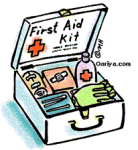 On the Eighth Day of Christmas the Red Cross recommends that you get a FIRST AID KIT. Because the first five minutes of a medical emergency are critical, every individual and family should have a First Aid Kit in their home and vehicle and on your boat.
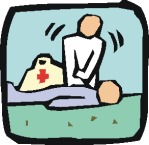 On the Ninth Day of Christmas the Red Cross recommends that you attend FIRST AID AND CPR TRAINING. For more than a century, the Red Cross has been saving lives with Health and Safety Services education programs. A unique idea for a Christmas Stocking would be a Gift Certificate for a First Aid and CPR Training course.
 HOUSE NUMBERS. Each home should have its number posted clearly on the front door, over the doorway, or elsewhere on the front so emergency responders can easily locate it. Lives and property can be saved simply by adequate house numbers where emergency workers can find them as quickly as possible.
 On the Eleventh Day of Christmas the Red Cross recommends that you purchase a FLASHLIGHT. As simple as a Flashlight is, it can become a very important tool during and after disaster strikes. Every Family Disaster Supplies Kit should contain a Flashlight and spare batteries.
 EMERGENCY COMMUNICATION PLAN. Each home should have a list of Emergency Phone Numbers posted near the phone or in the front of a phone book.
 NOHredcross