Honoring Steve Bullock during Black History Month

By Doug Bardwell, Red Cross volunteer

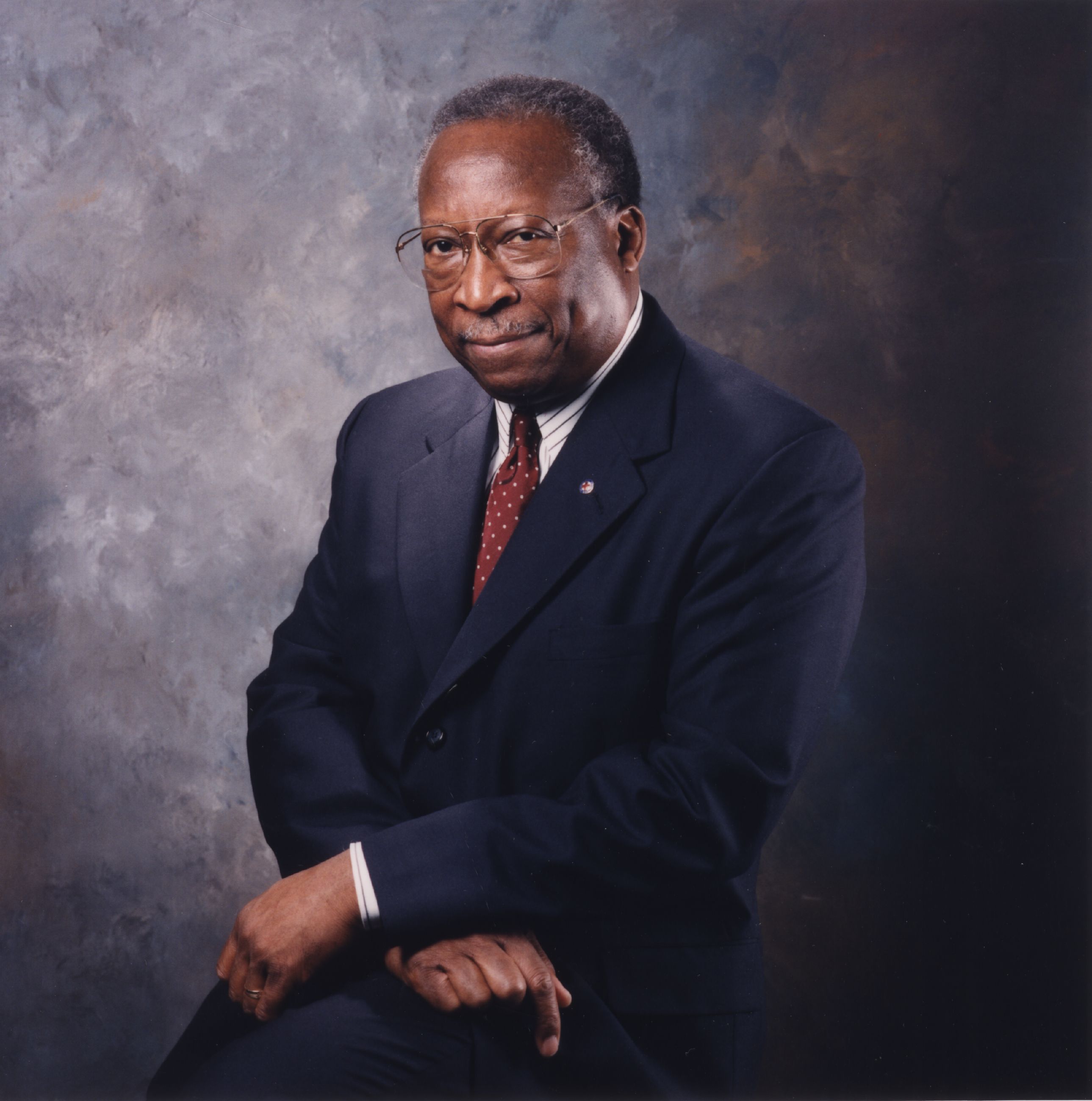
Northern Ohio has had their share of prominent African Americans:  Olympian Jesse Owens, author Toni Morrison, US Representative Stephanie Tubbs Jones, inventor of the modern traffic light Garrett Morgan, and first black mayor of a major U.S. city Carl B Stokes. But, closest to the hearts of Northern Ohio Red Crosser’s is none other than our own Steve Bullock.

Steve Delano Bullock was the youngest of 22 children born to a sharecropper family in segregated North Carolina. He was in the U.S. Army in Vietnam in 1962 when he first volunteered with the Red Cross. He found a fit in the organization that upholds impartiality – not discriminating based on nationality, race, religion, class or political beliefs – as one of its fundamental principles.

– Steve Bullock, Photo credit: Daniel Cima/American Red Cross

Steve began his career with the organization in 1962, working as a caseworker on military installations. His work took him and his family to military posts throughout the United States, Europe, and Southeast Asia. Twenty years later, he became the Chief Executive Officer and Chapter Manager of the Greater Cleveland Chapter.

In Cleveland, he oversaw the launch of Operation Save-A-Life, which aimed to reduce injuries and deaths due to home fires by providing residents in at-risk neighborhoods with fire safety education and free smoke alarms and installations. That initiative has been adopted by the Red Cross nationwide and, as of the end of 2021, more than 2.2 million alarms have been installed and more than 1,200 lives have been saved.

– Northern Ohio Sound the Alarm installation event

Steve Bullock’s career with the American Red Cross spanned six decades. During that time, he has been one of the hundreds of thousands of volunteers and paid staff striving to help Americans and people around the world prevent, prepare for and respond to emergencies.

But there’s one thing no other Red Crosser will ever be able to claim: Steve was the first African American to sit at the helm of our nation’s premier humanitarian organization, when he was named Acting President of the national agency in Washington, DC.

“You’d be hard-pressed to find a more inspiring role model than Steve,” says Mike Parks, Regional CEO of the Red Cross in Northern Ohio. “It’s no wonder our humanitarian award is named in his honor. He has lived a life of service to mankind.” 

Thank you, Steve Bullock, for your years of service to our military members, their families, and our mission. 

If you feel a call to serve as Steve did, the Red Cross has a veritable wealth of opportunities for your talents.  Start your journey here.

Tips to keep your pet safe the remainder of winter

.By Chris Chmura, American Red Cross volunteer
Despite a few days of above normal temperatures, winter is baaaack! The American Red Cross would like to share some useful tips to help your family pets get safely through the rest of this winter season.

The American Red Cross and the Humane Society of the United States recommend following these basic steps to keep your pets safe during Ohio’s long winter months:

Bring your pets inside, especially if you’ll be gone for several hours.

The American Society for the Prevention of Cruelty to Animals ®  (ASPCA ®) reports if pets are left outdoors, they can freeze, become disoriented, lost, stolen, injured, or killed. In addition, don’t leave pets alone in a car during cold weather, as cars can act as refrigerators that hold in the cold and cause animals to freeze to death.

If pets cannot come indoors, make sure they are protected by a dry, draft free enclosure. Make it large enough to allow them to sit and lie down, but small enough to hold in the pet’s body heat.

Raise the enclosure floor a few inches off the ground and cover it with cedar shavings or straw. Turn the enclosure away from the wind and cover the doorway with waterproof burlap or heavy plastic.

Make sure your animals have access to non-frozen drinking water. If you keep food and water outside, make sure their access to food and water is not blocked by snow drifts, ice or other obstacles.

Salt and other chemicals used to melt snow and ice can irritate a pet’s paws. Wipe their paws with a damp towel before your pet licks them and irritates their mouth. The ASPCA adds that you can also use petroleum jelly or booties to protect sensitive paws. Use pet-friendly ice melt products.

If you make shelter space in your garage, shed or other secondary building, check for chemical spills and wipe up any you find before your pet can come in contact with it. Antifreeze (for example) is sweet and attracts pets, but it a deadly poison. Store antifreeze out of reach.

Move other animals or livestock to sheltered areas and make sure they have access to non-frozen drinking water. If the animals are outside, make sure their access to food and water is not blocked by snow drifts, ice, or other obstacles.

Photo of Tye, provided by Christy Peters

Take care of their coat and skin. To avoid itchy, flaking skin, the ASPCA recommends keeping your home humidified and towel dry your pet as soon as he or she comes inside. Pay special attention to paws and in-between the toes. Remove any snow from between foot pads. If possible, keep your dog’s coat longer in winter for warmth. If your dog is short-haired, consider getting a coat or sweater for your pet. Keep pet bathing to a minimum when it’s cold to avoid dry skin. If your pet needs a bath, use a moisturizing shampoo.

Know your pet’s limits outdoors. The American Veterinary Medical Association (AVMA) reports you should be aware of how your pet tolerates cold weather and adjust as needed. Consult your veterinarian if you need advice.

Check your engine. A warm vehicle engine can be an appealing heat source for outdoor and feral cats, but it’s deadly. Check underneath your car, bang on the hood, and honk the horn before starting the engine to make sure a cat hasn’t taken refuge on your engine.

Use space heaters with caution. The heater can burn your pet or be knocked over, possibly starting a home fire.

Watch for hypothermia. If your pet is whining, shivering, anxious, slower than usual or stops moving, seems weak or starts looking for warm places to burrow, get them back inside quickly because they are showing signs of hypothermia. Frostbite is harder to detect and may not be fully recognized until a few days after the damage is done. If you suspect your pet has hypothermia or frostbite, consult your veterinarian immediately.

Be prepared: Winter can bring blizzards and power outages. Prepare an emergency kit and include your pet in your plans. Have enough food, water, and medicine (including any prescription medications as well as heartworm and flea/tick preventives) on hand to get through at least five days.

Avoid walking on frozen water. Stay away from frozen ponds, lakes, and other water. You don’t know if the ice will support your pet’s weight and falling through the ice could be deadly.

Photo of Winnie provided by Chris Chmura

Can I bring my dog to a Red Cross shelter?

Most American Red Cross shelters cannot accept pets because of health and safety concerns and other considerations. Service animals that assist people with disabilities are allowed in Red Cross shelters. Know which friends, relatives, boarding facilities, animal shelters or veterinarians can care for your animals in an emergency.

Download the Red Cross Pet First Aid app to put veterinary advice for everyday pet emergencies in the palm of your hand. With videos, interactive quizzes and simple step-by step advice it’s never been easier to know Pet First Aid.

More Resources for Pet Owners:
Pet Disaster Safety
Protect Your Pets from Heat
Pet Travel Safety
Pet Fire Safety

Edited by Glenda Bogar, American Red Cross volunteer

Blood donations: Who benefits?

By Samantha Pudelski, American Red Cross volunteer

We’ve all seen the American Red Cross logo at one time or another in our lives. Many of us have seen it promoting a local blood donation drive being held that day as we drove down the road. We all know that blood is needed for us to live–but we may not always think of how many different individuals rely on blood donations, until we or someone we know needs it. In fact, in Northern Ohio the Red Cross provides blood for patients in more than 70 local hospitals in Cleveland, Akron, Youngstown and Toledo.

Platelet donors Al Whitney of Avon Lake and Vinton Smith of Gettysburg, PA

Who are some of the people who rely on blood donations? Below are just a few:

Cancer Patients

Cancer patients may need blood transfusions to implement platelets back into the body after treatments such as chemo or radiation therapy. Certain cancers can also affect a patient’s ability to produce their own platelets.

Trauma Patients

When a patient comes into an emergency department with a trauma injury and there’s no time to check the patient’s blood type, emergency providers use type O negative red blood cells and type AB plasma. O negative blood cells and AB plasma can be transfused into any patient, regardless of blood type. However, less than 7 percent of the population has type O negative blood, and only about 4 percent have type AB Blood. A constant flow of blood donors who have these blood types are critical to keep up with hospital demand, and to help emergency providers save lives.

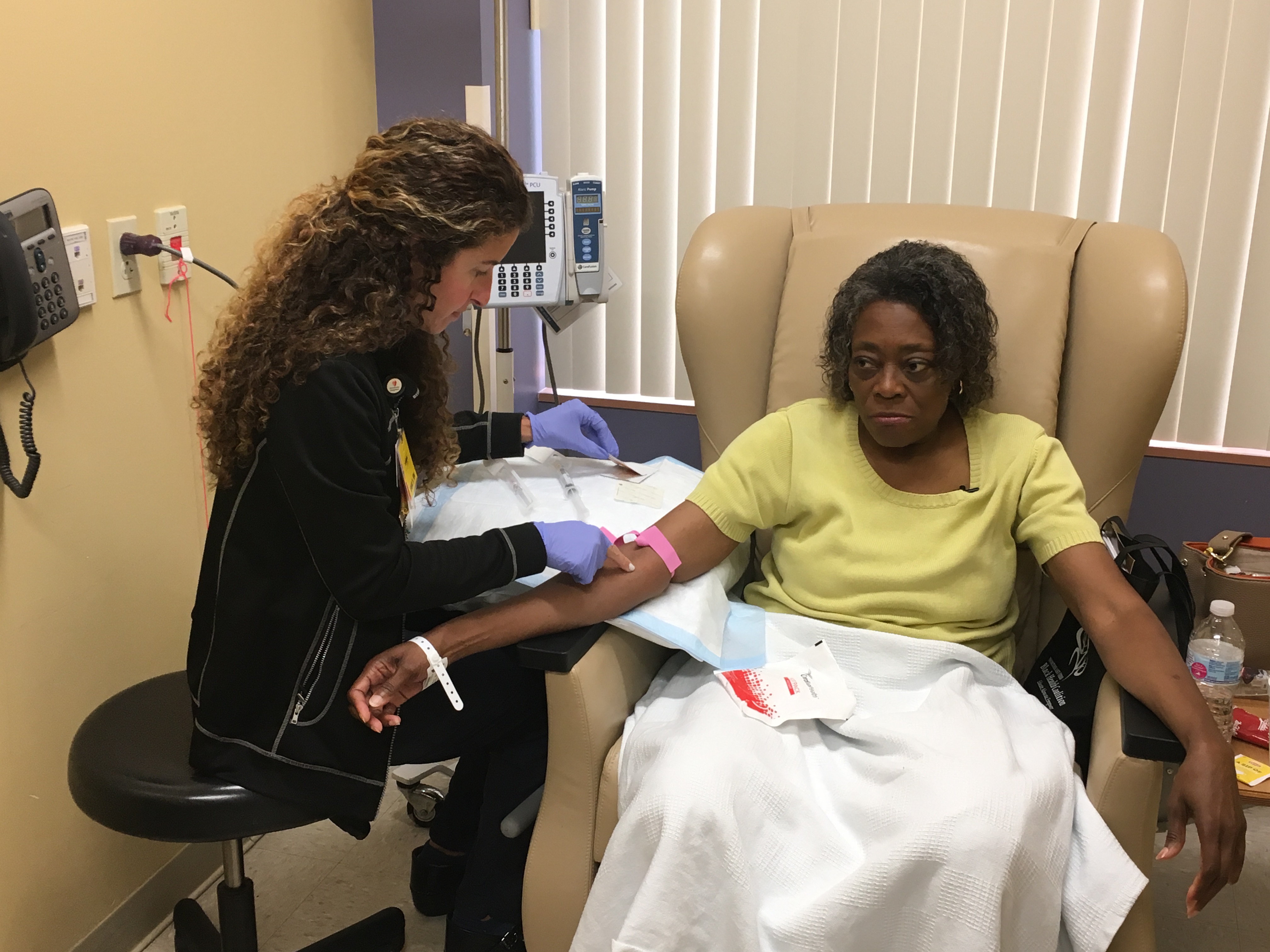
Glinda Dames-Fincher, of Mayfield Heights has lived with sickle cell disease for more than 60 years and receives regular red cell exchanges as part of her treatment.

Sickle Cell Patients

Sickle cell disease affects about 100,000 people in the United States, and causes red blood cells to harden and form a C-shape. When these cells harden, they can get caught in blood vessels and cause serious complications like respiratory conditions, organ failure, stroke or severe pain. While there is no cure for the disease, there is a critical treatment—blood transfusions. 

Burn Patients

Burn patients may experience blood loss through surgery or anemia. These individuals may need blood transfusion to replace the blood or red blood cells lost. 

Patients Who Have Major Surgeries

Patients who have a major surgical procedure may need a blood transfusion to replace any blood loss that occurred during their surgery.

Patients with Chronic Diseases

Patient with certain chronic diseases or disorders may require blood transfusions. Some may need blood transfusions throughout their lives. 

The next time you see one of those signs, one of our advertisements or think about the Red Cross, take the next step. Schedule an appointment to donate blood. Your donation helps people in your community – and you never know if that person could be standing right beside you. To take that next step now, visit www.redcrossblood.org/give.html/find-drive to find an upcoming blood drive or donation site near you.

Edited by Glenda Bogar, American Red Cross volunteer

First-time blood donor gives to meet nationwide shortage, more donors needed

By Eilene Guy – Red Cross Volunteer

Last Saturday was a red-letter day for me: My husband donated blood for the first time.

Don Guy – First-time blood donor

I’ve nagged the poor man for years to join me, but he always deferred. That seemed odd: He’s generous with his time and talents, he’s a compassionate person and he’s not needle-phobic (that I know of).

“It just wasn’t my thing, but after the years of incessant bugging, the nationwide blood shortage finally tipped the scales,” he admitted with a grin.

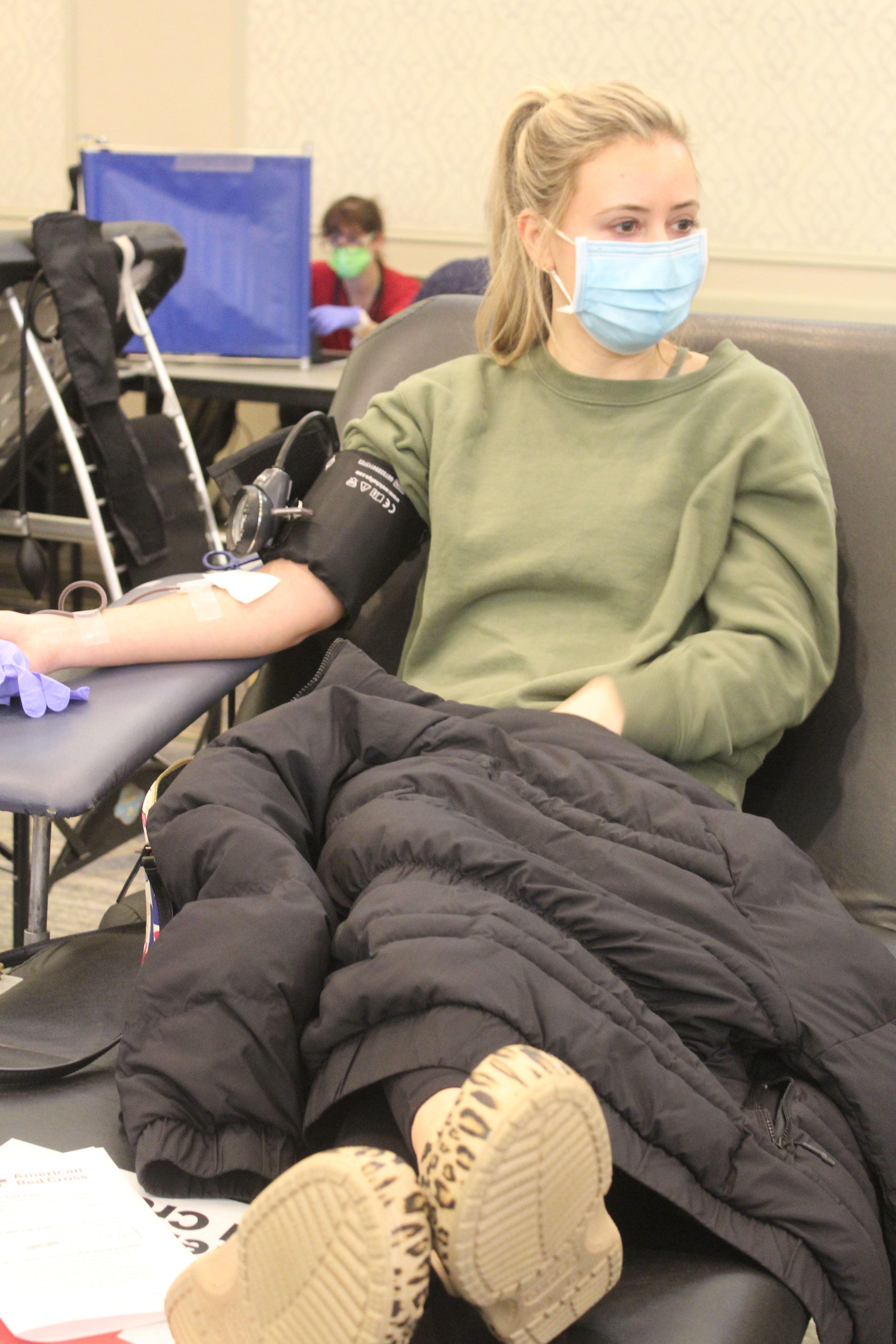
Fortunately, the phlebotomist we had at the American Red Cross blood drive was really skillful. I know, because she “stuck” me too.

“If you want to look away, now would be the time,” she said. “A pinch and a little burn,” and the needle was in — – with hardly a pinch a burn. Honest.

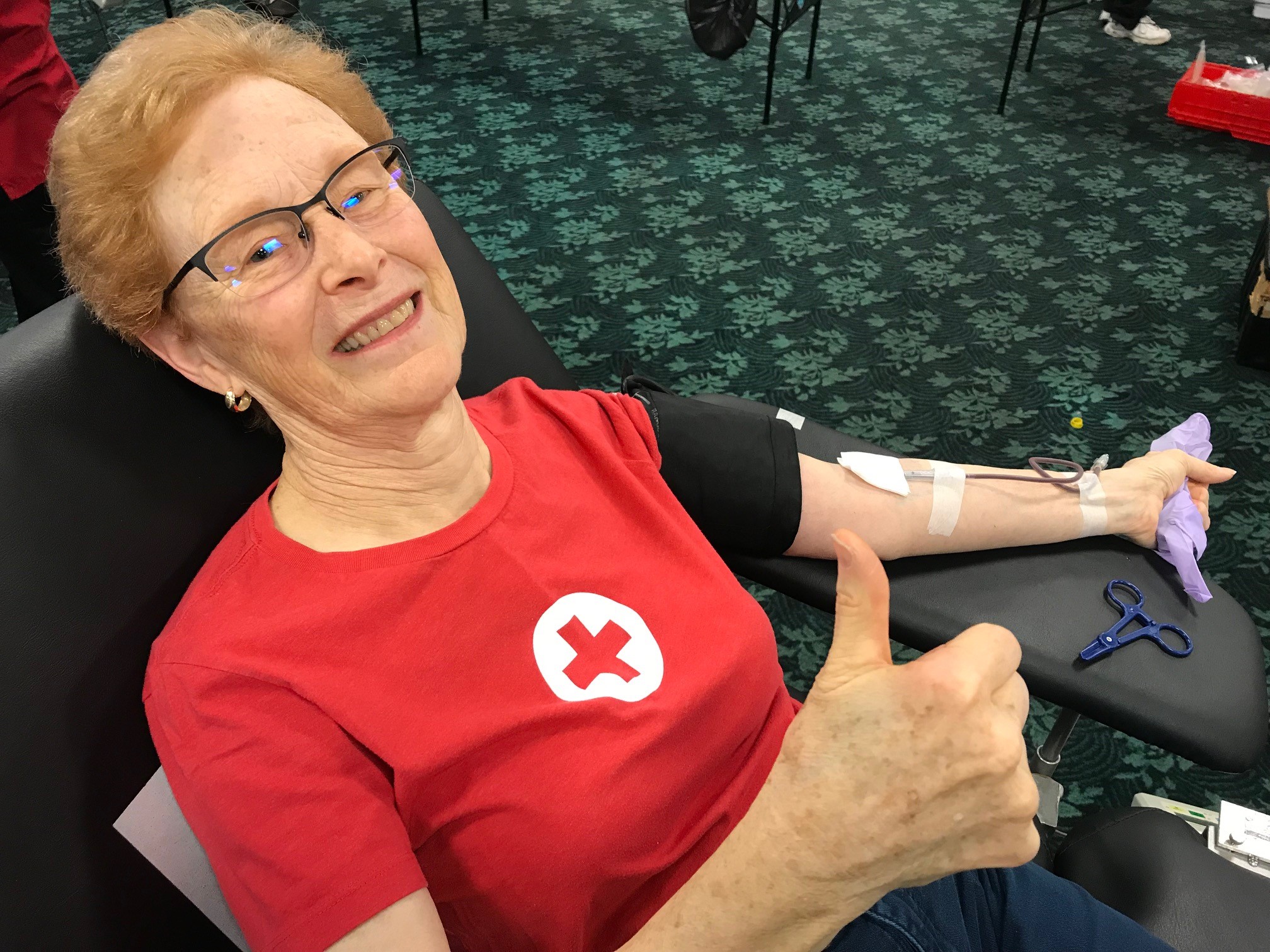
Eilene Guy – Blood donor

I have the Red Cross Blood Donor App on my phone and I’m looking forward to seeing where my blood goes. Will it go as a whole blood transfusion? Or will it be separated into the component parts —– plasma, platelets and red blood cells —– to potentially save three lives?

In January, the Red Cross declared a national blood crisis because the blood supply had fallen to the lowest levels in more than a decade amid the latest surge in COVID-19 cases. And severe winter weather forced the cancellation of more than 300 blood drives that month, which added to the emergency.

The crisis is impacting health care nationwide, including right here in northern Ohio. A friend of mine’s heart surgery was delayed until there was enough blood on hand of her individual blood type. Imagine how nerve-wracking that would be.

Apparently the number one reason people don’t donate blood is that they haven’t been asked, so I’ve set myself a winter goal of asking, urging, convincing at least five people to donate blood for the first time. I hope if they do it once, they’ll become repeat donors.

If you’re reading this, consider yourself asked: Please, give donating blood a try. What have you got to lose? And think of what the recipient of that blood has to gain, be they an accident victim, surgery patient, parent undergoing a difficult childbirth, or person with an on-going need, such as someone with cancer or sickle-cell disease.

To find a blood drive near you, go to http://www.redcrossblood.org or call 1-800-REDCROSS. Be sure to make a reservation: That cuts down on the wait time for all donors and the Red Cross certainly doesn’t want to turn anyone away.

Please, give the gift that can’t be manufactured. There is no substitute for blood, and the only way to collect it is from generous donors.

Red Cross issues call for volunteers

Help needed as winter increases the risk of home fires
Support also needed for Red Cross Blood Program

Winter weather has arrived and with it an increase in the number of home fires. The American Red Cross of Northern Ohio is recruiting new volunteers to help respond to these local emergencies by supporting people in their time of greatest need.

Nationally, the Red Cross has already responded to more than1,900 home fires since 2022 began, providing assistance to more than 6,500 people. In the Northern Ohio Region, trained Red Cross Disaster Action Team (DAT) members have responded to 60 home fires so far this year, helping 215 people impacted by a fire in their home.

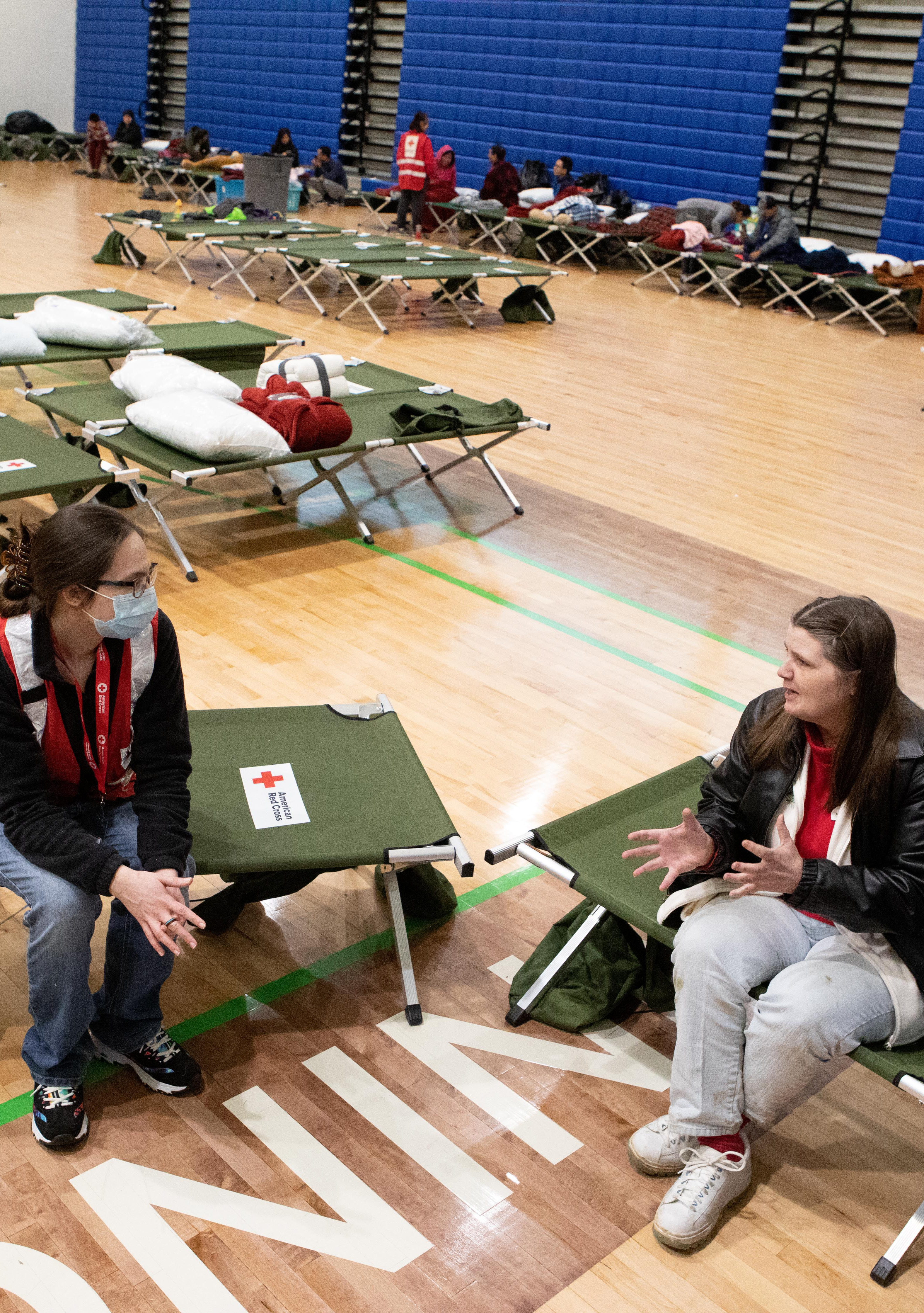
LOCAL RESPONSE HELP NEEDED DAT volunteers help families with their immediate needs after a fire in their home and offer support during a very difficult time. As a DAT team member, you will provide emotional support, access to financial assistance and information to help families begin to recover. DAT team members respond to emergencies to provide immediate compassion and care. Training will be provided.

Home Fire Response

“Our Red Cross volunteers support their community and neighbors in need each and every day by responding to local emergencies,” said Mike Parks, Regional CEO, American Red Cross of Northern Ohio. “We need more help so no one faces this heartbreaking situation alone.”

Ruth Davidson Gordon – Red Cross Volunteer Blood Donor Ambassador

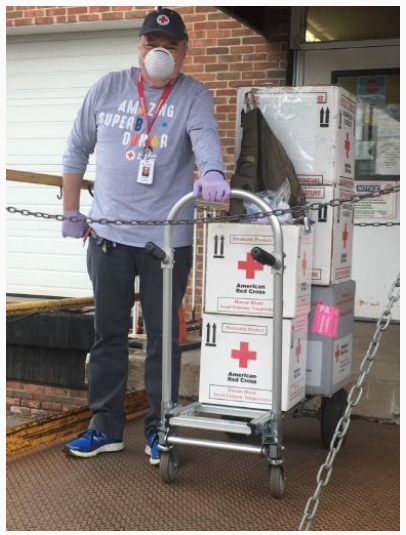
BLOOD SERVICES VOLUNTEERS ALSO NEEDED The Red Cross also needs volunteers to support blood collections as the country faces an ongoing critical need for blood products and platelets. Blood donor ambassadors play an important role by greeting, registering, answering questions and providing information to blood donors throughout the donation process. Blood transportation specialists provide a critical link between blood donors and blood recipients by delivering blood to hospitals in our communities.

Blood Transportation Specialist

COVID-19 AND STAYING SAFE The need for volunteers is constant and continues to evolve as the Red Cross navigates the ongoing coronavirus pandemic. The safety of everyone is our top priority and our guidelines reflect the latest CDC safety recommendations. COVID-19 vaccination is required for in-person volunteer roles beginning February 15, 2022. When considering volunteer opportunities, review the CDC guidance for people who are at higher risk for severe illness, consult your health care provider and follow local guidance.

Please consider joining the Red Cross as a volunteer today and bring help and hope to people in need. Vaccination verification required for in-person roles. Find out more at redcross.org/volunteertoday.

Donate blood or platelets now to help patients avoid delays in care

As we welcome 2022, the American Red Cross blood supply has now dipped to the lowest level in more than a decade and could force hospitals to hold off on essential blood and platelet transfusions for patients in Northern Ohio and across the country.  

The troubling decline of the Red Cross blood supply, which supports about 40% of the nation’s blood needs, comes at a time of year when donations typically fall. Holiday get togethers, school breaks and winter weather often lead to lower donor turnout, potentially further compounding the situation. The critical role of blood and platelet donors has been celebrated each January for nearly 50 years during National Blood Donor Month. If you’ve never given blood before or if it’s been a while now is the perfect time to start helping save lives!

The need for healthy blood donors is also important as Northern Ohio, like many communities across the country saw a significant rise in COVID-19 cases during the month of December. If you are feeling healthy and well, please consider sharing your good health by giving blood. If you received the Pfizer, Moderna or Johnson & Johnson vaccine or booster there is no deferral time to give blood. Additionally, there is also no deferral after a flu vaccine, as long as you are symptom-free and feeling well the day of donation.

Once again, the Red Cross is partnering with the NFL to thank donors during the month of January. Come to give blood or platelets Jan. 1-31 and you’ll automatically get a chance to score an exciting Super Bowl LVI getaway in LA for you and a guest! Plus, the Red Cross will give you a shot at a home theater package and $500 e-gift card in January. Terms apply; visit RedCrossBlood.org/SuperBowl for more information. 

Potential donors are urged to schedule an appointment now by using the Red Cross
Blood Donor App, visiting RedCrossBlood.org or calling 1-800-RED CROSS (1-800-733- 2767). If there is not an immediate opportunity to donate, please make an appointment in the days and weeks ahead to ensure the Red Cross can replenish and then maintain a sufficient blood supply.

Up your game: Resolve to volunteer!

By Eilene E. Guy, American Red Cross Volunteer

As we come to the end of another year, many of us are thinking about what we can do to make the next year better.

Resolve to lose (or gain) weight? Resolve to spend more wisely? Resolve to be on time?

How about, resolve to volunteer?

The American Red Cross has a wide variety of volunteer opportunities that pay off big time in “job satisfaction.”

“It’s a rewarding experience when you can help somebody,” said Paul Grygier.

Paul Grygier

Paul began his volunteer career as a Disaster Action Team (DAT) member, responding to home fires and other emergencies in Wyandot County, where he lives. In that role he brings compassion, safe accommodations and financial assistance to meet disaster-caused needs. “DAT is a good way to help people in their time of need,” he said.

Dotty Dolwick of West Park, in Cuyahoga County, finds her satisfaction as a blood donor ambassador, welcoming donors, being sure they’ve read important pre-donation materials and answering questions at a couple of blood drives a week.

“It’s a good way to get out with people,” the retired nurse said, adding that she likes the flexibility Red Cross offers its volunteers. “You get to kind of pick and choose where you go, when you go.”

Paul also leads his Red Cross chapter’s Sound The Alarm campaign, which strives to save lives by installing free smoke alarms in every home that needs one (or more). “I’m basically a mechanic,” he explained. “It’s easy for me to do. I like to help the older people who can’t get up on ladders.”

Dotty Dolwick

The Pillowcase Project is another of Paul’s favorites. He gives the Red Cross disaster preparedness presentations to third- through fifth-graders. “You know you’re reinforcing important lessons in an organized fashion,” he said, hoping those messages will spring to mind if the youngsters ever need them.

To explore all the volunteer roles the Red Cross has to offer, visit redcross.org/volunteer or contact your local chapter.

As for me, I wear a few hats with the Red Cross: Communicator, blood donor, chapter board member and financial supporter. These are all volunteer roles.

Eilene Guy

I enjoy spreading the message about what the Red Cross is doing to help people prevent, prepare for, respond to and recover from disasters large and small. Like a lot of other Red Cross activities, it’s something I can do from home; at a time of heightened COVID concern, the Red Cross has modified its activities to keep its staff, volunteers, and those we serve safe.

Serving as a board member and supporting the organization financially may be low-profile activities, but they’re vital for this organization with a big role in our society.

And don’t get me started about how rewarding it is to know that every time I donate blood, I could be saving up to three lives.

Dr. Paul Biedenbach

My ear, nose and throat doctor spotted my Red Cross socks and said proudly that he had just made a Power Red donation, giving two units of red blood cells at one sitting. “They even let me know where my blood is going,” Dr. Paul Biedenbach of Sandusky said. “It’s kinda cool.”

He realizes that giving the gift of life isn’t a casual act: “People need to make an effort, to register in advance. It’s not as easy as just walking into a donation site. But it’s so important.”

As someone said recently, “If I don’t do this, who’s gonna do it?”

So please, make it a happy new year and resolve to volunteer!

Edited by Glenda Bogar, American Red Cross volunteer

Volunteers respond to multiple local disasters; mobilize to assist in national relief efforts after horrific weekend tornadoes

It was another busy weekend for American Red Cross Northern Ohio disaster volunteers. Disaster action team members assisted families in nine counties who were affected by home fires, storms and a building collapse. The Red Cross helped 56 individuals, providing $11,433 in immediate assistance. Tragically, two young children died in one home fire. The Red Cross continues to provide home fire safety information to residents and install smoke alarms for those who need them. To request a smoke alarm, visit this site

December 12, 2021. Bowling Green, Kentucky. Sharon Wilson speaks to Red Cross volunteer Amy Miller and explains what happened to her last Saturday morning. Photo by Marko Kokic/American Red Cross

In addition to responding to local disasters, the Red Cross is deeply saddened by the loss of life and incredible devastation brought by the horrific tornadoes that touched down this weekend across multiple states in the center of the country. Over the weekend, Red Cross personnel and volunteers were busy mobilizing to help assist on large relief efforts in Kentucky, Tennessee, Arkansas, and Missouri to provide safe shelter, comfort and support in the face of one of the most devastating tornado outbreaks in years. Northern Ohio volunteers will be leaving in the coming days along with two emergency response vehicles from the Region, each with a two-person crew.

If you are a current volunteer with the Red Cross, please consider deploying to assist in the relief efforts around the Midwest and southern tornadoes. With such widespread damage, we know families will need support for weeks to come and the Red Cross will be there for as long as we are needed. To be considered for deployment, please update your availability in Volunteer Connection and someone will contact you. The Red Cross also needs additional volunteers who are willing to be trained and to deploy to future disasters.  A two-week commitment is typically required. Visit our website or call 216-431-3328 to apply.

In addition to disaster relief, the Red Cross has also provided approximately 200 additional blood products to hospitals in response to these devastating tornadoes. We remain in contact with our hospital partners throughout the affected areas and stand ready to provide additional blood products as needed. We anticipate Red Cross blood drives in affected communities may be canceled or experience lower donor turnout in the coming days, straining supply levels. We depend on the community to donate blood so we are able to provide it to those in need each day. If you are eligible to give, please schedule an appointment in the coming weeks. If you have questions about your eligibility to give, learn more here or call 1-800-RED CROSS (1-800-733-2767).

Stay safe while cooking this Thanksgiving

By Tim Poe, American Red Cross Volunteer

On Thanksgiving loved ones gather to celebrate togetherness and express gratitude while sharing a feast. Some will also be assisting others, such as first responders, medical professionals and members of the American Red Cross’ Disaster Action Team (DAT). They will likely be busy. Last year’s Thanksgiving weekend, for example, saw Northern Ohio Red Cross DAT responders help 70 people who experienced home fires. They also continued aiding 80 residents displaced by an apartment fire earlier that week.

As wondrous as Thanksgiving is, home fires are a serious risk. The National Fire Protection Association states that cooking is the leading cause of home fires and home fire injuries, and that Thanksgiving is the leading day for home fires caused by cooking equipment. Other peak days for home cooking fires are Christmas Day, the day before Thanksgiving, Easter and Christmas Eve.

I asked Jani Memorich, a Northern Ohio DAT leader, for her perspective. She said, “My experience as a DAT responder has shown me the horrible effects a cooking fire can have on a family and their home. It seems like such a simple thing to avoid and yet it happens all the time. Even when someone doesn’t think what they are doing will end in a fire, it only takes seconds before it all goes wrong. Staying awake and keeping other items away from the stove seem to be two precautions most circumvented on the cooking fires I have responded to. Should the worst case scenario occur, every home should have a fire plan and everyone in the household should know what to do in the case of fire.”

“My experience as a DAT responder has shown me the horrible effects a cooking fire can have on a family and their home. It seems like such a simple thing to avoid and yet it happens all the time.”

Jani Memorich, Northern Ohio ReGION
Disaster action team Leader

Jani offered this cooking safety tip: Create a list of food and when to prep and cook it. “So many of our dishes take several steps,” she said, “and if you put it down on paper, it takes much of the guess work out. It’s almost like a recipe for the day!” Jani added, “Also, a lot of things happen about an hour out from turkey completion so having a checklist will help you keep it straight and on track. Hopefully eliminating stress helps eliminate mishaps in the kitchen!”

To keep you and your loved ones safe, please follow these cooking safety tips:

  • Never leave frying, grilling or broiling food unattended. If you leave the kitchen for even a moment, turn off the stove. In short, “Keep an eye on what you fry!”
  • Do not use the stove if you may fall asleep. I often saw the results of this as a disaster responder.
  • Move flammable items such as dishtowels, bags, boxes, paper and curtains away from the stove. Also keep children and pets at least three feet away.
  • Avoid wearing loose clothing or dangling sleeves while cooking.
  • Clean cooking surfaces on a regular basis to prevent grease buildup.
  • Fires can start when the heat is too high. When frying, turn the burner off if you see smoke, or grease starts to boil. Carefully remove the pan from the burner.
  • Keep a pan lid or a cookie sheet nearby. Use it to cover the pan if it catches on fire. This will put out the fire. Leave the pan covered until completely cooled.
  • Turn pot handles to the back of the stove, so no one bumps them or pulls them over.
  • Use a timer to remind yourself the stove or oven is on.
  • Limit the amount of people in the cooking area. Besides lessening the chances of a burn or cut, it will also lower the stress of those preparing food.
  • Oven mitts or items designed to carry hot plates/serving bowls are better at preventing burns than dish towels.
  • Consider purchasing a fire extinguisher for your kitchen. Contact your local fire department to take training on proper use.
  • Check the kitchen before going to bed or leaving home to ensure all stoves, ovens and small appliances are off.

In addition to cooking safely, please also test your smoke alarms, travel safely and consider downloading the free Red Cross First Aid app.

Have a wonderful and safe Thanksgiving!

Edited by Glenda Bogar, American Red Cross Volunteer

A chance to give back: One family’s first blood drive 

By Ryan Lang, American Red Cross Volunteer

“In the cancer world, I don’t think people understand how much blood product is needed and just how important it is.” 

Ed Fink, Krista Fink, Dylan Fink, Grady Fink

Those are the words of Krista Fink, mother of now 15-year-old Dylan Fink, who was diagnosed with non-Hodgkin lymphoma back in September 2019 at just 14 years old. That moment will forever be cemented in time as one of the most profound moments of Krista’s and her husband Ed’s lives. 

Will our son be OK? Will he play sports again? What now? All of those questions and so many more raced through their minds as they first had to consider how to tell Dylan, whose biggest concern to that point was trying out for the high school basketball team. 

They did tell Dylan and then the Fink family began their treatment plan, attacking the cancer as aggressively as they could, all while holding onto the hope that Dylan would be OK.

Chemotherapy was the first order of business, and it started almost immediately after Dylan’s official diagnosis. This continued over the course of nearly seven months, and as it does, chemo took its toll on Dylan and his young body, leaving him weak and his blood counts drastically low.

“It was after his fourth round of chemo that he needed his first blood transfusion,” Ed said. And over the course of his more than 100 days in the hospital between September 2019 and March 2020, Dylan would undergo nine blood transfusions and 11 platelet transfusions in addition to his cancer treatments.

Then came May 4, 2020, eight months to the day from when he was diagnosed with cancer. Dylan was able to “ring the bell” at Akron Children’s hospital, marking his remission.

“For Dylan, that was the goal… We talked about ‘the bell’ so much, and when it did happen it was truly a miracle,” Krista said.

From the moment Dylan’s treatments began, Ed and Krista Fink had decided that when they could, they would find a way to give back to all of the people who helped them, and helped Dylan, along the way. Between moral and emotional support and, of course, blood donations family and friends had made in Dylan’s honor, the Finks had a lot to be grateful for, and in turn, according to Ed, a lot to give back. 

That’s where the Fearless Fighters Foundation started. It’s the nonprofit started by Ed and Krista Fink, in honor of Dylan, with the mission of “crushing all pediatric cancers by funding research for new and improved treatments as well as helping families who are currently going through treatment,” according to the group’s Facebook page. As the Finks were launching the foundation, trying to decide what type of event would really get their charitable efforts off the ground, the answer came to them quickly: a blood drive! What better way to support pediatric cancer patients than helping to provide the lifesaving blood that Dylan was so dependent on during his treatment. 

On Wednesday, December 15, 2021, the Finks and the Fearless Fighters Foundation are hosting their very first blood drive at the SYB hall in Stow, located at 4157 Hudson Drive. For details, see the Facebook event page. There are several appointments still available for donors. Ed and Krista are urging all who can to sign up as soon as they can to secure their spot. 

December’s blood drive, the Finks said, is the first of many opportunities for their family to give back. For cancer patients needing blood products over the course of their treatments, there was one message Krista wanted to convey: “They would not be able to survive without it.” 

Edited by Glenda Bogar, American Red Cross Volunteer