Fire Prevention Week: Making Northern Ohio communities safer

By Eilene E. Guy, American Red Cross volunteer 

Full confession: More than once in my life, I’ve walked into the kitchen and found my teakettle boiled dry, glowing red hot on the stove. I’d neglected to turn the burner off before I left the room.  A-a-a-a-ck! 

Lucky for me, I took action before my kitchen caught fire. But every year, more than 330,000 homes across America are hit by fires – some minor and some devastating – according to the National Fire Protection Association. 

In northern Ohio alone, the American Red Cross responded to nearly 1,050 home fires between June 30, 2024, and July 1 of this year. Those alarms involved more than 4,600 people. Tragically, 25 adults and 11 children lost their lives. 

Nobody should become that kind of a statistic.  

As we slide toward the colder months, National Fire Prevention Week is a good time to review common sense prevention tips: 

  • Be sure anything that gets hot, like a portable heater, is at least three feet from furniture or curtains. 
  • Do not smoke in bed or on the sofa or stuffed furniture. 
  • Never leave candles unattended. 
  • Don’t leave the kitchen with pots, pans, skillets or teakettles on the stove, like I did! 
  • Keep matches and lighters out of reach of youngsters and teach them not to play with fire. 
  • Test smoke alarms monthly and practice a home escape plan twice a year. 
  • Identify devices in your home that have lithium-ion batteries: cell phones, laptops, tablets, eReaders, game controllers, digital cameras and tools, among other things. Learn how to buy, charge, store and recycle them safely.  

Red Cross volunteers are ready to respond to home fires and other emergencies 24/7, but we’re also active with our home fire campaign year-round. It’s a life-and-death mission to cut that 330,000 fires number as “low as you can go.” (Remember limbo?) And to cut the fire-related deaths number to zero! 

Fire safety experts have four solid recommendations: 

  • Have smoke alarms on every level of your home, inside bedrooms and outside sleeping areas. 
  • Test smoke alarms every month and if they’re not working, change the batteries. If your alarm is more than 10 years old, replace it; smoke detection elements only last 10 years. 
  • Talk with all family members about at least two ways to get out of the home in case of a fire, and practice that escape at least twice a year. Remember, you have just two minutes to get out of your home in case of fire. 
  • If a fire does occur, Get Out, Stay Out, and Call for Help! Be sure all children in the home know those important actions. No stop, drop and roll; no hiding from the alarm; no going back inside for a pet or a favorite toy. GET OUT, STAY OUT and CALL FOR HELP! 

The Red Cross home fire campaign, which we call Sound The Alarm, pulls together volunteers, fire departments and local partners to go door-to-door to install free smoke alarms and to help residents draw up fire escape plans for their home.  

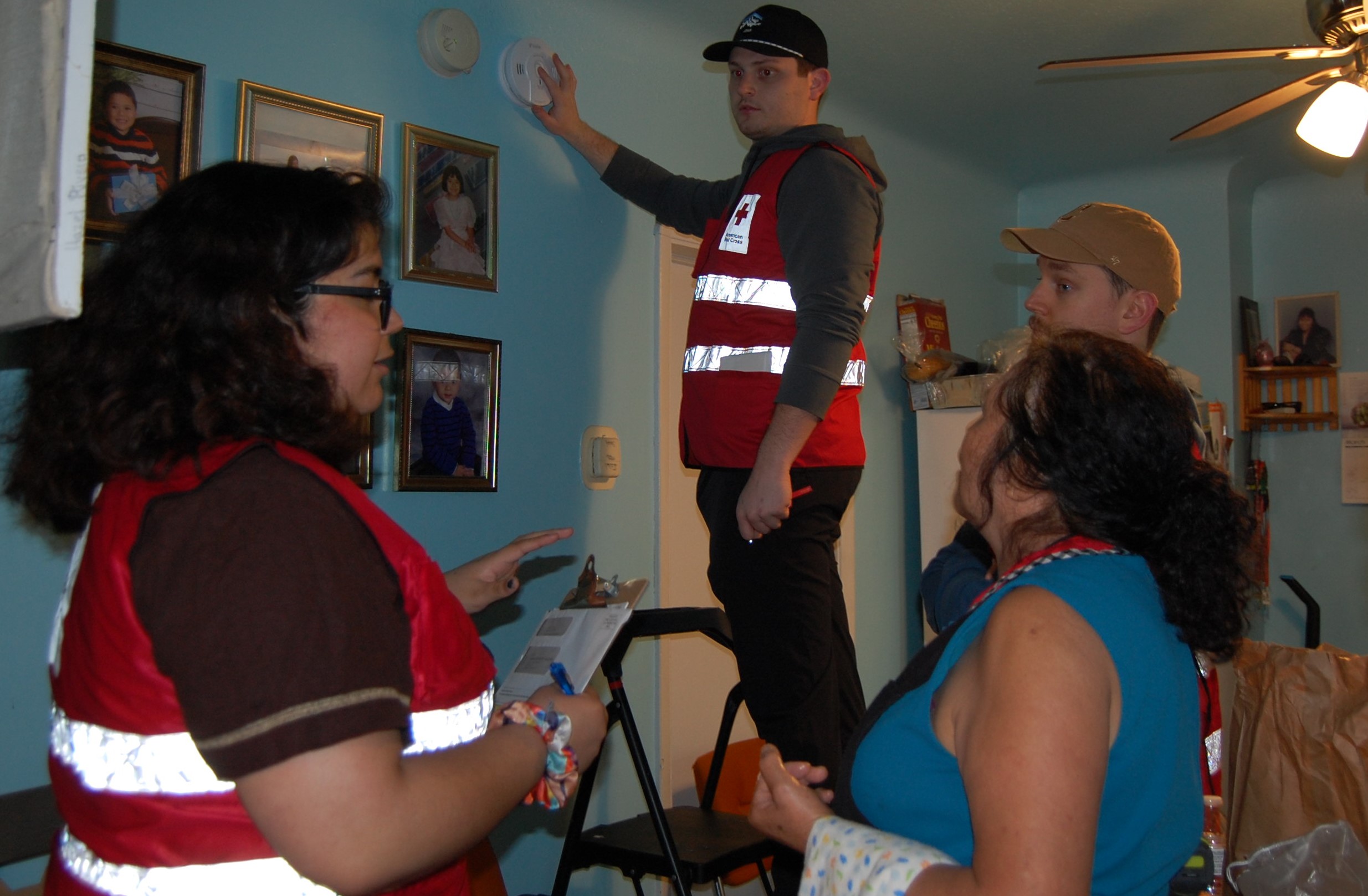
Volunteers installing a smoke alarm in an Akron, Ohio resident’s home during a May 2025 Sound the Alarm event

In fiscal 2025, that campaign made some 9,200 residents of northern Ohio safer. Meanwhile, volunteers presented our Prepare with Pedro home fire safety programs to more than 3,800 children.  

And this is saving lives! Since Sound The Alarm began at the national level 11 years ago, we’ve confirmed 2,489 lives have been saved specifically by our alarms and safety plans nationwide. Some 31% of those lives saved were children and teens under the age of 18. 

All services provided by the Red Cross are free, made possible by the generosity of the American people. If you’d like to volunteer your time, take a class or make a financial donation to help people prevent, prepare for and respond to an emergency – from a home fire to a medical emergency to a natural disaster – please go to www.redcross.org. 

Preparedness starts at home: Urging Northern Ohio residents to prepare for emergencies now

September is National Preparedness Month, and the American Red Cross Northern Ohio Region is urging everyone to protect their loved ones and their homes by getting ready now.

Most people may not realize it, but the nation’s number one disaster is home fires. On average, the Northern Ohio Region responds to 3 home fires every 24 hours. Last fiscal year, the Red Cross responded to over 1,000 home fires in the region, issuing more than $1.1 million in direct financial assistance to impacted residents. Help your family prepare by testing your smoke alarms each month and practicing your escape.

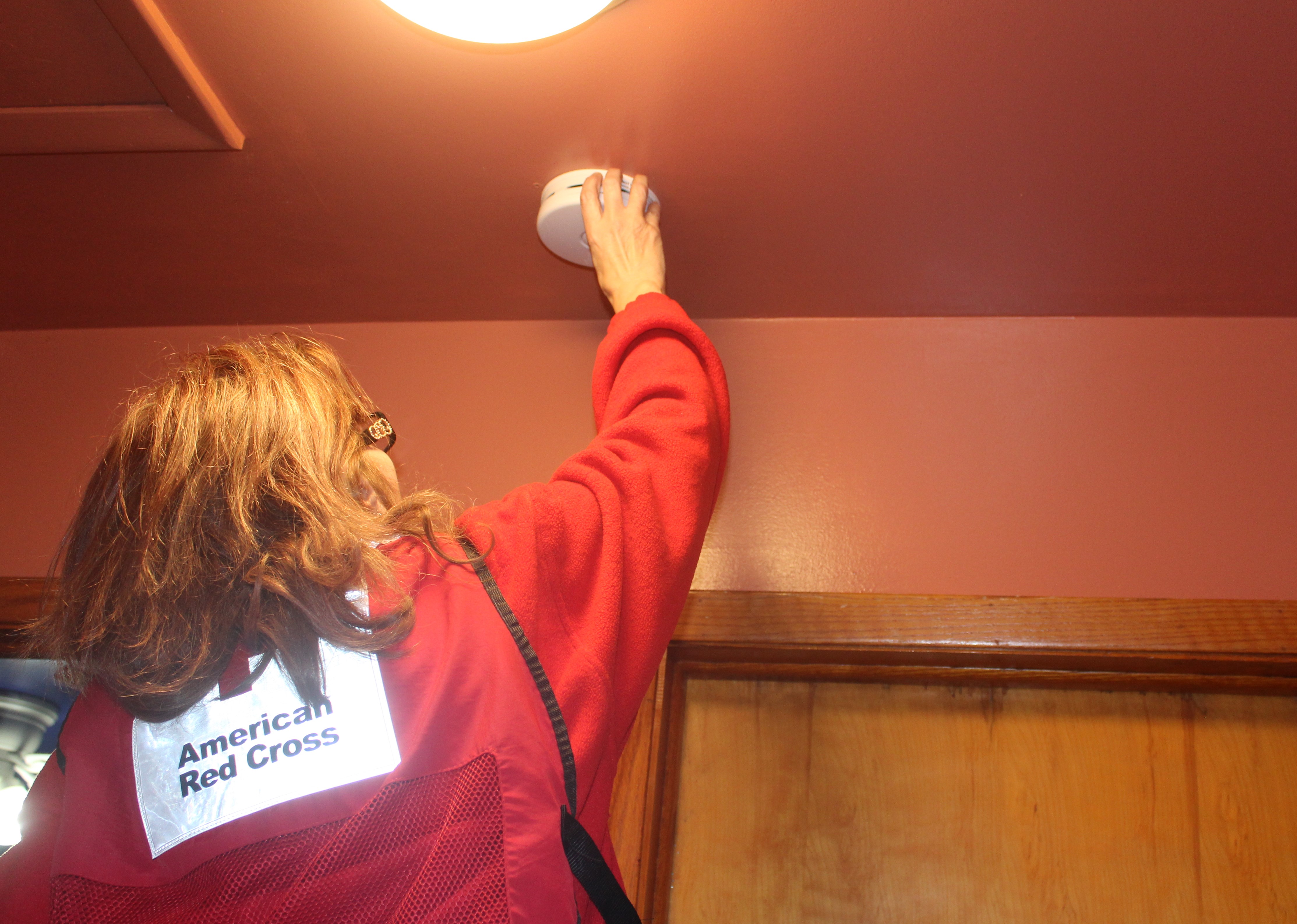
Red Cross volunteers installing a smoke alarm inside a home in Cleveland.

“National Preparedness Month is a great time to ask whether your family would be ready if something unexpected happened tomorrow,” said Mike Parks, Regional CEO, Red Cross of Northern Ohio. “It’s not about being scared; it’s about being smart and looking out for the people you love. Taking a few simple steps now so that you have a plan can make all the difference when it matters most.”

HOW TO GET READY Disasters don’t wait for the “right time” — they can happen in the middle of the night, during your commute or while your kids are at school. Protect your family by making a plan to stay safe, gathering important supplies and knowing how you’ll stay connected by taking these steps:

  • Depending on the emergency, you may need to stay where you are or go somewhere else to stay safe. If you may need to leave, think about where you’ll go, how you’ll get there, where you’ll stay and what you’ll take with you. Plan well in advance if you’ll need help leaving or use public transportation.
  • Next, gather and organize critical supplies — like food, water and medicine — into a go-kit and a stay-at-home kit. Make sure to include backup batteries and chargers for your devices (cell phone, CPAP, wheelchair, etc.), a battery-powered or hand-crank radio, and critical personal records.
  • Your go-kit should include three days of supplies that you can take with you. Your stay-at-home kit should have two weeks of food and water, and a one-month supply of medications, if possible.
  • Customize your kit to meet your household’s specific needs. If you have young children, don’t forget formula and diapers. If you have pets, include leashes, carriers, food, bowls, litter and a litterbox.
  • Finally, make a plan to reconnect with loved ones if you are separated or if the phone or internet is down. Write down important phone numbers on a contact card and carry it with you.

Download the free Red Cross Emergency app for weather alerts, safety steps for different emergencies and expert advice in both English and Spanish. Don’t forget to sign up for local government emergency alerts to get critical local information — like evacuation notices — during an emergency.

People can also help their community be better prepared for disasters by giving bloodtaking a class in lifesaving skills like CPR, or becoming a Red Cross volunteer. Visit redcross.org or call 800-RED CROSS (800-733-2767) to learn more today.

“Whether it’s a fire in someone’s home or a storm that destroys an entire town, disasters can happen anywhere, at any time,” Parks said. “Taking a few minutes now to get ready will help you protect your loved ones if the worst happens.”

Red Cross, Avon Lake mayor team up to send smoke alarms to West Virginia

By Todd James, American Red Cross

In my nearly 20 years with the American Red Cross, I have seen many times how our chapters across the country work together to deliver help where it’s needed. I’ve worked side by side with disaster responders from many cities, states, and even other countries. But it’s not only in disaster response that the Red Cross uses our national network of chapters to provide help. I recently had the opportunity to be a part of helping homes in West Virginia receive free smoke alarms as part of our Home Fire Campaign.  

It all started with a conversation between Joe Matuscak, a member of the North Central Ohio Chapter Board of Directors and Mark Spaetzel, the mayor of Avon Lake in Lorain County. Mayor Spaetzel asked Joe about the Home Fire Campaign, specifically how we provide free smoke alarms and preparedness education for families.  

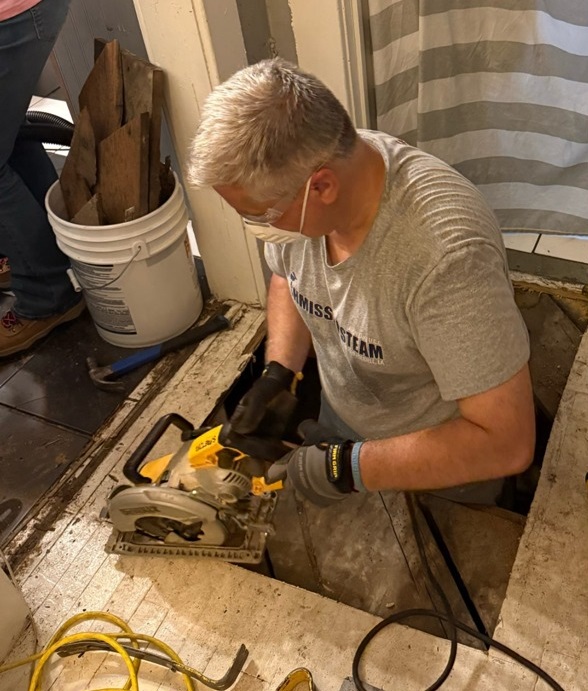
Charleston, West Virginia high school students repairing homes

A couple of weeks after that initial conversation, the mayor was in Charleston, West Virginia as part of a mission project with the United Church of Christ. He was one of 31 adults that accompanied 85 high school students to Charleston to assist the Appalachian Service Project in providing home repairs and help to low-income families in the area.  

As a construction manager for the project, Mark oversaw nine sites that teams were working on. He noticed that many of the homes did not have working smoke alarms and knew that, for many of these families, the cost of purchasing new alarms was not a cost they could afford. Recalling their recent conversation, Mayor Spaetzel called Joe Matuscak and asked him if there was anything the Red Cross could do to help.  

Joe immediately called me and explained the situation. I told him we would do everything we could to make sure those homes would receive smoke alarms and the safety they provide. I’ve worked on disasters with several members of the Central Appalachian Region team in West Virginia, so I reached out to one of my contacts who quickly put me in touch with Angela Akers, the Community Disaster Program Manager for the Charleston area. I called Angela and explained the situation and within a couple of hours, she had spoken to the mayor, arranged to sign his team up as a Home Fire Campaign partner and provided the smoke alarms and training the team needed to install the alarms and educate families on being prepared for home fires.  

Mayor Spaetzel said he wasn’t sure at first if making the call to Joe would help. “You think about big organizations and the bureaucracy involved and you don’t know if it’s going to work,” he said. “But this was seamless, and it was so easy. The training was quick and clear, and the Red Cross team made it easy and simple to help these families. I know the families appreciated it, because they didn’t currently have working smoke alarms and many of them had never had them.” 

Mayor Spaetzel said that in his position, fire safety and prevention are always on his mind and he’s looking forward to working with the North Central Ohio Chapter to make sure families in Avon Lake know about the Home Fire Campaign and have access to the program.  

Being a part of the Red Cross family means having family members across the country who are ready to help whenever it’s needed, wherever the call comes from. For more information about the Home Fire Campaign, visit redcross.org/NOH.  

Fire Prevention Week: Fires can happen anywhere, anytime

By Kathryn Dean, Red Cross Volunteer

On a snowy, February day in the late 1990s in Northern Ohio, I was riding in the backseat of my family’s car looking out of the window. It was Super Bowl Sunday, and we were heading to a relative’s house to enjoy an afternoon of food, football (and commercials).

As we wound our way through the neighborhood, I noticed a home’s chimney engulfed in flames! I yelled to my father, who promptly stopped the car and ran to the front door. The homeowner was shocked and extremely grateful, as there were no signs of the fire inside the home. Luckily, it had not yet spread to the roof.

Fires like these can happen suddenly and without warning, and time is of the essence when it comes to recognizing the danger and escaping. Experts say you may have only two minutes or less to get to safety in the event of a fire.

That’s why this year during Fire Prevention Week (October 6-12), the American Red Cross Northern Ohio Region wants you to prepare for the unexpected by creating a fire escape plan for your family and ensuring that your home has working smoke alarms.

Home fire escape plan tips:

  • Identify two escape routes for each room in the home, and make sure everyone in the house knows them.
  • Smoke inhalation is dangerous. Stay below the smoke. Get low and go!
  • Agree on a meeting place outside, away from the home, such as a tree or flagpole. Make sure everyone knows where to meet.
  • Get out and stay out. Never go back inside for people, pets, or possessions.
  • Talk to your children about fire safety and show them what fire alarms sound like.

Smoke Alarm Safety:

  • Install smoke alarms on every level of your home, including inside and outside bedrooms and the basement. Information for requesting a FREE smoke detector can be found HERE.
  • Test smoke alarms monthly and replace the batteries at least yearly.
  • Replace smoke alarms that are over 10 years old.
Red Cross volunteers install smoke alarms and share home fire safety information with a resident on Cleveland’s west side.

Speak to your children about fire safety: Have you met Pedro the Penguin yet? Pedro teaches children in grades K-2 how to be safe in emergencies, including home fires and other local hazards. There are numerous, multi-language resources available online, including storybooks and printables at the link above. Virtual and local in-person, 30-45-minute educational presentations are also available.

Check out the list below for upcoming Pedro and other fire safety events, including Sound the Alarm events in the local area during Fire Safety Week.

Northern Ohio Red Cross – Fire Safety Week local events:

Northeast Ohio Chapter:
North Royalton Elementary School – Prepare with Pedro Presentations October 7 & 8

Western Lake Erie Chapter:
Partnering with Toledo Fire to do a large neighborhood installation on Monday, October 7th.
Tuesday, October 8th we are participating in the Milan, MI Fire Department open house.
Saturday, October 12th we are participating in the Fallen Timbers, Maumee Safety Fair Truck or Treat.

Greater Akron and the Mahoning Valley Chapter:
Brunswick Elementary – Prepare with Pedro Presentation Oct. 10

Heartland, Stark and Muskingum Lakes Chapter:

Malone University Health & Wellness Fair – Wednesday, Oct. 9
New Philadelphia Fire Department open house – Thursday, Oct. 10, 5p-7 p.m. – Station 21 (134 Front St. SE, New Philadelphia, OH 44663)

North Central Ohio Chapter:
Home fire safety visits at Pheasant Run in LaGrange October 12. Smoke alarm installations by appointment.

Edited by Glenda Bogar, Red Cross volunteer

Posted by Ryan Lang, Red Cross board member and volunteer

Number of lives saved tops 2,000

Through the work of our dedicated American Red Cross volunteers and partners, we have now saved more than 2,000 lives through our Home Fire Campaign. More than one-third of those are children.

Home fires are this country’s deadliest and most frequent type of disaster. Seven people in the U.S. lose their lives to a fire in their home every day.

Because of these tragic statistics, the Red Cross launched its Home Fire Campaign to reduce home fire- related deaths and injuries. Since its start in 2014, the campaign is credited with helping save 2,002 lives as of the end of November, 2023.

As part of the Home Fire Campaign, the Red Cross works with local partners to install free smoke alarms and share fire safety information with families. Through the support of our community partners and dedicated volunteers, the campaign has installed 2.7 million smoke alarms and helped to make 1.1 million homes safer.

Long before the launch of the national home fire campaign, the Northern Ohio Region was installing smoke alarms in homes locally. The effort began in the city of Cleveland in 1992, when businessperson and philanthropist Sam Miller joined with other civic leaders, the Cleveland Fire Department, and the Red Cross to reduce fire fatalities through installing smoke alarms and teaching fire safety.

More than 225,000 smoke alarms have been installed by the Red Cross and its partners in Northern Ohio, and 21 of the 2,002 lives that have been saved were in this region.

If you need smoke alarms in your home, visit our regional Home Fire Campaign page.

Posted by Ryan Lang, Red Cross board member and volunteer

Red Cross serves up holiday safety tips to keep you thankful

By Eilene E. Guy, American Red Cross volunteer

While preparing the Thanksgiving feast, has anyone in your family ever burned something on the stove, setting off the smoke alarm and forcing you to open windows to the chilly November air?

My family has!

Have you every grabbed a potholder to pull a dish out of the oven, only to discover someone left it wet and the steam instantly scalded your hand?

I have!

These kitchen mishaps are not uncommon. But sadly, some holiday accidents turn disastrous: Thanksgiving and the day before are the top two days for home fires in this country.

Cooking is the leading cause of home fires and home fire injuries, and the second leading cause of home fire deaths. Most cooking fires happen because people leave cooking food unattended. (In my family, it was scorched green beans. I’m thankful the damage was just smoke.)

The American Red Cross urges everyone to keep safety top of mind throughout the hectic holiday season (and beyond):

Stay in the kitchen, especially when you’re frying or broiling food. If you have to leave the kitchen for even a short time, turn off the stove.

The same goes for a grill or turkey fryer outside. Don’t leave them unattended.

Use a timer to remind yourself that the stove or oven is on.

Don’t wear loose clothing or dangling sleeves while cooking.

Keep kids and pets at least three feet away from cooking areas.

Keep anything that can catch fire — potholders, oven mitts, wooden utensils, paper or plastic bags, food packaging, towels or curtains — away from your stove top and oven, or any other appliance that generates heat.

Clean cooking surfaces regularly to prevent grease buildup.

Consider getting a fire extinguisher to keep in the kitchen.

Always check the kitchen before leaving home or going to bed to be sure all stoves, ovens and small appliances are turned off.

Remember my smoke alarm? Smoke alarms save lives. Install a smoke alarm near (but not in) your kitchen, on each level of your home, near sleeping areas, and inside and outside bedrooms if you sleep with doors closed. Use the test button to check them once a month. Replace all batteries at least once a year (unless you have newer alarms with 10-year batteries).

If you can’t afford to buy smoke alarms or you’re physically unable to install them, the Red Cross may be able to help. Contact your local Red Cross for more information.

One more thing: Does everyone in your family know what to do if you do, in fact, have a home fire? Visit redcross.org/fire for more safety information, including a fire escape plan to practice with your family.

Since October 2014, the Red Cross Home Fire Campaign, working with community partners, has saved at least 1,994 lives by educating families about fire safety, helping them create escape plans and installing free smoke alarms in high-risk areas across the country. To learn more about the campaign and how you can get involved, visit redcross.org/homefires.

Posted by Ryan Lang, Red Cross board member and volunteer

Edited by Glenda Bogar, Red Cross volunteer

Protecting what matters most in Northern Ohio

October 8 – 14 is National Fire Prevention Week

By Doug Bardwell, American Red Cross volunteer

Unless you live near a fire station, you might be surprised by how many fires occur in
Northern Ohio. Where we live in Strongsville, you can usually detect that single
siren driving down Royalton Road as an EMS ambulance. But, if you hear multiple
sirens and the sound of large diesel engines, you know the entire squad is responding
to yet another fire – and they are usually home fires.

The Red Cross works with local fire departments to help prevent home fires

The most common home fires are caused by cooking. Every year, firefighters respond
to more than 170,000 kitchen fires, causing hundreds of deaths, thousands of injuries
and more than $1 billion in damages each year.

Since 2015, would you believe the American Red Cross in Northern Ohio has
responded to more than 11,000 home fires, and assisted nearly 17,000 families?
Despite insurance or Red Cross financial assistance, think of the inconvenience of
being displaced for weeks or months before your home is habitable again after a fire.

Damage caused by fire to a home in East Cleveland in 2022

There’s a better way

Following these simple tips, you and your family can help prevent kitchen fires:

  1. Use a timer to remind yourself that the stove or oven is on.
  2. Keep anything that can catch fire — potholders, oven mitts, wooden utensils,
    paper or plastic bags, food packaging, towels or curtains — away from your
    stove, oven or any other appliance in the kitchen that generates heat.
  3. Always check the kitchen before going to bed or leaving the home to make
    sure all stoves, ovens, and small appliances are turned off.
  4. Install a smoke alarm near your kitchen, on each level of your home, near
    sleeping areas, and inside and outside bedrooms if you sleep with doors closed. Use the test button to check it each month. Replace all batteries at least once a year if your smoke alarm requires it.
  5. Tap here for another half dozen sensible tips to avoid kitchen fires.
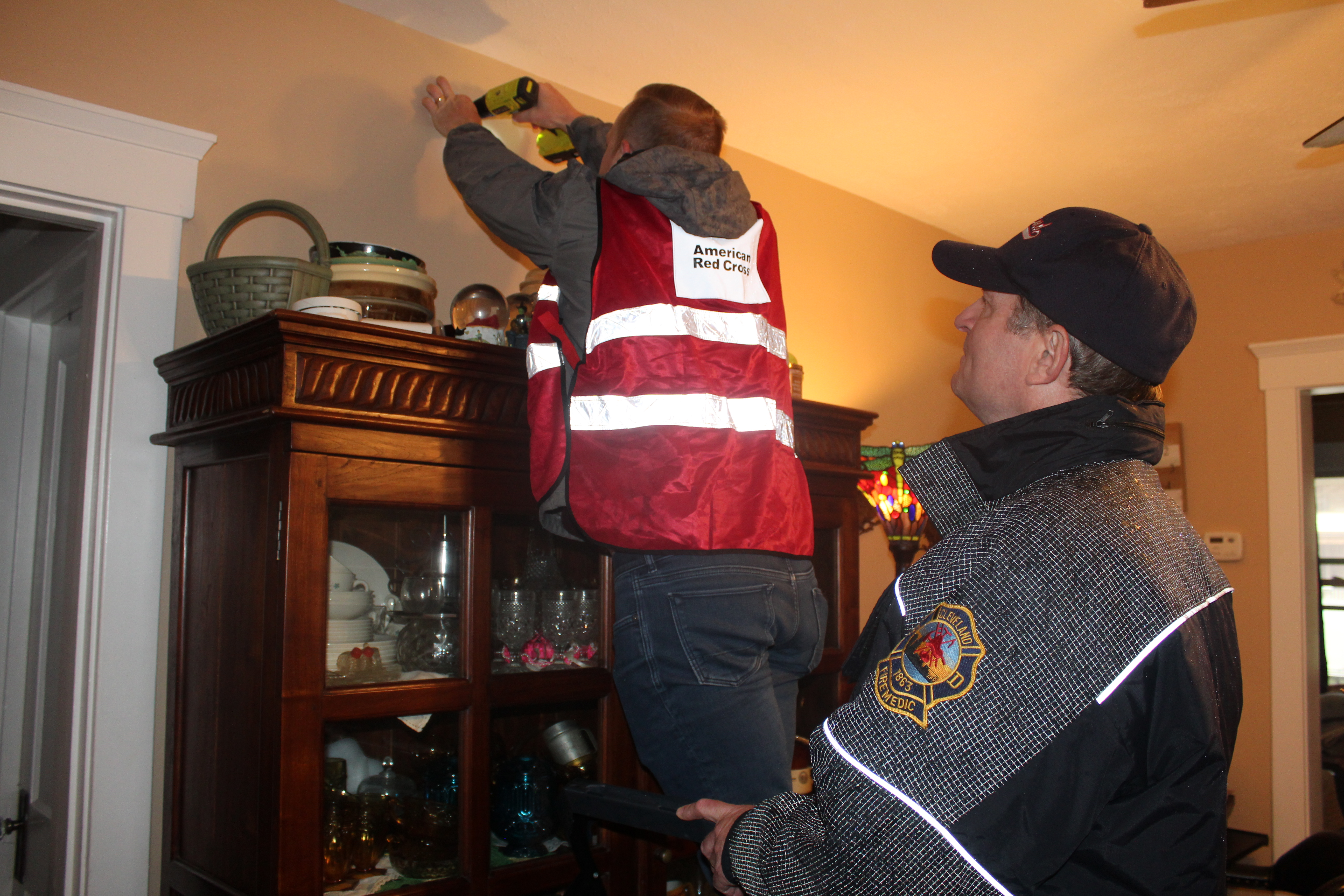
A Red Cross volunteer installs a smoke alarm in a home in Cleveland, with guidance from a firefighter

Smoke alarms are crucial in saving lives

The Northern Ohio region of Red Cross has been installing free smoke alarms for those who need them since 1992. To date, more than 200,000 alarms have been
installed.

Nationally, the Red Cross and partners, through the Home Fire Campaign, have installed 2.6 million alarms in more than 1.1 million households since 2014.

Do they really make that much difference?

Verifiably – yes, they do. As of August 31, 1,928 lives nationwide were documented as
saved due to work done by the Red Cross and partners through the Home Fire
Campaign.

For five more ways you can help the Red Cross continue this valuable practice in Northern Ohio communities, tap here.

If you’d like trained Red Cross volunteers to offer you valuable home fire safety
information to help YOU prevent a fire in your home – and/or to install smoke alarms in
your home, tap here.

Posted by Ryan Lang, Red Cross board member and volunteer

Red Cross Home Fire Campaign reaches goal of installing 2.5 million free smoke alarms nationwide

Since October 2014, the campaign has saved at least 17 lives in Northern Ohio

The American Red Cross Home Fire Campaign with the support of community partners has achieved its goal of installing 2.5 million free smoke alarms and making 1 million households safer across the country.

Since launching in October 2014, the campaign has saved at least 1,583 lives nationwide — including 17 people in Northern Ohio — from the threat of home fires, which claim seven lives every day in the U.S. Most often, these tragedies occur in homes without working smoke alarms.

“We are proud of our incredible work with community partners to help save lives by providing free smoke alarms in Northern Ohio as part of the national Home Fire Campaign,” said John Gareis, Regional Preparedness Manager. “And we take special pride in knowing that the smoke alarm program we started more than 30 years ago in Cleveland served as a model for the current Red Cross Home Fire Campaign.” Watch a video of the history of the Home Fire Campaign in Cleveland. 

In Northern Ohio since the start of the Home Fire Campaign in 2014, Red Cross volunteers and partners have:
 Installed more than 100,000 free smoke alarms
 Made 37,400 households safer
 Educated more than 31,000 children through youth preparedness programs

FREE HOME FIRE SERVICES TO CONTINUE Because home fires remain a daily threat and the campaign has made a lifesaving difference, the Red Cross will be continuing the program with community partners as part of its standard services, including Sound the Alarm events in communities throughout the region this spring to install free smoke alarms.

Visit soundthealarm.org/noh for a home fire safety visit if you need assistance, or to volunteer. No prior experience is needed. Training will be provided before volunteer teams visit area homes to install smoke alarms and share fire safety information. During the Sound the Alarm appointments, volunteers will install free smoke alarms, and will share information on the causes of home fires, how to prevent them, what to do if a fire starts and how to create an escape plan.

In addition, the campaign’s other services will continue, such as teaching children about the threat of home fires and what to do through youth preparedness programs, installing accessible fire safety equipment like bedshaker alarms and strobe light smoke alarms for residents who are deaf or hard of hearing, and providing home fire
safety resources in American Sign Language.

Home fires account for most of the more than 60,000 disasters that the Red Cross responds to annually in the Northern Ohio Region and across the country. So far in 2023, Red Cross volunteers have helped nearly 400 people affected by nearly 200 home fires in the Northern Ohio Region by providing emergency lodging, financial
assistance for urgent needs like food and clothing, and one-on-one recovery support for navigating next steps and connecting with community resources.

ONE HOME FIRE SURVIVOR’S STORY: Akron grandfather Shawn Spaulding had just returned home after a long day at work when fire broke out in his home. Read about his escape here.

Read more stories and see the campaign’s national impact at redcross.org/HomeFireStories.

HOW TO GET INVOLVED Help save lives through the campaign by becoming a volunteer or making a financial donation to prepare, respond and help families recover from home fires. Learn more at redcross.org/noh.

You can also help your family by testing your smoke alarms monthly and practicing your two-minute home fire escape plan. Additional safety tips are available at redcross.org/fire and on the free Red Cross Emergency app (search “American Red Cross” in mobile app stores).

Posted by Ryan Lang, Red Cross board member and volunteer

Do you hear it? Sound the Alarm is coming

By Doug Bardwell, American Red Cross volunteer

March 18, 2019 – Mark your calendar. It’s coming.

April 27 through May 12 are the dates for the 2019 Sound the Alarm campaign.

STA1

This spring, the American Red Cross needs your help to install 100,000 free smoke alarms and raise funds for lifesaving services in more than 100 cities in all 50 states, Puerto Rico and the U.S. Virgin Islands during Sound the Alarm home fire safety and smoke alarm installation events.

And, to quasi-quote Smokey the Bear, “Only you can help ensure our success.” One day of your time might be the difference that saves a family’s lives.

Every day, seven people die in home fires and the Red Cross wants to do everything we can to prevent these needless tragedies. That’s why we launched our Home Fire Campaign.

STA2

Volunteer participants work alongside fire departments and other local groups, canvassing at-risk neighborhoods to install free smoke alarms, replace batteries in existing alarms, educate families about fire prevention and safety, and fund raise to help sponsor this lifesaving mission.

STA3

It’s a perfect time to grab your family, your friends and your neighbors to come along and do a good deed installing smoke alarms. You needn’t be a Red Cross volunteer or employee to work these events. Instructions, tools and supplies are all provided the day of the event.

Last year, during the inaugural Sound the Alarm event, more than 103,000 smoke alarms were installed in 43,000 homes nationally over a three-week period. There was also an impact locally. In Northeast Ohio, during the same three-week period, 350 volunteers installed 2,500 alarms in more than 900 homes.

To date, there are 511 lives that have been saved because of smoke alarms installed during previous Sound the Alarm events. More than 1.5 million free smoke alarms have been installed to date.

To find upcoming Sound the Alarm installation events and to sign-up to volunteer to an event near you, visit SoundTheAlarm.org/NEO.

Unable to attend?  You can always make a donation that helps educate families and children about home safety. A donation can also provide food, shelter and comfort to those who’ve lost their home to a fire.

Donate today at https://www.redcross.org/donate/home-fire-campaign.html/ or call 1-800-RED CROSS (1-800-733-2767).

Edited by Glenda Bogar, American Red Cross volunteer.

All photos by Doug Bardwell.


The Twelve Days of Christmas: Preparing Families for Emergencies

Most people believe that on the First Day of Christmas the appropriate gift to give is a Partridge in a Pear Tree. Well, the Red Cross believes in building Disaster Resilient Neighborhoods during the Holiday Season, as well throughout the year.

To help you select stocking stuffers and Christmas gifts designed to make individuals, families and the homes they live in as safe as possible, the Red Cross has put together the following recommendations for gifts for the Twelve Days of Christmas.

Smoke AlarmOn the First Day of Christmas, the Red Cross recommends that you install a SMOKE ALARM. Smoke alarms should be installed on every level of a home; outside bedrooms on the ceiling or high on the wall, at the top of open stairways and at the bottom of enclosed stairs and near (but not in) the kitchen. It is important to check your Smoke Alarms every month and replace their batteries when Daylight Savings Time begins in the spring and ends in the fall.

CO2On the Second Day of Christmas, the Red Cross recommends that you install a CARBON MONOXIDE (CO2) ALARM. Carbon Monoxide Alarms should be placed in hallways throughout the home. They should also be placed in recreational vehicles and on boats.


Fire ExtinguishersOn the Third Day of Christmas, the Red Cross recommends that you install a FIRE EXTINGUISHER. Install A-B-C type Fire Extinguishers in the home and teach all household members how to use them.


Fire Escape LadderOn the Fourth Day of Christmas, the Red Cross recommends that you install a FIRE ESCAPE LADDER. Homes with more than one floor should have at least one Fire Escape Ladder stored on all floors, other than ground level. Store these ladders where they are easily accessible.


Disaster Supplies KitOn the Fifth Day of Christmas, the Red Cross recommends that you assemble a FAMILY DISASTER SUPPLIES KIT. A family will cope best by preparing for a disaster before it strikes. One way to prepare is by assembling a Family Disaster Supplies Kit. Once disaster hits, you won’t have time to shop and search for supplies.

Pet Supplies KitOn the Sixth Day of Christmas, the Red Cross recommends that you assemble a PET SUPPLIES KIT. Pets enrich the lives of individuals and families in more ways than you can count. In turn they depend on people for their safety and well-being. Having a Pet Disaster Supplies Kit is one of the best ways to care for pets when disaster strikes.
NWSOn the Seventh Day of Christmas, the Red Cross recommends that you acquire a WEATHER RADIO. As the voice of the National Weather Service, a Weather Radio provides continuous broadcasts of the latest weather information directly from a National Weather Service Forecast Office. During severe weather routine broadcasting is interrupted and special watch and warning messages are issued.
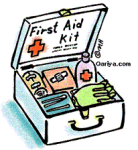
First AidOn the Eighth Day of Christmas, the Red Cross recommends that you get a FIRST AID KIT. Because the first five minutes of a medical emergency are critical, every individual and family should have First Aid Kits in their home and vehicles (including boats).
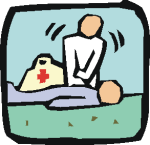
 

CPROn the Ninth Day of Christmas, the Red Cross recommends that you attend FIRST AID AND CPR TRAINING. For more than a century, the Red Cross has been saving lives with Health and Safety Services education programs. A unique idea for a Christmas stocking would be a Gift Certificate for a First Aid and CPR Training course.

House Numbers aOn the Tenth Day of Christmas, the Red Cross recommends that you purchase HOUSE NUMBERS. Each home should have its number posted clearly on the front door, over the doorway, or elsewhere on the front so emergency responders can easily locate it. Lives and property can be saved simply by using adequate house numbers placed where emergency workers can find them. You can purchase numbers at your local hardware store.

Flash LightOn the Eleventh Day of Christmas, the Red Cross recommends that you purchase a FLASHLIGHT. As simple as a Flashlight is, it can become a very important tool to use during and after a disaster. Every family disaster supplies kit should contain a flashlight and spare batteries.

PhoneOn the Twelfth Day of Christmas, the Red Cross recommends that you create an EMERGENCY COMMUNICATION PLAN. Each home should have a list of Emergency Phone Numbers posted near the phone or in the front of a phone book. 


For additional information on these and other safety tips visit:

http://www.redcross.org/news/article/7-fire-safety-tips-for-holiday-decorating-and-entertaining