Nearly a dozen responses to disasters over the holiday weekend

The lives of more than 50 residents of Northeast Ohio were disrupted over the New Year holiday weekend by disasters, the vast majority of them home fires.
Red Cross disaster workers responded to home fires in 5 Northeast Ohio counties, providing assistance to 29 adults and 24 children. Immediate financial assistance totaling $11,415 was provided to the affected residents, to help them find suitable lodging, or to meet other immediate needs.
Other assistance, including comfort kits and initial case work was also provided.
“It’s never a good time to go through something like a home fire,” said Tim O’Toole, Regional Disaster Officer. “It’s especially hard on families to be chased from their homes during the holidays. We are grateful there was no loss of life over the weekend, and we’re thankful for our dedicated volunteers who responded to these residents in need.”
Red Cross workers from the Northeast Ohio Region responded to disasters, including multiple family home fires, in Cleveland, North Olmsted, Garfield Heights, Chesterland, Sandusky, Girard, Cadiz and Monroeville.
In addition to our weekend disaster response, the Red Cross is continuing to provide support to several warming centers in the city of Cleveland, with cots and blankets as requested.
The bitter cold temperatures are expected to continue to affect millions of people this week and the Red Cross has steps they should follow to stay safe during the ongoing deep freeze:
WINTER SAFETY TIPS
- Wear layers of clothing, a hat, mittens and waterproof, insulated boots.
- Be careful when tackling strenuous tasks like shoveling snow in cold temperatures.
- Check on your neighbors, especially elderly people living alone, people with disabilities and children.
- Bring pets indoors. If they can’t come inside, make sure they have enough shelter to keep them warm and that they can get to unfrozen water.
- Watch for hypothermia and frostbite. Hypothermia symptoms include confusion, dizziness, exhaustion and severe shivering. Frostbite symptoms include numbness, flushed gray, white, blue or yellow skin discoloration, numbness, or waxy feeling skin.

WINTER TRAVEL SAFETY
Stay off the road if possible during severe weather. If you have to drive, follow these tips:
- Make sure everyone has their seat belts on and give your full attention to the road.
- Don’t follow other vehicles too closely. Sudden stops are difficult on snowy roadways.
- Don’t use cruise control when driving in winter weather.
- Don’t pass snow plows.
- Ramps, bridges and overpasses freeze before roadways.
PREVENT HOME FIRES
With the cold temperatures there is often a rise in the number of home fires. Follow these tips to help prevent a fire in your home:
- Keep all potential sources of fuel paper, clothing, bedding, curtains or rugs – at least three feet away from sources of heat.
- Never leave portable heaters and fireplaces unattended.
- Place space heaters on a level, hard and nonflammable surface. Keep children and pets away from space heaters. Look for models that shut off automatically if the heater falls over.
- Never use a cooking range or oven to heat your home.
- Keep fire in your fireplace by using a glass or metal fire screen.
DOWNLOAD APPS People can download the Red Cross Emergency App for instant access to weather alerts for their area and where loved ones live. Expert medical guidance and a hospital locator are included in the First Aid App in case travelers encounter any mishaps. Both apps are available to download for free in app stores or at redcross.org/apps.


 By now you know may think that you know all about hurricanes — massive storm systems that form over the water and move toward land. Threats from hurricanes include high winds, heavy rainfall, storm surge, coastal and inland flooding, rip currents, and tornadoes. These large storms are called typhoons in the North Pacific Ocean and cyclones in other parts of the world. The Atlantic hurricane season runs from June 1 to November 30, with the peak occurring now, between mid-August and late October. The Eastern Pacific hurricane season begins May 15 and ends November 30.
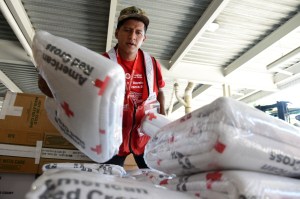 Coming right smack in the middle of the peak of Hurricane season, is Preparedness Month. Celebrated every September, it is the perfect time for you, your family, and your community learn how to BE PREPARED.


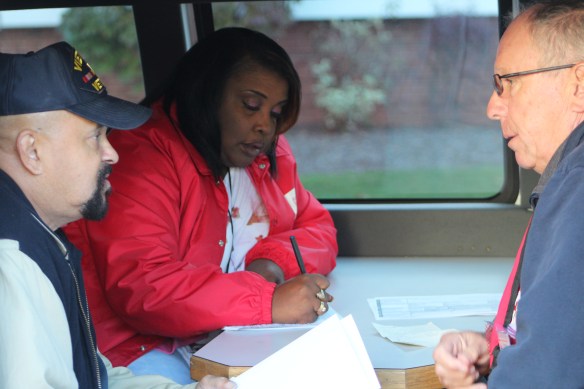
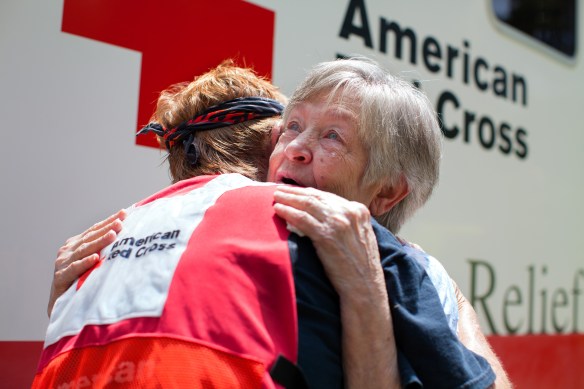

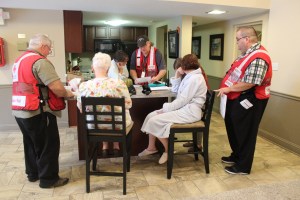
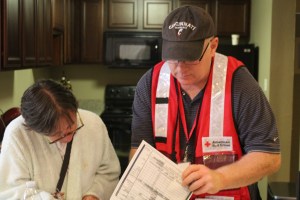

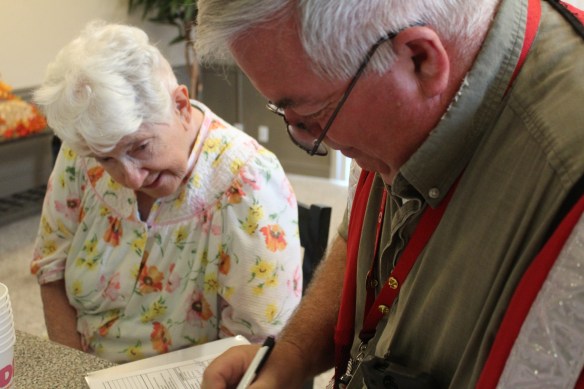


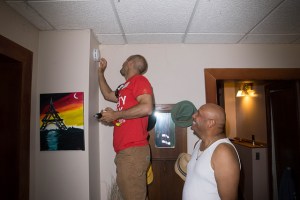 Combined with a similar effort last summer involving Lincoln Electric volunteers and the Euclid Fire Department, almost 650 smoke alarms have been installed in that Euclid neighborhood as part of Operation Save-A-Life, the American Red Cross initiative in Northeast Ohio to reduce the number of casualties in home fires by 25%. John Gareis continued, “While the total number of alarms is less than last summer, our targeted area has far fewer homes in them – making this install more efficient overall!”