Safeguarding your home ahead of the colder months

By Eilene Guy, American Red Cross volunteer

It’s lovely to bask in the bright sunshine of October, but we all know that colder weather is right around the corner. With that – unfortunately – comes the prospect of more home fires.

You may not think of a home fire as a “disaster,” but if it’s your home, believe me, it is!
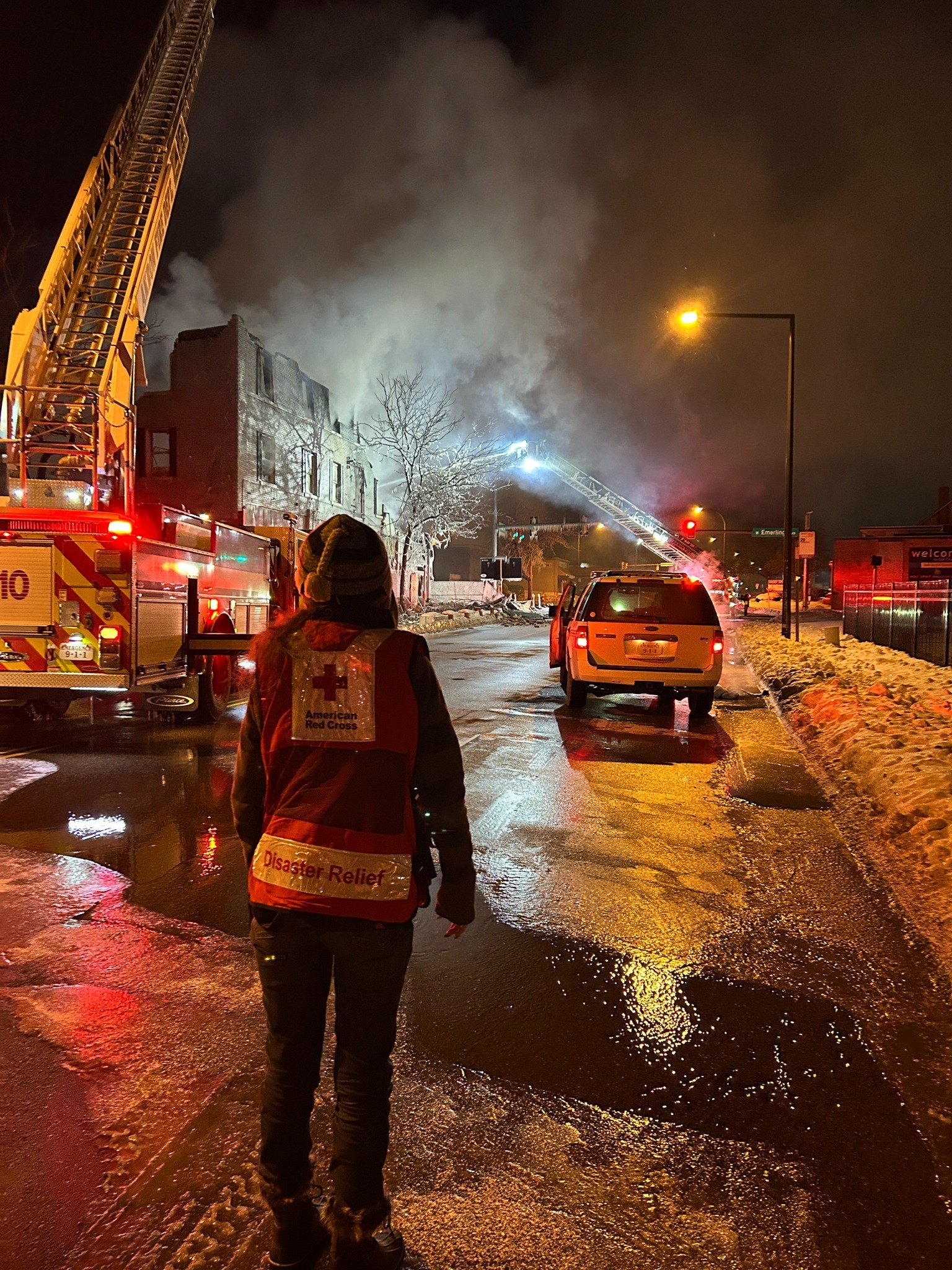
The American Red Cross knows that too.

“The vast majority of the more than 60,000 disasters the Red Cross responds to every year across the U.S. are home fires,” said Barb Thomas, who heads up Red Cross disaster response for the 31 counties of northern Ohio. “In just the year ending July 1, the Red Cross was called to help nearly 4,500 people who were driven from their homes by fires in our region.”

Help keep your family safe by providing at least three feet of space around all heating equipment, testing your smoke alarms monthly and practicing your two-minute home fire escape plan.

“Heating equipment is a leading cause of home fires in this country,” Barb said.

  • If you must use a space heater, never leave it unattended. Put it on a level, hard and nonflammable surface, such as a ceramic tile floor. Don’t put it on rugs and carpets, or near bedding and drapes.
  • Plug space heater power cords directly into outlets — never into an extension cord. Turn the space heater off every time you leave the room or go to sleep.
  • Keep children, pets and anything that can burn at least three feet away from heating equipment.
  • Never use a cooking range or oven to heat your home.
  • Never leave a fire in the fireplace unattended. Make sure embers in the fireplace are cold before going to bed or leaving home. Use a glass or metal fire screen to keep embers in the fireplace.
  • Have furnaces, chimneys, fireplaces, wood and coal stoves inspected annually by a professional and cleaned if necessary.

Smoke alarms save lives. That’s a fact: Working smoke alarms can cut the risk of dying in a home fire by half.

That’s why the Red Cross teams up with local fire departments and community volunteers to install free smoke alarms in homes across our region. Contact your local Red Cross chapter if you need one (or more).

But alarms don’t do any good if they’re disconnected (probably in the wrong place) or if the batteries are dead. Test yours every month! And check the dates on your alarms. If they’re more than 10 years old, they need to be replaced because the sensors get less sensitive over time.

Think through and practice a two-minute home escape plan with your family. (Don’t forget your pets!)

To create a worthwhile home fire escape plan, include at least two ways to get out of every room (through doors, windows) and then practice it until every member of your family, old and young, can do it in two minutes or less. Teach children what a smoke alarm sounds like and what to do in an emergency. (Don’t hide! And don’t assume it’s a false alarm!)

If you’d like to become a trained Red Cross volunteer, to bring comfort and support to people struck by disaster in your community or across the country, go to redcross.org/volunteer. We welcome you!

Cold weather safety tips – especially for seniors

By Doug Bardwell, American Red Cross volunteer

February 7, 2020- Surviving winter weather here in Northeast Ohio takes more than just praying for spring (and hoping the groundhog’s prediction is right this year). It can be especially dangerous for the elderly. So if you are a boomer, or you have parents that are, here’s a ‘Do’ and a ‘Don’t’ deserving some serious consideration.

Snow shoveling

Don’t. (If that’s not an option, continue reading.)

Doug 1

Consider rock salt or other chemical deicer pellets. Let that do the work instead of you.

If you must go out to shovel, stretch your arms and legs for a few minutes before going outside. Warm muscles work better and are less likely to cause problems.

Wear sturdy shoes or boots with good, non-slip soles. Old tennis shoes with no tread can be extremely slippery on ice. Wear a warm hat and gloves.

Use a sturdy, but lightweight shovel, and push rather than lifting if possible. If lifting is necessary, do it in small loads. If the snow is extremely heavy or wet, and you’ve had back problems, flex your knees while lifting instead of using your back muscles.

Have a friend or spouse check on you every couple minutes. If you should slip and fall, they can call 911 if needed. Even if you had your cellphone in your pocket, if you were to hit your head on the sidewalk, you could freeze before regaining consciousness.

Keeping warm inside

Do. Staying inside with a warm heat source is the best way to conquer winter weather, but all heat sources are not equal.

Doug 2

Never use your kitchen stove for additional heat.

Never burn anything in a fireplace or Franklin stove that is not properly vented. Make sure the flue is open and the chimney is unobstructed.

Keep all flammable materials away from the hearth area of your fireplace, especially draperies that might blow around the flames.

Only use UL-rated portable electric heaters and only use one per electrical circuit.

Never leave the electric heaters on at night or when you leave the room. Make sure the cords are not a tripping hazard.  Make sure pets can’t tip them over.

Check outside vents of heaters, water heaters, clothes dryers and furnaces to make sure they are not blocked by snow.

Install and check smoke alarms and carbon monoxide (CO) alarms regularly. If you need smoke alarms in your home, we can help. Call your local Red Cross chapter and get put on a list for free installation.

Consider donating to the American Red Cross

On average, the Red Cross responds to a home fire every eight seconds – many in the wintertime. For many people, we are the first organization to bring them financial help and ongoing assistance as they try to recover. It’s only with financial donations from people like you that we can offer this emergency assistance. Please consider donating, and keep warm!

Edited by Glenda Bogar, American Red Cross volunteer

Red Cross Workers Respond to Multiple Home Fires

Nearly a dozen responses to disasters over the holiday weekend

MedinaFire

The lives of more than 50 residents of Northeast Ohio were disrupted over the New Year holiday weekend by disasters, the vast majority of them home fires.

Red Cross disaster workers responded to home fires in 5 Northeast Ohio counties, providing assistance to 29 adults and 24 children.  Immediate financial assistance totaling $11,415 was provided to the affected residents, to help them find suitable lodging, or to meet other immediate needs.

Other assistance, including comfort kits and initial case work was also provided.

“It’s never a good time to go through something like a home fire,” said Tim O’Toole, Regional Disaster Officer.  “It’s especially hard on families to be chased from their homes during the holidays.  We are grateful there was no loss of life over the weekend, and we’re thankful for our dedicated volunteers who responded to these residents in need.”

Red Cross workers from the Northeast Ohio Region responded to disasters, including multiple family home fires, in Cleveland, North Olmsted, Garfield Heights, Chesterland, Sandusky, Girard, Cadiz and Monroeville.

In addition to our weekend disaster response, the Red Cross is continuing to provide support to several warming centers in the city of Cleveland, with cots and blankets as requested.

The bitter cold temperatures are expected to continue to affect millions of people this week and the Red Cross has steps they should follow to stay safe during the ongoing deep freeze:

WINTER SAFETY TIPS

  • Wear layers of clothing, a hat, mittens and waterproof, insulated boots.
  • Be careful when tackling strenuous tasks like shoveling snow in cold temperatures.
  • Check on your neighbors, especially elderly people living alone, people with disabilities and children.
  • Bring pets indoors. If they can’t come inside, make sure they have enough shelter to keep them warm and that they can get to unfrozen water.
  • Watch for hypothermia and frostbite. Hypothermia symptoms include confusion, dizziness, exhaustion and severe shivering. Frostbite symptoms include numbness, flushed gray, white, blue or yellow skin discoloration, numbness, or waxy feeling skin.

Plow

WINTER TRAVEL SAFETY

Stay off the road if possible during severe weather. If you have to drive, follow these tips:

  • Make sure everyone has their seat belts on and give your full attention to the road.
  • Don’t follow other vehicles too closely. Sudden stops are difficult on snowy roadways.
  • Don’t use cruise control when driving in winter weather.
  • Don’t pass snow plows.
  • Ramps, bridges and overpasses freeze before roadways.

PREVENT HOME FIRES

With the cold temperatures there is often a rise in the number of home fires. Follow these tips to help prevent a fire in your home:

  • Keep all potential sources of fuel paper, clothing, bedding, curtains or rugs – at least three feet away from sources of heat.
  •  Never leave portable heaters and fireplaces unattended.
  • Place space heaters on a level, hard and nonflammable surface. Keep children and pets away from space heaters. Look for models that shut off automatically if the heater falls over.
  • Never use a cooking range or oven to heat your home.
  • Keep fire in your fireplace by using a glass or metal fire screen.


DOWNLOAD APPS People can download the Red Cross Emergency App for instant access to weather alerts for their area and where loved ones live. Expert medical guidance and a hospital locator are included in the First Aid App in case travelers encounter any mishaps. Both apps are available to download for free in app stores or at redcross.org/apps.