Red Cross, Avon Lake mayor team up to send smoke alarms to West Virginia

By Todd James, American Red Cross

In my nearly 20 years with the American Red Cross, I have seen many times how our chapters across the country work together to deliver help where it’s needed. I’ve worked side by side with disaster responders from many cities, states, and even other countries. But it’s not only in disaster response that the Red Cross uses our national network of chapters to provide help. I recently had the opportunity to be a part of helping homes in West Virginia receive free smoke alarms as part of our Home Fire Campaign.  

It all started with a conversation between Joe Matuscak, a member of the North Central Ohio Chapter Board of Directors and Mark Spaetzel, the mayor of Avon Lake in Lorain County. Mayor Spaetzel asked Joe about the Home Fire Campaign, specifically how we provide free smoke alarms and preparedness education for families.  

Charleston, West Virginia high school students repairing homes

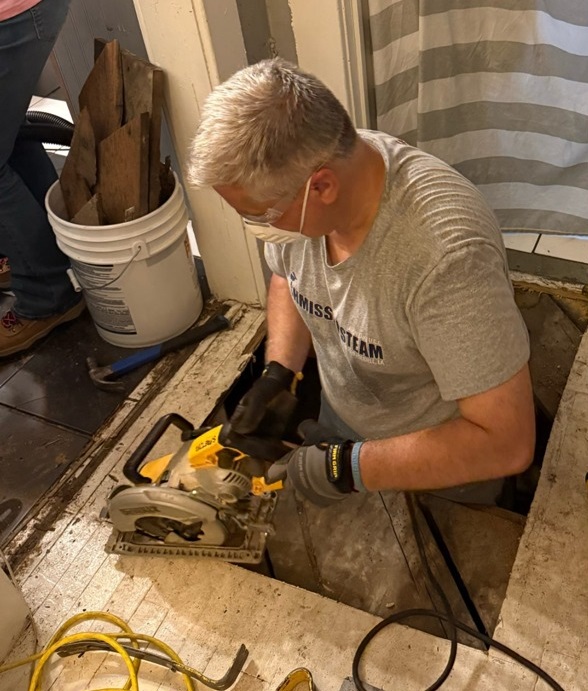
A couple of weeks after that initial conversation, the mayor was in Charleston, West Virginia as part of a mission project with the United Church of Christ. He was one of 31 adults that accompanied 85 high school students to Charleston to assist the Appalachian Service Project in providing home repairs and help to low-income families in the area.  

As a construction manager for the project, Mark oversaw nine sites that teams were working on. He noticed that many of the homes did not have working smoke alarms and knew that, for many of these families, the cost of purchasing new alarms was not a cost they could afford. Recalling their recent conversation, Mayor Spaetzel called Joe Matuscak and asked him if there was anything the Red Cross could do to help.  
Joe immediately called me and explained the situation. I told him we would do everything we could to make sure those homes would receive smoke alarms and the safety they provide. I’ve worked on disasters with several members of the Central Appalachian Region team in West Virginia, so I reached out to one of my contacts who quickly put me in touch with Angela Akers, the Community Disaster Program Manager for the Charleston area. I called Angela and explained the situation and within a couple of hours, she had spoken to the mayor, arranged to sign his team up as a Home Fire Campaign partner and provided the smoke alarms and training the team needed to install the alarms and educate families on being prepared for home fires.  

Mayor Spaetzel said he wasn’t sure at first if making the call to Joe would help. “You think about big organizations and the bureaucracy involved and you don’t know if it’s going to work,” he said. “But this was seamless, and it was so easy. The training was quick and clear, and the Red Cross team made it easy and simple to help these families. I know the families appreciated it, because they didn’t currently have working smoke alarms and many of them had never had them.” 

Mayor Spaetzel said that in his position, fire safety and prevention are always on his mind and he’s looking forward to working with the North Central Ohio Chapter to make sure families in Avon Lake know about the Home Fire Campaign and have access to the program.  

Being a part of the Red Cross family means having family members across the country who are ready to help whenever it’s needed, wherever the call comes from. For more information about the Home Fire Campaign, visit redcross.org/NOH.  

Fire Prevention Week: Fires can happen anywhere, anytime

By Kathryn Dean, Red Cross Volunteer

On a snowy, February day in the late 1990s in Northern Ohio, I was riding in the backseat of my family’s car looking out of the window. It was Super Bowl Sunday, and we were heading to a relative’s house to enjoy an afternoon of food, football (and commercials).

As we wound our way through the neighborhood, I noticed a home’s chimney engulfed in flames! I yelled to my father, who promptly stopped the car and ran to the front door. The homeowner was shocked and extremely grateful, as there were no signs of the fire inside the home. Luckily, it had not yet spread to the roof.

Fires like these can happen suddenly and without warning, and time is of the essence when it comes to recognizing the danger and escaping. Experts say you may have only two minutes or less to get to safety in the event of a fire.

That’s why this year during Fire Prevention Week (October 6-12), the American Red Cross Northern Ohio Region wants you to prepare for the unexpected by creating a fire escape plan for your family and ensuring that your home has working smoke alarms.

Home fire escape plan tips:

  • Identify two escape routes for each room in the home, and make sure everyone in the house knows them.
  • Smoke inhalation is dangerous. Stay below the smoke. Get low and go!
  • Agree on a meeting place outside, away from the home, such as a tree or flagpole. Make sure everyone knows where to meet.
  • Get out and stay out. Never go back inside for people, pets, or possessions.
  • Talk to your children about fire safety and show them what fire alarms sound like.

Smoke Alarm Safety:

  • Install smoke alarms on every level of your home, including inside and outside bedrooms and the basement. Information for requesting a FREE smoke detector can be found HERE.
  • Test smoke alarms monthly and replace the batteries at least yearly.
  • Replace smoke alarms that are over 10 years old.
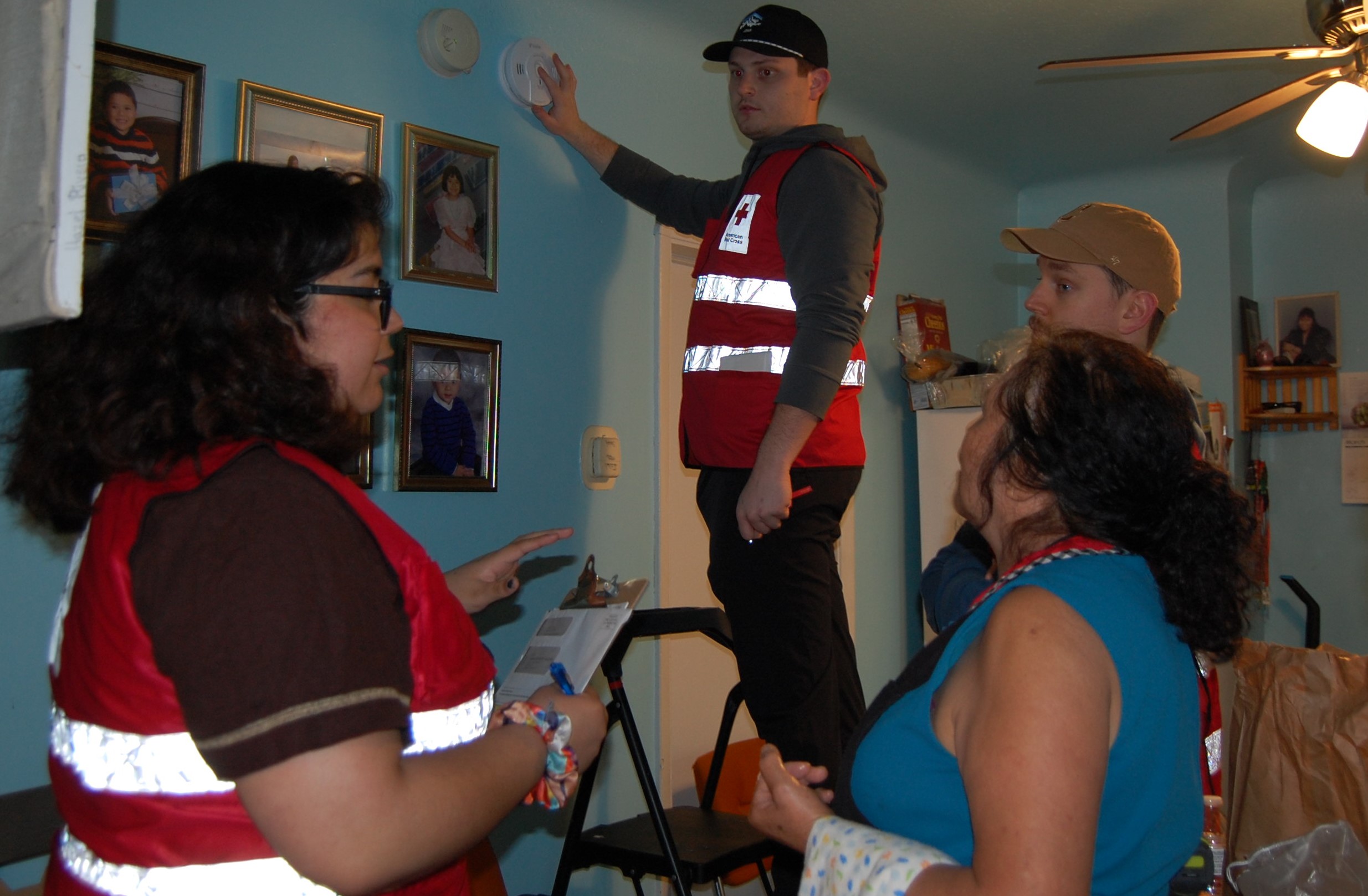
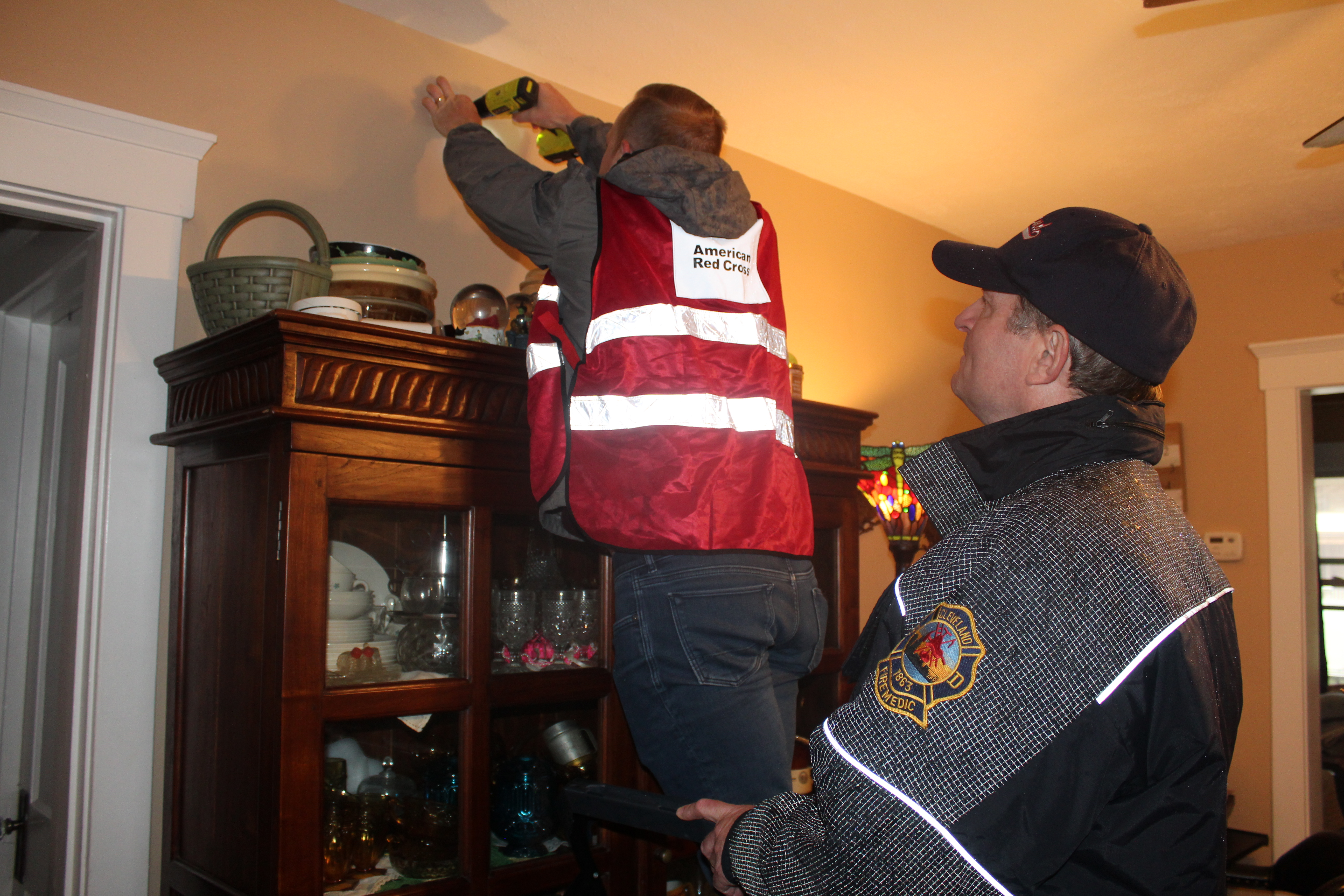
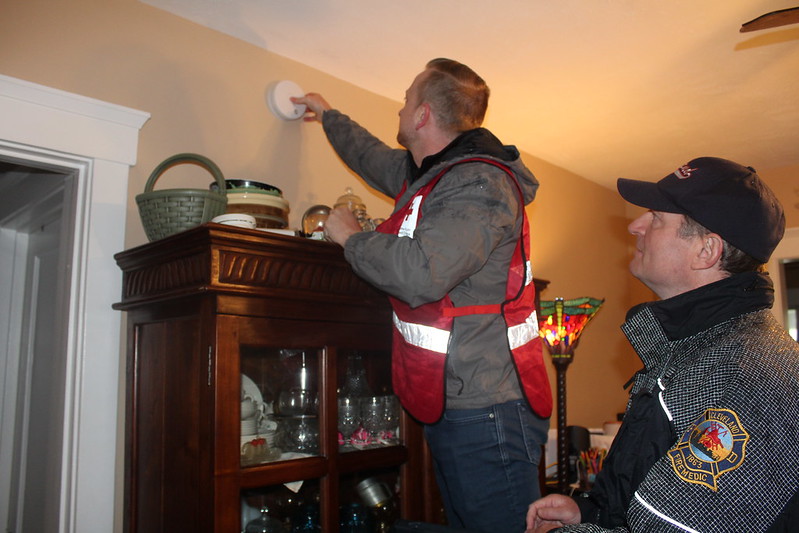
Red Cross volunteers install smoke alarms and share home fire safety information with a resident on Cleveland’s west side.

Speak to your children about fire safety: Have you met Pedro the Penguin yet? Pedro teaches children in grades K-2 how to be safe in emergencies, including home fires and other local hazards. There are numerous, multi-language resources available online, including storybooks and printables at the link above. Virtual and local in-person, 30-45-minute educational presentations are also available.

Check out the list below for upcoming Pedro and other fire safety events, including Sound the Alarm events in the local area during Fire Safety Week.

Northern Ohio Red Cross – Fire Safety Week local events:

Northeast Ohio Chapter:
North Royalton Elementary School – Prepare with Pedro Presentations October 7 & 8

Western Lake Erie Chapter:
Partnering with Toledo Fire to do a large neighborhood installation on Monday, October 7th.
Tuesday, October 8th we are participating in the Milan, MI Fire Department open house.
Saturday, October 12th we are participating in the Fallen Timbers, Maumee Safety Fair Truck or Treat.

Greater Akron and the Mahoning Valley Chapter:
Brunswick Elementary – Prepare with Pedro Presentation Oct. 10

Heartland, Stark and Muskingum Lakes Chapter:

Malone University Health & Wellness Fair – Wednesday, Oct. 9
New Philadelphia Fire Department open house – Thursday, Oct. 10, 5p-7 p.m. – Station 21 (134 Front St. SE, New Philadelphia, OH 44663)

North Central Ohio Chapter:
Home fire safety visits at Pheasant Run in LaGrange October 12. Smoke alarm installations by appointment.

Edited by Glenda Bogar, Red Cross volunteer

Posted by Ryan Lang, Red Cross board member and volunteer

Retiring after nearly five decades, Red Cross staffer to continue contributing as volunteer

CLEVELAND, April 16, 2024 When John Gareis began his career with the American Red Cross, there were elevator operators in the building that housed the offices in Cleveland. Blood collected from donors was stored in glass bottles – not the plastic pouches used today. “And there were no electronics,” John said, pointing to an old typewriter on display in the lobby of the current Red Cross offices in Cleveland.

John Gareis and wife Emily at a Red Cross fundraiser

If the computer systems that exist today were common then, John may not have been hired.

“I saw a notice posted on a job board at CSU (Cleveland State University),” John said. He was studying business management at the time and needed a part-time job. “They asked me if I had good handwriting. I said, ‘I guess so,’ and I got the job.”

48 years later, John is retiring from the Red Cross, following a storied career that began in the records department, where he was tasked with writing blood donor information by hand.

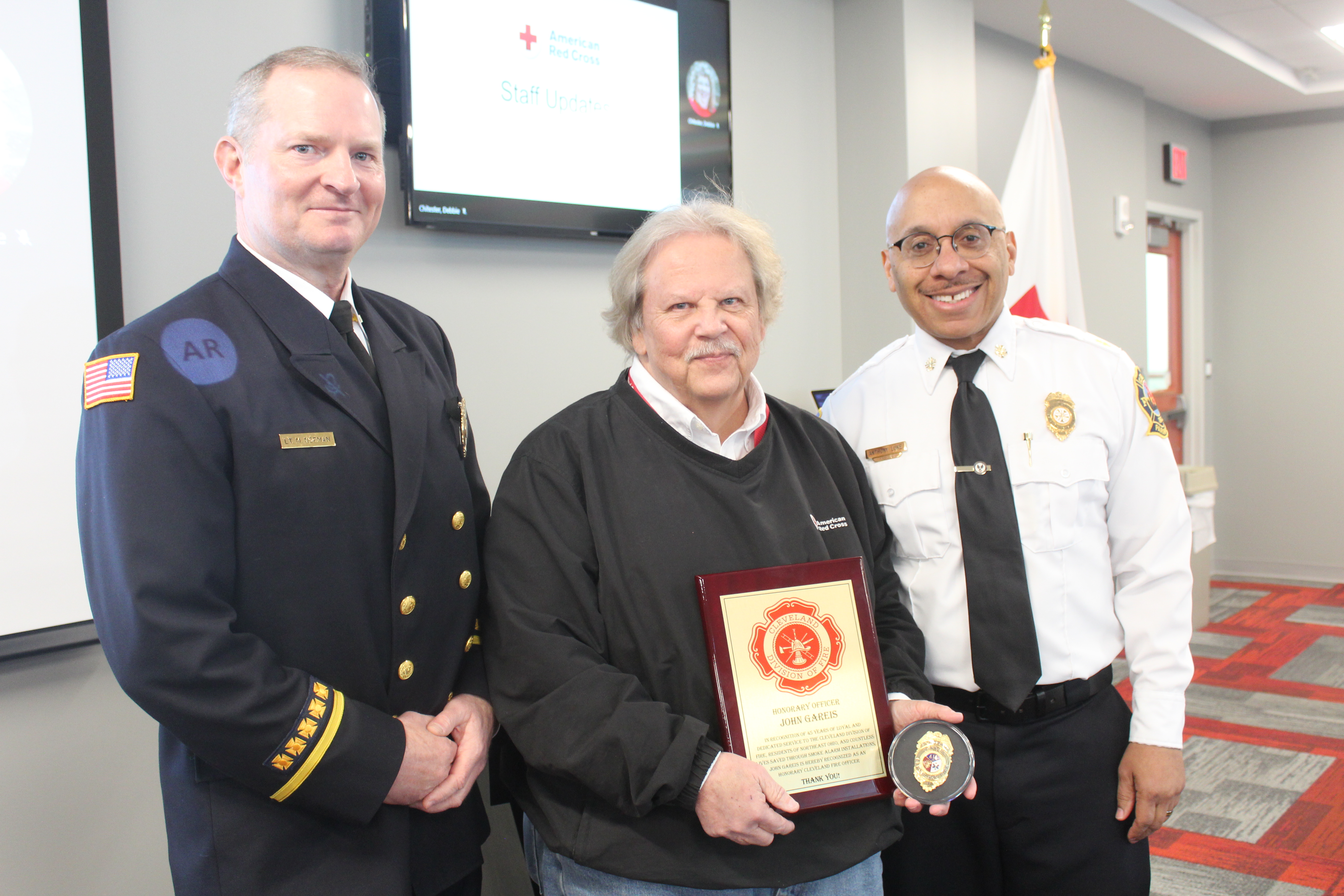
 Lt. Mike Norman, left, and Chief Anthony Luke of the Cleveland Division of Fire recently presented John with a plaque and a badge as an honorary officer

“It was only supposed to last a couple of weeks,” he said with a wry grin.

“I met John in December 1986,” said Darlene Morris, the current manufacturing director at the blood laboratory in Cleveland. “I had started at Red Cross the month prior, and he was hosting our Christmas party.! He had a great sense of humor and was fun to be around.”

John eventually transferred from Biomedical Services to Humanitarian Services and led the Wayne County chapter headquartered in Wooster. “Whenever there were any disasters or fires, John was always there to help,” said Greg Long, who served as the chapter chairman of the board. “He always had whatever was needed to assist the families and first responders.”

Greg said John worked hard to create and develop the Festival of Trees, a legacy fundraising event. And he worked with John to help build a new chapter headquarters building in downtown Wooster. “John put together a blue-ribbon campaign committee and we raised the money, 1.8 million dollars, and built the new chapter house.” Construction was completed in 2008.

John Gareis providing instructions at a Sound the Alarm event

John has weathered many changes in structure and operation at the Red Cross and is ending his career as the regional preparedness manager. Renee Palagyi, who worked closely with John for several years at regional headquarters in Cleveland, first met John in 2006, when she was a Red Cross volunteer in Ashtabula County. She served on a committee focused on disaster preparedness and response. “I was immediately struck by the wide base of knowledge John had, not just in disaster but in overall chapter function, fundraising, Service to the Armed Forces, and so much more,” she said. “Such an easy-going guy who was willing to share what he knew with the entire group.”

Arguably, John’s most significant contribution to the Red Cross involves the development of Operation Save-a-Life, an initiative to make homes and families safer with free smoke alarms. It began in 1992 in partnership with the Cleveland Division of Fire and served as a model for the national Home Fire Campaign, a highly successful initiative that is credited with saving more than 2,000 lives since being introduced nationwide in 2014.

“The success of the life-saving smoke alarm program is truly a credit to John and his desire to get it done,” said Renee.  “For so many years our region was the gold standard in this program and that must be credited to John, who didn’t just lead it; he was out there installing alarms, teaching families how to be safe and pulling together incredible teams across the region for large scale installations.”

John Gareis at WKYC demonstrating the importance of building a preparedness kit

John is quick to note he wasn’t involved with the creation of the smoke alarm program, but he speaks of it with pride. “We started it. It went national because of the work done by our staff, our volunteers and our partners to make it such a success,” he said. “We wear that as a badge of honor, and we continue to be a national leader every day.”

Regional CEO Mike Parks also shared his high praise for John.

“John’s contribution to the American Red Cross over the past five decades cannot be overstated.  His knowledge and expertise, especially when it comes to preparing communities and families for potential disasters, has resulted in a more resilient Northern Ohio,” he said.  “His inspiring leadership of the Home Fire Campaign has created safer homes, families, and communities.  Thanks to his tireless efforts, the Northern Ohio Region continues to set an example for the rest of the country when it comes to smoke alarm installations and homes made safer.”

 Regional CEO Mike Parks recognized John’s contributions at the 30th anniversary celebration of the smoke alarm program

His retirement is not the end of John Gareis’ Red Cross career; he plans to continue sharing his expertise as a volunteer.

“I feel honored to have worked alongside John for the past eight years and look forward to continuing to do so as John moves into a volunteer role supporting our training team,” said Emily Probst, regional disaster officer.

Mike Parks shared a similar sentiment. “I wish John the very best in the future and am comforted in knowing he will continue to provide his valuable service to the Red Cross as a volunteer.”

Edited by Glenda Bogar, American Red Cross volunteer

Posted by Ryan Lang, American Red Cross board member and volunteer

Number of lives saved tops 2,000

Through the work of our dedicated American Red Cross volunteers and partners, we have now saved more than 2,000 lives through our Home Fire Campaign. More than one-third of those are children.

Home fires are this country’s deadliest and most frequent type of disaster. Seven people in the U.S. lose their lives to a fire in their home every day.

Because of these tragic statistics, the Red Cross launched its Home Fire Campaign to reduce home fire- related deaths and injuries. Since its start in 2014, the campaign is credited with helping save 2,002 lives as of the end of November, 2023.

As part of the Home Fire Campaign, the Red Cross works with local partners to install free smoke alarms and share fire safety information with families. Through the support of our community partners and dedicated volunteers, the campaign has installed 2.7 million smoke alarms and helped to make 1.1 million homes safer.

Long before the launch of the national home fire campaign, the Northern Ohio Region was installing smoke alarms in homes locally. The effort began in the city of Cleveland in 1992, when businessperson and philanthropist Sam Miller joined with other civic leaders, the Cleveland Fire Department, and the Red Cross to reduce fire fatalities through installing smoke alarms and teaching fire safety.

More than 225,000 smoke alarms have been installed by the Red Cross and its partners in Northern Ohio, and 21 of the 2,002 lives that have been saved were in this region.

If you need smoke alarms in your home, visit our regional Home Fire Campaign page.

Posted by Ryan Lang, Red Cross board member and volunteer

Sound the Alarm campaign installs more than 1,500 free smoke alarms in Northern Ohio

When people think of the American Red Cross responding to disasters, they often imagine the aftermath of a massive hurricane or deadly tornado. Trees uprooted and tossed aside, homes with missing roofs or destroyed by floodwaters. But it’s not the large-scale disasters that keep Red Cross volunteers busy day in and day out. Home fires are the most frequent disaster in the country, claiming seven lives every day in the U.S. In Northern Ohio, the Red Cross responds to more than three home fires, on average, every 24 hours.

As part of the national Sound the Alarm campaign, Red Cross staff, volunteers and community partners set aside specific weeks throughout the year to focus on educating residents about home fire safety and installing free smoke alarms where they are needed. From April 22 to May 12 staff and volunteers in northern Ohio, in partnership with local fire departments, held Sound the Alarm events in 11 communities across the region. They included:

  • Sandusky
  • Uhrichsville
  • Cleveland
  • Medina
  • Hubbard
  • Warrensville
  • Toledo
  • Findlay
  • Henry County
  • Newcomerstown
  • Willoughby Hills

During these events, volunteers met with local families to install free smoke alarms, helped them create a two-minute fire escape plan and shared safety information on home fires and other local disaster risks. In Northern Ohio, more than 600 homes were made safer, with over 1,500 smoke alarms installed.

For those who do have smoke alarms, the Red Cross recommends testing smoke alarms each month and practicing your escape plan until everyone can get out in less than two minutes. It’s also important to teach children what smoke alarms sound like and what to do in an emergency.

While certain weeks of the year are designated as Sound the Alarm events, the Red Cross is working every day to help prepare communities for disasters like home fires.  If you or someone you know needs smoke alarms, visit the Sound the Alarm page to find out how to request an appointment with one of our teams. You can partner with the Red Cross and donate to this lifesaving work. Without the financial support of generous donors, the Sound the Alarm campaign would not be possible.

Check out more photos from our Sound the Alarm events on Flickr. Thank you to everyone who joined us this year and we look forward to seeing you all again soon at a Sound the Alarm event near you!

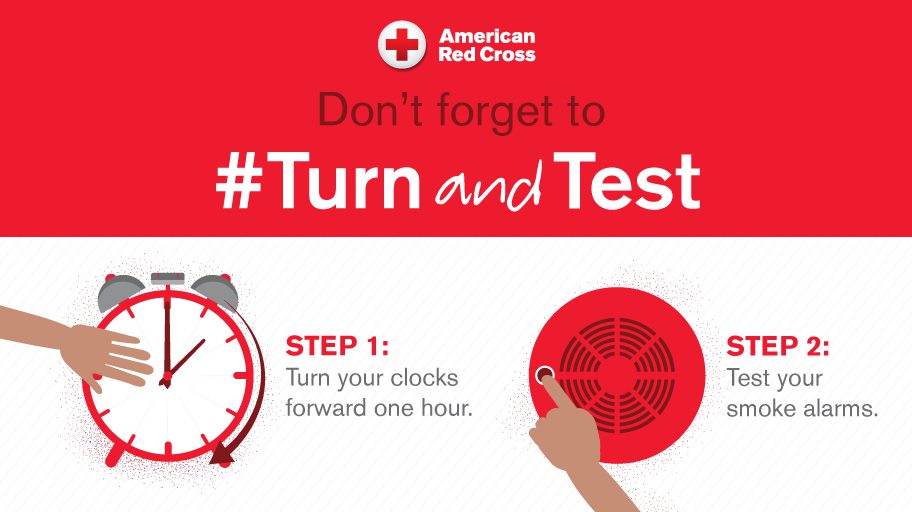
Don’t forget to TURN and TEST this weekend

This Sunday marks the end of Daylight Saving Time for 2021, meaning we will “fall back” one hour. As you turn back your clocks this weekend, the American Red Cross asks everyone to also test their smoke alarms.

Home fires are the nation’s most frequent disaster and tragically take seven lives every day in this country. Individuals may have as little as two minutes to escape a burning home before it’s too late. An early warning from a working smoke alarm, plus a fire escape plan that has been practiced regularly, can save lives.

“It’s critical to take action now to be as safe as possible as the threat of home fires increases with the holidays and cooler weather,” said Mike Parks, Regional CEO, American Red Cross of Northern Ohio. “In fiscal year 2021, Red Cross volunteers in our region responded to more than 1,100 home fires. The good news is that you can take a few simple steps this weekend to help protect your loved ones.”

Follow these simple tests to get your home ready:

  1. Test all existing smoke alarms, and make a plan to check them monthly.
  2. Check to make sure you have smoke alarms installed on every level of your home, including inside and outside of bedrooms and sleeping areas.
  3. Replace any smoke alarms that are 10 years old or older. Components such as sensors can become less sensitive over time. Follow your alarm’s manufacturer instructions.
  4. Practice your two-minute home fire escape plan. Make sure everyone in your household can get out in less than two minutes. Include at least two ways to get out of every room and select a meeting spot at a safe distance away from your home, such as your neighbor’s home or landmark like a specific tree in your front yard, where everyone can meet.

Red Cross Home Fire Campaign

Since October 2014, the Red Cross Home Fire Campaign with community partners has saved at least 1,048 lives by educating families about fire safety, helping them create escape plans and installing more than 2.2 million free smoke alarms in high-risk homes across the country. 

For more information, including safety tips and free resources, visit redcross.org/homefires or download the free Red Cross Emergency app by searching for ‘American Red Cross’ in app stores.

No better time to make homes safer

By Jim McIntyre, American Red Cross

James Mays lives alone in a roomy house in Cleveland, and is extra cautious about preventing a home fire.  “I’m pretty spooked out about it,” he said on the morning before Halloween, as American Red Cross volunteers Brittany Tucker and Walter Reddick installed new smoke alarms in his home.

Red Cross volunteers Walter Reddick and Brittany Tucker install a smoke alarm

James said he’s experienced two fires in his life.  “You have to really be watchful,” he said.

James’ home was one of 22 made safer on October 30, 2021, as six Red Cross volunteers, three staff members and two Cleveland firefighters visited homes in Cleveland’s Slavic Village neighborhood. All were observing safety measures to protect themselves, each other and the residents they visited by wearing face coverings and being socially distanced when possible.

Red Cross volunteer Brittany Tucker and Cleveland resident James Mays

“I saw it on TV,” said Carolyn Lee, referring to a message urging people to test their alarms when they turn back their clocks to end daylight saving time on November 7.  It prompted Carolyn, who has nine grandchildren and 13 great-grandchildren to call the Cleveland Division of Fire, which works closely with the Red Cross to install alarms and share home fire safety information with residents who make an appointment.

Carolyn’s son Treyfus Lee was visiting when the Red Cross arrived.  The U.S. Army veteran grew up in the house and said the alarms hadn’t been changed in “quite a while.”  He was told smoke alarm sensors have a 10-year life span, and that all alarms should be tested monthly.

Treyfus Lee, left and his mother Carolyn Lee

It was a timely message, delivered a week before the time change, and a reminder to all residents: when you turn back your clocks, test your smoke alarms.

To make an appointment for a home fire safety visit and to have free smoke alarms installed in your home, visit our website.  Residents of Cuyahoga, Lake, Geauga and Ashtabula Counties can also call 216-361-5535.  Residents of Summit, Mahoning, Trumbull, Medina, Portage and Columbiana counties can call 330-535-2030.  In Stark, Wayne, Ashland, Carroll, Holmes, Harrison and Tuscarawas Counties, residents can call 330-453-0146. In Erie, Hancock, Huron, Lorain, Putnam, Seneca, and Wyandot Counties, residents can call 419-422-9322. In Lucas, Fulton, Henry, Ottawa, Sandusky, Wood, and Monroe County, Michigan, residents can call 419-329-2900.

Photos by Dave Eadelis, American Red Cross volunteer. For more photos, visit our Flickr album.

Another Northern Ohio life saved thanks to volunteers

Arlington, Ohio woman credits fire safety information for helping her escape in April

By Jim McIntyre, American Red Cross

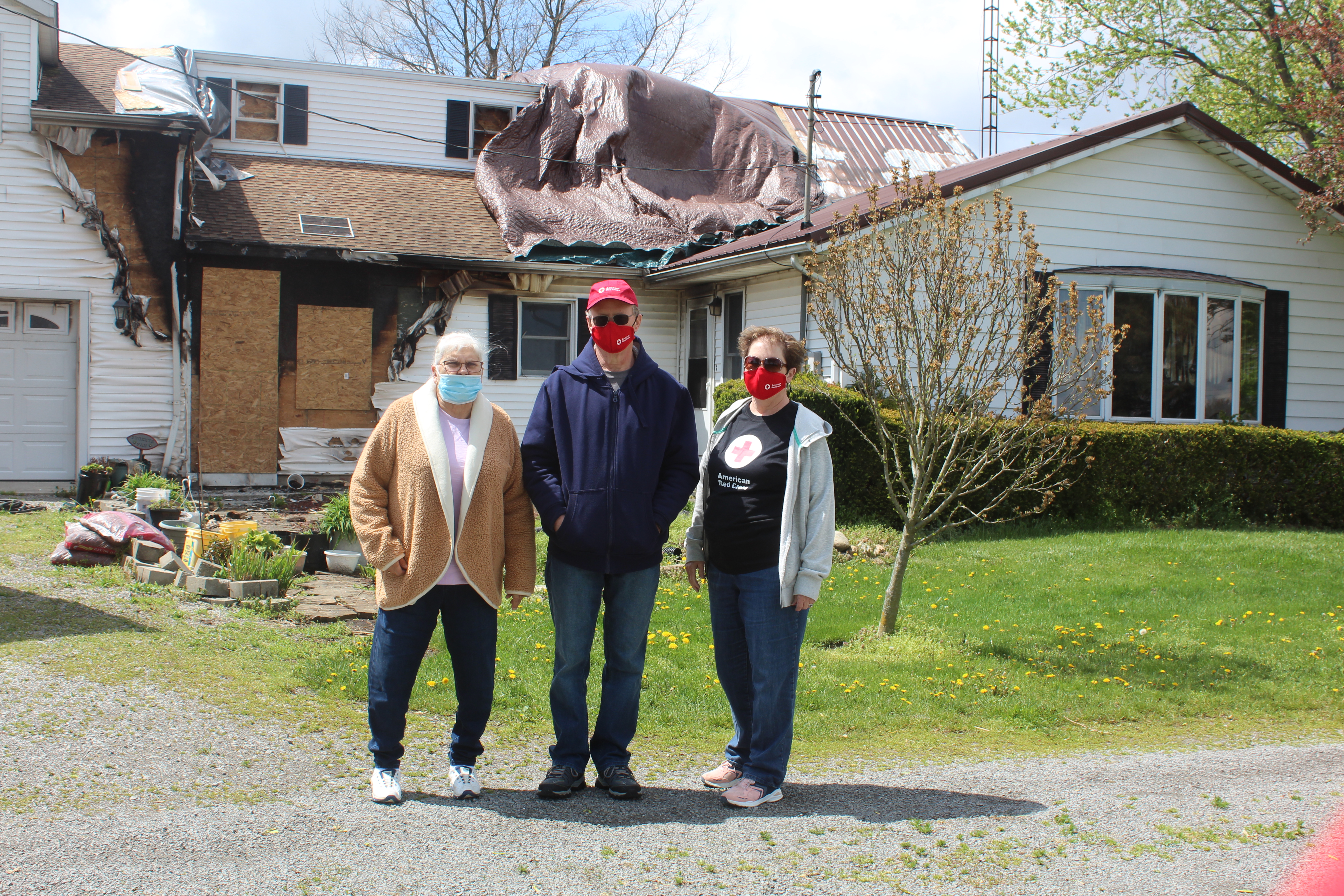
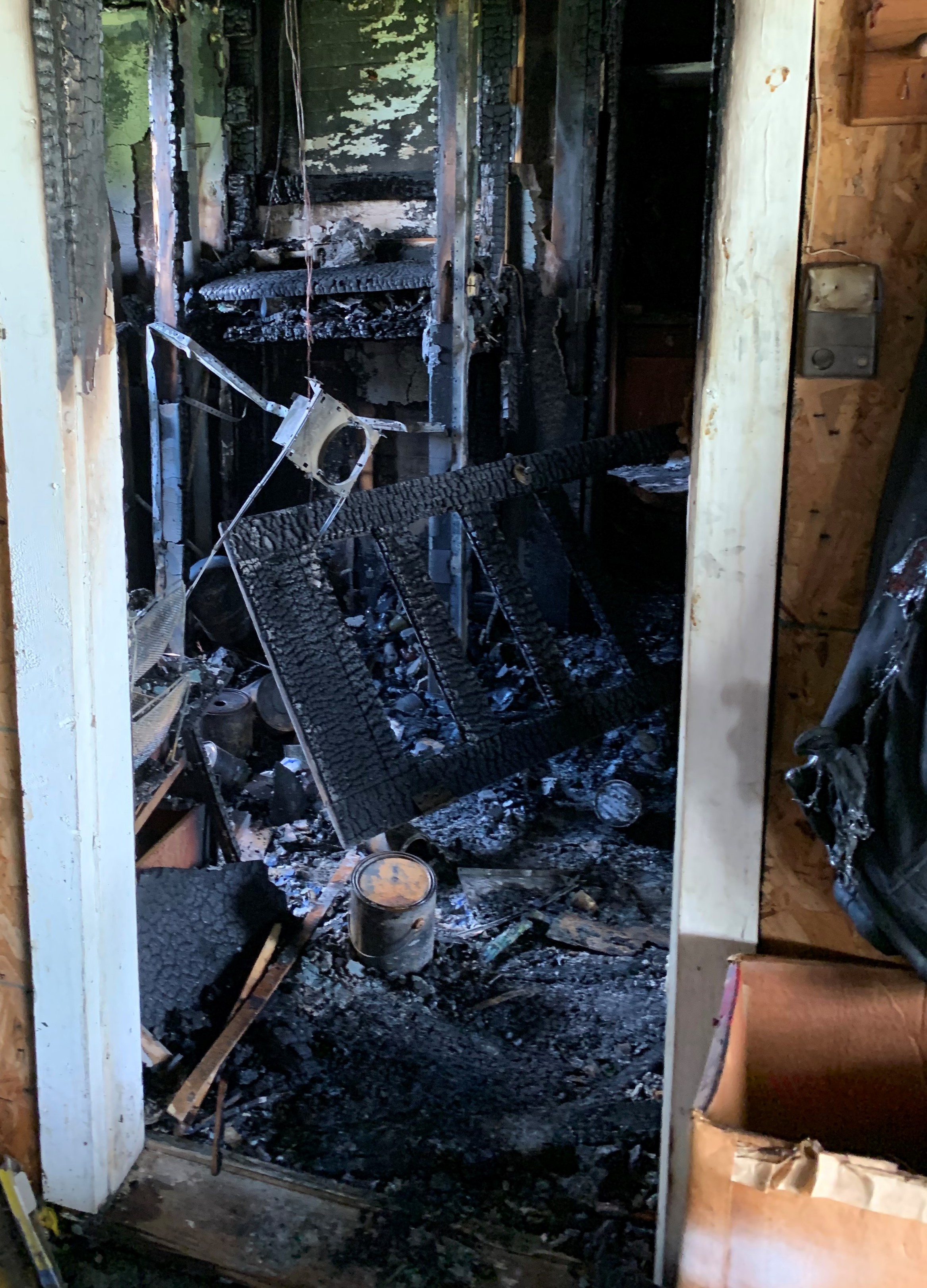
Ramona Martin of Arlington in North Central Ohio safely escaped her home after fire broke out in the early morning hours of April 14, 2021. She was awakened after smoke alarms installed in 2018 by Red Cross volunteers Steve and Valerie Mahler of Findlay sounded.

Ramona Martin, left, with Red Cross volunteers Stephan and Valerie Mahler, standing in front of Ms. Martin’s fire-damaged home in Arlington, Ohio

The installation was part of the American Red Cross Home Fire Campaign, which was launched in October 2014.  Since then, more than 1,000 lives have been saved following the efforts of volunteers and partners.

“I never thought it would happen to me,” said Ms. Martin.  She credits the fire safety information she received from Steve and Valerie when they installed her smoke alarms for giving her the knowledge she needed to safely escape.  “You have to have an escape plan.” She said she had only about two minutes to get out.

“When we started installing smoke alarms, I contacted my neighbors, family members, people from church, everyone I know,” said Steve.

See additional photos here. Watch Steve interview Ramona here.

Residents can visit SoundtheAlarm.org/noh to request a virtual education session on home fire safety and to request smoke alarm installations.  While the Red Cross has postponed in-home visits due to COVID-19 concerns, we will contact residents to schedule an appointment when we resume our in-home visits or if we are able to offer in-home installations with local fire departments.

Help Sound the Alarm across Northern Ohio to save lives

By: Chris Chmura, American Red Cross Volunteer

Could your family escape in 2 minutes in case of a home fire?

48 Ohio civilian home fire fatalities were reported by news media Jan. 1 – April 6, 2021. That is only the first four months of the year. See details from the U.S. Fire Administration here: https://apps.usfa.fema.gov/civilian-fatalities/incident/reportList/Ohio.

Home fires across the United States claim seven lives every day, but you can help change that.

Join our national American Red Cross movement and pledge to keep your family safe by taking 2 simple steps:

1. Practice a 2-minute fire drill 

Use our worksheet to draw your home’s floor plan and plot your escape routes. 

  • Practice your 2-minute drill (from home to a safe meeting place) at least twice a year.
  • Everyone in your household should know two ways to escape from each room in your home. 
  • In a real fire, remember to get out, stay out and call 911. Never go back inside for people, pets or things. 

DOWNLOAD YOUR ESCAPE PLAN WORKSHEET

2. Test your smoke alarms monthly

Test your smoke alarms monthly by pressing the test button. 

  • You should hear three beeps, letting you know the alarm is working. 
  • Don’t hear the beeps? Then it’s time to change the batteries, if your model requires them.
  • If your smoke alarm is 10 years old, it’s time to get a new alarm because the sensor becomes less sensitive over time. 

LEARN MORE ABOUT SMOKE ALARMS

Now is time to commit, Northern Ohio
Take the pledge! We invite you to pledge to prepare by signing the Sound the Alarm pledge: https://www.redcross.org/sound-the-alarm.html.

Are you prepared for a home fire?

A survey conducted for the Red Cross shows that people mistakenly believe they have more time than they really do to escape a burning home. Fire experts agree that people may have as little as two minutes to escape a burning home before it’s too late to get out. But most Americans (62 percent) mistakenly believe they have at least five minutes to escape, more than twice the amount they actually have. Nearly 18 percent mistakenly believe they have 10 minutes or more to get out. 

Due to COVID-19 precautions, the Red Cross is not installing smoke alarms this year. However, we are partnering with some local fire departments which have agreed to install smoke alarms in neighborhoods with high numbers of home fires. The goal is to reduce deaths and injuries from home fires by as much as 25 percent over the next five years. Our Northern Ohio region has set the goal to install 1,000 smoke alarms!

Sound the Alarm is a critical part of the campaign. Through our home visits, we’ve installed more than 2.1 million free smoke alarms and prepared more than 2.3 million people for home fires. 

836 lives saved                                2,179,964 smoke alarms installed

901,170 households made safer               1,628,263 youth reached through campaign

Request a smoke alarm

To learn more about the fire preparedness campaign of Northern Ohio in your area and to request a smoke alarm, see the information in this link for your county: https://www.redcross.org/local/ohio/northern-ohio/about-us/our-work/home-fire-campaign/request-a-smoke-alarm.html.

If you, or your community organization, are interested in participating in the program, please call Volunteer Services at 216-431-3328 or email NEOvolunteer@redcross.org.

Teach kids about preparedness

Our age-appropriate preparedness materials include engaging activities and easy action steps that youth will find both fun and effective.

Learn More About Youth Preparedness

Due to COVID-19, all  in-person youth presentations are currently suspended nationwide. Your local Red Cross may be able to conduct a virtual presentation for your students. Contact your local Red Cross for more information

Volunteer to help others

Join your local Red Cross to help families prepare for, respond to and recover from home fire. 

Learn more about volunteering

Make a donation

Help families prevent, prepare for, respond to and recover from home fires.

Donate now

Take a class

Red Cross Training + Certification: Simple, Fast and Easy

Take a class

Edited by: Glenda Bogar, American Red Cross Volunteer

Spring ahead with smoke alarm checks and escape plan

By Eilene E. Guy, American Red Cross volunteer

Daylight Saving Time begins this Sunday, and we all know what that means: Turn the clocks ahead one hour and check every smoke alarm in the house.

That first activity isn’t necessarily fun. Who wants to lose an hour of sleep?

But the second – checking your smoke alarms – is vital! It’s a key part of keeping your family safe from one of the most common disasters, a home fire. In fact, in a typical year, the death toll from home fires is higher than the toll from all natural disasters combined.

Most of us don’t realize we have just two minutes to escape a home fire. That’s why the American Red Cross is preparing families to act quickly through our annual Home Fire Campaign.

If you think home fires only happen to “somebody else,” think again.

“In just one year, the Red Cross was called to help nearly 4,300 people who were driven from their homes by fires in northern Ohio,” said Tim O’Toole, who heads up disaster response for the Red Cross in over 31 northern Ohio counties. And that doesn’t count those who didn’t need Red Cross assistance. 

You can help keep your family safe by taking two simple steps:

  • Think through and practice a two-minute home escape plan with your family. (Don’t forget your pets!)
  • Test your smoke alarms every month. (No, it’s not enough to test them a couple of times a year.)

To create a worthwhile home fire escape plan, include at least two ways to get out of every room (doors, windows) and then practice it until every member of your family, old and young, can do it in two minutes or less. Teach children what a smoke alarm sounds like and what to do in an emergency. (Don’t hide! And don’t assume it’s a false alarm.)

Working smoke alarms can cut the risk of dying in a home fire by half.

In addition to testing all alarms monthly, change the batteries once a year (if your models use batteries). Check the date on the alarms; if they’re more than 10 years old, they need to be replaced as the sensors get less sensitive over time.

In 2014, the Red Cross began its Home Fire Campaign to join with fire departments and other safety-minded organizations across the country to cut fire-related deaths and injuries by 25%.

Since then, we’ve installed more than 2.1 million free smoke alarms, reached more than 1.6 million children with preparedness programs and made nearly 900,000 households safer with safety education. Most importantly, we’ve documented more than 800 lives saved.

Please do your part, for your family and your community: Make a plan, check your smoke alarms. Visit soundthealarm.org for more information or to get involved.

Edited by Glenda Bogar, American Red Cross volunteer