With the U.S. Air Force and Red Cross, Cynthia Skidmore knows the power of being part of a team

By Tim Poe, American Red Cross volunteer

Cynthia Skidmore climbed on a tank and felt at home. A U.S. Air Force veteran and military family member, Cynthia had recently volunteered with the American Red Cross as a member of the Service to the Armed Forces (SAF) team. While assisting at a military family picnic, she climbed the tank, saw the families, remembered the times she and her husband served when their children were young, and thought, “This is awesome!” She wanted to keep helping, to reach as many as possible, and knew the effectiveness of the Red Cross’ SAF team in assisting military service members, veterans and their families.

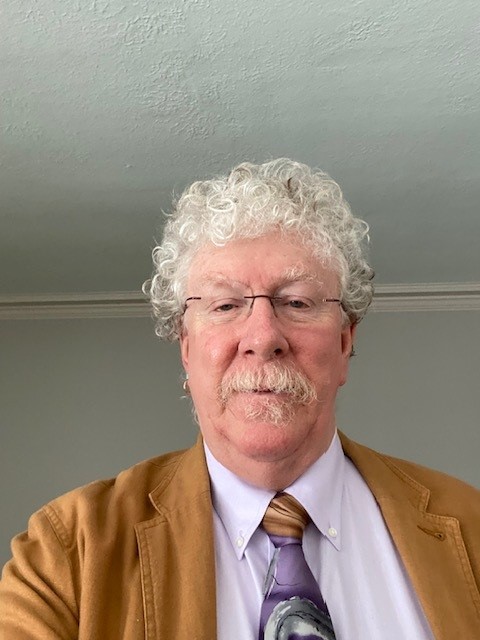
Cynthia Skidmore, Red Cross volunteer

After an exceptional Air Force career, Cynthia left in 2007 to focus on raising their five children while her husband, who was deployed in Saudi Arabia during 9/11, continued to serve. He retired from the Air Force in 2018 after 25 years, and her son Josh joined about the same time. Following the pandemic and her children becoming young adults, Cynthia, who has always been driven and full of purpose —“Going 90 MPH with [her] hair on fire”— found the house empty, felt lost and wanted to help others.

The Red Cross came to mind. Cynthia knew the tremendous feats a dedicated team can accomplish and the feeling of doing something bigger than oneself. She began volunteering with the Greater Akron and the Mahoning Valley chapter in 2022 and quickly made an impact.

Cynthia brings extraordinary skills and experience to the Red Cross. Having taught chemical warfare classes and focusing on disaster management while in the Air Force, she is skilled in public speaking and understands many elements of being in an armed forces family, as a veteran, spouse, mother, daughter and granddaughter.

Cynthia’s father, who recently passed away, helped inspire her sense of purpose and drive. A U.S. Navy veteran who served during Vietnam, Cynthia’s father was giving and deeply caring, often helping others, and loved Cynthia’s work with the Red Cross, both as a volunteer and blood donor. Her grandfather was also a Navy veteran. Thus, Cynthia continues her family’s tradition of giving.

In our conversation, Cynthia spoke highly of her Red Cross team and how much can be accomplished when people work together to help others. She enjoys being part of such a team and getting things done.

When asked about her favorite volunteer experiences, she said she has many. One that stood out was assisting at a deployment briefing when several volunteers brought in dogs. Cynthia, whose family has four dogs, said the service members’ children lit up upon seeing them. The dogs helped dispel fear, brought peace, normalcy and joy.

Cynthia Skidmore at a Summit County Veterans Stand Down event

Another favorite event is the Summit County Veterans Stand Down, where homeless and displaced veterans interview for jobs, receive haircuts, medical assistance, food, clothing and additional assistance. It is a tremendous help to those who have served and currently need assistance, and Cynthia is looking forward to the next one.

Cynthia also enjoys her regular volunteer work and being able to help, whether in person or being a compassionate voice on a telephone line.

For any veterans considering joining the Red Cross, Cynthia says volunteering is exceptionally rewarding and presents the opportunity to serve others in ways you never imagined. “It’s the next best thing to wearing a uniform,” she said.

For more information on the Red Cross’ Service to the Armed Forces or to volunteer, please visit this link.

Edited by Glenda Bogar, Red Cross volunteer

Posted by Ryan Lang, Red Cross board member and volunteer
International Women’s Day: Women and the Red Cross

By Eilene Guy, American Red Cross volunteer

March 8 is International Women’s Day, when we focus on the leadership, expertise, nurturing and down-and-dirty sweat labor that women contribute around the world, 365 days a year.

Coincidentally, Women’s Day falls in March – Red Cross Month – when we focus on the wide range of humanitarian services that Red Crossers contribute around the world, 12 months a year.

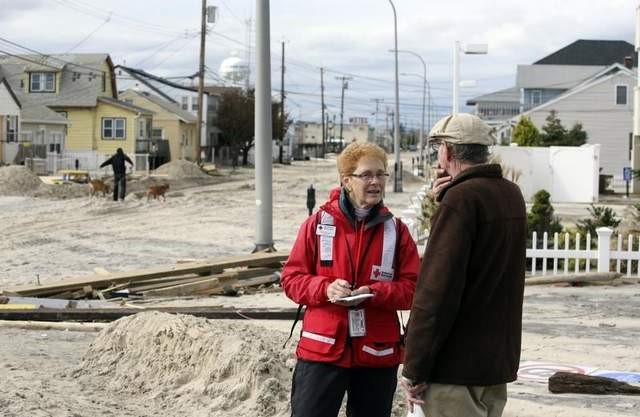
Red Cross volunteer Eilene Guy speaks with a resident of seaside Heights, New Jersey who refused to evacuate during Superstorm Sandy in 2012.

I’m proud to be part of the American Red Cross, which was launched by a woman, is headed by women, and values the talents and dedication of women at every level.

Women like my friend, Red Crosser extraordinaire Winnie Romeril. A volunteer for nearly 30 years, she has taught first aid and CPR, coached International Humanitarian Law classes, and served as a bilingual communicator at disasters all over the United States and across the world:

Sri Lanka and the Maldives; Peru; Haiti, carrying cash from the Red Cross to kick-start earthquake relief efforts with the Haitian Red Cross; the Philippines, where she even helped build a hanging bridge to get relief supplies to a remote village; Canada; Puerto Rico after Hurricane Maria.

She’s been posted to the International Federation of Red Cross and Red Crescent Societies in Geneva, Switzerland, to tell how the Red Cross brings hope across the world, and to Sierra Leone in Africa at the height of the Ebola outbreak, representing the World Health Organization.

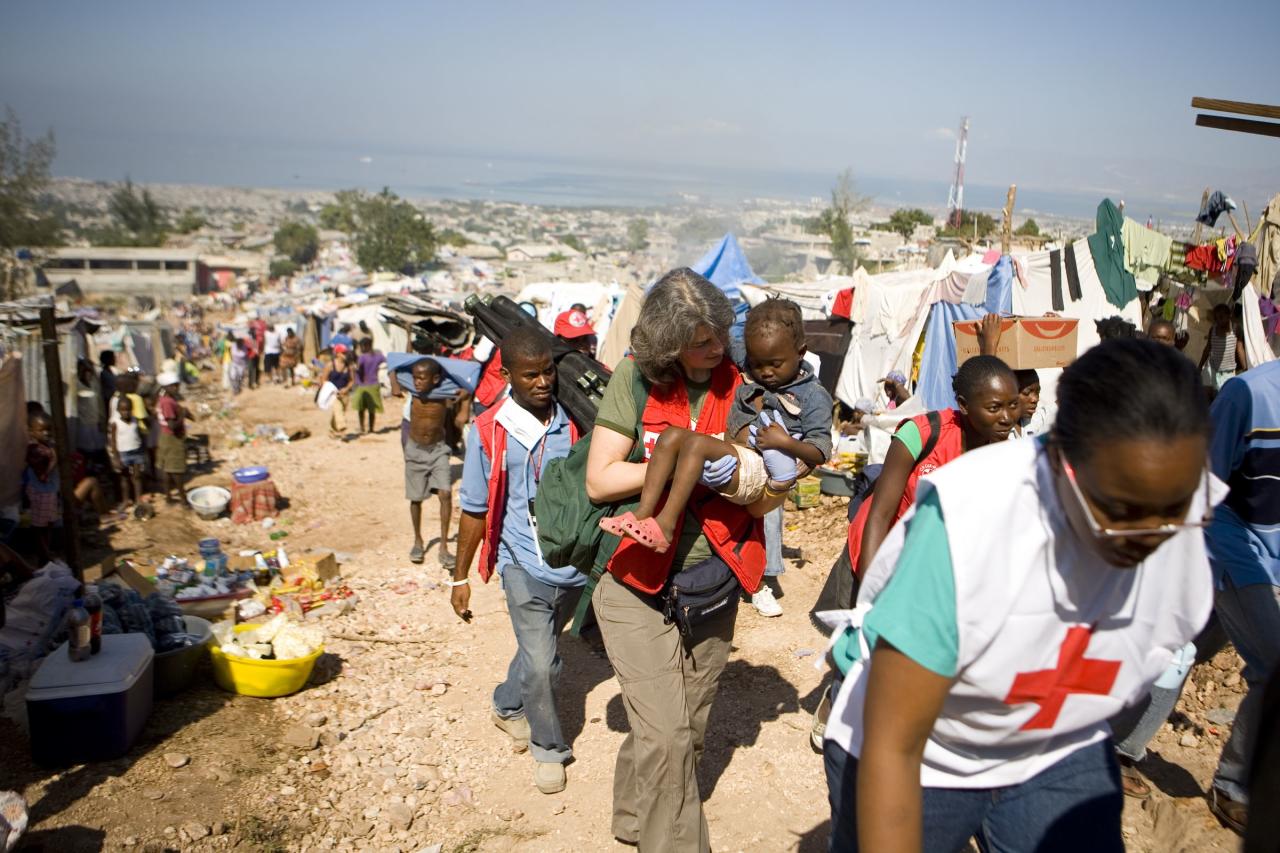
Winnie Romeril, a Red Cross disaster response volunteer, carries a child in Croix Desprez towards a First Aid Post.

Winnie’s courage and skill reminds me of Clara Barton, who started out as a teacher, became one of the first women to work in the U.S. Patent Office, and then took to the battlefields of the Civil War, ministering to the wounded and suffering on both sides of the conflict.

After attending to civilians during the Franco-Prussian War in Europe, she returned to the United States to found the Red Cross, which for more than 130 years has mobilized women – and men – to help prepare for, prevent and respond to emergencies.

Currently, two-thirds of our Red Cross volunteers are women, nearly 70 percent of the paid workforce is women and nearly half of the executive ranks are women.

Bonnie McElveen-Hunter, chairman of the board, and Gail McGovern, president and CEO, top the leadership team.

It’s no small job to head a $2.65 billion organization that Americans rely on to respond to more than 60,000 natural and human-caused disasters a year; collect and test some 40 percent of the nation’s lifesaving blood supply; train millions of people in first aid, CPR, AED, water safety and youth preparedness; and provide more than half a million services to our men and women in the armed forces.

People like me are the hands and heart of the Red Cross too: donating blood, responding to disasters, helping install smoke alarms to make neighborhoods safer, providing leadership at the chapter level and keeping my first aid, CPR and AED skills up to date.

I’m happy to celebrate International Women’s Day by focusing on women – past and present – who provide vital services. I know it happens all over the world every day, in actions big and small.

To investigate what you – woman or man! – can do, please check out redcross.org during Red Cross Month.

Posted by Ryan Lang, Red Cross Board Member and volunteer


Celebrating our Volunteers and Supporters this Red Cross Month

By Samantha Puselski, American Red Cross communications volunteer

For 80 years, March has been declared American Red Cross Month with a presidential proclamation. The tradition started in 1943 with President Franklin D. Roosevelt to recognize all those who have answered the call to help others through the American Red Cross.

This Red Cross Month, we celebrate the work of the Northern Ohio Red Cross volunteers – who make up over 90 percent of the Red Cross’s workforce. We also celebrate the supporters – those who have donated blood, donated funds, taken a course, shared their story or contributed to the mission in other ways. The work of the Red Cross is not possible without those who volunteer, work and provide support.

American Red Cross volunteers Callene Derrick and Jeff Mann

While the Red Cross is a national and international organization, they also have a profound impact locally every single day. Here are just a few facts that represent the history and magnitude of the work that has been done thanks to the support our communities and partners provide:

 The Red Cross and our partners have installed more than 100,000 smoke alarms and helped create more than 37,400 escape plans in Northern Ohio households through the Sound the Alarm campaign.
 The Red Cross responds to disasters providing support to those affected. Most recently the Red Cross provided more than 100 overnight stays and nearly 400 meals to those in East Palestine, Ohio.
 The Red Cross helped survivors of the Titanic.
 Service members in every U.S. conflict since the Spanish-American War have been supported by the Red Cross.
 International Committee of the Red Cross was won the most Nobel Peace Prizes.
 The Red Cross has responded to 3 million U.S. disasters since 1881.

Take Action this Red Cross Month

There are many ways you can support the Red Cross. Celebrate Red Cross Month by supporting your community through one or more of these activities:

 Donate Blood. About 40% of the nation’s blood supply comes from Red Cross blood donors. Blood drives are held every week in locations across Northern Ohio. Find an upcoming drive.
 Become a volunteer. The Red Cross offers many different opportunities to volunteer in Northern Ohio. These roles include administrative support, clinical support, disaster response, IT support, blood donor ambassadors and more.
– Interested in becoming a volunteer? Join the upcoming volunteer information session
on March 10th
.
 Make a Financial Donation. Donations of any amount can make a difference. The Red Cross offers several different ways that you can make a financial contribution.
 Take a Class. Get trained and certified in a lifesaving skill. Find a class.

Posted by Ryan Lang, American Red Cross Board Member and communications volunteer


No more donor deferrals related to ‘mad cow’ concerns

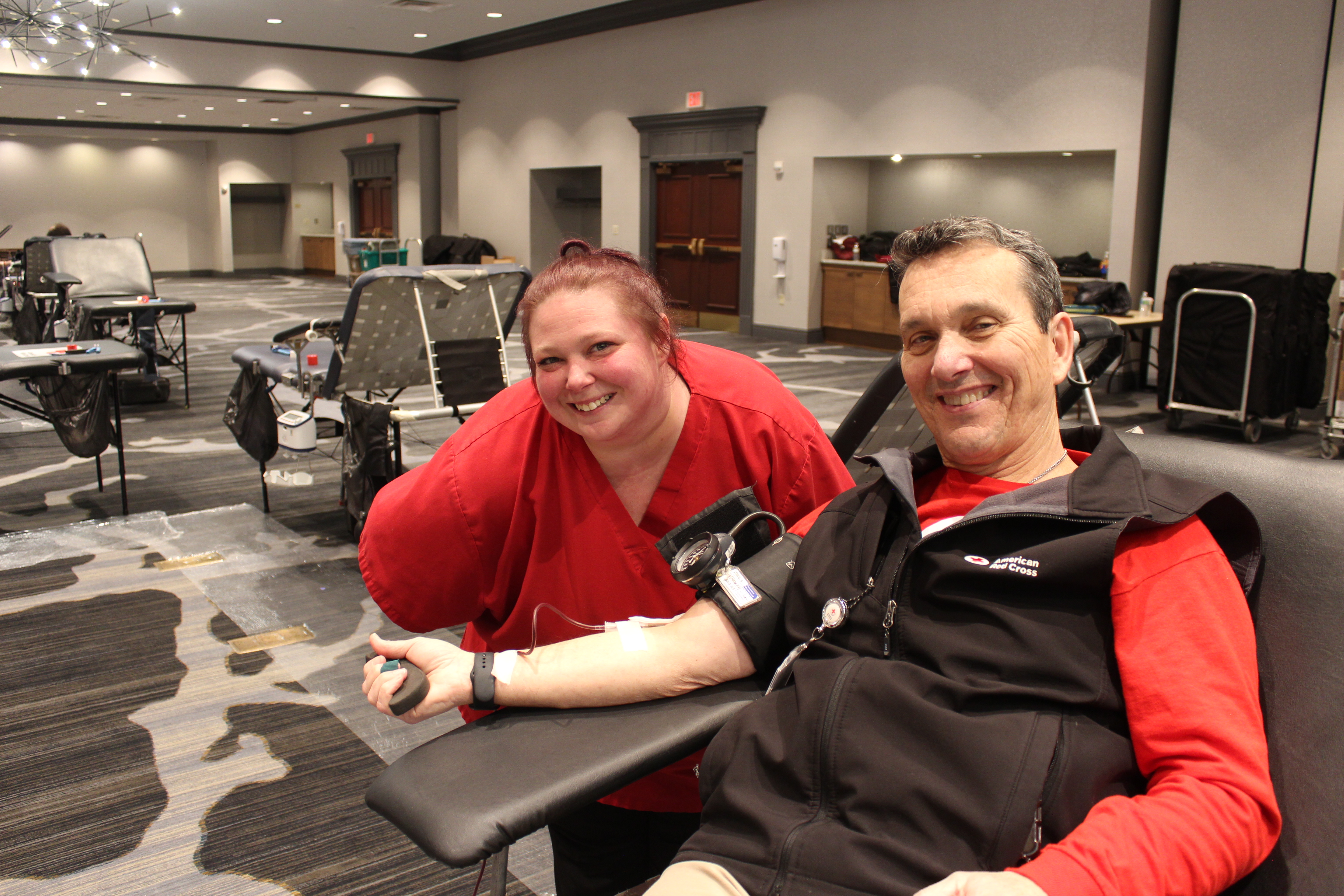
John Dowell, blood donor

By EILENE E. GUY, American Red Cross volunteer

During this National Blood Donor Month, I’d like to salute American Red Cross blood donor John Dowell, even though he out-ranks me.

John, who makes his home in Lakewood, finished his service in the U.S. Air Force as a senior airman/sergeant. When he returned to civilian life, he tried to donate blood but couldn’t because he had been at RAF Upper Heyford near Oxford, England, from March 1981 to March 1983.

For decades, the U.S. Food and Drug Administration banned blood donations from folks who had spent time in certain European countries during the 1980s and ‘90s, to prevent transmission of a deadly brain infection commonly known as “mad cow disease.”

The Red Cross, of course, respected that ban, which meant turning away potentially hundreds of thousands of donors, including many in the military community who had served overseas.

Last year, the FDA lifted the final section of its “mad cow” ban after finding there had been no reported cases of the brain disease associated with time spent in the United Kingdom, France and Ireland.

“As soon as I heard about it (lifting of the ban), I was right down there to donate the next day,” John said.

John comes from a family of dedicated blood donors – mom, dad and sister – so he started donating when he was in high school. “I was just a couple of pints short of a gallon when I went into the air force,” he said.

John Dowell donating blood 2022

“I believe in it. It’s important to have that spare blood on the shelf,” he said. “I don’t try to recruit people – if you want to donate, fine. If not, I’ve got your back,” he added with a chuckle.

But John is active in a couple of Facebook groups populated by the military community. When he posted about the lifting of the “mad cow” donor ban, “I got a big response, an overwhelming response. ‘Hey, that’s great to know. Thanks for putting out the word’,” his Facebook friends replied.

So, I want to salute Sgt. John Dowell for his service, in uniform and as a civilian, doing his bit to be sure there’s “blood on the shelf” for those who need a lifesaving transfusion.

If you, or someone you know – military or civilian – has been deferred from giving blood because of the “mad cow” (variant Creutzfeldt-Jakob Disease) criteria, you can contact the Red Cross Donor and Client Support Center at 1-866-236-3276 for more information.

During National Blood Donor Month, please consider joining the ranks of folks, young and old, who serve their country in a profound way. I salute you.

To find a blood drive near you, go to http://www.redcrossblood.org or call 1-800-REDCROSS.

Posted by Ryan Lang, American Red Cross volunteer and board member

Day of service in Newcomerstown

Neighborhood where family perished in home fire made safer

Dozens of residents in Newcomerstown, Ohio are safer in their homes, after Red Cross and community volunteers banded together on Saturday to install free smoke alarms and share home fire safety information.

The effort targeted the neighborhood where six people died – four children and their parents – in a fire on the day after Christmas. Investigators found no evidence of smoke alarms in the home.

Newcomerstown Mayor Patrick Cadle and five village council members gathered with about two dozen Red Cross volunteers, some coming from as far away as Cleveland, for a brief training session prior to splitting into teams of three or four and going door to door on several streets in the neighborhood.

Newcomerstown Mayor Patrick Cadle

“I was unaware that the Red Cross did this,” said Mayor Cadle, referring to the Red Cross Home Fire Campaign, which includes making homes safer with the installation of free smoke alarms.

“If I had known they didn’t have smoke alarms I would have contacted you for them,” said Kitty Clay, who lives on Spaulding Avenue, next door to the home that burned. She said she and other neighbors were outside for several hours, watching firefighters battle the blaze. “There was nothing we could do,” she said.

Village Councilmember Michael Wise shares home fire safety information with Spaulding Avenue resident Kitty Clay

Village Council member Michael Wise was on the team that inspected Kitty’s home on Saturday. He made sure there was a working smoke alarm on every level of the home. It was one of 52 homes made safer that day, as 136 smoke alarms were installed.

“We’re not stopping there,” said Tim O’Toole, Regional Disaster Officer for the Red Cross of Northern Ohio. “We plan to come back in April, when we include Newcomerstown as part of our Sound the Alarm event,” he said. Sound the Alarm is an annual campaign that targets neighborhoods at high risk for home fires nationwide for home fire safety visits and smoke alarm installations.

“This is just the beginning,” said Elizabeth Cante, Disaster Program Specialist with the Heartland, Stark and Muskingum Lakes Chapter. “We will also be helping students at the elementary school whose classmates lost their friends with preparedness education. Our job has only just begun.”

See more photos from the day of service in Newcomerstown here.

Visit soundthealarm.org/noh for more information on how to make your home safer, and to request free smoke alarms.

One of the greatest gifts you can give is your time – Resolve to volunteer today

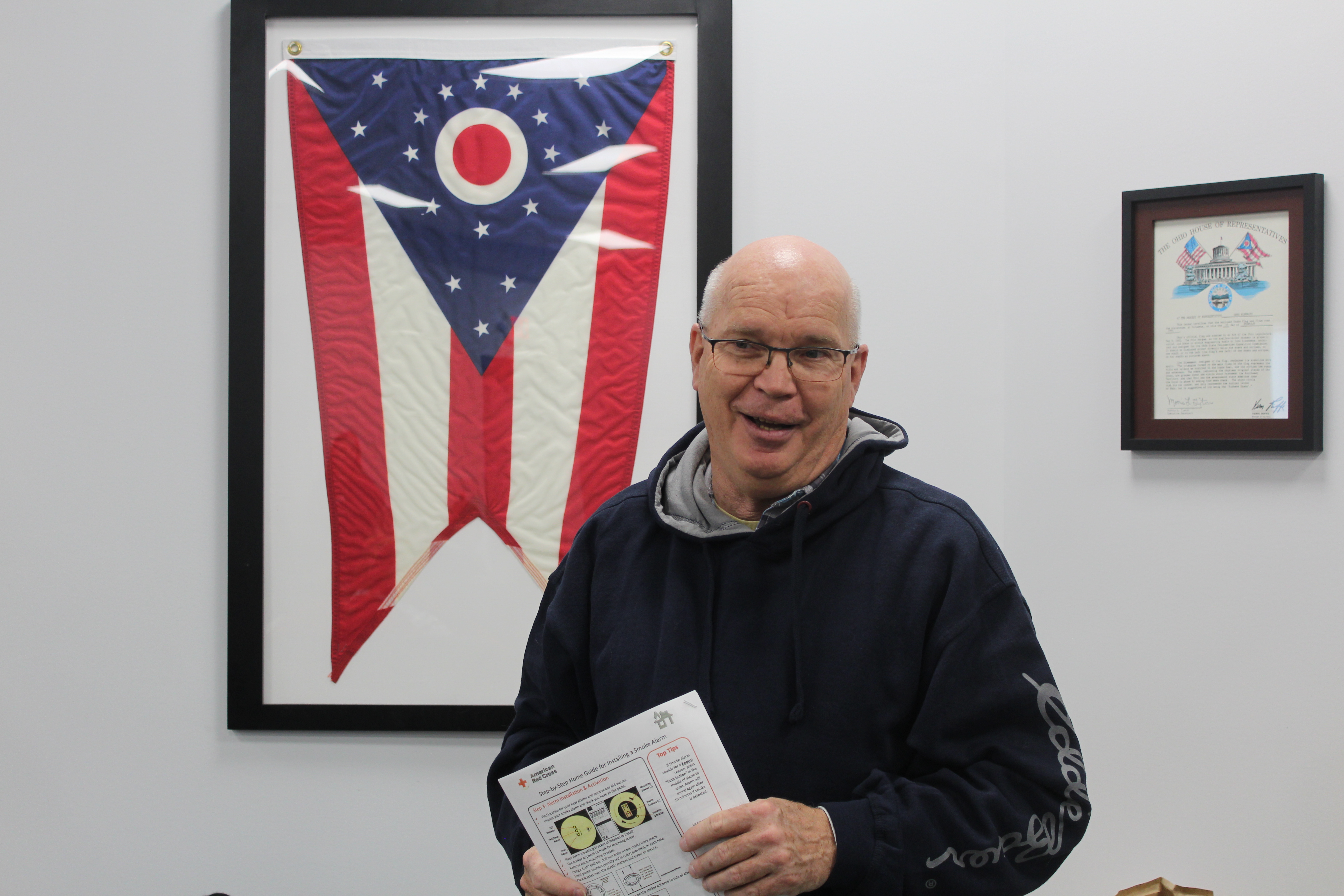
Jack Higley has been volunteering for more than 60 years

By Eilene E. Guy, American Red Cross volunteer

Still looking for a last-minute gift in honor of that hard-to-please person? Or thinking ahead to a New Year’s resolution that will really mean something?

How about something only you can give? How about the gift of your time?

American Red Cross volunteers give their precious time every time they help a family displaced by a home fire, donate blood or take a Red Cross first aid/CPR/AED course so they can save a life in an emergency.

Jack Higley, American Red Cross volunteer

Jack Higley of Aurora, Ohio, has racked up an uncountable number of hours over the span of 60-some years of volunteering with the Red Cross. He first stepped up when a fraternity brother was in a serious accident and urgently needed blood. “Back then, it was direct donation,” he recalled. “They took it out of my arm and right into him.” The experience inspired his fraternity to start scheduling regular blood drives.

Four years later, he started teaching Red Cross life guarding classes at a YMCA. Then, he went to donate blood in Madison, where he taught high school government. W; when the staff learned he had experience organizing blood drives, they asked for his help. He’s been at it ever since: he’s credited with donating just shy of 40 gallons of life-saving blood and for organizing countless drives.

“It makes me feel good,” he said, adding, “There’s always a need. My dad had 17 heart attacks and he used a lot of blood for the surgeries he had – stents, by-passes.

“People live because somebody donated.”

Although Jack can no longer donate because of health conditions, he enjoys staffing blood drives as a blood donor ambassador. “I like to be around the canteen (the refreshment area where blood donors are invited to enjoy juice, water and cookies immediately following their donation). I can relate to the people, talk to them. Some of them donate faithfully every two months. They’re my people.

“Jack’s Red Cross experience is an example of the generosity of spirit our volunteers show every day,” said Susan Gordos, who coordinates volunteers in support of blood drives and blood services across Ohio. “We have so many opportunities for people to give the gift of their time, to be sure life-saving blood is there when it’s needed.”

So, how about giving the gift of your time? The Red Cross of northern Ohio is always looking for blood donor ambassadors and blood transportation specialists.

As an ambassador, you’re the friendly face that greets donors, helps them sign in , and answers questions. You might even staff the canteen, like Jack, to chat with donors after they give blood.

Watch this video to hear from others about why they’ve volunteered in this role. Training is free, but the hospitality you provide is priceless.

Or you might find that being a blood transportation specialist is a good fit. These folks are a critical link, driving blood products to hospitals.

If you have a valid state driver’s license and at least three years of licensed driving experience, you are eligible to volunteer as a blood transportation specialist. You can choose regular routes, stand-by emergency deliveries or both. It’s a great opportunity for couples, friends or family members.

As Jack said, “Many of us are going to need blood, unfortunately. If you need it, the Red Cross has it, but everybody has to work together to make it happen.”

To take the first step of giving the gift of time, visit www.redcross.org/volunteertoday.

Have a happy, healthy holiday season. And may you have a rewarding 2023 – perhaps as a new Red Cross volunteer.

Edited by Glenda Bogar, Red Cross volunteer

Posted by Ryan Lang, Red Cross board member and volunteer
On Veterans Day and every day, Red Cross helps active-duty military, veterans and families cope

By Eilene E. Guy, American Red Cross volunteer

Today is Veterans Day, when we honor those who have served in our military. But tomorrow and every day after this national holiday passes, the American Red Cross will continue to honor and support veterans, military members and their families. For more than 100 years, the Red Cross has been helping active-duty men and women in uniform, their families and veterans deal with the unique challenges of military service.

It’s no secret that military life is stressful. Those of us in civilian life can only imagine the toll it takes to be in combat or challenged with heavy responsibilities, leaving and reuniting with family and home, being uprooted, adjusting to assignment after assignment.

Red Cross Service to the Armed Forces has a whole catalogue of programs to ease those burdens – everything from a reassuring presence on battlefields, deployment stations and military hospitals across the globe to reunification and readjustment workshops here on the home front.

There are even Red Cross programs designed specifically for children who have to deal with the unique social and emotional challenges of military life.

Northern Ohio Region Red Cross volunteer Tom Adams of Cleveland uses his education, training and skills as a clinical social worker to facilitate free, confidential resiliency
workshops on bases around the country. He recently returned from Texas, where he has done sessions at Fort Bliss, Fort Hood and Fort Tyler. Some of the highlights of his assignments over more than a dozen years include assisting service members at Fort Pickett in Virginia, Orlando, Fla. and Wright-Patterson here in Ohio.

Tom sees genuine gratitude in the people he works with. Explaining why he volunteers he said, “I can give up a weekend without pay to give them a thumbnail sketch of how to handle what life throws at them. I find it really humbling to be able to do this.”

Tom structures his small-group workshops as conversations, encouraging participants to share the challenges they face in a safe space. “Then I suggest options for handling these situations,” Tom said. “I’m not there to ‘teach.’ My goal is to give them tools they can use, when they need them.”

Here in northern Ohio, the Red Cross is also active with National Guard and Reserve units, conducting workshops to help ease the transitions of deployment and reconnection after active duty.

Jessica Tischler, regional director of Service to the Armed Forces for the Northern Ohio Red Cross recruits and trains volunteers with certification in mental health and social work fields for that program.

“I have the privilege of interacting with veterans every day and hearing their stories of service and sacrifice,” she said. “It’s gratifying every Veterans Day to see the American public come together as a community to thank the men and women who served our country.”

The Red Cross is a nonprofit organization that depends on volunteers and the generosity of the public. Our support for the U.S. military dates back to World War I, and we’re proud to maintain our founders’ commitment to the men and women who have served or continue to serve.

For more information or to volunteer or donate to support the Red Cross mission of helping active and retired military members, visit redcross.org or our Spanish site, CruzRojaAmericana.org, or follow us on Twitter at @RedCross.

Edited by Glenda Bogar, American Red Cross volunteer

Posted by Ryan Lang, American Red Cross board member and volunteer

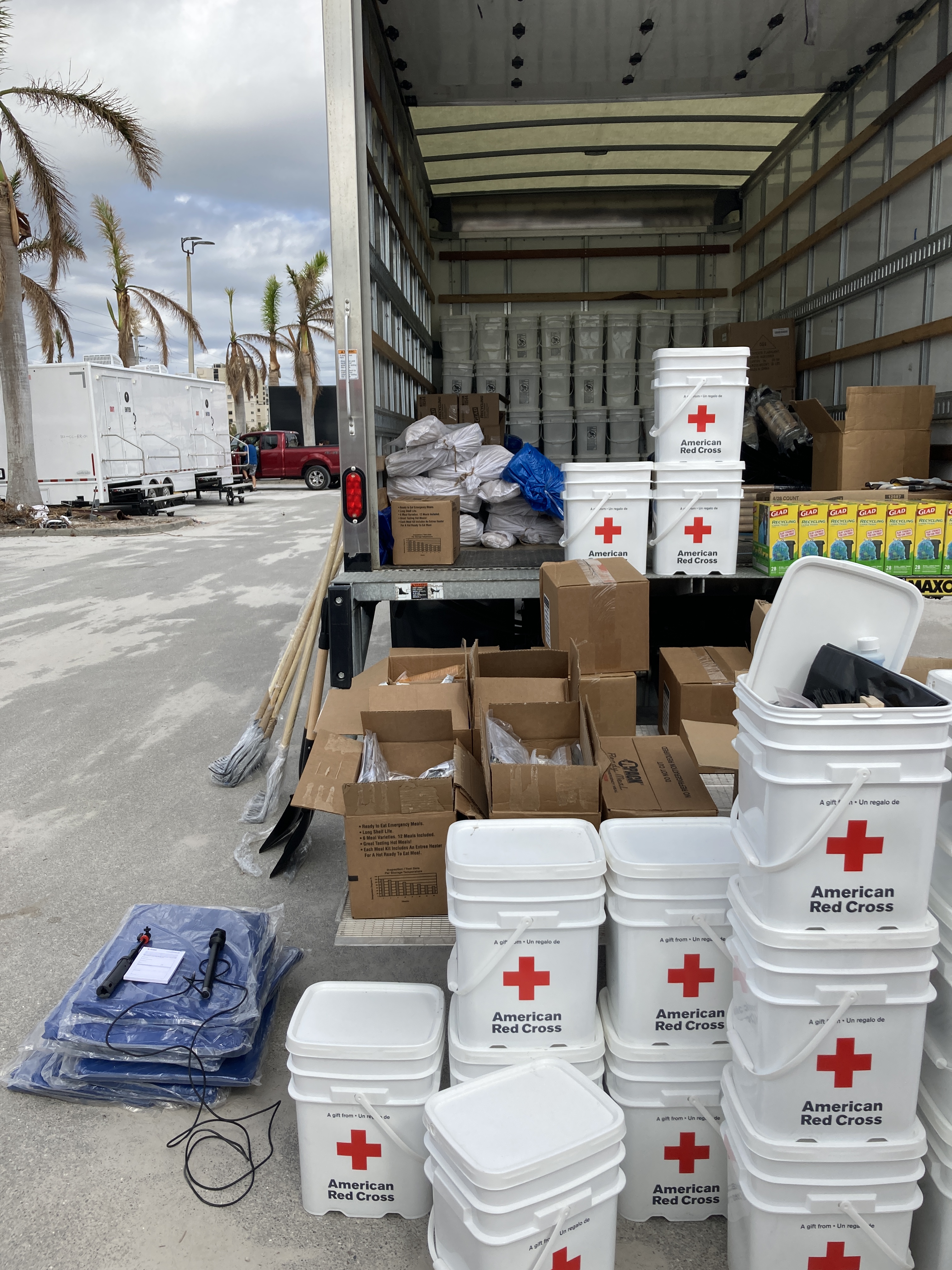
Disaster aid stations provide much needed supplies, snacks and meals for families recovering from Hurricane Ian

By Mandy McMahon, American Red Cross

Three weeks after Hurricane Ian made landfall along Florida’s Gulf coast, the American Red Cross continues to serve communities throughout Southwest and Central Florida. Hundreds of people are still relying on shelters and support following the storm.  

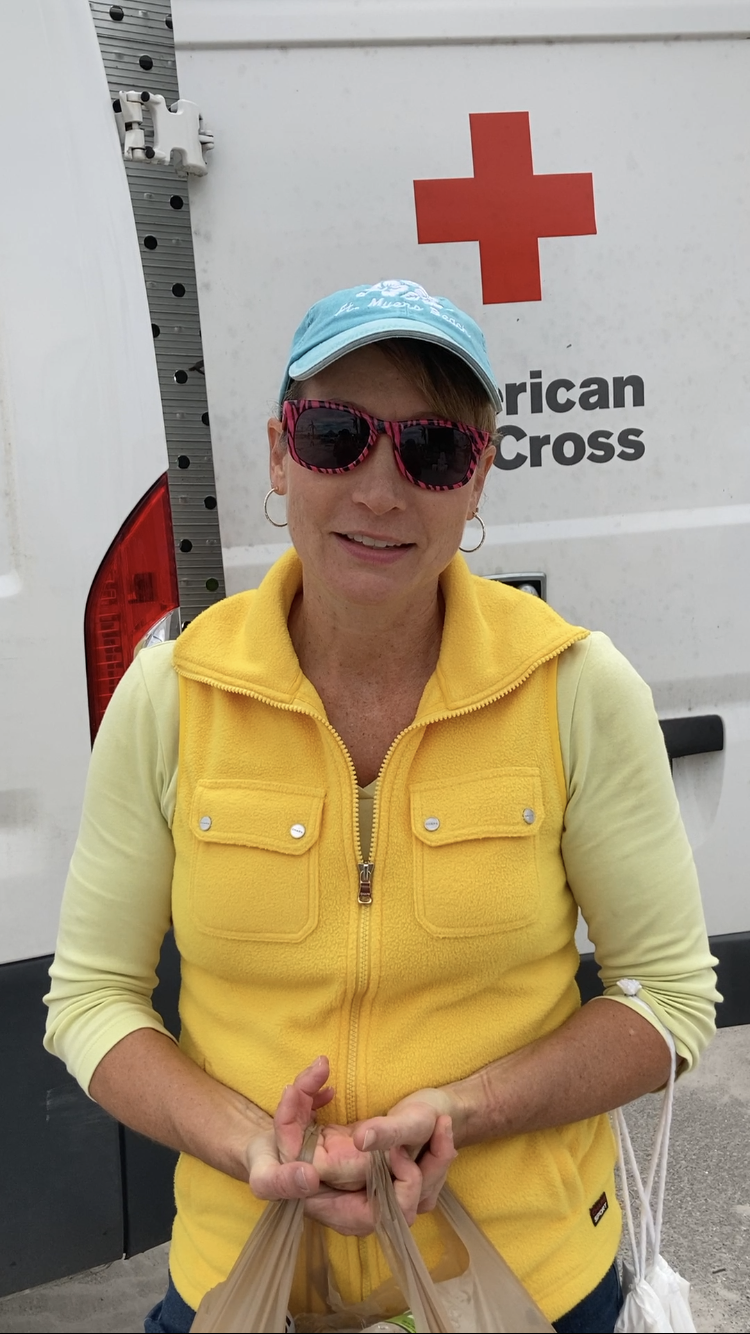
Stow resident Christina Krieger

“We have a long journey ahead. It’s just begun. Even after three weeks there’s still a major amount of devastation. I think it’s going to be a two-year journey,” said Christina Krieger from Stow, Ohio who came to Fort Myers Beach to help her mother pick up the pieces after her home of 22 years was flooded by the hurricane. “All her belongings are laying outside. We have to clean off all the muck and salt just to prepare it for storage while the home is rebuilt inside. It’s really hard – it’s devastating.” 

Christina came to the Disaster Aid Station on Fort Myers Beach on Thursday looking for a meal while she and her mother work through the wreckage searching for salvageable items. At Disaster Aid Stations, the American Red Cross offers mobile feeding and emergency supply distribution, alongside other organizations providing essential services such as laundry and bathroom facilities for Fort Myers Beach residents where water and power utilizes are still not operational.  

Residents waiting in line for a hot meal from the Red Cross Emergency Response Vehicle express the struggle of cleaning up an overwhelming amount of destruction caused by high winds and more than seven feet of storm surge.  

“We’ve been working 18-hour days to accomplish what we can before we go back home. What the Red Cross offers for meals and extra supplies is so helpful – it’s one less thing we have to think about. We’ll try to come back in a month when maybe the electricity will be back on,” Christina describes the daunting task of helping her mother down the path to recovery. “Thank you to the American Red Cross for being here, and to everyone else along the beach who’s providing free meals. Don’t forget about us – please stay.” 

Christina hopes that she can come back someday and see the Fort Myers Beach she remembers as a place of fun and relaxation. Residents seeking help at the Disaster Aid Station expressed their hope that vacationers will come back and help the island recover.  

“You can see things on TV, but until you experience it firsthand and feel it, you have no idea what it’s like. We did evacuate, but when we came back, we just cried,” said Cheryl McAllister, describing her reaction to seeing the devastation to her home and community. “Everybody that sees the destruction cries because they’ve been here before and they know what it was, but we will come back. Fort Myers Beach will come back; it just takes time.” 

Like so many other Floridians impacted by the storm, Cheryl calls herself fortunate despite losing her possessions that were either washed out or mangled by flood waters. Her home is still standing.  

Red Cross Disaster Aid Station after Hurricane Ian at Fort Myers Beach, Florida

Red Cross has been amazing. They’re so nice – they stop and ask if you’re ok and make you feel better. They’ve given us food and water,” Cheryl said as she holds hot meals to take back to her home. “We’ve been here a couple of days without any electricity, water or sewage. We come here to get lunch – we usually only eat one meal a day, which is this one.” 

To date, the American Red Cross has provided nearly 1.5 million meals and snacks with the help of our partners. Additionally, more than 350,000 relief items, including comfort kits and other supplies have been provided to people in need serving more than 20,000 total households. 

“We appreciate everything the American Red Cross does and every other organization that’s here helping. I thank everybody who’s helping, volunteering, who cares about us,” said Cheryl. “We’re off the news, but it’s still new and it’s still raw. It’s nice not to be forgotten.” 

Posted by Ryan Lang, Red Cross board member and volunteer
As many students head back to school, Red Cross offers important safety tips

By Christy Peters, American Red Cross Regional Communications Manager

If you’re out this weekend, making a quick Target or Wal-Mart run, be prepared to witness a strange phenomenon – the panicked, school supplies shopping parent. We’ll be wide eyed and shaky, searching for a plastic folder, with three holes but no prongs, in a specific color that 500 other parents have also been looking for since school supply lists came out. That’s right folks, it’s back to school time!

My son will be in first grade this year, so I’m slightly less nervous than I was when he started his academic journey last year as a kindergartener. Of all my fears (and there were many) one of the biggest was him riding the bus. Watching him climb on and sit in that huge seat was enough to send me into a full-on panic attack. Unfortunately, so was watching the many drivers who sped past the bus as it was slowing down to get him or didn’t stop at all.

The American Red Cross Northern Ohio Region wants everyone to stay safe as students head back to school. Below are several reminders for riders, walkers and those of us sharing the roads and sidewalks with them. Take a moment to review these important tips and go over them with your kids returning to school.

CELL PHONES A DISTRACTION The National Safety Council (NSC) reports distracted walking can be dangerous, even deadly. Teach your students the following:
– Don’t text or talk on your phone while walking. If you must text, move out of the way of others and stop on the sidewalk.
– Never cross the street while using an electronic device.
– Do not walk with headphones in your ears.
Drivers can be distracted too. Never use a phone while driving. Help keep children
safe by eliminating all distractions.

TAKING THE BUS
– Students should get to their bus stop early and stand away from the curb while waiting for the bus to arrive. Young children should be supervised.
– Board the bus only after it has come to a complete stop and the driver or attendant instructs them to get on. They should only board their bus, never an alternate one.
– All students should stay in clear view of the bus driver and never walk behind the bus.

WALKING TO SCHOOL
– Cross the street at the corner, obeying traffic signals and staying in the crosswalk.
– Never run out into the street or cross between parked cars.
– Use a route along which the school has placed crossing guards.
– Parents, walk with young children and those taking new routes or attending new schools, for the first week to ensure they know how to get there safely. Arrange for the kids to walk to school with a friend or classmate.

GOING BY CAR
– Everyone should always wear a seat belt.
– Younger children should use car seats or booster seats until the lap-shoulder belt fits properly (typically for children ages 8-12 and over 4’9”), and ride in the back seat until they are at least 13 years old.
– If a teenager is going to drive to school, parents should mandate that they use seat
belts.

RIDING A BIKE There may be more young people on bikes as the school bells ring. They should:
– Wear a properly fitted helmet and bright clothing.
– Ride on the right side of the road, with traffic, in a single file.
– Come to a complete stop before crossing the street; walk bikes across the street.
– Stay alert and avoid distracted riding.

SLOW DOWN Drivers should slow down, especially in residential areas and school zones, and know what the yellow and red bus signals mean. Yellow flashing lights indicate the bus is getting ready to stop, that motorists should slow down and be prepared to stop. Red flashing lights and an extended stop sign indicate the bus is stopped and children are getting on or off.

Motorists must stop when they are behind a bus, meeting the bus or approaching an intersection where a bus is stopped. Motorists following or traveling alongside a school bus must also stop until the red lights have stopped flashing, the stop arm is withdrawn, and all children have reached safety. This includes two and four-lane highways. If physical barriers such as grassy medians, guide rails or concrete median barriers separate oncoming traffic from the bus, motorists in the opposing lanes may proceed without stopping.

KEEP LITTLE ONES SAFE Keeping all students safe is the primary concern for everyone, but there are special steps for parents of younger kids and those going to school for the first time:
– Make sure the child knows their phone number, address, how to get in touch with their
parents at work, how to get in touch with another trusted adult and how to call 911.
– Teach children not to talk to strangers or accept rides from someone they don’t know.

Finally, download the free Red Cross First Aid app for instant access to information on handling the most common first aid emergencies. You can find it by searching for ‘American Red Cross’ in your app store or at redcross.org/apps. Learn and practice First Aid and CPR/AED skills by taking a course (redcross.org/takeaclass) so you can help save a life.

Posted by Ryan Lang, American Red Cross Volunteer


“Tattoos!” A story and reminder about blood donation and tattoos for National Tattoo Day

By Christy Peters, American Red Cross Regional Communications Manager

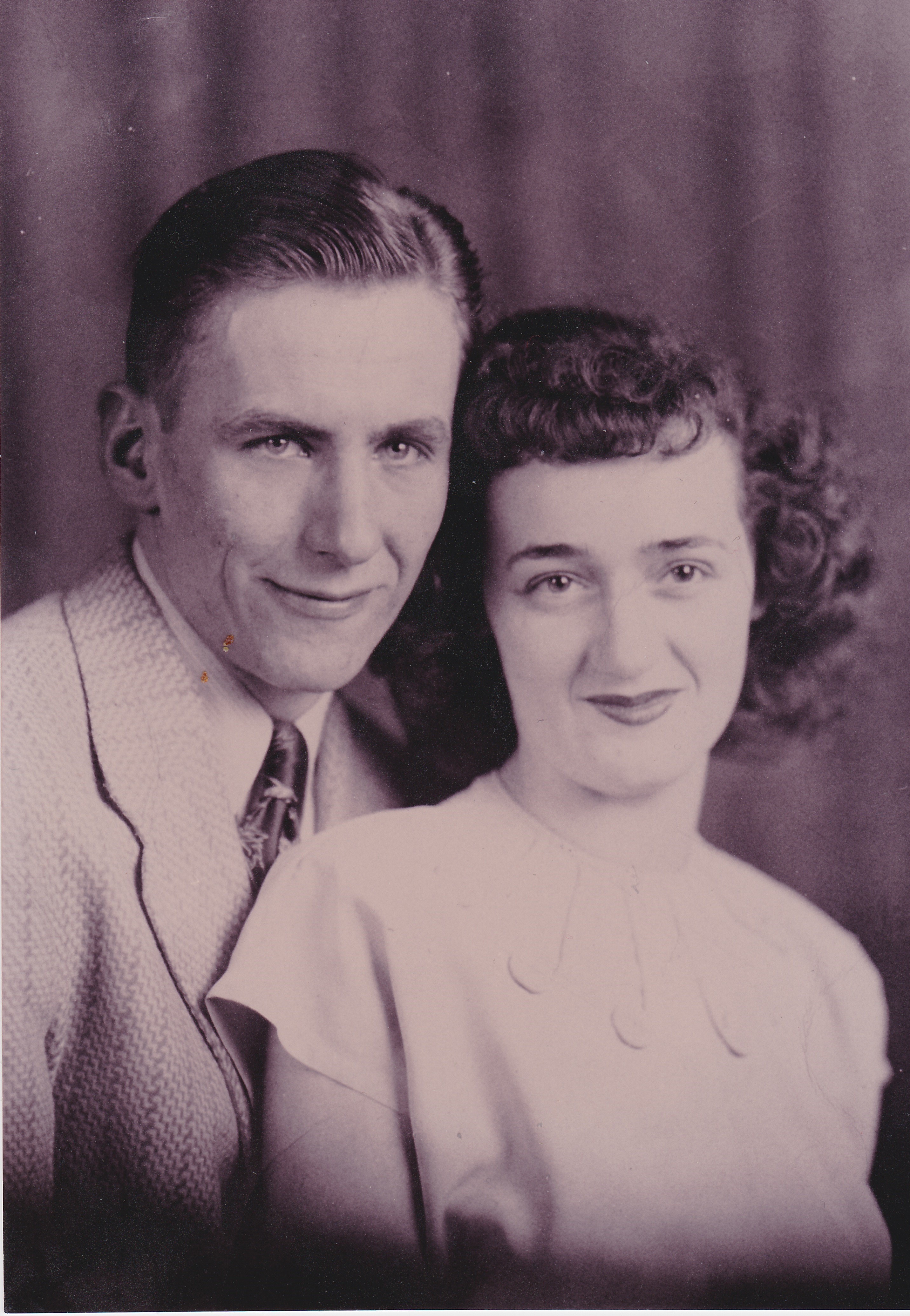
1947 – Grandma & Grandpa’s engagement picture – photo courtesy of Christy Peters

One of my favorite stories about my grandparents happened on one of their early dates. They both lived in Canton and had recently started dating. One night, when my grandfather was driving my grandmother home, they had car trouble. Luckily for both of them, my grandfather worked as a mechanic. He pulled the car over to the side of the road and got out to inspect under the hood.

Grandma got out with him and once the hood was open, Grandpa began rolling up his sleeves to get to work. Suddenly he heard my grandmother scream, “TATTOOS!” Apparently, in all their time together, Grandpa had always worn long sleeves and had not revealed his two very prominent arm tattoos, courtesy of his time in the Army during World War II.

Grandma was shocked but I think most of her reaction had to do with what her parents, my great grandparents, were going to say when they found out she was dating a man with tattoos. Thankfully, everyone got over the scandalous tattoos and my grandparents went on to be married for 70 years until my grandmother passed away in 2019.

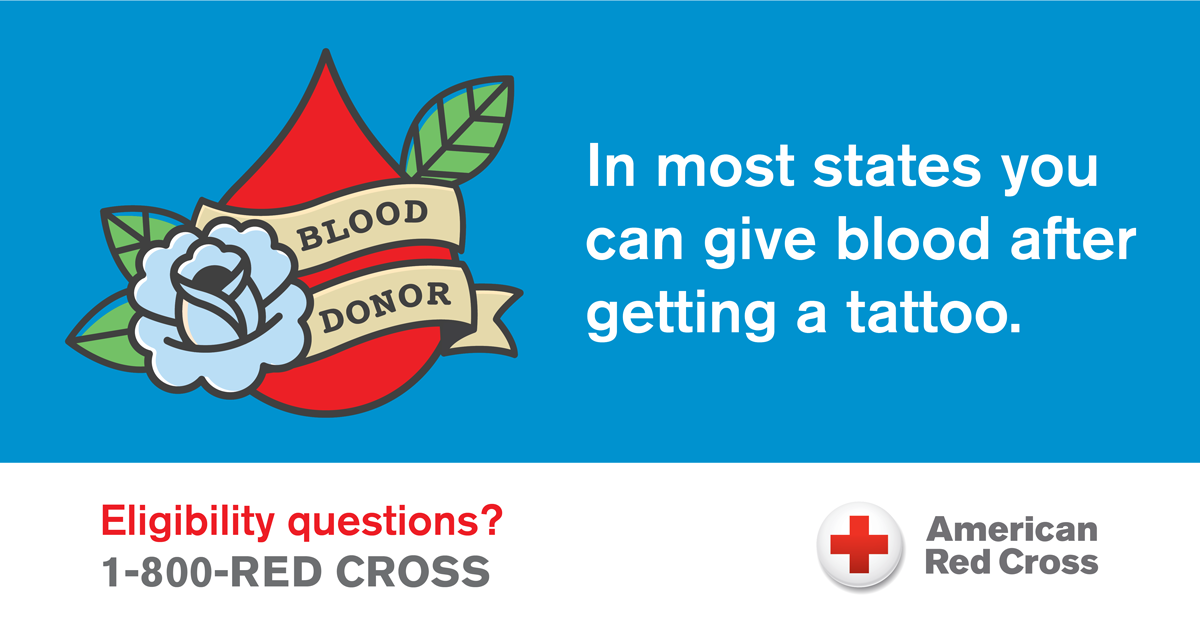
You’re probably thinking, “Great story but what does it have to do with the American Red Cross?” Well, if you didn’t know, July 17 is National Tattoo Day, a day that “recognizes the history, culture, and artists dedicated to etching ink permanently on the skin.” Unfortunately, many people think the Red Cross is just as shocked by tattoos as my grandmother was that night many years ago. People often tell me they can’t donate blood because they have a tattoo, or that they recently got a tattoo and think they must wait years before giving again.

Grandpa and his tattoos in 1952 – photo courtesy of Christy Peters

I’m writing this blog to let all of you with gorgeous ink know that none of that is true! In Ohio, there isn’t a deferral if your tattoo was applied with a sterile needle and fresh ink in a state regulated facility. If you received your tattoo in a different state, you can find out if that state requires you to wait to give here. And, even if you do have to wait, the deferral period is only three months, not years.

If you’ve not been donating because of tattoos, now is the perfect time to begin. During the month of June, the Northern Ohio Region collected nearly 2,000 fewer donations than needed to help meet patient needs. Your donation now will help us avoid a summer shortage. So, just like my grandpa did on that date, roll up those sleeves proudly and show off your tattoos while you help save lives! Find a drive near you and make an appointment today!

Posted by Ryan Lang, American Red Cross volunteer and board member

Edited by Glenda Bogar, American Red Cross volunteer