By Samantha Pudelski, American Red Cross volunteer
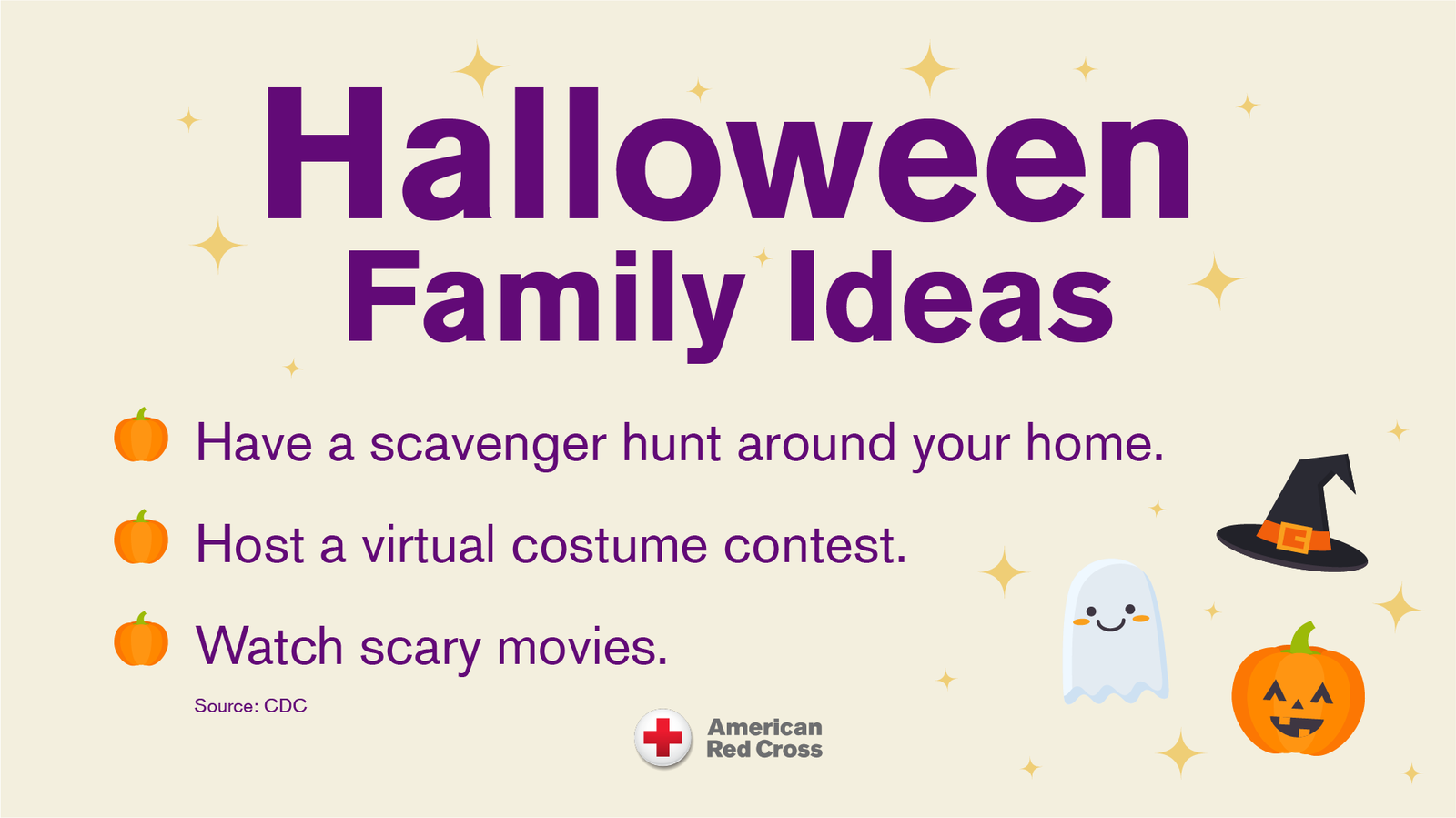
October 28, 2020- Halloween will look a little different this year, but there are still plenty of ways to celebrate. In order to keep our communities safe, the Centers for Disease Control and Prevention (CDC) is discouraging traditional house-to-house trick or treating due to the COVID-19 pandemic. Instead, the CDC suggests these low risk activities:
Carve or decorate pumpkins with members of your household (You can roast the pumpkin seeds too!)
Host a virtual Halloween costume contest with friends and family
Organize an outdoor neighborhood scavenger hunt where children search for Halloween-themed items (while maintaining safe distances)
Have a Halloween movie night with the people you live with
Halloween is on a Saturday this year, providing a great opportunity to celebrate during the day. If doing any outdoor activities at night, make sure your area is lit well and clear of any leaves or other debris to keep the area safe.
When dressing up, make sure to wear your cloth mask to protect yourself and others from the spread of the virus. Costume masks do not take the place of a cloth mask.
Decorations are a great way to get into the Halloween spirit. When decorating your home, follow safety tips from the American Red Cross for using candles. Don’t leave candles unattended or in a place where children or pets can knock them over. Keep candles away from decorations, drapes or other household items.
You could also consider helping out others this holiday by donating blood. You can find a Northern Ohio Red Cross blood drive near you here.
Remember, individuals with COVID-19 or who might have been exposed to COVID-19 should not participate in any holiday activities. You can read more about the CDC safety guidelines here.
Edited by Glenda Bogar, American Red Cross volunteer
By Eric Alves, American Red Cross of Northern Ohio
October 26, 2020- For many of us, the current coronavirus global pandemic has consumed our day-to-day lives, and often leaves us not able to focus on ourselves. Now add simultaneous disasters going on across the country, as well as local disasters, and this has been the existence of the staff of the American Red Cross of Northern Ohio.
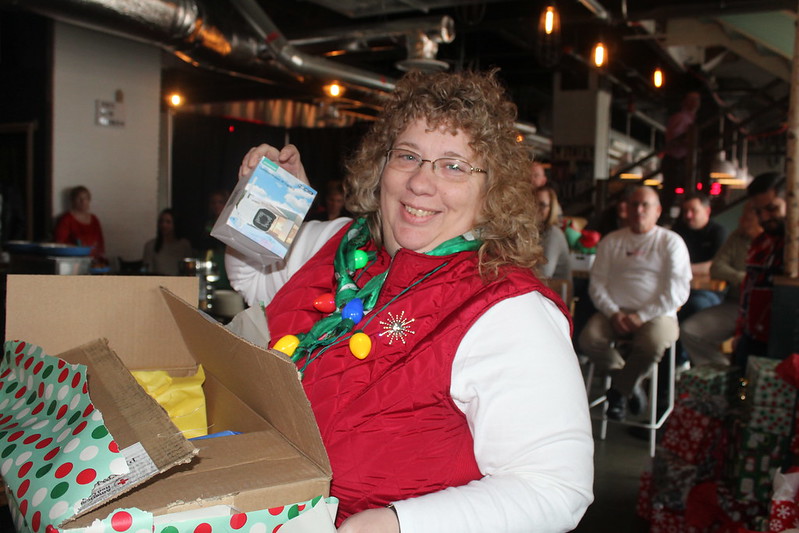
While the Northern Ohio Red Cross staff members do not expect thanks and praise, the region’s leadership took the opportunity to hold a virtual staff meeting to reflect on the staff’s many successes this year. Dressed up as television and movie characters, the staff shared laughs and reveled in seeing one another, even if it was virtual.
The meeting was also an opportunity to award some of the staff and praise their work of going above and beyond during these difficult, unprecedented times.
CEO Award
The CEO Award is given to an employee who has made an outstanding contribution within their position.
This year, the award was presented to John Gareis.
With over 40 years of experience, John has been a central force in ensuring the safety and preparation of the residents of Northern Ohio. This year, with individuals unable to meet in person, John’s commitment led him to be innovative and transform his disaster preparation classes into virtual classes.
John Gareis
“John has an unbridled passion for ensuring every home in Northern Ohio is well prepared in the event a disaster occurs,” stated Mike Parks, Regional CEO. “Even with almost 45 years of Red Cross experience, John tackles every assignment with the same energy as if it was his first day on the job. When the global pandemic shut everything down, John knew it was more important than ever to ensure people were well prepared so he found creative ways to do so, including teaching virtual disaster preparedness classes. John not only embraces the Red Cross mission, but also truly embodies the Red Cross values.
The Spirit of Excellence Award
This award is presented of an employee who not only completes his or her normal tasks at an above average level, but has exceeded expectations in one or more areas.
This year, the Red Cross of Northern Ohio presented the award to two employees: Rich Barrett and Kristen Gallagher.
Rich has the very important task of overseeing every facility in the region. During the pandemic, like with many of his tasks, without looking for praise, Rich worked diligently to ensure our facilities were safe for staff and visitors.
Rich Barrett
“When walking through our Red Cross facilities, many people don’t realize what it takes to keep them running. Behind the scenes, with a smile on his face, Rich works to ensure the guests to our facilities have a positive experience and to ensure that our staff has everything they need to fulfill our mission,” said Jorge Martinez, Regional COO. “While Rich comes to work every day without looking for praise, I know I speak for everyone in the Northern Ohio Region when I say he is very deserving of this award and exemplifies the selflessness of our Red Cross staff.”
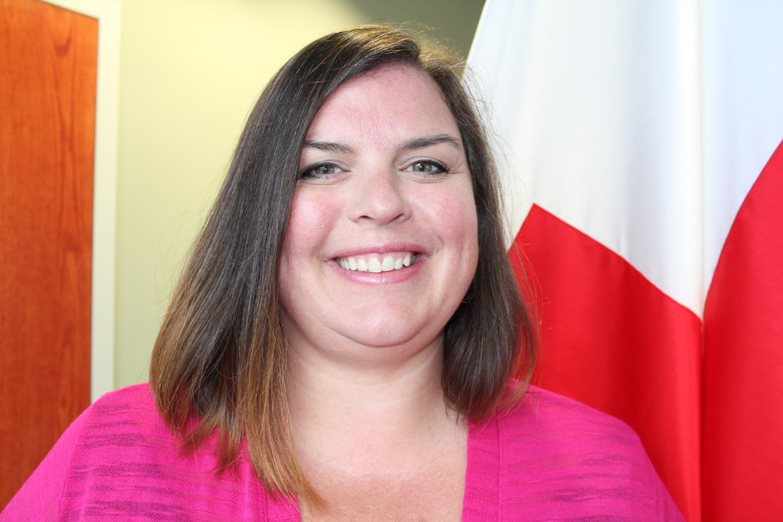
Kristen Gallagher is the disaster program specialist for the Greater Akron and the Mahoning Valley Chapter. Kristen oversees the region’s local disaster response in the Mahoning Valley. Kristen is also the first to lend a helping hand to assist a colleague in another part of the region.
Kristen Gallagher
“Kristen is a key member of our DCS (disaster cycle services) team. Her connectivity to the community as well as the volunteers is one of the keys to her success,” exclaimed Renee Palagyi, Disaster Program Manager. “Her compassion for the clients and her team is evident in all of her actions. Perhaps her best quality is her positive attitude and always friendly demeanor. She is critical to our successes in the Mahoning Valley.”
Teamwork Award
The Teamwork Award is designed to recognize a group of people who may work in the same department or may have worked across departmental lines to achieve a goal or complete a special project.
This award was fittingly presented to the Recognition Committee.
During the pandemic, the Recognition Committee knew the importance of taking time out of our day to take a breather to help with our mental health. The region’s virtual staff meetings were always filled with anticipation to see what new activity or video the Recognition Committee came up with that week, that brought a smile to everyone’s face.
“The Recognition Committee has been vital to ensuring the mental and physical well-being of our staff remains positive during COVID-19,” said Mike Parks. “Although we cannot be together physically, this group has found new and creative ways to put smiles on our faces and let our staff know just how appreciated they truly are. I know for a fact everyone’s favorite time during our virtual staff meetings is when the Recognition Committee is presenting.”
To learn more about the Northern Ohio Region, visit redcross.org/noh.
Ottawa County supporters stay engaged despite the pandemic
By Eilene E. Guy, American Red Cross volunteer
October 21, 2020- The women of Ottawa County Club Red have raised hundreds of thousands of dollars for the American Red Cross to carry out its humanitarian activities.
Just as importantly, this “sisterhood with a cause” advocates for the many lines of service of the Red Cross mission.
It started with one woman. Cindy Amerine came home from a “life-changing experience” as a volunteer in a Red Cross shelter in Baton Rouge after Hurricane Katrina. She was determined to do whatever she could for the organization. She reached out to her friends to organize Club Red and inspired a whole team of Red Cross ambassadors.
Pictured are Karen Blizzard, Lynn Majce, Peggy Rolf, Cindy Amerine, Beth Leggett and Danis Putzbach
For 13 years, beginning in 2008, the 100 women or so — mostly residents of eastern Ottawa County or “friends of friends”— have staged an annual fundraiser. “Sherry and Chocolates,” which featured a tour of lovely homes on Catawba Island, became the annual membership drive and prelude to each of 11 fun-filled galas. Every one sold out as the Club Red event was the area’s hottest ticket of the summer.
In 2019, the group switched it up and organized a golf scramble and auction. This year, because of the pandemic, they had to resort to a letter-writing campaign for a “non-scramble,” which was still a success.
“These are women who know how to network,” said Beth Leggett, former Ottawa County Red Cross director. “When we have a need, they use their circles of influence on behalf of the Red Cross.”
“We live in an area with a very active community spirit, a very active sense of giving back,” said Club Red member Carol Schemmer. “It comes out of a need to serve. It’s what we do.”
It’s not hard to get people to donate time, talents or money to their cause. “Everyone around here knows the good work of the Red Cross. And if they don’t, we tell em!,” she said with a grin in her voice.
At the same time, the women enjoy the growing fellowship. Deb Biro, the group’s current chair, admits that current COVID limits on gatherings have cut into the group’s many activities. But, “We’re trying the best we can to keep engaged and recruit,” she said.
Members have taken Red Cross disaster preparedness and response training, taught citizen CPR, collected supplies and packed “care boxes” for armed forces posts overseas, and served as a “speakers bureau” to spread the word about Red Cross activities. Deb points out that club members still help conduct blood drives.
Because many are “snow birds” or have homes elsewhere, they carry their enthusiasm with them. “These women are far-reaching,” Beth said. They “use their influence to promote Red Cross there as well.”
If you’d like to learn more about the Red Cross and its many humanitarian activities, visit redcross.org. You’re sure to find a mission to get excited about, whether it’s as a volunteer (local or national; in person or virtually), a financial supporter, a blood donor or a Club Red-style influencer.
Edited by Glenda Bogar, American Red Cross volunteer
By Eric Alves, American Red Cross of Northern Ohio
October 19, 2020- For a majority of 2020, our days have been consumed with COVID-19. While our daily lives may be at a standstill due to the global pandemic, disasters do not stop.
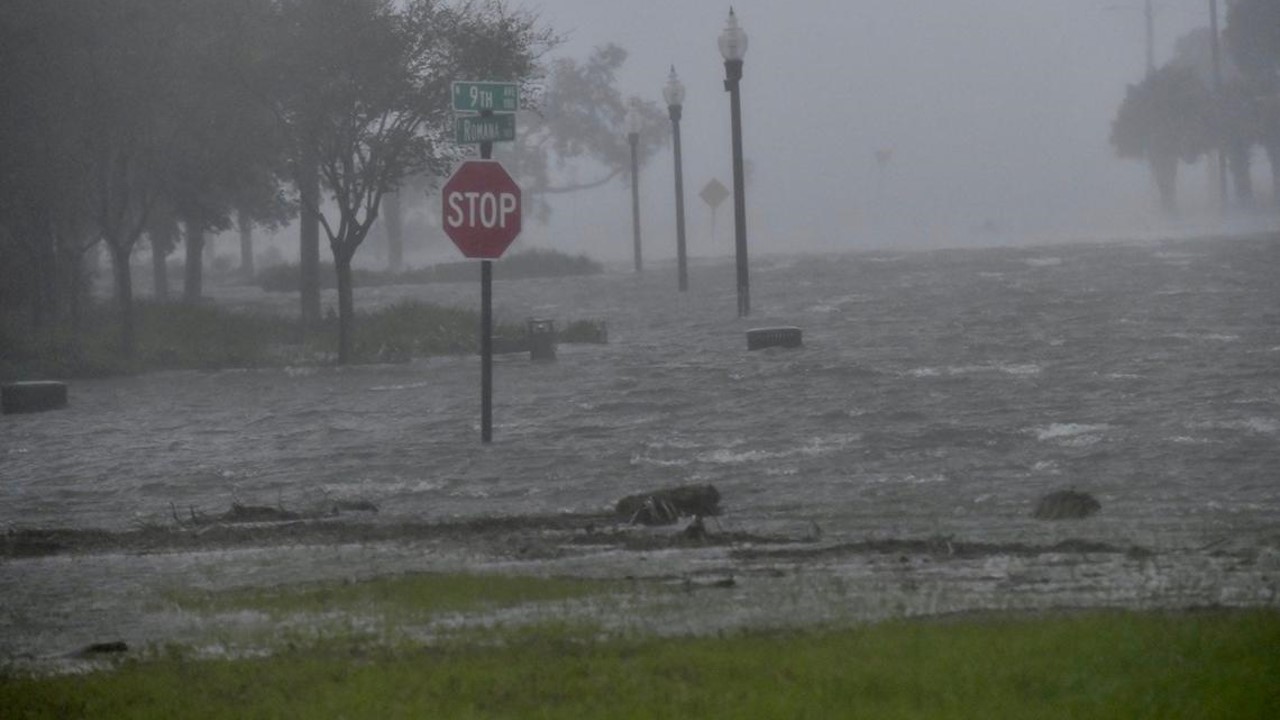
Since the end of August, from multiple major hurricanes and tropical storms in the south to devastating wildfires in much of the west, back-to-back massive disasters have kept the American Red Cross working tirelessly for months across the country to provide food, shelter and comfort to thousands of people in need.
Over the past several weeks, the Red Cross has provided more than 1 million total overnight stays in emergency lodgings across multiple states, has served more than 2.6 million meals and snacks, and distributed 304,900 relief items with the help of partners and has also provided more 6,870 households with emergency financial assistance to help them replace essential items and begin to recover.
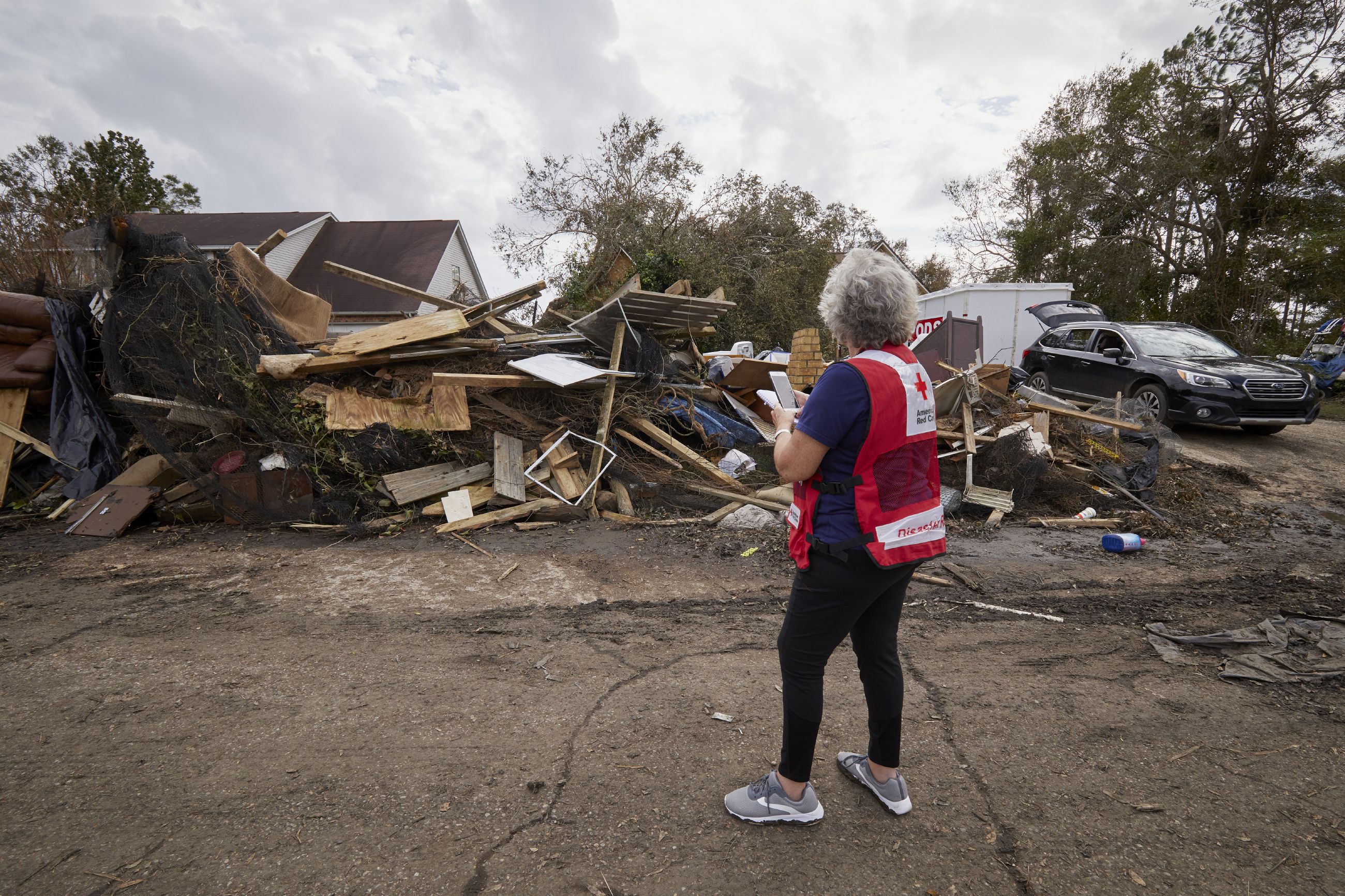
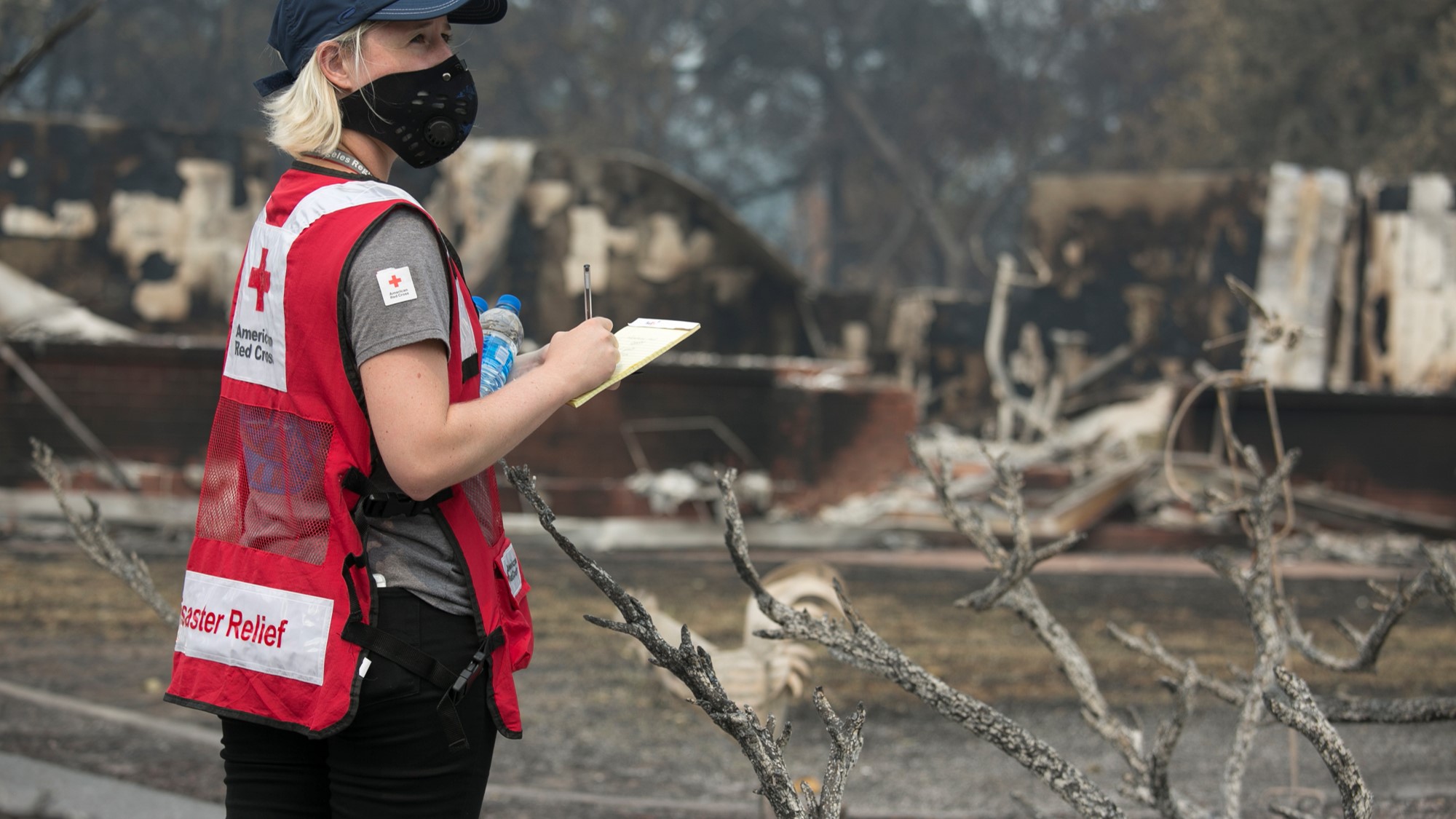
September 23, 2020. Pensacola, Florida.
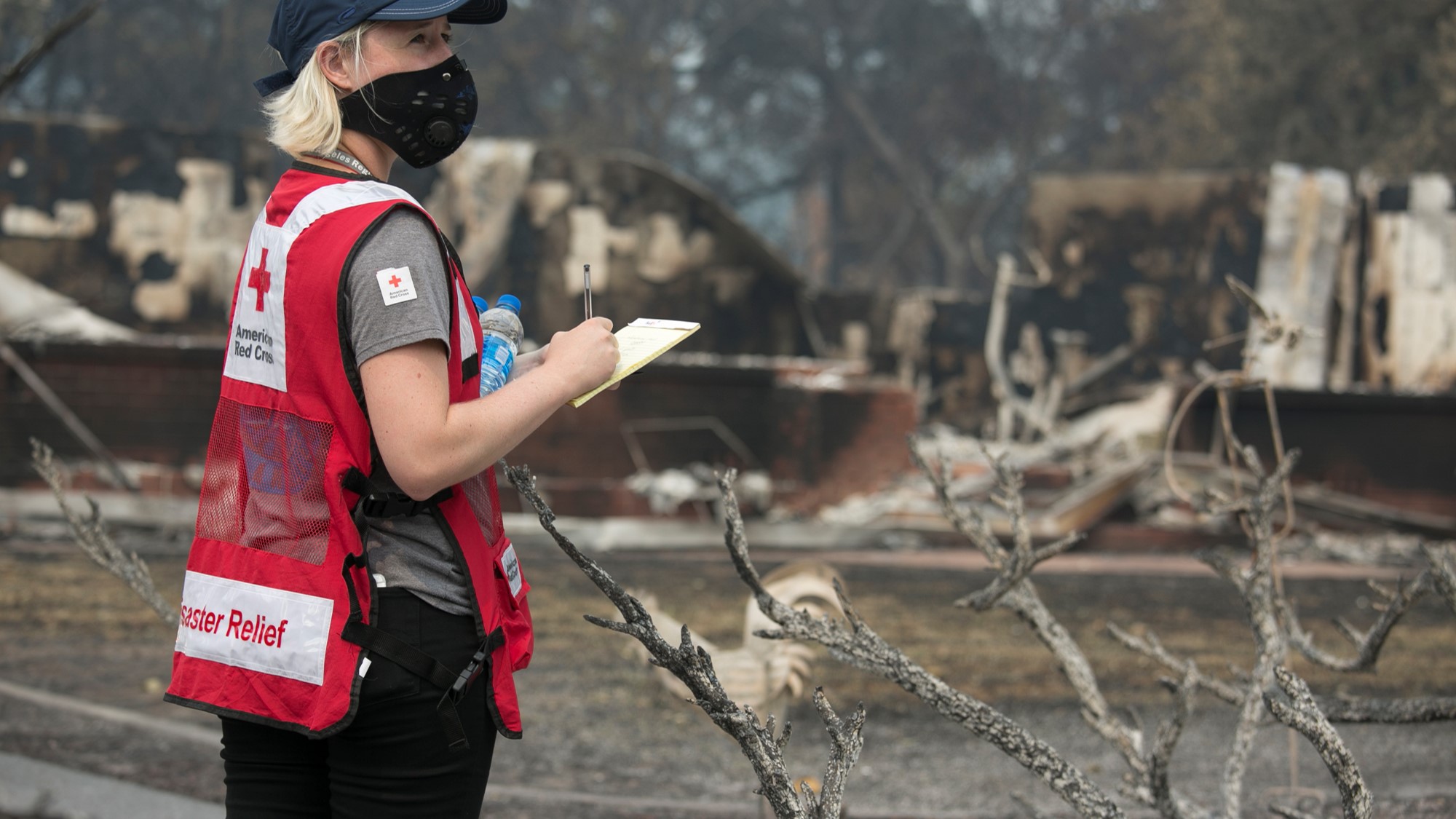
Peggy Martin of the American Red Cross walks her assigned route in West Pensacola to conduct damage assessments. Peggy just returned from an earlier assignment in Louisiana. As a testament to the dedication Red Cross volunteers put into their work, Peggy remains committed to the task at hand and is happy to be here helping out even through personal difficulty – recovering from recent dental surgery and suffering a loss in the family. Photo by Jaka Vinek/American Red Cross
To assist with the coast-to-coast relief efforts, the Red Cross of Northern Ohio has deployed 65 disaster workers since the end of August.
Currently, there are 20 disaster workers from Northern Ohio lending a helping hand. Four of those 20 workers are Callene Derrick, Tom Johnson, Mike Arthur and Todd James, who are deployed to Louisiana following Hurricane Delta. Callene is helping with staff planning and support, Tom is aiding with transportation, Mike is serving as a shelter manager and Todd is helping tell the Red Cross story as a public affairs manager.
Left to right: Callene Derrick, Tom Johnson, Mike Arthur and Todd James
Additional volunteers are needed to train for disaster responses, specifically to respond to home fires locally and to staff shelters during national disaster responses. Licensed health care professionals are also needed to help people in disaster shelters. People in good health and who are willing and able to receive free Red Cross training and can deploy for up to two weeks can visit www.redcross.org/volunteertoday, or can call 1-800-RED CROSS.
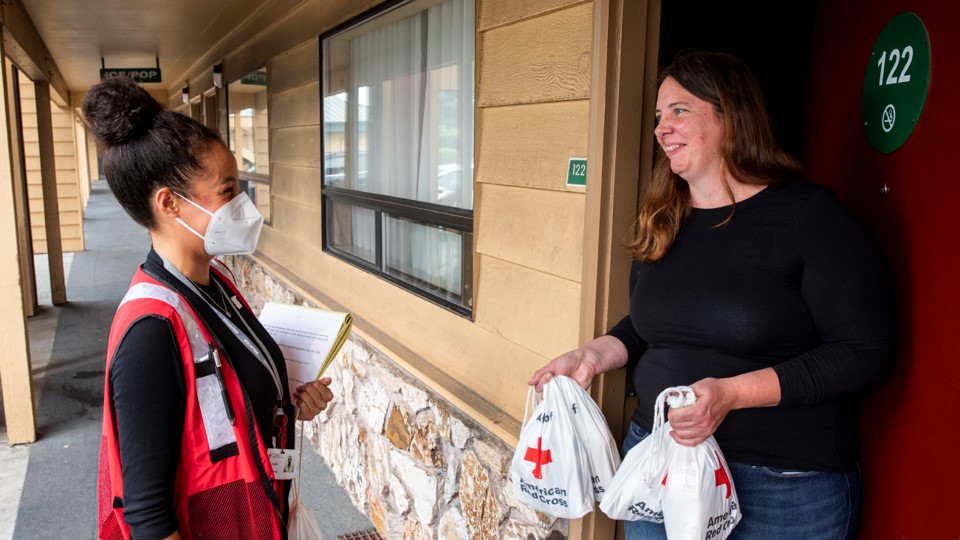
September 20, 2020. Salem, Oregon.
American Red Cross volunteer Mary Jo “MJ” Henrickson hands a 3M mask to Christie Davis at a Red Cross shelter for evacuees of the Oregon wildfires, in Salem, OR.
Photo by Scott Dalton/American Red Cross
The number one priority of the American Red Cross is the health and safety of our employees, volunteers, blood donors and recipients, and the people we serve, and we have implemented several measures, in accordance with CDC guidelines, to protect our workers and those who need our assistance.
If you are unable to deploy but you would like to support the Red Cross’ disaster relief efforts, donate by visiting redcross.org, calling 800-RED CROSS or texting the word REDCROSS to 90999 to make a $10 donation.
October 15, 2020- In the last four months, the Northern Ohio region of the American Red Cross has welcomed Lucy Anne Christopher, a Cleveland native, to our team as a Blood Donor Ambassador. Lucy Anne is no stranger to volunteerism. Before she began serving with the Red Cross, she has humbly taken on other opportunities to give back to the community, including her role with the Ronald McDonald House where she carries out activities for patients and their families. She serves as a “red coat volunteer” at PlayHouse Square Theater and also tutors adults in reading and other subjects.
Lucy Anne Christopher
When the coronavirus pandemic made its mark on the United States in March 2020, Lucy Anne’s involvement began to change. Her roles at PlayHouse Square and the Ronald McDonald House were both put on hold but Lucy Anne still wanted to be involved and help her community. She was no longer able to tutor her students at the local library, so she began conducting reading exercises over the phone with her students. In June, she took on the role as a Blood Donor Ambassador with the Red Cross.
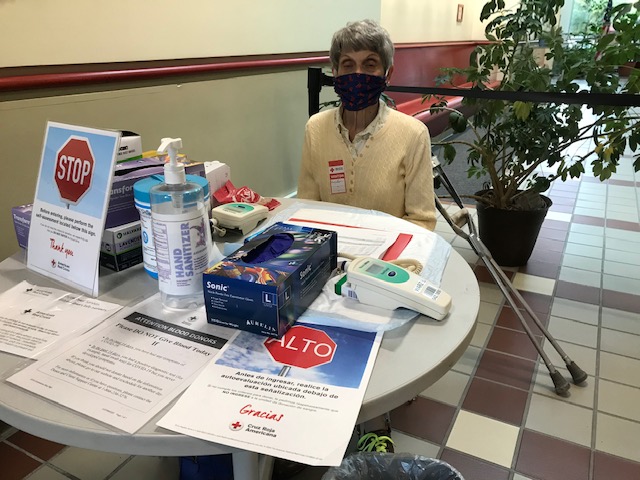
As a Blood Donor Ambassador, Lucy Anne takes the temperatures of each person who comes in to donate blood, checks them in and out of the computer system, and interacts with donors, ensuring that they have a positive experience. Lucy Anne explained that it’s a very simple role, but it makes a big difference in maintaining the seamless flow of blood donors in and out of the blood drive and provides relief to those drawing blood so that they can focus on their direct tasks rather than needing to also check people in. Lucy Anne reflected that she does not feel at risk of contracting the virus in her role because there is a high level of cleanliness and safety measures in place at the Red Cross blood drives that make her feel comfortable performing her role.
Lucy Anne is a fantastic example of how we all have the capability to make a change, big or small, in the communities where we live. She said, “I volunteer because I think it’s important to give back. There are so many areas that have a need, and you can always find an avenue to serve in that is compatible with your current lifestyle.” The Red Cross collects and distributes approximately 40% of the United States’ blood supply. Our Blood Donor Ambassadors play a big part in creating a positive donation experience for our donors. There is a great need for volunteers as we navigate the coronavirus pandemic in the United States. If you are interested in becoming a Blood Donor Ambassador in your area, click here to learn more and apply
If you want to meet Lucy Anne and the other wonderful Blood Donor Ambassadors in Northern Ohio, while providing lifesaving blood to those in need, you can schedule your blood donation today. The need for blood never stops, even during this COVID-19 pandemic. Each Red Cross blood drive and donation center follows the highest standards of safety and infection control, and additional precautions – including social distancing and face coverings for donors and staff – have been implemented to ensure the health of all those in attendance. Donors are asked to schedule an appointment prior to arriving at the drive and are required to wear a face covering or mask while at the drive, in alignment with Centers for Disease Control and Prevention public guidance.
Healthy individuals who are feeling well are asked to make an appointment to donate in the weeks and months ahead by downloading the free Red Cross Blood Donor App, visiting RedCrossBlood.org, calling 1-800-RED CROSS (1-800-733-2767) or enabling the Blood Donor Skill on any Alexa Echo device.
Edited by Glenda Bogar, American Red Cross volunteer
By Eric Alves, American Red Cross of Northern Ohio
October 9, 2020 — Since late August, disaster workers from the American Red Cross of Northern Ohio have been actively responding to hurricanes and tropical storms in the south and wildfires out west.
As Hurricane Delta approaches the Gulf Coast, the Red Cross of Northern Ohio has deployed five disaster workers ahead of the storm to assist with the Red Cross’ relief efforts once the storm makes landfall.
September 20, 2020. Mill City, Oregon.
American Red Cross volunteer Eric Carmichael explains how to use a 3-M N-95 mask to Elizabeth Ruck at a supply distribution site for residents affected by the Oregon wildfires, near Mill City, OR.
Photo by Scott Dalton/American Red Cross
In addition, there are also 19 disaster workers responding to the relief efforts following Hurricane Laura, the Oregon wildfires, Tropical Storm Sally and the California wildfires.
To date, the Red Cross has provided more than 939,700 total overnight stays in emergency lodging across multiple states, served more than 2.3 million meals and snacks and has distributed more than 291,300 relief items with the help of partners. The Red Cross has also provided more than 5,130 households with emergency financial assistance to help them replace essential items and begin to recover.
Additional volunteers are needed to train for disaster responses, specifically to respond to home fires locally and to staff shelters during national disaster responses. Licensed health care professionals are also needed to help people in disaster shelters. People in good health and who are willing and able to receive free Red Cross training and can deploy for up to two weeks can visit www.redcross.org/volunteertoday, or can call 1-800-RED CROSS.
The number one priority of the American Red Cross is the health and safety of our employees, volunteers, blood donors and recipients, and the people we serve, and we have implemented several measures, in accordance with CDC guidelines, to protect our workers and those who need our assistance.
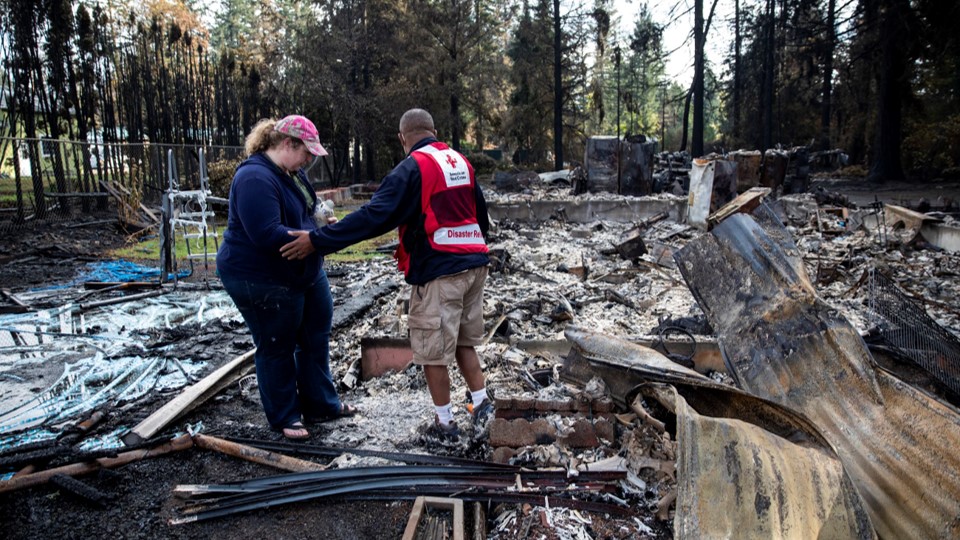
September 19, 2020. Gates, Oregon.
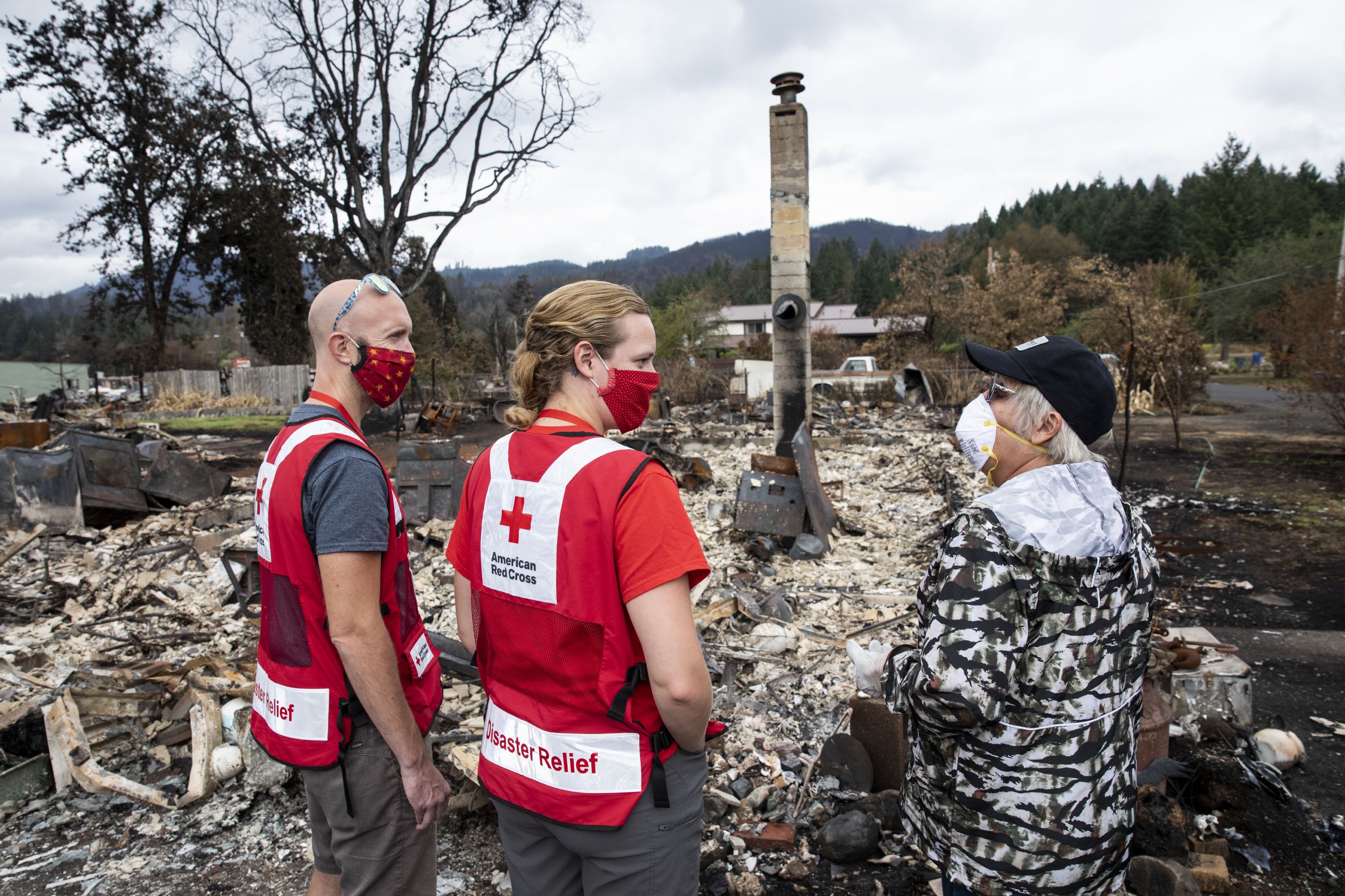
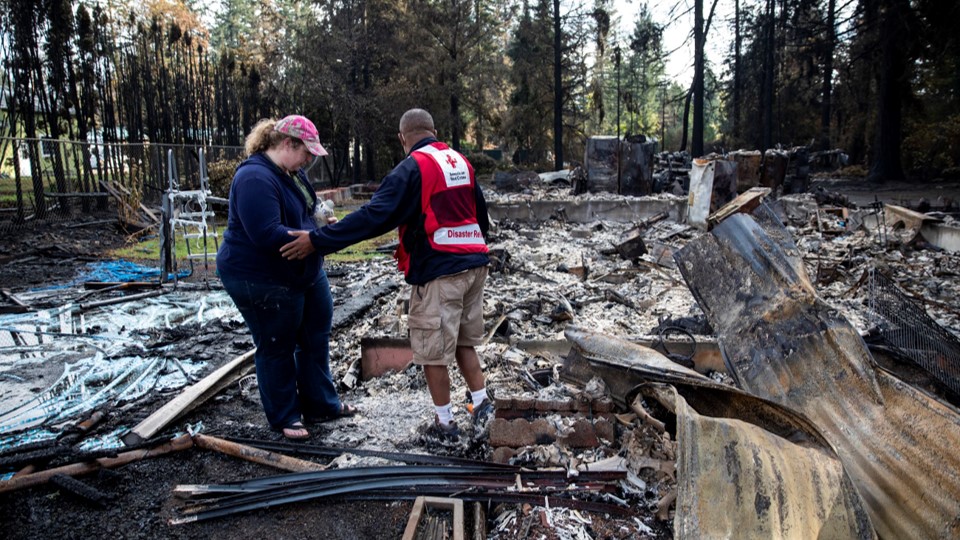
American Red Cross volunteers Sean and Kristen Flanagan speak with Virginia, in front of the home where she lived that burned down in the Oregon wildfires, in Gates, OR on Saturday September 19, 2020.
Photo by Scott Dalton/American Red Cross
If you are unable to deploy but you would like to support the Red Cross’ disaster relief efforts, donate by visiting redcross.org, calling 800-RED CROSS or texting the word REDCROSS to 90999 to make a $10 donation
October 7, 2020- As part of their extraordinary service and commitment, members of the US armed services, veterans and their families face an array of challenges, some of which can impact mental health. In addition, 2020 has been an exceptionally difficult year for all of us. To help with vital mental health services, the Northern Ohio Region of the American Red Cross is seeking additional volunteers to serve as mental health facilitators as part of its Service to Armed Forces.
The Red Cross, which has served the military for over 135 years, provides services on all military installations in the US as well as 36 overseas installations. An important component of Red Cross Service to the Armed Forces is providing mental health and emotional support. Two such services are reconnection and mind-body workshops.
Reconnection Workshops focus on assisting service members, veterans and their families with the transitions that come with military service. Topics include building strong and effective communications skills, managing stress, discussing and finding methods to cope with trauma, emotional grit, connecting with children and defusing anger. There are also workshops which help children effectively cope and communicate. Another important workshop helps non-professional caregivers of wounded, ill, or injured service members and veterans.
With Mind-Body Workshops, the Red Cross teaches easy-to-use skills that connect the body with the mind to help participants cope with stress and trauma. Topics in the introductory course include breathing, mindfulness techniques, stretching and movement, body awareness and functioning, and guided imagery. A module to use mind-body skills includes drawing, journaling, meditation and mindfulness, body awareness through body scan, progressive muscle relaxation and mirroring, and self-directed imagery.
These workshops are free, confidential and offered in small groups.
Due to the pandemic, mental health facilitator roles are currently virtual but will return to being in-person once it passes.
If you are a mental health professional with a current and unencumbered license and hold a master’s level or above mental health degree, please consider volunteering to help the Red Cross provide these crucial services. Volunteering with the Red Cross provides a multitude of professional and personal benefits. These include training; professional development opportunities; remaining clinically active; the ability to advocate, provide feedback, and promote information in your area; and, most importantly, assisting those in need. For more information on volunteering please visit this page or call one of the numbers listed here.
More information about Red Cross Service to Armed Forces is available here.
October 5, 2020- It’s National Fire Prevention Week from October 4 – 10, and as a nation, we are woefully underprepared for an emergency. Home fires haven’t stopped since COVID-19 started, and American Red Cross volunteers still answer four fire calls per day on average in Northern Ohio.
Push the button to test your smoke alarms each month helps ensure that they’re working — which can cut the risk of dying in a home fire by half. Still, 65% of us don’t.
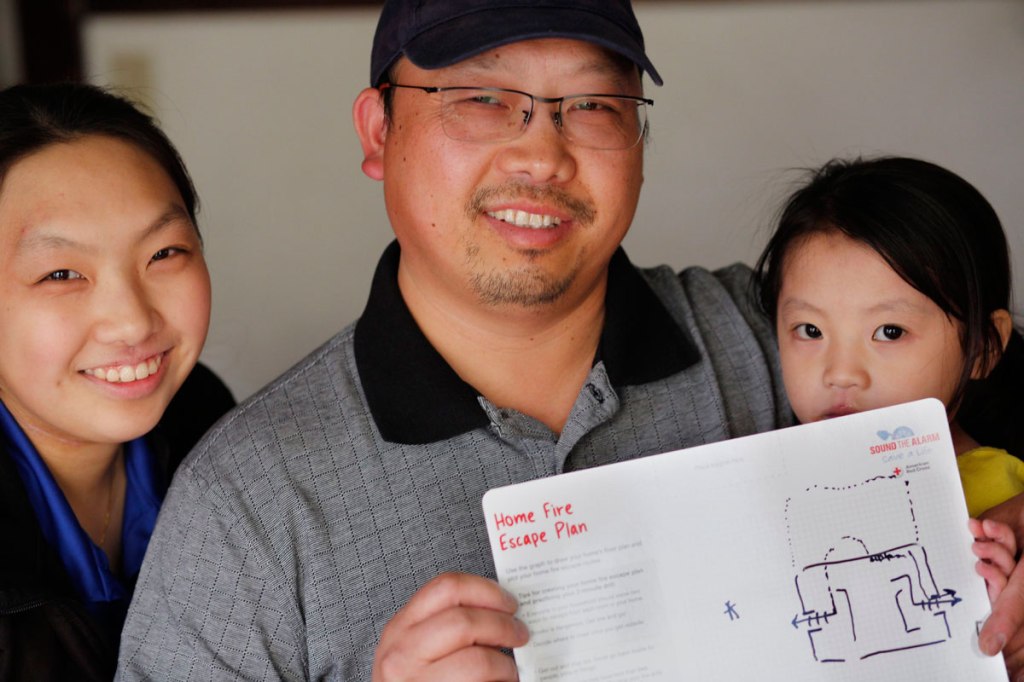
Practicing your escape plan twice a year also increases the odds of survival. But 70% of us don’t.
Escaping in less than two minutes can be the difference between survival and tragedy, according to fire experts. Yet more than half of us think we have more time.
It’s not that difficult, so how about today?
Here’s a quick to do list you might want to print out:
Make sure you have smoke detectors on each level of your home, preferably inside and outside your bedrooms. If they are more than 10 years old, new batteries won’t help, they need to be replaced.
Insure there are two escape paths from every room in your house. If there aren’t, seriously consider your alternatives.
Have a meeting place for your family to rendezvous after a fire so everyone is accounted for.
Practice emergency escape drills to make sure everyone can exit and meet outside in less than two minutes.
Make sure young children recognize the sound of a fire alarm and, just as importantly, what you expect them to do if they hear one.
Many Northern Ohio fires could have been prevented
Being a disaster services responder, I hate to say it, but most of the calls I respond to in our region could have been prevented.
A kitchen fire that started while the cook went to watch TV.
A candle left in a room unattended, that the dog knocked over.
A child with a candle on their bedside table.
An electric fryer with a frayed cord.
A wheelchair patient smoking while on oxygen.
An electric heater placed too near a pile of clothes.
An electric heater left in the attic while away at work.
If any of those sound familiar – STOP IT! Download the Red Cross Emergency app, tap Prepare, and then tap Home Fire. You’ll find all sorts of helpful hints, which will benefit you and your family. Then help us prevent the tens of thousands of home fires we respond to annually by making a donation. Learn more about our fire prevention efforts and join the Home Fire Campaign.
October 1, 2020- The generosity and talent of American Red Cross volunteers and donors bring the Red Cross mission to life in communities across the country every single day. This group is full of diverse and dedicated individuals constantly developing new, creative ways to help the Red Cross deliver critical services to those in need. One group, Tiffany Circle, provides a unique way for women to make a difference supporting the organization’s humanitarian mission.
Tiffany Circle is a community of women leaders who advance the Red Cross mission through focused investments of time, talent and treasure.Over 1,000 women belong to Tiffany Circle across the country. Membership enables women to support the Red Cross while building relationships with like-minded individuals committed to volunteerism, leadership and philanthropy.
Tiffany Circle members donate a minimum of $10,000 annually to support the Red Cross’ mission.
One of Northern Ohio’s newest Tiffany Circle members is Dr. Lydia Parker, owner of Parker Skin & Aesthetic Clinic. Dr. Parker joined Tiffany Circle in 2019.
“Tiffany Circle appealed to me as a group of women showing leadership and helping raise awareness of the Red Cross and all of the important work it does,” said Parker.
Dr. Parker was introduced to the Red Cross and Tiffany Circle by Donna Rae Smith, Tiffany Circle member and founder and CEO of Bright Side, Inc.
“I was surprised to learn the extent of what the Red Cross does,” said Parker. “The Red Cross is there when floods and wildfires create devastation, and here locally providing assistance after home fires and storms. This all requires strong philanthropic support. Many people believe Red Cross services are government funded, and miss how critical the philanthropy is.”
With this year’s contribution, Dr. Parker’s clinic is supporting a donation challenge, matching gifts raised up to $10,000. The clinic is directing participants to make donations on its online giving page at https://rdcrss.org/theparkerclinic.
“With the California wildfires turning families’ lives upside down, we all wish we could help in some way,” said Parker. “The match is one way we can all help and make even smaller donations more powerful.”
To learn more about Tiffany Circle and ways to give, visit Redcross.org.
Edited by Glenda Bogar, American Red Cross volunteer
September 28. 2020- September 28 is National Good Neighbor Day. How will YOU celebrate today?
You may be a long-time resident in your neighborhood or possibly just recently moved in. I have lived in several different neighborhoods across Northeast Ohio that ranged from disconnected to extremely tight. In my experience, you will find the best neighbors are the ones that reach out consistently to each other during good times and bad.
As you know, we all are currently living during a historic time with the pandemic. On top of that, there are wildfires on the West Coast, hurricanes and tropical storm affecting in the South and flooding on the East Coast. Now more than ever, we really need each other’s support!
Your long-time friend or brand-new neighbor might need to borrow one of your yard tools, a cup of sugar or possibly need help during a health emergency. The American Red Cross has an enormous amount of resources that you can learn to be a true asset to your neighborhood.
Courses & Certifications
You can learn lifesaving skills to help your family, friends and neighbors in the safety of your home with our online classes.
Those of us who don’t face health emergencies every day can also benefit from Red Cross training. With a wide array of lifeguarding, caregiving and babysitting, and swimming and water safety courses, the Red Cross can provide you with the necessary training and skills you need to prevent, prepare for and respond to emergencies.
An easy way to help the people around you are simply by having an Emergency Preparedness kit. Be prepared for disasters and other emergencies with a well-stocked emergency kit for your home, workplace and automobile. You can build one yourself or choose from a variety of survival kits and emergency preparedness supplies to help you plan for tornadoes, flooding, fire and other disasters.
Volunteer to Help Save Lives
COVID-19 has not changed the Red Cross’ mission, and we are still providing the same types of support as we always have.
To help keep people safe, we are following guidance from CDC and public health authorities — and have put in place additional precautions. Some of these plans include social distancing protocols, face coverings, health screenings and opening additional shelters that can support fewer people than normal so that we can ensure social distancing protocols.
Ensuring people have a safe place to stay during a disaster is a critical part of the Red Cross mission, but how we support sheltering efforts may be different in each community, depending on local emergency operations plans.
The Red Cross is in need of healthy individuals who want to assist their local communities and respond to disasters. For more information and to see high-demand volunteer opportunities, visitredcross.org/volunteertoday.
AEDs for a Safer Workplace or Community
Create a safer workplace environment with help from Red Cross safety experts. The Red Cross can help with competitively priced Automated External Defibrillators (AED) solutions designed to fit your location, organization needs and stay within your budget.
The Red Cross works with the leading manufacturers to help you select AED devices to keep you and the team safe.
The Red Cross helps you put a complete, life-saving AED program in place at your facility, with:
AED product demonstrations
Access to assistance with on-site needs analysis, placement, and program implementation at your facility
Flexible AED purchase options, including different AED brands and multiple models
AED employee training
AED accessories and service
Single-source AED management systems
Qualified medical direction resources
For more information about obtaining an AED please call (888) 968-0988 Monday-Friday, 9:00am-6:00pm ET.
Maybe the best way for you to celebrate National Good Neighbor Day is by watching out for each other, respecting one another and just being there for the people around you.




















 NOHredcross