2018 H. Peter Burg Community Leadership Award to be Presented to Brian Moore on March 1

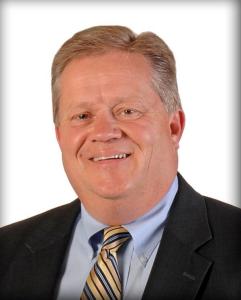
Moore Brian 2011Join us on March 1 at the Summit, Portage, and Medina Counties Chapter as we celebrate heroes at the 23rd annual Acts of Courage event!

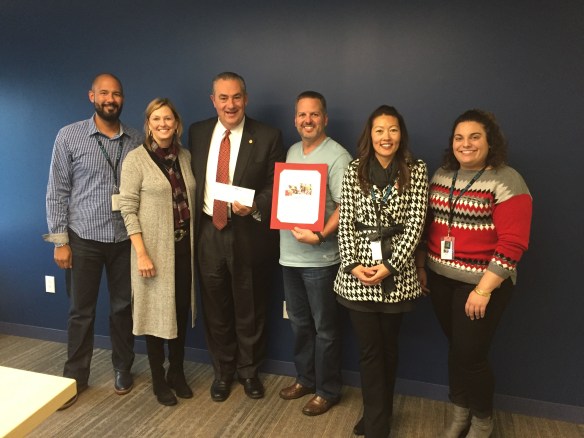
One hero who will be honored is Brian J. Moore, who has built a lifetime of heroic actions through his contributions to many facets of the Greater Akron community. Brian will receive the 2018 H. Peter Burg Community Leadership Award which the Red Cross proudly presents each year to one or more individuals who best exemplify leadership in the community, compassion for its people and dedication to the humanitarian mission of the Red Cross. He was selected by a committee of past award recipients.

Brian has an enthusiastic spirit. He is a steadfast mentor, and committed friend, to everyone who knows him.

Born in Dunkirk, New York and after graduating magna cum laude from the State University of New York, Brian moved to the Akron area in 1981 to attend The University of Akron School of Law.  He received his Juris Doctor cum laude in 1984. He is a shareholder with the 160 attorney law firm of Roetzel & Andress.  He practices real estate and finance law and serves as Partner-in-Charge of the firm’s Akron Office.  He has been listed in the “Best Lawyers in America” directory for Real Estate and Banking for over 12 consecutive years and has been recognized as a “Top 100-Ohio Super Lawyer.”  Brian has served as Chairman of the Real Property Committee for the Akron Bar Association.  He is also a member of the Real Estate Council of the Ohio State Bar Association.

Brian served as the 2001 volunteer tournament chair for the NEC Invitational – World Golf Championships (now known as the Bridgestone Invitational) and is a Past-President of the Executive Committee of Northern Ohio Golf Charities.  He currently is Vice Chair of the Northern Ohio Golf Charities Foundation Board.  He serves on a number of other community boards including, Downtown Akron Partnership (Former Board Chair and Current Executive Committee Member), Blue Coats (Current Board Chair), Summit Choral Society (Vice Chair), and Music for the Western Reserve. He is also a past chairman of Portage Country Club. His other past board service includes United Way (Past Campaign Chair), Akron Bar Association, Red Cross of Summit, Portage, and Medina Counties (Past Chairman of the Board), Greenleaf Family Center (Past Chairman of the Board), Leadership Akron Alumni Association (Past President), the Akron Civic Theater and the Akron Jaycees (Past President).  He is president of Leadership Akron Class 10.  In 2015, Brian was honored with the 2015 David Lieberth Community Vision Award by Leadership Akron.  He is a cantor and choir member at Immaculate Heart of Mary Church in Cuyahoga Falls, Ohio.  He lives in Copley with his wife, Diana, and their children, Ben and Leah.

A limited number of tickets remain. To purchase tickets visit www.redcross.org/acts18.
Home Fire Prevention Tips, Inspired by the TV Show “This Is Us”

By: Sue Wilson Cordle, Volunteer Leader and Board Member

Last night was a big night for NBC. And if you think it’s because the underdog Eagles upset the Patriots you’d only be partially right. It was the devastating loss after the game that has so many of us reeling. Jack Pearson, the loving, perfect-with-all-his-flaws husband and father died on NBC’s series This is Us.  

If you aren’t familiar with the show, it is a brilliantly written series about the Pearson family, told in a creative style of flashbacks from the parents and the kids’ youth, to the present day.

The generational story of Jack, his wife Rebecca and their 3 kids- triplets Kate, Randall and Kevin and how they discover deeper meaning in their present day lives after loss and tragedy is inspiring and compelling. Successful businessman and father Randall searches for information about his biological parents. Kate finds love and self-acceptance while battling obesity. Kevin pursues a more meaningful career, and battles his own demons which brings some difficult choices. Viewers have known from the beginning that Jack dies at some point while the kids were teenagers, but the dramatic episode aired last night after the big game, exposed the circumstances; that Jack died from a heart attack caused by the prolonged smoke exposure he suffered after saving his family from a home fire.

The fire started when a slow cooker with a faulty switch overheated and sparked. The Pearson home was old, with old wiring. The spark quickly turned into an electrical fire which spread rapidly to engulf the entire home. The smoke alarm did not sound because the batteries were dead. In fact, in previous episodes the fact that the Pearson’s kept forgetting to replace the batteries in the smoke alarms in the house was a set-up and hinted at how Jack’s death might unfold.

There has been some PR fallout for the company that makes Crock Pots, and NBC and the company itself has since been assuring people of the product’s safety- but the episode serves as a reminder and a public service announcement for all of us to unplug (not just turn off) our small appliances in our homes- from toasters in the kitchen to curling irons in the bathroom.

The Red Cross responds to hundreds of thousand of home fires nationally and has a number of reminders for basic fire prevention tips for your home:

  • Keep items that can catch on fire at least three feet away from anything that gets hot, such as space heaters.
  • Smoking materials are the leading cause of residential fire deaths in the United States. If you smoke, take precautions: Smoke outside; choose fire-safe cigarettes; never smoke in bed, when drowsy or medicated, or if anyone in the home is using oxygen.
  • If you do smoke, use deep, sturdy ashtrays and douse cigarette and cigar butts with water before disposal.
  • Talk to children regularly about the dangers of fire, matches and lighters and keep them out of reach.
  • Turn portable heaters off when you leave the room or go to sleep.
  • Never leave a burning candle unattended, even for a minute.
  • Unplug small appliances when not in use.

The Red Cross also has these 7 Ways to Prepare for a Home Fire

  1. Install the right number of smoke alarms. Test them once a month and replace the batteries at least once a year.
  2. Teach children what smoke alarms sound like and what to do when they hear one.
  3. Ensure that all household members know two ways to escape from every room of your home and know the family meeting spot outside of your home.
  4. Establish a family emergency communications plan and ensure that all household members know who to contact if they cannot find one another.
  5. Practice escaping from your home at least twice a year. Press the smoke alarm test button or yell “Fire“ to alert everyone that they must get out.
  6. Make sure everyone knows how to call 9-1-1.
  7. Teach household members to STOP, DROP and ROLL if their clothes should catch on fire.

For more information on preparedness resources from the Red Cross click here.


Disaster Relief Takes Flight

By: Debbie Chitester, Disaster Program Manager Summit, Portage, and Medina Counties

A few months ago an email came across my computer asking if I would be interested in partnering with the National Inventors Hall of Fame STEM High School.  Curious, I asked for more information.  The computer science class conducts problem based learning. The problem they were trying to solve was delivering disaster relief to people in hard-to-reach areas, a real world issue that they had seen on TV due to the 2017 hurricanes. They were starting to work with drones in the class and the teaching staff wanted a real world scenario so learners could relate the problem/solution process to something in real life.

Jorge Cropped

At first I was unsure if this was something we could do, but I was inspired by a photo of our Regional COO, Jorge Martinez,  hiking up the side of a mud covered hill in Puerto Rico to get water to a family following Hurricane Maria.

A task just perfect for a drone!  I agreed, and was scheduled to talk to the class about Disaster Cycle Services, what we do, and how we deliver service.

On a cold January day, I presented the “problem” to the learners.  I showed photos of Emergency Response Vehicles, clients walking through knee deep water to get to supplies, and Red Cross volunteers on one side of a river while the clients were on the other with no easy way to get supplies to them.  The learners were interested in the services we provide and asked good questions.  The coach (their term for the teacher) and I expressed the need and how this can save lives.  The problem demonstrated that drones could be used for more than having fun with friends, and could actually make a difference.

Their task was to create a flight plan, write code for the drone and write an essay about the experience.

On January 31, the class presented their projects.  The learners were ready to fly their drones and demonstrate how they could deliver supplies to multiple locations.  The gymnasium was set with three “landing depots”, the closer to center the better and the more points received.  The points represented the numbers of lives saved at each landing depot.  (They also received “style points” if they performed a flip between depots.) Each team had the opportunity for 2 “flights”.

That morning I was excited as I witnessed amazing young adults using math, geometry and trigonometry to program their flights, and loving what they were doing!

As I sat on the sidelines watching and encouraging the learners, I overheard one say to his teammate, who was upset by their results, “well we did not get the center, but we still saved lives.”

I thought he was being sarcastic, so I looked over at him. But no, it showed on their faces that they truly understood why they were doing this.

While some teams were more successful than others with their flights, every single team tried their hardest and learned that technology can save lives.

This partnership is something that was a first for both of us, and I look forward to solving other “problems” with them in the future.


To view a short video of a flight, visit https://twitter.com/NIHFHS/status/958742381557420032.


Give From the Heart Turns 20

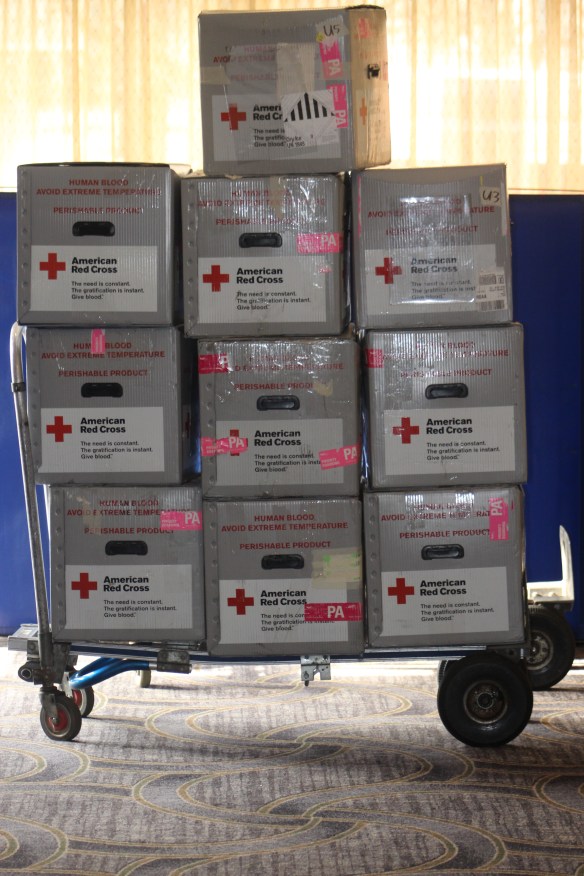
Landerhaven Blood Drive Comes Amidst Critical Shortage, Urgent Need for Donations

By Christy Peters, External Communications Manager, Biomedical Services

The American Red Cross is partnering with Executive Caterers at Landerhaven for the 20th annual Give from the Heart Blood Drive. The blood drive is Tuesday, Feb. 6, from 7 a.m. to 7 p.m. at Landerhaven, 6111 Landerhaven Drive in Mayfield Heights.

IMG_0824

Photo Credit: Mary Williams/American Red Cross

The Give from the Heart Blood Drive is a lifesaving tradition in northeast Ohio. In the past 19 years, the event has collected more than 12,200 units of blood for local patients. All presenting donors will receive gifts from blood drive sponsors, while supplies last, and enjoy live entertainment throughout the drive. Donors will also enjoy gourmet food for breakfast, lunch or dinner, courtesy of Executive Caterers.

This blood drive comes as the Red Cross faces a severe blood shortage. Ongoing winter weather has more than doubled the number of canceled Red Cross blood drives and the resulting blood and platelet donation shortfall since earlier this month. Blood donations are critically needed now so patients can continue to receive the lifesaving treatments they need. Right now, blood products are being distributed to hospitals faster than they are coming in.

To schedule an appointment for this special event, download the free Red Cross Blood Donor App, visit rcblood.org/appt and enter code: Landerhaven  or call 1-800-RED CROSS (1-800-733-2767).


Red Cross Workers Respond to Multiple Home Fires

Nearly a dozen responses to disasters over the holiday weekend

MedinaFire

The lives of more than 50 residents of Northeast Ohio were disrupted over the New Year holiday weekend by disasters, the vast majority of them home fires.

Red Cross disaster workers responded to home fires in 5 Northeast Ohio counties, providing assistance to 29 adults and 24 children.  Immediate financial assistance totaling $11,415 was provided to the affected residents, to help them find suitable lodging, or to meet other immediate needs.

Other assistance, including comfort kits and initial case work was also provided.

“It’s never a good time to go through something like a home fire,” said Tim O’Toole, Regional Disaster Officer.  “It’s especially hard on families to be chased from their homes during the holidays.  We are grateful there was no loss of life over the weekend, and we’re thankful for our dedicated volunteers who responded to these residents in need.”

Red Cross workers from the Northeast Ohio Region responded to disasters, including multiple family home fires, in Cleveland, North Olmsted, Garfield Heights, Chesterland, Sandusky, Girard, Cadiz and Monroeville.

In addition to our weekend disaster response, the Red Cross is continuing to provide support to several warming centers in the city of Cleveland, with cots and blankets as requested.

The bitter cold temperatures are expected to continue to affect millions of people this week and the Red Cross has steps they should follow to stay safe during the ongoing deep freeze:

WINTER SAFETY TIPS

  • Wear layers of clothing, a hat, mittens and waterproof, insulated boots.
  • Be careful when tackling strenuous tasks like shoveling snow in cold temperatures.
  • Check on your neighbors, especially elderly people living alone, people with disabilities and children.
  • Bring pets indoors. If they can’t come inside, make sure they have enough shelter to keep them warm and that they can get to unfrozen water.
  • Watch for hypothermia and frostbite. Hypothermia symptoms include confusion, dizziness, exhaustion and severe shivering. Frostbite symptoms include numbness, flushed gray, white, blue or yellow skin discoloration, numbness, or waxy feeling skin.

Plow

WINTER TRAVEL SAFETY

Stay off the road if possible during severe weather. If you have to drive, follow these tips:

  • Make sure everyone has their seat belts on and give your full attention to the road.
  • Don’t follow other vehicles too closely. Sudden stops are difficult on snowy roadways.
  • Don’t use cruise control when driving in winter weather.
  • Don’t pass snow plows.
  • Ramps, bridges and overpasses freeze before roadways.

PREVENT HOME FIRES

With the cold temperatures there is often a rise in the number of home fires. Follow these tips to help prevent a fire in your home:

  • Keep all potential sources of fuel paper, clothing, bedding, curtains or rugs – at least three feet away from sources of heat.
  •  Never leave portable heaters and fireplaces unattended.
  • Place space heaters on a level, hard and nonflammable surface. Keep children and pets away from space heaters. Look for models that shut off automatically if the heater falls over.
  • Never use a cooking range or oven to heat your home.
  • Keep fire in your fireplace by using a glass or metal fire screen.


DOWNLOAD APPS People can download the Red Cross Emergency App for instant access to weather alerts for their area and where loved ones live. Expert medical guidance and a hospital locator are included in the First Aid App in case travelers encounter any mishaps. Both apps are available to download for free in app stores or at redcross.org/apps.


Staying Out of the Frigid Temps? Then it’s Quiz Time!

It’s time for a little quiz.

How many of you burn fuels such as:

⎕ Gasoline?

⎕ Wood?

⎕ Propane?

Did you check any one of the boxes? All of the boxes? If the answer is “yes”, you have the potential of being poisoned by a small amount of Carbon Monoxide, or CO. CO is an odorless, colorless gas. It can kill you.

CO is found in fumes produced any time you burn fuel in cars or trucks, small engines, stoves, lanterns, grills, fireplaces, gas ranges, or furnaces. CO can build up indoors and poison people and animals who breathe it.

According to the CDC, while everyone is at risk for CO poisoning, infants, the elderly, and people with chronic heart disease, anemia, or breathing problems are more likely to get sick from CO. Each year, more than 400 Americans die from unintentional CO poisoning not linked to fires, more than 20,000 visit the emergency room, and more than 4,000 are hospitalized.

How can you keep your family and friends safe?

  • Know the symptoms of carbon monoxide poisoning: headache, dizziness, weakness, nausea, vomiting, sleepiness, and confusion. If you suspect carbon monoxide poisoning, move quickly to a fresh air location, and then call 9-1-1.
  • Install carbon monoxide alarms in central locations on every level of your home and outside sleeping areas (avoid corners where air does not circulate). Test the alarm every month.
  • Treat the alarm signal as a real emergency each time. If the alarm sounds and you are not experiencing any symptoms described above, press the reset button. If the alarm continues to sound, call the fire department.
  • Do not use gas appliances such as ranges, ovens or clothes dryers to heat your home.
  • Never use a generator, grill or camp stove inside a home, garage or basement.
  • Have heating systems (including chimneys and vents) inspected and serviced annually, checking for blockages, corrosion, and partial and complete disconnections.
  • Never run your car or truck inside a garage that is attached to a house even with the garage door open. Always open the door to a detached garage to let in fresh air when you run a car or truck inside.

Learn more about how you and your family can stay safe this winter. Visit www.redcross.org/prepare for helpful tips, tricks and information.

Young Woman Makes An Emergency Call

When It’s Not Easy to Respond

By: Renee Palagyi, Senior Program Manager Disaster Cycle Services

Today as I put together our internal daily report, I was struck, as I am many days, by the number of fire fatalities in our region. We have had 18 fatalities since our fiscal year began in July. This compares to seven in the same time frame last year.

We always hope the number will decrease each year. There is not an easy or accurate explanation for such a change. We know that we are being notified of more cases and being called to assist in areas where we previously had no requests. We know that many of our counties have aging housing which probably includes old electrical wiring. We know that as we move into the colder months, fires increase with the use of unsafe heating.

Of course, those facts do nothing to ease the burden when horrible things happen to a family. Our Disaster Action Teams, those dedicated volunteers who go out to each fire call we receive, provide immediate assistance and our professional mental health and health service volunteers work with the families to aid in recovery.

One piece our daily report never covers is the third piece of the “Disaster Cycle”. Our response and recovery work receive attention through our work on large-scale or individual disasters. But the third arm of the cycle, preparedness, is where our mission to prevent and alleviate human suffering all begins.

The home fire preparedness campaign is one way that we, and each of our communities, can address the loss of human life in a truly constructive way.  Do smoke alarms save lives? Not by themselves. The bigger piece of this entire campaign is the education which MUST happen to ensure safety in the home. That education may occur during the installation of alarms, with young children during a “Pillowcase” presentation in schools or youth groups, or it may be a Red Cross presenter speaking to a service group such as Exchange, Rotary or Kiwanis. Regardless, there are key points which can make a difference, which can possibly save the next life.

A few simple facts:

  • Cooking fires account for 43% of all home fires
  • Smoking is the leading cause of fire-related fatalities
  • Adults over 65 are more than twice as likely to die in home fires compared to younger adults
  • Nearly two-thirds of all fire-related deaths occur in homes with no functioning smoke alarms
  • Almost one-quarter of smoke alarm failure is due to dead batteries
  • Smoke alarms should be tested monthly
  • All smoke alarms should be replaced after 10 years of use
  • Every family should develop and plan escape plans, with two different exits, in case of fire
  • Families need to exit the home within 2 minutes of smoke alarm sounding

To learn more about our program to help save lives in Northeast Ohio, or to learn how to join our mission, visit http://www.redcross.org/local/ohio/northeast/home-fire-safety.

Assuring Financial Aid and an Amazing Volunteer when it is Needed Most

There are a vast number ways that the Red Cross partners with organizations, both regionally and nationally.

Take for instance, the relationship between the Red Cross and Asurint, a developer and designer of an integrated system of background screening products, which is headquartered in Cleveland.

Asurint runs the background checks for each and every registered Red Cross volunteer.

“Because so much of our work is done with the public, including children, it is vitally important that we know who our volunteers are,” said Gail Wernick, Regional Volunteer Services Officer for the Northeast Ohio Region. “We are sending volunteers to work with people during, what has to be, the worst period of their lives, and, sometimes, in the most intimate of settings, such as a shelter. We have to be sure that the volunteers don’t have something on their record that would exclude them from such work.”

Recently, Asurint gave back in a different way –  with a $10,000 donation for those affected by disasters.

Thank you, for being such a valued partner!

Asurint 2 (002).jpg

Red Cross Volunteer Now a Member of Ohio Veterans Hall of Fame

IMG_4813 (2)Brook Harless, a U. S. Army veteran from Stark County, is now a member of the Ohio Veterans Hall of Fame.

The Red Cross volunteer and board member was inducted, along with 19 other military veterans, as a member of  the Class of 2017 on Thursday, November 9th, just two days before Veterans Day. She is a member of the Board of Directors in the Stark and Muskingum Lakes Chapter, and volunteers as a caseworker for Service to the Armed Forces (SAF).

IMG_4836

“The service Brook provides to members of our military and their families is invaluable,” said Jessica Tischler, Regional SAF Director.  “She helps them connect during times of personal and family crisis.”

IMG_4855

Richard DeChant, Jr. sings the U.S. Coast Guard anthem during the 2017 Ohio Veterans Hall of Fame Induction Ceremony

Also inducted, Richard DeChant, Jr. a veteran of the U. S. Coast Guard and a community partner with the Red Cross, as the Executive Director for the Veterans’ Initiative for Cuyahoga Community College.

According to the Ohio Veterans Hall of Fame guidelines, the Hall of Fame recognizes Ohioans who served in the military and then continued to contribute to their communities, state and nation in an exemplary manner.IMG_4876


Other members of the class of 2017 from Northeast Ohio include Cloyd McNaull (USAF) of Ashland County, John Evans, Sr. USAF and Army) and Holly Koester (Army) of Cuyahoga County, David Taylor (Army) of Medina County. Howard Friend (Army) of Mahoning County, Frona Liston (Navy) of Stark County, James Campbell (USAF) of Trumbull County, and Robert Hershey (Army) of Wayne County.


Daylight Savings Ends – Check Your Smoke Alarms!

Graphic of November Fall Back

Daylight Saving Time ends Sunday, November 5 and the Red Cross reminds everyone to ‘turn’ their clocks back an hour and ‘test’ the batteries in their smoke alarms. The Red Cross recommends that all residents in Northeast Ohio have working smoke alarms on every level of their home, including inside and outside bedrooms.

“Working smoke alarms cut the risk of dying in a home fire in half,” said Tim O’Toole, Regional Disaster Officer. “Turn and test is a reminder to set your clocks back and take a few minutes to push the test button to make sure all alarms are working.”

 It’s also an opportunity to make sure all households are prepared for home fires and other emergencies:

  • Create and practice a fire escape plan. Make sure everyone in the family knows how to get out of every room and how to get out of the home in less than two minutes. Select a location outside for everyone to meet.
  • Keep disaster supplies in an easy-to-carry bag to use at home or carry in case ordered to evacuate. A variety of emergency preparedness kits and supplies are available at redcrossstore.org
  • Download the Red Cross Emergency App which includes content on how to prevent home fires and what to do if one occurs. The Monster Guard: Prepare for Emergencies App is a game designed for kids. Both apps are available to download for free in app stores or at redcross.org/apps.

HOME FIRE CAMPAIGN The Red Cross responds to about 64,000 disasters across the country every year and most of these are home fires. Tragically, some people lose their lives in these fires and countless others are injured. The Red Cross has launched the Home Fire Campaign to reduce the number of deaths and injuries due to home fires by 25 percent over the next five years.

Since October of 2014, the Red Cross and partners have saved more than 110 lives as part of the Home Fire Campaign. The Red Cross is committing to install 2.5 million free smoke alarms in neighborhoods at high risk for fires, and to educate those residents about fire prevention and preparedness during the multi-year campaign.

Since the Home Fire campaign began, more than 530,000 smoke alarms have been installed in all 50 states and four territories, and it has reached more than 597,000 children through campaign youth preparedness education programs, such as The Pillowcase Project.