Its the time of year when children take to the streets for some Halloween fun!
If you or your family members are enjoying the festivities over the next couple of days, here are some safety tips to help stay safe.
DECORATION FIRE SAFETY*
- Use battery operated candles or glow sticks in jack-o-lanterns.
- Dried flowers, cornstalks and crepe paper catch fire easily. Keep all decorations away from open flames and other heat sources like light bulbs and heaters.
- Teach children to stay away from open flames including jack-o-lanterns with candles in them.
- Remember to keep exits clear of decorations so nothing blocks escape routes. Make sure all smoke alarms in the home are working.
SAFETY TIPS FOR TRICK-or-TREATERS
- Use only flame-resistant costumes.
- Plan the trick-or-treat route – make sure adults know where children are going.
- Have a parent or responsible adult accompany young children as they make their way around the neighborhood.
- Make sure trick-or-treaters can see and be seen. If going out in the evening, give them a flashlight to light their way. Add reflective tape to costumes and trick-or-treat bags. Have everyone wear light-colored clothing to help be seen.
- Instead of masks which can cover the eyes and make it hard to see, use face paint instead.
- Be cautious around animals.
- Only visit homes that have a porch light on. Accept treats at the door – never go inside.
- Walk only on the sidewalks, not in the street. If no sidewalk is available, walk at the edge of the roadway, facing traffic. Look both ways before crossing the street, and cross only at the corner. Don’t cut across yards or use alleys. Don’t cross between parked cars.
- Make sure a grown-up checks the goodies before eating. Remove loose candy, open packages and choking hazards. Discard any items with brand names that you are not familiar with.
- Drivers – use extra caution. The youngsters are excited and may forget to look both ways before crossing.
TIPS FOR WELCOMING CHILDREN ON HALLOWEEN
People, who are planning on welcoming trick-or-treaters to their home, should follow these safety steps:
- Sweep leaves from sidewalks and steps.
- Clear the porch or front yard of obstacles someone could trip over.
- Restrain pets.
- Light the area well so the young visitors can see where they are going.
DOWNLOAD RED CROSS APPS People can download the free Red Cross First Aid App for instant access to expert advice for everyday emergencies. They can use the Red Cross Emergency App for weather alerts and to let others know you are safe if severe weather occurs. The apps are available in app stores or by going to redcross.org/apps.
*Information provided by National Fire Protection Association

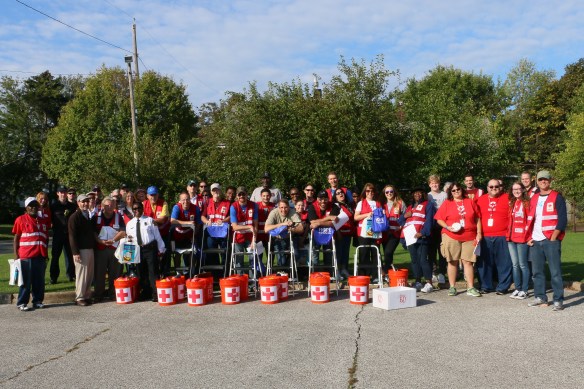



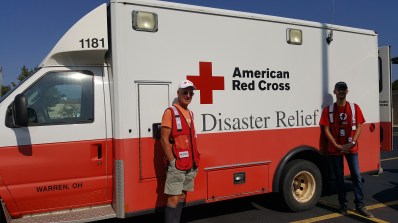 Northeast Ohio continues to offer support to those affected by Hurricane Harvey.