American Red Cross Blood Collectors – a vital link in patient care

Happy Labor Day! This year, the Labor Day holiday coincides with National Blood Collectors Week which is September 3-9. While it may be a coincidence, it is absolutely fitting because this week is a time to celebrate the contributions of blood collection workers in supporting hospital care. Without the more than 5,500 American Red Cross blood and platelet collections team members who work at blood drives and donation centers across the country, lifesaving blood would not be available for patients in need. Each year, Red Cross staff collect blood and platelet donations from nearly 2.5 million volunteer donors.

Here in Northern Ohio, we are fortunate to have wonderful collections staff across the 31 counties we serve. One of those amazing staff members is Danita Craig. Danita has been with the Red Cross for 9 ½ years. Her career has spanned many roles within the organization, from Collections Tech to Charge Staff and now a Team Supervisor in Cleveland.

As a Team Supervisor, Danita is focused on building a strong team, coaching and mentoring new employees and providing great customer service to staff, volunteers, recruitment representatives and blood program leaders. In her role, Danita says she can lead by example, showing her staff how much she loves her job and how exciting it is to help save lives with every pint collected. For Danita, the lifesaving blood she and her team help collect has a special meaning. “I have a relative who has sickle cell disease and receives blood products yearly, sometimes monthly, so this job impacts my life on a personal level,” said Danita. “I love knowing that where I work help saves many lives and helps my family member. I hold the mission close to my heart.”

In addition to her work in Biomedical Services, Danita had the opportunity to go to Florida and help with recovery efforts in the wake of Hurricane Ian. “It was an honor to see people from all over the world come together to help others,” she said. Danita has always had a passion for taking care of people and as a Red Cross employee she has plenty of opportunities to do so. When she’s not working, she enjoys traveling with her family and line dancing with friends.

The Red Cross in Northern Ohio is thankful for Danita and all the collections staff who work so hard to help patients in need. If you’ve never donated blood or it’s been a while, there’s no better way to celebrate Blood Collectors Week than making an appointment to give. And right now, donations are especially needed as Hurricane Idalia caused more than 700 blood and platelet donations to go uncollected in the Southeast last week. Your donation not only helps local patients but allows the Red Cross to help whenever and wherever disaster strikes. Find a blood drive near you at redcrossblood.org.
Pet CPR? Yeah, there’s an app for that!

By Ryan Lang, American Red Cross board member and volunteer

As a lifelong pet owner and pet lover, I hope I’m never in a situation where I’d need to perform CPR on my dog. And while I hope it never comes to that, I can find comfort in the fact that if it does, the American Red Cross has a free app that can show me exactly what I need to do.

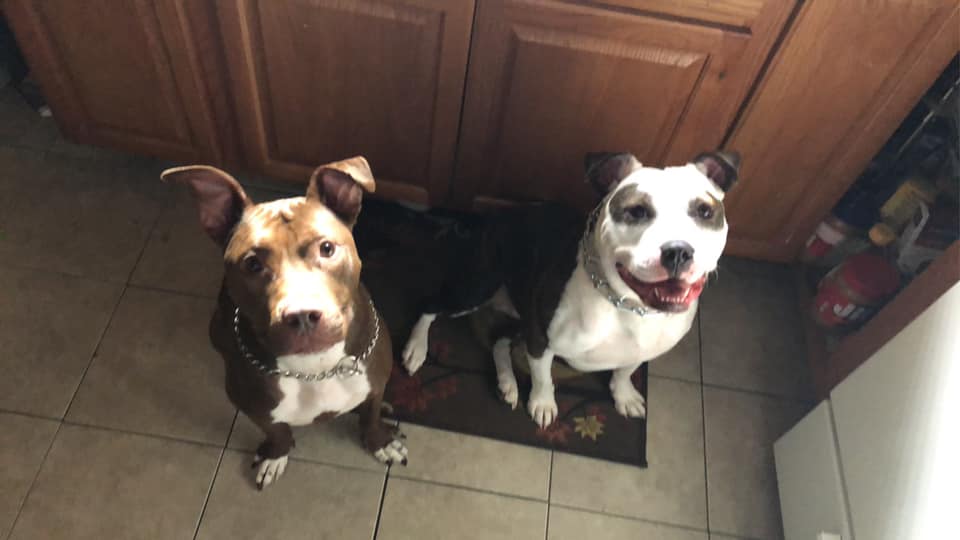
Amos and Dublin

From recognizing warning signs to the ABCs of pet CPR (airway, breathing, circulation), the Pet First Aid app has you covered. With lifesaving instructions on allergic reactions, bleeding, car accidents, poisoning and more, the app helps you prepare for virtually every scenario you can imagine. It also gives guidance on how to include your pet in your emergency preparedness plans. And after you’ve brushed up on your emergency pet response, put your knowledge to the test with a quiz.

In addition to emergency response information, the Red Cross provides wellness tips for your pet. It offers information on what supplies to have in your home and on hand for your cat or dog. You can upload not only your vet’s information, but also your pet’s information for easy access in case of an emergency.

So in the spirit of National Dog Day that just passed and National Cat Day that’s coming up in October, take a moment and download the free Pet First Aid app. You can find it by going to redcross.org/apps or by searching for ‘American Red Cross’ in app stores. Who knows, you could save your furry friend’s life!

Edited by Glenda Bogar, American Red Cross volunteer

Posted by Ryan Lang, American Red Cross board member and volunteer

Club Red donates time, talent and treasure

By Eilene E. Guy, American Red Cross volunteer

Never underestimate the power of volunteers. The American Red Cross certainly doesn’t: Harnessing the willingness of volunteers and the generosity of supporters is what we’re all about.

Carol Schemmer

In Ottawa County, Club Red is a million-dollar example of that willingness and generosity. Club Red members focus on four “pillars” of service to the Red Cross: fundraising, support of the military, blood drives and education.

Carol Schemmer serves as the group’s commander, the same rank she held as a U.S. Navy nurse – although she hastens to say she doesn’t “command,” she just coordinates.

With a core of a couple of dozen women, she can call on as many as 60 “ad hoc” participants for specific events: staging fundraisers, packing “boxes from home” for service men and women at Christmas, manning blood drives, teaching citizen CPR and making homes safer with free smoke alarms.

“The Red Cross addresses so many needs,” Carol said. “For us, it comes down to ‘If we don’t do it, who will? If I don’t step up, who will?’”

Club Red began in Ottawa County when one woman, Cindy Amerine, was inspired to raise funds for the Red Cross in the wake of Hurricane Katrina. Her “Sherry and Chocolates” event evolved over the years, featuring home tours, galas and, more recently, a day-long golf and social event that raised more than $50,000!

That put the group’s tally “well north of a million dollars” since its first fundraiser in 2006, said Rachel Hepner, executive director of the Western Lake Erie Chapter of the Red Cross.

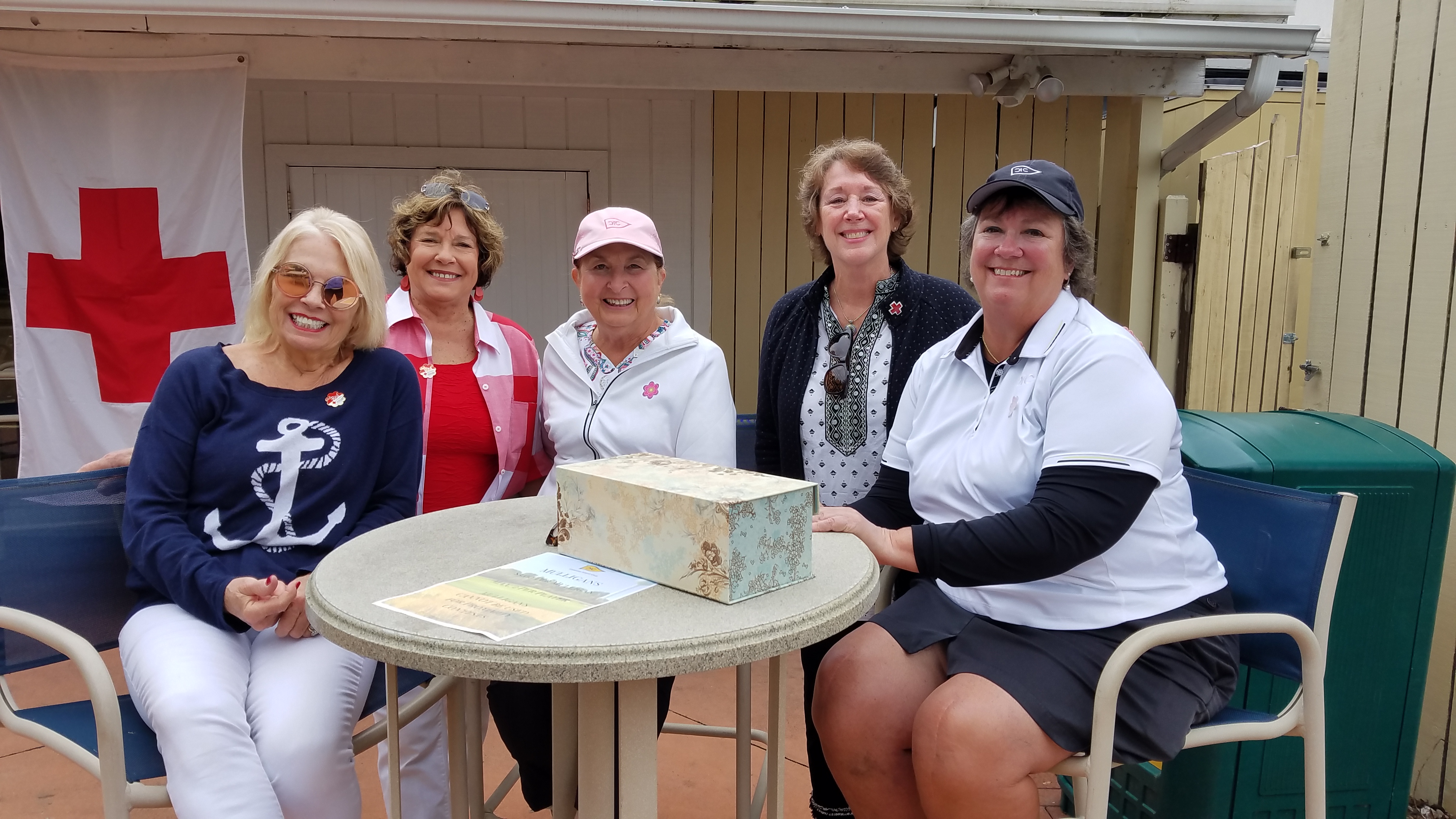
Club Red volunteers staff a registration table at a recent golf outing

“I can’t tell you how fortunate we are to have the support of these wonderful women, who give so generously of their time to these important activities,” Rachel said. “But it’s not just their time and their talents: It’s the influence they have on their community on behalf of the Red Cross.”

Carol said it’s easy to muster support. “People here know the Red Cross. We’re just a conduit for the generosity of the community that supports us.

“We’re connecting the community with the cause.”

If you’d like to get involved with Club Red of Ottawa County, Rachel Hepner at Rachel.hepner@redcross.org can put you in touch with this dynamic group. For volunteer opportunities with the Red Cross elsewhere, go to redcross.org/volunteer.

As Carol said, “If we don’t do it, who will?”

Edited by Glenda Bogar, American Red Cross volunteer

Posted by Ryan Lang, American Red Cross board member and volunteer

Raising awareness in Akron for patients with sickle cell disease

When patients living with sickle cell disease face a sickle cell crisis, blood transfusions can make a lifesaving difference. That’s why the Akron National Panhellenic Council partnered recently with the American Red Cross to grow the number of blood donors who are Black to help patients with sickle cell disease, the most common inherited blood disorder in the U.S.

28 donations were collected at the Akron NPHC blood drive on Saturday, June 23, to help raise awareness for patients living with the disease. Nine sororities and fraternities took park in the drive.

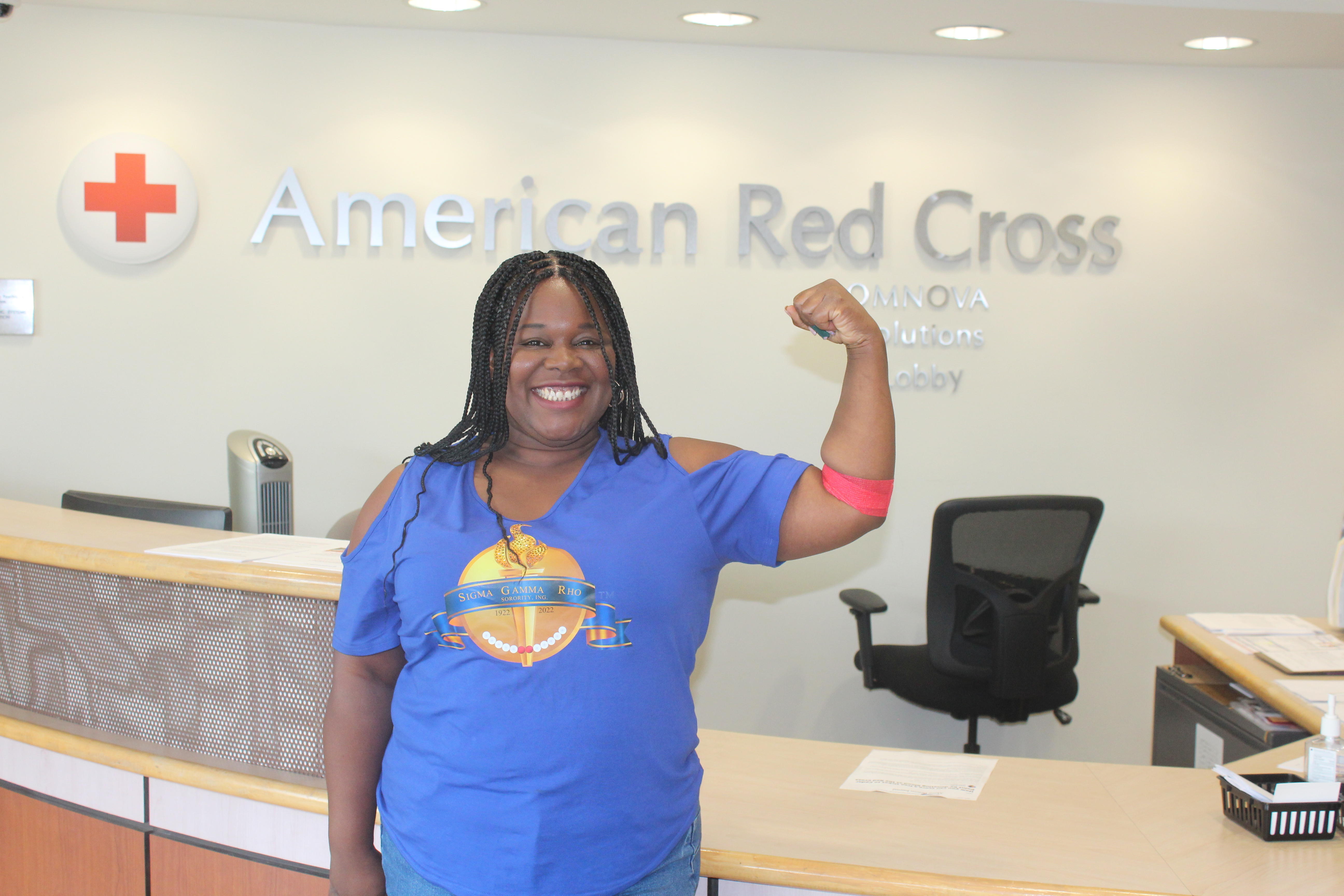
Jasina Chapman, first-time blood donor and organizer of the Akron NPHC blood drive for sickle cell awareness

“We mobilized all of our groups to get them to either donate or volunteer,” said Jasina Chapman, who donated blood for the first time at the drive. As the Community Service Chairperson for the Eta Delta Sigma Chapter of Sigma Gamma Rho Sorority, Inc. and the Akron NPHC, she helped organize the blood drive.

“We are African American leaders in our community,” she said. “We need to activate African Americans to donate blood.”

More than 100,000 people live with sickle cell disease nationwide, and the majority of patients are of African descent. The disease distorts soft, round blood cells and turns them hard and crescent-shaped, which can cause extreme pain. When hardened, the cells can get caught in blood vessels, potentially leading to stroke and organ failure. Blood transfusions are often used in treatment, and many individuals who are Black have distinct markers on their red blood cells that make their blood donations the most compatible match for helping patients with sickle cell disease. One in three African American blood donors is a match for people with sickle cell disease.

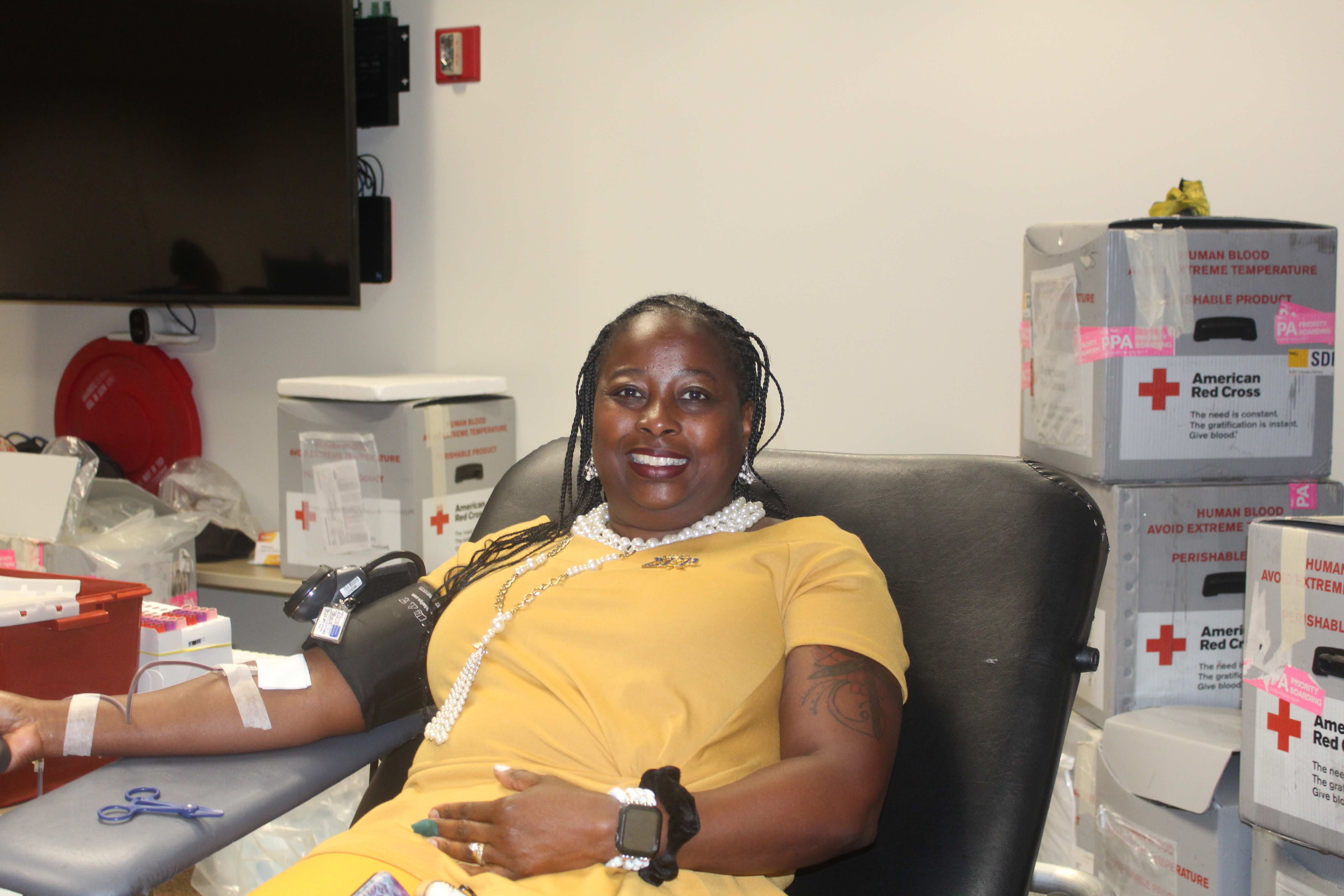
Christa Nuru, one of 28 donors at the Akron NPHC blood drive

How to donate blood:
Simply download the American Red Cross Blood Donor App, visit RedCrossBlood.org, call 1-800-RED CROSS (1-800-733-2767) or enable the Blood Donor Skill on any Alexa Echo device to make an appointment or for more information. All blood types are needed to ensure a reliable supply for patients. A blood donor card or driver’s license or two other forms of identification are required at check-in. Individuals who are 17 years of age in most states (16 with parental consent where allowed by state law), weigh at least 110 pounds and are in generally good health may be eligible to donate blood. High school students and other donors 18 years of age and younger also have to meet certain height and weight requirements.

Blood and platelet donors can save time at their next donation by using RapidPass ® to complete their pre-donation reading and health history questionnaire online, on the day of their donation, before arriving at the blood drive. To get started, follow the instructions at RedCrossBlood.org/RapidPass or use the Blood Donor App.

On behalf of a grateful nation – Mike’s Memorial Day message

By Mike Parks, Rear Admiral, U.S. Coast Guard (Ret.), Regional CEO, American Red Cross Northern Ohio Region

Next Monday, as we celebrate Memorial Day, we will honor those men and women of our Armed Forces who paid the ultimate sacrifice so that we may enjoy our everyday freedoms.  As I was reflecting on this special day, I recalled my recent attendance earlier this month at the funeral of a dear Coast Guard friend of over 40 years.  The funeral, replete with military honors, included a gun salute, the playing of “Taps”, the ceremonial folding of the American flag, and the presentation of “the colors” to the family. 

I don’t know about you, but every time I hear those 24 somber notes of “Taps” played, I feel my emotions well up inside me.  “Taps” is not a song but a bugle call.  Although there are no official associated lyrics, Horace Lorenzo Trim is often credited with a set of words intended to accompany the music.  Here are just the first of his five stanzas:

“Day is done, gone the sun,
From the lake, from the hills, from the sky;
All is well, safely rest, God is nigh.”

Yes, I found myself wiping away tears as the last note was played.  After “Taps” was finished, two members of the Coast Guard Honor Guard approached the casket to begin the ceremonial folding of the American flag, which had been carefully draped over the casket so the union blue field was at the head and over the left shoulder of my friend.  With exacting precision, these two young servicemembers carefully folded the flag into the symbolic tri-cornered shape, representing the three-sided hats worn by our troops during the Revolutionary War.  Our nation’s “colors” were folded 13 times on the triangles, representing the 13 original colonies. 

Annual Memorial Day Ceremony, Ohio Western Reserve National Cemetery

Having personally performed this important ritual in my career, I can attest to the solemnity of the event.  It struck me as I stood at attention, that this ceremony is conducted by every service of the Armed Forces numerous times throughout our country every single day in tribute to the fallen and in support of their loved ones.  The words “…On behalf of a grateful nation…” must never be taken for granted as we take a few moments out of our busy lives to remember and thank those who have given their all so that we may live in freedom—it’s the least we can do.  This Memorial Day, let us all take time to remember those who have gone before us and those who have received the American flag “…On behalf of a grateful nation.”    

Once the flag was perfectly folded, it was given by the Honor Guard to the senior Coast Guard officer to present to the next-of-kin, in this case my friend’s lovely wife of 44 years.  She was surrounded by her six grown children as the officer knelt to present her with the folded American flag as a keepsake.  He then said to her, “On behalf of the President of the United States, the United States Coast Guard, and a grateful Nation, please accept this flag as a symbol of our appreciation for your loved one’s honorable and faithful service.”

Having personally performed this important ritual in my career, I can attest to the solemnity of the event.  It struck me as I stood at attention, that this ceremony is conducted by every service of the Armed Forces numerous times throughout our country every single day in tribute to the fallen and in support of their loved ones.  The words “…On behalf of a grateful nation…” must never be taken for granted as we take a few moments out of our busy lives to remember and thank those who have given their all so that we may live in freedom—it’s the least we can do.  This Memorial Day, let us all take time to remember those who have gone before us and those who have received the American flag “…On behalf of a grateful nation.”    Best regards…Mike 

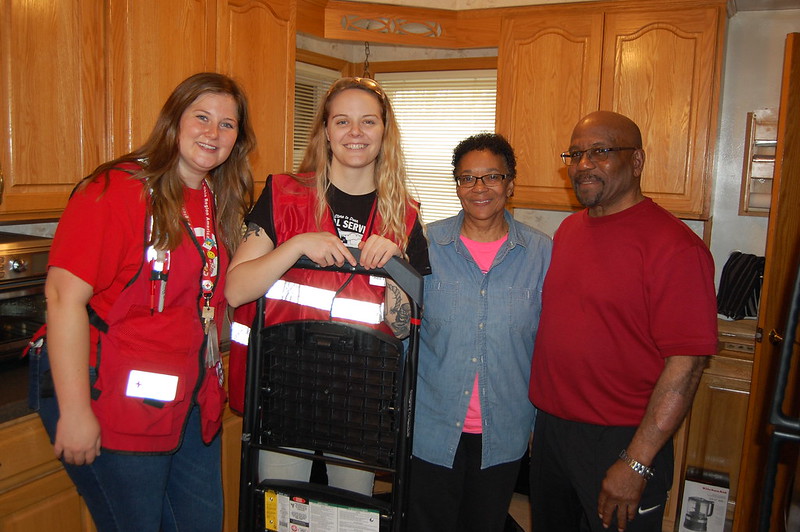
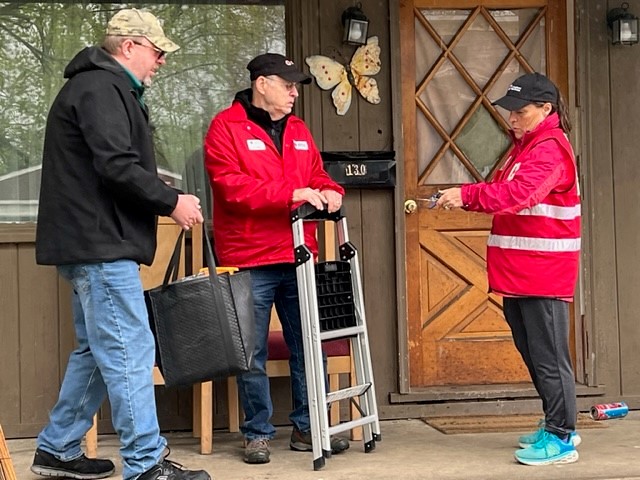
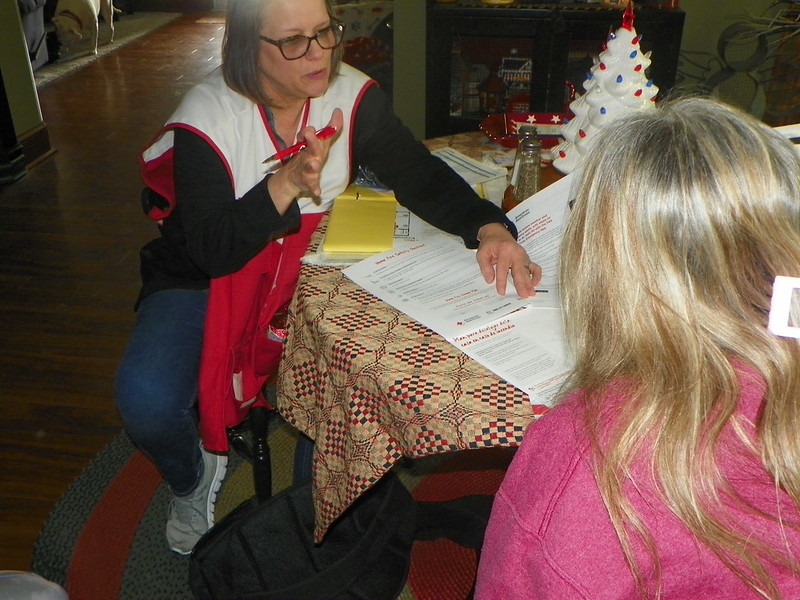
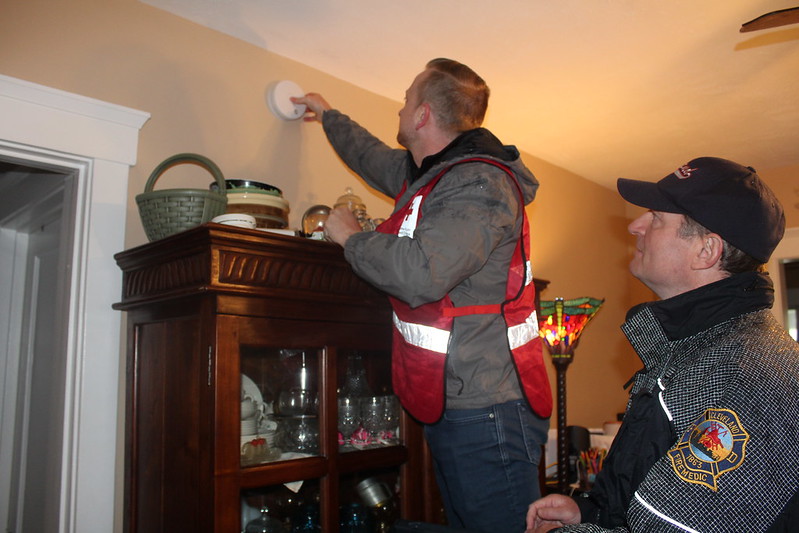
Sound the Alarm campaign installs more than 1,500 free smoke alarms in Northern Ohio

When people think of the American Red Cross responding to disasters, they often imagine the aftermath of a massive hurricane or deadly tornado. Trees uprooted and tossed aside, homes with missing roofs or destroyed by floodwaters. But it’s not the large-scale disasters that keep Red Cross volunteers busy day in and day out. Home fires are the most frequent disaster in the country, claiming seven lives every day in the U.S. In Northern Ohio, the Red Cross responds to more than three home fires, on average, every 24 hours.

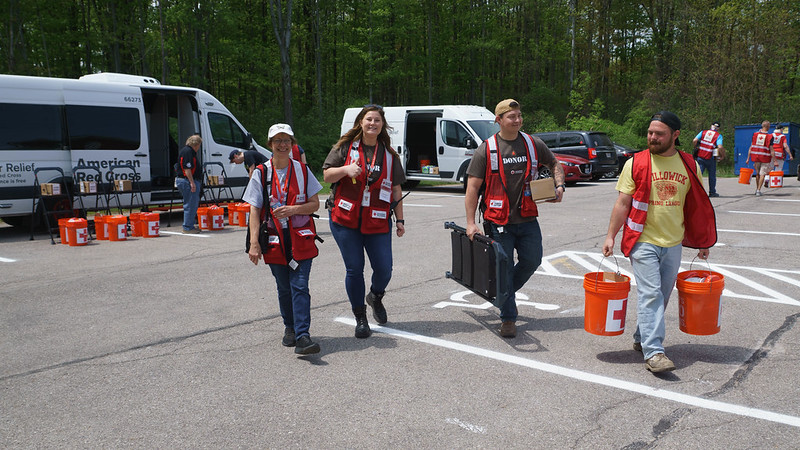
As part of the national Sound the Alarm campaign, Red Cross staff, volunteers and community partners set aside specific weeks throughout the year to focus on educating residents about home fire safety and installing free smoke alarms where they are needed. From April 22 to May 12 staff and volunteers in northern Ohio, in partnership with local fire departments, held Sound the Alarm events in 11 communities across the region. They included:

  • Sandusky
  • Uhrichsville
  • Cleveland
  • Medina
  • Hubbard
  • Warrensville
  • Toledo
  • Findlay
  • Henry County
  • Newcomerstown
  • Willoughby Hills

During these events, volunteers met with local families to install free smoke alarms, helped them create a two-minute fire escape plan and shared safety information on home fires and other local disaster risks. In Northern Ohio, more than 600 homes were made safer, with over 1,500 smoke alarms installed.

For those who do have smoke alarms, the Red Cross recommends testing smoke alarms each month and practicing your escape plan until everyone can get out in less than two minutes. It’s also important to teach children what smoke alarms sound like and what to do in an emergency.

While certain weeks of the year are designated as Sound the Alarm events, the Red Cross is working every day to help prepare communities for disasters like home fires.  If you or someone you know needs smoke alarms, visit the Sound the Alarm page to find out how to request an appointment with one of our teams. You can partner with the Red Cross and donate to this lifesaving work. Without the financial support of generous donors, the Sound the Alarm campaign would not be possible.

Check out more photos from our Sound the Alarm events on Flickr. Thank you to everyone who joined us this year and we look forward to seeing you all again soon at a Sound the Alarm event near you!

Water safety depends on swimming, lifesaving skills

May 15 is International Water Safety Day

By Eilene E. Guy, American Red Cross Volunteer

Those of us who live in northern Ohio are never very far from water: Lake Erie, swimming pools, ponds, reservoirs and rivers. Even water parks, hot tubs and spas.

All that water offers lots of opportunities for fun, but it also poses a very real – sometimes tragic – hazard.

According to the Centers for Disease Control and Prevention, some 4,000 people die of drowning every year in the United States. To put a finer point on it, drowning is the #1 cause of accidental death of children age 1 to 4.

The Bennett family of University Heights came harrowingly close to those statistics earlier this year. While on vacation, their four-year-old found her way into a backyard pool and was discovered unconscious at the bottom.

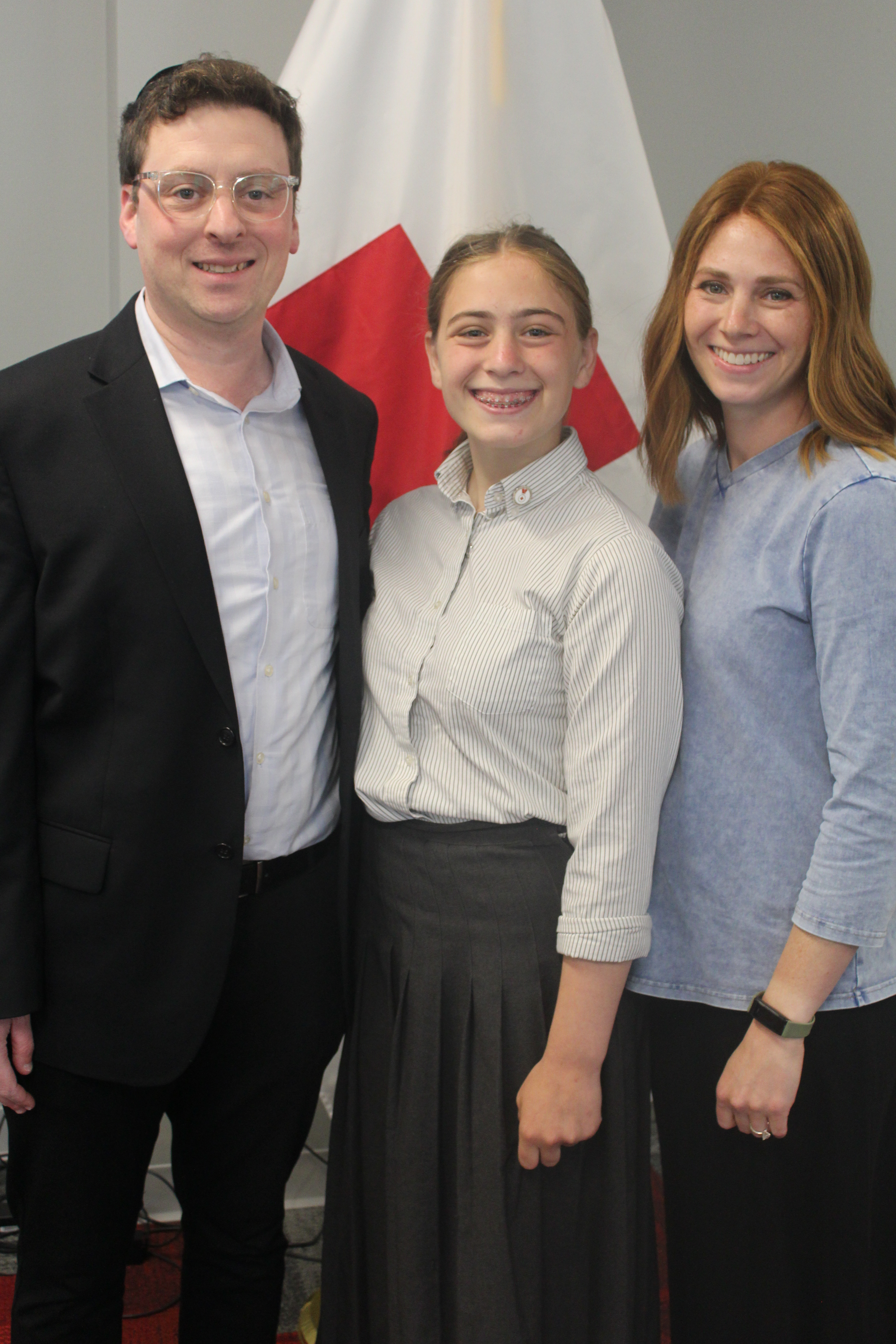
Fortunately, her 15-year-old sister, Ayala, had completed an American Red Cross lifeguarding, first aid and CPR course just two weeks earlier. She was able to perform CPR until medical help arrived and the little girl recovered.

Ayala Bennett, flanked by her father Josh and mother Raizel

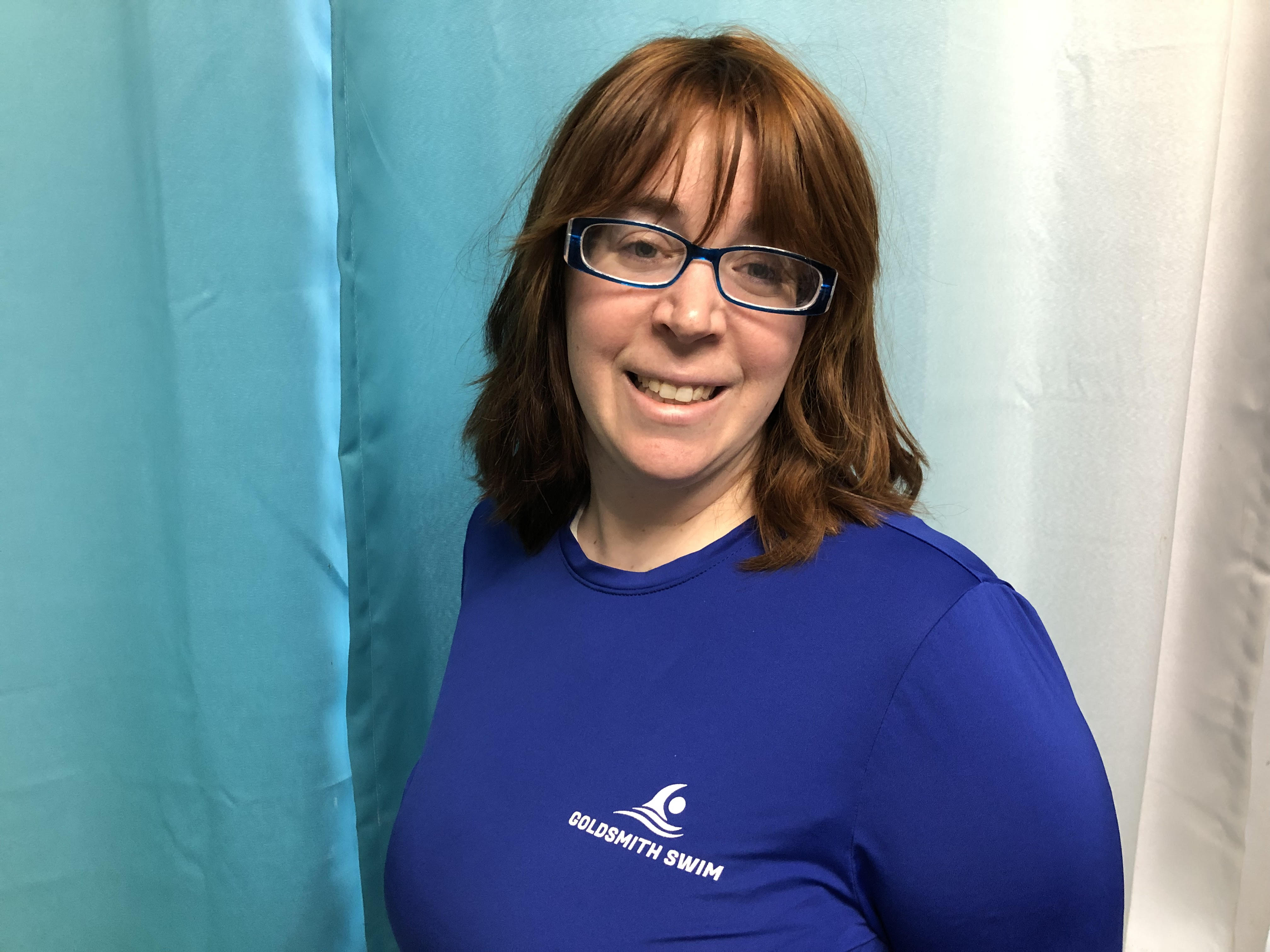
For her lifesaving action, Ayala received the Red Cross Certificate of Merit, the highest award given by the Red Cross to people who save or sustain a life using skills learned in a Red Cross course. The Red Cross also recognized Shira Goldsmith of Goldsmith Swim School, who taught Ayala’s lifesaving class. “It made me feel so good, that she was able to save her sister,” Shira said. “It made me think, this is why I do what I do.”

Shira was just a teenager herself when she realized there weren’t enough lifeguards to safely supervise children in backyard pools in her neighborhood, so she got trained. “I did my first rescue at 15,” she recalled. She’ll never forget the rush of adrenaline and the overwhelming relief of success.

Shira Goldsmith, Goldsmith Swim School

Passionate about water safety, Shira teaches swimming as well as lifeguarding, first aid and CPR as a high school elective. She also has many students with special needs, African Americans and members of her Jewish faith.

“Even if you don’t know how to swim, learn CPR,” she emphasized. “You never know.”

The Red Cross certifies trainers like Shira as part of its mission to prevent, prepare for and respond to emergencies.

As we mark International Water Safety Day, the Red Cross offers these reminders:
 Learn to swim competently and be sure your children do too! Go to RedCross.org/TakeAClass
 Swim as a pair near a lifeguard’s chair. Never swim alone.
 Reach or throw, don’t go. Don’t enter the water to rescue someone unless you’re trained.
 Look before you leap. Be sure it’s a safe place and time to swim.
 Follow the rules. Listen to the lifeguards.
 Don’t just pack it. Wear that life jacket.
 Think so you don’t sink. Floating or treading water can help you make good decisions.
 Don’t fool with a pool or spa: Fence it with self-latching gates.
 Download the American Red Cross Swim app for more tips and tools for water safety for the whole family.

The American Red Cross is a nonprofit organization that depends on volunteers and the generosity of the American public to deliver its mission. For more information, please visit redcross.org or CruzRojaAmericana.org, or follow us on Twitter at @RedCross.

Edited by Glenda Bogar, American Red Cross volunteer

Posted by Ryan Lang, Red Cross board member and volunteer

Severe weather safety tips to help you stay safe

By Samantha Pudelski, American Red Cross volunteer

Warmer weather will be arriving in Northern Ohio…eventually! We’ll be swapping snowstorms for thunderstorms and rain. While our region doesn’t experience hurricanes (this is the beginning of hurricane preparedness week), our area does experience severe storms that can bring tornadoes or flash flooding. Before severe weather strikes, refresh your severe safety knowledge with these tips from the American Red Cross.

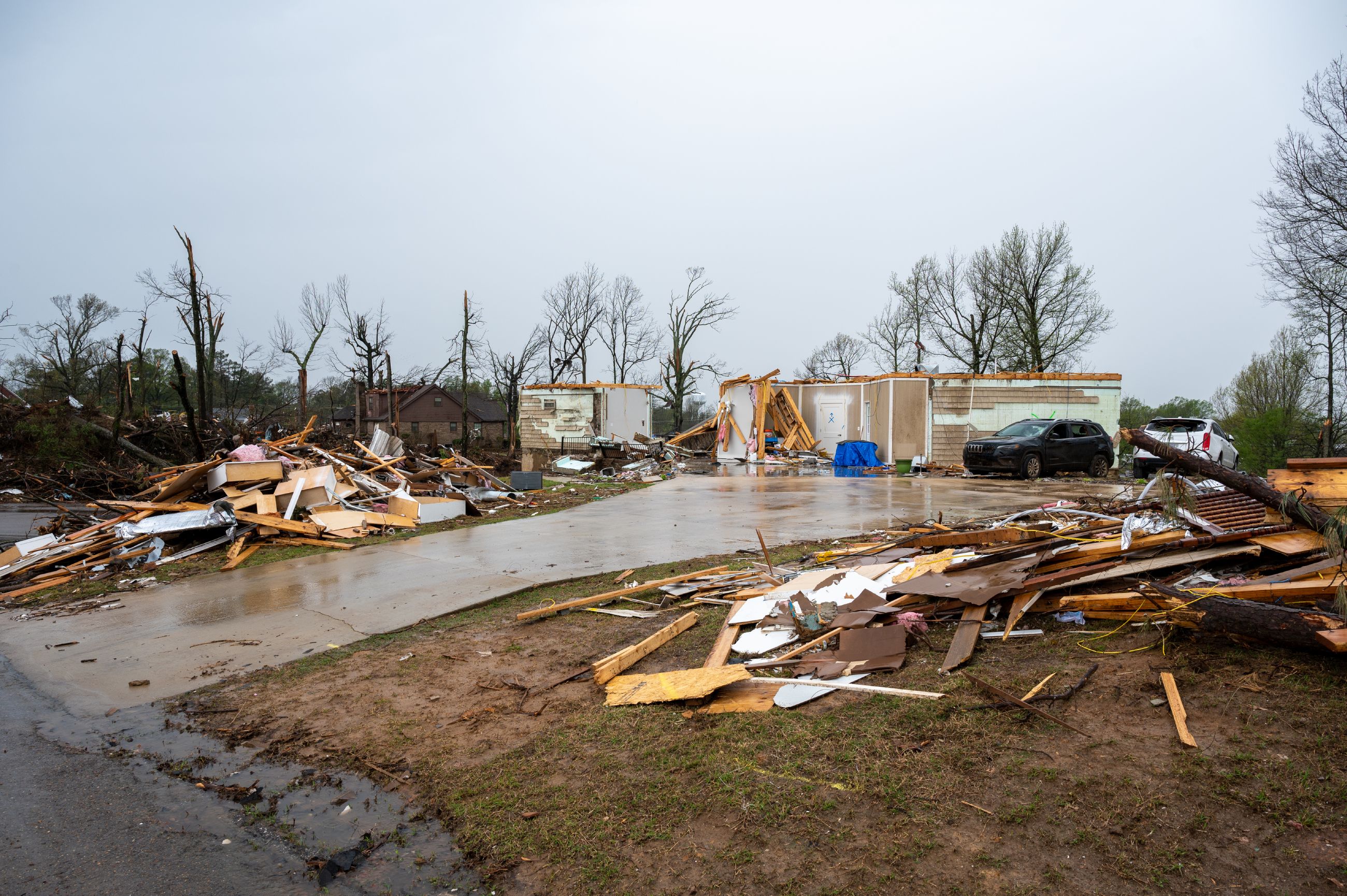
April 5, 2023. Wynne, Arkansas. The tornado that struck Wynne, caused extensive damage to scores of homes in the town. Photo by Kevin Suttlehan/American Red Cross

Before Storms Strike:

  • Identify a sturdy building that you can take shelter in. A sturdy building has walls and a foundation.
  • Ideally, the building should have a basement, or a small, interior room without windows on the lowest level of the building.
  • Mobile, manufactured, trailer homes and recreational vehicles (RVs) are not safe in high winds.
  • If you reside in one of these structures, make sure to identify a building nearby that you can take shelter in quickly.
  • Hold practice drills with everyone in your household to make sure everyone knows what to do and where to go before a storm hits.
  • Sign up for free emergency weather alerts from your local government or weather service.
  • In case there is a power outage, make sure to have a backup battery to charge your cell phone and a battery-powered radio.
  • Know the different types of weather alerts:
    Severe thunderstorm watch: Means severe weather is possible in the area. Be prepared to act fast.
    Severe thunderstorm warning: Means a severe thunderstorm is in the area and to take action to get to safety.
    Tornado watch: Means tornadoes are possible in the area. Be prepared to act fast.
    Tornado warning: Means a tornado is near, and you must take immediate action to get to a safe location.
    Flood watch: Means that flooding is possible in the area.
    Flood warning: Means flooding is forthcoming or currently happening in the warning area.
    Flash floods warning: Means that a flash flood is imminent or currently happening. It is even possible that a flash flood can occur in an area not immediately receiving rain.


When Storms Are Predicted in Your Area or Currently Happening

  • Look for storm signs such as darkening skies, lightning flashes and windy conditions. If you hear thunder, head indoors. Once you can hear thunder, the storm is close enough to be in danger of lightning strikes.
  • If a severe thunderstorm warning is issued in the area, take shelter in a substantial building.
  • Mobile homes can blow over in high winds.
  • Keep away from windows.
  • Don’t take a bath, shower or use plumbing.
  • Avoid using electrical equipment and telephones.
  • If you are driving, try to find a way to safely pull off the road and park. Stay in your vehicle until the heavy rain ends. Turn on your emergency flashers so other vehicles can see you.
  • If you are outside and are not able to seek shelter in a building or car, avoid high ground, water, tall or isolated trees and metal objects. Sheds, picnic shelters, dugouts and metal objects, like bleachers, are not safe places to seek shelter.
  • If someone is struck by lightning, call 911 immediately. If someone sustains a lightning strike they need professional medical care. Check the individual for burns and other injuries. If they stop breathing, begin CPR immediately. It’s safe to touch them, as individuals struck by lightning do not retain an electrical charge.
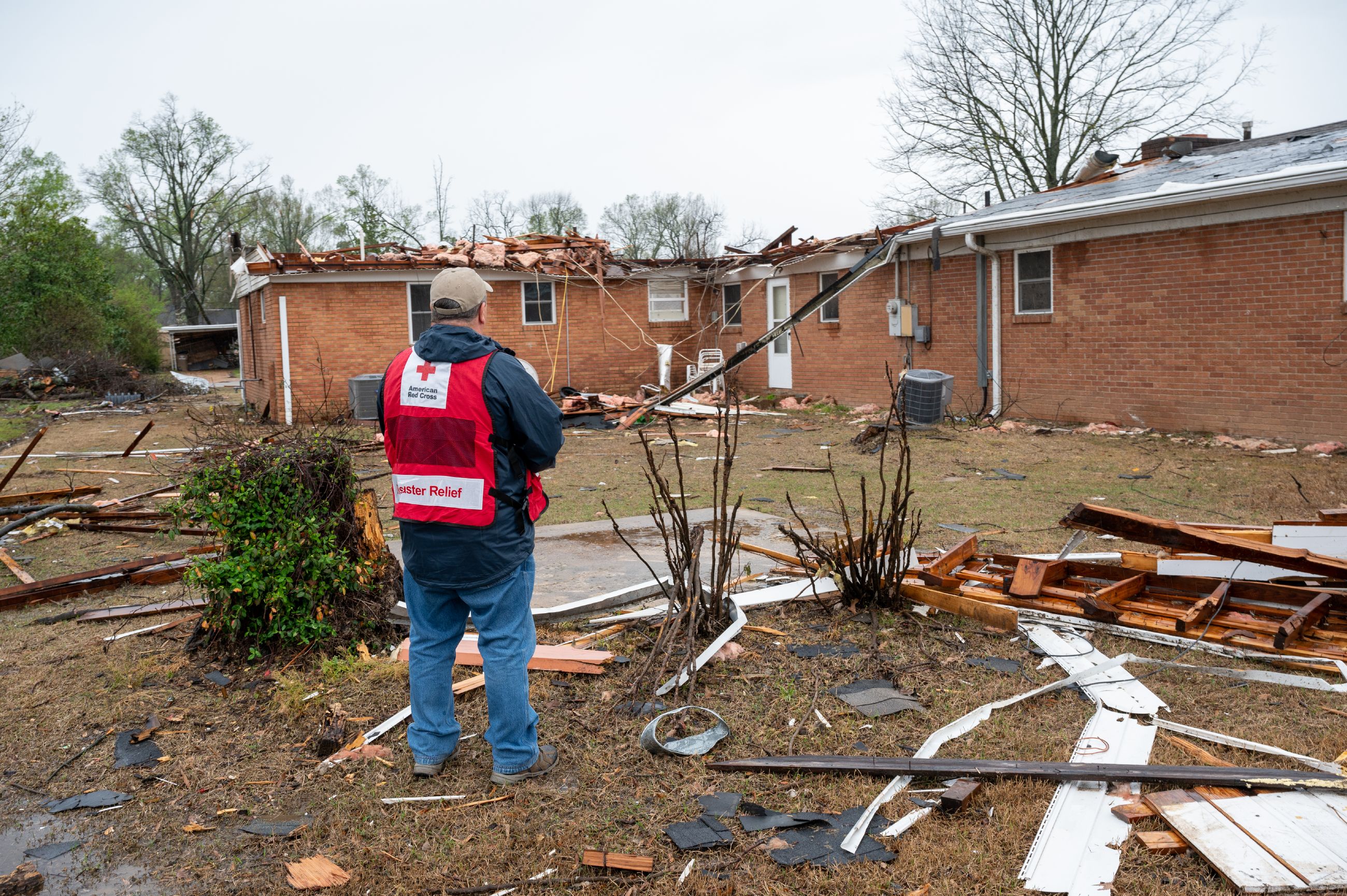
April 5, 2023. Wynne, Arkansas. Red Cross volunteer Don Baker surveys tornado damage to homes in Wynne, AR. Photo by Kevin Suttlehan/American Red Cross

Tornado Safety

If a tornado warning is announced for the area you are in:

  • Move to the lowest level of your home or a sturdy building, ideally a basement. If you aren’t able to move to a lower level, find a small interior room with no windows.
  • Mobile, manufacturer, trailer homes and RVs are not safe in the event of a tornado or high winds.
  • Monitor local weather and news on your phone or radio.

    When Flooding is Predicted or Seen
  • Turn around, don’t drown! Stay off the roads and do not attempt to drive through a flooded portion of the road. Just six inches of fast-moving water can knock you over, and most vehicles can be swept away by less than two feet of water.
  • If you are caught on a flooded road and the waters are rising around you, get out of the car quickly and move to higher ground.
  • Tune in to your local radio or news for the latest weather updates.
  • If your area is a risk flood area, prepare to evacuate quickly in the case it becomes necessary.
  • Follow your local officials direction if you are asked to evacuate.
  • Stay away from flooded areas, as they may contain snakes, insects and other animals. Keep children and pets away from these areas.

    For more information on weather safety and about volunteer opportunities to help those affected by severe weather, visit https://www.redcross.org/local/ohio/northern-ohio.html.

    Edited by Glenda Bogar, Red Cross volunteer
    Posted by Ryan Lang, Red Cross board member and volunteer

Using her spare time to give back to our community

By Sam Pudelski, American Red Cross volunteer

When Jenn Mayfield found herself with some extra time and a need to complete community service to graduate with her degree in IT, she immediately thought of the American Red Cross. “I know the Red Cross and the reputation of blood services and how [they help] so many people with blood products,” she said.

A little over a year ago, she began volunteering with the Red Cross Northern Ohio Region as a volunteer candidate screener. In this role, screeners speak with people who have signed up to volunteer with the Red Cross to help place them in a role that not only fits the candidate’s interests and skills, but also is a good fit within the organization. It also allows her to volunteer after work in the evenings and on weekends since it is a remote position. Jenn enjoys the role because she loves to volunteer and connect with people. “I know that every time I talk with someone on the phone or answer someone’s question, I feel like I’m contributing in a positive way.”

In addition to her role as a volunteer candidate screener, she decided to start a second role with Red Cross headquarters in the department of public inquiry in July 2022. Not only did it allow her to further her passion for volunteering, but she also learned more about the services the Red Cross provides internationally and here at home. With the public inquiry team, Jenn helps answer questions, inquiries, complaints and comments from the public. Since this role also is remote, she fits in volunteering as her schedule allows.

Jenn looks at her opportunity to volunteer as a way to do something rewarding with some of her free time. In addition to her two permanent volunteer roles, she checks the Red Cross Volunteer Connection portal for other opportunities to give back. In fact, she recently volunteered at the Dominion Preparedness Day on April 1st. It was her first volunteer event, and she brought her fiancée as well. In addition to volunteering, she gives back by donating blood whenever she can.  Jenn truly believes that every little bit can help our communities, “even an hour a day or a couple hours a week can make a big impact.”

To all of those who are thinking of the Red Cross, Jenn can’t recommend it enough. As a part of the volunteer services team, she knows firsthand there are tons of different roles across the system that can fit for various interests and skills. In Northern Ohio, there are plenty of opportunities that allow individuals to volunteer when it fits their schedule, offering both in person or remote roles. “Honestly, there’s something for everybody. There’s a volunteer role for everyone.” To learn more about current volunteer opportunities in Northern Ohio, visit us here.

Posted by Ryan Lang, Red Cross board member and volunteer

International Women’s Day: Women and the Red Cross

By Eilene Guy, American Red Cross volunteer

March 8 is International Women’s Day, when we focus on the leadership, expertise, nurturing and down-and-dirty sweat labor that women contribute around the world, 365 days a year.

Coincidentally, Women’s Day falls in March – Red Cross Month – when we focus on the wide range of humanitarian services that Red Crossers contribute around the world, 12 months a year.

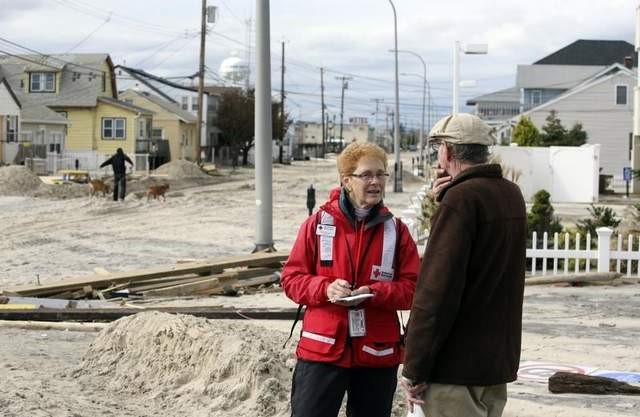
Red Cross volunteer Eilene Guy speaks with a resident of seaside Heights, New Jersey who refused to evacuate during Superstorm Sandy in 2012.

I’m proud to be part of the American Red Cross, which was launched by a woman, is headed by women, and values the talents and dedication of women at every level.

Women like my friend, Red Crosser extraordinaire Winnie Romeril. A volunteer for nearly 30 years, she has taught first aid and CPR, coached International Humanitarian Law classes, and served as a bilingual communicator at disasters all over the United States and across the world:

Sri Lanka and the Maldives; Peru; Haiti, carrying cash from the Red Cross to kick-start earthquake relief efforts with the Haitian Red Cross; the Philippines, where she even helped build a hanging bridge to get relief supplies to a remote village; Canada; Puerto Rico after Hurricane Maria.

She’s been posted to the International Federation of Red Cross and Red Crescent Societies in Geneva, Switzerland, to tell how the Red Cross brings hope across the world, and to Sierra Leone in Africa at the height of the Ebola outbreak, representing the World Health Organization.

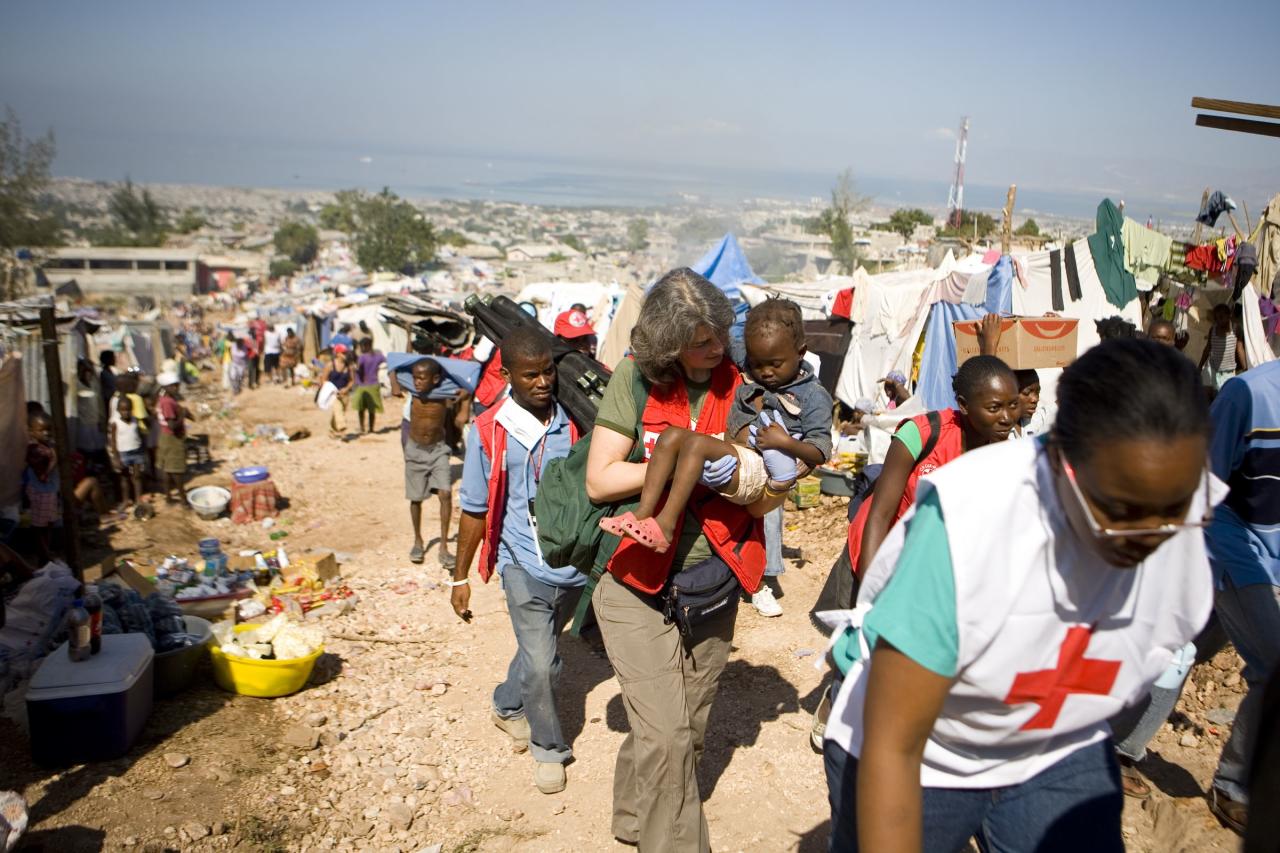
Winnie Romeril, a Red Cross disaster response volunteer, carries a child in Croix Desprez towards a First Aid Post.

Winnie’s courage and skill reminds me of Clara Barton, who started out as a teacher, became one of the first women to work in the U.S. Patent Office, and then took to the battlefields of the Civil War, ministering to the wounded and suffering on both sides of the conflict.

After attending to civilians during the Franco-Prussian War in Europe, she returned to the United States to found the Red Cross, which for more than 130 years has mobilized women – and men – to help prepare for, prevent and respond to emergencies.

Currently, two-thirds of our Red Cross volunteers are women, nearly 70 percent of the paid workforce is women and nearly half of the executive ranks are women.

Bonnie McElveen-Hunter, chairman of the board, and Gail McGovern, president and CEO, top the leadership team.

It’s no small job to head a $2.65 billion organization that Americans rely on to respond to more than 60,000 natural and human-caused disasters a year; collect and test some 40 percent of the nation’s lifesaving blood supply; train millions of people in first aid, CPR, AED, water safety and youth preparedness; and provide more than half a million services to our men and women in the armed forces.

People like me are the hands and heart of the Red Cross too: donating blood, responding to disasters, helping install smoke alarms to make neighborhoods safer, providing leadership at the chapter level and keeping my first aid, CPR and AED skills up to date.

I’m happy to celebrate International Women’s Day by focusing on women – past and present – who provide vital services. I know it happens all over the world every day, in actions big and small.

To investigate what you – woman or man! – can do, please check out redcross.org during Red Cross Month.

Posted by Ryan Lang, Red Cross Board Member and volunteer