Three Northern Ohio companies aid in disaster response through annual giving

By Tim Poe, American Red Cross volunteer

As an American Red Cross volunteer, I have seen the need and effectiveness our disaster relief services. When families are affected by a disaster—whether a single-family home fire or large-scale event—they need immediate assistance, as “Help can’t wait.” And the need for services has never been greater and continues to increase.

August 31, 2023. Horseshoe Beach, Florida. A Red Cross emergency response vehicle drives through the devastated community of Horseshoe Beach, Florida. Red Cross volunteers are delivering food and supplies in hard-hit neighborhoods after Hurricane Idalia. As a result of the climate crisis, hurricanes are becoming more intense and more destructive with increased rainfall and higher storm surges. Photo by Scott Dalton/American Red Cross

Here in Northern Ohio, we recently reported that, following severe storms, the Red Cross assisted 62 families, providing more than $42,500 in financial aid, in a single week. And last July, the Red Cross conducted its largest sheltering operation in the region since 2004.

Nationwide, we experienced 15 billion-dollar disasters in the first half of 2023, a new record, and the Red Cross is responding to nearly twice the number of large disasters than it did a decade ago.

When disaster strikes, the Red Cross’ ability to immediately respond is thanks to generous donations, including funding from members of the Annual Disaster Giving Program (ADGP). Three of these members are based in Northern Ohio. The J.M. Smucker Company, Marathon Petroleum Foundation, Inc., and FirstEnergy Corporation aid through the Annual Disaster Giving Program.

The J.M. Smucker Company became a Red Cross Disaster Responder in 2017 and went on to become an ADGP supporter in 2019. It currently contributes at the $500,000 level. On its Community Resources web page, The J.M. Smucker Company says, “Major tragedies are a heartbreaking reality, and it is critical our communities have the resources to recover and rebuild. Through our partnerships, including with the Red Cross, United Way and Habitat for Humanity, we have helped support these efforts with product and financial donations. Our employees have also stepped up, volunteering time and effort to help their neighbors in need.”

Marathon Petroleum Foundation, Inc., has been an ADGP supporter since 2020 and currently contributes at the $250,000 level. In its 2022 Sustainability Report, Marathon Petroleum said, “MPC’s disaster response support considers immediate humanitarian needs, as well as long-term recovery in affected communities. As an added form of support in times of high-impact emergencies, MPC activates a special employee donation matching program separate from our company matching gift program, enabling employee donations to make a greater impact in times of crisis.” It donated over $1.2 million to disaster recovery efforts in 2022.

FirstEnergy became a Disaster Responder Partner in 2021 and has since been an ADGP partner at the $250,000 level. The company’s Community Preparedness web page says, “The FirstEnergy Foundation’s contributions to local nonprofit organizations help strengthen the social and economic fabric of our communities.” Its priorities include “Improving the quality of life in our communities and supporting key safety initiatives.” FirstEnergy is also proud of its employee volunteers.

Thanks to the ADGP members and other donors, the Red Cross has the resources, personnel and training to respond, even as needs increase.

“The generous support of the members of ADGP allows the Red Cross to provide services such as preparedness programs, response to disasters and client recovery planning,” said Barb Thomas, senior disaster program manager for the Red Cross’ Northern Ohio region. “The American Red Cross could not meet the mission of alleviating human suffering in the face of disasters without the members of ADGP as community partners and donors.”

Learn more about the Annual Disaster Giving Program and how these year-round contributions help meet the needs of disaster survivors.

Edited by Glenda Bogar, American Red Cross volunteer

Posted by Ryan Lang, American Red Cross board member and volunteer

A Hispanic Heritage Month profile: HOLA Ohio partners with Red Cross to assist Hispanic community

By Tim Poe, American Red Cross volunteer

A few years ago, as a member of the American Red Cross’ Disaster Action Team, I responded to a large apartment fire in Painesville. While working with first responders, other Red Cross members and the affected families, many of whom primarily spoke Spanish, two representatives from HOLA Ohio arrived to help, especially with translation.

Since that time, HOLA Ohio has been an important partner with the Red Cross in Northern Ohio. It has been an integral part of fire safety initiatives in Latino communities, as well as assisting Hispanic families impacted by home fires.

During Hispanic Heritage Month (September 15 to October 15), we are highlighting the Northern Ohio Red Cross’ partnership with HOLA Ohio and the importance of reaching the Latino community.

I spoke with Tom Revolinsky, disaster program manager for the Red Cross, Northeast Ohio region. He explained the importance of HOLA Ohio in reaching the Hispanic community, especially following disasters.

“HOLA and the Red Cross routinely partner to help those in the Hispanic community affected by home fires,” said Tim. “HOLA helps identify families in need, provides translation assistance, additional financial assistance and helps overcome cultural barriers.”

A Painesville-based charitable nonprofit, HOLA Ohio was founded in 1999 to provide programs and services to Hispanic workers, families and children. Its services have grown from serving Lake and Ashtabula counties to reaching most of Northern Ohio and beyond.

In May 2022, HOLA Ohio opened its new Hispanic Community Center in Painesville, which contains staff offices, classrooms, a commercial kitchen and meeting spaces. It recently hosted a Health and Wellness Fair at the center, which the Red Cross helped support. Free medical check-ups, health screenings and food were provided.

“HOLA is grateful for our ongoing partnership with the Red Cross to ensure Spanish-speaking people impacted by disasters are provided resources,” said Veronica Isabel Dahlberg, executive director of HOLA Ohio. “Whether a devastating fire or a dangerous power outage during a bitterly cold blizzard, we have seen the Red Cross respond quickly to assist our community. We admire their commitment and dedication.”

The need for the types of assistance HOLA Ohio and the Red Cross provide is growing. According to the Ohio Department of Development and UCLA Latino Policy and Politics Institute, the Latino population in Ohio grew by 112% between 2000 and 2020 to over 505,000, which is 4.2% of the state’s population.

Additionally, the need for Red Cross services is dramatically increasing. Nationally, the Red Cross is responding to nearly twice as many large disasters as it did a decade ago.

Volunteers are needed to help respond to these growing needs, including those fluent in Spanish. For more information, please visit this site.

The Red Cross’s website is available in English and Spanish.

Edited by Glenda Bogar, American Red Cross volunteer

Shedding light on Sickle Cell Disease

By Eilene E. Guy, American Red Cross volunteer

Sickle Cell Disease is hiding in plain sight, and La’Shardae Scott is determined to bring it into the spotlight.

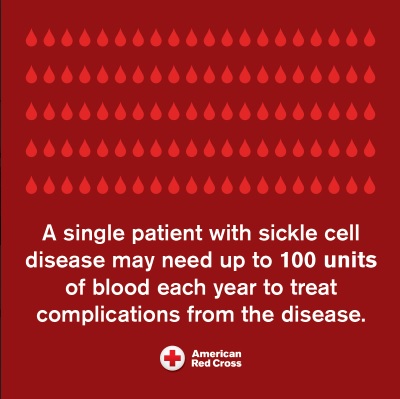
Sickle Cell Disease (SCD) is the most common genetic blood disorder in the United States, afflicting some 100,000 people, primarily those of African descent. Every year, an estimated 1,000 babies are born with SCD.

During September, Sickle Cell Awareness Month, the American Red Cross is teaming up with SCD crusaders like La’Shardae to bring attention to this painful and life-threatening disorder.

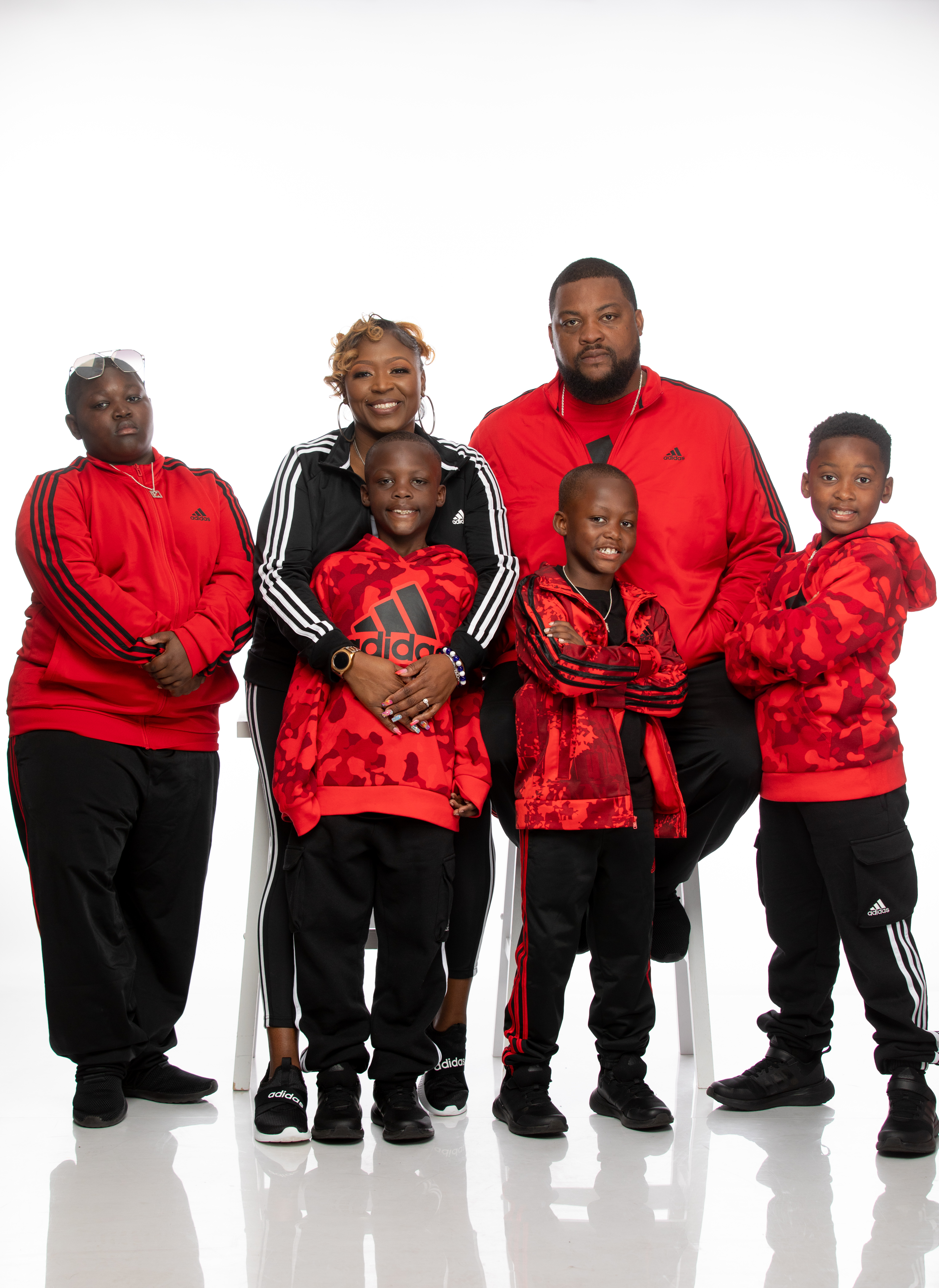
The Scott Family: Eric, La’Shardae, Emory, Evan, Eric and Liam

La’Shardae has launched the nonprofit Scott Center for Observation, Treatment and Transition in Oregon, Ohio, to minimize infant mortality in populations of color and help families and individuals with SCD transition successfully from pediatric to adult care.

She’s well aware that people of color have a fraught history with the medical establishment, which leads to poor doctor-patient relationships. Even today, misconceptions persist about Black people’s tolerance for pain.

“Patients born with this condition don’t look ill; they learn to manage their pain, but that doesn’t mean it isn’t real,” she said. “So when they finally seek help, they get dismissed as drug-seeking and that leads to further complications.”

Screening of newborns for SCD is now routine in all 50 states, but too often parents — confronted with the sudden notice that their baby has an incurable condition — don’t know how to handle that reality as the child grows, La’Shardae said.

At her house, she relies on medications, appropriate diet and “hydration, hydration, hydration” to keep her two SCD “warriors,” eight-year-old Emory and Evan, 7, thriving. At the same time, she advocates for them when they experience the acute pain and other side effects typical of SCD. But she knows the damaging effects accumulate.

SCD causes red blood cells to take the shape of crescent moons or sickles. These misshapen cells don’t carry their full load of oxygen throughout the body, leading to anemia, pain “crises” and gradual damage to organs and tissues. Worse yet, the sickled cells tend to clump together, causing strokes.

Transfusions play a key role in “diluting” these defective cells in the blood stream, easing pain and slowing damage. Blood from one in three African American donors carries unique characteristics — antigens — that make it a close match for SCD patients.

This is where the Red Cross comes in. As supplier of more than 40% of the nation’s whole blood and blood products, the Red Cross needs a diverse donor population to meet the many unique transfusion needs.

Since launching its Sickle Cell Initiative in 2021, the Red Cross has seen a 60% increase in first- time African American blood donors to more than 45,000.

La’Shardae is working hard to boost that number. She uses social media platforms, Facebook Live and community presentations to educate and recruit. You can read all about her activities at scottcenteroh.org.

Her next event is the Scott Community Blood Drive in partnership with the Red Cross, from 9 a.m. to 2 p.m. Sept. 16 at 653 Miami St. in Toledo.

To register to give blood, go to redcrossblood.org, call 1-800-REDCROSS or use the free Red Cross blood donor app.

Edited by Glenda Bogar, Red Cross volunteer

Posted by Ryan Lang, Red Cross board member and volunteer

American Red Cross Blood Collectors – a vital link in patient care

Happy Labor Day! This year, the Labor Day holiday coincides with National Blood Collectors Week which is September 3-9. While it may be a coincidence, it is absolutely fitting because this week is a time to celebrate the contributions of blood collection workers in supporting hospital care. Without the more than 5,500 American Red Cross blood and platelet collections team members who work at blood drives and donation centers across the country, lifesaving blood would not be available for patients in need. Each year, Red Cross staff collect blood and platelet donations from nearly 2.5 million volunteer donors.

Here in Northern Ohio, we are fortunate to have wonderful collections staff across the 31 counties we serve. One of those amazing staff members is Danita Craig. Danita has been with the Red Cross for 9 ½ years. Her career has spanned many roles within the organization, from Collections Tech to Charge Staff and now a Team Supervisor in Cleveland.

As a Team Supervisor, Danita is focused on building a strong team, coaching and mentoring new employees and providing great customer service to staff, volunteers, recruitment representatives and blood program leaders. In her role, Danita says she can lead by example, showing her staff how much she loves her job and how exciting it is to help save lives with every pint collected. For Danita, the lifesaving blood she and her team help collect has a special meaning. “I have a relative who has sickle cell disease and receives blood products yearly, sometimes monthly, so this job impacts my life on a personal level,” said Danita. “I love knowing that where I work help saves many lives and helps my family member. I hold the mission close to my heart.”

In addition to her work in Biomedical Services, Danita had the opportunity to go to Florida and help with recovery efforts in the wake of Hurricane Ian. “It was an honor to see people from all over the world come together to help others,” she said. Danita has always had a passion for taking care of people and as a Red Cross employee she has plenty of opportunities to do so. When she’s not working, she enjoys traveling with her family and line dancing with friends.

The Red Cross in Northern Ohio is thankful for Danita and all the collections staff who work so hard to help patients in need. If you’ve never donated blood or it’s been a while, there’s no better way to celebrate Blood Collectors Week than making an appointment to give. And right now, donations are especially needed as Hurricane Idalia caused more than 700 blood and platelet donations to go uncollected in the Southeast last week. Your donation not only helps local patients but allows the Red Cross to help whenever and wherever disaster strikes. Find a blood drive near you at redcrossblood.org.

Pet CPR? Yeah, there’s an app for that!

By Ryan Lang, American Red Cross board member and volunteer

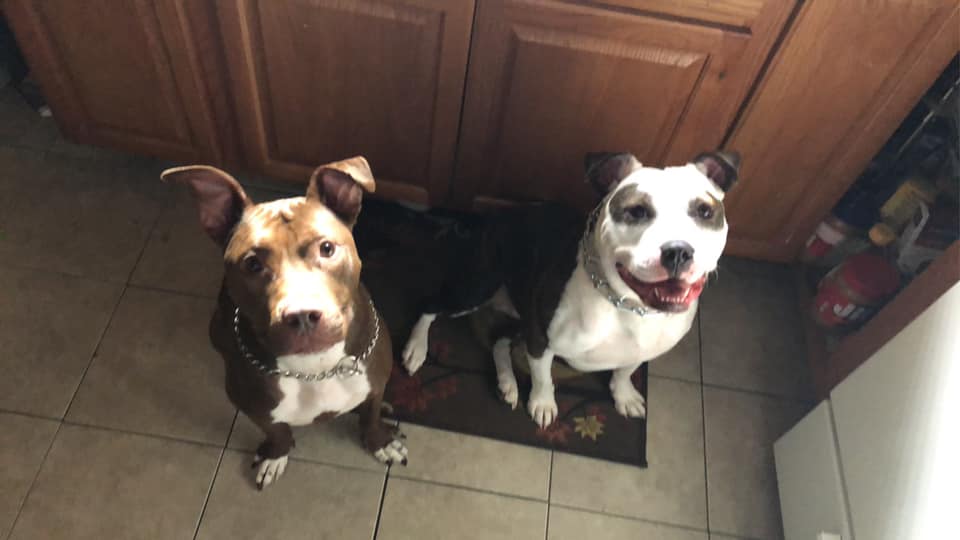
As a lifelong pet owner and pet lover, I hope I’m never in a situation where I’d need to perform CPR on my dog. And while I hope it never comes to that, I can find comfort in the fact that if it does, the American Red Cross has a free app that can show me exactly what I need to do.

Amos and Dublin

From recognizing warning signs to the ABCs of pet CPR (airway, breathing, circulation), the Pet First Aid app has you covered. With lifesaving instructions on allergic reactions, bleeding, car accidents, poisoning and more, the app helps you prepare for virtually every scenario you can imagine. It also gives guidance on how to include your pet in your emergency preparedness plans. And after you’ve brushed up on your emergency pet response, put your knowledge to the test with a quiz.

In addition to emergency response information, the Red Cross provides wellness tips for your pet. It offers information on what supplies to have in your home and on hand for your cat or dog. You can upload not only your vet’s information, but also your pet’s information for easy access in case of an emergency.

So in the spirit of National Dog Day that just passed and National Cat Day that’s coming up in October, take a moment and download the free Pet First Aid app. You can find it by going to redcross.org/apps or by searching for ‘American Red Cross’ in app stores. Who knows, you could save your furry friend’s life!

Edited by Glenda Bogar, American Red Cross volunteer

Posted by Ryan Lang, American Red Cross board member and volunteer
Club Red donates time, talent and treasure

By Eilene E. Guy, American Red Cross volunteer

Never underestimate the power of volunteers. The American Red Cross certainly doesn’t: Harnessing the willingness of volunteers and the generosity of supporters is what we’re all about.

Carol Schemmer

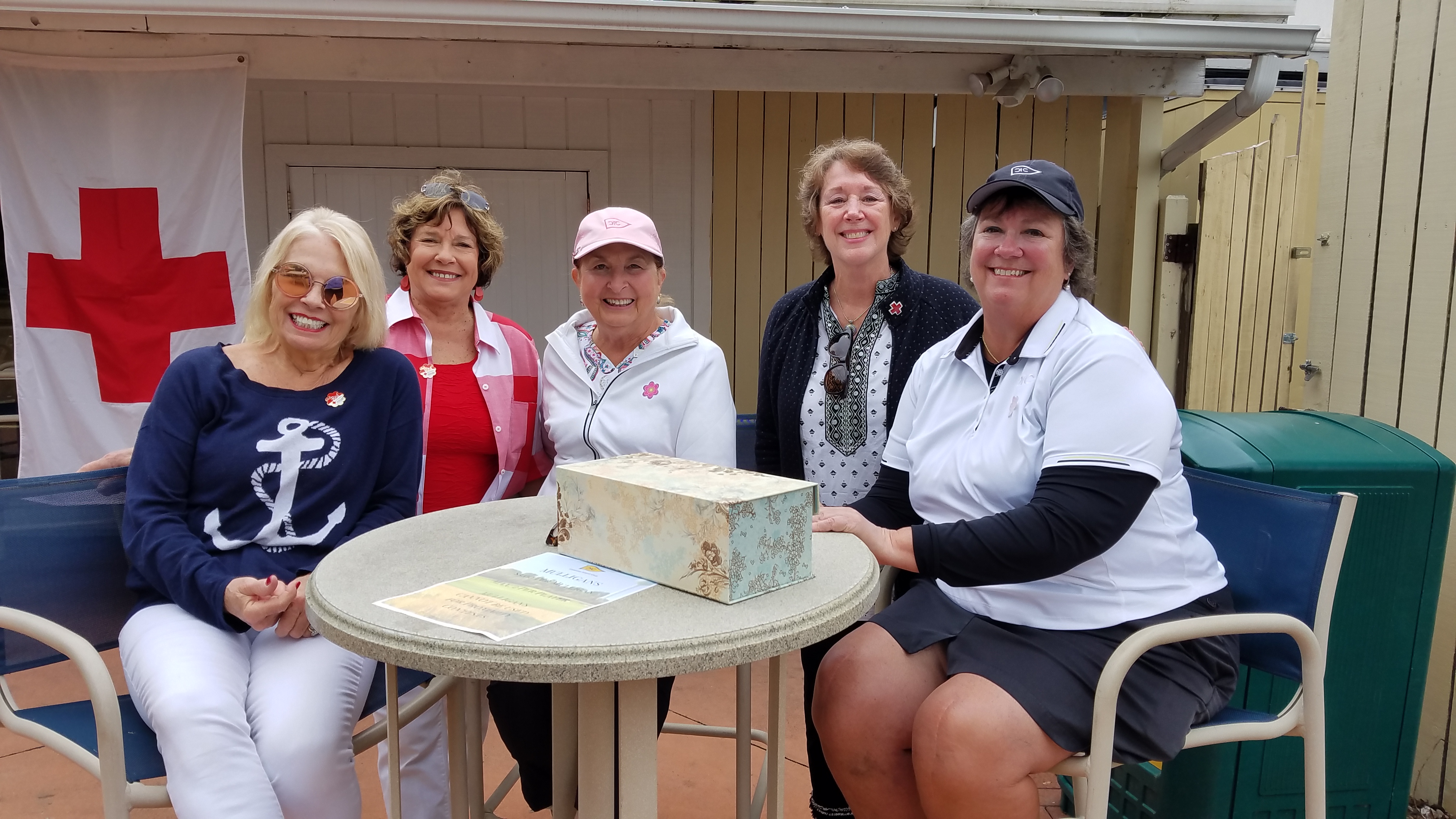
In Ottawa County, Club Red is a million-dollar example of that willingness and generosity. Club Red members focus on four “pillars” of service to the Red Cross: fundraising, support of the military, blood drives and education.

Carol Schemmer serves as the group’s commander, the same rank she held as a U.S. Navy nurse – although she hastens to say she doesn’t “command,” she just coordinates.

With a core of a couple of dozen women, she can call on as many as 60 “ad hoc” participants for specific events: staging fundraisers, packing “boxes from home” for service men and women at Christmas, manning blood drives, teaching citizen CPR and making homes safer with free smoke alarms.

“The Red Cross addresses so many needs,” Carol said. “For us, it comes down to ‘If we don’t do it, who will? If I don’t step up, who will?’”

Club Red began in Ottawa County when one woman, Cindy Amerine, was inspired to raise funds for the Red Cross in the wake of Hurricane Katrina. Her “Sherry and Chocolates” event evolved over the years, featuring home tours, galas and, more recently, a day-long golf and social event that raised more than $50,000!

That put the group’s tally “well north of a million dollars” since its first fundraiser in 2006, said Rachel Hepner, executive director of the Western Lake Erie Chapter of the Red Cross.

Club Red volunteers staff a registration table at a recent golf outing

“I can’t tell you how fortunate we are to have the support of these wonderful women, who give so generously of their time to these important activities,” Rachel said. “But it’s not just their time and their talents: It’s the influence they have on their community on behalf of the Red Cross.”

Carol said it’s easy to muster support. “People here know the Red Cross. We’re just a conduit for the generosity of the community that supports us.

“We’re connecting the community with the cause.”

If you’d like to get involved with Club Red of Ottawa County, Rachel Hepner at Rachel.hepner@redcross.org can put you in touch with this dynamic group. For volunteer opportunities with the Red Cross elsewhere, go to redcross.org/volunteer.

As Carol said, “If we don’t do it, who will?”

Edited by Glenda Bogar, American Red Cross volunteer

Posted by Ryan Lang, American Red Cross board member and volunteer
Raising awareness in Akron for patients with sickle cell disease

When patients living with sickle cell disease face a sickle cell crisis, blood transfusions can make a lifesaving difference. That’s why the Akron National Panhellenic Council partnered recently with the American Red Cross to grow the number of blood donors who are Black to help patients with sickle cell disease, the most common inherited blood disorder in the U.S.

28 donations were collected at the Akron NPHC blood drive on Saturday, June 23, to help raise awareness for patients living with the disease. Nine sororities and fraternities took park in the drive.

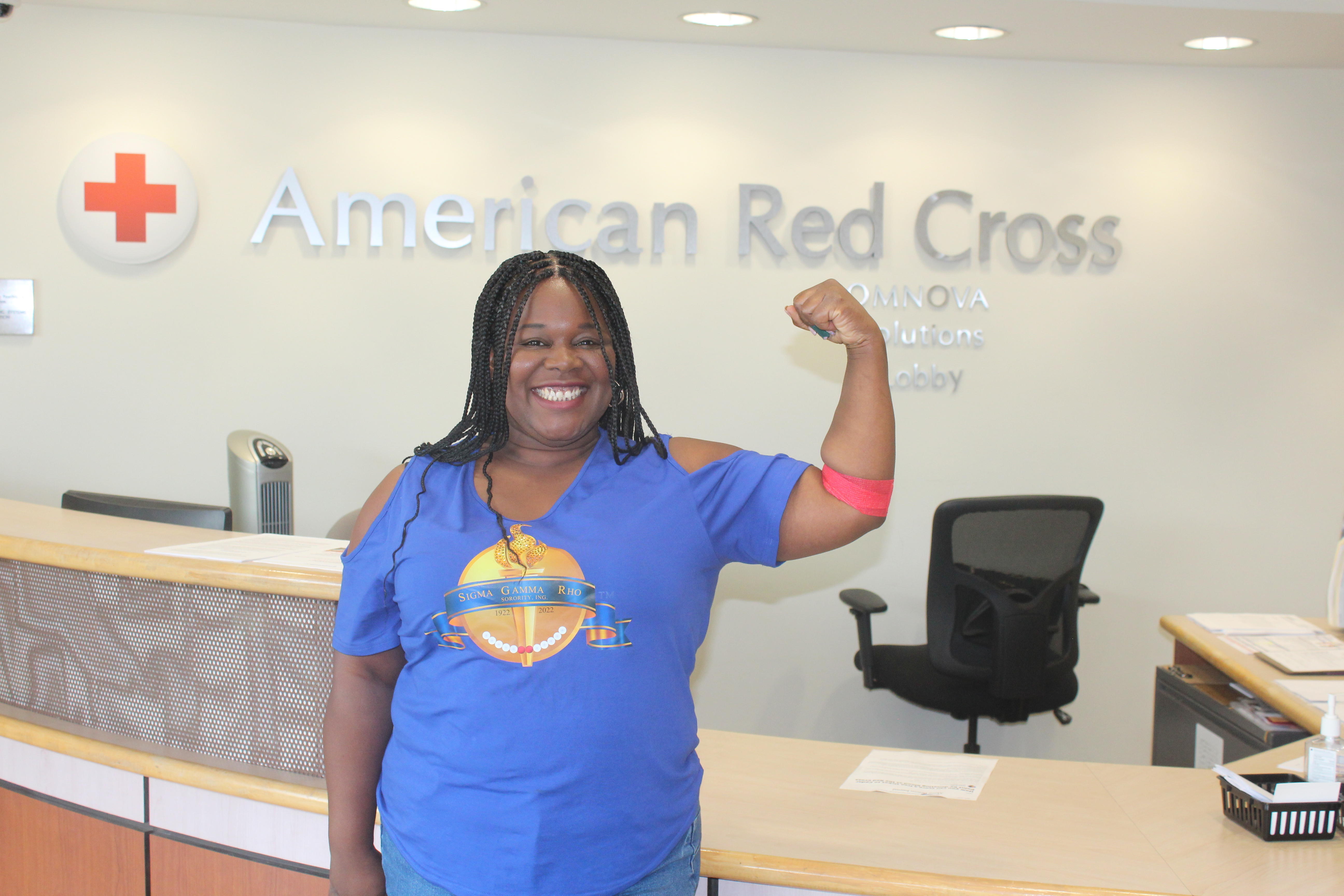
Jasina Chapman, first-time blood donor and organizer of the Akron NPHC blood drive for sickle cell awareness

“We mobilized all of our groups to get them to either donate or volunteer,” said Jasina Chapman, who donated blood for the first time at the drive. As the Community Service Chairperson for the Eta Delta Sigma Chapter of Sigma Gamma Rho Sorority, Inc. and the Akron NPHC, she helped organize the blood drive.

“We are African American leaders in our community,” she said. “We need to activate African Americans to donate blood.”

More than 100,000 people live with sickle cell disease nationwide, and the majority of patients are of African descent. The disease distorts soft, round blood cells and turns them hard and crescent-shaped, which can cause extreme pain. When hardened, the cells can get caught in blood vessels, potentially leading to stroke and organ failure. Blood transfusions are often used in treatment, and many individuals who are Black have distinct markers on their red blood cells that make their blood donations the most compatible match for helping patients with sickle cell disease. One in three African American blood donors is a match for people with sickle cell disease.

Christa Nuru, one of 28 donors at the Akron NPHC blood drive

How to donate blood:
Simply download the American Red Cross Blood Donor App, visit RedCrossBlood.org, call 1-800-RED CROSS (1-800-733-2767) or enable the Blood Donor Skill on any Alexa Echo device to make an appointment or for more information. All blood types are needed to ensure a reliable supply for patients. A blood donor card or driver’s license or two other forms of identification are required at check-in. Individuals who are 17 years of age in most states (16 with parental consent where allowed by state law), weigh at least 110 pounds and are in generally good health may be eligible to donate blood. High school students and other donors 18 years of age and younger also have to meet certain height and weight requirements.

Blood and platelet donors can save time at their next donation by using RapidPass ® to complete their pre-donation reading and health history questionnaire online, on the day of their donation, before arriving at the blood drive. To get started, follow the instructions at RedCrossBlood.org/RapidPass or use the Blood Donor App.

On behalf of a grateful nation – Mike’s Memorial Day message

By Mike Parks, Rear Admiral, U.S. Coast Guard (Ret.), Regional CEO, American Red Cross Northern Ohio Region

Next Monday, as we celebrate Memorial Day, we will honor those men and women of our Armed Forces who paid the ultimate sacrifice so that we may enjoy our everyday freedoms.  As I was reflecting on this special day, I recalled my recent attendance earlier this month at the funeral of a dear Coast Guard friend of over 40 years.  The funeral, replete with military honors, included a gun salute, the playing of “Taps”, the ceremonial folding of the American flag, and the presentation of “the colors” to the family. 

I don’t know about you, but every time I hear those 24 somber notes of “Taps” played, I feel my emotions well up inside me.  “Taps” is not a song but a bugle call.  Although there are no official associated lyrics, Horace Lorenzo Trim is often credited with a set of words intended to accompany the music.  Here are just the first of his five stanzas:

“Day is done, gone the sun,
From the lake, from the hills, from the sky;
All is well, safely rest, God is nigh.”

Yes, I found myself wiping away tears as the last note was played.  After “Taps” was finished, two members of the Coast Guard Honor Guard approached the casket to begin the ceremonial folding of the American flag, which had been carefully draped over the casket so the union blue field was at the head and over the left shoulder of my friend.  With exacting precision, these two young servicemembers carefully folded the flag into the symbolic tri-cornered shape, representing the three-sided hats worn by our troops during the Revolutionary War.  Our nation’s “colors” were folded 13 times on the triangles, representing the 13 original colonies. 

Annual Memorial Day Ceremony, Ohio Western Reserve National Cemetery

Having personally performed this important ritual in my career, I can attest to the solemnity of the event.  It struck me as I stood at attention, that this ceremony is conducted by every service of the Armed Forces numerous times throughout our country every single day in tribute to the fallen and in support of their loved ones.  The words “…On behalf of a grateful nation…” must never be taken for granted as we take a few moments out of our busy lives to remember and thank those who have given their all so that we may live in freedom—it’s the least we can do.  This Memorial Day, let us all take time to remember those who have gone before us and those who have received the American flag “…On behalf of a grateful nation.”    

Once the flag was perfectly folded, it was given by the Honor Guard to the senior Coast Guard officer to present to the next-of-kin, in this case my friend’s lovely wife of 44 years.  She was surrounded by her six grown children as the officer knelt to present her with the folded American flag as a keepsake.  He then said to her, “On behalf of the President of the United States, the United States Coast Guard, and a grateful Nation, please accept this flag as a symbol of our appreciation for your loved one’s honorable and faithful service.”

Having personally performed this important ritual in my career, I can attest to the solemnity of the event.  It struck me as I stood at attention, that this ceremony is conducted by every service of the Armed Forces numerous times throughout our country every single day in tribute to the fallen and in support of their loved ones.  The words “…On behalf of a grateful nation…” must never be taken for granted as we take a few moments out of our busy lives to remember and thank those who have given their all so that we may live in freedom—it’s the least we can do.  This Memorial Day, let us all take time to remember those who have gone before us and those who have received the American flag “…On behalf of a grateful nation.”    Best regards…Mike 

Sound the Alarm campaign installs more than 1,500 free smoke alarms in Northern Ohio

When people think of the American Red Cross responding to disasters, they often imagine the aftermath of a massive hurricane or deadly tornado. Trees uprooted and tossed aside, homes with missing roofs or destroyed by floodwaters. But it’s not the large-scale disasters that keep Red Cross volunteers busy day in and day out. Home fires are the most frequent disaster in the country, claiming seven lives every day in the U.S. In Northern Ohio, the Red Cross responds to more than three home fires, on average, every 24 hours.

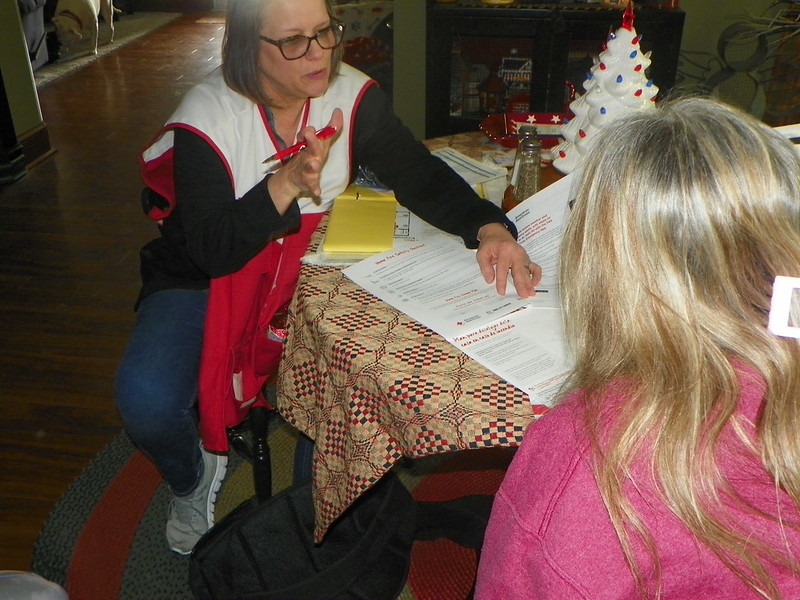
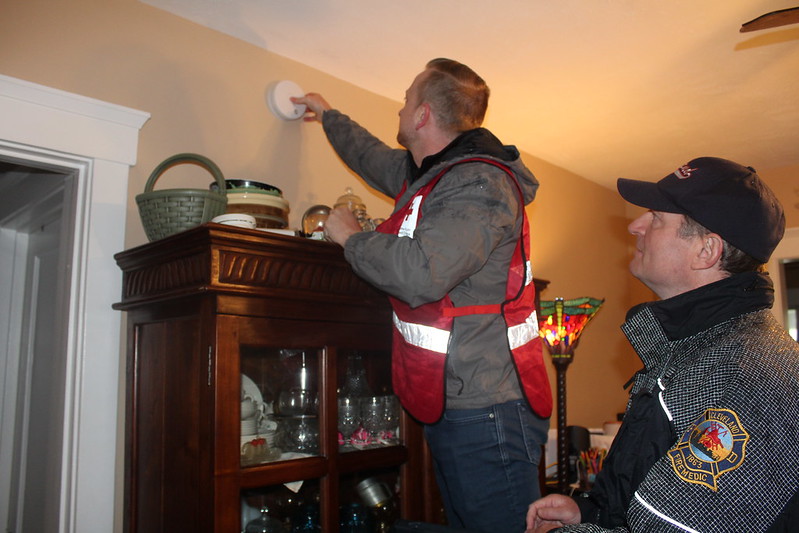
As part of the national Sound the Alarm campaign, Red Cross staff, volunteers and community partners set aside specific weeks throughout the year to focus on educating residents about home fire safety and installing free smoke alarms where they are needed. From April 22 to May 12 staff and volunteers in northern Ohio, in partnership with local fire departments, held Sound the Alarm events in 11 communities across the region. They included:

  • Sandusky
  • Uhrichsville
  • Cleveland
  • Medina
  • Hubbard
  • Warrensville
  • Toledo
  • Findlay
  • Henry County
  • Newcomerstown
  • Willoughby Hills

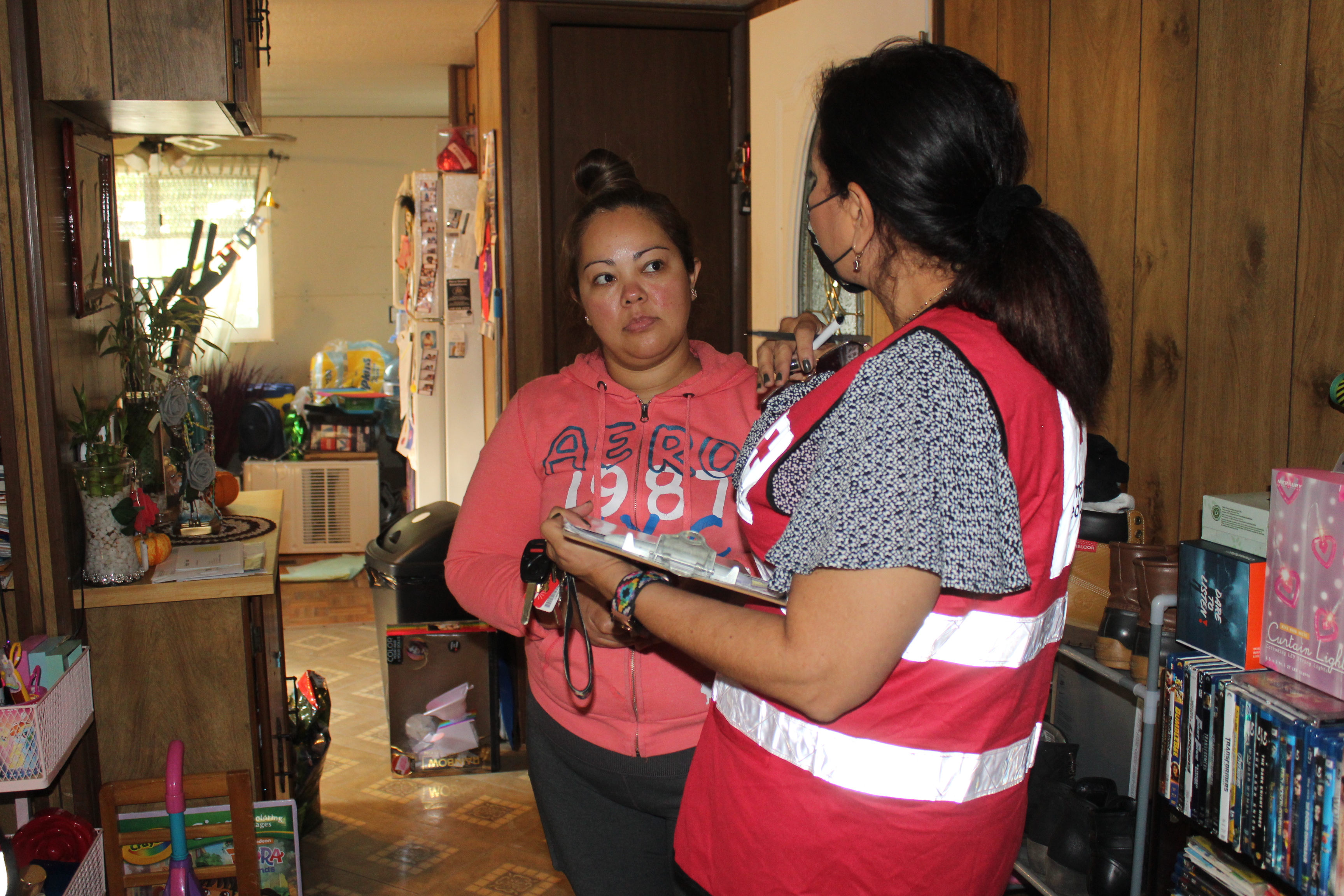
During these events, volunteers met with local families to install free smoke alarms, helped them create a two-minute fire escape plan and shared safety information on home fires and other local disaster risks. In Northern Ohio, more than 600 homes were made safer, with over 1,500 smoke alarms installed.

For those who do have smoke alarms, the Red Cross recommends testing smoke alarms each month and practicing your escape plan until everyone can get out in less than two minutes. It’s also important to teach children what smoke alarms sound like and what to do in an emergency.

While certain weeks of the year are designated as Sound the Alarm events, the Red Cross is working every day to help prepare communities for disasters like home fires.  If you or someone you know needs smoke alarms, visit the Sound the Alarm page to find out how to request an appointment with one of our teams. You can partner with the Red Cross and donate to this lifesaving work. Without the financial support of generous donors, the Sound the Alarm campaign would not be possible.

Check out more photos from our Sound the Alarm events on Flickr. Thank you to everyone who joined us this year and we look forward to seeing you all again soon at a Sound the Alarm event near you!

Water safety depends on swimming, lifesaving skills

May 15 is International Water Safety Day

By Eilene E. Guy, American Red Cross Volunteer

Those of us who live in northern Ohio are never very far from water: Lake Erie, swimming pools, ponds, reservoirs and rivers. Even water parks, hot tubs and spas.

All that water offers lots of opportunities for fun, but it also poses a very real – sometimes tragic – hazard.

According to the Centers for Disease Control and Prevention, some 4,000 people die of drowning every year in the United States. To put a finer point on it, drowning is the #1 cause of accidental death of children age 1 to 4.

The Bennett family of University Heights came harrowingly close to those statistics earlier this year. While on vacation, their four-year-old found her way into a backyard pool and was discovered unconscious at the bottom.

Fortunately, her 15-year-old sister, Ayala, had completed an American Red Cross lifeguarding, first aid and CPR course just two weeks earlier. She was able to perform CPR until medical help arrived and the little girl recovered.

Ayala Bennett, flanked by her father Josh and mother Raizel

For her lifesaving action, Ayala received the Red Cross Certificate of Merit, the highest award given by the Red Cross to people who save or sustain a life using skills learned in a Red Cross course. The Red Cross also recognized Shira Goldsmith of Goldsmith Swim School, who taught Ayala’s lifesaving class. “It made me feel so good, that she was able to save her sister,” Shira said. “It made me think, this is why I do what I do.”

Shira was just a teenager herself when she realized there weren’t enough lifeguards to safely supervise children in backyard pools in her neighborhood, so she got trained. “I did my first rescue at 15,” she recalled. She’ll never forget the rush of adrenaline and the overwhelming relief of success.

Shira Goldsmith, Goldsmith Swim School

Passionate about water safety, Shira teaches swimming as well as lifeguarding, first aid and CPR as a high school elective. She also has many students with special needs, African Americans and members of her Jewish faith.

“Even if you don’t know how to swim, learn CPR,” she emphasized. “You never know.”

The Red Cross certifies trainers like Shira as part of its mission to prevent, prepare for and respond to emergencies.

As we mark International Water Safety Day, the Red Cross offers these reminders:
 Learn to swim competently and be sure your children do too! Go to RedCross.org/TakeAClass
 Swim as a pair near a lifeguard’s chair. Never swim alone.
 Reach or throw, don’t go. Don’t enter the water to rescue someone unless you’re trained.
 Look before you leap. Be sure it’s a safe place and time to swim.
 Follow the rules. Listen to the lifeguards.
 Don’t just pack it. Wear that life jacket.
 Think so you don’t sink. Floating or treading water can help you make good decisions.
 Don’t fool with a pool or spa: Fence it with self-latching gates.
 Download the American Red Cross Swim app for more tips and tools for water safety for the whole family.

The American Red Cross is a nonprofit organization that depends on volunteers and the generosity of the American public to deliver its mission. For more information, please visit redcross.org or CruzRojaAmericana.org, or follow us on Twitter at @RedCross.

Edited by Glenda Bogar, American Red Cross volunteer

Posted by Ryan Lang, Red Cross board member and volunteer