Red Cross celebrates community heroes during Red Cross Month in March

Please help celebrate the month and Red Cross Giving Day, March 23, by volunteering, donating blood or providing financial support, as #HelpCantWait

By Tim Poe, Red Cross volunteer

As busy and challenging as 2021 was for the American Red Cross’ Northern Ohio region, 2022 may be even more so. Disaster Action Team (DAT) responses in our region increased by over 30% in February, and we continue to face a national blood crisis.

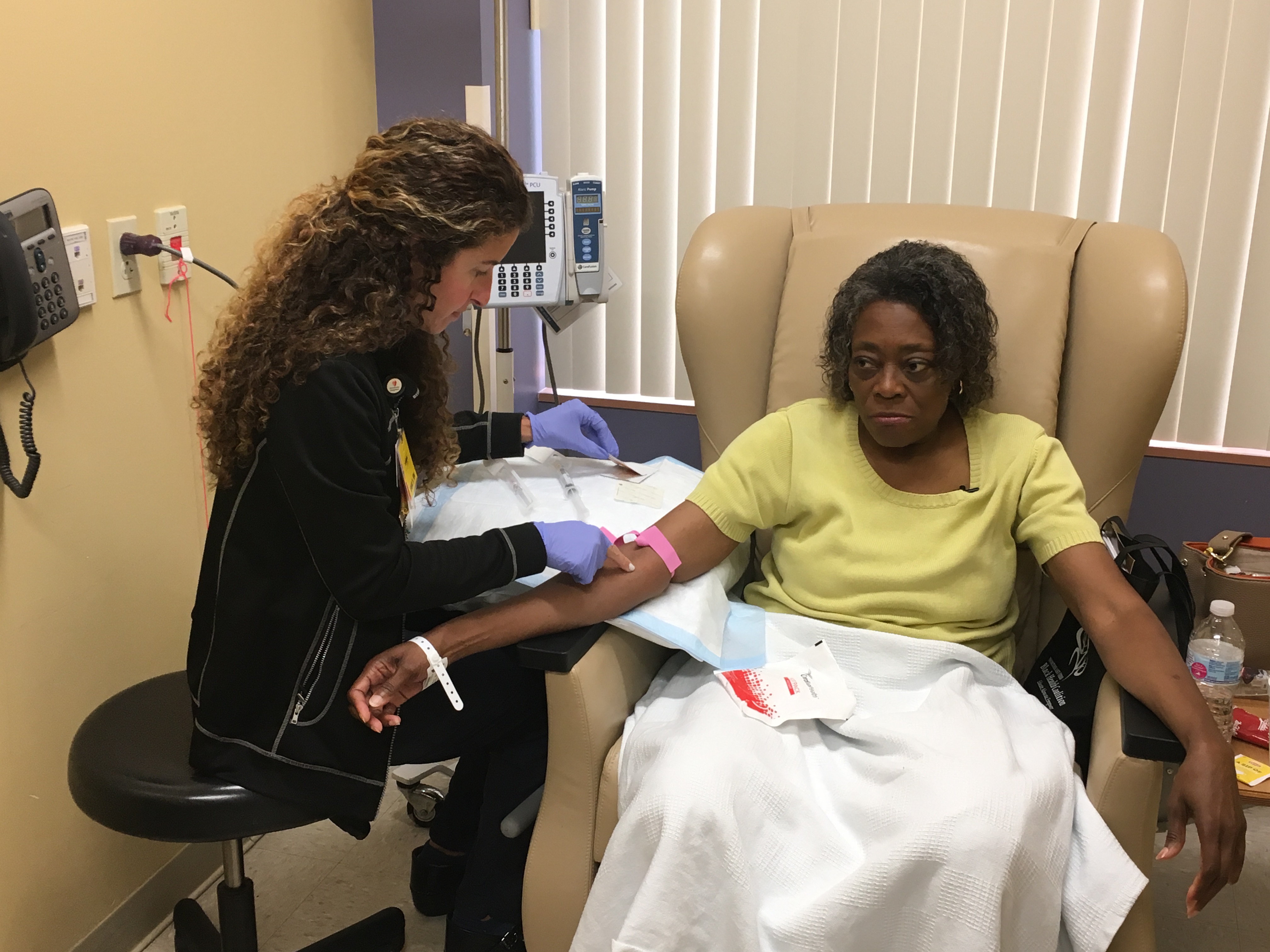
Red Cross volunteer Ben Weisbrod responds to a hotel fire in Parma

As always, volunteers, staff and donors have been stepping up, but we could use your help. Throughout March, the Red Cross honors those who make its mission possible during the annual Red Cross Month celebration—a national tradition started nearly 80 years ago when Franklin D. Roosevelt issued the first national Red Cross Month proclamation. Each U.S. president since has also issued a proclamation.

“When emergencies strike, our community rallies together to help families and individuals when it matters most,” said Tim O’Toole, the Regional Disaster Officer for the Northern Ohio Region. “We honor this dedication during our Red Cross Month celebration, and we invite everyone to join us by turning their compassion into action by joining our response teams. We need help both here locally and to also send teams across the nation to major disasters.”

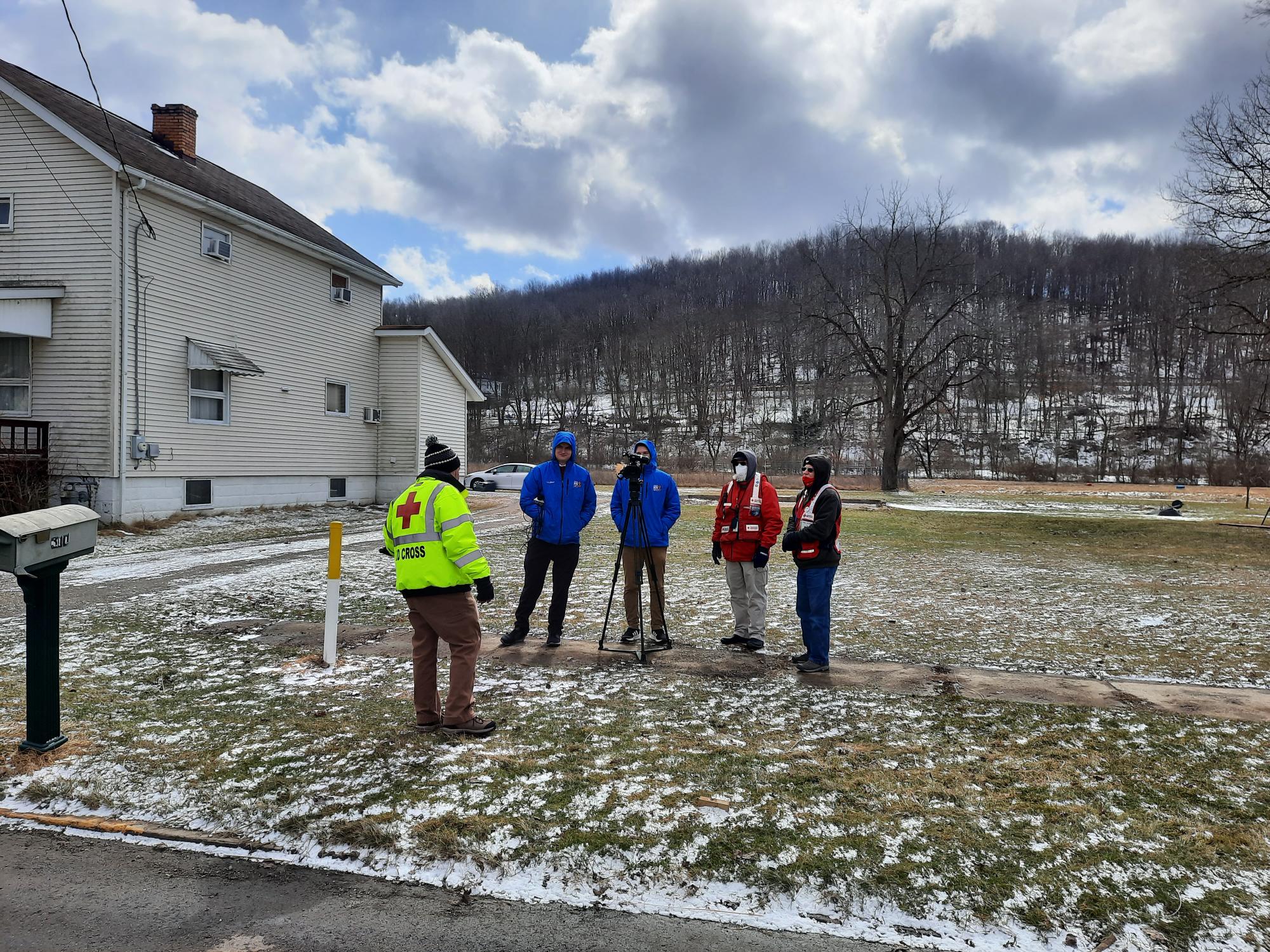
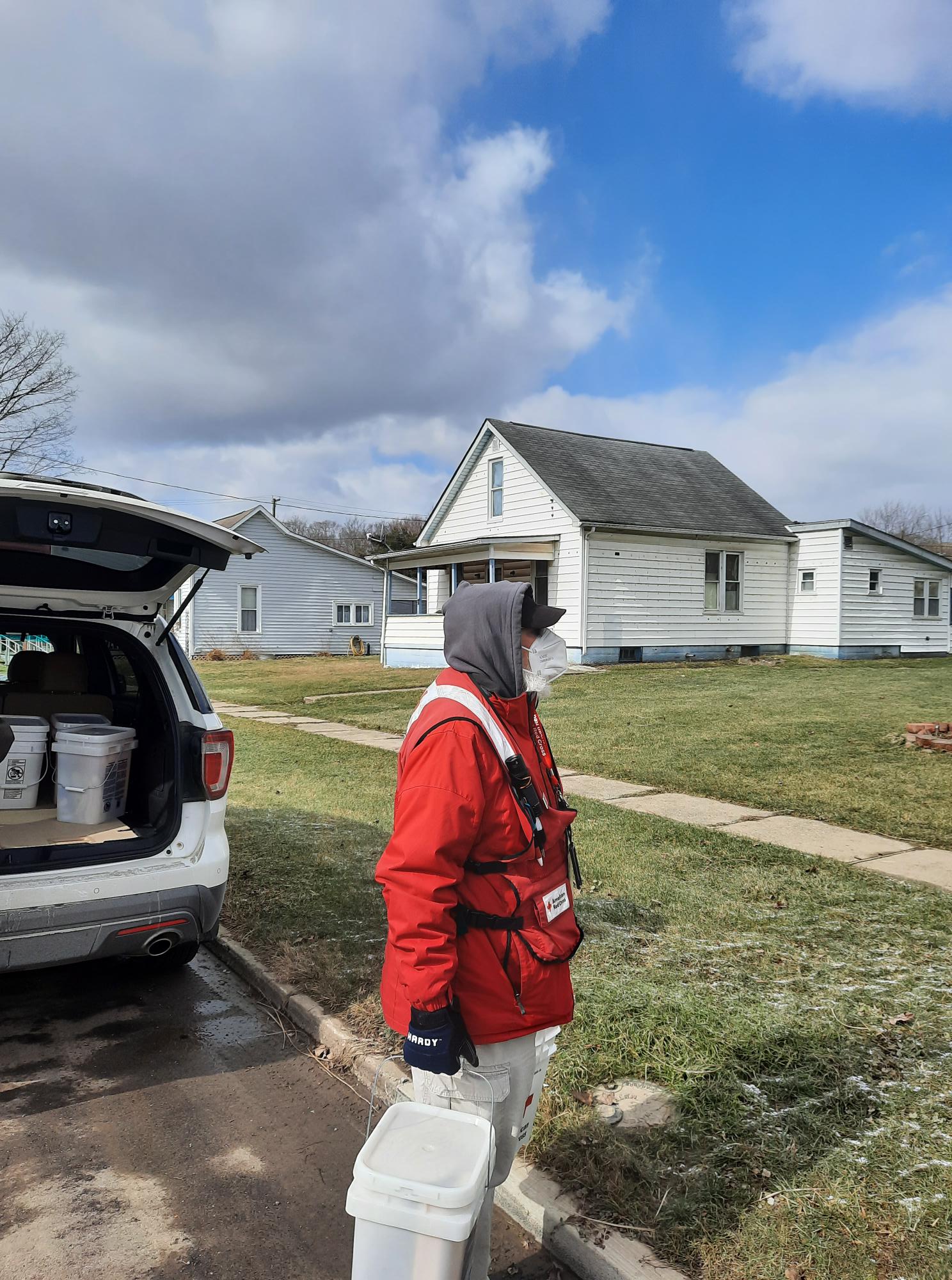
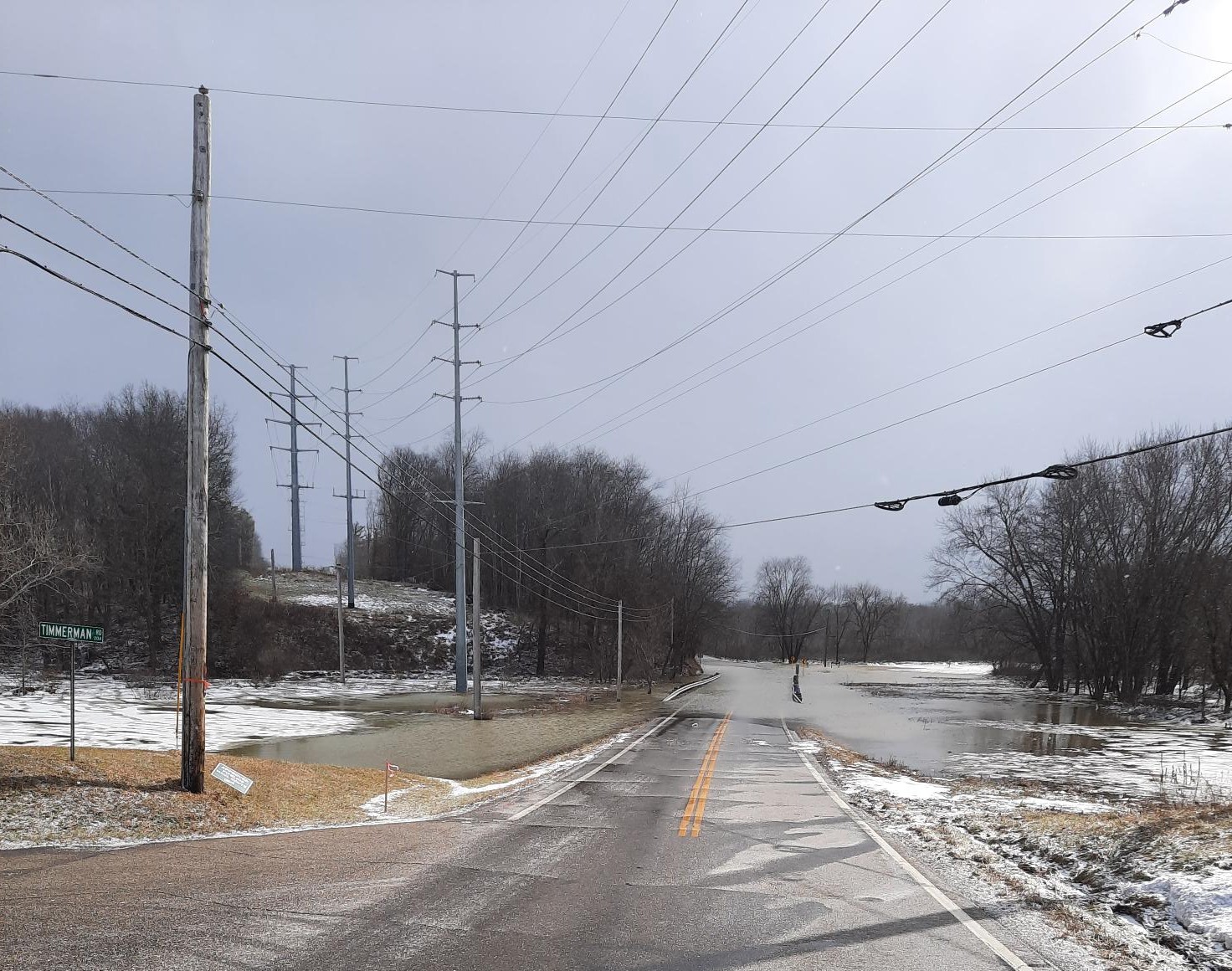
Help can’t wait during emergencies. Over the last 12 months—between 2/23/2021 and 2/23/2022—Northern Ohio Disaster Action Teams responded over 1,100 times to help families in need in our region, the vast majority of them victims of home fires. Just this past week our teams were in Harrison County assisting victims of flooding as shown in this video.

Nationally, the Red Cross has responded to more than 10,000 home fires, helping more than 37,000 people, since January 1, 2022.

My experience as a Red Cross volunteer has been exceptionally rewarding, whether in communications, disaster response or assisting in another capacity. It is an honor to work alongside so many compassionate, capable people, helping those in need and seeing the appreciation and relief of those we assist.

Please consider joining the Red Cross Month celebration by volunteering. You can also provide financial support on Giving Day or any time.

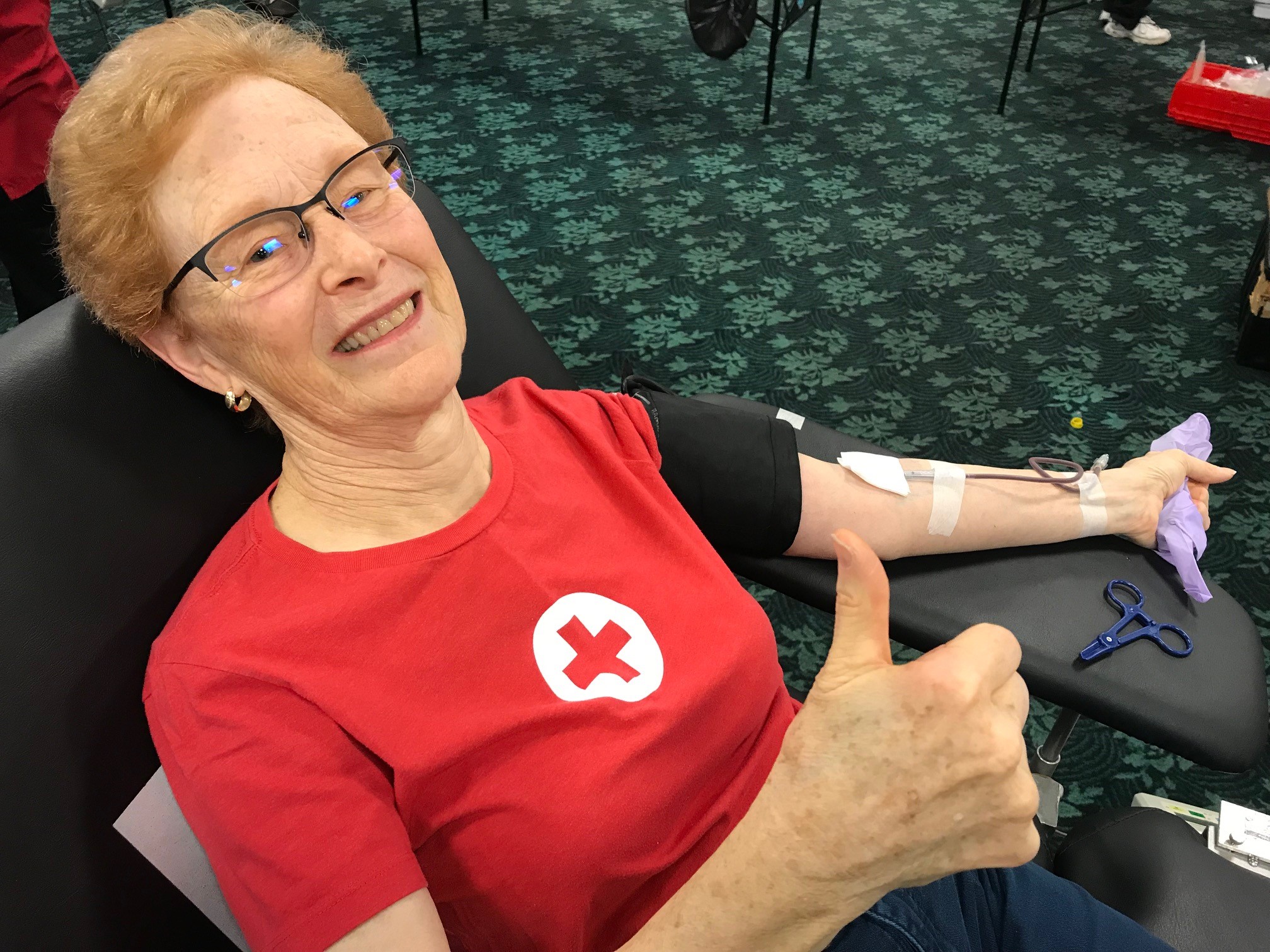
Jessica Voorheis donates blood at the Emerald Event Center in Avon

Blood donors are needed. The American Red Cross blood supply remains incredibly vulnerable – especially as doctors begin to resume elective surgeries previously delayed by the Omicron variant. It’s critical that individuals schedule a blood or platelet donation immediately to help ensure patients get the care they need as soon as possible.

To make an appointment to give blood, visit RedCrossBlood.org, call 1-800-RED CROSS or download the Red Cross Blood Donor App. As a thank you, all who give in March will receive a $10 e-gift card, thanks to Fanatics. March blood donors will also have a chance to win a trip for two to the 2022 MLB® All-Star Game® in Los Angeles (terms apply; visit rcblood.org/team for details).

Edited by Glenda Bogar, Red Cross volunteer
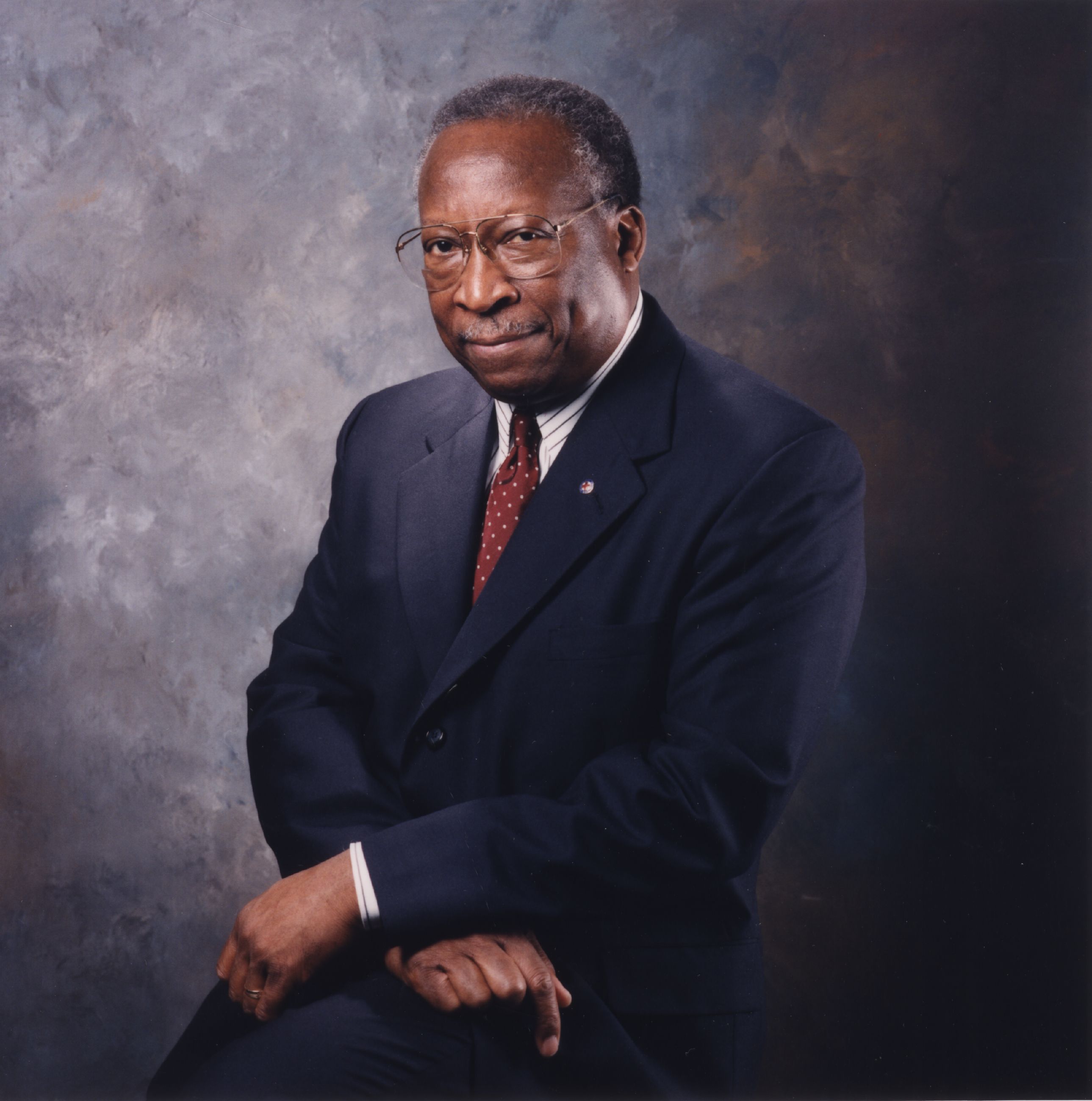
Honoring Steve Bullock during Black History Month

By Doug Bardwell, Red Cross volunteer
Northern Ohio has had their share of prominent African Americans:  Olympian Jesse Owens, author Toni Morrison, US Representative Stephanie Tubbs Jones, inventor of the modern traffic light Garrett Morgan, and first black mayor of a major U.S. city Carl B Stokes. But, closest to the hearts of Northern Ohio Red Crosser’s is none other than our own Steve Bullock.

Steve Delano Bullock was the youngest of 22 children born to a sharecropper family in segregated North Carolina. He was in the U.S. Army in Vietnam in 1962 when he first volunteered with the Red Cross. He found a fit in the organization that upholds impartiality – not discriminating based on nationality, race, religion, class or political beliefs – as one of its fundamental principles.

– Steve Bullock, Photo credit: Daniel Cima/American Red Cross

Steve began his career with the organization in 1962, working as a caseworker on military installations. His work took him and his family to military posts throughout the United States, Europe, and Southeast Asia. Twenty years later, he became the Chief Executive Officer and Chapter Manager of the Greater Cleveland Chapter.

In Cleveland, he oversaw the launch of Operation Save-A-Life, which aimed to reduce injuries and deaths due to home fires by providing residents in at-risk neighborhoods with fire safety education and free smoke alarms and installations. That initiative has been adopted by the Red Cross nationwide and, as of the end of 2021, more than 2.2 million alarms have been installed and more than 1,200 lives have been saved.

– Northern Ohio Sound the Alarm installation event

Steve Bullock’s career with the American Red Cross spanned six decades. During that time, he has been one of the hundreds of thousands of volunteers and paid staff striving to help Americans and people around the world prevent, prepare for and respond to emergencies.

But there’s one thing no other Red Crosser will ever be able to claim: Steve was the first African American to sit at the helm of our nation’s premier humanitarian organization, when he was named Acting President of the national agency in Washington, DC.

“You’d be hard-pressed to find a more inspiring role model than Steve,” says Mike Parks, Regional CEO of the Red Cross in Northern Ohio. “It’s no wonder our humanitarian award is named in his honor. He has lived a life of service to mankind.” 

Thank you, Steve Bullock, for your years of service to our military members, their families, and our mission. 

If you feel a call to serve as Steve did, the Red Cross has a veritable wealth of opportunities for your talents.  Start your journey here.

Tips to keep your pet safe the remainder of winter

.By Chris Chmura, American Red Cross volunteer

Despite a few days of above normal temperatures, winter is baaaack! The American Red Cross would like to share some useful tips to help your family pets get safely through the rest of this winter season.

The American Red Cross and the Humane Society of the United States recommend following these basic steps to keep your pets safe during Ohio’s long winter months:

Bring your pets inside, especially if you’ll be gone for several hours.

The American Society for the Prevention of Cruelty to Animals ®  (ASPCA ®) reports if pets are left outdoors, they can freeze, become disoriented, lost, stolen, injured, or killed. In addition, don’t leave pets alone in a car during cold weather, as cars can act as refrigerators that hold in the cold and cause animals to freeze to death.

If pets cannot come indoors, make sure they are protected by a dry, draft free enclosure. Make it large enough to allow them to sit and lie down, but small enough to hold in the pet’s body heat.

Raise the enclosure floor a few inches off the ground and cover it with cedar shavings or straw. Turn the enclosure away from the wind and cover the doorway with waterproof burlap or heavy plastic.

Make sure your animals have access to non-frozen drinking water. If you keep food and water outside, make sure their access to food and water is not blocked by snow drifts, ice or other obstacles.

Salt and other chemicals used to melt snow and ice can irritate a pet’s paws. Wipe their paws with a damp towel before your pet licks them and irritates their mouth. The ASPCA adds that you can also use petroleum jelly or booties to protect sensitive paws. Use pet-friendly ice melt products.

If you make shelter space in your garage, shed or other secondary building, check for chemical spills and wipe up any you find before your pet can come in contact with it. Antifreeze (for example) is sweet and attracts pets, but it a deadly poison. Store antifreeze out of reach.

Move other animals or livestock to sheltered areas and make sure they have access to non-frozen drinking water. If the animals are outside, make sure their access to food and water is not blocked by snow drifts, ice, or other obstacles.

Photo of Tye, provided by Christy Peters

Take care of their coat and skin. To avoid itchy, flaking skin, the ASPCA recommends keeping your home humidified and towel dry your pet as soon as he or she comes inside. Pay special attention to paws and in-between the toes. Remove any snow from between foot pads. If possible, keep your dog’s coat longer in winter for warmth. If your dog is short-haired, consider getting a coat or sweater for your pet. Keep pet bathing to a minimum when it’s cold to avoid dry skin. If your pet needs a bath, use a moisturizing shampoo.

Know your pet’s limits outdoors. The American Veterinary Medical Association (AVMA) reports you should be aware of how your pet tolerates cold weather and adjust as needed. Consult your veterinarian if you need advice.

Check your engine. A warm vehicle engine can be an appealing heat source for outdoor and feral cats, but it’s deadly. Check underneath your car, bang on the hood, and honk the horn before starting the engine to make sure a cat hasn’t taken refuge on your engine.

Use space heaters with caution. The heater can burn your pet or be knocked over, possibly starting a home fire.

Watch for hypothermia. If your pet is whining, shivering, anxious, slower than usual or stops moving, seems weak or starts looking for warm places to burrow, get them back inside quickly because they are showing signs of hypothermia. Frostbite is harder to detect and may not be fully recognized until a few days after the damage is done. If you suspect your pet has hypothermia or frostbite, consult your veterinarian immediately.

Be prepared: Winter can bring blizzards and power outages. Prepare an emergency kit and include your pet in your plans. Have enough food, water, and medicine (including any prescription medications as well as heartworm and flea/tick preventives) on hand to get through at least five days.

Avoid walking on frozen water. Stay away from frozen ponds, lakes, and other water. You don’t know if the ice will support your pet’s weight and falling through the ice could be deadly.

Photo of Winnie provided by Chris Chmura

Can I bring my dog to a Red Cross shelter?

Most American Red Cross shelters cannot accept pets because of health and safety concerns and other considerations. Service animals that assist people with disabilities are allowed in Red Cross shelters. Know which friends, relatives, boarding facilities, animal shelters or veterinarians can care for your animals in an emergency.

Download the Red Cross Pet First Aid app to put veterinary advice for everyday pet emergencies in the palm of your hand. With videos, interactive quizzes and simple step-by step advice it’s never been easier to know Pet First Aid.

More Resources for Pet Owners:
Pet Disaster Safety
Protect Your Pets from Heat
Pet Travel Safety
Pet Fire Safety

Edited by Glenda Bogar, American Red Cross volunteer
Blood donations: Who benefits?

By Samantha Pudelski, American Red Cross volunteer

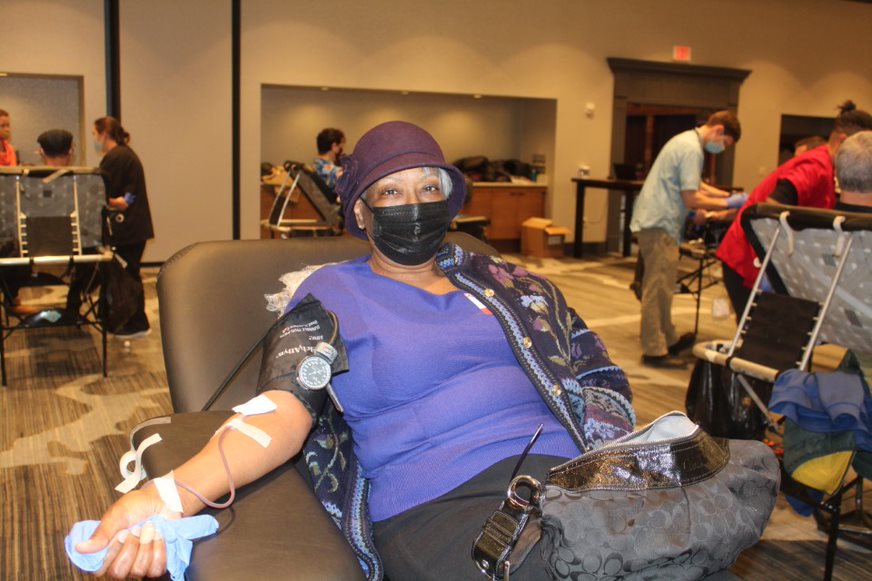
We’ve all seen the American Red Cross logo at one time or another in our lives. Many of us have seen it promoting a local blood donation drive being held that day as we drove down the road. We all know that blood is needed for us to live–but we may not always think of how many different individuals rely on blood donations, until we or someone we know needs it. In fact, in Northern Ohio the Red Cross provides blood for patients in more than 70 local hospitals in Cleveland, Akron, Youngstown and Toledo.

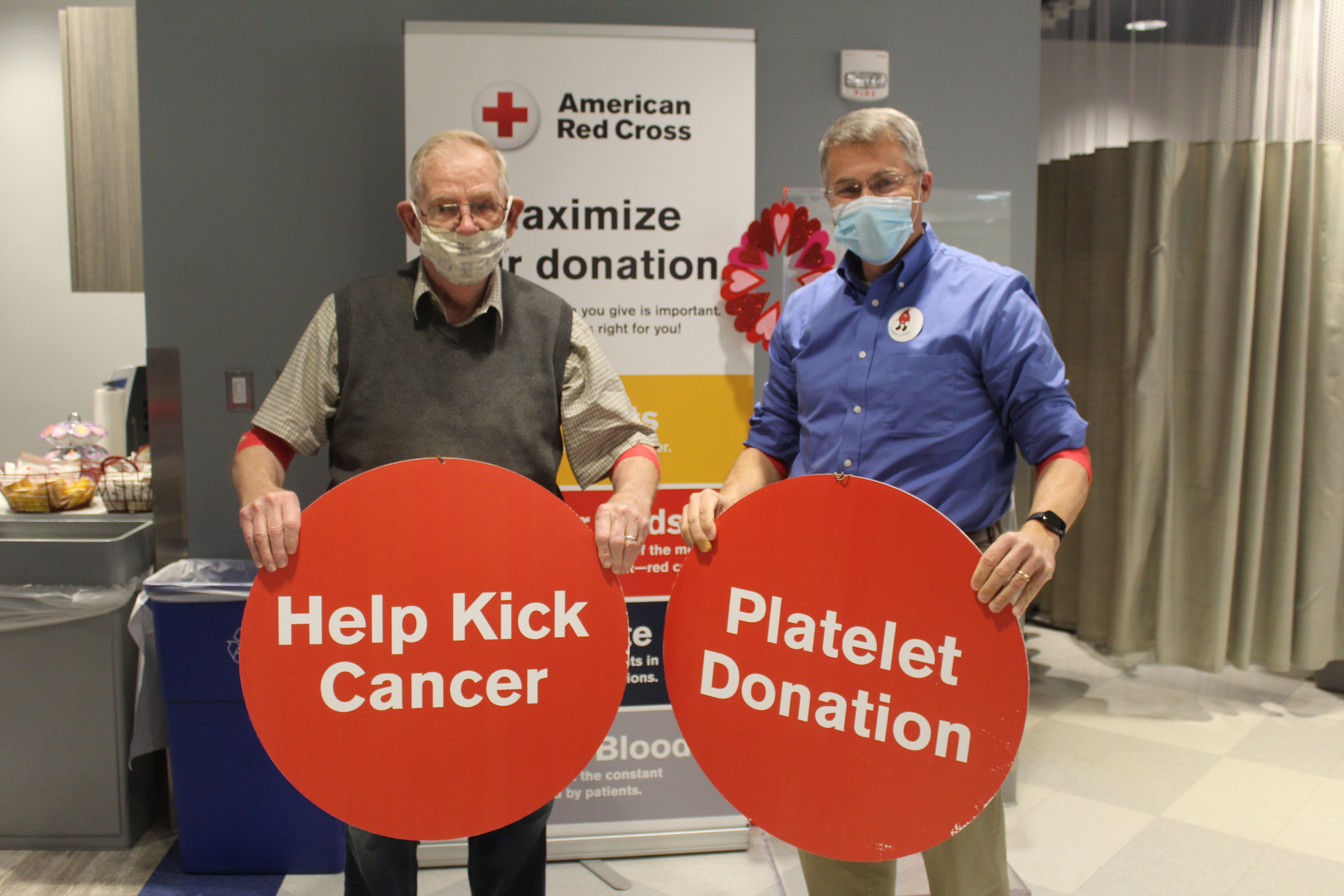
Platelet donors Al Whitney of Avon Lake and Vinton Smith of Gettysburg, PA

Who are some of the people who rely on blood donations? Below are just a few:

Cancer Patients

Cancer patients may need blood transfusions to implement platelets back into the body after treatments such as chemo or radiation therapy. Certain cancers can also affect a patient’s ability to produce their own platelets.

Trauma Patients

When a patient comes into an emergency department with a trauma injury and there’s no time to check the patient’s blood type, emergency providers use type O negative red blood cells and type AB plasma. O negative blood cells and AB plasma can be transfused into any patient, regardless of blood type. However, less than 7 percent of the population has type O negative blood, and only about 4 percent have type AB Blood. A constant flow of blood donors who have these blood types are critical to keep up with hospital demand, and to help emergency providers save lives.

Glinda Dames-Fincher, of Mayfield Heights has lived with sickle cell disease for more than 60 years and receives regular red cell exchanges as part of her treatment.

Sickle Cell Patients

Sickle cell disease affects about 100,000 people in the United States, and causes red blood cells to harden and form a C-shape. When these cells harden, they can get caught in blood vessels and cause serious complications like respiratory conditions, organ failure, stroke or severe pain. While there is no cure for the disease, there is a critical treatment—blood transfusions. 

Burn Patients

Burn patients may experience blood loss through surgery or anemia. These individuals may need blood transfusion to replace the blood or red blood cells lost. 

Patients Who Have Major Surgeries

Patients who have a major surgical procedure may need a blood transfusion to replace any blood loss that occurred during their surgery.

Patients with Chronic Diseases

Patient with certain chronic diseases or disorders may require blood transfusions. Some may need blood transfusions throughout their lives. 

The next time you see one of those signs, one of our advertisements or think about the Red Cross, take the next step. Schedule an appointment to donate blood. Your donation helps people in your community – and you never know if that person could be standing right beside you. To take that next step now, visit www.redcrossblood.org/give.html/find-drive to find an upcoming blood drive or donation site near you.

Edited by Glenda Bogar, American Red Cross volunteer

Weekend disaster responses include helping people affected by flooding

Jewett Flooding

Flooding during the President’s Day weekend kept some Red Cross disaster workers busy across the Northern Ohio Region. Heavy rains in some parts of the region, along with melting snow caused flood damage that brought a Red Cross response to Lorain, Stark, Wayne and Harrison counties.

The village of Jewett in Harrison County was especially hard hit. Red Cross disaster program managers Tim Reichel and Mike Arthur were accompanied by volunteers Dan Best and Arden Tohill on Saturday, when they distributed clean-up kits to nearly two-dozen affected residences.

Jewett Flooding

“Those buckets have everything they need to get a good start,” Tim said during an interview with WTOV 9 news. “They’ve come out of their homes, they’ve welcomed us, we’ve gotten a few hugs along the way,” Tim continued. “It’s what we do and it’s a pleasure to do it.”

Weekend responses also included home fires in Cleveland, Akron, Wooster, and Masury, Ohio in Trumbull County. More than 60 children and adults received Red Cross assistance throughout Northern Ohio.

February has been a very busy month for Red Cross Disaster Action Teams. Responses are up more than 30% over February of 2021, and Red Cross caseworkers are continuing to help hundreds of people find a path to recovery.

While President’s Day is a federal holiday, the Red Cross remains ready to respond to emergencies, today and every day of the year.

“While many will be relaxing with family and friends, our teams remain vigilant,” said Tim O’Toole, Regional Disaster Officer.

Jewett Flooding

If you’d like to help neighbors in need following a home fire, flooding or some other disaster, visit redcross.org/volunteer to apply for a spot on our Disaster Action Teams. The Red Cross is also in need of trained medical and mental health professionals to assist people following disasters big and small. A virtual information session for licensed healthcare and mental healthcare providers will be held this Thursday, February 24, from 12:00 to 1:00 pm. To RSVP for this event, email neovolunteer@redcross.org, or call 216-431-3328. A Microsoft Teams meeting link will be emailed to you prior to the event. A conference call option will also be available.

Pennsylvania platelet donor visits Northern Ohio on quest to donate in 50 states

Vinton Smith has now donated blood in 45 states, and while he indeed plans to donate in the five states remaining (Idaho, Nevada, Montana, Alaska and Hawaii), he has begun yet another quest: To donate platelets in all 50 states.

Vinton Smith at the Warzel Donation Center in Cleveland

“I’m inspired by recalling my dad’s work ethic and his dedication to donate, and by my mom’s compassion to help others,” said the Gettysburg, Pennsylvania man as he donated platelets at the American Red Cross Warzel Donor Center in Cleveland on Jan. 31.

He is also inspired by Al Whitney of Avon Lake, Ohio. Al has donated platelets in all 50 states twice. Vinton made a point of meeting Al after they connected through a donor website. 

Al Whitney, making his 1016th platelet donation on January 31, 2022

“It’s remarkable, how dedicated he is,” Vinton said of Al. 

His donation comes at a critical time for patients in hospitals who are counting on blood and blood products like platelets for their treatment. The Red Cross is in the midst of a national blood emergency – it’s worst shortage in more than a decade, posing a concerning risk to patient care. The Red Cross has had less than a one-day supply of critical blood products in recent weeks – well below the ideal five-day supply.

Platelets are cell fragments in our blood that form clots and stop or prevent bleeding. They can be essential to helping patients survive surgeries such as organ transplants, and to fight cancer, chronic diseases and traumatic injuries.

Al Whitney and Vinton Smith

“Donating blood or platelets is doing something good to help someone else,” Vinton said.

He appears to be an inspiration to his children, both students at Penn State, as his father was an inspiration to him. Even at their young age, they have both donated blood many times.

Ohio is now the fifth state where Vinton has donated platelets.

When told his story would be shared by the Red Cross, he said, “I’m hopeful that it will inspire others, even just one more person, to take the time to donate life through blood or platelets.”

First-time blood donor gives to meet nationwide shortage, more donors needed

By Eilene Guy – Red Cross Volunteer

Last Saturday was a red-letter day for me: My husband donated blood for the first time.

Don Guy – First-time blood donor

I’ve nagged the poor man for years to join me, but he always deferred. That seemed odd: He’s generous with his time and talents, he’s a compassionate person and he’s not needle-phobic (that I know of).

“It just wasn’t my thing, but after the years of incessant bugging, the nationwide blood shortage finally tipped the scales,” he admitted with a grin.

Fortunately, the phlebotomist we had at the American Red Cross blood drive was really skillful. I know, because she “stuck” me too.

“If you want to look away, now would be the time,” she said. “A pinch and a little burn,” and the needle was in — – with hardly a pinch a burn. Honest.

Eilene Guy – Blood donor

I have the Red Cross Blood Donor App on my phone and I’m looking forward to seeing where my blood goes. Will it go as a whole blood transfusion? Or will it be separated into the component parts —– plasma, platelets and red blood cells —– to potentially save three lives?

In January, the Red Cross declared a national blood crisis because the blood supply had fallen to the lowest levels in more than a decade amid the latest surge in COVID-19 cases. And severe winter weather forced the cancellation of more than 300 blood drives that month, which added to the emergency.

The crisis is impacting health care nationwide, including right here in northern Ohio. A friend of mine’s heart surgery was delayed until there was enough blood on hand of her individual blood type. Imagine how nerve-wracking that would be.

Apparently the number one reason people don’t donate blood is that they haven’t been asked, so I’ve set myself a winter goal of asking, urging, convincing at least five people to donate blood for the first time. I hope if they do it once, they’ll become repeat donors.

If you’re reading this, consider yourself asked: Please, give donating blood a try. What have you got to lose? And think of what the recipient of that blood has to gain, be they an accident victim, surgery patient, parent undergoing a difficult childbirth, or person with an on-going need, such as someone with cancer or sickle-cell disease.

To find a blood drive near you, go to http://www.redcrossblood.org or call 1-800-REDCROSS. Be sure to make a reservation: That cuts down on the wait time for all donors and the Red Cross certainly doesn’t want to turn anyone away.

Please, give the gift that can’t be manufactured. There is no substitute for blood, and the only way to collect it is from generous donors.

More than 260 donations made at the Give from the Heart at annual blood drive

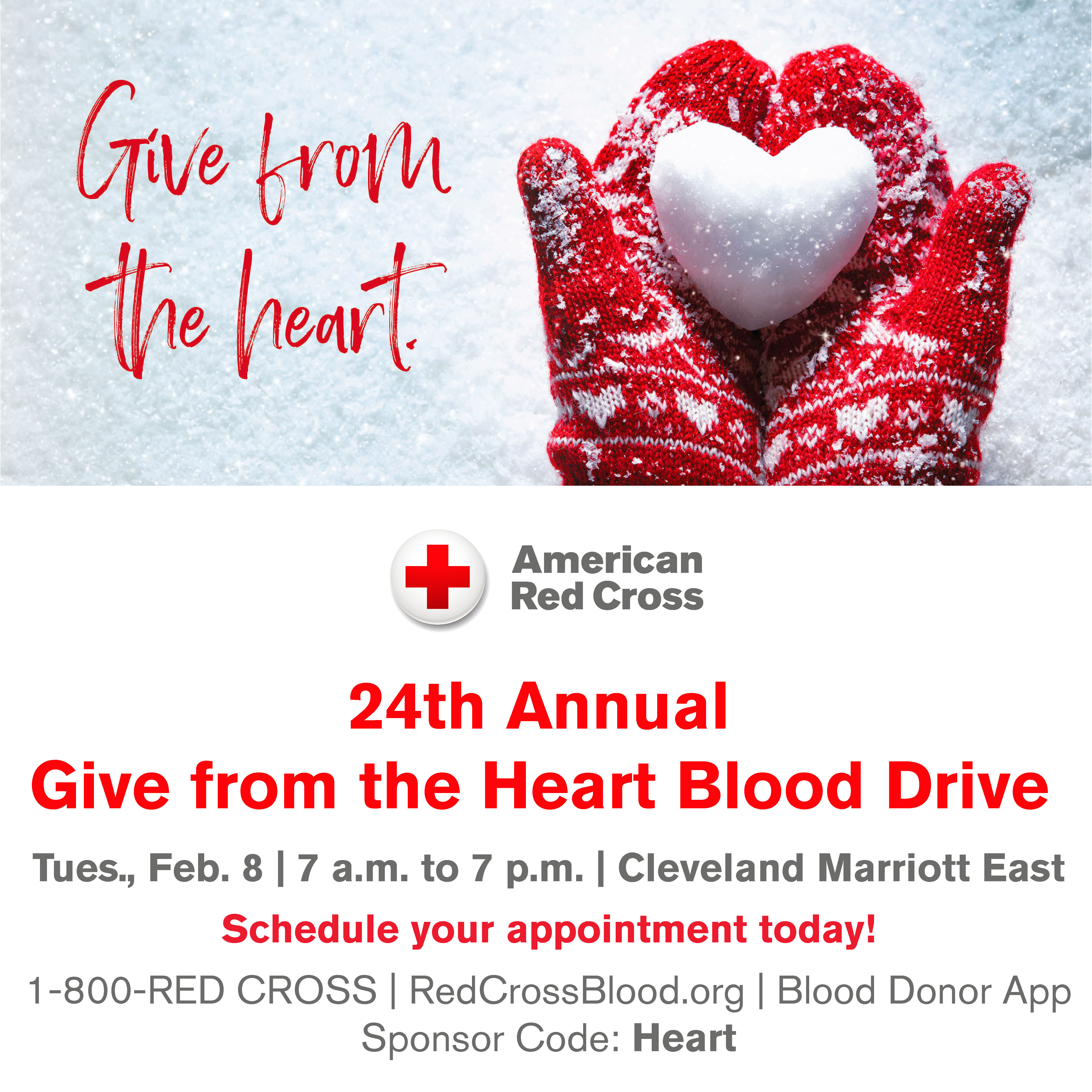
For 23 years, the Give from the Heart blood drive has been a lifesaving tradition in Northern Ohio. This year’s event was held last Tuesday, Feb. 8 at the Cleveland Marriott East in Warrensville Heights.

This blood drive came at a vital time, as the Red Cross continues to struggle with a national blood crisis. The current nationwide shortage has been further impacted by winter weather across the country, with about 600 blood drives cancelled forcing 20,000 donations to go uncollected.


Across the Northern Ohio Region, 21 blood drives were cancelled Thursday, February 3 leaving more than 730 donations uncollected.

The more than 260 donations made at the Give from the Heart blood drive will potentially help up to 800 patients.

We encourage donors to make an appointment for future blood drives by visiting redcrossblood.org, calling 1-800-RED CROSS (1-800-733-2767), or downloading the free Red Cross Blood Donor App.

Each Red Cross blood drive and donation center follows the highest standards of safety and infection control, and additional precautions – including face masks for donors and staff, regardless of vaccination status – have been implemented to help protect the health of all those in attendance.

If you are not able to give blood, the Red Cross also needs blood drive volunteers and blood transportation specialists to support critical blood collections. Blood drive volunteers play an important role by greeting, registering, answering questions and providing information to blood donors throughout the donation process. Blood transportation specialists provide a critical link between blood donors and blood recipients by delivering blood to hospitals our local communities. To learn more and sign-up, visit redcross.org/volunteertoday.

Multiple weekend fires force dozens to flee their homes

Red Cross disaster workers respond to 17 calls for help

85 residents of Northern Ohio – including more than two-dozen children – spent part of the weekend seeking shelter, following 17 separate calls for assistance due to home fires. 

One of the first calls on Friday night came from Strongsville, where fire affected 18 units of an apartment building complex.

Disaster Program Specialist Jessi Graber responding to fire in Strongsville

Multiple family fires also occurred over the weekend in Elyria, Bowling Green, Rossford (Wood County) and Toledo, where three multiple family fires occurred.

Red Cross volunteer disaster responder Bob Osicki, also in Strongsville

“It’s important for people to use extreme caution if using space heaters or other alternatives to help heat their homes,” said Mike Parks, Regional CEO, American Red Cross of Northern Ohio.  “While we don’t determine the cause of these fires, we do know that alternative heating sources are a major contributor to home fires this time of year.”

Red Cross volunteers who responded to these fires provided the affected residents with more than $20,000 collectively in immediate financial assistance, to help these families find a safe and warm place to stay, get something to eat, replace clothing or fulfill other needs.

The funds are provided by generous donors, who contribute to the Red Cross disaster relief fund, to help during and after disasters big and small.

Donations to help people affected by disaster can be made here.  And to learn more about becoming a Red Cross volunteer disaster responder, visit us here.

Blood and platelet donations still critically needed amid first-ever Red Cross blood crisis

While there has been a significant and encouraging response to the dire need for blood across the nation, the American Red Cross needs more people to give in the weeks ahead to recover from its worst blood shortage in more than a decade. Those interested in helping are urged to schedule the earliest-available blood or platelet donation appointment in their area to help ensure accident victims rushed to the emergency room, those being treated for cancer and others who count on blood product transfusions can receive lifesaving care without delay.

Since the Red Cross issued its first-ever blood crisis alert, severe winter weather has further complicated efforts to rebuild the blood supply. Hundreds of blood drives have been canceled across the country, including here in Northern Ohio, due to winter storms in January, forcing about 6,500 blood and platelet donations to go uncollected.

As February approaches, and the effects from the spread of the omicron variant and winter weather persist, people are urged to make an appointment now to give blood or platelets in the weeks ahead by using the Red Cross Blood Donor App, visiting RedCrossBlood.org or calling 1-800-RED CROSS (1-800-733-2767).

As a thank-you for coming out to help save lives during this blood crisis, Krispy Kreme is offering those who come to give blood or platelets a free Original Glazed® dozen through the end of January. To receive the free Original Glazed dozen, visit a participating Krispy Kreme shop by Jan. 31 and present a donation sticker or a digital blood donor card through the Red Cross Blood Donor App.

Those who come to give blood or platelets Feb. 1-28, 2022, will receive a $10 Amazon.com Gift Card via email, thanks to Amazon.*