NOHredcross

American Red Cross of Northern Ohio Region

NOHredcross

Red Cross internship offers unique perspective and community-building skills for local social work students

By Jason Copsey, American Red Cross volunteer

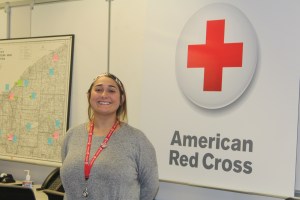
November 8, 2019 – When Jessi Graber, a senior in Cleveland State University’s School of Social Work was considering internship opportunities, she was surprised to see ‘American Red Cross Disaster Relief’ as an option.

“I thought it was interesting because I knew about the Red Cross blood blood drives, but I never considered the Red Cross for case work,” said Jessi. “I got excited when I learned how much the Red Cross helps families and supports the community.”Jessi

Jessi applied to become a Red Cross Disaster Relief intern through her program at CSU. The American Red Cross of Northeast Ohio partners with Cleveland State University to place students in internship programs, a requirement for graduates of its School of Social Work.

                    Jessi Graber

“The internship program is a great opportunity for students to experience a unique side of social work,” said Ben Bellucci, Disaster Program Manager, American Red Cross of Greater Cleveland.

Out of more than a dozen applicants each year, five CSU students become interns in the Red Cross Disaster Services office. Interns work at the Red Cross between 13 and 18 hours per week supporting the recovery side of the Red Cross Disaster Program. They assist individuals and families displaced by man-made or natural disasters. A number of CSU students have also taken on support of the complete cycle of disaster services, including preparedness, response and recovery.

“We start each internship by building a plan for continual development,” said Ben. “Each week students provide their own assessment of themselves, how they did for the week and how they feel they are progressing in the internship. I add input as a supervisor on their progress toward achieving goals.”

Red Cross interns work for two semesters, beginning in August and ending in May. The program is structured to establish a baseline through the first semester and develop leadership and management skills during the second. Case work often adds context to class work for Red Cross interns.

“The social work competencies can be very academic in a classroom setting,” said Jessi. “But they come to life in the internship. I get to refer back to the things I’m learning, and it is a completely different perspective.”

Jessi2

One of the strongest benefits of the Red Cross Disaster Relief internship is the unique pace. At the state and county levels, it is not uncommon for case workers to follow clients for a year or more. At the Red Cross, clients cycle through in 35 days, on average.

“Because it is such a fast environment, building a relationship quickly is important,” explained Ben. “Our interns become extremely detail-oriented and learn to make connections quickly. By the time they graduate, they are able to identify gaps and recovery roadblocks immediately and know how to work around them.”

For Jessi, the best part about the experience so far has been building relationships with clients and seeing a different side of the community. She spends time each day checking in with clients via phone, email or in person, ensuring their needs are being met and that progress is made.

“No two days are alike, because no two clients are alike,” said Jessi. “Being able to help families who have experienced significant trauma is why I became interested in case work in the first place.”

For more information on internships with the Red Cross, visit our website.

Edited by Glenda Bogar, American Red Cross volunteer

You can give blood even after getting a flu shot

Vaccination Does Not Prevent Blood Donation

October 16, 2019- Flu season is underway, and it is expected that more than half of the U.S. population will get a flu vaccine this year according to the National Foundation for Infectious Diseases (NFID). However, the American Red Cross does not defer individuals from donating blood after receiving the influenza vaccine if they are symptom-free and meet all other donation eligibility requirements.

Did you read that?  You can still give blood, even after getting a flu shot!

flushot

Important Flu and Blood Facts

The flu vaccine can be administered by a flu shot or intranasal. Neither are cause for a blood donation deferral and there is no risk of transmitting the influenza virus after receiving the vaccine. Additionally, influenza virus has not been shown to be transmitted through blood transfusion.

If you have the flu, it is important to wait until you no longer have symptoms and have recovered completely before attempting to donate. All blood donors must feel healthy and well on the day of donation.

Preventing the Flu

According to the Centers for Disease Control (CDC), millions of people in this country get sick with flu every year, hundreds of thousands are hospitalized and, unfortunately, tens of thousands die. The best way to help avoid getting influenza is to get vaccinated every year.

While seasonal influenza (flu) viruses are detected year-round in the United States, flu viruses are most common during the fall and winter. Influenza activity often begins to increase in October and most times peaks between December and February, although activity can last as late as May. It takes about two weeks after receiving your vaccine for the antibodies that protect against flu to develop in the body so it’s important to get your vaccine now.

The CDC recommends that everyone be vaccinated by the end of October. Children 6 months through 8 years of age who need 2 doses should receive their first dose as soon as possible after vaccine becomes available to allow the second dose (which must be administered at least 4 weeks later) to be received by the end of October.

AT HIGH RISK FOR FLU:

  • Adults 65 years and older
  • Children younger than 2 years old – although all children younger than 5 years old are considered at high risk for serious flu complications, the highest risk is for those younger than 2 years old, with the highest hospitalization and death rates among infants younger than 6 months old.
  • Pregnant women and women up to 2 weeks after the end of pregnancy
  • People who live in nursing homes and other long-term care facilities

The CDC also reports people with the following health and age factors are also at an increased risk of getting serious complications from the flu:

  • Asthma
  • Neurologic and neurodevelopment conditions
  • Blood disorders
  • Chronic lung disease
  • Endocrine disorders
  • Heart disease
  • Kidney disorders
  • Liver disorders
  • Metabolic disorders
  • People who are obese with a body mass index [BMI] of 40 or higher
  • People younger than 19 years of age on long-term aspirin- or salicylate-containing medications.
  • People with a weakened immune system due to disease or medications

Flu vaccine is available now in many locations such as your doctor’s office, pharmacies, grocery stores and health departments. Your vaccine will help protect you throughout the 2019-2020 flu season.

flusafety

DO I HAVE THE FLU? The common signs of influenza are high fever, severe body aches, headache, being extremely tired, sore throat, cough, runny or stuffy nose and vomiting and/or diarrhea (which is more common in children). If you think you have the flu, call your health care provider. Seek immediate care if you have any of these symptoms:

  • Fast breathing, trouble breathing or bluish skin color.
  • Pain or pressure in the chest or abdomen (adults).
  • Confusion or sudden dizziness.
  • Not drinking enough fluids, not being able to eat, or severe or persistent vomiting.
  • Flu-like symptoms that improve but then return with fever and worse cough.
  • Not waking up, being so irritable that the child does not want to be held or not interacting (children).
  • Fever with a rash (children).
  • No tears when crying or significantly fewer wet diapers than normal (children).

 YOU CAN HELP STOP THE FLU FROM SPREADING

  • Cover your nose and mouth with a tissue or sleeve when coughing or sneezing and throw the tissue away after use. If a tissue isn’t available, cough or sneeze into your elbow, not your hands.
  • Wash hands often, especially after coughing or sneezing. If soap and water are not available, use an alcohol-based hand-sanitizer.
  • Avoid touching your eyes, nose or mouth.
  • Avoid close contact with people who are sick.
  • Stay home if you’re sick.

More information about how to help keep you and your loved ones protected from the flu is available on this website and in the free Red Cross First Aid App. See all the Red Cross apps at redcross.org/mobileapps.

How Healthy Individuals Can Donate Blood

Learn more about how to stay healthy this flu season so you can help patients in need. You can find more information about preventing the flu at redcross.org, as well as receive guidance on the flu from the Centers for Disease Control and Prevention (CDC).

Schedule an appointment to give blood with the American Red Cross by visiting RedCrossBlood.org, using the Red Cross Blood Donor App, calling 1-800-RED-CROSS or activating the Blood Scheduling Skill for Amazon Alexa.

All blood types are needed to ensure a reliable supply for patients. A blood donor card or driver’s license or two other forms of identification are required at check-in.

You must be 17 years of age in most states (16 with parental consent where allowed by state law), weigh at least 110 pounds and be in generally good health to be eligible to donate blood. High school students and other donors 18 years of age and younger also have to meet certain height and weight requirements.

You can save time at your next donation by using RapidPass® to complete your pre-donation reading and health history questionnaire online, on the day of your donation, before arriving at the blood drive or donation center. To get started, follow the instructions at RedCrossBlood.org/RapidPass or use the Red Cross Blood Donor App.

Local volunteers preparing to help residents affected by Dorian

Hurricane Dorian made landfall Sunday afternoon in the Bahamas as a Category 5 storm leaving behind catastrophic damage—from destroyed homes to contaminated water sources. While a complete picture of the damage isn’t available yet, it’s clear the storm is dealing a devastating blow to families on the islands.

Bahamas Red Cross volunteers and pre-positioned relief supplies—such as tarps, hygiene items, jerrycans, and hand-crank cell phone chargers—are at the ready.

Hurricane Dorian 2019

September 1, 2019. Orlando, Florida. Seven-year-old Deshawa hold his sister, 1-year-old Keelen, while talking with a Red Cross worker at the Evans High School evacuation center. The children’s family came to the evacuation center to escape the expected high winds and torrential rainfall associated with Hurricane Dorian. Photo credit: Daniel Cima/American Red Cross

In the U.S., the American Red Cross is preparing to help tens of thousands of people in the path of Hurricane Dorian as the extremely dangerous storm tracks towards the southeast coast. While the exact path of Dorian is still uncertain, millions of people live in areas that could be impacted by wind, rain, flooding and a high storm surge, even if the storm doesn’t make direct landfall on the coast.

The Red Cross is coordinating with community partners and emergency responders to prepare evacuation centers as planning estimates indicate as many as 60,000 people in Florida, Georgia, South Carolina and North Carolina may need help. Sunday night, some 2,600 people sought refuge in 60 Red Cross and community evacuation shelters in Florida. We are mobilizing over 1,600 trained volunteers from all over the country, including 14 from Northeast Ohio.

Media coverage of Red Cross volunteers preparing to deploy on Sunday was extensive

Two emergency response vehicles from the region are among the 110 vehicles being deployed, and 99 tractor-trailer loads full of relief supplies, including cots, blankets and 63,000 ready-to-eat meals are on the way.

While the Red Cross does not typically collect and distribute blood in Florida, we have sent approximately 350 blood products to local blood centers there to ensure patients in need continue to have access to lifesaving blood. The Red Cross has also pre-positioned additional blood products and stocked many of our hospitals to capacity in areas of the Southeast likely to be impacted by the storm early next week.

Get ready for emergencies during National Preparedness Month

By Doug Bardwell, American Red Cross volunteer

August 30, 2019- Are you ready for an extended power outage? Could you, for example, provide your family with food and water for two weeks if the unthinkable happened?

As Hurricane Dorian approaches the southeast coast of the U.S., with potentially 50,000 people in Florida, Georgia and South Carolina in need of emergency shelter, the importance of getting prepared for any possible emergency is clear.

preparedness month 1

Most Clevelanders don’t expect a hurricane. But do you remember the power grid problems that once plagued us, right here in Northern Ohio?

Think back to August 2003

Eight U.S. states and Ontario, Canada, were left without power for up to two weeks when a power grid failure started outside Cleveland, Ohio, on Aug. 14, 2003. One of the first, dire side effects in Cleveland was that people in higher elevations would only have a three-hour supply of water.

Electric pumps could not deliver replacement water to the municipal water towers. Gas pumps did not work. Elevators did not work. Traffic lights did not work. Cash registers did not work. ATMs did not work. Business came to a halt.

Stores in my neighborhood were sold out of water and batteries in less than three hours; and they only accepted buyers with cash.

It was 14 days before all 55 million affected residents had their power restored. How would you fare if that happened today?

In honor of National Preparedness Month this September, we propose five simple tips to get ready:

  1. We are so dependent on our cellphones that you really need to consider having a backup battery source. Keeping a charged, high-capacity battery pack, like one of these, can recharge your phone multiple times.
  2. Personal emergency lights like the Red Cross Blackout Buddy are always charged and can provide a nightlight option.
  3. Do you know how to open your garage door if the power goes out? Most garage doors are controlled by an automatic garage door opener, which won’t work without electricity. However, just about all have a pull chain or cord that will release the door so you can operate it manually. Learn how it works before the power goes out.
  4. If a power surge hits your home, it could fry your computer’s hard drive and you could lose all your documents and photos. Do you keep copies of important items “in the cloud” on one of the free online storage applications like Dropbox, OneDrive or Google Backup and Sync? Even if your computer is destroyed or lost, those files will always be available at a later date if stored in the cloud.
  5. Portable camp stoves come in a variety of sizes and prices. Having one on hand is great if you need to boil water for baby bottles or to make coffee or oatmeal. Many have multiple burners that can cook entire dinners. Use only outside with good ventilation.

If you’ve read this far – congratulations. To be even better prepared, watch the video, download the   and read more here. The question isn’t, “Could it happen again?” The question is, “When will it happen again?” However, the most important question is, “Will you be ready?”

Edited Glenda Bogar, American Red Cross volunteer

Help keep students cool as fall practice starts

By Samantha Pudelski, American Red Cross volunteer

August 23, 2019- As kids head back to school in Northeast Ohio and practice begins for fall sports and activities, summer heat and humidity can be especially hazardous to students as they play in the late summer heat.

American football

Coaches can help keep their students safe with a few tips from the American Red Cross:

  1. Avoid scheduling practice outside during the hottest times of the day. Instead, schedule them for early in the day or later in the evening.
  2. Help players acclimate to the heat by reducing the intensity of workouts until they are more accustomed to the heat.
  3. Plan frequent, longer breaks when practicing in the heat. Stop about every 20 minutes for water breaks to keep everyone hydrated and take breaks in the shade, if possible.
  4. Coaches should reduce the amount of heavy equipment athletes wear in the extremely hot weather. Dress athletes in net-type jerseys or lightweight, light-colored cotton T-shirts and shorts.
  5. Know the signs of heat-related emergencies and monitor athletes closely. Athletes should inform a coach if they are not feeling well. Excessive heat can lead to sunburn, heat cramps, heat exhaustion and heat stroke.

Heat Cramps

If someone is experiencing heat cramps in the legs or abdomen, get them to a cooler place, have them rest, lightly stretch the affected muscle, and replenish their fluids with a half a glass (about 4 ounces) of cool water or an electrolyte-containing fluid (sports drink, fruit juice or milk) every 15 minutes.

Heat Exhaustion

If someone is exhibiting signs of heat exhaustion (cool, moist, pale or flushed skin, heavy sweating, headache, nausea, dizziness, weakness, exhaustion), move them to a cooler place, remove or loosen tight clothing and spray the person with water or apply cool, wet cloths or towels to the skin. Fan the person. If they are conscious, give small amounts of cool water to drink and make sure the person drinks slowly. Watch for changes in condition. If the person refuses water, vomits or begins to lose consciousness, call 911.

StayWell PHSS stock photography

Heat Stroke LIFE-THREATENING

Signs of heat stroke include hot, red skin, which may be dry or moist; changes in consciousness; rapid, weak pulse; rapid, short breathing; confusion; vomiting; and high body temperature. Call 911 immediately if someone shows signs of heat stroke. Move the person to a cooler place. Quickly cool the person’s body by immersing them up to their neck in cold water, if possible. Otherwise, douse or spray the person with cold water, or cover the person with cold, wet towels or bags of ice.

RESOURCES FOR COACHES

  • Take a Red Cross Training class to become certified! The Northeast Ohio Region of the Red Cross offers classes in CPR, Basic Life Support (BLS), AED defibrillation and First Aid to be prepared in case an athlete is in need of care. Find a local class near you.
  • First Aid, Health and Safety for Coachesis an online course developed by the Red Cross and the National Federation of State High School Associations to provide an overview of first aid and “best practices” for first aid situations encountered by coaches, including injuries to officials, fellow coaches or spectators.
  • Download the Red Cross First Aid App, which provides users instant access to information on handling the most common first aid emergencies, including heat-related emergencies. Download the app by searching for ‘American Red Cross’ in your app store or at org/apps.

Edited by Glenda Bogar, American Red Cross volunteer

Steps to help you cope after shootings in Dayton and Texas

Red Cross responses to several disasters over weekend, including Elyria gas shutdown

By Eric Alves, Regional Communications Specialist, American Red Cross of Northeast Ohio

Over the weekend, the American Red Cross of Northeast Ohio responded to several disasters across the region.

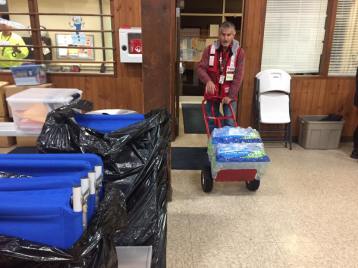
47226259_10161035265440425_6709877211534458880_nThe Red Cross responded to seven incidents in Cuyahoga, Lorain, Mahoning, Stark and Trumbull Countries, assisting eight adults and 13 children and distributing more than $4,255 in immediate financial assistance to help the needs of residents in Northeast Ohio during their darkest hours.
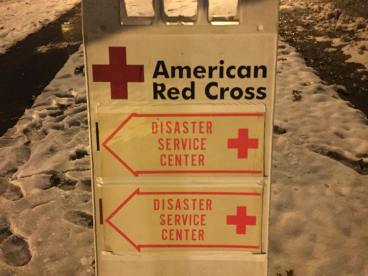
One response that highlights the Red Cross’ commitment to prevent and alleviate human suffering in the face of emergencies occurred in Elyria.

Following a gas shutoff by Columbia Gas, the Red Cross immediately sprang into action to open a shelter in the city. Seven dedicated disaster services volunteers opened and 47208541_10161036668125425_251000959679856640_noperated the shelter for 24-hours a day over a three-day period, providing the residents of Elyria an opportunity to escape the cold, to enjoy snacks and beverages and to receive assistance and care.
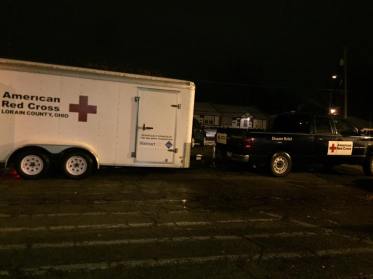
This shelter not only showcases the Red Cross’ commitment to the city of Elyria and its residents, but that whenever there is a disaster or need in Northeast Ohio, the Red Cross will continue to answer the call to provide support and care wherever it is needed.

The Northeast Ohio Region of the Red Cross is prepared 24 hours per day and seven days a week to prevent, prepare for and respond to emergencies. However, we are unable to 47026729_10161035265435425_1725402218091249664_nserve the 22 counties and 4.5 million residents of Northeast Ohio without the tremendous dedication of our volunteers, which make up 90 percent of our workforce. Our volunteers are truly the face of the Red Cross. If you are interested in making an impact in local communities, the Red Cross is always looking for volunteers. To volunteer, visit redcross.org/volunteer or contact our Volunteer Services Department directly at 216-431-3328 or NEOvolunteer@redcross.org.

A gift that can make a difference

By Sue Wilson, Summit, Portage, and Medina Counties Chapter board of director. Edited by Glenda Bogar, American Red Cross volunteer. 

The holiday season is a time for family and festivities. It is also a time for shopping. Yep . . . starting today with Black Friday, we will be overwhelmed with “deals” filling our inboxes, mailboxes, TV screens and news feeds. We will see and hear ads on every media source out there rivaled only by the political ads we just made it through.

183401-18-Holiday-Campaign-2018_Social-Media-Plan_Facebook-Post-Graphic_2_FINALFor many of us, it’s hard to think about a joyful holiday when so many people all over our great country are suffering unimaginable loss. News of more lives lost and the devastation and grief of the victims of the California wildfires greets us daily. And much of our nation is still dealing with the aftermath of this past year’s hurricanes and other localized tragedies like home fires. If the idea of buying a bunch of stuff, most of it not really needed, is hitting you this year, there’s something you can do.

Give something that means something. Give to the American Red Cross.

Donate in the name of a loved one. Wrap the receipt in an envelope and place it in a stocking. Make this type of gift giving a topic of conversation at the dinner table. Ask yourself this question: Can you remember the gifts you received last Christmas? Can you remember the gifts you bought others? Probably not. But one thing you may be able to remember, is that you spent a lot of money.

Wouldn’t it be great if you gave a gift this year that was not only memorable . . . but made a real difference?

A few facts:

  • After a disaster, the Red Cross works with community partners to provide hot meals, snacks and water served in shelters or from Red Cross emergency response vehicles in affected neighborhoods.
  • Trained Red Cross volunteers and employees are ready to deploy within hours of a disaster to help. No one else does this—not the government, not other charities.
  • From small house fires to multistate natural disasters like the wildfires in California, the American Red Cross goes wherever needed so people can have clean water, safe shelter and hot meals when they need them most.

This year, you can give a unique and meaningful gift that can make a difference to help the people met by the Red Cross every 8 minutes who have been devastated by a disaster. 183401-18-Holiday-Campaign-2018_Social-Media-Plan_Facebook-Post-Graphic_3_FINAL

If you want to donate financial assistance for a specific disaster this past year, you can learn more by when you visit Hurricane Florence Financial Assistance Program and Hurricane Michael Financial Assistance Program. To learn about Red Cross assistance to support long-term recovery efforts, please visit Hurricane Harvey Recovery Program, Hurricane Irma Recovery Program, or California Wildfires Recovery Program.

Know that any donation made will be used it where it is needed most.

Your gift this holiday season can bring hope to those in need. This year, give something that means something. Give a gift that can make a difference.

Visit redcross.org/gifts.

10 cooking safety tips to keep you safe this Thanksgiving

By Eric Alves, Regional Communications Specialist, American Red Cross of Northeast Ohio. Edited by Glenda Bogar, American Red Cross volunteer.

Families across Northeast Ohio are preparing to see family and friends and celebrate the start of the holiday season around the dinner table. We’re  dreaming of turkey, pumpkin holiday-cooking-tips-twpie and football. While this time of year is exciting, our homes do not always look like a Norman Rockwell painting. It tends to be chaotic. There are kids and pets running around, aunts and uncles from across the country trying to get your attention and people enticed by the aromas trying to steal a taste of turkey. All this chaos can be overwhelming and distracting, which is why each year Thanksgiving is one of the leading days for home cooking fires.

Here are from 10 tips from the American Red Cross to help you protect yourself and your family from home fires:

  1. Install a smoke alarm near your kitchen, on each level of your home, inside bedrooms and outside sleeping areas. Use the test button to check it each month. Replace all batteries at least once a year if your smoke alarm requires it.
  2. Consider purchasing a fire extinguisher to keep in your kitchen. Contact your local fire department to take training on the proper use of extinguishers.
  3. While cooking, don’t wear loose clothing or sleeves that dangle.
  4. If you are frying, grilling or broiling food, never leave it unattended—stay in the kitchen. If you leave the kitchen for even a short period of time, turn off the stove. Unattended cooking is the leading cause of cooking fires.
  5. If you’re simmering, baking, roasting or broiling food, check it regularly.
  6. Use a timer to remind yourself that the stove or oven is on.
  7. Keep kids and pets away from the cooking area. Make them stay at least three feet away from the stove.
  8. Keep anything that can catch fire—pot holders, oven mitts, wooden utensils, paper or plastic bags, food packaging, towels or curtains—away from your stove, oven or any other appliance in the kitchen that generates heat.
  9. Clean cooking surfaces on a regular basis to prevent grease buildup.
  10. Always check the kitchen before going to bed or leaving home to make sure all stoves, ovens, and small appliances are turned off. thanksgiving-768x542

Bonus Tip:

Download the American Red Cross First Aid App. The app provides users with quick, expert advice on what to do in case of an emergency.

As you continue to prepare for an enjoyable and festive holiday, here is a video on holiday cooking safety tips you can watch with your family and friends so that everyone, especially little ones, remains safe:


From everyone at the Red Cross of Northeast Ohio, we wish you and yours a very happy and safe Thanksgiving!


Red Cross volunteer who provided service in Vietnam War among those to be honored this weekend in nation’s capital

By Sue Wilson Cordle, Summit, Portage, Medina Chapter board of directors member. Edited by Glenda Bogar, American Red Cross Volunteer

Jackie Otte is the Regional Volunteer Lead for the American Red Cross Disaster Mental Health Services team and has been a Red Cross volunteer for the last 26 years. That in itself is significant; but it is just one aspect of her commitment to the organization.

1883jo Jackie Christmas Card 1968 copyIn the late 1960s, Jackie served with the Red Cross in Vietnam. She explained, “There were two national Red Cross programs serving the military during the Vietnam War: SMI, Service to Military Installations, and SMH, Service to Military Hospitals.”  Jackie served in both areas doing casework and recreational therapy.

“When I received orders for Vietnam in the spring of 1968, the patients I worked with told me not to go— that I would forever be affected. However, I was an idealist and did not turn down orders.”  She was assigned to the 2nd Surgical Hospital in Chu Lai, about 50 miles south of DaNang.

This weekend, her contribution for those years and many more will be recognized at the American Red Cross Headquarters in Washington, D.C., with a Legacy Award. This award recognizes Red Cross staff and volunteers, like Jackie, who have served side-by-side with members of the United States armed forces in combat zones.

After her service in Vietnam, Jackie was stationed in Germany. “I am the daughter of a veteran and my service in military hospitals has given me a life-long desire to give back to our military personnel and veterans. I am still working part-time as a social worker in a hospice program,” she said. Jackie is very involved with We Honor Veterans, the national hospice organization that recognizes vets at end-of–life and trains staff on end-of-life issues faced by combat vets.

Jackie, who is originally from Grand Rapids, Michigan, comes from a Red Cross family. Her father, a World War II vet, served the Red Cross as a board member at both the local and national levels until his death. Jackie learned while planning his funeral that her dad used to read her letters from Vietnam at Red Cross board meetings. While in Washington this weekend for Veterans Day-related events, she’ll stay with her nephew, who is a former Red Cross employee, and his wife, a current Red Cross employee. Red Cross roots spread wide in her family.JackieOtte2

Jackie also plans to visit the Vietnam Veterans Women’s Memorial on its 25th anniversary. “I was the Ohio volunteer coordinator for the Vietnam Women’s Memorial,” explained Jackie. “I made a lot of appearances to educate others about the memorial and raise funds to build it.”

Jackie said she is looking forward to seeing old friends, both from the Red Cross and military. “It has been 50 years since we were there and we aren’t getting any younger. Many may not be with us in the near future.”

The Red Cross legacy of service to members of the military began when founder Clara Barton provided comfort on the battlefields during the Civil War. Since then, American Red Cross staff and volunteers have served in every major military combat or conflict operation around the world. They are among a select group who have proudly worn the Red Cross emblem to provide care and comfort to members of the United States armed forces, their families and our veterans. And Jackie is a member of that select group who will be honored this weekend.

In Jackie’s words, “These ceremonies are always moving for all involved. It will be an honor to take part in a ceremony like this for recognition for combat Red Cross staff.”

Congratulations, Jackie, and thank you for your years of dedication and service to the Red Cross, our military and our veterans.

You are a true hero.