
By Doug Bardwell, American Red Cross volunteer
December 11, 2020- Despite coronavirus, despite masks, despite quarantines, despite lockdowns, despite political controversy, despite all these things; one thing remained constant for the American Red Cross through most of 2020; the need to help others – which has always been the overall humanitarian effort for employees and volunteers based here in Northern Ohio.
Disasters don’t take time off for COVID-19, so while the Red Cross has had to change methods, we still need to complete our mission. Reviewing the numbers, it appears we have done just that.
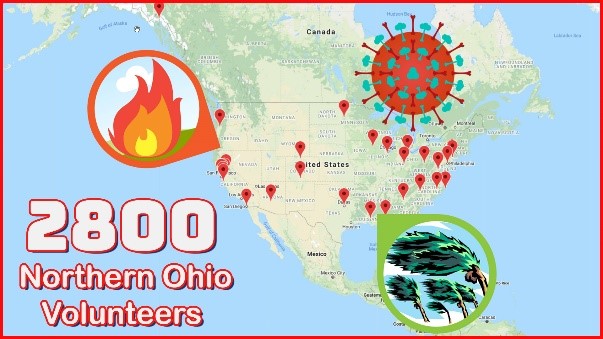
Luckily, Northern Ohio was spared from the huge disasters that plagued the West Coast and the Gulf Coast. However, due to the size of the disasters and the fact that they lasted so long, more than 100 Northern Ohio (NOH) volunteers left the comfort of their homes and headed west to battle the wildfires, while others provided shelter and comfort to those affected by hurricanes Laura, Sally, Beta and Zeta; all the while keeping everyone safe from COVID-19. They were among almost 2,800 volunteers who served in the region in FY 2020.
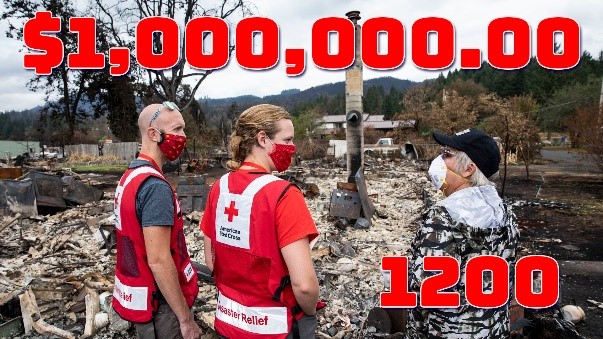
Here at home, Disaster Action Team members responded to nearly 1,200 local events – most of them home and apartment fires. More than a million dollars of financial aid was made immediately available to those who were experiencing possibly the worst days of their lives.
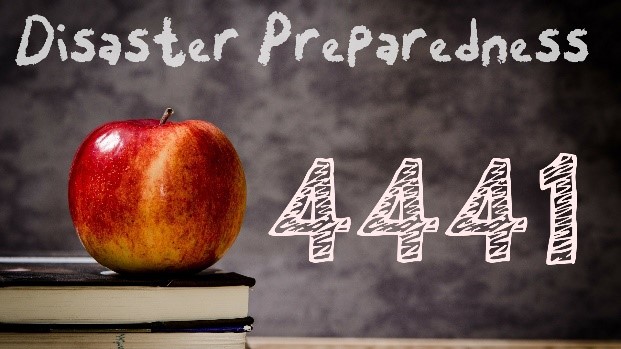
To help Ohioans save lives, a big part of Red Cross activities is teaching children and adults through community preparedness education. In 2020, more than 10,500 people took part community wide. Age-appropriate disaster preparedness classes were offered to 4,441 3rd, 4th, and 5th-grade students.
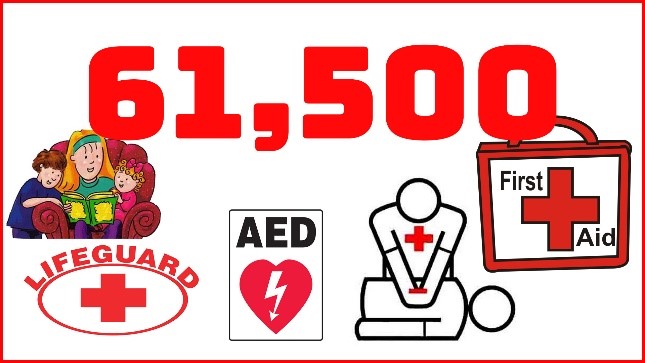
Being proactive, nearly 61,500 individuals completed potentially lifesaving classes from babysitting to lifeguarding, as well as CPR, first aid and the use of an AED.

Our Service to the Armed Forces group completed 5,500 case services for military families and delivered “Get to Know Us” briefings to nearly 5,400 military members and their families before deploying from Northern Ohio.

And if those numbers weren’t enough to impress, how about our Biomedical Services group which collected more than 168,700 units of blood in FY 2020 during hundreds of blood drives, using the best COVID protocols available.

And from those donations, we’ve been able to create 506,000 life-supporting blood products to help patients in 80 hospitals across Northern Ohio. In addition, we’ve recently been able to collect and distribute 40,000 convalescent plasma products.
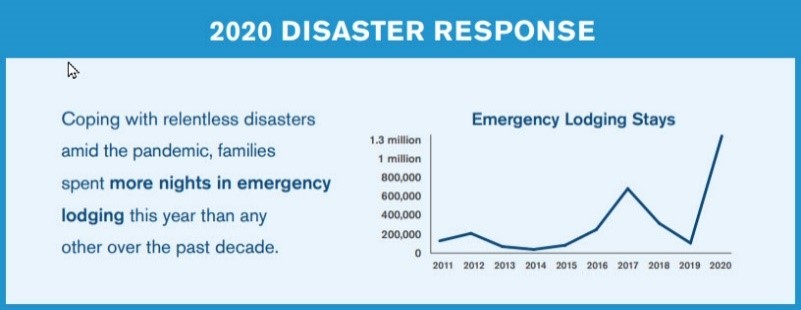
Nationally, the need is greater than ever, as shown on the graph above, and by some totals of our national response below.

All these accomplishments are possible through the generous donation of time from our volunteers and the financial contributions of our generous donors. If you’d like to be a part of this great humanitarian effort, consider volunteering or making a contribution before year end.

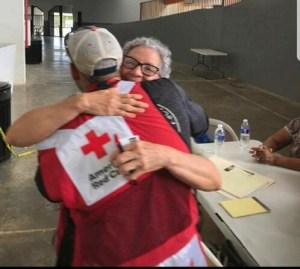 disasters like Hurricane Harvey, Hurricane Irma, historic wildfires and hundreds of home fires. In Northeast Ohio, we responded to about 1,000 incidents, the vast majority of them home fires, helping more than 4,100 people.
 Volunteers installed 418,460 smoke alarms, including more than 16,000 in Northeast Ohio to make homes safer, bringing the total number installed to more than one million since our Home Fire Campaign began in 2014.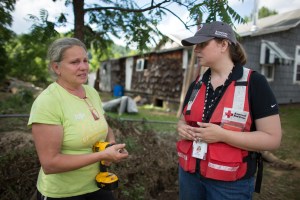
 Amidst all of these devastating events, home fires continued to be the largest disaster threat in the United States. During 2016, the Red Cross provided casework assistance to help 79,000 families recover after a home fire left them with nowhere else to turn. The Red Cross and thousands of local partners are also working to help prevent home fires, deaths and injuries. Since 2014, at least 116 lives have been saved through the Red Cross Home Fire Campaign, locally known as Operation Save-A-Life, a total of 574,000 smoke alarms have been installed, and 625,000 youth have been taught about fire safety.
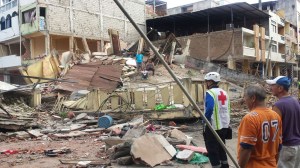 A 7.8 magnitude earthquake hit Ecuador in April, cutting off remote communities and causing severe damage to the country’s infrastructure. Red Cross societies from all over the world stepped in to help.
 NOHredcross