By Sue Wilson Cordle, American Red Cross volunteer
November 13, 2019- The holidays are almost upon us and as you look ahead to the busy time from just before Thanksgiving through New Year’s Day, many of us feel a mix of expectation and trepidation. The expectation is for a joyful season with family and friends—but the reality for many who are struggling financially or emotionally, is that this time of year can be stressful. There are experts galore with suggestions for getting through the season, But one consistent theme: Giving to others can improve your own mental health.

But wait—doesn’t giving to others add to the stress?
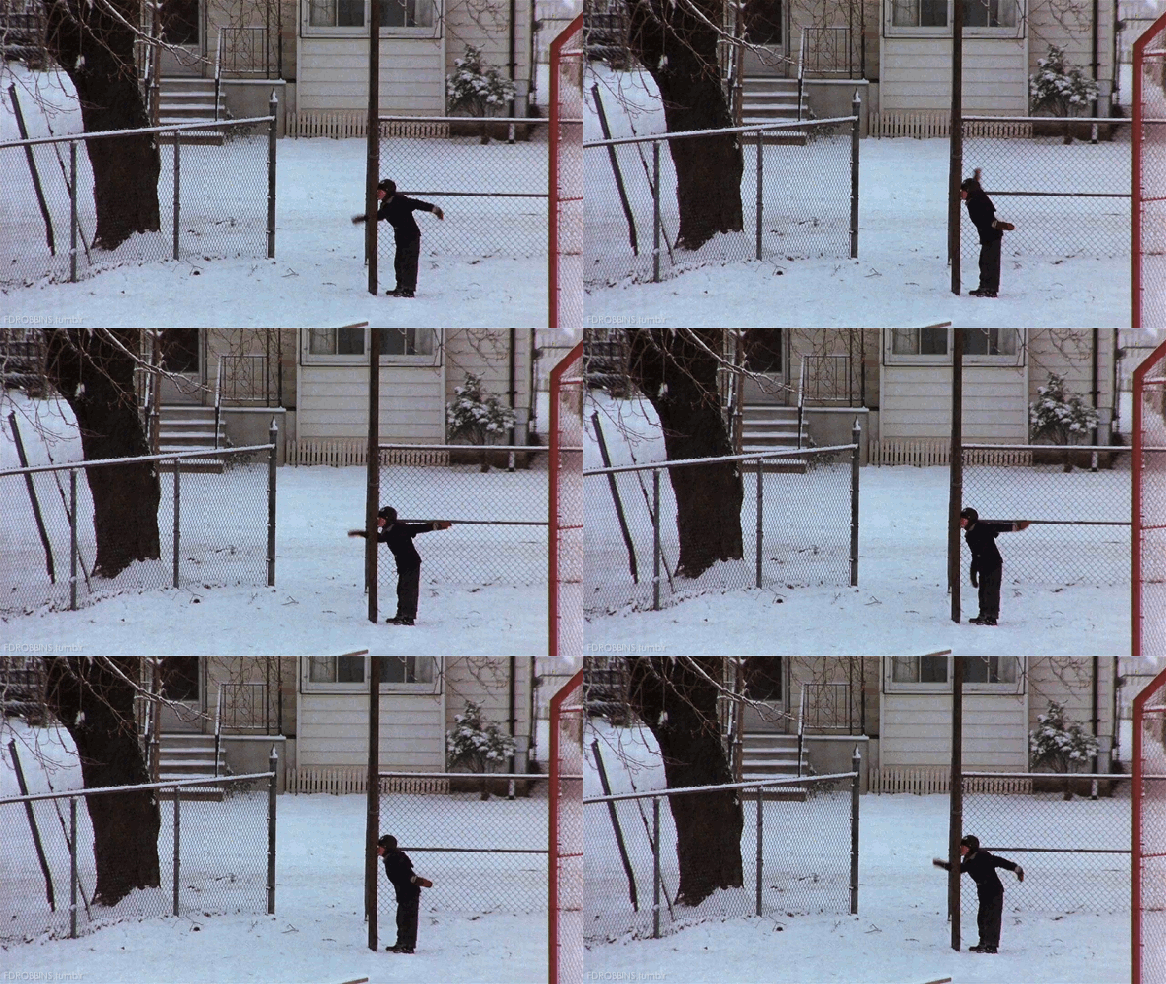
Remember the holiday classic “A Christmas Story,” when Schwartz took the double-dog dare and got his tongue stuck on the metal pole? How about this holiday challenge that doesn’t involve losing any skin? Ask yourself this question: Can you think of any of the gifts you received last year? Now think about how many you bought for family, friends and co-workers. If you’re honest with yourself, you probably remember very few (if any) but you do remember you had to make payments on your credit card long after that last Amazon delivery.
This year make the holiday season LESS about consumerism and MORE about people. How?
Become a volunteer. According to this recent article written by Jeanne Segal, Ph.D., and Lawrence Robinson, volunteering has surprising health benefits. It can reduce stress, combat depression, keep you mentally stimulated and provide a sense of purpose. And if you think your income level, age, or even a disability prevents you from volunteering, research shows that people with disabilities or health conditions ranging from hearing and vision loss to heart disease, diabetes or digestive disorders all show improvement after volunteering.
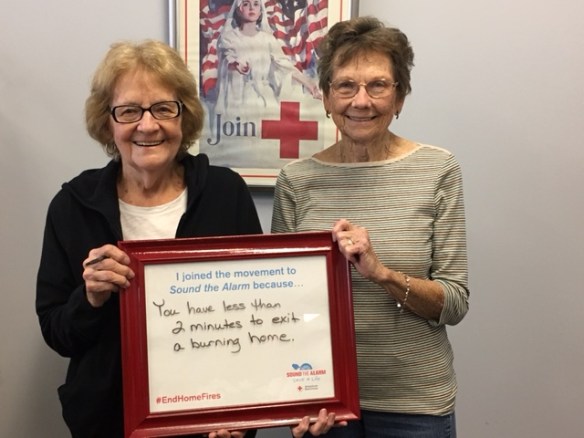
The American Red Cross has a number of ways you can donate your time and talent. You can take a quiz that will match your skill set, age, interests or goals to find a volunteer opportunity that is right for you. From 18 to 80 (and beyond), there is something you can do to help the Red Cross in its mission to alleviate suffering in your own backyard or around the world.

Right now, the Red Cross has three specific needs that are high priority volunteer positions: a blood donor ambassador, a blood transportation specialist and a disaster action team member. It is volunteers in priority positions like these, or in any number of roles, who carry out 90 percent of the humanitarian work of the Red Cross.
Your favorite memories surrounding the holidays or about life in general probably don’t involve gifts at all. They involve rituals and traditions, feelings and emotions—all involving quality time spent doing something important, whether with loved ones or a community of strangers that can become friends with purpose in the world of volunteering.
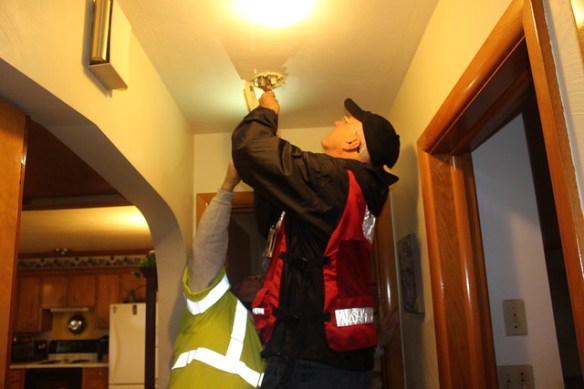
This year, give something that means something. Give the gift of your time and become a volunteer. Do it alone or team up with a friend or family member. It will be a gift that is far more valuable than anything money can buy. It will be a gift you’ll remember forever.
To explore opportunities to share your gift of time, visit Redcross.org.
Edited by Glenda Bogar, American Red Cross volunteer
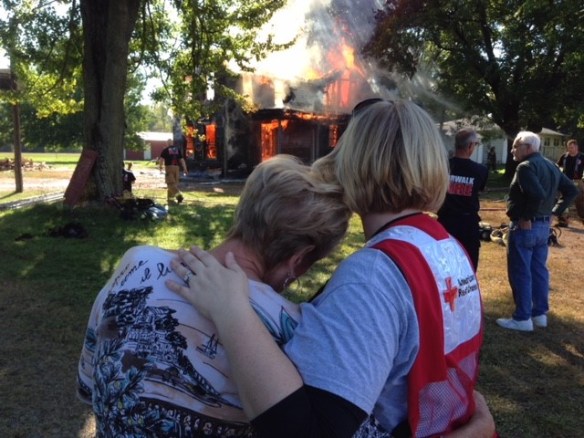

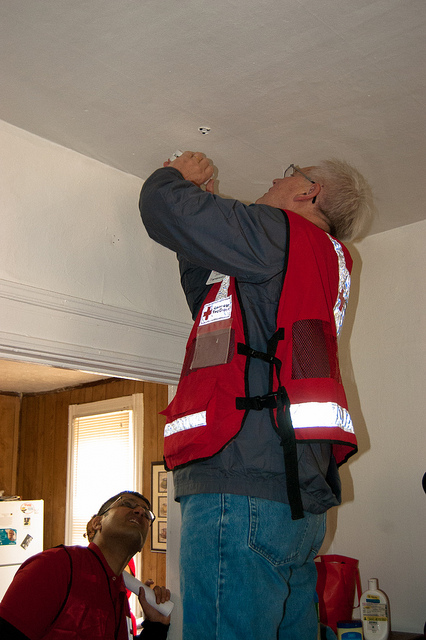

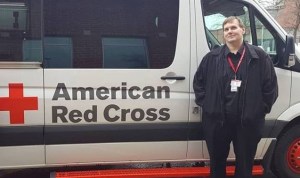
 At a community event with the Emergency Response Vehicle, I let children use the public-address system. Some shyly say, “hi,” others say their names and a few words. One yells, “Pizza! Pizza! Pizza! … and ice cream!” Nearly all smile as their voices amplify.
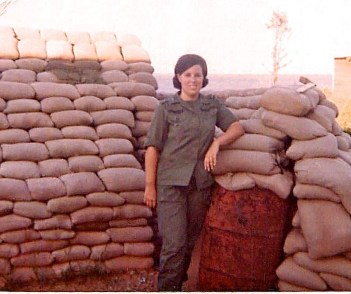 In the late 1960s, Jackie served with the Red Cross in Vietnam. She explained, “There were two national Red Cross programs serving the military during the Vietnam War: SMI, Service to Military Installations, and SMH, Service to Military Hospitals.” Jackie served in both areas doing casework and recreational therapy.


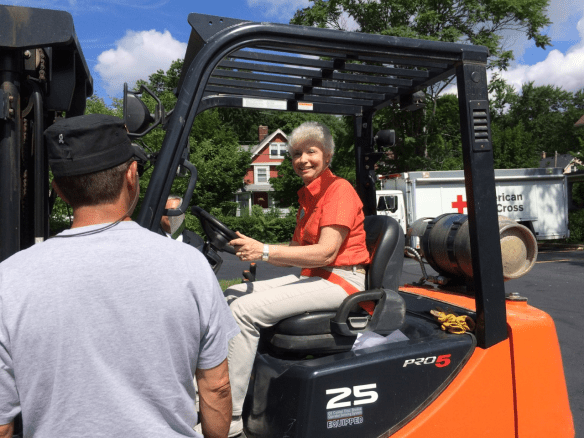
 I worked in the warehouse that packed and distributed the emergency supplies to areas that were affected by the storm. Driving into the disaster areas with 16-foot box trucks to help was very humbling and rewarding. When the people saw us, you could see hope in their eyes, knowing that others cared. People started helping us unpack the trucks and move the items. They would hug me and say, “Thank you for coming.” The days were long, but we knew we couldn’t stop until all the supplies were dispersed.