
By Eric Alves, Regional Communications Specialist, American Red Cross of Northeast Ohio. Edited by Glenda Bogar, American Red Cross volunteeer.
With the first day of winter only one day away, like it or not, Jack Frost is getting ready to spend a few months in Northeast Ohio.
 While winter weather in Northeast Ohio can be unpredictable, the one thing you can expect is that it will bring headaches. Blizzards, freezing cold, Nor’easters and ice storms can all have significant impacts on travel, schools, businesses and health. They can even impact our homes.
Pretending winter is not coming is not going to make the calendar fast forward to July. Do not let winter catch you off guard. Here are some winter tips to help you stay safe and be prepared for Jack Frost.
Be Informed
It is important to know the difference between advisories, watches and warnings to understand what they mean when one is issued in your area by the National Weather Service:
- Advisory: Winter weather conditions are expected to cause significant inconvenience and may be hazardous. When caution is used, these situations should not be life threatening.
- Watch: Winter storm conditions are possible within the next 36 to 48 hours. People in a watch area should review their winter storm plans and stay informed about weather conditions.
- Warning: Life-threatening, severe winter conditions have begun or will begin within 24 hours. People in a warning area should take precautions immediately.
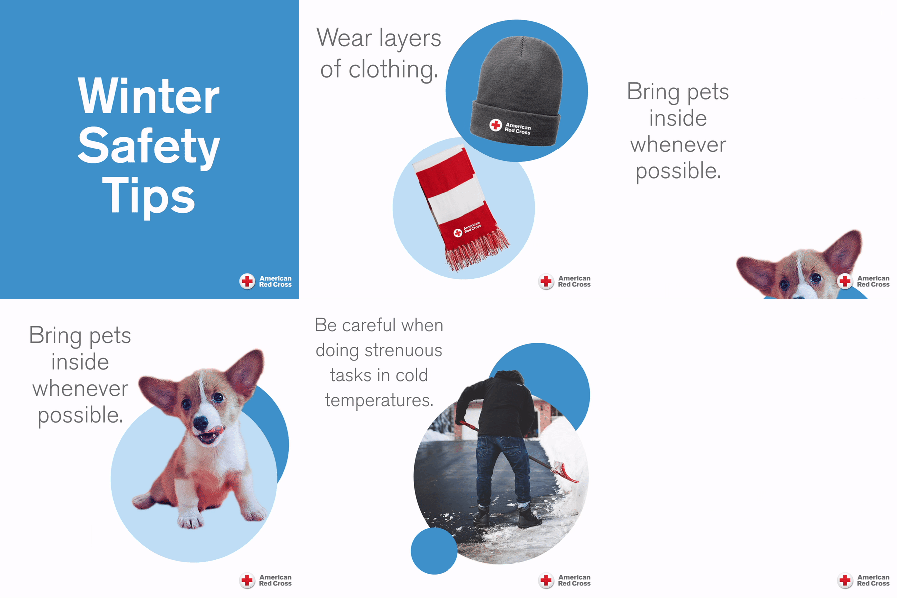 Prepare your home
- Protect your pipes from freezing. To learn how to protect your pipes, click here.
- Make sure your home heating sources are installed according to local codes and permit requirements and are clean and in working order.
- Install storm windows and cover windows with plastic from the inside to provide an extra layer of insulation to keep cold air out.
- Caulk and weather-strip doors and windowsills to add additional protection from the cold winter air.
- If you have a fireplace, keep a supply of firewood on hand. Be sure the fireplace is properly vented and in good working order.
Get your vehicle winter ready
- Have a mechanic thoroughly look over your vehicle by checking your battery, antifreeze, wipers and windshield washer fluid, ignition system, thermostat, lights, exhaust system, heater, brakes, defroster and oil.
- Install good winter tires.
- Items to keep in your vehicle all winter include a windshield scraper and a small broom, a small sack of sand for generating traction under wheels, matches in a waterproof container, a bright colored (preferably red) cloth to tie to the antenna and an emergency supply kit, which includes warm clothing.
Winter driving
While the Red Cross encourages you to stay off the road if possible, if you must drive during inclement weather, follow these tips on how to drive safely during a winter storm and what to do if you become stuck in your vehicle:
- Fill the vehicle’s gas tank and clean the lights and windows to help you see.
- Pay attention to the weather forecast. Before you leave, let someone know where you are going, the route you plan to take and when you expect to get there. If your car gets stuck, help can be sent along your predetermined route.
- Make sure everyone has their seat belts on and give your full attention to the road. Avoid distractions such as cell phones.
- Don’t follow other vehicles too closely. Sudden stops are difficult on snowy roadways.
- Don’t use cruise control when driving in winter weather.
- Don’t pass snow plows.
- Know that ramps, bridges and overpasses will freeze before roadways.
If you happen to become stuck:
- Stay with the car. DO NOT try to walk to safety.
- Tie a brightly colored cloth to the antenna for rescuers to see.
- Don’t run your engine and heater constantly to help avoid running out of gas. Don’t use things like lights or the radio without the engine running to avoid draining the battery.
- If you can, move your vehicle off the roadway. Stay with it –- don’t abandon it. If you have to get out of your vehicle, use the side away from traffic.
- Start the car and use the heater for about 10 minutes every hour. Keep the exhaust pipe clear so fumes won’t back up in the car.
- Leave the overhead light on when the engine is running to help rescuers see the vehicle.
- Keep one window slightly open –- away from the blowing wind –- to let in air.
 Be sure to download and use the American Red Cross Emergency App for instant access to weather alerts and to let others know you are safe if severe weather occurs. You can find this and all of the Red Cross apps in smartphone app stores by searching for the American Red Cross or by visiting redcross.org/apps.






 During the weekend of December 14-16, the Red Cross of Northeast Ohio responded to seven incidents occurring in four of the five chapters in the region. The incidents occurred in Cuyahoga, Jefferson, Mahoning, Richland, Summit and Trumbull counties, resulting in 18 individuals receiving assistance and the distribution of more than $4,000 in immediate financial assistance.
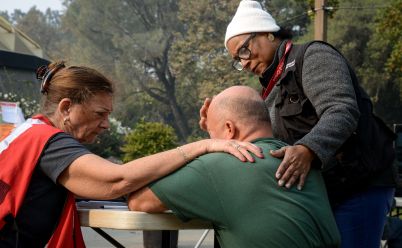
 Camp Fire in California was under our Integrated Care Team,” stated Renee Palagyi, senior disaster program manager. “Integrated Care Team allows a family to have two or three key contact people from Red Cross who are available for an in-person visit and follow-up phone calls. Assistance included a relatively small amount of money to be used for any death-related or other expenses they may encounter. More importantly, we provided a local touch, both through our caseworker and our disaster mental health professional. In talking with these women, they were incredibly grateful to receive my call and to know that they would have someone specifically assigned to talk with them over the next several weeks as they work through pain I can’t begin to imagine.”
 Beautiful, fragrant and festive,
  when using the oven and cooking range.


 Romance scams are the most commonly reported scams, according to
 During the weekend of December 7-9, 2018, the Red Cross responded to 10 incidents in Cuyahoga, Huron, Mahoning and Stark Counties, with disasters ranging from a carbon monoxide leak to home fires. The response included assisting 23 adults and 15 children and distributing more than $7,000 in immediate financial assistance.
 On average, the Red Cross responds to three home fires every 24-hours. The Red Cross wants to ensure everyone in Northeast Ohio remains safe, which is why the Red Cross developed the home fire campaign, where volunteers go door-to-door to install free smoke alarms and help families create home fire escape plans. In 2018, the Red Cross installed 17,546 smoke alarms in Northeast Ohio. To learn more about home fire safety and tips to help keep your family safe during a home fire, visit
  In 2018, disasters were felt across the country. In California, massive wildfires scorched more than 8.5 million acres, resulting in some of the most destructive wildfires in state history for a second year in a row. Six major hurricanes impacted the United States, devastating communities across nine states and U.S. territories in just three months’ time. Red Cross volunteers also responded with support and crisis counseling to communities affected by six tragic shootings, including those in Parkland, Florida; Pittsburgh, Pennsylvania; and Thousand Oaks, California.
 Although we haven’t completely stopped giving gifts–we have cut way back—and the gifts we give now are intentional, mindful and less tangible. We give gifts of time and experiences. Gifts that are practical. Our standards: If you can’t use it, wear it because you need it, eat it or take part in it, we won’t buy it. No more impractical “stuff” to sit on a shelf. We’ve also incorporated giving gifts that have true meaning–gifts for the greater good. And one of those is making a donation to a worthy cause. After I joined the board of directors for the American Red Cross of Northeast Ohio, Summit, Portage and Medina Counties Chapter, giving gifts of meaning became even more important to me.
 NOHredcross