By Eric Alves, Regional Communications Specialist, American Red Cross of Northeast Ohio
October 14, 2019- During the weekend of October 11-13, 2019, the American Red Cross of Northeast Ohio responded to 7 home fires, assisted 34 individuals, including 14 children and provided more than $7,300 in immediate financial assistance.

The Red Cross is committed to helping to put an end to home fires in Northeast Ohio through the Home Fire Campaign.
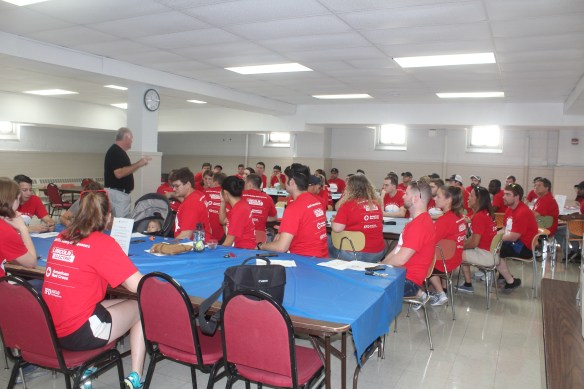
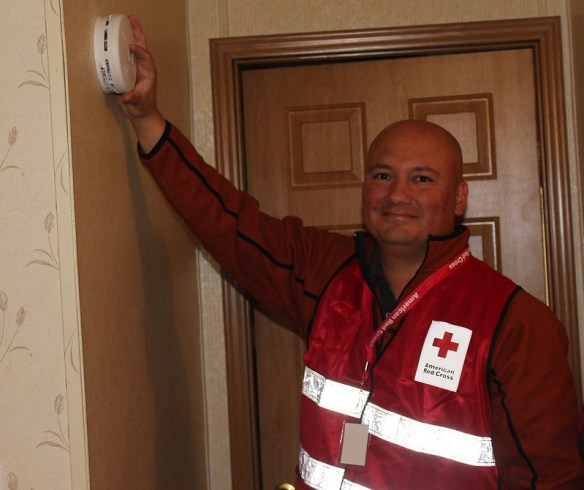
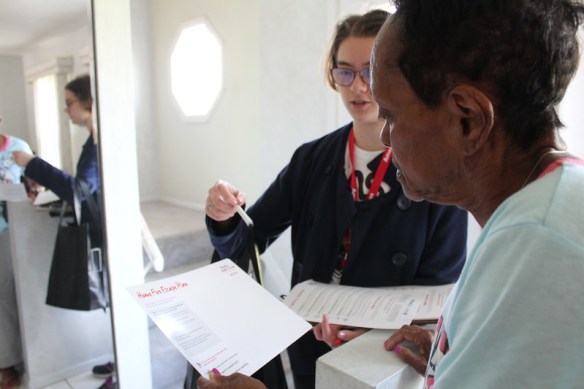
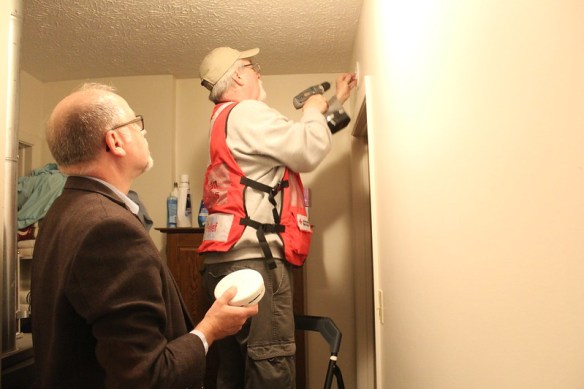
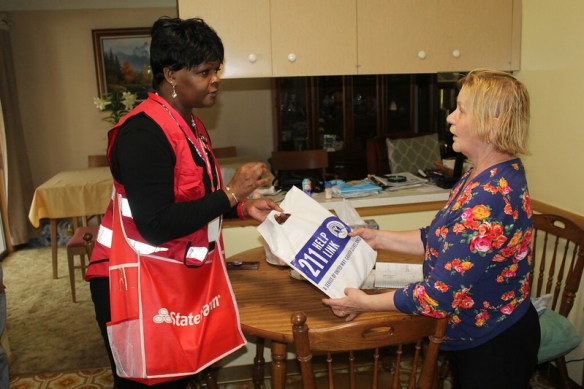
As part of the campaign, the Red Cross holds Sound the Alarm events throughout the region to install free smoke alarms, such as the event held in Richmond Heights on October 12.
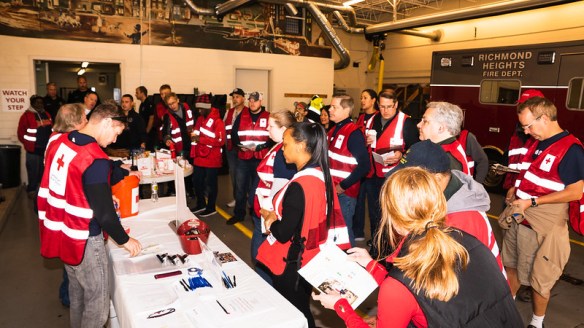
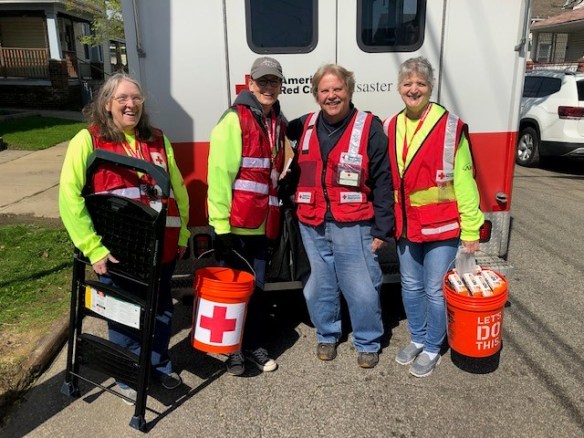
Forty volunteers from partners Selman & Company, HOPE worldwide and the Richmond Heights CERT community response team installed 222 smoke alarms and made 83 homes safer.
“Thank you to the volunteers from Selman & Company, HOPE worldwide and the Richmond Heights CERT for helping make another Sound the Alarm installation event a success. With their assistance, we were able to ensure more homes in Northeast Ohio will be prepared in case of a home fire,” said Tim O’Toole, Red Cross regional disaster officer. “A special thank you to our partners with the Richmond Heights Fire Department, who will continue to install free smoke alarms in homes throughout their community.”
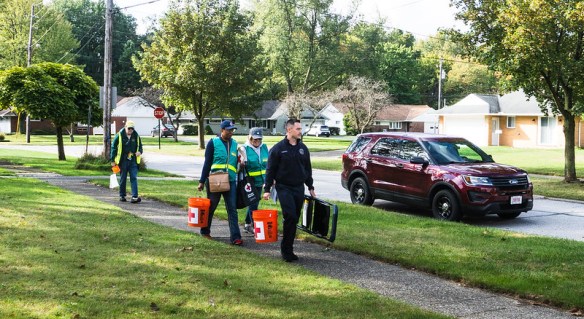
“Saturday’s Sound the Alarm was a wonderful event. Everyone at Selman & Company who participated has said that it was the best volunteer event the company have ever done,” stated Brinton Lincoln, Greater Cleveland Chapter board member. “Thank you so very much for everyone’s efforts to make Saturday a success.”
Holly Tackett, Human Resources Generalist for Selman and Company, said, “The SelmanCo volunteer team has not stopped talking about their experience this past Saturday and they are even educating their peers and family on home safety. This was truly an impactful event that has changed lives – both the residents of the homes we installed in and SelmanCo team members.”
For more information on the Home Fire Campaign in Northeast Ohio, including how to request a free smoke alarm, donate, or help make homes safer, please click here. Additional information regarding the national Home Fire Campaign is available here. Both sites include fire safety and prevention tips, checklists, and tools.
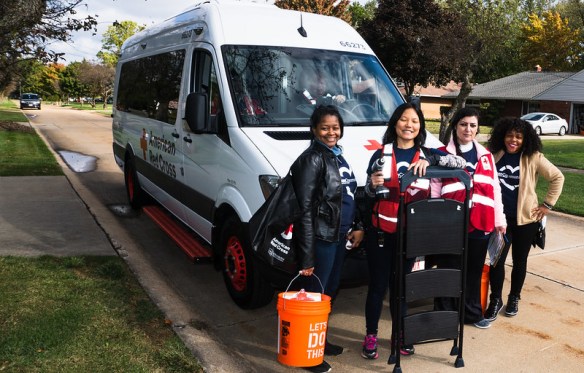
To see more photos from the Richmond Heights installation event, please visit our Flickr page.
Photo credit: Cal Pusateri, American Red Cross volunteer




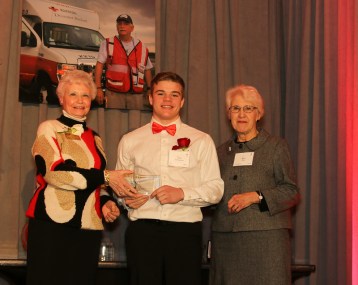 will once again honor local individuals in 2020 who displayed extraordinary courage to become someone’s hero.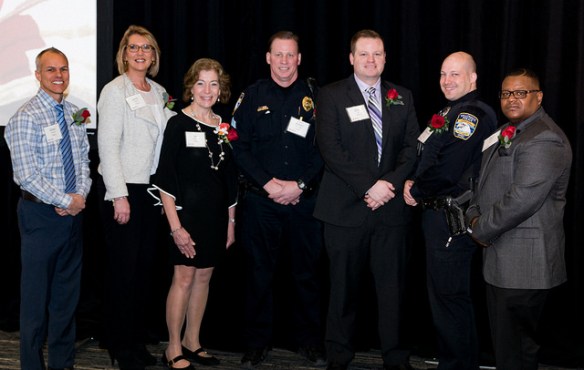

 As the leaves begin to change and the air gets crisp, it is time to inspect and get your home heating ready to safely warm your home.
 and cleaned.