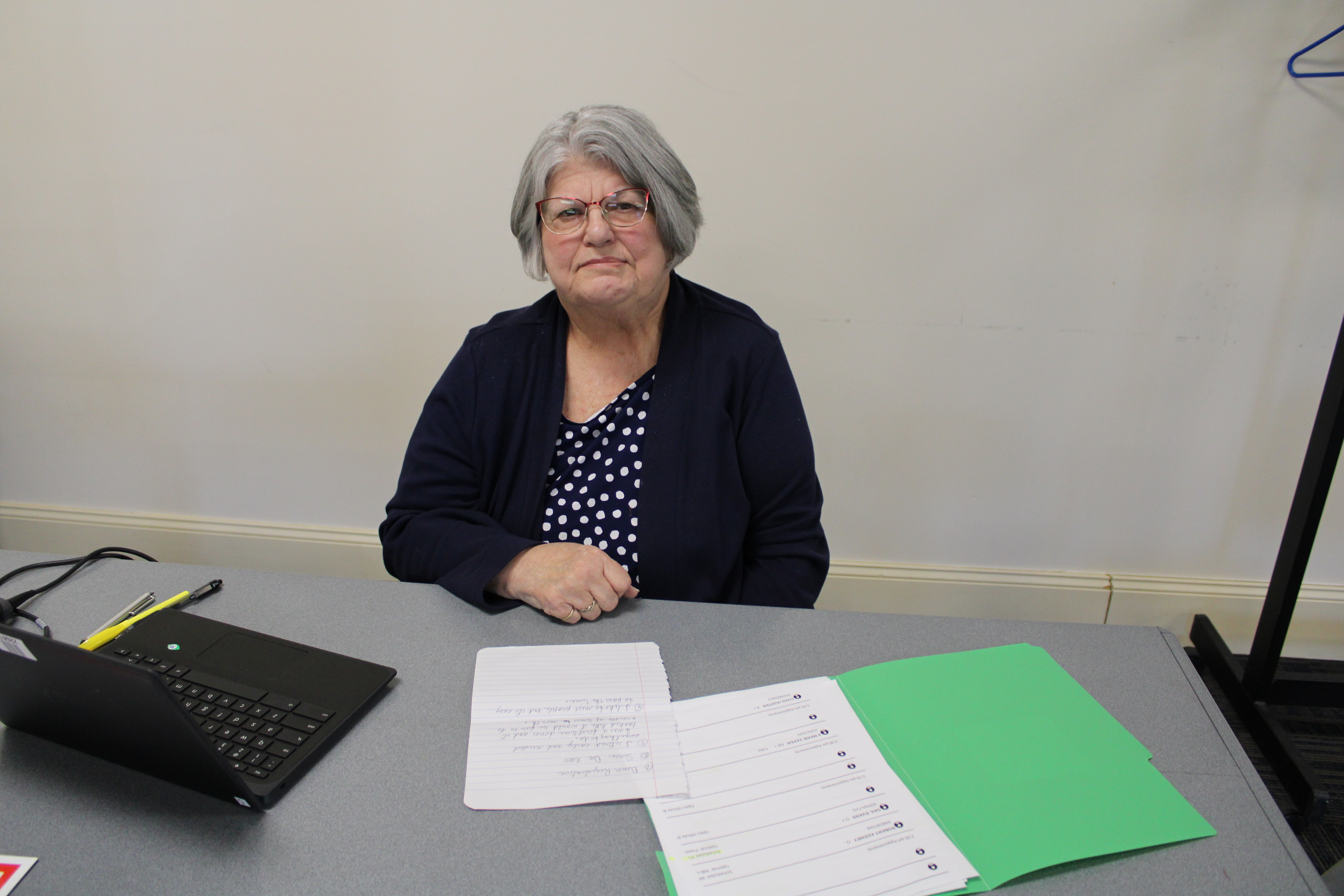
Carol O’Brien is approaching her 25th anniversary as an American Red Cross Blood Donor Ambassador, a volunteer role she relishes with the same enthusiasm she had when she started her Red Cross career in the year 2000.
Shortly after retiring from her position with an insurance firm, Carol said she decided to donate blood for the first time. That’s how she became familiar with the volunteer Blood Donor Ambassador position.
“It looked like it would be fun to do a couple of times a month,” she said. At one point, Carol was volunteering at up to six blood drives each month, registering donors and helping them through the donation process. “Now, I just work four shifts a month,” she said, with no plans to cut back anytime soon.
Because she volunteers so frequently, Carol said she has learned the names of many repeat blood donors.“ I like to meet people, and it’s easy to pass the time,” she said while staffing the registration table at a recent blood drive in Mayfield Village.
Carol also keeps an eye on the refreshment area, making sure snacks and beverages are available following each donor’s generous gift of blood. To learn more about the Blood Donor Ambassador position, visit here.
Red Cross volunteers are also needed to transport blood donations from blood drives to the biomedical services lab in Cleveland, and from the lab to area hospitals to help patients in need. Visit here to learn more about the opportunity to pick-up and deliver lifesaving blood..
Edited by Glenda Bogar. American Red Cross volunteer
The American Red Cross would not operate at the level it does without its incredible volunteers. In fact, 90% of the Red Cross mission is accomplished by volunteers, many of whom are utilizing their skills across multiple lines of service.
Nikole Goncalves, Red Cross volunteer
Nikole Goncalves is only a couple of years into her Red Cross journey and already she is exploring all the different volunteer opportunities available to her.
“A little more than two years ago I started as a Blood Services Donor Ambassador after I donated blood for the first time,” Nikole said. She saw what they did for her when she went to donate and thought, “Oh this is cool,” and she signed up.
“I enjoy putting a smile on donors’ faces when they walk in the door,” Nikole said, adding that she feels like she’s doing a lot for her community while working as a Blood Donor Ambassador.
Now, Nikole is doing even more for her community as a part of the Sound the Alarm program. “I didn’t realize the Red Cross installed smoke alarms in homes,” Nikole said after seeing photos from previous Sound the Alarm events. With her photography background (she studied photography in college) Nikole thought this was a perfect opportunity to utilize her particular skillset as a volunteer.
Photo credit: Nikole Goncalves, American Red Cross
Photo credit: Nikole Goncalves, American Red Cross
So, Nikole started volunteering as a staff photographer for Sound the Alarm events, taking photographs of other volunteers and Red Cross staffers installing smoke alarms in homes around Toledo and Lorain, where she’s originally from.
“I feel like the photos I take of these installations can really tell the story and give the look of the Red Cross mission.” And Nikole says she’s learned so much about that mission while going out for Sound the Alarm events.
“My outgoing personality makes people feel comfortable,” Nikole said. And whether that’s a first time blood donor walking up to her table or someone she’s taking a picture of at a Sound the Alarm event, the Red Cross sure is grateful for volunteers like her.
If you’d like to join Nikole and the thousands of other volunteers utilizing your skills while carrying out the Red Cross mission, click here.
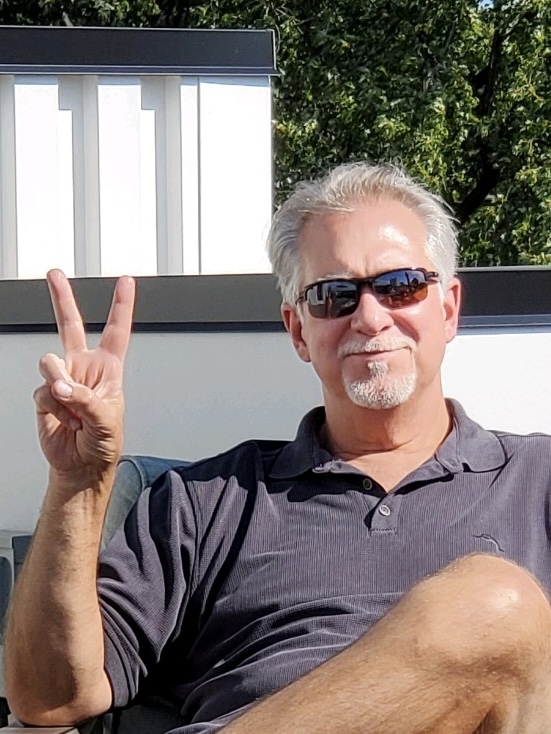
Standing in line at a doctor’s office, Kevin Kovak and the person in front of him discussed the time they had after retirement. The person said he was quite busy, helping others as an American Red Cross volunteer. It clicked for Kevin. After getting home, Kevin examined volunteer opportunities on the Red Cross website and applied to be a Blood Transportation Specialist. A few weeks later, Kevin was riding in a vehicle with fellow volunteer Pete Angiocchi, learning routes and job details, delivering lifesaving blood. Kevin knew this is what he wanted to do and soon had weekly routes of his own, delivering critical blood to hospitals throughout Northern Ohio.
Kevin Kovak, Red Cross volunteer
Kevin is nearing his first year as a Red Cross volunteer and has made an impact. Alayah Ross, Red Cross Service Delivery Supervisor, Volunteers and Transportation, praised Kevin as being a great person, who is “very enthusiastic and understanding, which enhances his volunteer position tremendously.” She said, “He is very efficient and doesn’t mind training new volunteers or taking on new tasks,” and, while modest, “engages others to register and complete much needed shifts” and use the app. Alaya added, “Thanks so much Kevin!”
Kevin has known the importance of helping others since childhood. His mother had been a Red Cross volunteer, spoke fondly of it, and was later involved in other community services, often with Kevin’s help, such as Meals on Wheels and raising money for cancer research.
When asked why the Blood Transportation appeals to him, Kevin said he loves to drive and expressed appreciation for the focus, dedication and professionalism, both at the Red Cross and hospitals. Most of all, Kevin likes helping to keep people alive.
A unique aspect of Blood Transportation is that specialists often travel independently, and as timeliness and accuracy are critical, efficiency is key. Kevin mentioned this appeals to a certain personality, someone who is self-motivated and focused, often someone who does not seek the spotlight but is essential.
Blood Services is still a team effort, of course, and Kevin spoke very highly of staff members and fellow volunteers, especially Alayah Ross and Pete Angiocchi. Kevin said that Alayah is great at balancing the role’s critical nature while making it enjoyable. As for Pete, Kevin said he is a “volunteer superstar” who has helped Kevin throughout, including writing detailed diagrams and notes to assist Kevin on a new route.
Kevin brings experience from his distinguished career to the Red Cross. He received a degree in industrial technology from Kent State in 1980, where he met his wife, began a career in engineering sales, eventually moving to senior management and retired in 2021.
Kevin loves to spend time with his wife, two children and three grandchildren. He is a major Cleveland sports fan and 455 Club member. He also studies history, takes part in a Civil War Roundtable, is an avid reader and enjoys walking.
When asked what he would tell someone considering becoming a Red Cross volunteer, Kevin said there are so many ways to give back, and the Red Cross is one of them, with a variety of opportunities. “If you want to give back and feel good about doing something to help, then sign up.”
If you are interested in volunteer opportunities, please visit this link.
Edited by Glenda Bogar, American Red Cross volunteer.
Teresa Greenlief considers herself a hard-core American Red Cross volunteer. Retired on disability after 15 years as a firefighter/EMT, she spends as much as 30 hours a week on activities with the Greater Akron and Mahoning Valley chapter. “I do everything I can,” she says proudly.
Teresa, who calls Cuyahoga Falls home, manages the chapter’s vehicle fleet and is trained to do mass care and feeding, disaster damage assessment, family reunification and local disaster response. She actively leads the chapter’s campaign to prevent home fires. “We’re focused on prevention, installing free smoke alarms and education.”
When she’s not at the chapter — “The chapter feels like home” — she’s eager to spread the word about the Red Cross. “I wear my ‘merch ’even when I’m not working,” she says warmly. People approach her when they see the iconic red cross on her jacket or T-shirt.
“My most asked question is, ‘where do I donate blood? ’The Red Cross is so much more than collecting blood, but that one’s a lifesaver.”
The Red Cross provides a framework for Teresa, and more than 300,000 volunteers across the country, to show their compassion for their fellow man. “It takes empathy and humility,” she says. “We all need it.”
During National Volunteer Week especially, we salute all the volunteers, like Teresa, who put on the red vest and give their time and talents to help prevent, prepare for and respond to disasters. They make up more than 90% of the Red Cross workforce that:
teaches 4.5 million people a year first aid, CPR and AED,
provides more than 480,000 services to the men and women in our armed services, at home and abroad,
prepares to respond to an average 65,000 local disasters each year, most of them home fires,
continues to install free smoke alarms (2.6 million alarms installed and counting!) and help families make home safety plans (saving more than 2,300 lives in 19,560 towns across the country),
supports Red Cross operations in office settings and virtually,
and more!
“There is such a need for the Red Cross,” Teresa says with emphasis. “You have to have empathy for people and be a team player, but the rewards will come back to you ten-fold.”
Just like the people it serves, the Red Cross welcomes people from a wide array of cultures, lifestyles, ages, backgrounds and beliefs. Come join us! Begin at redcross.org/volunteer.
Edited by Glenda Bogar, American Red Cross volunteer
“…and I knew from that point on, even as young as I was…I said to myself, ‘when I’m old, I’m going to volunteer for the Red Cross,” said Linda Consolo of Stow.
A pivotal moment in Linda’s young life changed her trajectory and mindset. At the tender age of 18, just out of high school and newly engaged, her life was turned upside down. Her fiancé was drafted and sent to Vietnam, where he was wounded and sent to a field hospital. When he was well enough for transport and moved to a hospital in Japan, the army reached out to his parents, allowing only them the opportunity to visit.
Unfortunately, the cost of travel was too much for the family, and they worried if they would ever see their son again. That’s when the American Red Cross stepped in to help. They covered the costs, and his parents were able to spend the last few weeks of his life with him. This was something that Linda never forgot, and she knew one day she would volunteer for the Red Cross.
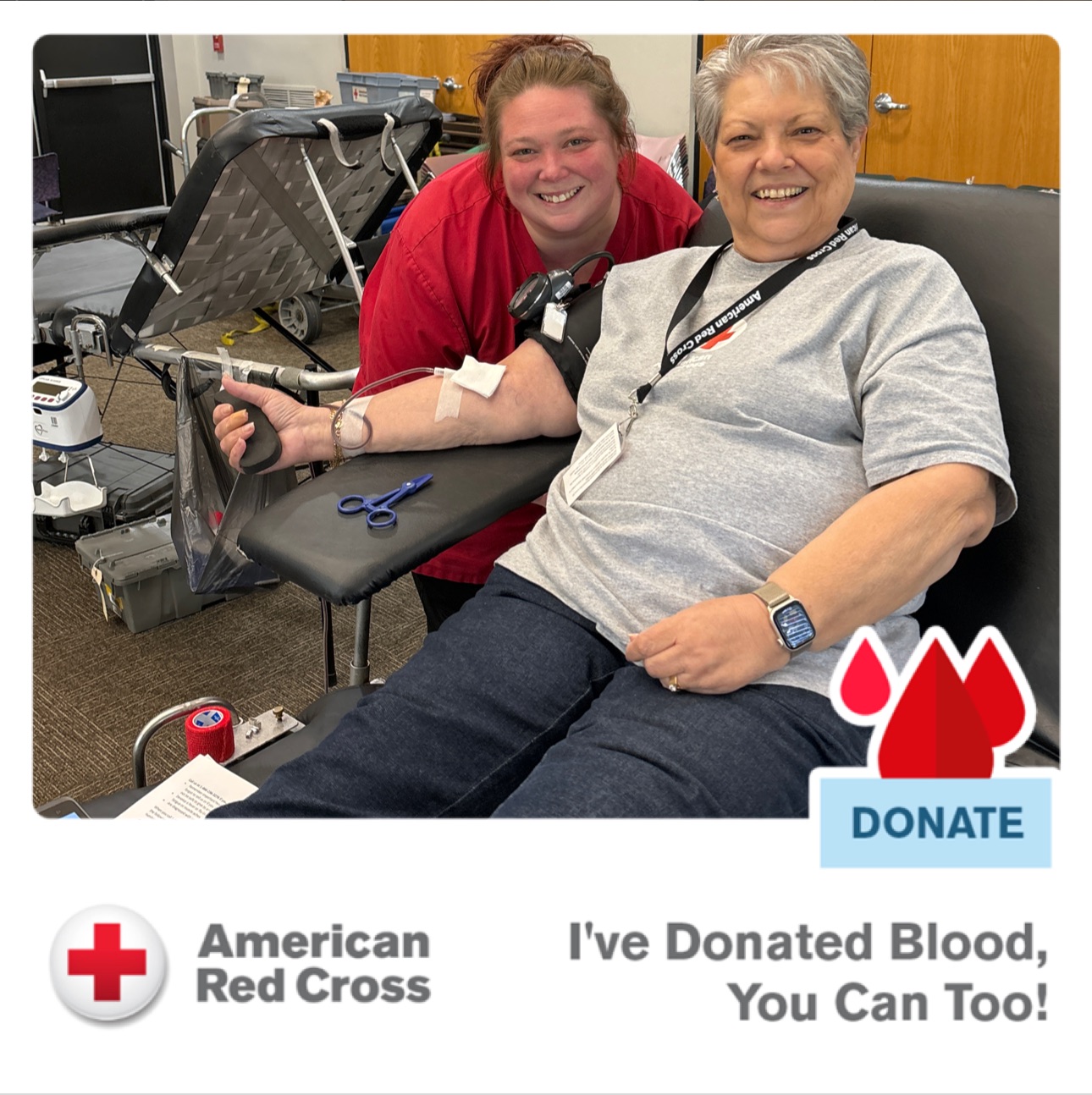
Now, nearly 55 years later, she is living that reality and has dedicated a large portion of her retirement to volunteering with the Red Cross. She has found her niche in the role of Blood Donor Ambassador, a position that she really enjoys, working sometimes up to four days per week at blood drives.
“It’s my way of giving back to them because they did something special for somebody for me. Because having his parents there for his last month or two was amazing,” she reflected.
Not only does she volunteer at blood drives, but she is also a blood donor. “I’ve given 16 gallons and one pint in my lifetime,” she proudly states. Quite an achievement, considering that eight donations equate to one gallon of blood.
“I started when I worked at Goodyear,” she explained. “Goodyear always had blood drives, and I started giving blood there because we were allowed to leave our desk and go across the street to Goodyear hall, give blood and have something to eat. We didn’t have to take time off from work. Goodyear made it easy for us to donate blood.”
“Donating blood is probably more important to me than volunteering,” she said, “but I do them in tandem. I do it every 56 days or as close to it as I can.”
Despite her busy schedule, she also finds time to bake for the workers at the blood drives, earning her the affectionate moniker, ‘the muffin lady.’
As a retiree, Linda said that she appreciates the opportunity to stay active and social and meet new people. “Now it’s time for me to give back,” she said. “It’s the thing to do. It makes your heart feel good that you’re giving back to the world. I’m doing my part and trying to give my best.”
The Red Cross is always looking for new volunteers. If you would like to learn more about this vital volunteer role or any of the other available opportunities, visit www.redcross.org/noh and click the Volunteer tab or call 1-800-RED CROSS.
Edited by Glenda Bogar, American Red Cross volunteer
Early April, a family gathering for an 81st birthday as an early spring storm rattles, patters and howls, not unlike the taps and rumbles at the windows as I write this. A bellowing whoosh and deep crash, a house-shuddering boom. I stand, thinking a tree has fallen, and look out the window to see a black-and-chrome mass fall from the sky, striking cars in a cacophony of shattering glass and bending metal. A family member repeatedly shouts, “What was that?!” I step outside and piece together what has happened. A neighbor’s trampoline, windblown, smashed into and knocked down a portion of fence, rose up, crashed onto the roof, where one of its legs protrudes from the hole it has just made, rose again and plunged onto the cars.
This was the scene last April, turning a birthday celebration into a flurry of activity to ensure everyone was safe, mitigate damage from the compromised roof, assess damage and make plans on how to proceed. Now that spring has returned along with its storms, we must be prepared for whatever they bring, whether high winds, tornadoes, heavy rains, flooding or falling trampolines.
Contact your local office of emergency management to learn what hazards may affect your community. Sign up for free emergency alerts from your local government. Remember, a WATCH alert means be prepared; a WARNING means take action.
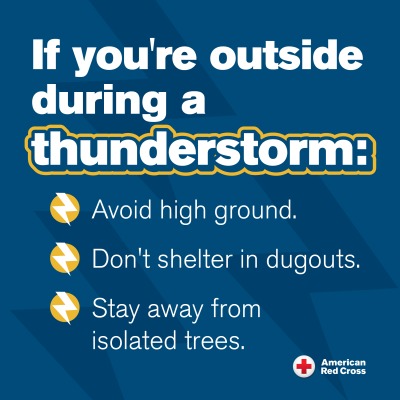
Get inside a sturdy building, one with walls and a foundation, before a thunderstorm hits. Plan to shelter in the basement or a small, interior, windowless room on the lowest level to provide additional protection from high winds.
If you are in a mobile, manufactured, trailer home or RV, identify a sturdy building you can access quickly.
In certain emergencies you may need to travel to safety. Decide where you will go, how to get there and what you will need to take. Make additional plans if assistance or public transportation is needed.
Include pets in your plans.
Plan to reconnect with loved ones should you become separated or communications are down. Carry a contact card with important phone numbers. Also consider including a list of medications.
Plan to stay informed even if the power is out. Backup batteries, devices to charge cell phones and battery-powered or hand-crank radios are helpful.
Prepare both stay-at home and go kits. The go-kit should have three-day’s worth of critical supplies, while the stay-at-home kit should have two weeks of food and water and a one-month supply of medications/medical supplies.
Keep personal, financial and medical records in a safe, easily accessible place.
Make a list of items outside you will need to tie down or put away. (Yes, including trampolines).
By Samantha Pudelski, American Red Cross volunteer
Every April we recognize Pet Month, a time for pet owners to celebrate the animals they love in their life. The American Red Cross of Northern Ohio shares three ways people can become better caretakers and bond with their pets this month.
Superstorm Sandy 2012
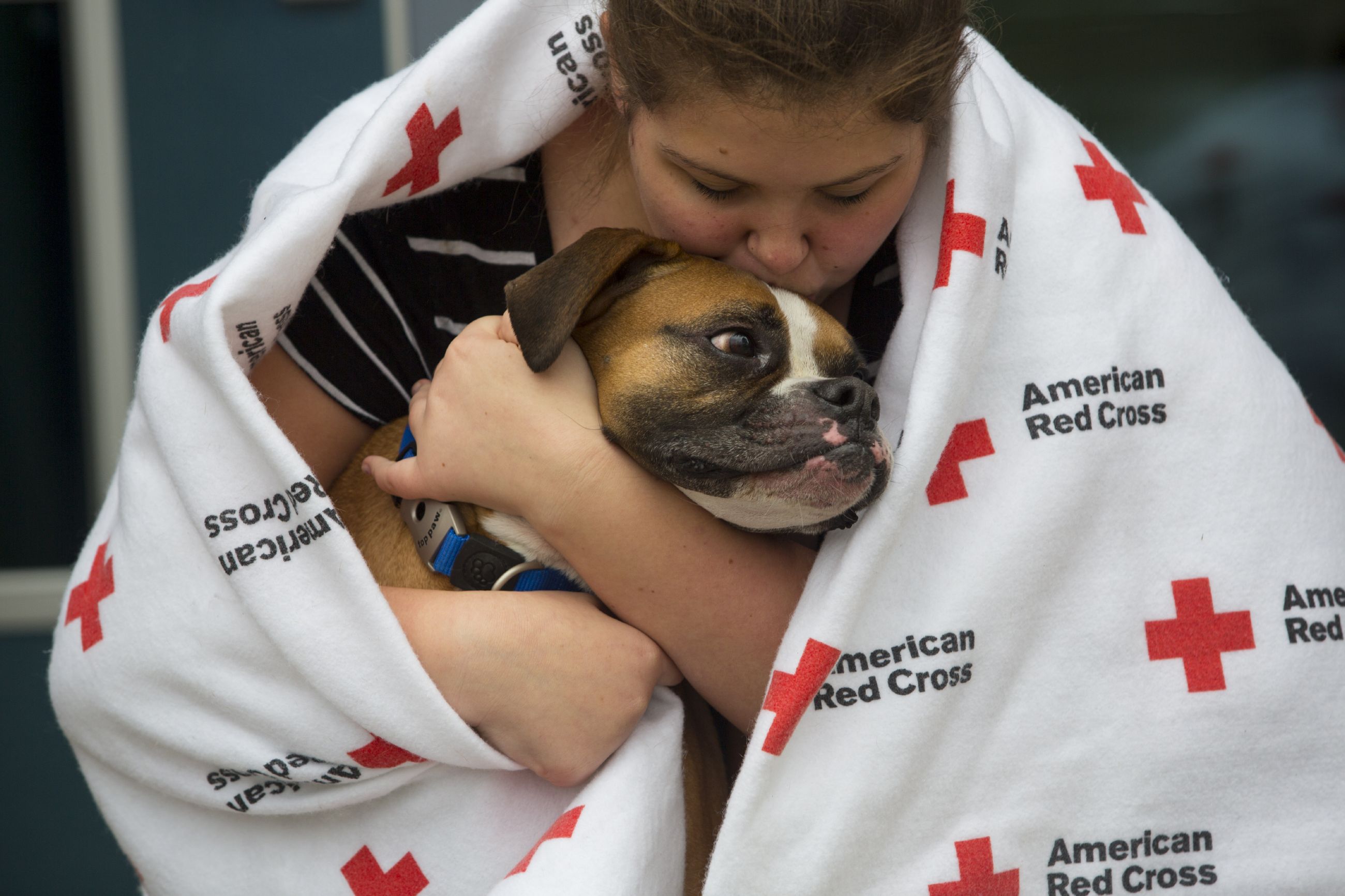
Kaitlyn Miller and her rescue boxer, Coulton taking refuge in a Red Cross shelter. Photo by Les Stone/American Red Cross
1. Take a Pet First Aid Class
The Red Cross offers an online course to learn how to understand vital signs, preventive care and caring for pets in critical emergency situations. The 35-minute course provides the basics in caring for cats and dogs, including:
Checking pet’s vital signs.
Conducting preventive care for your pets.
Recognizing and providing first aid for the most severe experiences a pet may experience.
Upon completion of the course, you’ll receive a Red Cross digital certification. Register here.
2. Learn How to Keep Your Pets Safe During a Disaster
East Palestine, Ohio 2023 This resident of East Palestine, Ohio took refuge with her pet in a Red Cross shelter following a train derailment and chemical spill. Photo credit: Jim McIntyre/American Red Cross
In the event of an emergency, be sure to be prepared with everything your loved ones, including your pets, need to evacuate. The Red Cross has put together some tips to help you keep your pets safe in the event of a disaster.
Please note the tips below are mostly for cats and dogs. For more information on disaster planning for other types of pets and livestock, please visit https://www.ready.gov/pets or Humane Society.
Remember, if it isn’t safe for you to stay in your home during an emergency, it’s not safe for your pets either.
Include supplies your pet needs in your emergency kit, including:
Sturdy leashes/harnesses and/or carriers to transport your pets safely.
Food, water, bowls, and a manual can opener if your pets eat canned food.
Cat litter and a pan for feline friends.
A first aid kit.
Copies of medical records and any medications your pets need in a waterproof container.
Current photos of your pets just in case they get lost.
Information on when your pets eat, medical conditions, any behavioral issues and contact information for your veterinarian in case you have to board or foster your pets.
Pet beds and toys, if possible.
Make an evacuation plan for you and your pets.
Many hotels do not accept animals, other than service animals. Make sure you identify places along your route that will accept pets in an emergency.
Some Red Cross shelters cannot accept pets due to health and safety needs. Service animals for people with disabilities are allowed.
3. Have a Dog? Join our April Walking Challenge to Support Disaster Relief
Get outside with your furry friend this spring and help support those impacted by disasters. The Red Cross is hosting a 30 Mile Dog Walk Challenge in the month of April. It’s free to join and you can score a collapsible dog bowl for joining.
The American Red Cross is often the destination of choice for married couples who want to volunteer: deploying to national disasters, taking therapy dogs into military hospitals, teaching health, safety and swimming skills.
Mother-daughter teams aren’t so common –- which is why Jennifer Barth and her daughter Ganessa Ney stand out. They’re bringing their individual educational and career experiences to the Red Cross to “give back” to their communities.
Ganessa, 33, was the first to look for an opportunity that would fit with her already busy schedule. A mom of one son and two teenage step-sons, she’s a sales manager for a senior living community and is finishing her second master’s degree (This one in psychology to go with a master’s in health administration.)
She’d heard of the Red Cross; a family member is a blood donor and big booster of that service. But it was an ad on television that prompted Ganessa to go online and learn about all the other things the organization does with volunteers.
“Wow, I could do something like that,” she said when she read about helping people in her own community who are struck by disaster.
Ganessa felt that becoming a disaster caseworker would fit her skillset and her schedule. Caseworkers work one-on-one with individuals and families after a disaster to help them sort out their needs, offer what assistance the Red Cross can provide and refer them to other community resources.
During 2024, volunteers opened 1,743 cases across the Red Cross northern Ohio region.
It occurred to Ganessa that casework might be just the thing for her mom too.
“I suggested the Red Cross to my mom,” she said. “It’s something she can do in her spare time.”
There’s a backstory to that “spare time” comment. Jennifer has been coping with the loss of three close family members within the past few years –- including her son from COVID. She admitted that having a way to help others in their time of distress would be good for her, too.
She was pleased with the wide variety of “jobs” the Red Cross offers volunteers. “They were so flexible,” she said, “so I felt comfortable to step forward.”
Jennifer, 52, worked as a U.S. census counter for 10 years and more recently has worked for Child Protective Services, so she’s comfortable talking — and listening — to people.
After completing online coursework focused on Red Cross disaster principles in general and casework in particular, Ganessa and Jennifer are “shadowing” an experienced caseworker, learning how help happens in real life.
“Here in northern Ohio and southeastern Michigan, the Red Cross responds to more than four local disasters every single day,” said Deb Pressley, Red Cross disaster program manager for the northwest counties of our region. “Dedicated, trained volunteers like Jennifer and Ganessa are ready to bring comfort and hope to our neighbors in the dark hours and days after disaster strikes.”
Jennifer is looking forward to that role. “I would want somebody to help me if I needed it,” she said.
If you’d like to find out more about the many volunteer opportunities with the Red Cross, visit here for more information.
Edited by Glenda Bogar, American Red Cross volunteer
By Carolyn Anderson, Senior Regional Philanthropy Officer American Red Cross of Northern Ohio
Today is American Red Cross Giving Day. This year, the Red Cross is rallying 30,000 supporters nationwide to make a donation and help deliver aid after disasters. All services provided by the Red Cross after a disaster are free and that is only possible because of the financial support of the public. Here in Northern Ohio, one family has made a lasting impact on the Red Cross mission through their generosity.
Those who live or work in Lorain County have likely heard of the Norton family. As pillars of the community and highly respected philanthropists, the Norton name adorns The Ben and Jane Norton Culinary Arts Center on the campus of Lorain County Community College as well as the newly unveiled Ben and Jane Norton Center, part of the Neighborhood Alliance’s Haven Center Emergency Shelter expansion project that includes 19 new rooms for families in crisis.
What many may not know is the Norton family are also loyal supporters of the Red Cross. As they have done for many years now, The Norton Family Foundation recently awarded the Red Cross a generous grant to benefit Lorain County residents who have been impacted by disaster, including home fires.
In fact, the Norton family has been a part of the Red Cross story for decades. For many years, a portrait of Benjamin F. Norton proudly hung in the former Lorain County Chapter office building. A Korea war veteran and high school principal, Benjamin F. had a passion for the mission of the Red Cross. Recently, his son, Benjamin G. Norton, shared more about their family’s involvement with the Red Cross.
Mr. Norton explained that his father had served in many roles with the Red Cross for more than 30 years, including as Chairman of the former Lorain County Chapter Board from 1941-1946 and again in 1968. He even served as the Interim Executive Director of the Chapter in the early 1950s. Mr. Norton’s father passed away in 1977 but instilled in his children the importance of giving back to their community. Benjamin G. himself was awarded a Community Hero Award from the Red Cross in 2011.
Mr. Norton’s wife of 58 years, Jane, whom he affectionately referred to as “Janie,” passed away in 2023. Both natives of Lorain County, the two had known each other since they were young children. Jane was born into another well-known philanthropic family, the Stockers, and served as the first Executive Director of the Stocker Family Foundation, another great supporter of the Red Cross. The couple have three sons and 10 grandchildren, who are carrying on the legacy of their parents and grandparents by helping those in need. The Red Cross is grateful to the Norton and Stocker families for their many contributions to the organization and for all they have done to serve Lorain County.
Supporting the mission of the Red Cross is not limited to Giving Day and a gift of any size makes a difference when disaster strikes. For example, a donation of $3 can provide a comfort kit with supplies like a toothbrush, comb and shampoo, and a gift of $11 can provide a nutritious meal, snack and drink. To join the Red Cross and deliver aid when help can’t wait, tap here.
The American Red Cross is celebrating National Medal of Honor Day, recognizing those members of the United States Armed Forces who have earned the highest military decoration in their service to the country. Stephen Bales, who chairs our Service to the Armed Forces Committee for the Northeast Ohio Board, recently gave the following presentation to his fellow board members, correlating the work of the Red Cross to National Medal of Honor recipients.
“Tuesday, March 25th, is National Medal of Honor Day. On March 25, 1863 the first Medal of Honor was presented to PVT Jacob Pratt, 33rd Ohio Infantry Regiment. Jacob Pratt was from Fairfield County, Ohio. I encourage you to read about his story and the other Medal of Honor recipients who were part of Andrews’ Raiders and the Battle of Chattanooga.
The Medal of Honor is the United States’ highest award for valor. Every Medal of Honor citation begins: “For conspicuous gallantry and intrepidity at risk of one’s life, above and beyond the call of duty.”
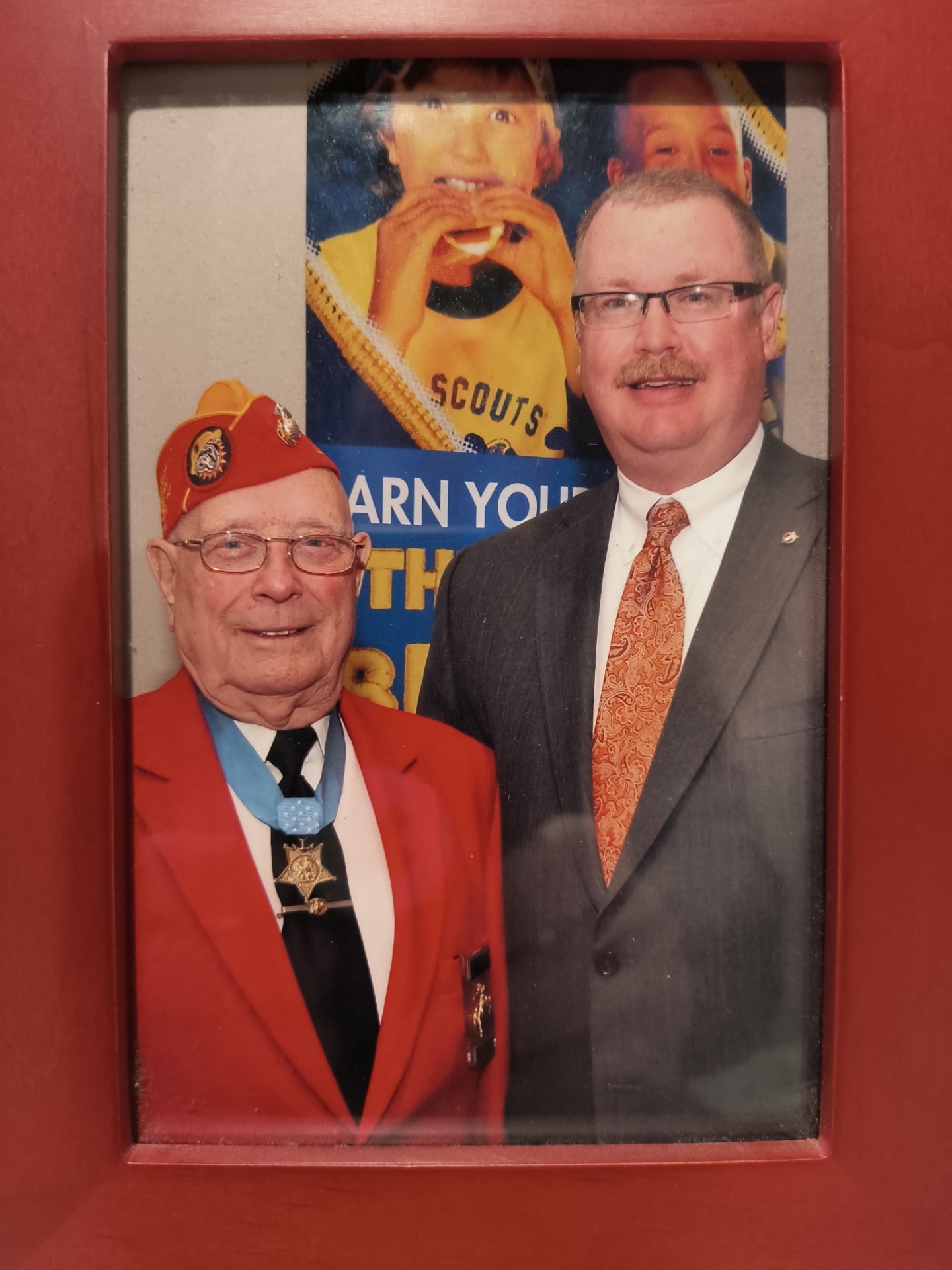
Medal of Honor recipient Hershel W. “Woody” Williams with Stephen Bales, Red Cross board member and volunteer
In 2015, I had the honor of meeting Medal of Honor recipient Hershel Woodrow “Woody” Williams, CWO4 USMC (Ret). At that time, he was the last surviving Medal of Honor recipient for action during the Battle of Iwo Jima. Mr. Williams passed away in 2022 and was the last surviving Medal of Honor recipient from World War II. What I remember most about meeting Mr. Williams was his extraordinary humility and overall sense of selflessness.
So why, you may ask, is Medal of Honor Day important to the Red Cross? Here are several thoughts that you might consider.
First, the Medal of Honor is, in some respects, about humanity. It is about individuals who, in the face of unimaginable danger, chose to act selflessly to save others. It is about courage, sacrifice, and unwavering commitment to a greater good. These are the same values that drive Red Cross volunteers and staff every day.
A Marine runs into enemy fire to save a comrade. A Red Cross volunteer wades through flood waters to help a stranded family. While the context is certainly different, the core principle is the same: putting the needs of others above your own.
Second, Medal of Honor Day reminds us of the profound impact of service. It highlights the sacrifices made by those who dedicate their lives to protecting and serving others. Just as Red Cross volunteers dedicated countless hours to disaster relief, blood drives, and community preparedness, Medal of Honor recipients demonstrated extraordinary dedication to their country.
Medal of Honor day offers a chance to reflect on the meaning of service and to inspire others to embrace a spirit of volunteerism and civic responsibility. It’s a reminder that even small acts of kindness and courage can make a difference.
Third, the stories of Medal of Honor recipients are powerful narratives of resilience and hope. These stories serve as a source of inspiration and demonstrate the strength of the human spirit and the ability to overcome adversity. At the Red Cross, we witness resilience every day, as individuals recover and communities rebuild after emergencies and disasters. Recognizing the unwavering resilience of Medal of Honor recipients reinforces the importance of our own work in fostering resilience in the face of hardship.
Whatever the reason might be, Medal of Honor Day is more than just a commemoration. It is a reminder of the values that unite us: courage, sacrifice, service, and resilience. By honoring these values, we reaffirm our commitment to the Red Cross mission and inspire others to embrace a spirit of humanitarianism and service.”
The Red Cross is committed to supporting our military and veteran families through our Service to the Armed Forces line of service. Click here to find out more about how you can support the effort.










 NOHredcross