Tips to ensure a safe and fun Halloween

By Ryan Lang, Red Cross board member and volunteer

Spooky season is here and soon our streets will be lined with trick-or-treaters looking for Halloween handouts. With that in mind, the American Red Cross has compiled a list of tips for parents to help keep kids safe while enjoying the holiday, especially as we continue to navigate the pandemic.

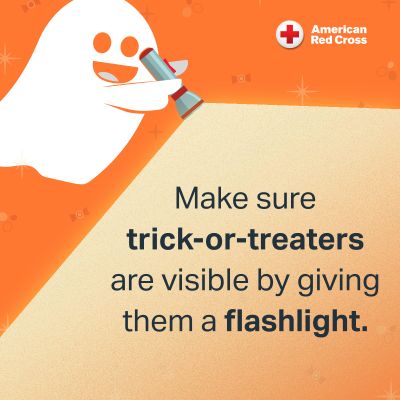
  1. Make sure trick-or-treaters can see and be seen. Give kids a flashlight to light their way and consider adding reflective tape to costumes and trick-or-treat bags.
  2. Plan the trick-or-treat route in advance and make sure adults know where their children are going. A parent or responsible adult should accompany young children door-to-door. 
  3. It’s not only vampires and monsters people have to look out for. Be cautious around animals, especially dogs.
  4. Walk only on the sidewalks, not in the street. Avoid running. Look both ways before crossing the street, and cross only at the corner. Don’t cross between parked cars.
  5. Only visit homes that have a porch light on, and never go inside.
  6. Make sure a grown-up checks the goodies before eating. Make sure to remove loose candy, open packages and choking hazards. Discard any items with brand names that you are not familiar with.
  7. Make your cloth mask part of your costume. A costume mask is not a safe substitute for a cloth mask. Avoid wearing a costume mask over a cloth mask as it can make breathing difficult.
  8. Plan outdoor activities and avoid indoor events where the risk of virus transmission is higher.
  9. Bring hand sanitizer with you while trick-or-treating and use it after touching objects or other people. Wash your hands when you get home.
  10. Avoid trick-or-treating in large groups, and social distance from others around the neighborhood.

For those planning to welcome trick-or-treaters to their homes, follow these safety steps:

  • Give out treats outdoors, if possible.
  • Avoid direct contact with trick-or-treaters by setting up an area with individually bagged treats for kids to take. Wash your hands before handling treats.
  • Maintain social distancing and wear a cloth mask.
  • Light the area well so young visitors can see.
  • Sweep leaves from your sidewalks and steps. Clear your porch or front yard of obstacles someone could trip over.

Trick or treat dates and times vary; in Northeast Ohio, check here and in Northwest Ohio, here. You can also visit your city’s website for specific information.

Download the free Red Cross First Aid app for instant access to expert advice in case your ghost, goblin or superhero has a mishap. Use the Emergency app for weather alerts and to let others know you are safe if severe weather occurs. Find these and all of the Red Cross apps in smartphone app stores by searching for the American Red Cross or going to redcross.org/apps. 

Disaster aid stations provide much needed supplies, snacks and meals for families recovering from Hurricane Ian

By Mandy McMahon, American Red Cross

Three weeks after Hurricane Ian made landfall along Florida’s Gulf coast, the American Red Cross continues to serve communities throughout Southwest and Central Florida. Hundreds of people are still relying on shelters and support following the storm.  

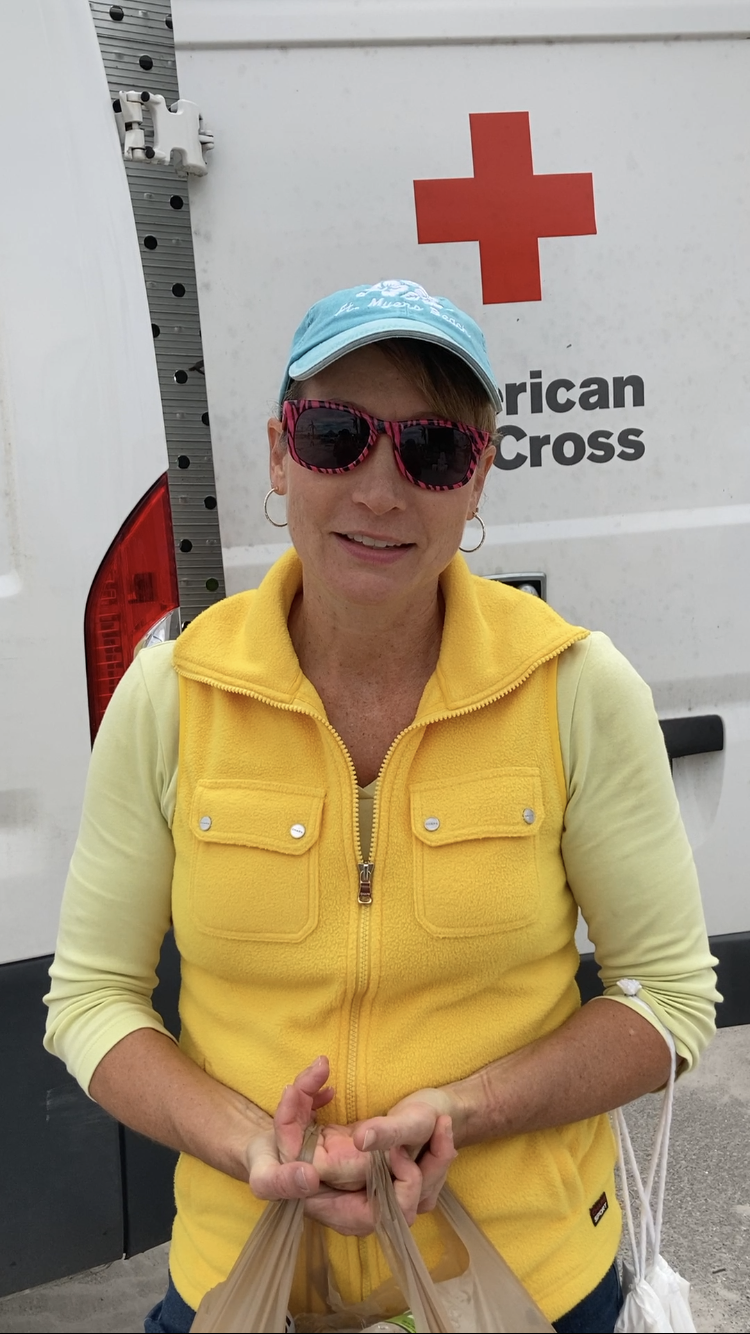
Stow resident Christina Krieger

“We have a long journey ahead. It’s just begun. Even after three weeks there’s still a major amount of devastation. I think it’s going to be a two-year journey,” said Christina Krieger from Stow, Ohio who came to Fort Myers Beach to help her mother pick up the pieces after her home of 22 years was flooded by the hurricane. “All her belongings are laying outside. We have to clean off all the muck and salt just to prepare it for storage while the home is rebuilt inside. It’s really hard – it’s devastating.” 

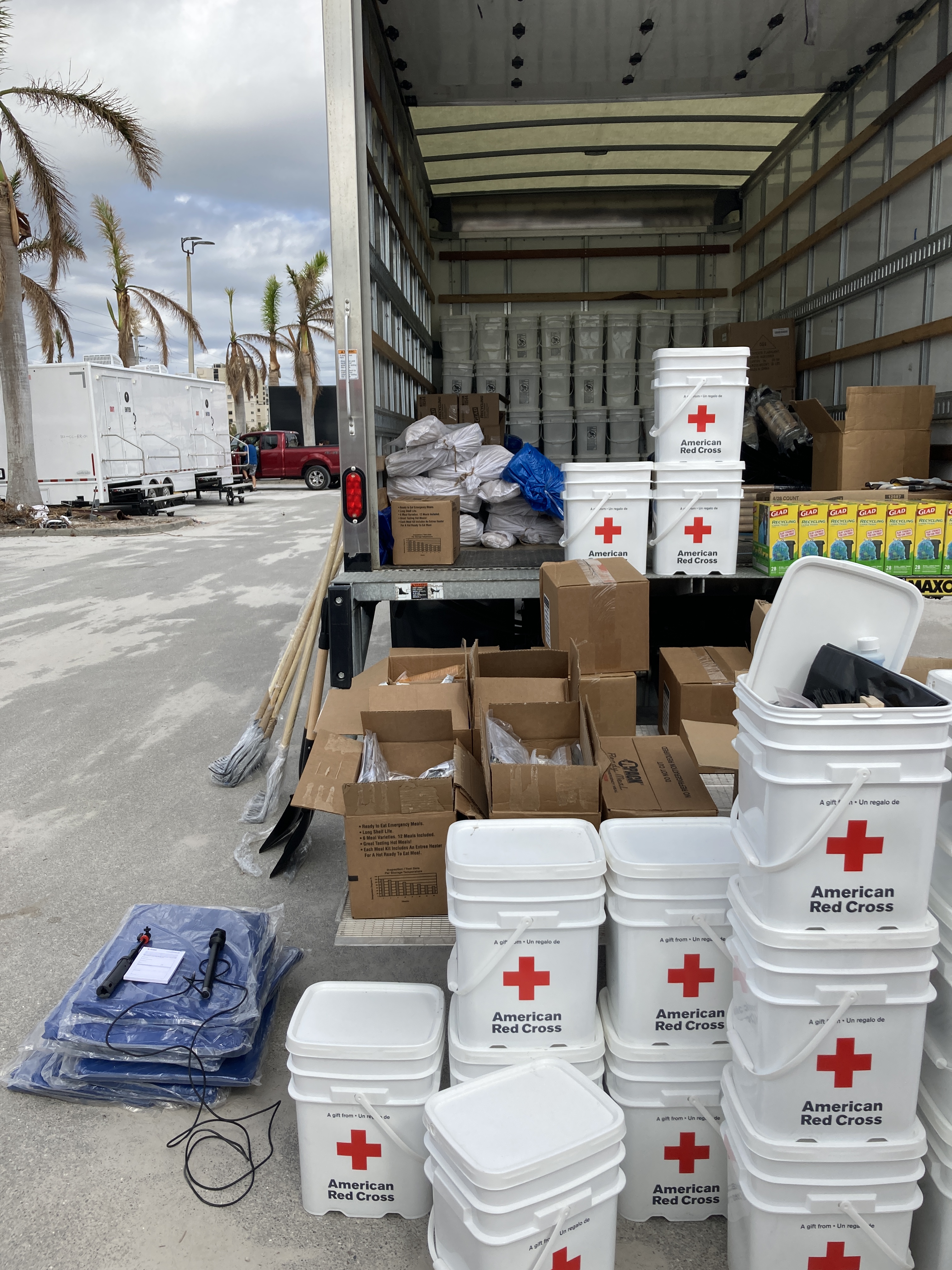
Christina came to the Disaster Aid Station on Fort Myers Beach on Thursday looking for a meal while she and her mother work through the wreckage searching for salvageable items. At Disaster Aid Stations, the American Red Cross offers mobile feeding and emergency supply distribution, alongside other organizations providing essential services such as laundry and bathroom facilities for Fort Myers Beach residents where water and power utilizes are still not operational.  

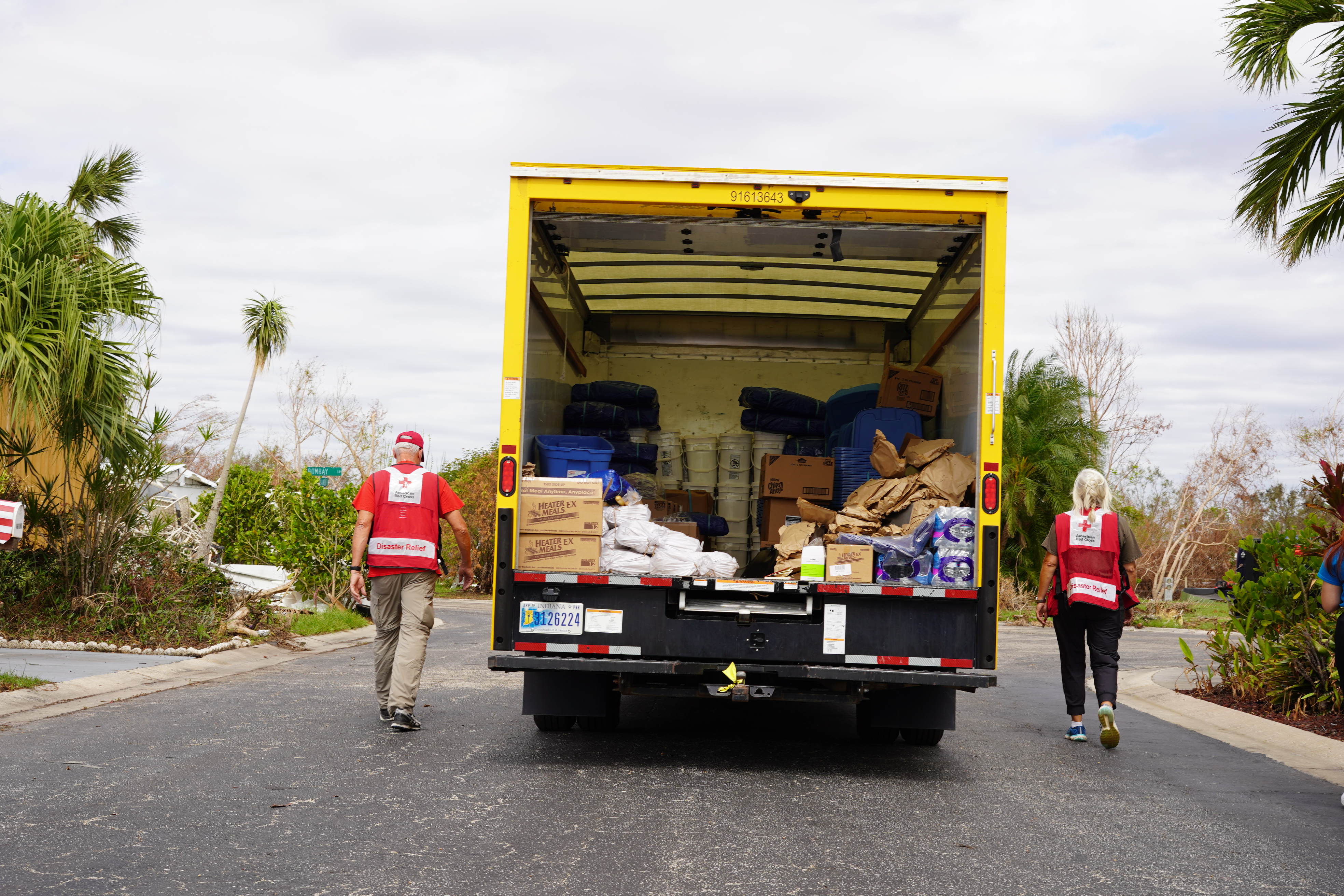
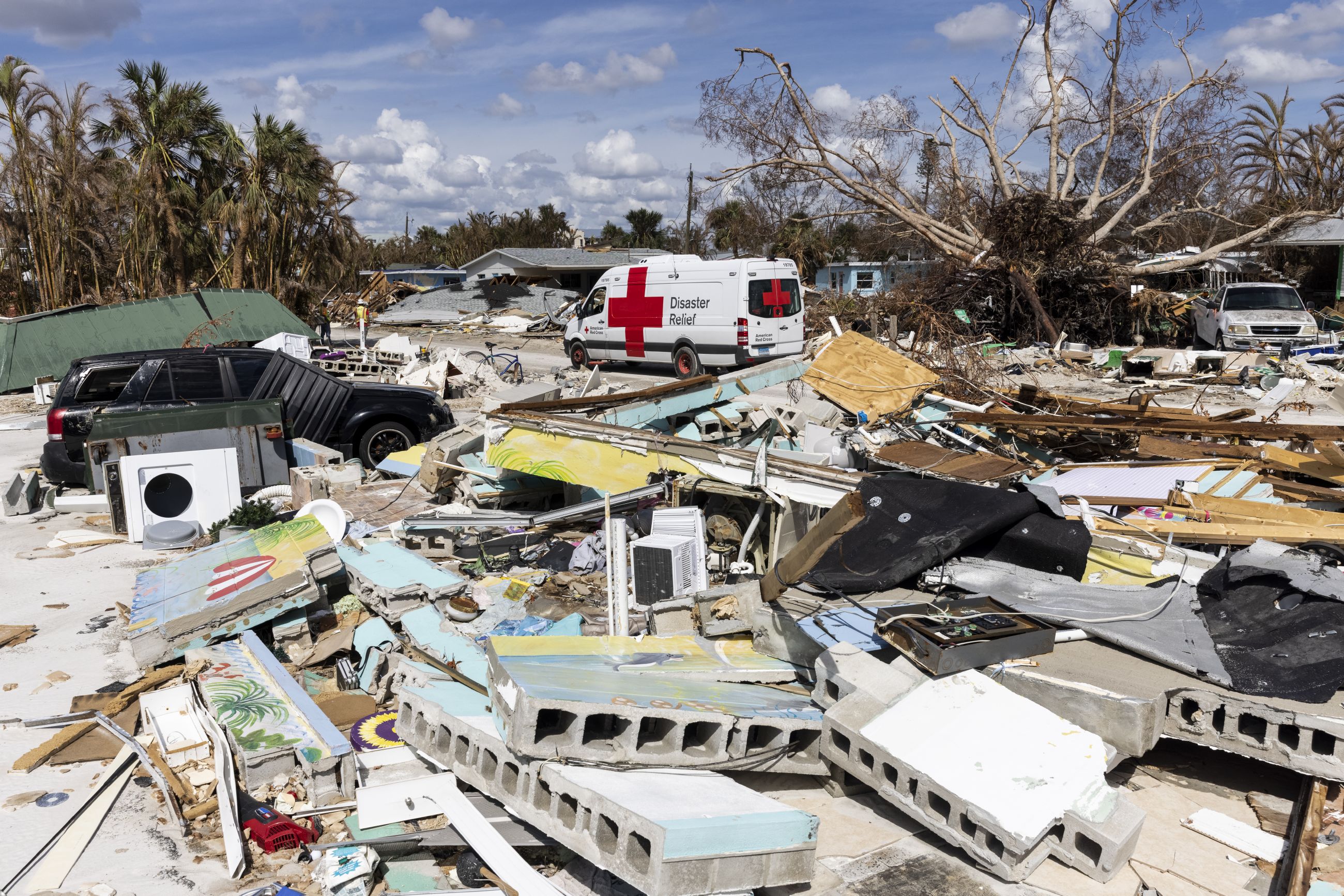
Residents waiting in line for a hot meal from the Red Cross Emergency Response Vehicle express the struggle of cleaning up an overwhelming amount of destruction caused by high winds and more than seven feet of storm surge.  

“We’ve been working 18-hour days to accomplish what we can before we go back home. What the Red Cross offers for meals and extra supplies is so helpful – it’s one less thing we have to think about. We’ll try to come back in a month when maybe the electricity will be back on,” Christina describes the daunting task of helping her mother down the path to recovery. “Thank you to the American Red Cross for being here, and to everyone else along the beach who’s providing free meals. Don’t forget about us – please stay.” 

Christina hopes that she can come back someday and see the Fort Myers Beach she remembers as a place of fun and relaxation. Residents seeking help at the Disaster Aid Station expressed their hope that vacationers will come back and help the island recover.  

“You can see things on TV, but until you experience it firsthand and feel it, you have no idea what it’s like. We did evacuate, but when we came back, we just cried,” said Cheryl McAllister, describing her reaction to seeing the devastation to her home and community. “Everybody that sees the destruction cries because they’ve been here before and they know what it was, but we will come back. Fort Myers Beach will come back; it just takes time.” 

Like so many other Floridians impacted by the storm, Cheryl calls herself fortunate despite losing her possessions that were either washed out or mangled by flood waters. Her home is still standing.  

Red Cross Disaster Aid Station after Hurricane Ian at Fort Myers Beach, Florida

Red Cross has been amazing. They’re so nice – they stop and ask if you’re ok and make you feel better. They’ve given us food and water,” Cheryl said as she holds hot meals to take back to her home. “We’ve been here a couple of days without any electricity, water or sewage. We come here to get lunch – we usually only eat one meal a day, which is this one.” 

To date, the American Red Cross has provided nearly 1.5 million meals and snacks with the help of our partners. Additionally, more than 350,000 relief items, including comfort kits and other supplies have been provided to people in need serving more than 20,000 total households. 

“We appreciate everything the American Red Cross does and every other organization that’s here helping. I thank everybody who’s helping, volunteering, who cares about us,” said Cheryl. “We’re off the news, but it’s still new and it’s still raw. It’s nice not to be forgotten.” 

Posted by Ryan Lang, Red Cross board member and volunteer

What you need to know about the flu vaccine (and donating blood) this year

By Sam Pudelski, American Red Cross volunteer 

Fall is here, and along with it comes flu season. If you are a regular blood donor, you may have questions about the flu shot and if it will affect your ability to donate blood (Spoiler alert: it doesn’t!). Even if you donate blood less frequently or you have not donated before, the American Red Cross of Northern Ohio answers some common questions about getting the flu vaccine and shares what you need to know about donating blood this fall and winter. 

Why should people get their annual flu vaccine? 

  • Getting your yearly flu shot is the best line of defense against the flu. If you do get sick, your symptoms might not be as severe if you are vaccinated. 
  • While some people may think getting the flu is no big deal, it can be serious – even for those who are healthy. 
  • Vaccination to prevent influenza is especially important for people who are at high risk for developing serious complications from the flu. Members of their household or those who are in close, frequent contact with individuals who are high risk should get vaccinated. 

Who should get the flu vaccine? 

  • The Centers for Disease Control and Prevention recommends everyone six months of age and older should get a flu vaccine every season, with rare exceptions. 
  • There are different flu vaccines approved for different age groups and for some people, like those who are pregnant or have certain chronic health conditions. 
  • If you have any questions, talk to your primary care provider. 

What do I need to know about the flu vaccine and donating blood? 

March 11, 2019. Monroe Carell Jr Children’s Hospital at Vanderbilt, Nashville, Tennessee. Photographs from blood bank at Vanderbilt University Medical Center, blood donations at Red Cross on Monday, March 11, 2019 in Nashville, Tenn. Photo by Sanford Myers/American Red Cross
  • Getting the flu vaccine helps to support a healthy community and ensure that patients have access to lifesaving blood products year round. 
  • When you get a flu shot, you don’t need to defer or delay your next blood donation. 
  • If you do get the flu, it is important to wait until you no longer exhibit symptoms and have recovered completely before attempting to donate. 

Can I get my flu shot and COVID-19 shot at the same time? 

  • It is safe to get your flu and COVID-19 vaccination shots at the same time.  
  • Talk to your health care provider to see if you are eligible to get your COVID booster or if you have any questions. 

Where can I get a flu vaccine? 

There are several places that offer flu shots in our community. You can check with your local pharmacy or schedule an appointment with your primary care provider’s office to get your vaccine. Additionally, some local county public health departments may offer flu vaccine clinics. Check your local county health department’s website for more information.  

How frequently can you donate blood? 

Have you considered donating blood this year? If so, you should know that you can donate more than once per year. You can provide whole blood donations every eight weeks (56 days), up to six times per year. You must wait 16 weeks (112 days) between Power Red donations. Platelet donors can give every seven days, up to 24 times per year. Plasma donors can give every 28 days, up to 13 times per year. As a thank-you, all who come to give Oct. 16-31, 2022, will receive a $10 e-Gift Card by email to a merchant of choice. 

The Red Cross holds blood drives across Northern Ohio regularly. You can help save lives by giving blood. To find an upcoming blood drive near you, visit www.redcross.org/give-blood.  

Edited By Glenda Bogar, American Red Cross volunteer 

Posted by Ryan Lang, American Red Cross board member and volunteer

Northern Ohio volunteer helps reunite families separated by Hurricane Ian

By Diane Weber, American Red Cross volunteer

“Hello. Red Cross? I can’t reach my parents!” 

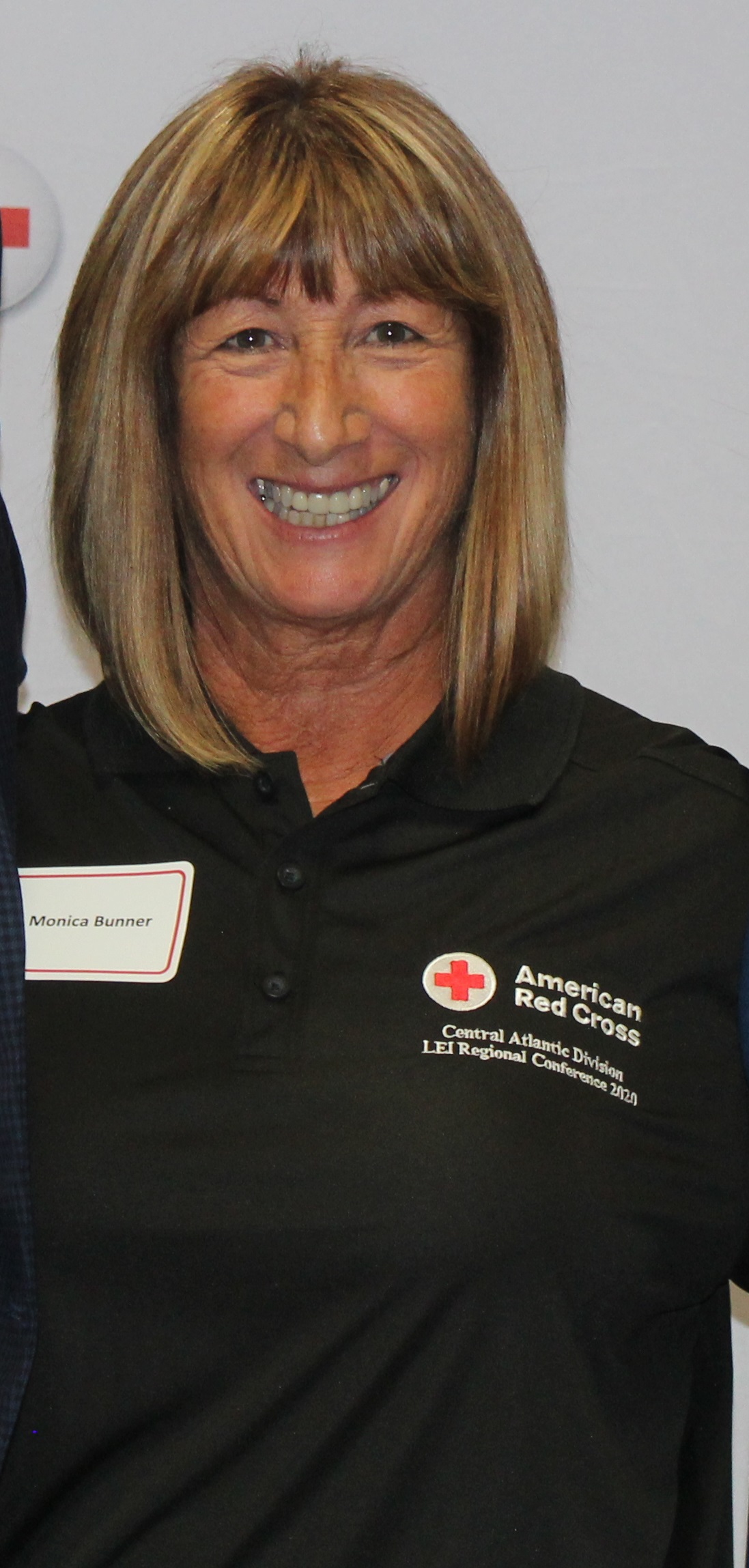
The call comes in, and Monica Bunner of Medina and the American Red Cross Reunification Team get to work. They begin with an interview of the missing person’s family. Where do the missing persons live? When did you last hear from them? More questions follow:  Do they know their neighbors?  Do they attend a house of worship? Are they part of an organization such as Knights of Columbus? Are there places they like to frequent?  

Monica Bunner, Red Cross volunteer, Reunification Regional Program Lead

In this case, the parents had recently bought a home in Rotonda West, a golf community on the coast in central Florida. The son did not know the neighbors’ names, and a call to the golf clubhouse did not yield a connection. But Monica and her colleague, Tammy Miner of Maysville, Washington spotted a lead in their interview – the missing couple had just bought a home. A search of public records yielded the name of the realtor. On a hunch that the realtor lived in the area or perhaps remained in contact with the couple, Monica called the realtor. The realtor not only lived within driving distance, but he was also willing to drive to the couple’s home.  

The realtor reported that the couple were doing well but had no electricity or cell service to contact the family. The couple drove to a nearby town and reconnected with a very relieved son. 

Such is the daily experience for reunification workers Monica. Most of these requests are resolved with just a few phone calls.  

She explained the process: 

  • Calls for reunification assistance are typically initiated through the 1-800-RED CROSS portal, although some requests come from people who see the reunification team working in the field and tell them of their own missing persons. 
     
  • The requests are then vetted according to urgency, with priority going to people with medical issues or physical or mental disabilities or veterans. Unaccompanied minors are given immediate priority, as are requests from immediate family members. Friends searching for friends or work acquaintances are coached with suggestions for their own searches.  
     
October 7, 2022. Punta Gorda, Florida. Red Cross disaster relief worker Lynette Nyman gets a hug from darling Ava who evacuated to her grandmother’s home to be safe from Hurricane Ian. Photo by Marko Kokic/American Red Cross
  • If the reunification team decides to open a case for the missing person, more information is gathered, such as the physical appearance of the person and why that person decided to remain in the area and not evacuate. 

    “That information helps us to understand the missing person more fully,” explained Monica. “We find out if the person is afraid to venture out into crowds or if they refused to leave their pets, for example. That will help us in our search for them.” 
  • The reunification team then presses for more information. Is the missing person part of an organization such as Knights of Columbus or American Legion? Does he/she have a favorite site to visit, such as a library or museum or even a favorite store or restaurant? Is he active on social media?  
     
  • If none of the telephone detective work yields the whereabouts of the missing person, the Reunification Field Team heads out to the neighborhood, first to the address of the missing person and then canvasing the neighbors, churches, organizations, and local shelters.  
October 11, 2022. Ft. Myers Beach, Florida. Red Cross volunteers drive through some of the areas in Fort Myers Beach, FL, that were hit hardest by Hurricane Ian’s devastating winds and storm surge. They took their emergency response vehicle into the community to deliver hot meals to residents who have only just begun their cleanup efforts since being let back on the island on Sunday. Photo by Scott Dalton/American Red Cross

Last week, a missing grandmother was located in a Florida shelter. 

“I’m well and happy as a clam,” she told her family when she was found. “I’m sitting in a shelter. I’m well fed, and I’m watching TV with my friends.”  

Another successful case for the reunification team. 

“It is addictive,” cautioned Monica. “When you’re able to tell the family that you have found their family member safe and sound and see the relief on their faces, it is worth all the effort to find them.” 

Edited by: Jim McIntyre, Red Cross Regional Communications Director

Employee’s lifesaving action inspires Red Cross training

CPR being taught to workers nationwide

Jamell Fetter had not yet received First Aid/CPR/AED training from the American Red Cross through his employer, Estes Express Lines. But the Toledo man had already used CPR to save a co-worker’s life.

Jamell Fetter received a certificate and pin from Rachel Hepner, executive director of the Red Cross of Western Lake Erie

“I sat in on classes with my sisters and my friends who had to do all their certifications online,” he said. “I never had any formal training. Just watching the videos.”

Jamell said he was at a company lunch event in September, 2020 when he saw coworker Mark Benschoter on the floor, lifeless.

“I wasn’t thinking about it until afterwards, and I just knew he needed help, and I was there.”

Mark is back on the job, working every day with Jamell. “He is my personal security guard,” Mark said. “Every time we have a function, people will not let him go home until I do. He has to stay until I leave.”

After learning of Jamell’s lifesaving actions, company officials asked the Red Cross to provide First Aid/CPR/AED training to all managers, supervisors and directors at its facilities across the country.

“It’s a great project,” said Tom Zahler, director of corporate training and development for Estes Express Lines, based in Richmond, Virginia. “We’re really grateful we’re partnering with the Red Cross.”

Tom visited Toledo on the day Jamell was presented with the certificate of extraordinary personal action at the headquarters of the Red Cross of Western Lake Erie in Toledo. The award is presented to individuals for selfless and humane action using lifesaving skills.

“We’re training supervisors and above to be sure that someone on every shift, every day is available, should another event like this happen.”

Although Jamell isn’t at the supervisor level, he is being included in the training being provided by Estes Express Lines.

Mark Benschoter, Jamell Fetter and Tom Zahler of Estes Express Lines

“It’s working,” Tom said. “We hear stories all the time about people who are there when something happens.”

Information about First Aid/CPR/AED training is available at redcross.org /take-a-class.

Hear Jamell, Mark and Tom tell the story on our podcast, Be A Hero.

Posted by Ryan Lang, Red Cross board member and volunteer

As disasters increase, mental health support is critical

On World Mental Health Day please consider volunteering with the Red Cross

By Tim Poe, American Red Cross volunteer

October 10th is World Mental Health Day, which seeks to raise awareness of mental health issues around the world and to mobilize efforts in its support. This year’s theme is, “Make mental health and well-being for all a global priority.” This universality and humanity are part of the American Red Cross’s mission, and in my various capacities as a volunteer, I have glimpsed how needed and effective Red Cross mental health services are.

September 18, 2001. Arlington, Virginia. The Pentagon. Photo by Hector Emanuel/American Red Cross

As we deal with climate change, disasters of increasing frequency and severity, public health emergencies, and other issues, mental health is vital. And professional mental health is especially effective after a major disaster, as we are currently seeing in the aftermath of
Hurricanes Ian and Fiona.

Following a major disaster, Red Cross disaster mental health workers work in shelters and the community to help promote resiliency and good coping skills. They meet with people in need of short-term psychological care to help reduce stress and provide tools to cope. They can also help connect people with resources in the community for longer-term care when needed. Additional mental health professionals provide on-call phone support to those impacted as well as first responders.

Using Hurricane Ian as a recent example, on October 4th, a week after the hurricane made landfall, more than 2,000 people sought refuge in nearly 20 Red Cross and partner shelters across Florida. And to give scope of the tens of thousands in need of assistance, 142,000 meals were provided that day. Mental health professionals are part of a Red Cross team of over 1,500 currently supporting relief efforts in the area.

Northern Ohio volunteers Arden Tohill and Deb Day delivered hot meals yesterday in Cape Coral, FLA. They are traveling with Colorado volunteer Larry Ralston in the Emergency Response Vehicle that is normally used to respond to disasters in the Akron area. It’s one of nearly 120 ERVs being used to deliver food, water and relief supplies to the residents who have lost so much because of Hurricane Ian. 112,000 meals were provided yesterday alone, thanks to our partners with Southern Baptist Disaster Relief.

Other disasters, like home fires, also seriously impact mental health. Each day, the Northern Ohio Disaster Response team assists with comfort and caring as well as ensuring those aided have food, shelter, and medicine. When further mental health assistance is needed, they work to provide it, and mental health professionals are a key part of the team.

As we reported last month, additional mental health volunteers are needed. Those eligible include currently licensed mental health professionals, current school psychologists and school counselors, current psychiatric nurses, and retired mental health professionals.

Gail Wernick, Regional Volunteer Services Officer, shared the need for mental health
professionals to volunteer with the Red Cross in Northern Ohio, “Every day, the Red Cross sees the heartbreak of people coping with the effects of natural disasters. The need for compassionate volunteers has never been greater. This October, in recognition of World Mental Health Day, we invite licensed mental health providers to join us to volunteer. You will use your professional skills to deliver mental health support, so others don’t have to face tough times alone.” To get started, visit www.redcross.org/volunteer.

The World Health Organization has more on World Mental Health Day here.

The Northern Ohio regional Red Cross site has links to explore volunteer opportunities, provide financial support, and give blood.

Take a few moments and potentially save the lives of your family

Sunday marks the start of National Fire Prevention Week

By Doug Bardwell, American Red Cross Volunteer

October 9 – 15 is National Fire Prevention Week and is a perfect time to ensure your family’s safety this coming winter. In Northern Ohio, we see a 23% increase in home fires each winter. Unfortunately, during fiscal year 2022, the Northern Ohio Region of the American Red Cross needed to respond to 1,150 home fires. 

First, teach your children what a smoke alarm sounds like and what they should do when it goes off. The most chilling story I read recently was about a grade-schooler who was asked what he would do when he heard the sound of a smoke alarm. His answer was authentic but frightening, “Go hide in the attic!”

I’ll be asking my grandchildren that question this week for sure. It shows that we can’t take anything for granted when it comes to children.

After they realize that was the wrong answer, it’s a perfect time to practice the correct response, which the family should do together. Luckily, the Red Cross has created a Two-Minute Drill to follow:

Studies have shown you will probably only have two minutes to escape a fast-burning fire safely. Practice your plan with everyone in your household. Visit redcross.org/fire for more information, including a printable escape plan and safety tips for cooking and home heating — the leading causes of home fires, according to the National Fire Protection Association, which is sponsoring Fire Prevention Week with the theme, “Fire Won’t Wait. Plan Your Escape.”

  • Include at least two ways to exit every room in your home in your escape plan.
  • Select a meeting spot at a safe distance away from your home, such as your neighbor’s home or a landmark like a specific tree in your front yard, where everyone knows to meet.
  • Tailor your escape plan to everyone’s needs in your household. If you or a loved one is deaf or hard of hearing, install strobe lights and bed-shaker alarms to help alert you to a fire.

Check your smoke alarms:

  • Place smoke alarms on each level of your home, including inside and outside bedrooms and sleeping areas. Test alarms monthly and change the batteries at least once a year if your model requires it.
  • Check the manufacturer’s date of your smoke alarms. Ten years or older, they likely need to be replaced because components such as the smoke detection sensor can become less reliable. Follow your alarm’s manufacturer’s instructions.

If you need and can’t afford smoke alarms:

Contact your local Red Cross office and they’ll arrange to get them installed for you at no cost. During the previous 12 months, the Northern Ohio Region of the Red Cross installed more than 8,300 smoke alarms, making more than 3,200 homes safer through our fire safety visits.

Since 2014, nearly 1,400 lives have been saved thanks to the Red Cross Home Fire Campaign, which includes Sound the Alarm events. During these events, local fire departments partner with the Red Cross and spend the day installing alarms for those who need them but don’t have them. Thousands of other families received new alarms when they discovered that theirs were so old they probably wouldn’t have worked in the case of a real fire.

Learn more about our Home Fire Campaign here, and/or request a smoke alarm, volunteer to help with installations or donate to help provide more free smoke alarms. 

Celebrating Hispanic Heritage

National Hispanic Heritage Month runs through October 15

By Chris Chmura, American Red Cross volunteer

Our weather has started to cool in northern Ohio as we to shift from summer to fall. One of my favorite months is October, with its dramatic changes in weather, kids back in school, and the holiday season beginning to ramp up.

The American Red Cross celebrates this important time by acknowledging our strong relationship with the Latino community in recognizing National Hispanic Heritage month.

Last year, I was fortune enough to write about the American Red Cross’ Northern Ohio Latino initiative, explain why we need to focus on this cultural group and share ways to get involved. The fundamental principles of the Red Cross instruct us to help all people in times of need.

Latino initiative

The Northern Ohio Latino initiative’s mission is to deepen our relationship with this diverse community, provide education about services we can provide, offer tools and support regionally, and partner with local groups to bridge trust.

Why?  The short answer is that the growing Latino community has varying levels of connectivity to Red Cross services. One gap we discovered is the large percentage of Spanish-only speaking people who are disconnected from the Red Cross based on language barriers.

One way we continue to build on our momentum is to have strong partnerships with groups like HOLA Ohio, with their incredible leaders and strong members.

HOLA was founded in late 1999 as an informal group of Hispanic women in Lake County who wanted to help the growing Latino community, comprised of Mexican immigrant workers employed by area nurseries and their families. Few services were accessible to this demographic, and HOLA worked to bridge gaps. Today, HOLA is an award-winning, 501c3 charitable nonprofit organization which works with families across the state. HOLA is currently developing a Commercial Kitchen Incubator and Hispanic Community Center in Painesville.

HOLA’s work has been spotlighted in the Los Angeles Times, Washington Post and Telemundo, and has been recognized with numerous awards, including a Torchlight Prize, a prestigious national award honoring community-driven work that empowers the Latino community. Recently, founding executive director of HOLA Ohio and the HOLA Hispanic Community Center Veronica Isabel Dahlberg was named a 2019 Crain’s Cleveland Business Woman of Note.

HOLA’s work in the community

HOLA and volunteers and employees with the Red Cross of Northeast Ohio have partnered in the past to install smoke alarms in the Latino community.

“HOLA is a key partner in helping us provide assistance to Hispanic residents who have been affected by home fires,” said Tom Revolinsky, Disaster Program Manager for the Red Cross of Northeast Ohio. “They help us with translation, give additional financial assistance and help overcome any cultural barriers to recovery.”

In October 2021, working with HOLA and the Painesville Fire Department, the Red Cross installed 62 smoke alarms in 25 homes in a largely Latino neighborhood.   Fire safety information was shared in Spanish and, according to Tom, was very well received by the community.

“HOLA is very grateful for our partnership with the Red Cross,” said Veronica Isabel Dahlberg, Executive Director HOLA Ohio and the HOLA Hispanic Community Center. “Working together, we have been able to assist Hispanic families in crisis, and also help with fire safety education and prevention, such as the installation of smoke alarms in the homes of Spanish-speaking families. There is no doubt that our combined efforts will save lives.”

Seeking Latino volunteers

The Red Cross of Northern Ohio has a need for Latino volunteers to help us grow our mission in their communities.

You can learn about being a volunteer here.

Web resources

Did you know that the American Red Cross has a Spanish language website? You can access it here.

Posted by Ryan Lang, Red Cross board member and volunteer

From home fires to large scale disasters, organizations help Red Cross respond

The J.M. Smucker Company, Marathon Petroleum Foundation, Inc., and FirstEnergy Corporation aid through Annual Disaster Giving Program

By Tim Poe, American Red Cross volunteer

One of the many memorable experiences as an American Red Cross volunteer came soon after first joining. I had spent two days assisting families and first responders during and after a large condominium fire in one of Cleveland’s western suburbs. While packing up as evening fell, I received a call. A large apartment building in an eastern suburb was now burning. I stopped by the Red Cross’ Cleveland office, resupplied a response vehicle, and headed off to meet the volunteers and staff already on the scene.

It was comforting to know that, even with the high number of people needing aid, we were able to provide it. No one impacted would have to wait for financial assistance, for a place to stay, for food and water. Such immediacy is critical in a disaster, as the Red Cross has emphasized that #HelpCantWait.

Our ability to quickly respond is due to generous donations, whether from individuals or large organizations like those taking part in the Annual Disaster Giving Program (ADGP). Such support is critical, as locally and nationally, disasters are increasing.

This national Red Cross news release celebrates the 130+ corporate and organizational members of the ADGP. Three of them, The J.M. Smucker Company, Marathon Petroleum Foundation, Inc., and FirstEnergy Corporation assist the Northern Ohio region.

As The J.M. Smucker Company reports, it became a Red Cross Disaster Responder in 2017 and went on to become an ADGP supporter in 2019. It currently contributes at the $500,000 level. Community involvement is important to the company, including Disaster Relief. It states, “Major tragedies are a heartbreaking reality, and it is critical our communities have the resources to recover and rebuild. Through our partnerships, including with the Red Cross, United Way and Habitat for Humanity, we have helped support these efforts with product and financial donations. Our employees have also stepped up, volunteering time and effort to help their neighbors in need.”

As I reported in 2020, Marathon Petroleum Foundation, Inc., became an ADGP supporter and currently contributes at the $250,000 level. As the organization writes on its community investment page, “We provide funding, equipment and support to first responders, government agencies and community- based organizations to increase the overall safety of the communities where we operate. Preference is given to projects and organizations that help communities better prepare for, mitigate the risks of and respond to disasters, hazards and emergencies.”

FirstEnergy is also an ADGP supporter at the $250,000 level. Through the FirstEnergy Foundation’s Investing with Purpose initiative, the organization has given more than $3.43 million to support “nonprofit organizations that advance health and safety, workforce development, educational and social justice initiatives.”

Preparation and education are also vital parts of the ADGP program, and September is National Preparedness Month.

Thanks to ADGP members and other donors, the Red Cross has the resources, personnel and training to respond, whether to the three-per-day home fires we average in Northern Ohio, or a large-scale disaster. Our Regional Disaster Officer Tim O’Toole explained, “Without the generosity of our donors we would not be able to assist the nearly 1,800 families we have in the past year. These resources are critical to many families being able to begin their pathway to recovery after these life-altering events.”

Edited by Glenda Bogar, Red Cross volunteer

Posted by Ryan Lang, Red Cross board member and volunteer

You’re never too old to learn new tricks

It’s National Online Learning Day – September 15

By Doug Bardwell, Red Cross Volunteer

Albert Einstein is reported to have stated, “Once you stop learning, you start dying.” Well, assuming that’s not in your immediate plans, I’d suggest some of the less obvious, but very rewarding learning opportunities to all Red Cross volunteers.

I’m not referring to the voluminous number of classes on how to be a disaster, or blood, or SAF volunteer, but rather, skills you’ll use at home or outside of your Red Cross activities. And they are available online – whenever you’ve got some free time.

Two shockers for me

I used to drive competitively in Sports Car Club of America national events, so I always considered myself one of the better drivers on the road. But, despite that, I picked up some invaluable information in the Defensive Driving class available on Edge. Learning how to adjust rear view mirrors turned out to be a game changer for me.

Another class I took was Basic Food Safety. While I knew you should always wash hands before handling food, it turns out there is an incredible amount of science in handling food safely. From being aware of food serving and storage temperatures, to how easily germs can become foodborne was a real eye-opener.

More unique classes

Ever meet someone that has just lost a loved one or received some terrible health news? We all have. Did you know what to say? (Or, in my case, what NOT to say?) The Psychological First Aid: Helping Others in Times of Stress training will certainly come in handy. It did for me.

Or heaven forbid, you find yourself in an active shooter situation – there’s actually training for how to survive. Look for IS-907: Active Shooter – What You Can Do. Or watch the video: RUN. HIDE. FIGHT. Surviving an Active Shooter Event.

Plus, everyone should know CPR and basic first aid – so yes, those classes are available online also.

Even more skill development classes

Thinking about learning new job skills or need a refresher on computer skills? With the addition of Precipio classes available to all volunteers, just look at all the classes you
might enjoy.

The opportunities are there. All you have to do is give them a try. Classes are available to watch, to read, and as audiobooks. They are all free, so if you find they aren’t right for you – no harm, no foul.

And if you aren’t a Red Cross volunteer already – you should be. Start that process right here.

Stock photo by @thoughtcatalog on Unsplash.com

Posted by Ryan Lang, Red Cross board member and volunteer