Deck the halls and trim the tree: Tips for a festive and safe home

Written by Brad Galvin and edited by Glenda Bogar, American Red Cross volunteers

The holidays are approaching, so is the heightened risk for home fires. Unfortunately, this time of year is tragically one of the busiest for fire departments due to the surprising danger of holiday décor, dry Christmas trees, holiday cooking and misuse of fireplaces and chimneys.

fireplace-1024x683.jpgBeautiful, fragrant and festive, the live Christmas tree can be very risky if safety precautions are not observed. The longer the tree is in the home without being given ample water, the more it will dry out and become a fire hazard. A dry live tree can go up in flames quickly if there is an electrical mishap with a strand of lights or if an open flame gets too close to the needles. It is important to continue to give your tree plenty of water and keep it away from energy sources. Strands of lights should be checked frequently.

According the National Fire Protection Agency, between 2012 to 2016, U.S. fire departments responded to an average 170 home fires per year that started with Christmas trees. These fires caused an average of four deaths, 15 injuries and $12 million in direct property damage annually.

Festive décor should be installed with common sense in mind. Décor such as candles and lights can catch their cheerful counterparts such as garland, bows and wreaths on fire if they aren’t properly inspected and used correctly. Do not overload sockets and connect too many extension cords.

Hams, casseroles and delicious cookies are staples on the holiday plate but use caution 240_F_146531964_rcj4af3xtTm2f3nW8aoKU9G6Y14fPSt6when using the oven and cooking range. FEMA recommends a common-sense practice of simply staying in the kitchen when you are frying, grilling or cooking on the stove top or broiling food. The idea of “set-it and forget-it” is dangerous. Additionally, FEMA recommends to never use a turkey fryer in a garage or on a wooden deck. It’s imperative to watch the fryer carefully, as the oil will continue to heat until it can catch on fire. To avoid oil spillover, don’t overfill the fryer.

The holidays are the perfect time to enjoy the crackling of a fire in the fireplace. Stockings hung from the mantel is an iconic holiday image. While picturesque, it is critical to be smart when operating the fireplace. Some suggestions from the American Academy of Pediatrics include:

  • Even if the chimney is not due for cleaning, it is important to check for animal nests or other blockages that could prevent smoke from escaping.
  • Make sure the area around the fireplace is clear of anything that is potentially flammable (furniture, drapes, newspapers, books, etc.). If these items get too close to the fireplace, they could catch fire.
  • Never leave a fire in the fireplace unattended. Make sure it is completely out before going to bed or leaving the house. If you leave the room while the fire is burning or the fireplace is still hot, take your small child with you.
  • Always have a fire extinguisher nearby.

heating-en

The holidays are meant to be enjoyed with friends and family. The excitement can often divert our attention and distract us from our usual diligence. It’s imperative to use these common-sense suggestions to decrease the risk of a dangerous home fire.

You can learn more about preventing home fires with tips from the American Red Cross at redcross.org. The Red Cross offers simple safety tips that take you safely through the holidays and into the new year. Read  them here.
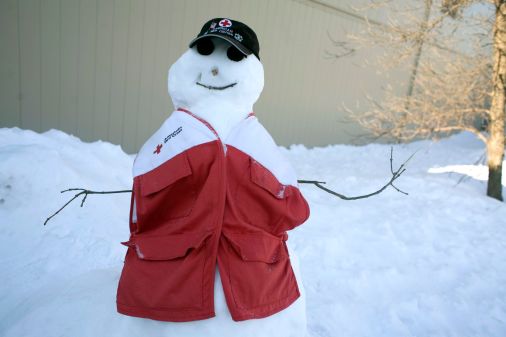
Winter is coming: Tips to protect your home and family this winter

By: Eric Alves, Regional Communications Specialist, American Red Cross of Northeast Ohio

As the calendar turns to November, in Northeast Ohio we know this means winter in coming. With snow and bone-chilling cold just around the corner, it is important to plan ahead to ensure that you are winter ready.

Here are some tips from the American Red Cross to help you prepare before the cold and winter storms arrive:

North Dakota and Minnesota Floods

Protecting your family:

  • Winterize your vehicle before the winter storm season to decrease your chances of being stranded.
  • Have a mechanic check your battery, antifreeze, wipers and windshield washer fluid, ignition system, thermostat, lights, exhaust system, heater, brakes, defroster and oil.
  • Install good winter tires.
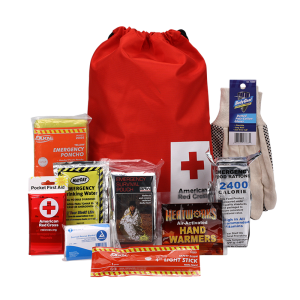
  • Service snow removal equipment before the winter storm season to ensure they are in good working condition.emergency prep kit
  • Items to keep in your vehicle all winter include a windshield scraper and a small broom, a small sack of sand for generating traction under wheels, matches in a waterproof container, a bright colored (preferably red) cloth to tie to the antenna and an emergency supply kit, which includes warm clothing.

Protecting your home:

  • Protect your pipes from freezing. To learn how to protect your pipes, click here.
  • Make sure your home heating sources are installed according to local codes and permit requirements and are clean and in working order.
  • Install storm windows and cover windows with plastic from the inside to provide an extra layer of insulation to keep cold air out.
  • Caulk and weather-strip doors and windowsills to add additional protection from the cold winter air.
  • If you have a fireplace, keep a supply of firewood on hand. Be sure the fireplace is properly vented and in good working order.

Don’t forget your furry friends:

  • Do not leave your companion animals out in the cold, bring them indoors. Ensure you have supplies for cleaning up after your companion animal—large plastic bags, paper towels and extra cat litter.
  • Create a place where your other animals can be comfortable in severe winter weather. Horses and livestock should have a shelter where they can be protected from wind, snow, ice and rain. Grazing animals should have access to a protected supply of food and non-frozen water.
  • Be aware of potential for flooding when snow and ice melt and be sure that your animals have access to high ground that is not impeded by fencing or other barriers.
  • Ensure that any outbuildings that house or shelter animals can withstand wind and heavy snow and ice.

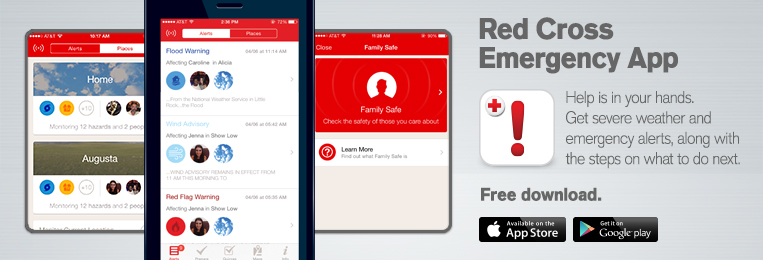
Use the American Red Cross Emergency App for weather alerts and to let others know 10846-005.jpgyou are safe if severe weather occurs. Find this and all of the Red Cross apps in smartphone app stores by searching for the American Red Cross or going to redcross.org/apps.
To learn more about what you should do before, during and after a winter storm to keep you and your family safe, visit redcross.org for additional winter storm safety tips.

Don’t Be “One of Those” Blood Donors

By Doug Bardwell, American Red Cross Volunteer

I just celebrated my 20th anniversary – 20 years since my first blood donation back on January 21, 1997.  I’ve learned a lot since then, and much of it concerns things I did wrong.  Profit from my mistakes, all made in a relatively short amount of time.

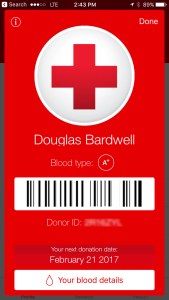
  • While walk-ins are gratefully accommodated, you’re liable to have to wait for an open donation time slot if you haven’t made an appointment. Appointments can easily be made online or with the Red Cross Blood app for your phone.

bloodapp

  • When you are leaving home or office and heading to the donation site, be sure to have your blood donor card or the blood app on your phone. A driver’s license or two other forms of ID could suffice, but without ID, you won’t be allowed to donate. Have your ID ready as you approach the registration table.
  • Drink PLENTY of water and have something nourishing (not fatty) to eat before you donate; BUT, not immediately before you come in. Eating or chewing gum immediately before taking your temperature can cause an incorrect reading and could disqualify or delay you. I recently had a chocolate chip cookie right before donating and it raised my temperature to 99.9 degrees. I then had to wait fifteen minutes while it returned to 98.6. It’s best to have something to eat one-half to one hour before you donate. Also, avoid caffeinated coffee and tea before your appointment.
  • Just like we exercise to keep our bodies in shape, you can pump up your blood’s iron levels by eating an iron-rich diet before donating. A low iron level could keep you from donating.
  • Get a good night’s sleep the night before your donation. Your body rejuvenates your cells while you sleep.
  • Don’t rush. Rushing to get to the donation center can cause stress, which can elevate your blood pressure. Avoid stressful activities.  Breathe, and give yourself time to leisurely get to the donation center. Even if you are a couple minutes late, you’ll be welcomed with open arms.
  • If you’ve got cold or flu symptoms (other than allergies), call (1-800-RED-CROSS) and discuss rescheduling your appointment. You’ll potentially save the trip, and your appointment time can be assigned to someone who walked in without an appointment.
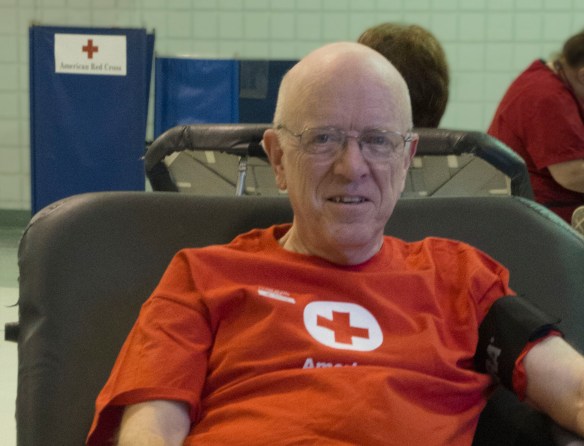
dougdonating

Red Cross Communications Volunteer and long-time blood donor Doug Bardwell

  • Lastly, wear loose clothing with sleeves that can easily be rolled up above the elbow.

Congratulations, you just made sure your donation was a success. But, one last suggestion, don’t try to leave too quickly afterwards.  There are snacks and drinks at that refreshment table in the corner. Pay it a visit. Take some of the time you saved and treat yourself to a snack. It will provide your body with some needed nourishment and you’ll leave feeling better for it.

Don’t forget, the clock is ticking, and you’ll be eligible to donate again before you know it.  Make that appointment today and have another great experience.

2016 Hurricane Season Kicks Off Early

On January 17, 2016 the first hurricane of the season dissipated over the Labrador Sea.

The big question is: Did you even know there was a Hurricane raging over the Atlantic?

On January 14, Hurricane Alex became the first hurricane to form during the month of January since 1938. It originated seven days earlier as an extratropical cyclone near the Bahamas and moved north. It peaked as a Category 1 on the Saffir-Simpson hurricane wind scale with winds of 85 mph. After weakening slightly, Alex made landfall on Terceira Island as a tropical storm a week later.

Luckily, this rare January hurricane did little damage.

But it does make you think about getting prepared, because you just never know when an emergency situation will creep up!

One really easy way to cover your bases when it comes to preparedness is to download the Red Cross Emergency App. Not only will the app alert you to any hurricanes in your area (based on your phone’s GPS coordinates), it can help you prepare for winter’s worst (which is definitely more pressing to northeast Ohio!)

Visit www.redcross.org/apps or search for RED CROSS in your device’s app store today.

Everything You Need to Know in New All-in-One Red Cross Emergency App

The new, all-inclusive Emergency App from the American Red Cross provides people with instant access to emergency alerts, life-saving information, and ways to contact family and friends in one free, easy-to-use app for smart phones and tablets.Emergency App

The Emergency App is a single ‘go-to’ source for everything from home fires to hurricanes. It includes content from a group of award-winning Red Cross apps with additional information about what to do in case of 14 different types of emergencies and disasters. Users can customize more than 35 emergency alerts based on their location and where loved ones live.

The app includes a new featured called “Family Safe” that allows the app user to notify loved ones who are in an area affected by an emergency or disaster. The recipient can instantly see the alert details as well as specific “what to do now” steps, and then respond with either “I’m safe” or “I’m not safe.” This feature works even if the recipient has not downloaded the Emergency App. In addition to smartphones and tablets, this feature will be available on the new Apple Watch and can be downloaded from the Apple Watch App Store starting April 24.

Other important features include:

  • Emergency first aid information for situations such as heart attacks, heat-related emergencies as well as water safety information;
  • Preloaded content so users can access guidance from Red Cross experts even without mobile connectivity;
  • A single map with open Red Cross shelter locations and weather information;
  • A home fire section with detailed prevention and safety tips as well as Red Cross “After the Fire” information;
  • “Make a Plan” feature to help families plan what to do and where to go if a disaster strikes; and
  • The ability to easily toggle between English and Spanish.

The app is available in app stores by searching for the American Red Cross or by going to redcross.org/apps.

Red Cross apps have been downloaded more than 6 million times and nearly 400 million alerts have been sent since the launch of the first app in 2012. While apps can help prepare someone for disasters, it’s important to note that they are not substitutes for training. People can take Red Cross First Aid and CPR/AED courses so they’ll know what to do in case help is delayed. They can get information and register at redcross.org/TakeAClass.

Celebrate March is Red Cross Month by Rolling Up Your Sleeves

March is Red Cross Month, and the Red Cross has an urgent need for blood and platelet donors to give now to help restock its shelves following recent winter weather.

Winter storms in March forced the cancellation of more than 200 Red Cross blood drives, resulting in nearly 7,000 uncollected blood and platelet donations. This shortfall follows more than 26,400 uncollected blood and platelet donations in February due to severe weather across 27 states. Regardless of the weather, every two seconds, someone in the U.S. needs blood – from cancer patients to accident victims to premature babies with complications.

March was first proclaimed Red Cross Month in 1943 by former President Franklin Roosevelt. Since then, every president has called on people across America to support the organization’s humanitarian mission in March.

You can help support the Red Cross and ensure blood and platelets are available for patients in need by scheduling an appointment to donate now. To find a donation opportunity near you, download the Blood Donor App, visit redcrossblood.org or call 1-800-RED CROSS. You can also help support the Red Cross by asking others to donate or creating a SleevesUp virtual blood drive.

New Red Cross app puts power to help save lives in hands of blood donors

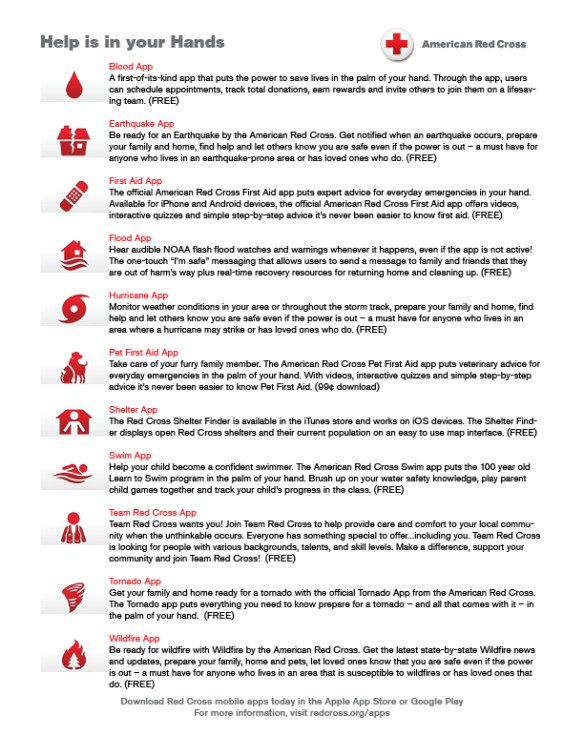
The Red Cross is launching a first-of-its kind Blood Donor App that puts the power to save lives in the palm of your hand.

The app makes it easier, faster and more convenient for users to schedule and manage their donation appointments, track the lifetime impact of their donations, and recruit friends and family to roll up a sleeve with them.

As the nation’s single largest supplier of blood and blood products, the Red Cross is uniquely positioned to bring this cutting edge technology to blood and platelet donors. In addition to scheduling and managing blood donation appointments, other features of the app include:
• A blood drive or blood donation locator;
• The ability to sync a blood donation appointment with the user’s calendar;
• Donors can share personalized #selfies about their donation experience through social media;
• Unlock special badges through interaction with the app, make donations and spread the word;
• A chance for donors to come together to form teams, tracking their cumulative impact and viewing standings on the Blood Donor Teams Leaderboard;
• Exclusive offers and discounts from some of America’s best brands, including Shari’s Berries, ProFlowers and 1A Auto, with new rewards added regularly; and
• Uplifting donor and blood recipient stories that show the power of rolling up a sleeve to help save lives.

The Blood Donor App, along with the Red Cross suite of preparedness apps, can be found in app stores by searching for American Red Cross. You can also visit redcross.org/apps or redcrossblood.org/bloodapp, or text* BLOODAPP to 90999 for a direct link to download.

Eligible blood donors do not need a smartphone to schedule an appointment to give blood. Appointments can always be made by calling 1-800-RED CROSS (1-800-733-2767) or by visiting redcrossblood.org.

How to donate blood
A blood donor card or driver’s license or two other forms of identification are required at check-in. Individuals who are 17 years of age (16 with parental consent in some states), weigh at least 110 pounds and are in generally good health may be eligible to donate blood. High school students and other donors 18 years of age and younger also have to meet certain height and weight requirements.

* Message and data rates for texting may apply.

Heading out to the movies this weekend?

Wildfire is a phenomena that we don’t really worry about happening here in Northeast Ohio.

However, if you are heading out to see Disney’s new movie, Planes Fire and Rescue, then you may want to arm yourself for the conversation that could follow.

In the movie, Dusty Crophopper (star of the first Planes movie) travels to Piston Peak National Park to train as a firefighter. While there he encounters and fights several wildfires.

Careless use of fire in heavily wooded areas such as a campsite at Piston Peak, combined with drought or dry conditions, dramatically increase the chance of a wildfire. Fire can spread quickly.

A Red Cross Volunteer observes first responders at a Wildfire.

When a wildfire rages, every second counts.

While first responders, like Dusty, control the fire through aerial and ground maneuvering, the American Red Cross establishes shelters and provides food and water to those who were forced to flee their homes. Shelters provide a safe place to stay and volunteers offer support and a caring shoulder. Once it is safe to return to a community, the Red Cross provides trash bags, masks and heavy work gloves to the people who start to shift through the ashes.

The Red Cross may also provide refreshments to the first responders who fight the blazes. (Cab, a cola depicted in the movie, anyone?)

Preparedness is paramount to those who live in areas susceptible to wildfire. That is why the Red Cross developed Wildfire Safety Tips and the Wildfire App.

In our communities, the Red Cross is more likely to respond to a home fire. In Northeast Ohio, we respond to an average 2.5 home fires a night. Some of the steps you can take to prevent this is your own home include:

  • Keep anything that can catch fire—like pot holders, towels, plastic and clothing— away from the stove.
  • Never smoke in bed.
  • Talk to your children regularly about the dangers of fire, matches and lighters and keep them out of reach.
  • Install smoke alarms on every level of your home, inside bedrooms and outside sleeping areas.
  • Teach your children what smoke alarms sound like and what to do when they hear one.
  • Once a month check whether each alarm in the home is working properly by pushing the test button.
  • Replace batteries in smoke alarms at least once a year. Immediately install a new battery if an alarm chirps, warning the battery is low.
  • Carbon monoxide alarms are not substitutes for smoke alarms. Know the difference between the sound of smoke alarms and carbon monoxide alarms.
  • Ensure that all household members know two ways to escape from every room of your home.
  • Make sure everyone knows where to meet outside in case of fire.
  • Practice escaping from your home at least twice a year and at different times of the day. Practice waking up to smoke alarms, low crawling and meeting outside. Make sure everyone knows how to call 9-1-1.
  • Teach household members to STOP, DROP and ROLL if their clothes should catch on fire.

For more information on home fire prevention and safety, visit our website.

Some of the scenes in Planes Fire and Rescue may be a little worrisome to young viewers. You can assure them that there plenty of specially trained first responders ready to respond to the emergency. And organizations, like the Red Cross, are ready to respond to the people who experience a wildfire or a home fire.