When people think of the American Red Cross responding to disasters, they often imagine the aftermath of a massive hurricane or deadly tornado. Trees uprooted and tossed aside, homes with missing roofs or destroyed by floodwaters. But it’s not the large-scale disasters that keep Red Cross volunteers busy day in and day out. Home fires are the most frequent disaster in the country, claiming seven lives every day in the U.S. In Northern Ohio, the Red Cross responds to more than three home fires, on average, every 24 hours.
As part of the national Sound the Alarm campaign, Red Cross staff, volunteers and community partners set aside specific weeks throughout the year to focus on educating residents about home fire safety and installing free smoke alarms where they are needed. From April 22 to May 12 staff and volunteers in northern Ohio, in partnership with local fire departments, held Sound the Alarm events in 11 communities across the region. They included:
Sandusky
Uhrichsville
Cleveland
Medina
Hubbard
Warrensville
Toledo
Findlay
Henry County
Newcomerstown
Willoughby Hills
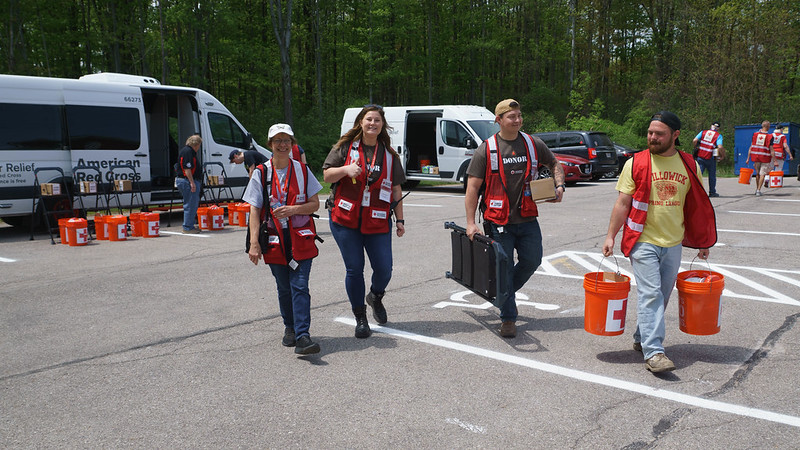
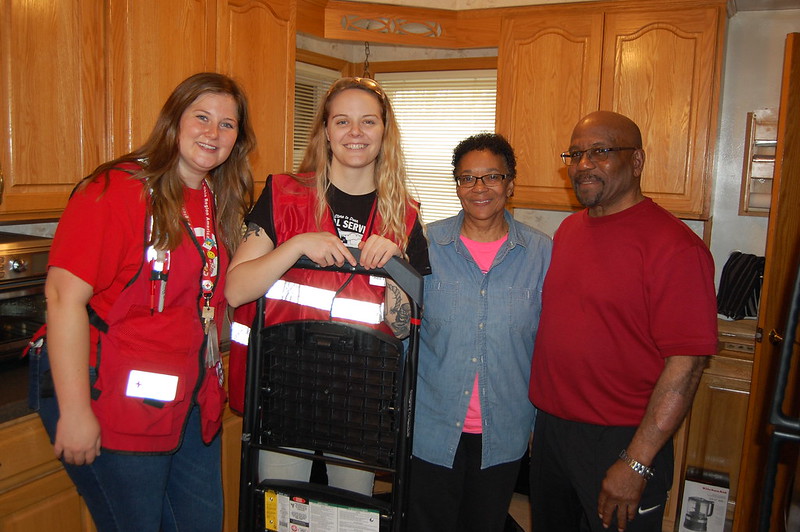
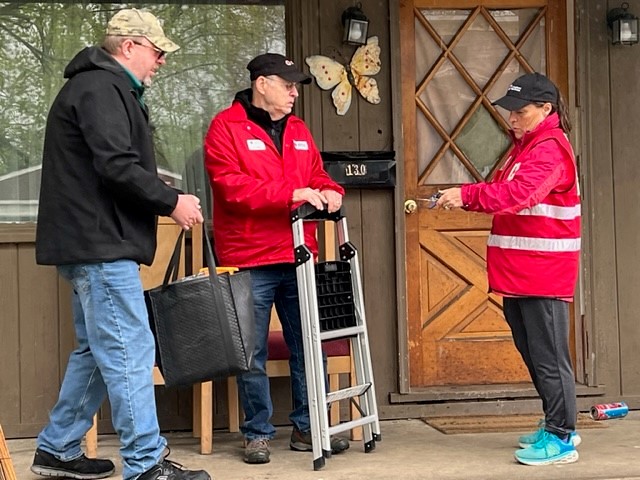
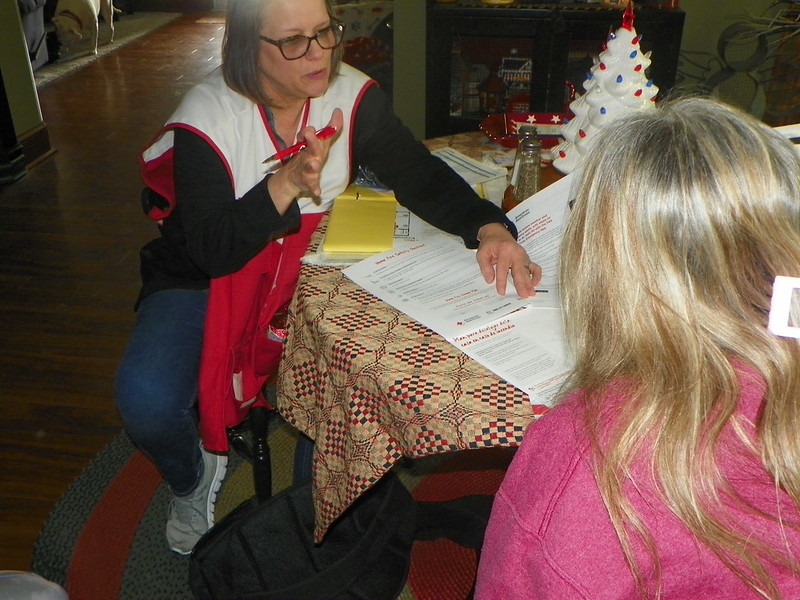
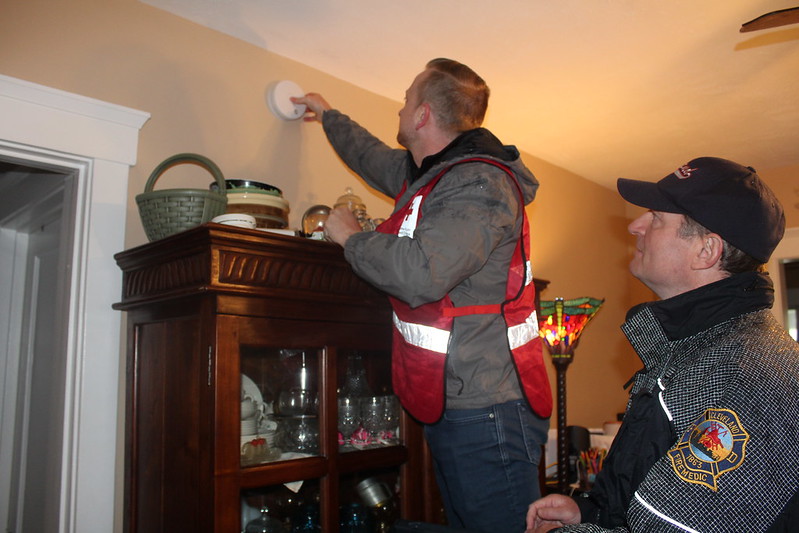
During these events, volunteers met with local families to install free smoke alarms, helped them create a two-minute fire escape plan and shared safety information on home fires and other local disaster risks. In Northern Ohio, more than 600 homes were made safer, with over 1,500 smoke alarms installed.
For those who do have smoke alarms, the Red Cross recommends testing smoke alarms each month and practicing your escape plan until everyone can get out in less than two minutes. It’s also important to teach children what smoke alarms sound like and what to do in an emergency.
While certain weeks of the year are designated as Sound the Alarm events, the Red Cross is working every day to help prepare communities for disasters like home fires. If you or someone you know needs smoke alarms, visit the Sound the Alarm page to find out how to request an appointment with one of our teams. You can partner with the Red Cross and donate to this lifesaving work. Without the financial support of generous donors, the Sound the Alarm campaign would not be possible.
Check out more photos from our Sound the Alarm events on Flickr. Thank you to everyone who joined us this year and we look forward to seeing you all again soon at a Sound the Alarm event near you!
Those of us who live in northern Ohio are never very far from water: Lake Erie, swimming pools, ponds, reservoirs and rivers. Even water parks, hot tubs and spas.
All that water offers lots of opportunities for fun, but it also poses a very real – sometimes tragic – hazard.
According to the Centers for Disease Control and Prevention, some 4,000 people die of drowning every year in the United States. To put a finer point on it, drowning is the #1 cause of accidental death of children age 1 to 4.
The Bennett family of University Heights came harrowingly close to those statistics earlier this year. While on vacation, their four-year-old found her way into a backyard pool and was discovered unconscious at the bottom.
Fortunately, her 15-year-old sister, Ayala, had completed an American Red Cross lifeguarding, first aid and CPR course just two weeks earlier. She was able to perform CPR until medical help arrived and the little girl recovered.
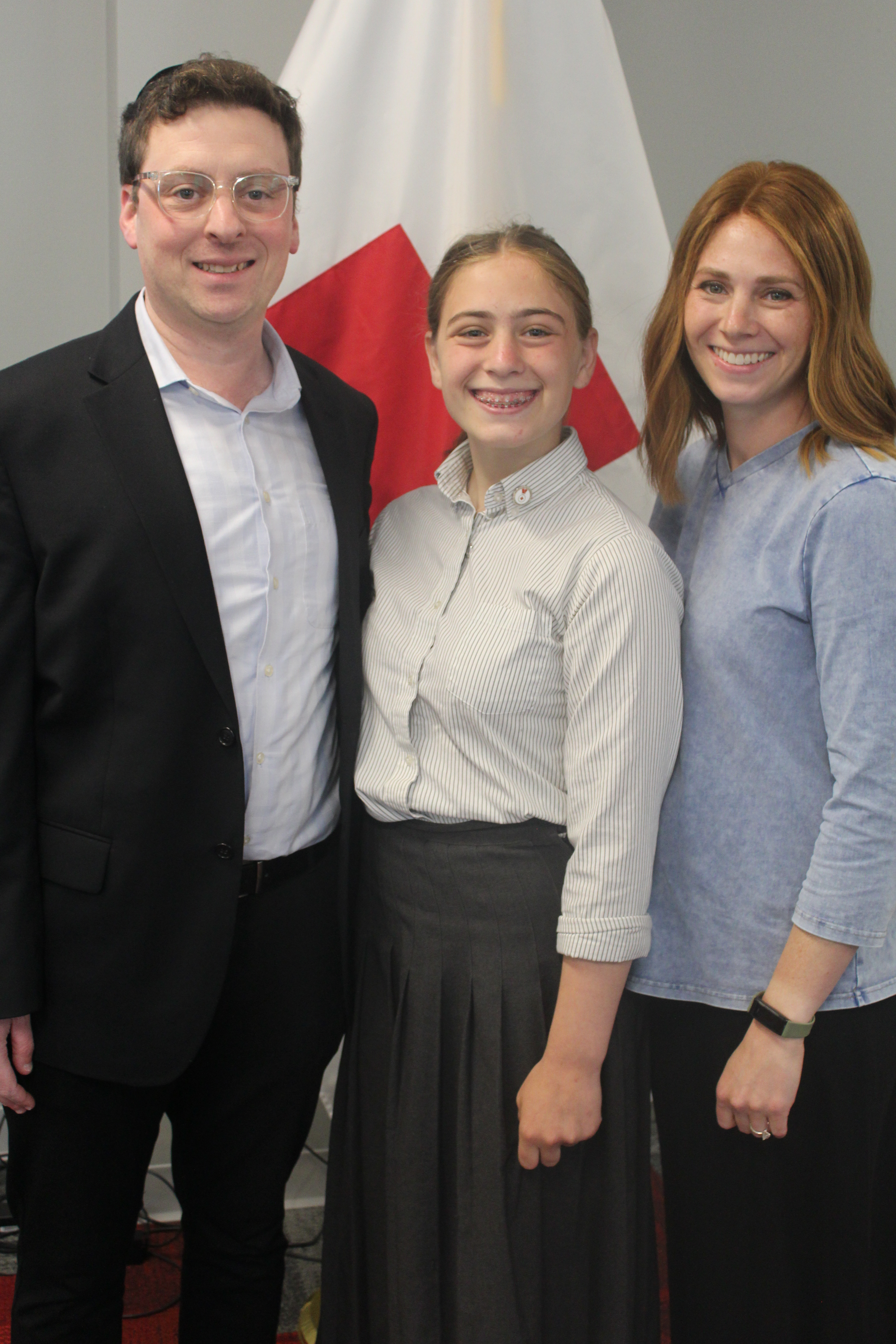
Ayala Bennett, flanked by her father Josh and mother Raizel
For her lifesaving action, Ayala received the Red Cross Certificate of Merit, the highest award given by the Red Cross to people who save or sustain a life using skills learned in a Red Cross course. The Red Cross also recognized Shira Goldsmith of Goldsmith Swim School, who taught Ayala’s lifesaving class. “It made me feel so good, that she was able to save her sister,” Shira said. “It made me think, this is why I do what I do.”
Shira was just a teenager herself when she realized there weren’t enough lifeguards to safely supervise children in backyard pools in her neighborhood, so she got trained. “I did my first rescue at 15,” she recalled. She’ll never forget the rush of adrenaline and the overwhelming relief of success.
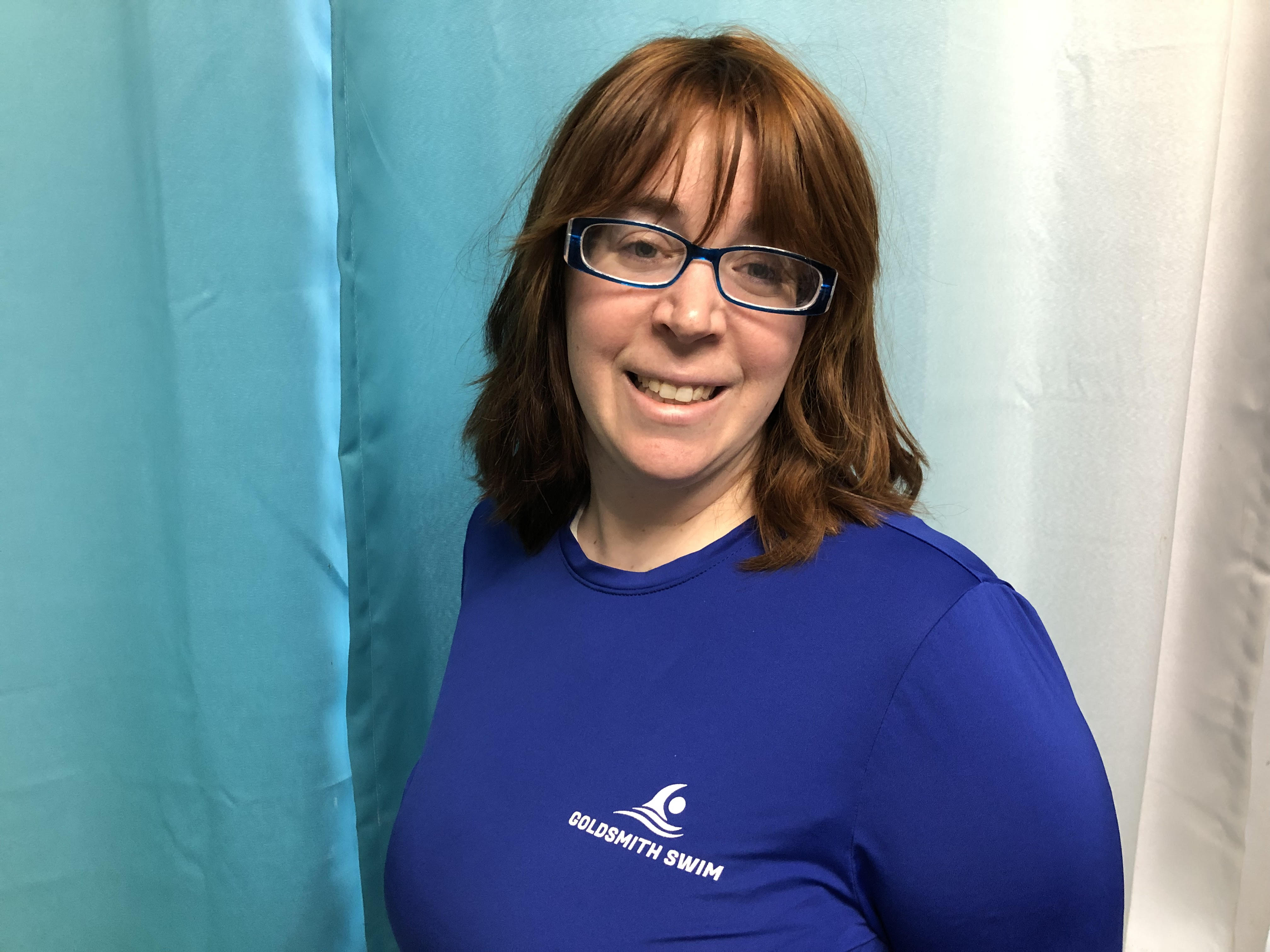
Shira Goldsmith, Goldsmith Swim School
Passionate about water safety, Shira teaches swimming as well as lifeguarding, first aid and CPR as a high school elective. She also has many students with special needs, African Americans and members of her Jewish faith.
“Even if you don’t know how to swim, learn CPR,” she emphasized. “You never know.”
The Red Cross certifies trainers like Shira as part of its mission to prevent, prepare for and respond to emergencies.
As we mark International Water Safety Day, the Red Cross offers these reminders: Learn to swim competently and be sure your children do too! Go to RedCross.org/TakeAClass Swim as a pair near a lifeguard’s chair. Never swim alone. Reach or throw, don’t go. Don’t enter the water to rescue someone unless you’re trained. Look before you leap. Be sure it’s a safe place and time to swim. Follow the rules. Listen to the lifeguards. Don’t just pack it. Wear that life jacket. Think so you don’t sink. Floating or treading water can help you make good decisions. Don’t fool with a pool or spa: Fence it with self-latching gates. Download the American Red Cross Swim app for more tips and tools for water safety for the whole family.
The American Red Cross is a nonprofit organization that depends on volunteers and the generosity of the American public to deliver its mission. For more information, please visit redcross.org or CruzRojaAmericana.org, or follow us on Twitter at @RedCross.
Edited by Glenda Bogar, American Red Cross volunteer
Posted by Ryan Lang, Red Cross board member and volunteer
By Samantha Pudelski, American Red Cross volunteer
Warmer weather will be arriving in Northern Ohio…eventually! We’ll be swapping snowstorms for thunderstorms and rain. While our region doesn’t experience hurricanes (this is the beginning of hurricane preparedness week), our area does experience severe storms that can bring tornadoes or flash flooding. Before severe weather strikes, refresh your severe safety knowledge with these tips from the American Red Cross.
April 5, 2023. Wynne, Arkansas.
The tornado that struck Wynne, caused extensive damage to scores of homes in the town.
Photo by Kevin Suttlehan/American Red Cross
Before Storms Strike:
Identify a sturdy building that you can take shelter in. A sturdy building has walls and a foundation.
Ideally, the building should have a basement, or a small, interior room without windows on the lowest level of the building.
Mobile, manufactured, trailer homes and recreational vehicles (RVs) are not safe in high winds.
If you reside in one of these structures, make sure to identify a building nearby that you can take shelter in quickly.
Hold practice drills with everyone in your household to make sure everyone knows what to do and where to go before a storm hits.
Sign up for free emergency weather alerts from your local government or weather service.
In case there is a power outage, make sure to have a backup battery to charge your cell phone and a battery-powered radio.
Know the different types of weather alerts: – Severe thunderstorm watch: Means severe weather is possible in the area. Be prepared to act fast. – Severe thunderstorm warning: Means a severe thunderstorm is in the area and to take action to get to safety. – Tornado watch: Means tornadoes are possible in the area. Be prepared to act fast. – Tornado warning: Means a tornado is near, and you must take immediate action to get to a safe location. – Flood watch: Means that flooding is possible in the area. – Flood warning: Means flooding is forthcoming or currently happening in the warning area. – Flash floods warning: Means that a flash flood is imminent or currently happening. It is even possible that a flash flood can occur in an area not immediately receiving rain.
When Storms Are Predicted in Your Area or Currently Happening
Look for storm signs such as darkening skies, lightning flashes and windy conditions. If you hear thunder, head indoors. Once you can hear thunder, the storm is close enough to be in danger of lightning strikes.
If a severe thunderstorm warning is issued in the area, take shelter in a substantial building.
Mobile homes can blow over in high winds.
Keep away from windows.
Don’t take a bath, shower or use plumbing.
Avoid using electrical equipment and telephones.
If you are driving, try to find a way to safely pull off the road and park. Stay in your vehicle until the heavy rain ends. Turn on your emergency flashers so other vehicles can see you.
If you are outside and are not able to seek shelter in a building or car, avoid high ground, water, tall or isolated trees and metal objects. Sheds, picnic shelters, dugouts and metal objects, like bleachers, are not safe places to seek shelter.
If someone is struck by lightning, call 911 immediately. If someone sustains a lightning strike they need professional medical care. Check the individual for burns and other injuries. If they stop breathing, begin CPR immediately. It’s safe to touch them, as individuals struck by lightning do not retain an electrical charge.
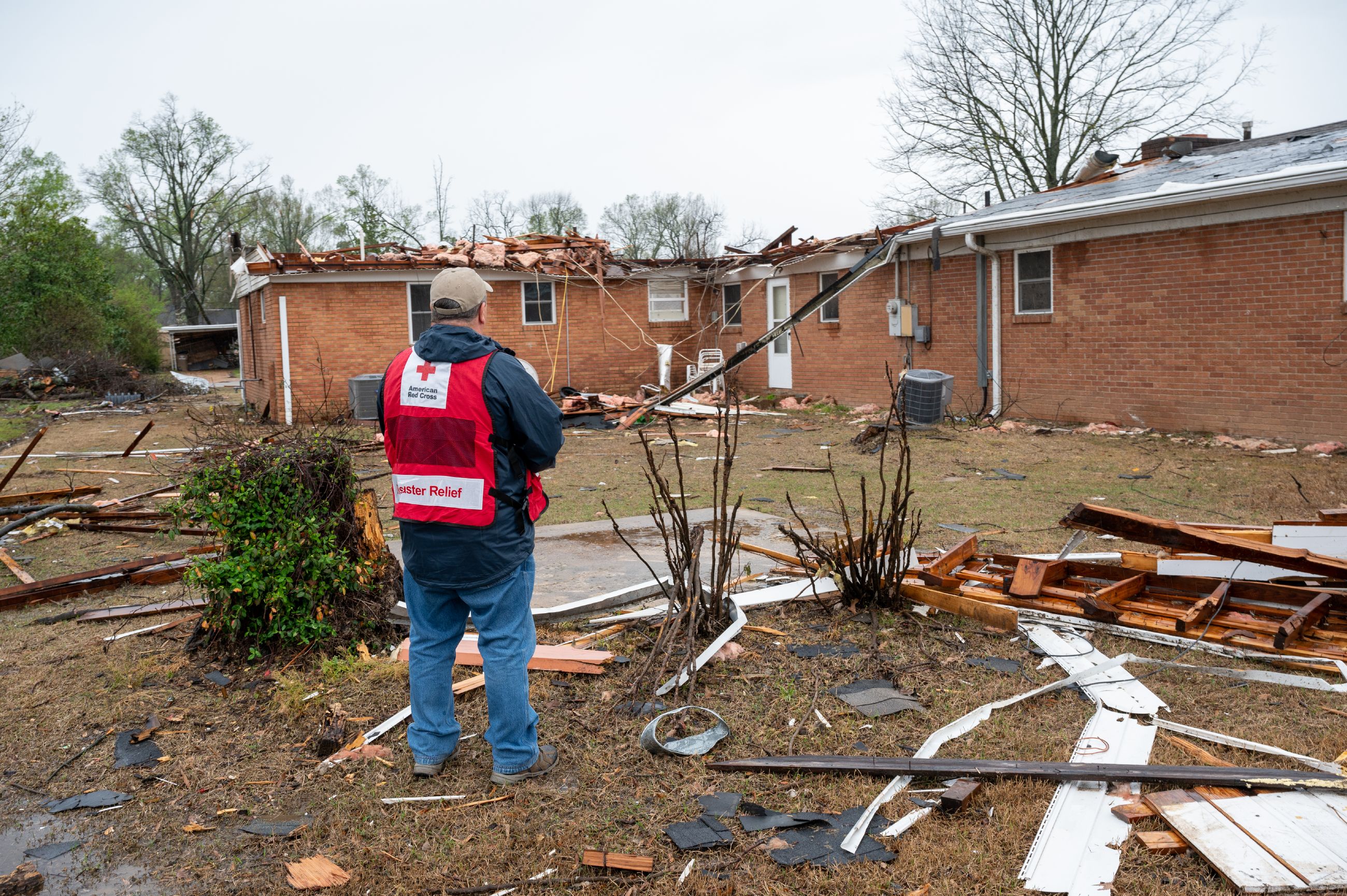
April 5, 2023. Wynne, Arkansas.
Red Cross volunteer Don Baker surveys tornado damage to homes in Wynne, AR.
Photo by Kevin Suttlehan/American Red Cross
Tornado Safety
If a tornado warning is announced for the area you are in:
Move to the lowest level of your home or a sturdy building, ideally a basement. If you aren’t able to move to a lower level, find a small interior room with no windows.
Mobile, manufacturer, trailer homes and RVs are not safe in the event of a tornado or high winds.
Monitor local weather and news on your phone or radio.
When Flooding is Predicted or Seen
Turn around, don’t drown! Stay off the roads and do not attempt to drive through a flooded portion of the road. Just six inches of fast-moving water can knock you over, and most vehicles can be swept away by less than two feet of water.
If you are caught on a flooded road and the waters are rising around you, get out of the car quickly and move to higher ground.
Tune in to your local radio or news for the latest weather updates.
If your area is a risk flood area, prepare to evacuate quickly in the case it becomes necessary.
Follow your local officials direction if you are asked to evacuate.
Stay away from flooded areas, as they may contain snakes, insects and other animals. Keep children and pets away from these areas.
When Jenn Mayfield found herself with some extra time and a need to complete community service to graduate with her degree in IT, she immediately thought of the American Red Cross. “I know the Red Cross and the reputation of blood services and how [they help] so many people with blood products,” she said.
A little over a year ago, she began volunteering with the Red Cross Northern Ohio Region as a volunteer candidate screener. In this role, screeners speak with people who have signed up to volunteer with the Red Cross to help place them in a role that not only fits the candidate’s interests and skills, but also is a good fit within the organization. It also allows her to volunteer after work in the evenings and on weekends since it is a remote position. Jenn enjoys the role because she loves to volunteer and connect with people. “I know that every time I talk with someone on the phone or answer someone’s question, I feel like I’m contributing in a positive way.”
In addition to her role as a volunteer candidate screener, she decided to start a second role with Red Cross headquarters in the department of public inquiry in July 2022. Not only did it allow her to further her passion for volunteering, but she also learned more about the services the Red Cross provides internationally and here at home. With the public inquiry team, Jenn helps answer questions, inquiries, complaints and comments from the public. Since this role also is remote, she fits in volunteering as her schedule allows.
Jenn looks at her opportunity to volunteer as a way to do something rewarding with some of her free time. In addition to her two permanent volunteer roles, she checks the Red Cross Volunteer Connection portal for other opportunities to give back. In fact, she recently volunteered at the Dominion Preparedness Day on April 1st. It was her first volunteer event, and she brought her fiancée as well. In addition to volunteering, she gives back by donating blood whenever she can. Jenn truly believes that every little bit can help our communities, “even an hour a day or a couple hours a week can make a big impact.”
To all of those who are thinking of the Red Cross, Jenn can’t recommend it enough. As a part of the volunteer services team, she knows firsthand there are tons of different roles across the system that can fit for various interests and skills. In Northern Ohio, there are plenty of opportunities that allow individuals to volunteer when it fits their schedule, offering both in person or remote roles. “Honestly, there’s something for everybody. There’s a volunteer role for everyone.” To learn more about current volunteer opportunities in Northern Ohio, visit us here.
Posted by Ryan Lang, Red Cross board member and volunteer
March 8 is International Women’s Day, when we focus on the leadership, expertise, nurturing and down-and-dirty sweat labor that women contribute around the world, 365 days a year.
Coincidentally, Women’s Day falls in March – Red Cross Month – when we focus on the wide range of humanitarian services that Red Crossers contribute around the world, 12 months a year.
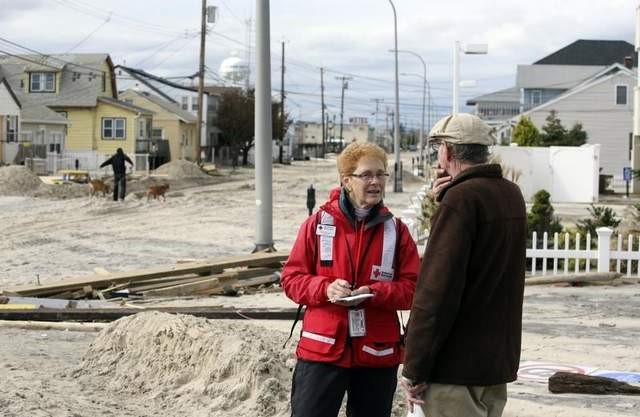
Red Cross volunteer Eilene Guy speaks with a resident of seaside Heights, New Jersey who refused to evacuate during Superstorm Sandy in 2012.
I’m proud to be part of the American Red Cross, which was launched by a woman, is headed by women, and values the talents and dedication of women at every level.
Women like my friend, Red Crosser extraordinaire Winnie Romeril. A volunteer for nearly 30 years, she has taught first aid and CPR, coached International Humanitarian Law classes, and served as a bilingual communicator at disasters all over the United States and across the world:
Sri Lanka and the Maldives; Peru; Haiti, carrying cash from the Red Cross to kick-start earthquake relief efforts with the Haitian Red Cross; the Philippines, where she even helped build a hanging bridge to get relief supplies to a remote village; Canada; Puerto Rico after Hurricane Maria.
She’s been posted to the International Federation of Red Cross and Red Crescent Societies in Geneva, Switzerland, to tell how the Red Cross brings hope across the world, and to Sierra Leone in Africa at the height of the Ebola outbreak, representing the World Health Organization.
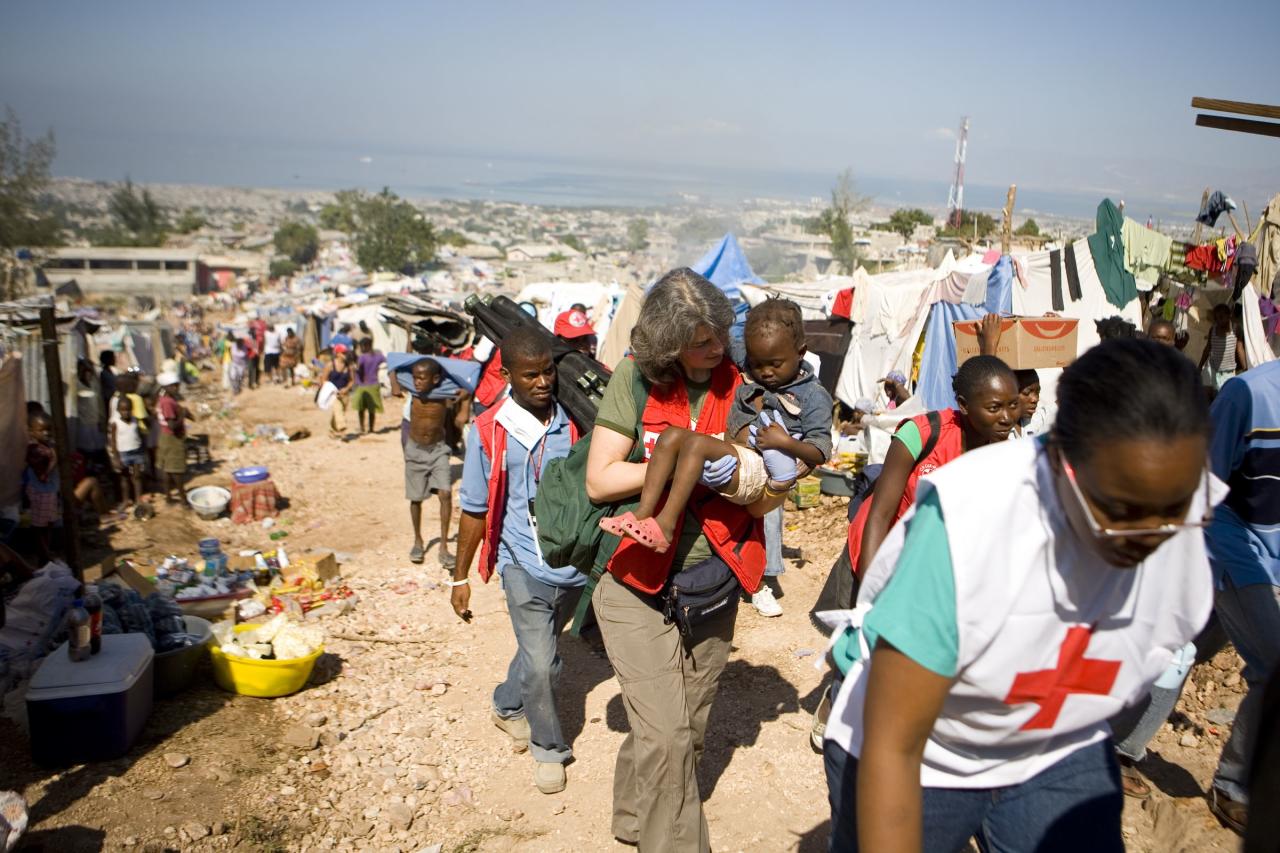
Winnie Romeril, a Red Cross disaster response volunteer, carries a child in Croix Desprez towards a First Aid Post.
Winnie’s courage and skill reminds me of Clara Barton, who started out as a teacher, became one of the first women to work in the U.S. Patent Office, and then took to the battlefields of the Civil War, ministering to the wounded and suffering on both sides of the conflict.
After attending to civilians during the Franco-Prussian War in Europe, she returned to the United States to found the Red Cross, which for more than 130 years has mobilized women – and men – to help prepare for, prevent and respond to emergencies.
Currently, two-thirds of our Red Cross volunteers are women, nearly 70 percent of the paid workforce is women and nearly half of the executive ranks are women.
Bonnie McElveen-Hunter, chairman of the board, and Gail McGovern, president and CEO, top the leadership team.
It’s no small job to head a $2.65 billion organization that Americans rely on to respond to more than 60,000 natural and human-caused disasters a year; collect and test some 40 percent of the nation’s lifesaving blood supply; train millions of people in first aid, CPR, AED, water safety and youth preparedness; and provide more than half a million services to our men and women in the armed forces.
People like me are the hands and heart of the Red Cross too: donating blood, responding to disasters, helping install smoke alarms to make neighborhoods safer, providing leadership at the chapter level and keeping my first aid, CPR and AED skills up to date.
I’m happy to celebrate International Women’s Day by focusing on women – past and present – who provide vital services. I know it happens all over the world every day, in actions big and small.
To investigate what you – woman or man! – can do, please check out redcross.org during Red Cross Month.
Posted by Ryan Lang, Red Cross Board Member and volunteer
By Christy Peters, Regional Communications Manager
As the mom of a 7-year-old boy, I spend a lot of time thinking about superheroes. We read lots of stories about Black Widow and Thor and Spiderman, swooping in to save the day. My son loves to ask me what my superpower would be if I had one. And more than once, I have battled an evil superhero in my living room with a Captain America shield strapped to my arm.
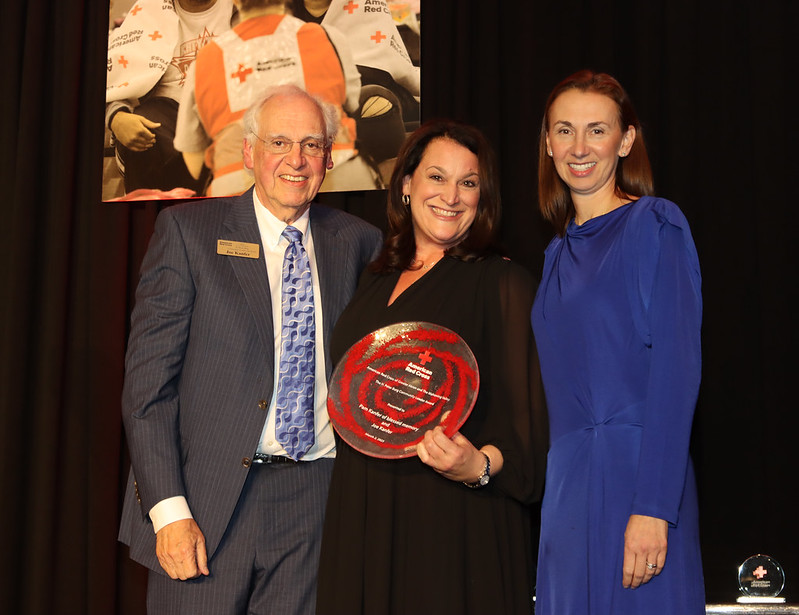
While superheroes are fun, I’d be thrilled if my son aspired to be like the real-life heroes I recently met instead of Spiderman. I had the privilege to attend the American Red Cross Greater Akron and Mahoning Valley Acts of Courage Awards on March 2. Nine local residents were recognized for acting courageously and selflessly in a time of emergency. The organization also honored Joe and Pam (of blessed memory) Kanfer of GOJO industries with the 2023 H. Peter Burg Community Leader Award. You couldn’t help but be inspired after hearing the stories these everyday heroes. Their stories are shared below.
2023 Acts of Courage Award Winners:
Easton Spann, 5-year-old hero Michelle Barlow awoke one morning, her body racked by seizure-like spasms caused by a reaction to a medication she had taken. The episode passed and Michelle insisted her husband Kenny, go to work. Before he left, Kenny showed Easton, their 5-year-old grandchild how to call for help in case of an emergency. Shortly after Kenny left, Michelle had another seizure. Easton, who has ADHD and is on the autism spectrum, called his grandfather and explained what had happened. Kenny called 911 and with his instruction, Easton got the house key and opened the door to watch for help. “He was so brave,” said Michelle. Watch Easton’s hero video here or here.
Darby Baumberger, Assistant Principal, Betty Jane Community Learning Center hero
After being a teacher for 26 years, Darby Baumberger began a new role as a vice principal. On the first day in her new job, she was in the cafeteria overseeing the lunch period. Suddenly, a student started coughing and stood up. Darby quickly walked over and saw the child make the universal sign for choking. Darby lifted the student’s arms above his head and smacked him on the back, to no avail. She realized she had to act quickly and began performing stomach thrusts. Finally, a piece of corn dog flew out of the child’s mouth, and he began to breathe. Emergency services arrived and, after checking the child, said he was fine. Watch Darby’s hero video here or here.
Lindsey and Nicole Bechter, Cuyahoga Falls heroes
Lindsey and Nichole Bechter are sisters and part-time volleyball referees at Clutch Lanes in Cuyahoga Falls. During a game last summer, a player collapsed on the court. Hearing people yell for someone to call 911, Nicole ran down to the court with her sister close behind. After assessing the situation, the sisters began administering CPR. They continued until emergency services arrived. Watch the Bechter hero video here.
Jim Kuhn, Medina County Public Transit hero
Jim Kuhn was driving the Fixed Route Transit bus in Wadsworth and stopped to pick up one of his regular riders, named Bruce. Bruce was about to step on the bus when he passed out, falling straight back onto the pavement. Concerned Bruce had hit his head, Jim jumped off the bus to help. After finding no head injury, he saw Bruce turning blue. He began to perform chest compressions. Finally, Bruce let out some weak breaths. When first responders arrived on the scene, they were able to find a faint pulse and loaded Bruce in an ambulance. Jim continued his route, hoping he’d done enough. Weeks later, Jim was thrilled to found out Bruce was alive and recovering. Watch Jim’s hero video here or here.
Aaron Williams, Logan Stinson and Andrew Gauer, Akron Police and Fire Department heroes
On November 25, Akron police officer Aaron Williams was the first responder on the scene of a house fire. Learning there was someone inside, Williams kicked opened the front door and was unable to see clearly, due to the smoke filling the room but heard someone respond to his voice. Officer Williams ran out to catch his breath as firefighter/paramedics Logan Stinson and Andrew Gauer arrived on scene. The men ran back into the smoke-filled house to rescue a wheelchair-bound woman from the first floor. Firefighters arrived shortly after and rescued another individual from the home. Watch the first responder hero video here or here.
Jennifer Torres, 3rd grade teacher, Anne T. Case Community Learning Center hero
While teaching her third-grade class, Jennifer Torres heard a strange sound and saw one of her students stand up. The student put her hands around her neck, making the universal sign for choking. Jennifer shouted to her students to go get another adult while she rushed to the student’s aid. Jennifer gave the student a few quick stomach thrusts, and a piece of candy flew out of her mouth, and she began to breathe again. Watch Jennifer’s hero video here or here.
Congratulations to all the winners! Do you know someone who acted in an emergency to help save a life? Share their story with us for possible recognition at upcoming Acts of Courage and Hero awards events across the Northern Ohio Region. And make sure you’re prepared like to help save a life like these heroes! Find a Red Cross training course near you and sign up at RedCross.org/takeaclass.
By Samantha Puselski, American Red Cross communications volunteer
For 80 years, March has been declared American Red Cross Month with a presidential proclamation. The tradition started in 1943 with President Franklin D. Roosevelt to recognize all those who have answered the call to help others through the American Red Cross.
This Red Cross Month, we celebrate the work of the Northern Ohio Red Cross volunteers – who make up over 90 percent of the Red Cross’s workforce. We also celebrate the supporters – those who have donated blood, donated funds, taken a course, shared their story or contributed to the mission in other ways. The work of the Red Cross is not possible without those who volunteer, work and provide support.
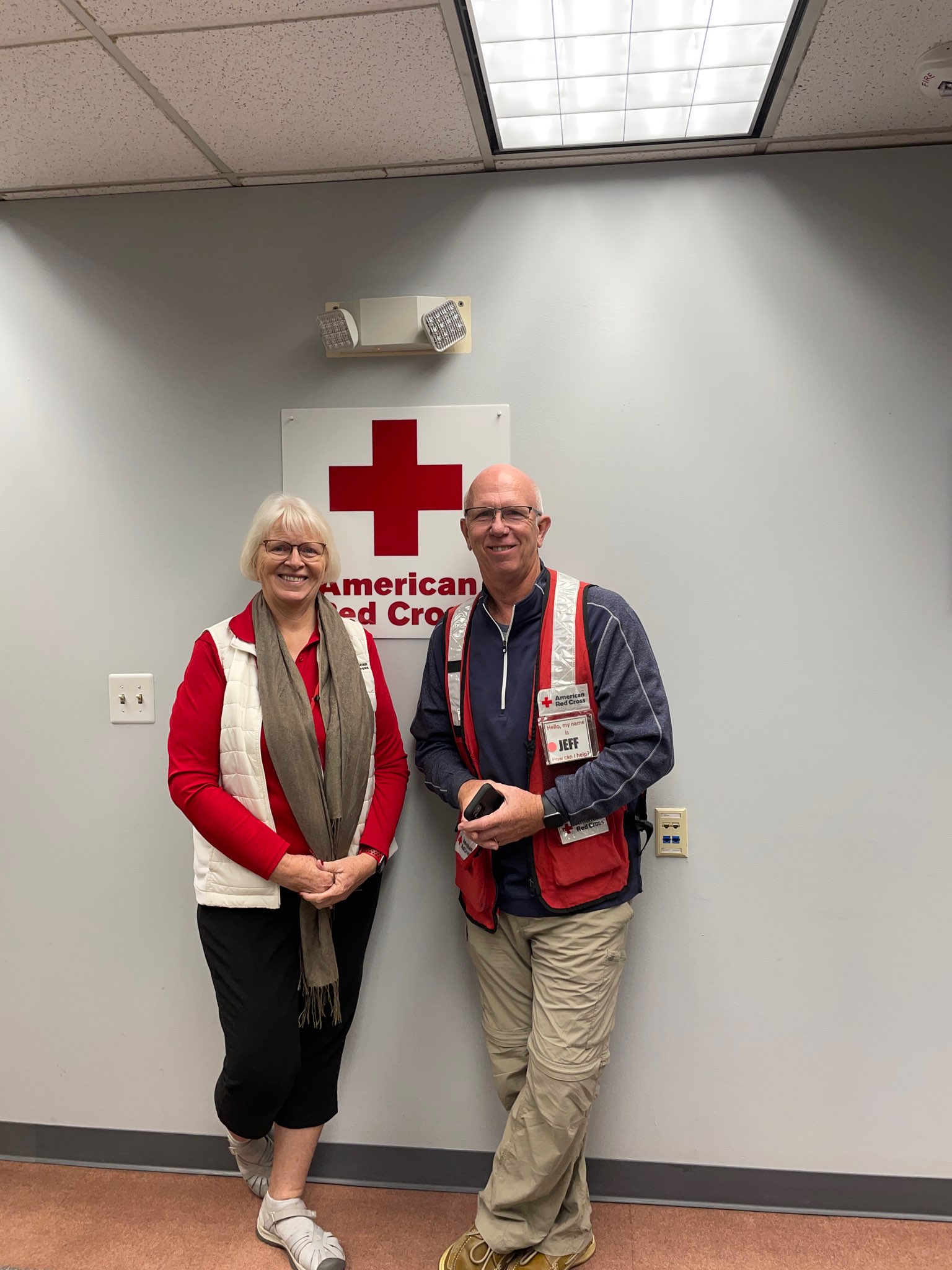
American Red Cross volunteers Callene Derrick and Jeff Mann
While the Red Cross is a national and international organization, they also have a profound impact locally every single day. Here are just a few facts that represent the history and magnitude of the work that has been done thanks to the support our communities and partners provide:
The Red Cross and our partners have installed more than 100,000 smoke alarms and helped create more than 37,400 escape plans in Northern Ohio households through the Sound the Alarm campaign. The Red Cross responds to disasters providing support to those affected. Most recently the Red Cross provided more than 100 overnight stays and nearly 400 meals to those in East Palestine, Ohio. The Red Cross helped survivors of the Titanic. Service members in every U.S. conflict since the Spanish-American War have been supported by the Red Cross. International Committee of the Red Cross was won the most Nobel Peace Prizes. The Red Cross has responded to 3 million U.S. disasters since 1881.
Take Action this Red Cross Month
There are many ways you can support the Red Cross. Celebrate Red Cross Month by supporting your community through one or more of these activities:
Donate Blood. About 40% of the nation’s blood supply comes from Red Cross blood donors. Blood drives are held every week in locations across Northern Ohio. Find an upcoming drive. Become a volunteer. The Red Cross offers many different opportunities to volunteer in Northern Ohio. These roles include administrative support, clinical support, disaster response, IT support, blood donor ambassadors and more. – Interested in becoming a volunteer? Join the upcoming volunteer information session on March 10th. Make a Financial Donation. Donations of any amount can make a difference. The Red Cross offers several different ways that you can make a financial contribution. Take a Class. Get trained and certified in a lifesaving skill. Find a class.
Posted by Ryan Lang, American Red Cross Board Member and communications volunteer
Platelet donations are crucial in the ongoing fight against cancer. Their importance is movingly illustrated by a recent quote we received from Mandi Kuhlman, an American Red Cross blood donor in Putnam County, Ohio. Mandi said, “My 2 ½ year old son was diagnosed with acute lymphoblastic leukemia and through the course of his treatment he needed transfusion after transfusion. Between red blood cells and platelets he received 25 transfusions within the first few months of treatment as the chemo severely impacted his counts. Without the generosity of donors his outcome could have been much different, so I started donating to give someone else the precious gift of life saving transfusions.”
Mandi’s quote sums up the need and effectiveness of platelet donation for cancer treatment, the love of a parent, and the inspiration to help others. As February 4th is World Cancer Day — and February is National Cancer Prevention Month — we wanted to share her quote and highlight the need for platelet donation.
Platelets are a vital component in treating patients with cancer and other chronic diseases, as well as those recovering from traumatic injuries, as they stick to the lining of blood vessels, help form clots, and stop bleeding.
Nearly half of donated platelets go to cancer patients, as cancer and cancer treatments put them at risk for low red blood cells and low platelet counts, known as thrombocytopenia. In addition, some types of chemotherapy can damage bone marrow, which lowers the production of platelets. Cancers such as leukemia and lymphoma attack the bone marrow as well.
In addition, hospitals have a continual need for platelets, as they must be transfused within just 5 days after donation. In fact, on average a U.S. cancer patient needs a platelet transfusion every 30 seconds, and new cancer cases are expected to increase more than 36% by 2040, increasing their demand.
Platelet donation is a little different than regular whole blood donation. They need to be donated at select Red Cross Donation Centers and require an appointment.
During the donation:
A relatively small amount of blood is drawn from a donor’s arm and goes into a blood cell separator.
This blood is rapidly spun, which forces the platelet cells to the bottom.
These cells then go into a sterile, single-use plastic bag.
Meanwhile, the rest of the blood — the plasma, red cells and white cells — is returned to the donor.
This cycle is repeated several times. A single donation of platelets often constitutes several transfusable platelet units.
The Red Cross is especially seeking platelet donors with the following blood types and a high platelet count: A positive, B positive, AB positive, AB negative. (Type O negative and type B negative can make the most impact by giving whole blood or a Power Red donation.)
Editor’s note: This article originally posted in February, 2022 to recognize Black History Month.
It’s 1860, and there’s an outcry from voters who can’t accept the results of that year’s election. Abraham Lincoln is declared winner, without carrying a single southern state. Before his inauguration, seven southern states secede from the union, followed by others soon thereafter. Civil war ensues.
As the Civil War concludes in 1865, Clara Barton is commissioned by Abraham Lincoln to locate missing soldiers. She sends 63,000 letters and locates 22,000 missing men. The American Red Cross is founded 16 years later in 1865 in Washington, D.C., and is still in charge of contacting armed service members.
With Lincoln gone, Reconstruction effectively fails, and thousands of freed slaves are forced to return to the plantations and their former owners. Many stayed along the eastern coastline. In 1893, the country’s largest recorded hurricane hit the coastal islands with a storm surge of 10 to -12 feet and 20-foot waves on top of that, killing up to 3,500 inhabitants, 92% of which were Black.
Sea Islands Hurricane – 1893
Clara Barton answered the call to this huge disaster, the biggest to date for the Red Cross. The U.S. Congress refused to provide any aid short of some seeds, tents, and a couple deep-draft boats. All the funds to care for 30,000 displaced persons had to come via requests for donations from Clara, who got newspapers to run the story across the entire eastern half of the U.S.
Frances Reed Elliot Davis
Possibly motivated by Clara’s efforts, 10-year-old Frances Reed Elliott Davis was growing up in North Carolina and had lived through that storm. Despite being orphaned, she taught herself to read and write. Wanting to become a nurse, she entered nursing school in 1910. She was the first African American to pass the final board exams in Washington, D.C. Eight years later, she became the first officially recognized African American nurse to be accepted into the Red Cross Nursing Service.
Frances Reed Elliot Davis
That same year, Red Cross nurses combated the worldwide H1N1 influenza epidemic. With the returning injured troops from World War I, and the raging pandemic, Red Cross volunteers grew to 20 million adults and 11 million junior members.
Later, in Michigan, Davis helped organize the first training school for African American nurses at the Dunbar Hospital. In the 1940s, Davis established a childcare facility that caught the attention of first lady Eleanor Roosevelt, who helped plan for and fund the center.
Mary McLeod Bethune
About this time, Mary McLeod Bethune was serving as an advisor to President Roosevelt. She became the highest ranking African American woman in government when the president named her director of Negro Affairs of the National Youth Administration, making her the first African American woman to head a federal agency.
Mary McLeod Bethune
Bethune was one of five committee members who made recommendations on the blood plasma project, the use of African American staff in overseas service clubs, the enrollment of African American nurses and the representation of African Americans on local and national Red Cross committees and staff departments.
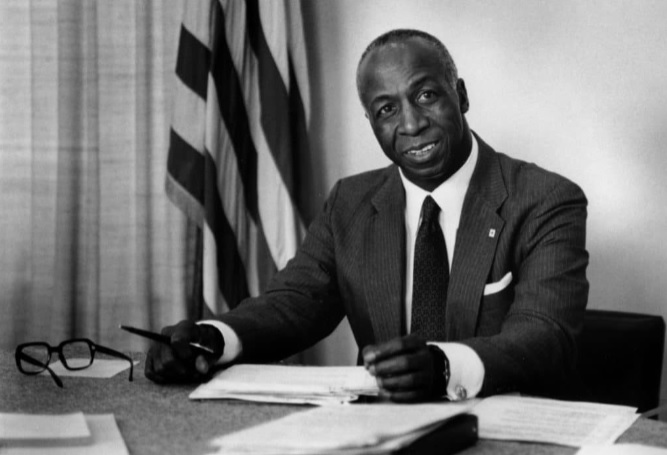
Dr. Jerome Holland
During his time as president of Hampton University in 1964, Dr. Holland became a member of the American Red Cross Board of Governors. He served as a member until he resigned in 1970 to become the U.S. Ambassador to Sweden. He was the second African American to lead a delegation in any European nation.
Dr. Jerome Holland
Dr. Holland was later appointed by President Jimmy Carter to be the chairman of the American Red Cross Board of Governors in 1979, and was the first African American to hold this position. Because of his commitment to the Red Cross, he was appointed again in 1982.
While serving on the board, Dr. Holland showed a passion for blood research and took the lead in consolidating growing laboratory operations for the Red Cross Blood Services program. He also encouraged Red Cross regions to integrate their volunteers so important services could be extended to the entire community, regardless of a person’s ethnicity or background.
We salute them
History has a way of repeating itself. Whether it was a pandemic flu, a giant, slow-moving hurricane, or the need to improve blood research, the same needs are still being met by the Red Cross today. To contribute to the cause, click here. To volunteer and do your part to help others in need, click here.
Other African American contributions
To read more about the contributions of other African Americans to the American Red Cross, you might like these articles:
“They don’t make them like they used to” is a well-worn phrase, but it could be true regarding American Red Cross founder, Clara Barton. As we honor her 201st birthday on December 25, it’s fun to take a quick look at several of her achievements.
Wage negotiations – WIN
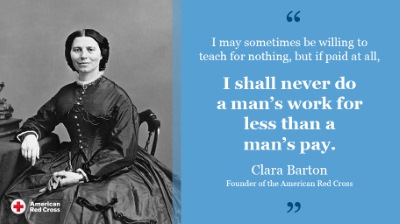
She successfully obtained equal pay as an in-demand teacher during her early career. As she said then, “I may sometimes be willing to teach for nothing, but if paid at all, I shall never do a man’s work for less than a man’s pay.”
Breaking into a man’s world – WIN
After teaching, Clara moved to Washington, D.C., and worked at the U.S. Patent Office, where she was one of the first women to work for the federal government.
First woman granted permission to travel to the frontlines – WIN
Driven by a desire to be helpful and help those in need, she sprang into action when the Civil War broke out, earning the nickname “Angel of the Battlefield” for her work in caring for soldiers on the frontlines. In 1862, Clara was granted the privilege by the U.S. Surgeon General to travel to battlefronts under the guidance of Generals John Pope and James S. Wadsworth.
Oil Painting of Clara Barton by Mathilde M. Leisenring, 1937.
Founded a reunification program for missing Union soldiers in 1865 – WIN
After the war, Clara began to set up a program to find and gather information about missing Union soldiers to give to the soldiers’ families.
Founded the American Red Cross in 1881 – WIN
Inspired by her experiences in Europe with the International Red Cross, when Barton returned to this country, she spent years lobbying to establish a similar organization. In 1881, Clara founded the American Red Cross and, the following year, convinced President Garfield and Congress to adopt the Geneva Treaty.
Your turn…
After all those firsts, how can you help but be inspired? Working for the Red Cross from age 60 until she was 84, it’s impossible to say you’re too old to volunteer – you aren’t. Sign up here.
You also can’t say you can’t help our military members – you can. Learn more here.













 NOHredcross