By Eric Alves, Regional Communications Specialist, American Red Cross of Northeast Ohio
May 6, 2019- The Sound the Alarm campaign continued in Northeast Ohio during the week of April 29 to May 4, with installation events in North Ridgeville, Carrollton, Ashland, Ashtabula, Massillon, Slavic Village (Cleveland), Medina and Mansfield.
Sound the Alarm is a two-week national initiative. It’s part of the Home Fire Campaign, which the Red Cross launched in 2014 to reduce fire deaths and injuries.
Last week, the Red Cross installed 998 smoke alarms and made 456 homes safer. Since April 23, the Red Cross of Northeast Ohio has installed 2,024 smoke alarms and made 884 homes safer.
The goal in Northeast Ohio is to install 3,000 alarms by May 11. It is part of the national goal to install 100,000 smoke alarms.
The early success of Sound the Alarm is made possible thanks to volunteers and generous partners, such as Third Federal, who lend a helping hand with installing smoke alarms in Slavic Village.
“Third Federal is a family organization. It is always important to keep family safe. It not only helps our Third Federal family, but also keeps our local community safe,” exclaimed Sharon Rose, human resources specialist.
Volunteers Dennis Castiglione of the Wenk Family Foundation, and Tanner Ferko and Sarah Haynes of ArcelorMittal helped install two alarms in the home of Laura Kosto.
“This is great. It’s really good for the community,” the Slavic Village resident said. “I don’t have a job any more and that’s a horrible feeling. To know that you can get help like this is really wonderful.”
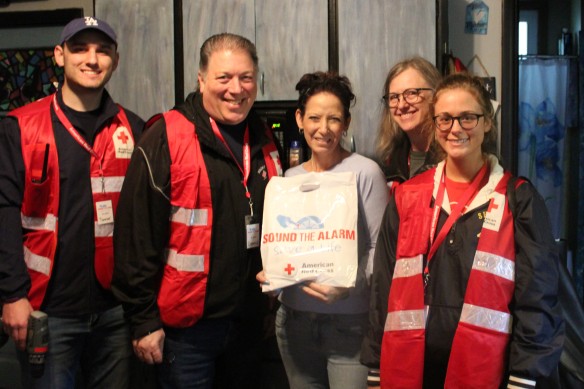
Sound the Alarm continues until May 11 for the final week of the national campaign. Volunteer opportunities still exist for the remaining installation events throughout Northeast Ohio. Visit SoundTheAlarm.org/NEO to find an event near you.
See photos from our North Ridgeville Sound the Alarm event here.
See photos from our Carrollton Sound the Alarm event here.
See photos from our Ashland Sound the Alarm event here.
See photos from our Mansfield Sound the Alarm event here.
See photos from our Slavic Village Sound the Alarm event here.
See photos from our Medina Sound the Alarm event here.
 Health Innovation. The American Red Cross of Northeast Ohio will be hosting the Wrapped in Red Gala.
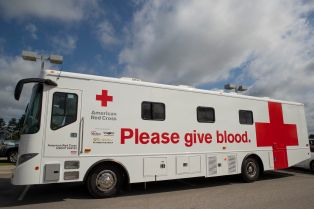
 A new state-of-the-art bloodmobile measures 40-feet long and 8.5 feet wide and includes three health history booths where donors’ eligibility screenings are conducted, as well as up to five beds where blood is drawn.
 of volunteers. During an emergency, may it be a natural disaster or a home fire, volunteers are ready at a moments notice to help comfort and help individuals during the worst moments of there lives without expecting anything in return. That is why it is important to recognize and thank these amazing volunteers.
 Click here
 people.” That’s how Kim Giberson, the quality assurance project manager for


 Sound the Alarm is a nationwide American Red Cross campaign meant to help save lives. Teams of volunteers are going door-to-door across the country through May 11, installing smoke alarms and providing home fire safety information. Several more installation events are planned throughout the Northeast Ohio region.
 Saturday, April 27 to Saturday, May 11. Volunteers are still needed to install free smoke alarms and help families create home fire escape plans in high-risk communities.
 the real odds are the opposite: the chance is greater of dying from exposure to fire or smoke (nearly one in 1,500), compared to winning the lottery (typically one in millions).