
By Eric Alves, Regional Communications Specialist, American Red Cross of Northern Ohio
May 1, 2020- Everyone around the world is understandably focusing on COVID-19 and this new normal we are living. But as we approach the spring and summer storm season, it is important to prepare because emergencies don’t take breaks.
Spring and summer in Northern Ohio ushers in tornado and flood season. This year’s tornado and flood season has already begun to make an impact in the United States.
In what some are calling the deadliest tornado season since 2011, the American Red Cross is responding across multiple states impacted by ongoing severe weather. Hundreds of tornadoes have been reported across the eastern half of the country in April, most of these occurring in the southeast.
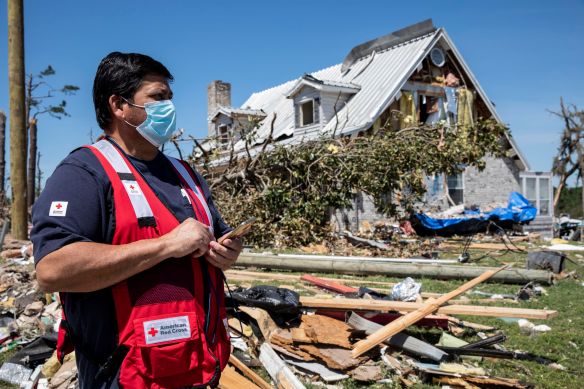
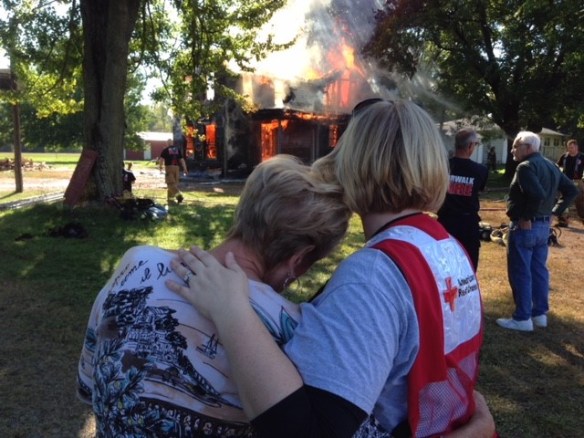
While taking increased precautions during the current public health emergency, the Red Cross is providing shelter, warm meals and emotional support for those with immediate needs after a disaster. Red Cross disaster workers, many of whom are working virtually, are also connecting affected residents to additional community resources to support their recovery.
More than 1,100 people displaced by storms and tornadoes across the Southeast spent Sunday night in 393 hotels across Alabama, Georgia, Louisiana, Mississippi, South Carolina, Tennessee and Texas. This shelter is made available with the help of our valuable hotel partners and community stakeholders. Overall, more than 13,900 hotel stays have been provided to residents displaced by tornadoes and storms since nationwide COVID-19 social distancing measures were put into place.
The Red Cross has provided more than 45,600 meals and snacks. We are working closely with our hotel partners to ensure distribution follows social distancing and safe food handling protocols.

To ensure everyone across Northern Ohio is prepared, here are some tornado safety tips:
- Identify a safe place in your home where everyone, including pets, can gather during a tornado: a basement, storm cellar or an interior room on the lowest floor away from windows.
- Make sure you have access to NOAA radio broadcasts, through streaming a NOAA radio station, or downloading a NOAA radio app in the Apple Store or Google Play.
- If you are in a high-rise building during a tornado, pick a hallway in the center of the building.
- In a manufactured home, choose a safe place in a nearby sturdy building.
- Make a list of items to bring inside in the event of a storm.
While not common in Northern Ohio, spring and summer also means hurricanes. May 3 to May 9 is considered National Hurricane Awareness Week. Forecasters are warning of an active hurricane season in 2020. Experts are predicting that we could see 20 named storms this year in the Atlantic, making 2020 the second most active season in terms of number of storms.

If you or a loved one are at a location when a hurricane hits, here are some hurricane preparedness tips:
- First, talk with your family about what to do if a hurricane strikes. Discussing hurricanes ahead of time helps reduce fear, particularly for young children.
- Protect windows with permanent storm shutters or one-half-inch marine plywood.
- Identify a place to store lawn furniture, toys, gardening tools and trash cans.
- Be prepared to evacuate quickly.
- Make sure you have plenty of clean water for drinking.
- Fill bathtubs and sinks with water for flushing the toilet, washing the floor or cleaning clothing.
- Turn off propane tanks and unplug small appliances.
- When the hurricane makes landfall, be sure to stay indoors.
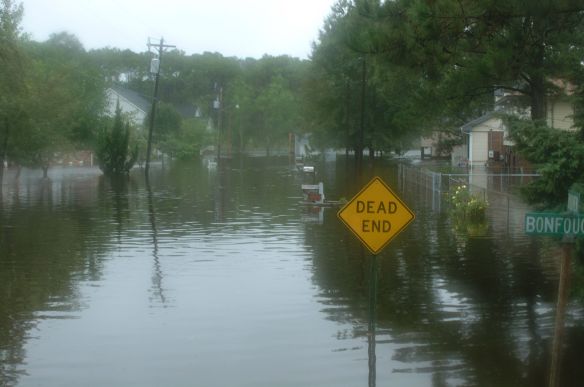
- Avoid contact with floodwater.
For more tips, download the hurricane safety checklist.
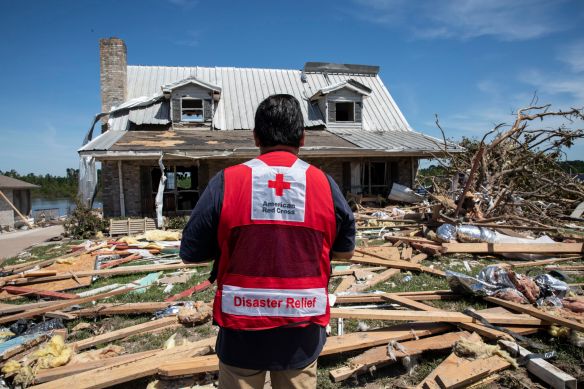
Regardless if you are preparing for a hurricane, a tornado or any other storm, be sure to download the Red Cross Emergency App for instant access to weather alerts for the area and where loved ones live. The Emergency App and all Red Cross apps are available for free download in app stores or at redcross.org/apps.



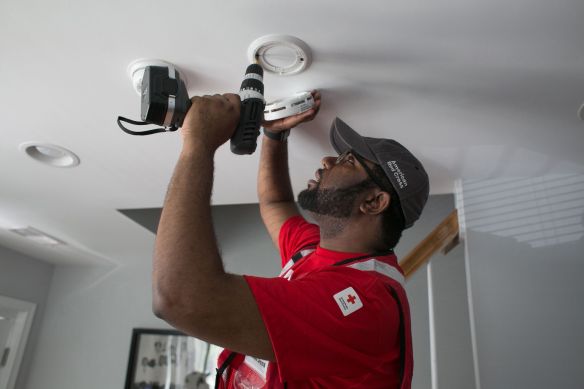


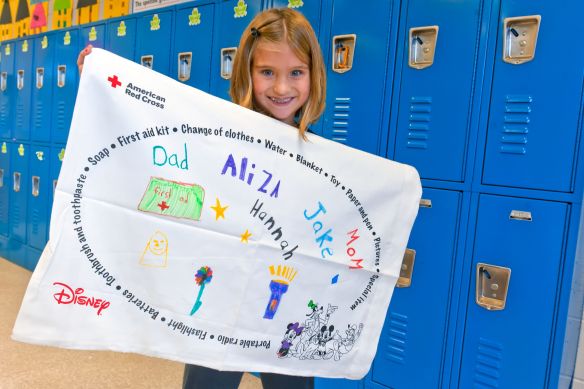


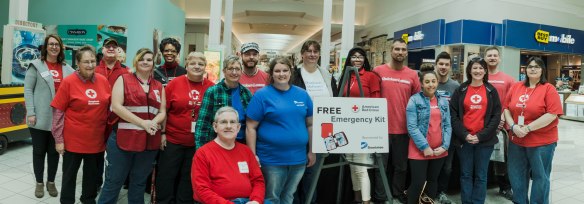
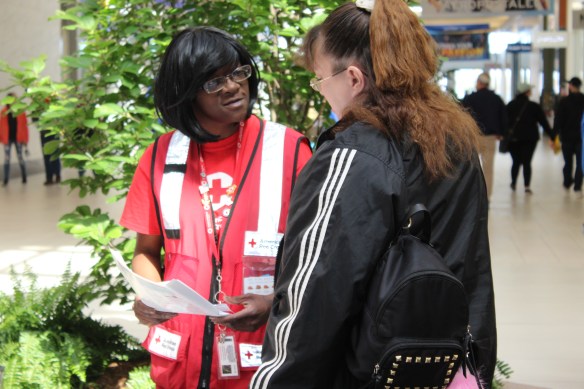



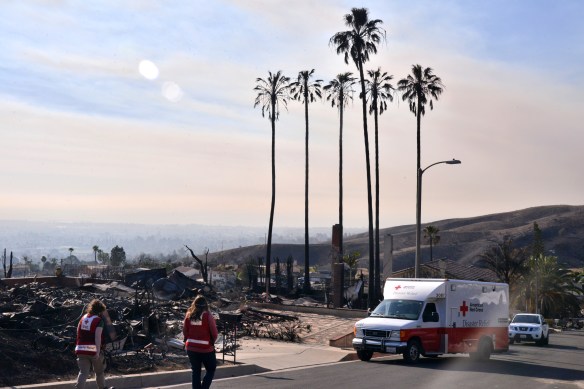 I recently heard an interview on the radio about a couple who moved from Brooklyn, NY to Ventura, CA this year. The interview was about the mandatory evacuations in their neighborhood related to the Thomas fire. They talked about how different it is to live in a community that has to be prepared at all times to flee their homes. Everyone they know has an emergency kit ready for not if, but when the wildfires get too close. That observation struck me. We live in a part of the country where very few people have natural disasters on their minds regularly. How many people do you know in Northeast Ohio that have an emergency kit ready at home?
 By now you know may think that you know all about hurricanes — massive storm systems that form over the water and move toward land. Threats from hurricanes include high winds, heavy rainfall, storm surge, coastal and inland flooding, rip currents, and tornadoes. These large storms are called typhoons in the North Pacific Ocean and cyclones in other parts of the world. The Atlantic hurricane season runs from June 1 to November 30, with the peak occurring now, between mid-August and late October. The Eastern Pacific hurricane season begins May 15 and ends November 30.
 Coming right smack in the middle of the peak of Hurricane season, is Preparedness Month. Celebrated every September, it is the perfect time for you, your family, and your community learn how to BE PREPARED.
 NOHredcross