Red Cross initiative aims to increase blood availability for patients with sickle cell disease

Blood transfusions from donors who are Black may provide best outcomes for patients

When patients living with sickle cell disease face a sickle cell crisis, blood transfusions can make a lifesaving difference. That’s why the American Red Cross has launched an initiative to grow the number of blood donors who are Black to help patients with sickle cell disease, an enduring and often invisible health disparity in the U.S.
Bridget C_Miller Harper_Photo

Over 100,000 people in the U.S. have sickle cell disease, the most common inherited blood disorder, and the majority of patients are of African descent. Despite the discovery of the disease more than a century ago, there have been fewer health resources available to help those currently suffering from sickle cell crisis in comparison to similar diseases. According to the Centers for Disease Control and Prevention, people with sickle cell disease experience worse health outcomes than comparable diseases.

A closer blood match leads to better outcomes

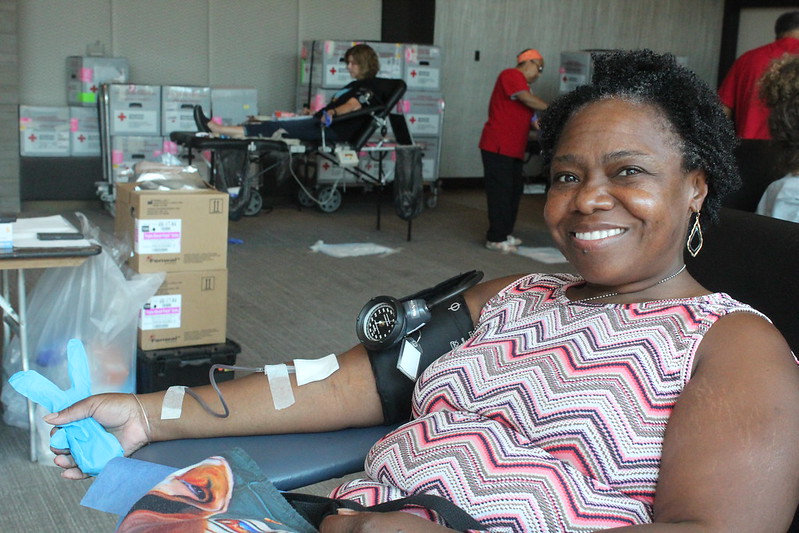
Many patients with sickle cell disease will require regular blood transfusions to help manage their disease. Glinda Dames-Fincher, of Mayfield Heights, has lived with sickle cell disease for more than 60 years. She receives monthly red cell exchange transfusions as part of her treatment.

Unfortunately, these patients may develop an immune response against blood from donors that is not closely matched to their own. Many individuals who are Black have distinct markers on their red blood cells that make their donations ideal for helping patients with sickle cell disease. More than half of blood donors who are Black have blood that is free of C, E and K antigens – making them the best match for those with sickle cell disease.

Life-threatening complications

Sickle cell disease distorts soft, round blood cells and turns them hard and crescent-shaped, which can cause extreme pain. When hardened, the cells can get caught in blood vessels, potentially leading to stroke and organ failure.

“Transfusions provide healthy blood cells, unblocking blood vessels and delivering oxygen,” said Dr. James Westra, Red Cross regional medical director. “By increasing the amount of closely matched blood products, the Red Cross is able to help ensure the right blood product is available at the right time for patients facing a sickle cell crisis – minimizing complications for those with rare blood types fighting sickle cell disease.” makenzie-nance-002

Cleveland teenager Makenzie Nance was a preschooler when she received her first blood transfusion to help overcome complications from sickle cell disease. She visits local high schools to educate students about sickle cell disease and her family hosts blood drives to encourage more Black donors to give. You can read Makenzie’s story here.

The Red Cross asks members of the Black community to join in helping to address this health disparity and meet the needs of patients with sickle cell disease. Donors can take action today by scheduling a blood donation appointment at RedCrossBlood.org, by downloading the Blood Donor App or by calling 1-800-RED CROSS. To help tackle the need for blood in September – Sickle Cell Awareness Month − all donors who come to give with the Red Cross Sept. 13-30 will receive a limited-edition football-themed T-shirt, while supplies last. 


Back-to-back disasters require nationwide Red Cross response

More than a thousand volunteers deploy to help those affected by wildfires, Hurricane Ida and flooding

Back-to-back massive disasters have more than 1,200 American Red Cross volunteers, including 32 from Northern Ohio, working tirelessly from coast to coast right now providing food, shelter and comfort to thousands of people in need. We are working around the clock with our partners to provide help to people struggling with the heartbreaking damage left behind by Hurricane Ida.

The Red Cross is working to provide help to people struggling with the massive flooding caused by the remnants of Hurricane Ida. Wednesday night, some 430 people sought refuge in 13 Red Cross and community shelters across Virginia, Maryland, Pennsylvania, New Jersey and New York. Some 130 trained Red Cross workers are on the ground now to support relief efforts. The Red Cross and its partners have already provided some 1,300 meals and snacks and distributed more than 100 relief items. Trained Red Cross volunteers have already made nearly 100 contacts providing emotional support, health services and spiritual care for people who’ve been evacuated.

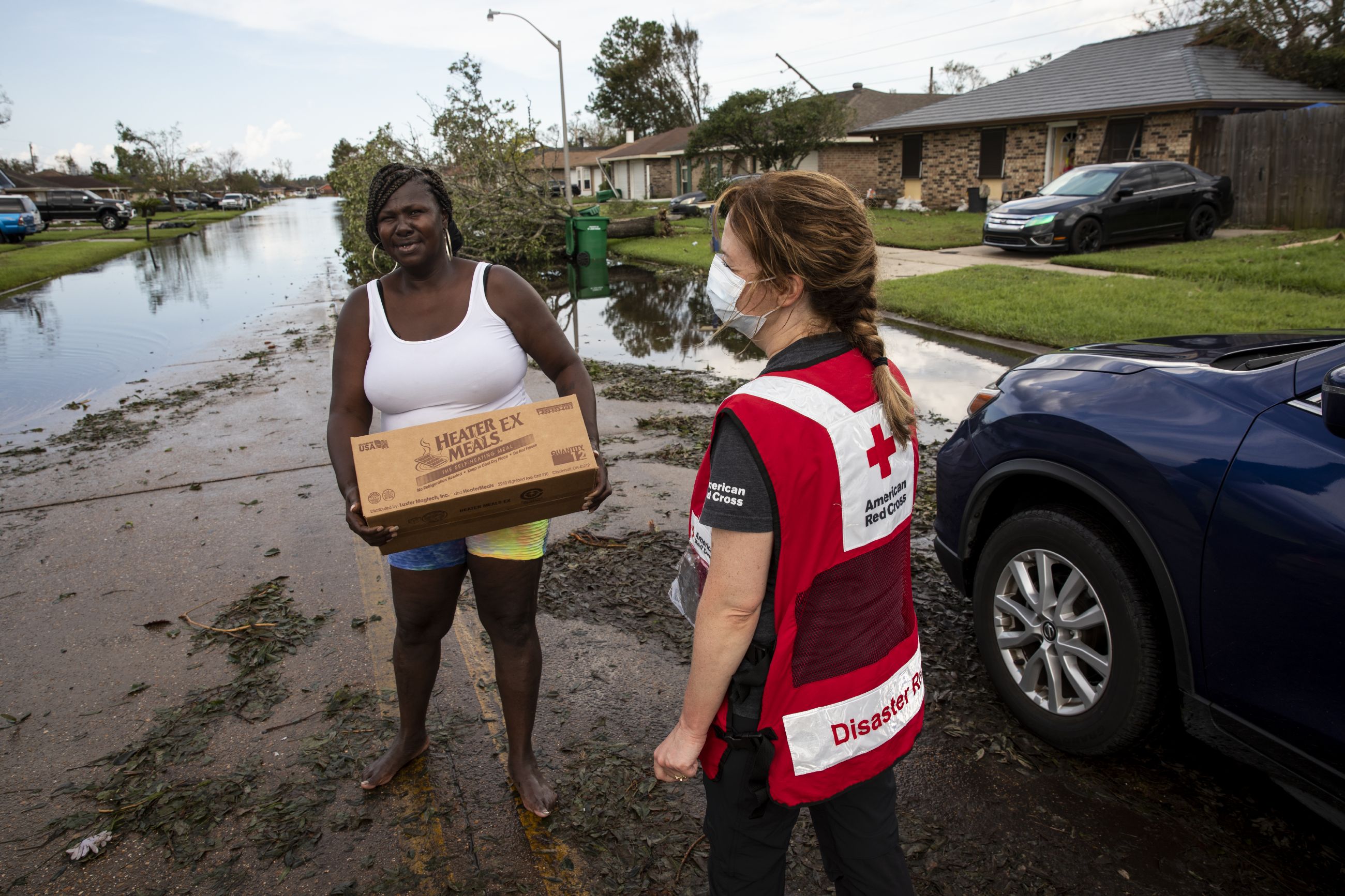
Wendy Halsey of the American Red Cross hands boxes of Meals Ready to Eat (MRE) to Cassandra Simon in LaPace, LA, one of the areas of Louisiana which suffered extreme damage from Hurricane Ida. Photo by Scott Dalton/American Red Cross

While massive flooding affected many states in the northern U.S., many southern states continue to deal with the aftermath Ida. Nearly 900 trained Red Cross workers are on the ground now to support relief efforts. The Red Cross and our partners have provided nearly 51,000 meals and snacks and distributed more than 16,000 relief items to people in need.

And, in the midst of responding to Hurricane Ida, the Red Cross continues to help people in California where tens of thousands of people are under evacuation orders as massive wildfires continue to spread. Red Cross workers have been on the ground since June helping evacuees find a safe place to stay, food to eat and emotional support during this heartbreaking time.

Red Cross volunteer Dave Wagner looks over damage from the Dixie Fire in Greenville, CA, a small town that was devastated by the fire on Saturday, August 7, 2021. Photo by Scott Dalton/American Red Cross

The Red Cross expects to respond to more disasters in the coming months, as the season is only beginning. Financial donations enable the Red Cross to prepare for, respond to and help people recover from disasters. To give, visit redcross.org or call 1-800-RED CROSS.

Individuals in unaffected areas of the country are urged to make an appointment to give blood to ensure a sufficient blood supply remains available for patients. Schedule a blood or platelet donation appointment by using the Red Cross Blood Donor app, visiting RedCrossBlood.org or calling 1-800-RED CROSS (800-733- 2767).

The Red Cross needs more volunteers now. If you have the time, you can make a significant impact. Review our most urgently needed volunteer positions at redcross.org/volunteertoday.

September is National Preparedness Month: Get ready now

Emergencies more frequent, larger due to climate change

By Tim Poe, American Red Cross volunteer

During my time as a Disaster Action Team (DAT) member, I saw many levels of preparedness and their impact once a disaster happened, whether a fire, flood, tornado or other event. Families and communities who had prepared were much better able to respond and begin recovering than those who had not. The American Red Cross assists all in need but preparation makes a tremendous difference, especially as climate change causes more severe weather. The Red Cross Northern Ohio Region urges everyone to get ready.

While home fires remain the most frequent disaster in Northern Ohio, climate change is having an impact. Sustainable Cleveland’s Action Plan states, “… annual temperatures in the Midwest, including Northeast Ohio, have increased over the last several decades. Heat waves are becoming more frequent. Snow and ice are arriving later in the fall and are starting to melt earlier in the spring. Heavy downpours now occur twice as frequently as they did a century ago.”

For an additional perspective, I reached out to John Gareis, Regional Manager, Disaster Preparedness, Red Cross Northern Ohio Region. John said, “Disasters can happen anywhere, anytime. We urge people to prepare now and be ready if an emergency occurs in their home or in our local community.

“No one plans to be in a disaster,” John continued. “Unfortunately, so often we help families who have done nothing to prepare, and they rely on the Red Cross to help them get on their feet and begin piecing together their lives. Understanding the basics of being prepared, having a communication plan, and knowing what to do in an emergency does save lives. Helping people during disasters is at the heart of our mission, and climate change is a serious threat we are all facing. While we celebrate Emergency Preparedness awareness every September, being prepared should happen all year long. Help keep your loved ones safe — get Red Cross Ready today.”

HOW TO GET PREPARED

Help keep your family safe: 1) Get a Kit. 2) Make a Plan. 3) Be Informed.

  1. Build your emergency kit with a gallon of water per person, per day, non-perishable food, a flashlight, battery-powered radio, first aid kit, medications, supplies for infants or pets, a multi-purpose tool, personal hygiene items, copies of important papers, cell phone chargers, blankets, maps of the area and emergency contact information.
  2. Plan what to do in case you and your family are separated or evacuating. Coordinate your plan with your child’s school, your work and your community. Don’t forget your pets. If you need to evacuate, so does your pet. Know which pet-friendly hotels are in your area and where your pets can stay.
  3. Stay informed by knowing how local officials will contact you during a disaster and how to get important information.

Also consider your family’s needs and each person’s capabilities. Older adults and those with disabilities need a support network that can help in an emergency, especially during an evacuation or extended loss of power.

Speak with children about preparing for common emergencies, staying safe and what to expect before a disaster happens. The Red Cross has free programs and tools to help at redcross.org/youthprep.

Free Red Cross apps are also available.

Finally, help your community prepare and respond to disasters. You can do so by donating blood, learning lifesaving skills or volunteering with the Red Cross or other organization.

Edited by Glenda Bogar, American Red Cross volunteer

Take action this World Humanitarian Day

By Samantha Pudelski, Red Cross volunteer

August 19 is World Humanitarian Day, when we recognize those around the world who help people affected by global crises. In 2021, a record 235 million people required humanitarian assistance according to USAID. Life-threatening crises around the world such as hunger, poverty and conflict are intensifying due to forces such as climate change.

Northeast Ohio native Jenelle Eli, American Red Cross joins Ines and her neighbors in Morelos, Mexico in receiving humanitarian aid from the Red Cross in the wake of a 7.1 earthquake in 2018.

Organizations around the world, including the American Red Cross, International Federation of the Red Cross (IFRC) and Red Crescent Societies, provide humanitarian aid to help communities affected by intense storms, hurricanes and devastating wildfires that have increased in frequency, especially in the last few years. They also are working to provide climate-smart disaster risk reduction—helping communities reduce their risks, increase their resilience and prepare for emergencies that may happen in their region.

Annually, on average, natural hazards cause 67,000 deaths, affect 199 million people and drive 126 million individuals into poverty according to the IFRC. Climate change is causing the number of disasters to increase drastically—doubling the average number of disasters in the last 40 years.

April 7, 2020. Nassau, New Providence, Bahamas. The American Red Cross helped expand the Bahamas Red Cross home meal delivery program to include more people put at risk to food insecurity due to the COVID-19 outbreak causing government implemented lockdowns and 24-hour curfews.

You may be asking yourself, how can I help here in Ohio? There are a few things you can do:

  • Learn more about the effects of climate change and the work organizations like the Red Cross and IFRC are doing to help those who are impacted by disasters. Share what you learn with family and friends.
  • Donate to the Red Cross to help provide aid to victims of disasters and education to communities on how to prepare for future events.
  • Volunteer with the Red Cross in your community and/or consider becoming a member of the Disaster Action Team.

Read more about World Humanitarian Day here.

Edited by Glenda Bogar, American Red Cross volunteer

Local volunteers and blood donors needed for busy disaster season

Many weather experts predict a destructive wildfire and hurricane season this year. The American Red Cross needs volunteers to help people who are affected by these disasters.

“We’re preparing for another extremely busy disaster season, and it’s critical to have a trained, ready volunteer workforce to make sure we can provide relief at a moment’s notice,” said Mike Parks, Regional CEO, American Red Cross of Northern Ohio. “This year’s wildfire season is already very active and dangerous because of the severe drought and dry woodlands across the west. And experts are predicting we could see 10 or more hurricanes in the upcoming weeks.”

“We’re preparing for another extremely busy disaster season, and it’s critical to have a trained, ready volunteer workforce to make sure we can provide relief at a moment’s notice.”

Mike Parks, Regional CEO, American Red Cross of Northern Ohio

SHELTER VOLUNTEERS AND HEALTH PROFESSIONALS NEEDED

The Red Cross needs new volunteers to support disaster shelters. Volunteers will help with reception, registration, food distribution, dormitory, information collection and other vital tasks inside disaster shelters. Both entry and supervisory-level opportunities are available.

The Red Cross also needs volunteers who can work in disaster shelters to address people’s health needs and provide hands-on care in alignment with their professional licensure (registered nurse and licensed practical nurse/licensed vocational nurse). Daily observation and health screening for COVID-19-like illness among shelter residents may also be required. If you are an RN, LPN, LVN, APRN, NP, EMT, paramedic, MD/DO or PA with a current and unencumbered license, this position could be right for you.

Red Cross volunteer Dave Wagner looks out damage from the Dixie Fire on the outskirts of Greenville, CA, a small town that was devastated by the fire on Saturday, August 7, 2021. Many of the evacuated residents found shelter with the Red Cross in nearby Quincy and Susanville, CA.
Photo by Scott Dalton/American Red Cross

DISASTER ACTION TEAM MEMBER

Local Disaster Action Teams provide 24-hour emergency response to local disasters, particularly home fires, ensuring that those affected have access to resources for basic necessities such as food, shelter and clothing. If you are team-oriented and want to help your neighbor, the DAT responder may be just the thing for you.

Disaster Action Team members from Northern Ohio respond to a fire in Lakewood on Aug. 4, 2021.

At 1 p.m. today, the Red Cross will host a Facebook Live event where our experts will discuss the various volunteer roles and how you can get involved in helping families after disasters here locally and across the country. Tune in to learn more and get your volunteer questions answered.

Last year, the Northern Ohio Region provided immediate emergency assistance to more than 5,100 people after nearly 1,200 home fires and other disasters.

If you can’t join us this afternoon but are interested in helping your community when disasters occur, you can sign up online or contact our area offices at 216-431-3328 or neovolunteer@redcross.org.

BLOOD AND PLATELET DONORS NEEDED

Wildfires, record-breaking heat and a busy hurricane season can also impact the nation’s blood supply. On top of the toll extreme weather events take on the lives of millions, disasters can cause blood drive closures or prevent donors from being able to give safely. Eligible donors can help overcome the critical need for blood and ensure blood is readily available by making an appointment to give by using the Red Cross Blood Donor App, visiting RedCrossBlood.org, calling 1-800-RED CROSS (1-800-733-2767) or enabling the Blood Donor Skill on any Alexa Echo device.

During National Immunization Awareness Month, ensure your vaccinations are up to date

By Tim Poe, American Red Cross volunteer

Some moments remain in memory with surprising detail. While recent, I suspect receiving the COVID-19 vaccine will remain in mine. Not so much for the injections themselves but for the relief, plans and hope they brought. Even after the first shot, I looked forward to seeing friends, attending family gatherings, hearing live music, traveling and everyday things like grocery shopping without risk assessments. While the Delta variant and vaccine hesitancy are delaying these plans, I cling to a cautious optimism, am grateful that many have some defense against the virus, and am in awe at how quickly and effectively science and knowledge respond to grave threats.

I realize how fortunate I am to have grown up without risk of measles, polio, tetanus and several other diseases, thanks to immunizations. Many are not so fortunate. This is something that the American Red Cross and partner organizations are continuously working to remedy. I am also reminded that we must keep up with our vaccinations. Since August is National Immunization Awareness month, now is an excellent time to ensure your and your family’s vaccinations are up to date.

In addition to the COVID-19 vaccine, other immunizations are needed, especially as many resume pre-pandemic behaviors. Gatherings carry influenza risk, especially in fall and winter, so do not forget your flu shot this year. Travel is also booming, and those traveling abroad should be properly immunized for the destination. (For more information on travel preparedness, read this blog.)

The Centers for Disease Control and Prevention (CDC) states that all adults need vaccines for COVID-19, influenza, Td or Tdap (tetanus) and others, depending on circumstances. In addition, routine vaccinations throughout childhood help prevent 14 diseases. In fact, the CDC says, “among children born from 1994-2018, vaccinations will prevent an estimated 936,000 early deaths, 8 million hospitalizations and 419 million illnesses.”

Vaccine effectiveness and the need for vigilance is especially clear with measles and rubella (German measles). Measles, an exceptionally contagious and severe childhood disease, surged in 2019, though an effective vaccine exists. The World Health Organization (WHO) reports that global measles cases increased to 869,770 in 2019 with 207,500 deaths. While cases were lower in 2020, the WHO says the pandemic disrupted vaccination and prevention efforts. As of November 2020, it estimates “more than 94 million people were at risk of missing vaccines due to paused measles campaigns in 26 countries.”

September 27, 2018. Nairobi, Kenya. Prince Osinachi sits in a Red Cross volunteer’s arms after receiving routine immunizations in Nairobi, Kenya.

The Red Cross and its partners in the Measles & Rubella Initiative are working to create a world free of these diseases. The vaccine is safe, effective and one of the most cost-effective health interventions available. Since 2001, the initiative has vaccinated 2 billion children, preventing over 23 million measles-related deaths. Learn more here. Please consider donating if you can help with this effort.

Your doctor and county board of health can help with vaccinations. For more information on vaccination clinics at the Cuyahoga County Board of Health, CLICK HERE. If you need a COVID-19 vaccine, visit the CDC’s website.

Edited by Glenda Bogar, Red Cross volunteer

Three R’s plus a dose of Three C’s

Cover up, Caution around traffic, Car seats

By Doug Bardwell, Red Cross volunteer

As of this writing, Cleveland, Akron, and Massillon have declared that all returning students will be required to wear masks until further notice. With the Delta variant as dangerous as it is, that’s the only way to protect those too young to be vaccinated.

But that’s not all

The virus isn’t the only thing parents and caretakers need to be aware of. Accordingly, the American Red Cross has issued a list of ten tips to help make this school year a safe one.

  1. If your student rides a bus to school, they should plan to get to their bus stop early and stand away from the curb while waiting for the bus to arrive. 
  2. Students should board the bus only after it has come to a complete stop and the driver or attendant has instructed them to get on. They should only board their bus, never an alternate one.
  3. All students should stay in clear view of the bus driver and never walk behind the bus. 
  4. Cross the street at the corner, obey traffic signals and stay in the crosswalk.
  5. Never dart out into the street or cross between parked cars.
  6. If children go to school in a car, they should always wear a seat belt. Younger children should use car seats or booster seats until the lap-shoulder belt fits properly (typically for children ages 8-12 and over 4’9”), and ride in the back seat until they are at least 13 years old.
  7. If a teenager is going to drive to school, parents should mandate that they use seat belts. Drivers should not use their cell phone to text or make calls, and avoid eating or drinking while driving.
  8. Some students ride their bike to school. They should always wear a helmet and ride on the right, in the same direction as the traffic is going. 
  9. When children are walking to school, they should only cross the street at an intersection, and use a route along which the school has placed crossing guards. 
  10. Parents should walk young children to school, along with children taking new routes or attending new schools, at least for the first week to ensure they know how to get there safely. Arrange for students to walk to school with a friend or classmate.

“Parents and kids are both eager to get back to normal and return to the classroom as a new school year starts,” said Mike Parks, Regional CEO, Red Cross of Northern Ohio. “But don’t forget to make safety a top priority.”

While most people realize that the Red Cross responds to disasters, we try equally hard to promote safety at home, at work, and at school; so your donations are always welcome.

Northern Ohio Region weekend disaster response report: July 17-18, 2021

Over the weekend, the American Red Cross was once again very active responding to calls across Northern Ohio and assisting residents who have suffered a local disaster.

IMG_5580

During the weekend of July 17-18, the Red Cross responded to 9 incidents across the region, including home fires and flooding. The disaster team assisted 15 adults and 11 children, and provided more than $5,5000 in immediate financial assistance.

While many of us hear “disaster” and think of large events like wildfires and hurricanes, local disasters are where much of our response happens. In fact, every 24 hours, on average, the Northern Ohio Red Cross responds to three home fires, as well as floods and severe storms. Red Cross volunteers are on call and ready to respond 24/7 when a disaster strikes. After emergency personnel, these individuals are often some of the first people to be on scene at a disaster. They assess the victims’ needs and ensure they have food, clothing, shelter and other services to help take the first steps to recovery.

The Red Cross is committed to helping our community prepare for, respond to, and recover from emergencies. We are able to make a difference in our local communities because of the generosity of our donors and support of our volunteers.

If you would like to provide a financial donation to assist the Red Cross’ efforts to support the residents of Northern Ohio, visit redcross.org/donate, call 1-800-RED CROSS or text REDCROSS to 90999 to make a $10 donation. If you cannot support the Red Cross monetarily but you are interested in making an impact in your local community, the Red Cross is always looking for volunteers. To volunteer, visit redcross.org/volunteer to learn more and sign up.

Giving blood gives time to those fighting cancer

By Sue Wilson, American Red Cross volunteer

February 4, 2021- If you or someone you love have gone through a health scare of any kind, you know firsthand how your perspective changes in the blink of an eye. When my husband got his cancer diagnosis, we were shocked. We thought there was a simple explanation for his symptoms. We thought the biopsy was a routine test they were doing along with some others. We were in a state of disbelief when the doctor said that not only was it cancer, but it was advanced. He died a year later.

Cancer has a way of making time an all-consuming obsession. The realization that every minute is important, every day should be cherished, and that time is a precious commodity is never far from my thoughts. 

When you think about fighting cancer, the first thing you may think of is chemotherapy, radiation or surgery. What so many don’t realize is that many cancer patients undergoing chemo will likely have a need for blood. In fact, five units of blood are needed every minute to help someone going through cancer treatment. Patients fighting cancer use nearly one quarter of the nation’s blood supply – more than patients fighting any other disease. And, yet, only 3% of people in the U.S. regularly donate blood.

You may not have put the two together before but giving blood can help patients fight cancer. There simply aren’t enough people regularly donating blood to meet the ongoing need. That’s the message the American Red Cross wants to spread.

We know that not everyone is eligible to donate blood, so a financial donation is also encouraged. By making a financial gift in any amount, you’re helping to give patients and their families time, resources and the hope they need to fight back.

My grief had me vacillating between a depressive despair that made me want to do nothing and a manic desire to do anything and everything to help others who were suffering. But I didn’t know where to start. Donating blood is a start. It’s a meaningful way to honor someone you love who is battling or has battled cancer. To learn more and to schedule a blood donation appointment, visit RedCrossBlood.org.

To make a financial gift, visit redcross.org/donate.

Edited by Glenda Bogar, American Red Cross volunteers

Then and now: Celebrating Black History Month, recognizing African American contributions to Red Cross

By Doug Bardwell, American Red Cross volunteer

February 1, 2021- It’s 1860, and there’s an outcry from voters who can’t accept the results of that year’s election. Abraham Lincoln is declared winner, without carrying a single southern state. Before his inauguration, seven southern states secede from the union, followed by others soon thereafter. Civil war ensues. 

As the Civil War concludes in 1865, Clara Barton is commissioned by Abraham Lincoln to locate missing soldiers. She sends 63,000 letters and locates 22,000 missing men. The American Red Cross is founded 16 years later in 1865 in Washington, D.C., and is still in charge of contacting armed service members.

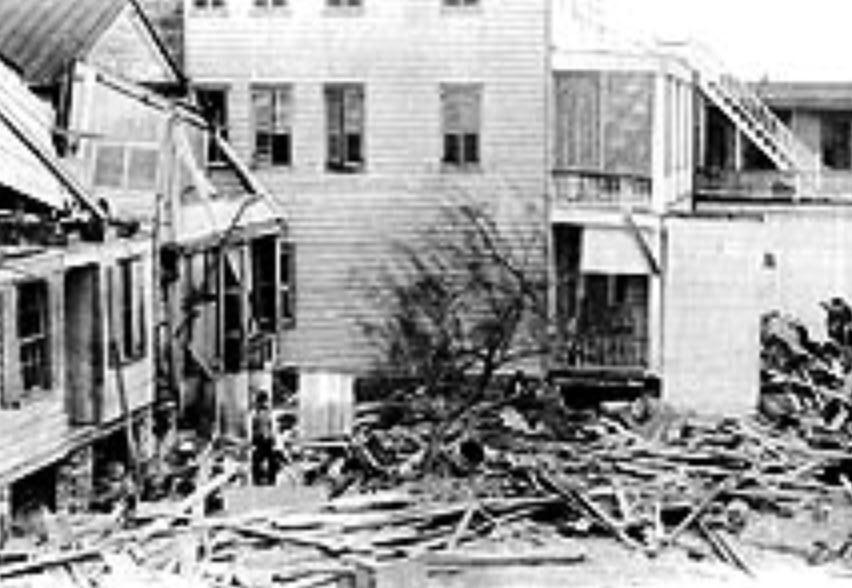
With Lincoln gone, Reconstruction effectively fails, and thousands of freed slaves are forced to return to the plantations and their former owners. Many stayed along the eastern coastline. In 1893, the country’s largest recorded hurricane hit the coastal islands with a storm surge of 10 to 12 feet and 20-foot waves on top of that, killing up to 3,500 inhabitants, 92% of which were Black.

Clara Barton answered the call to this huge disaster, the biggest to date for the Red Cross. The U.S. Congress refused to provide any aid short of some seeds, tents and a couple deep-draft boats. All the funds to care for 30,000 displaced persons had to come via requests for donations from Clara, who got newspapers to run the story across the entire eastern half of the U.S.

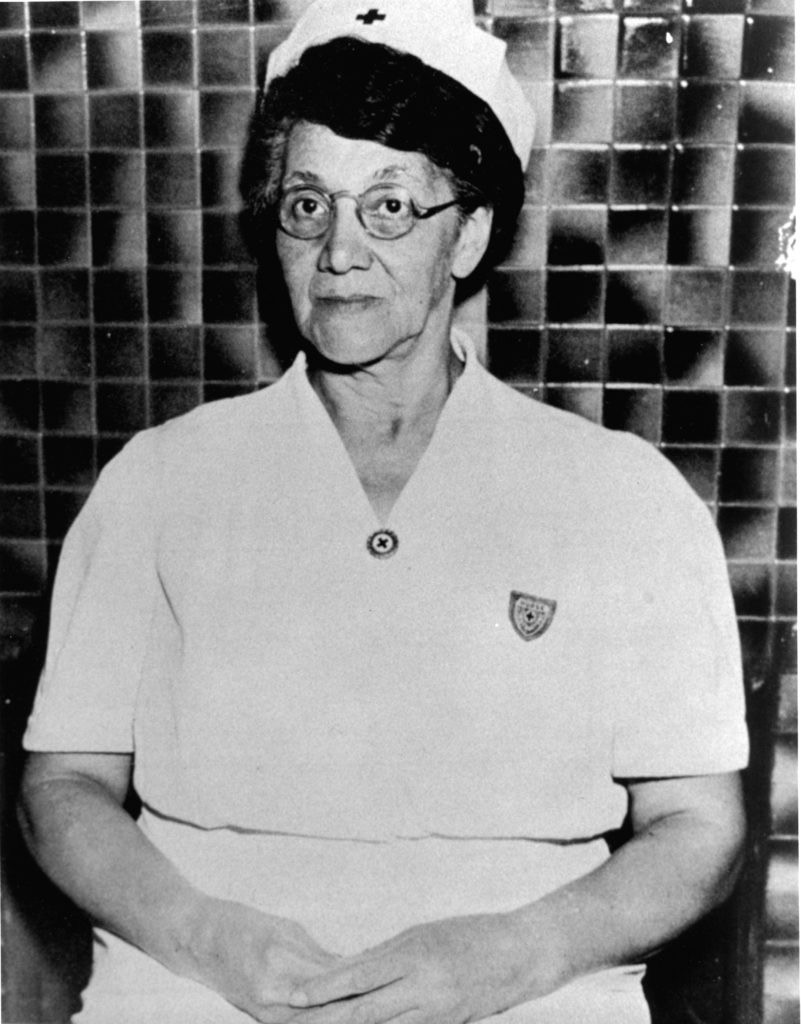
Frances Reed Elliott Davis

Possibly motivated by Clara’s efforts, 10-year-old Frances Reed Elliott Davis was growing up in North Carolina and had lived through that storm. Despite being orphaned, she taught herself to read and write. Wanting to become a nurse, she entered nursing school in 1910. She was the first African American to pass the final board exams in Washington, D.C. Eight years later, she became the first officially recognized African American nurse to be accepted into the Red Cross Nursing Service.

That same year, Red Cross nurses combated the worldwide H1N1 influenza epidemic. With the returning injured troops from World War I, and the raging pandemic, Red Cross volunteers grew to 20 million adults and 11 million junior members. 

Later, in Michigan, Davis helped organize the first training school for African American nurses at the Dunbar Hospital. In the 1940s, Davis established a childcare facility that caught the attention of first lady Eleanor Roosevelt, who helped plan for and fund the center.

Mary McLeod Bethune

About this time, Mary McLeod Bethune was serving as an advisor to President Roosevelt. She became the highest ranking African American woman in government when the president named her director of Negro Affairs of the National Youth Administration, making her the first African American woman to head a federal agency.

Bethune was one of five committee members who made recommendations on the blood plasma project, the use of African American staff in overseas service clubs, the enrollment of African American nurses, and the representation of African Americans on local and national Red Cross committees and staff departments.

Dr. Jerome Holland

During his time as president of Hampton University in 1964, Dr. Holland became a member of the American Red Cross Board of Governors. He served as a member until he resigned in 1970 to become the U.S. Ambassador to Sweden. He was the second African American to lead a delegation in any European nation.

Dr. Holland was later appointed by President Jimmy Carter to be the chairman of the American Red Cross Board of Governors in 1979, and was the first African American to hold this position. Because of his commitment to the Red Cross, he was appointed again in 1982.

While serving on the board, Dr. Holland showed a passion for blood research and took the lead in consolidating growing laboratory operations for the Red Cross Blood Services program. He also encouraged Red Cross regions to integrate their volunteers so important services could be extended to the entire community, regardless of a person’s ethnicity or background.

We salute them

History has a way of repeating itself. Whether it is a pandemic flu, a giant, slow-moving hurricane or the need to improve blood research, the same needs are still being met by the Red Cross today. To contribute to the cause, click here. To volunteer and do your part to help others in need, click here.

Other African American contributions

To read more about the contributions of other African Americans to the American Red Cross, you might like these articles:

Steve Bullock – Acting President of American Red Cross in 1999

Frederick Douglass – Friend of Clara Barton

Gwen T. Jackson – American Red Cross Board of Governors

Dr. Charles Drew –  Blood Bank Pioneer

Edited by Glenda Bogar, American Red Cross volunteer