Earth Month should be every month

As April comes to a close, we spotlight the NOH Green Team

By Rachel Hepner, Executive Director, American Red Cross of Western Lake Erie

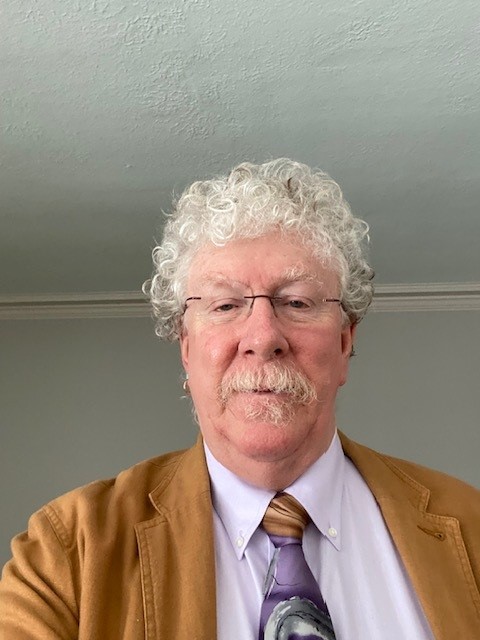
Red Cross employee Erica Eckel reusing office supplies

Sustainability isn’t just another word the Red Cross throws around, it’s part of our fabric…our biodegradable fabric that is. The Red Cross has built and trained “green teams” around the country that not only work together to spread sustainable initiatives, but also engage local teams on ways WE can be more sustainable at our chapters and in our day-to-day lives. Since we started, we’ve installed water refill stations at most of the facilities in the region, planted trees, distributed reusable water bottles to staff and invested in smart thermostats.

I’m sure you are wondering how you can help. Well, here are a couple easy ways to become part of the solution.

Turn off the water! According to the EPA, letting your faucet run for five minutes while washing dishes can waste 10 gallons of water and uses enough energy to power a 60-watt light bulb for 18 hours. Sidenote: if you make your kids do the dishes that wastes 3x as much water…just have them take out the trash instead.
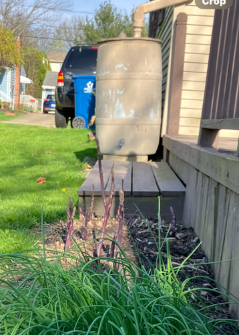
Red Cross employee Kristen Gallagher’s rain barrel
  1. Buy a houseplant. “But I don’t have a green thumb and I kill all my houseplants!” No, you won’t! Just set a weekly reminder that says, “wet my plants” as often as the plant species requires! It’s that simple!

    FUN FACT: Studies have shown that indoor plants can improve focus, decrease depressive moods, and lessen symptoms of anxiety. When your mind and body are relaxed, it can improve your blood pressure, heart rate and cortisol levels.
  2. Carpool! Sure, sometimes you don’t want to talk to people, or don’t have the same taste in music, but carpooling is a great way to reduce emissions. Maybe a game of “name that tune” will help pass the time.
  3. Plant a pollinators garden. Here we go with the green thumb thing again…BUT a pollinator garden provides a habitat and nutrition for species which have lost much of their natural resources. It creates a safe environment for bees, which the world relies on as the most important pollinator organism. Bees help our food people! If you want to start small, visit your local Red Cross office to grab a packet of wildflowers! Your local flying pollinators will be buzzing with excitement!
Red Cross worker Tracie Endress uses a water bottle filling station

These are just small examples of how you can be a part of the sustainability movement. Want to learn more or join a local “Green Team” or have an idea? Email us at NOHGreenteam@redcross.org.

Stay sustainable!

Posted by Ryan Lang, American Red Cross board member and volunteer
Celebrating National Phlebotomists Week

Recognizing the men and women who collect lifesaving blood

By Eilene Guy, American Red Cross volunteer

One of the key activities of the American Red Cross is collecting, testing and distributing blood for trauma victims, cancer and sickle cell “warriors” and others in need of critical treatment.

Phlebotomists – the men and women who skillfully slide needles into arms – are vital connections between our blood donors and those who need lifesaving transfusions.

This week, the Red Cross salutes its 5,500 team members across the country who collect nearly 2.5 million blood and platelet donations each year.

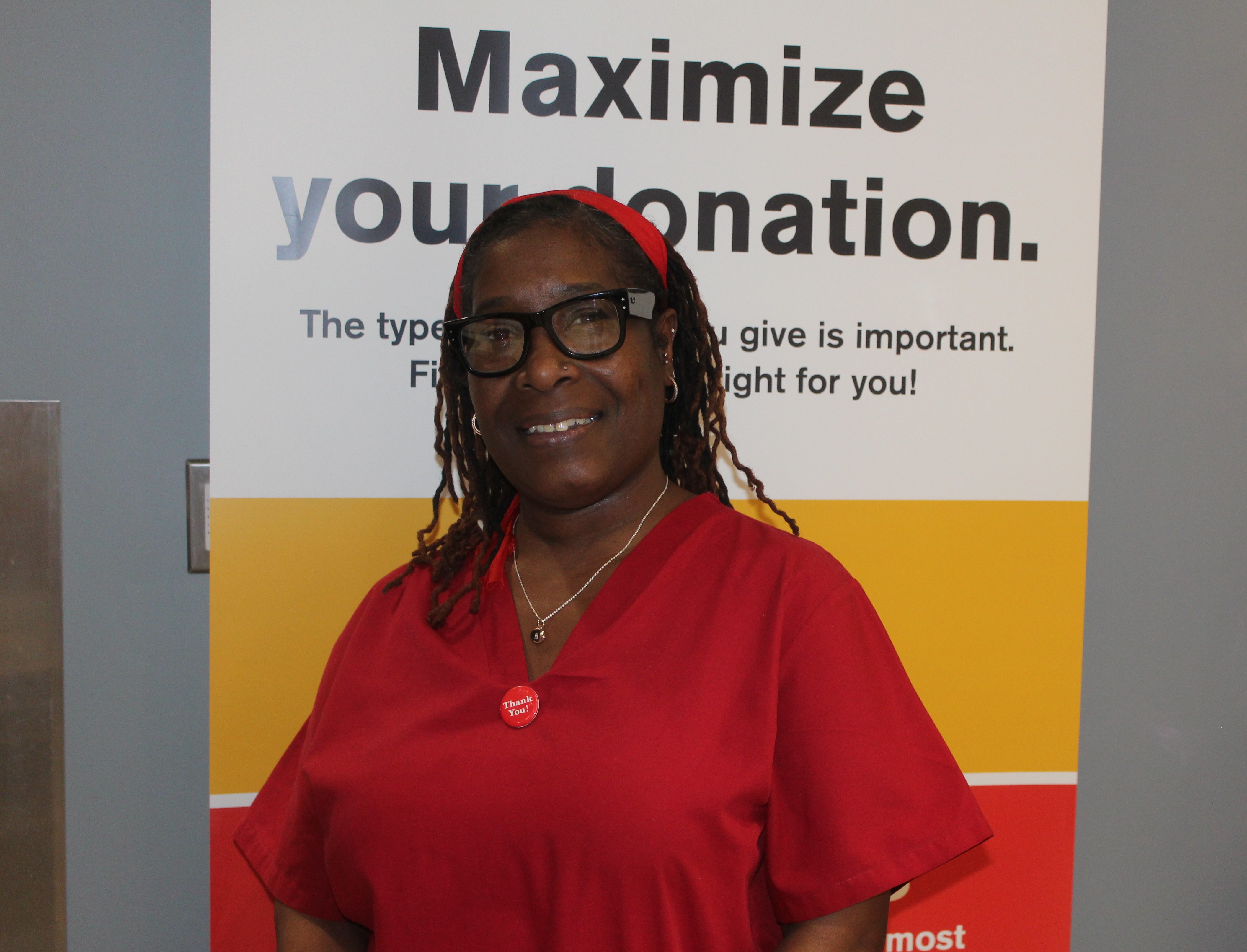
If you have trouble wrapping your mind around the word “phlebotomist,” just relax and picture Safeyyah Edwards in her deep red and black scrubs, gently but efficiently preparing a donor for their “pinch.”

Safeyyah Edwards

Safeyyah has been drawing blood for 23 years for the Red Cross and she values the donor/friends she’s made at the Cleveland blood, platelet and plasma donation center.

“We refer to them as ‘my donor.’ They become like family. We hear their stories, we hear why they donate; we see pictures of their kids, events in their lives.”

Phlebotomists help people help people,” Safeyyah says, referring to the fact that trained professionals like her make it possible for donors to give the gift of life, mostly for people they don’t even know.

“I am just in awe,” she says respectfully. “Some people are just terrified when they come for the first time, but they want to donate; they want to save lives.

“We do have good people out there.”

Every two seconds, someone in the U.S. needs blood. As the provider of nearly half of the nation’s blood supply, the Red Cross relies on phlebotomists to help fill that need. They strive to give volunteer donors a safe and positive experience while ensuring that blood is collected properly for the safety of recipients.

Safeyyah and her fellow professionals – You wouldn’t want to trust a blood draw or transfusion needle to an amateur, would you? – are especially crucial at a time like this: Seasonal illnesses and extreme weather events have cancelled hundreds of blood drives, leading to a nationwide blood emergency.

In the 31 counties of the northern Ohio region, the Red Cross needs to collect some 500 donations a week to meet the needs of more than 70 local hospitals.

To make an appointment to donate at a Red Cross blood drive near you, go online to redcrossblood.org or call 1-800-RED CROSS (1-800-733-2767).

And if you’re interested in a rewarding role in the medical field, the Red Cross offers training to become a certified phlebotomist. This link will take you to a variety of career opportunities in blood collection: https://www.redcross.org/about-us/careers/pbjob-types/blood-collection.html

Apartment building residents placed in short-term housing

Red Cross sheltering operations cease after six days

Residents of the Terrace Towers apartments in East Cleveland have been relocated to other short-term housing options, and the shelter operated by the American Red Cross has closed.

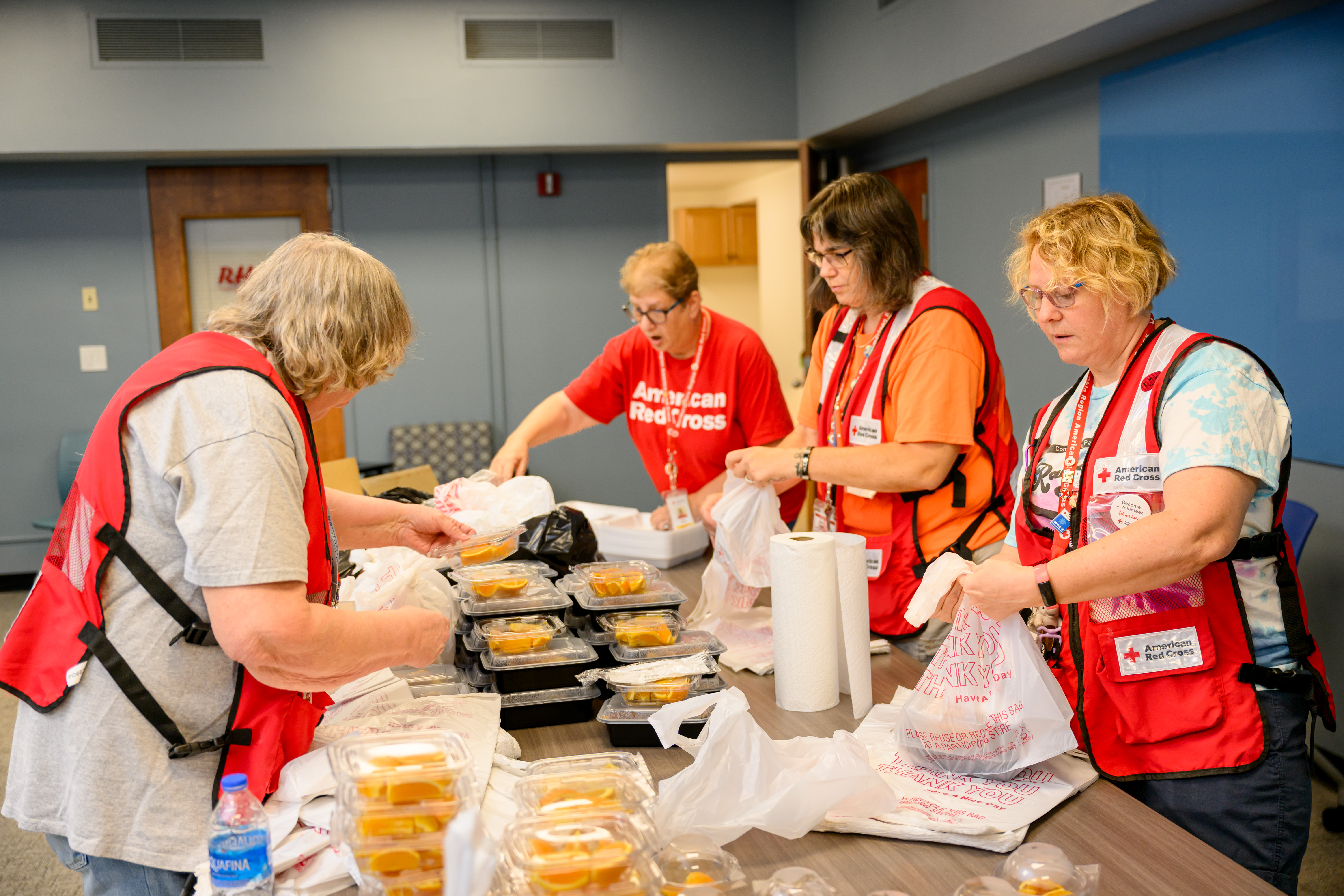
Red Cross workers preparing meal distribution.  Photo credit: Cuyahoga County Multimedia

More than 130 residents took refuge in the shelter for six nights, after fire forced them to flee on Monday, July 3rd . They took refuge the first two nights at the Salvation Army East Cleveland Corps Community Center. On Wednesday, the shelter was transferred to a dormitory at Case Western Reserve University. The shelter closed on Sunday.

It was the largest sheltering operation in Northern Ohio since 2004.

 Tom Revolinsky, Red Cross disaster program manager, and Alfreda Scott, Terrace Towers resident.  Photo credit:  American Red Cross

“We made a lot of friends,” said Tom Revolinsky, Disaster Program Manager for the Red Cross of Northeast Ohio. “A lot of the residents were understandably upset when they were forced out of their homes on the night before the fourth of July, but by the time they left the shelter on Sunday, we were getting lots of hugs.”

During the six nights of shelter operations, the Red Cross provided:
 525 overnight shelter stays
 2,023 meals
 304 health services
 256 comfort kits (personal hygiene items)
 125 blankets
 Continuous emotional support

Officials with RHM Real Estate Group, the Terrace Towers property management firm, is providing alternative housing options for the residents while repairs to the apartment complex are being made.

“We’re grateful to Terrace Towers property management for working so diligently this week to find alternative lodging for their residents,” said Emily Probst, Regional Disaster Officer for the Red Cross of Northern Ohio. “And we thank the Salvation Army for providing space for the first two nights, and Case Western Reserve University for opening one of their dormitories to these residents.”

Emmanuel Grant, Terrace Towers resident.  Photo credit: American Red Cross

Emmanuel Grant, one of the residents of Terrace Towers who took refuge at the Red Cross shelter, said, “One thing I appreciate about the Red Cross; they follow scripture when it said to extend hospitality, caring for your neighbor. So these things have really been a blessing.”

Alfreda Scott, Terrace Towers resident. Photo credit: American Red Cross

“My experience, believe it or not, has been wonderful,” said shelter resident Alfreda Scott. “It’s just been like a nice community, and everyone’s been hugging and supporting each other, and it’s been wonderful.”

She said once her housing situation stabilizes, she plans to become a Red Cross volunteer.

“I made some new friends.”

You can hear more from Emmanuel and Alfreda in this video here.

See more photos here.

Red Cross and County Emergency Management workers.  Photo credit:  Cuyahoga County Multimedia

The Red Cross received assistance from several organizations, including the Cuyahoga County Office of Emergency Management, and several businesses stepped-up to provide meals, including Bon Appetit, Case Western Reserve University’s food service provider.

“No one organization can carry out such a challenging task alone, and we’re thankful for all the help the residents received,” said Probst. “We’re also indebted to our dedicated volunteer workforce. We could not have provided such valuable assistance without them.”

To learn more about volunteer opportunities with the Red Cross, visit redcross.org/volunteer.

Posted by Ryan Lang, Red Cross board member and volunteer
On Veterans Day and every day, Red Cross helps active-duty military, veterans and families cope

By Eilene E. Guy, American Red Cross volunteer

Today is Veterans Day, when we honor those who have served in our military. But tomorrow and every day after this national holiday passes, the American Red Cross will continue to honor and support veterans, military members and their families. For more than 100 years, the Red Cross has been helping active-duty men and women in uniform, their families and veterans deal with the unique challenges of military service.

It’s no secret that military life is stressful. Those of us in civilian life can only imagine the toll it takes to be in combat or challenged with heavy responsibilities, leaving and reuniting with family and home, being uprooted, adjusting to assignment after assignment.

Red Cross Service to the Armed Forces has a whole catalogue of programs to ease those burdens – everything from a reassuring presence on battlefields, deployment stations and military hospitals across the globe to reunification and readjustment workshops here on the home front.

There are even Red Cross programs designed specifically for children who have to deal with the unique social and emotional challenges of military life.

Northern Ohio Region Red Cross volunteer Tom Adams of Cleveland uses his education, training and skills as a clinical social worker to facilitate free, confidential resiliency
workshops on bases around the country. He recently returned from Texas, where he has done sessions at Fort Bliss, Fort Hood and Fort Tyler. Some of the highlights of his assignments over more than a dozen years include assisting service members at Fort Pickett in Virginia, Orlando, Fla. and Wright-Patterson here in Ohio.

Tom sees genuine gratitude in the people he works with. Explaining why he volunteers he said, “I can give up a weekend without pay to give them a thumbnail sketch of how to handle what life throws at them. I find it really humbling to be able to do this.”

Tom structures his small-group workshops as conversations, encouraging participants to share the challenges they face in a safe space. “Then I suggest options for handling these situations,” Tom said. “I’m not there to ‘teach.’ My goal is to give them tools they can use, when they need them.”

Here in northern Ohio, the Red Cross is also active with National Guard and Reserve units, conducting workshops to help ease the transitions of deployment and reconnection after active duty.

Jessica Tischler, regional director of Service to the Armed Forces for the Northern Ohio Red Cross recruits and trains volunteers with certification in mental health and social work fields for that program.

“I have the privilege of interacting with veterans every day and hearing their stories of service and sacrifice,” she said. “It’s gratifying every Veterans Day to see the American public come together as a community to thank the men and women who served our country.”

The Red Cross is a nonprofit organization that depends on volunteers and the generosity of the public. Our support for the U.S. military dates back to World War I, and we’re proud to maintain our founders’ commitment to the men and women who have served or continue to serve.

For more information or to volunteer or donate to support the Red Cross mission of helping active and retired military members, visit redcross.org or our Spanish site, CruzRojaAmericana.org, or follow us on Twitter at @RedCross.

Edited by Glenda Bogar, American Red Cross volunteer

Posted by Ryan Lang, American Red Cross board member and volunteer