
By Eric Alves, Regional Communications Specialist, American Red Cross of Northeast Ohio
June 5, 2019- Today, people are used to seeing online news articles mentioning the tongue-and-cheek national holiday being celebrated that day, like National Cheese Pizza Day on September 7, National Old Stuff Day on March 2 or National Lipstick Day on July 29. Usually when we learn about these random celebrations, we often roll our eyes or chuckle and move on, but we often can miss when a day or week of true importance is upon us.
This week, the United States is celebrating National CPR and AED Awareness Week. In 2007, understanding the importance of proper CPR and Automated External Defibrillator (AED) training and usage to save the lives of Americans, Congress unanimously passed a resolution making June 1-7 a yearly week of awareness.
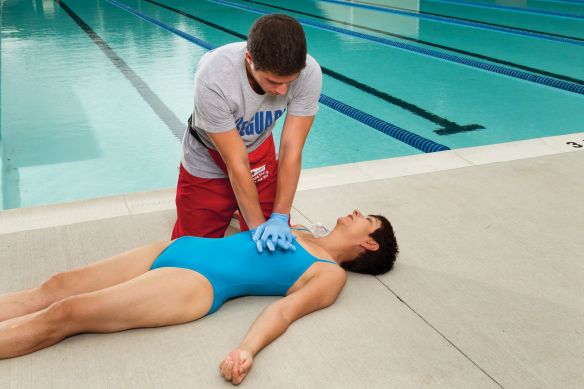
The American Red Cross offers many opportunities to gain training in these valuable lifesaving skills. Visit www.redcross.org/take-a-class to find in-person, online and simulated classes near you.
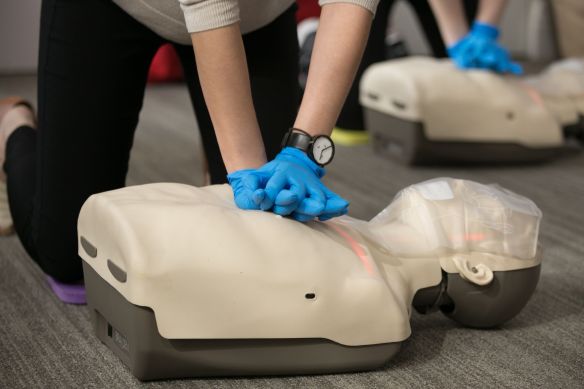
If you opt for in-person training, you will have the opportunity to practice your new skills on the BigRed™ LightSaving Manikin. The state of the art manikin will increase a student’s confidence that they can save a life in emergency situations, as it is equipped with three interrelated sets of lights that provide immediate feedback to students on how they are performing CPR. Only the proper technique will show the success of blood circulating from the heart to the brain which improves a sudden cardiac arrest victim’s chance of survival.
Sharon Nicastro of Independence, Ohio is an individual who is familiar with Red Cross training and the importance of every person being prepared to help save a life.
Sharon has been a Red Cross CPR and first aid instructor in Northeast Ohio for 28 years. In fact, her role as a Red Cross instructor and seeing firsthand the impact it has on saving lives, led her to becoming an EMT.
For those who want to be CPR and AED trained but are on the fence because they are concerned it will have no impact on saving a life, Sharon has a few words of encouragement.
“It is important for people to learn CPR because bystanders can recognize that someone is suffering a cardiac emergency, call 9-1-1, perform CPR, and use an AED in the minutes before EMS arrives,” stated Sharon. “The care provided in those few minutes is just as critical as the care provided by EMS and hospital personnel. Those few minutes can mean the difference between life and death.”
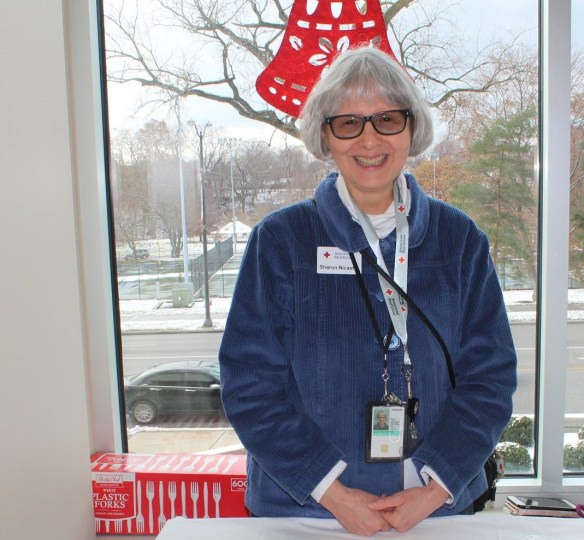
Sharon Nicastro
Jan and John Durkalski’s story highlights Sharon’s point.
Jan and John were on a run together when John suffered a sudden cardiac arrest and collapsed. Jan used her recent CPR training to help save her husband’s life.
Watch the below video to learn more about the Durkalski’s story and the importance of CPR/AED training:
You can download the free Red Cross First Aid App which puts instant access to information on handling the most common first aid emergencies, including sudden cardiac arrest, at your fingertips. Download by searching for ‘American Red Cross’ in your app store or at redcross.org/apps.
Join the Red Cross in celebrating National CPR and AED Awareness Week by signing up for a training class today!
 enjoy the many natural water resources Northeast Ohio is fortunate to have, from magnificent Lake Erie and its islands, to the beautiful Cuyahoga River. In the Akron area, thousands enjoy boating, swimming and water skiing on the Portage Lakes in additional to local ponds, lakes and pools. It is crucial that adults and children are committed to water safety and take precautions as they prepare for a summer of water fun.
 of the ongoing drowning pandemic in the United States and around the world, and educate people to be safe in and around water. Among preventable injuries, drowning is the leading cause of death for children one to four years old. But people of all ages can drown in all kinds of situations.

 To make learning easier, one year ago, the Red Cross introduced new CPR manikins affectionately called Big Red. The manikins help students get immediate feedback if they are performing the CPR technique correctly.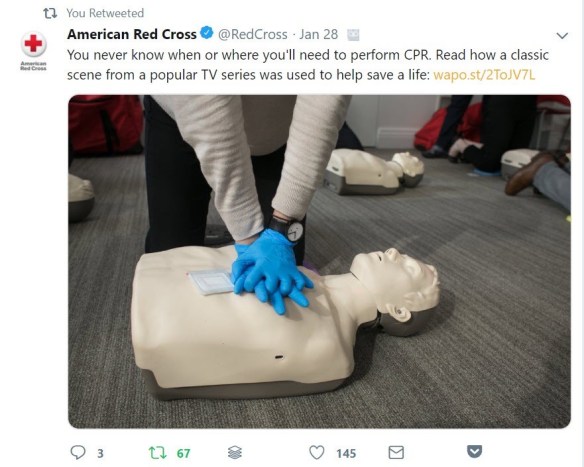




 SMOKE ALARM. Smoke alarms should be installed on every level of a home; outside bedrooms on the ceiling or high on the wall, at the top of open stairways and at the bottom of enclosed stairs and near (but not in) the kitchen. It is important to check your Smoke Alarms every month and replace their batteries annually. The life expectancy of ALL smoke alarms is 10 years – the sensors wear out.
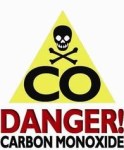 CARBON MONOXIDE ALARM. Carbon Monoxide Alarms should be placed in hallways throughout the home. They should also be placed in recreational vehicles and on boats.
 On the Third Day of Christmas
 FIRE ESCAPE LADDER. Homes with more than one floor should have at least one Fire Escape Ladder stored on all floors, other than ground level. Store these ladders where they are easily accessible.
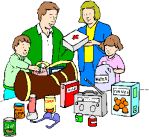 On the Fifth Day of Christmas
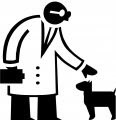 On the Sixth Day of Christmas the Red Cross recommends that you assemble a PET SUPPLIES KIT. Pets enrich the lives of individuals and families in more ways than you can count. In turn they depend on people for their safety and well-being. Having a Pet Disaster Supplies Kit is one of the best ways to care for pets when disaster strikes.
 a WEATHER RADIO. As the voice of the National Weather Service, a Weather Radio provides continuous broadcasts of the latest weather information directly from a National Weather Service Forecast Office. During severe weather routine broadcasting is interrupted and special watch and warning messages are issued.
 On the Eighth Day of Christmas the Red Cross recommends that you get a FIRST AID KIT. Because the first five minutes of a medical emergency are critical, every individual and family should have a First Aid Kit in their home and vehicle and on your boat.
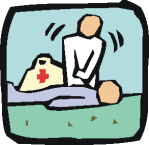 On the Ninth Day of Christmas the Red Cross recommends that you attend FIRST AID AND CPR TRAINING. For more than a century, the Red Cross has been saving lives with Health and Safety Services education programs. A unique idea for a Christmas Stocking would be a Gift Certificate for a First Aid and CPR Training course.
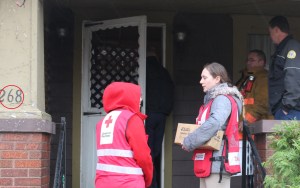 HOUSE NUMBERS. Each home should have its number posted clearly on the front door, over the doorway, or elsewhere on the front so emergency responders can easily locate it. Lives and property can be saved simply by adequate house numbers where emergency workers can find them as quickly as possible.
 On the Eleventh Day of Christmas the Red Cross recommends that you purchase a FLASHLIGHT. As simple as a Flashlight is, it can become a very important tool during and after disaster strikes. Every Family Disaster Supplies Kit should contain a Flashlight and spare batteries.
 EMERGENCY COMMUNICATION PLAN. Each home should have a list of Emergency Phone Numbers posted near the phone or in the front of a phone book.
