What is the International Red Cross and Red Crescent Movement

By Sharon Nicastro, American Red Cross volunteer

The largest and one of the oldest humanitarian organizations in the world began with the vision of one man.
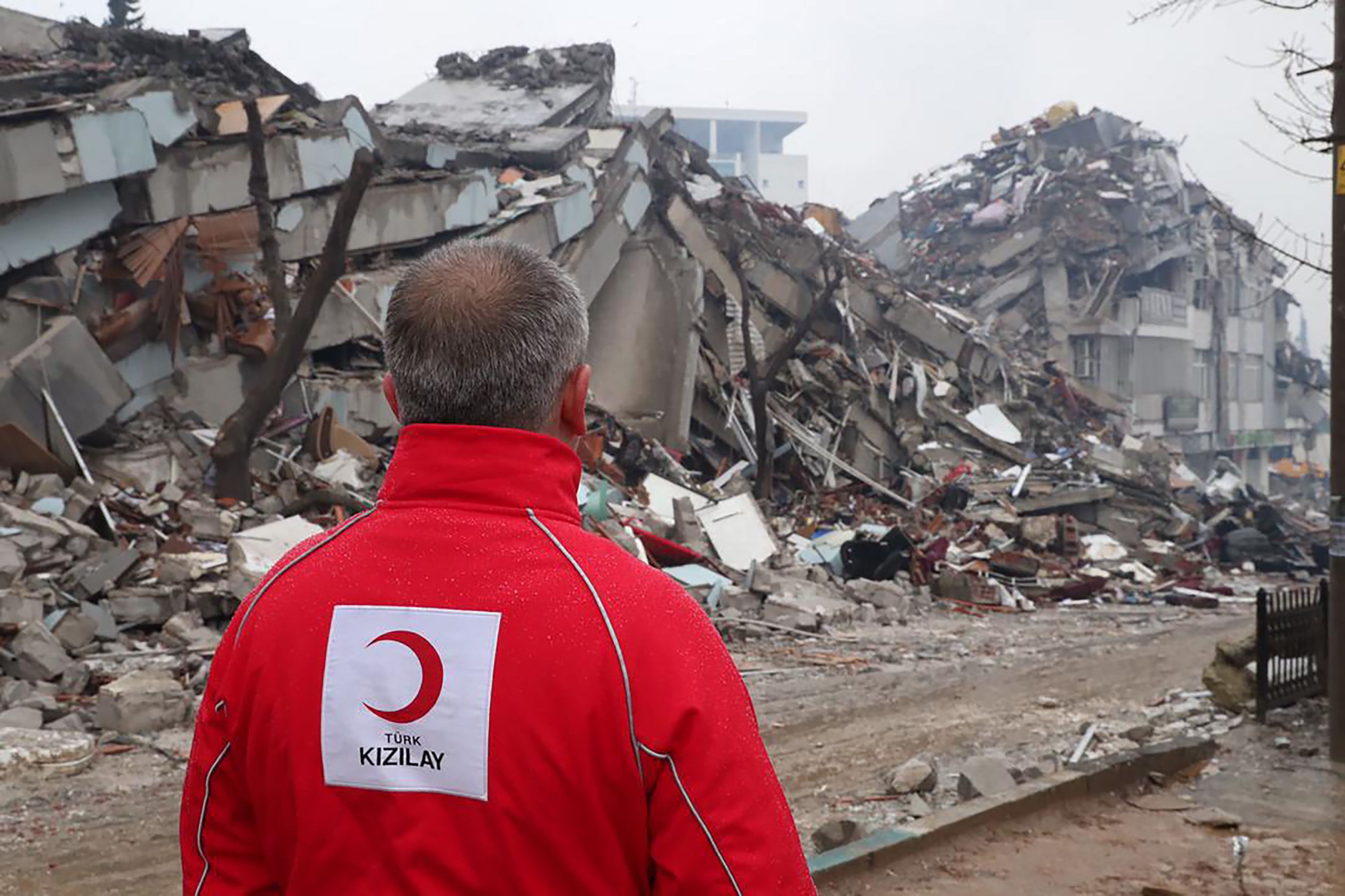

February 11, 2023. Türkiye.
Following the devastating earthquake that stroke Turkey and Syria on 6 Feb 2023, Turkish Red Crescent has deployed more than 4,000 staff and volunteers to respond to the urgent needs of the affected people.
Photo by Turkish Red Crescent

Jean-Henri “Henri” Dunant was a Swiss businessman who was traveling through Italy to secure land and water and concessions from Napoleon III when he came across the aftermath of the Battle of Solferino during the Second War for Italian Independence.  He saw the battlefield covered with men dying for lack of medical care.  He rallied the women from surrounding villages, and they transported the men to the cathedral at Castiglione.  Their motto was “tutti fratelli” (all brothers) as they cared for the men without consideration for the side they fought on.

In A Memory of Solferino, Dunant wrote, “Would it not be possible, in time of peace and quiet, to form relief societies for the purpose of having care given to the wounded in wartime by zealous, devoted and thoroughly qualified volunteers?”  Gustave Moynier, the Chairman of the Geneva Public Welfare Society, pursued the idea by forming a committee of five men.  The International Committee for Relief to the wounded was born and soon became the International Committee of the Red Cross (ICRC).

The ICRC convened a conference of European governments in Geneva, Switzerland, to study ways that volunteers from national societies could assist military medical services.  The volunteers wore an emblem to distinguish them from ordinary civilians.  A red cross on a white background, the reverse of the Swiss flag, was selected as the emblem (the Red Crescent and Red Crystal were added later).  The original Geneva Convention resulted from the conference and went into effect in 1863 after receiving the approval of twelve European nations.  The Convention had ten articles, which all pertained to relief for the wounded. Today there are four Geneva Conventions with hundreds of articles that protect soldiers, sailors, prisoners of war, and civilians during armed conflicts.
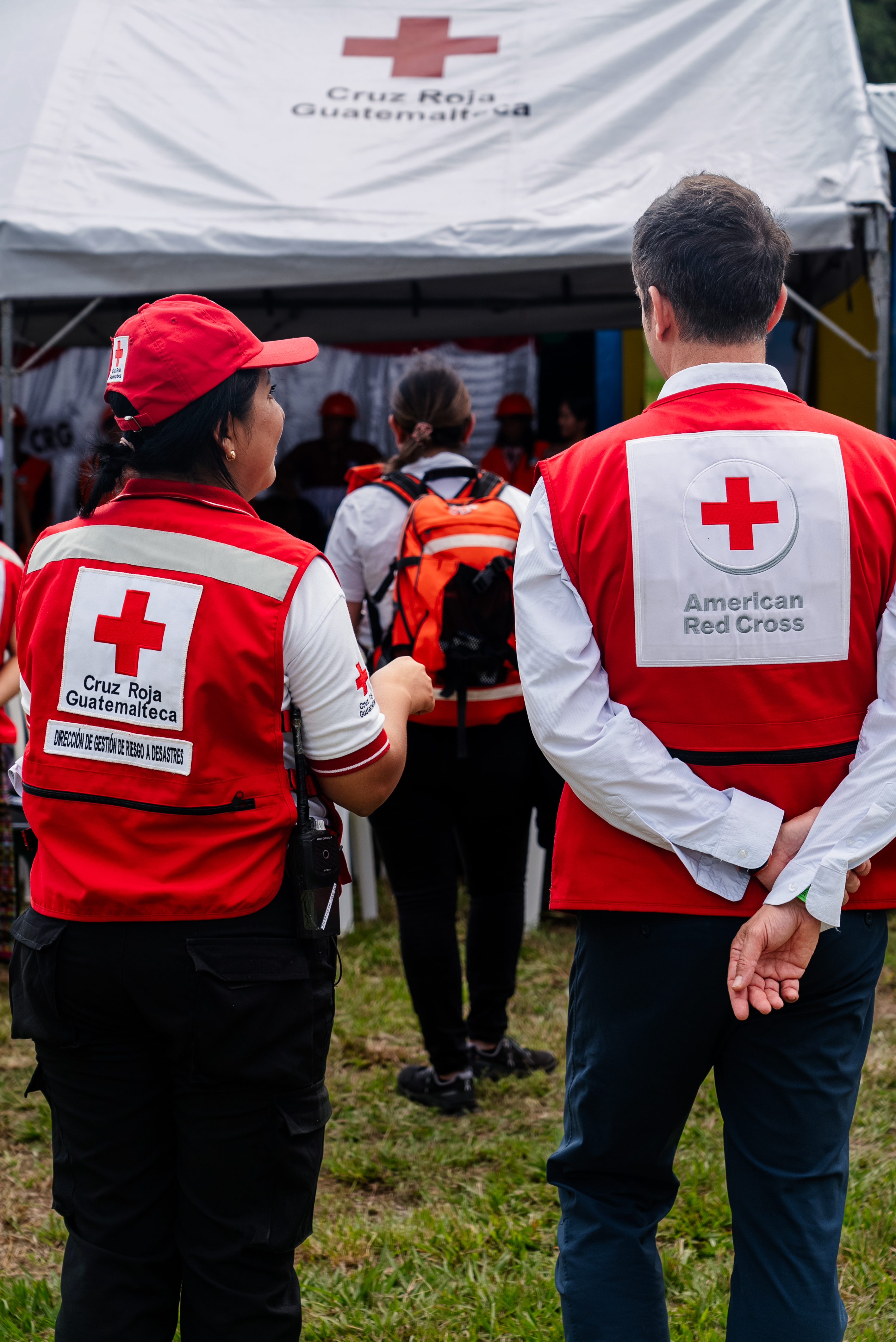
October 25, 2024. Chumixquin, Quiche, Guatemala. Students, school leadership and the women-led Local Coordinators for Disaster Risk Reduction (COLRED) team in Chumixquin present a cultural activity and conduct an emergency drill, in coordination with the Red Cross. Guatemala Red Cross teams are working to improve the preparedness capacity of vulnerable communities located in high-risk disaster areas with cost-effective approaches. Over the past two years, together with the school district and community leaders in Chumixquin, they have created response and evacuation plans, gained a better understanding of external resources available during and after disasters, and identified tools to improve the community’s response efficiency, such as early warning systems and communication plans. Around the globe, the American Red Cross is working together with local Red Cross and Red Crescent societies to foster a culture of preparedness that reduces vulnerability to disasters, inspires resilience, and carries the promise of reducing both disaster costs and human suffering. By supporting national society partners through technical expertise and funding for projects they identify as crucial to serving their most vulnerable communities, the Red Cross is helping to build safer, healthier and more resilient communities worldwide. Photo by Marquis Powell/American Red Cross

Two other branches of service have been added to the International Committee of the Red Cross.  The first of the National Societies that Dunant proposed in his vision was Wűrttemberg (now Germany) in 1863.  Today almost every country in the world has a national society.  The American Red Cross was started in 1881 after nearly twenty years of lobbying by Clara Barton.

The third branch of the movement was proposed by American Henry Davison, President of the American Red Cross War Committee, after World War I.  He suggested that volunteers who acquired expertise and experience during wartime could help people during peacetime disasters and public health emergencies. The International Federation of Red Cross and Red Crescent Societies (IFRC) was born in 1919 in Paris to coordinate the efforts of the National Societies.

Today, the American Red Cross and other National Societies around the world continue the work of Henri Dunant by educating the American public about International Humanitarian Law, the rules that seek to keep humanity in war.  Please contact Sharon.Nicastro2@redcross.org for more information.
Hands-Only CPR Can Help Save Lives

By Brad Galvan, American Red Cross Volunteer

When most people face a life-and-death situation, the fewer things they need to think about, the better! A few simple steps can save a life when an adult is found unresponsive from an apparent cardiac episode.

Ready? Here they are:

  1. Call 9-1-1
  2. Be sure you are safe in your surroundings
  3. Check for a pulse.  If none is found –
  4. Push hard and fast on the victim

Hands-only CPR is now taught at many schools, churches and organizations by the American Red Cross. It’s an effective tool for laypeople to help save lives while waiting for emergency personnel to arrive.

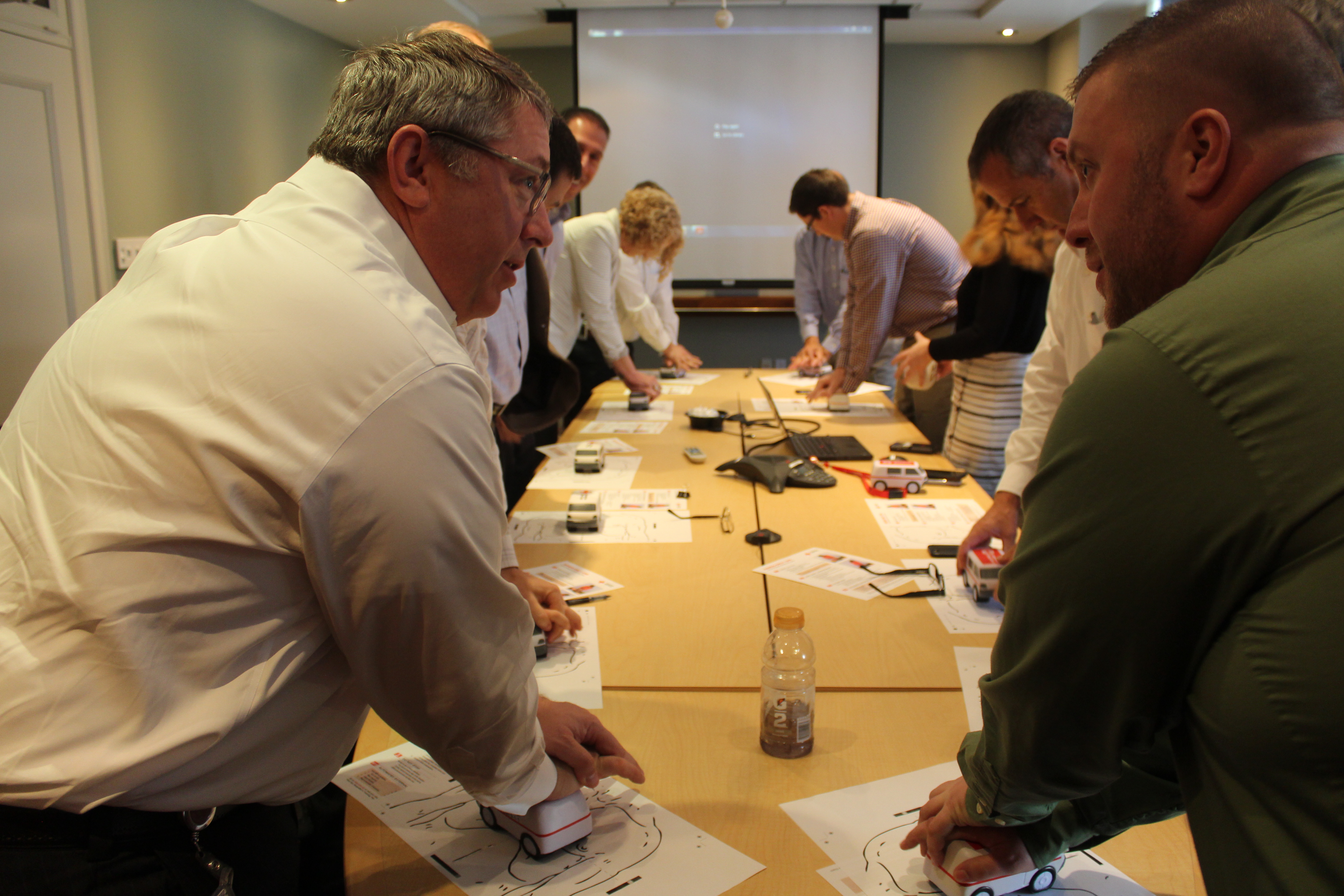
Those who are taught hands-only CPR feel prepared if they were to be in the situation where they encounter an adult who has had a cardiac issue. Sherwin-Williams employees recently received hands-only CPR training.

IMG_5759

Dennis Karnstein and other Sherwin-Williams employees learn hands-only CPR

“Many thanks to the American Red Cross for conducting CPR training at our headquarters this week,” said Dennis Karnstein, President and General Manager, Sherwin-Williams Industrial Wood Division. “Absolutely nothing in this world is more precious than human life, and it’s great to know that our employees are now equipped with the potentially life-saving skills they need to jump in should emergency strike.”

Dennis is also a member of the Greater Cleveland Chapter Board of Directors.

Red Cross volunteer instructor Sharon Nicastro thinks that people may be nervous about the complexity or contact involved with traditional mouth-to-mouth CPR that is available for those seeking certification.  She believes that hands-only CPR is a great solution, and she is helping to spread the word, suggesting that all organizations reach out to the Red Cross to arrange a time for their members, employees and associates to get trained in the hands-only method.

IMG_5757

Red Cross hands-only CPR Instructor, volunteer Sharon Nicastro.  Photo credit: Jim McIntyre/American Red Cross


Please do your fellow humans a favor and follow this link to see a video to get familiar with the hands-only technique: http://www.redcross.org/get-help/prepare-for-emergencies/be-red-cross-ready/hands-only-cpr

Service to Armed Forces Among Many Roles of Volunteer

By Sharon Nicastro, American Red Cross Volunteer

(Editor’s note: This is one in a series of essays written by volunteers for the American Red Cross in the Northeast Ohio Region)

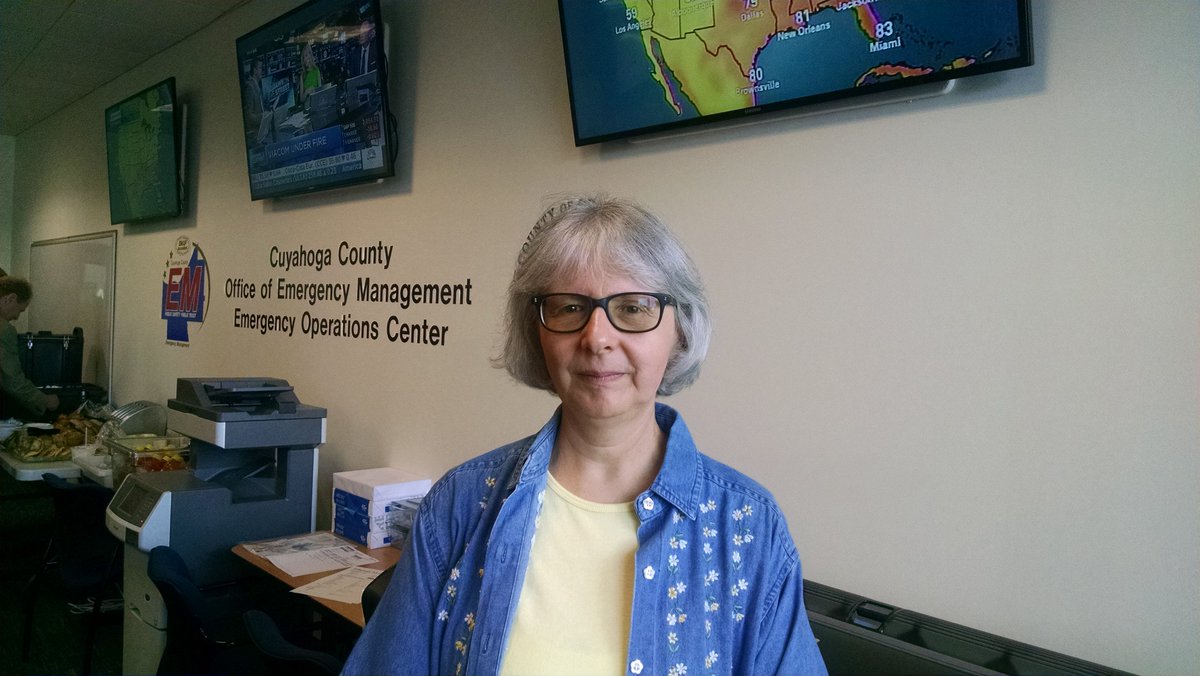
Sharon Nicastro

My first exposure to the Red Cross was in the 1960s when I took a first aid course in middle school.  I maintained my connection to the Red Cross through the 70s and 80s by taking additional training.  By 1990 I had become a member of the first aid team and blood drive recruiter at my workplace and a Red Cross volunteer instructor. I graduated from the Cleveland Red Cross EMT-Basic program in 1999.  The next year I joined Disaster Services as a member of the Disaster Action Team and Disaster Health Services.  I have since added Government Liaison, Disaster Assessment, and Training to my disaster activities.  Last year I became an instructor for Volunteer Services and a volunteer partner of the Regional Director for Service to the Armed Forces (SAF).  For SAF,  I participate in outreach events to acquaint service members, veterans, and their families with Red Cross services and coordinate Red Cross volunteers who serve at Veterans Affairs medical facilities.

SAF is especially important to me because of my family’s military service.  My five great-uncles served in World War II.  My father was one of the pioneers of the U.S. Army Air Forces where he was a navigator on a B-17.  One of my uncles served during the Korean War with the U.S. Air Force; another uncle was in the U.S. Army; my brother-in-law was in Thailand during the Vietnam War; and my nephew did a tour of duty in Saudi Arabia with the U.S. Air Force.  Especially because of my father’s stories and patriotism I have some understanding of the courage and sacrifice that is required of service members and their families.

IMG_3869

Sharon Nicastro, assisting in a smoke alarm installation event in Maple Heights on 4/22/17

The American Red Cross has a long, distinguished history of service to military members and their families.  At outreach events I meet people who were helped by the Red Cross and are grateful to this day.  At the American Red Cross I can do my part by ensuring that services – sometimes life-altering services – are available to the men, women, and families of our military.

Sharon Nicastro lives in Independence, and serves residents of the Greater Cleveland Chapter. She has been a Red Cross volunteer since 1990.

To learn more about volunteer opportunities with the Red Cross, or to begin an application, visit our volunteer page or call 216-431-3328.  To help the Red Cross train volunteers and provide them with the resources needed to assist people who experience disasters, big and small, visit our Giving Day page.