
By Sharon Nicastro, American Red Cross volunteer
The largest and one of the oldest humanitarian organizations in the world began with the vision of one man.
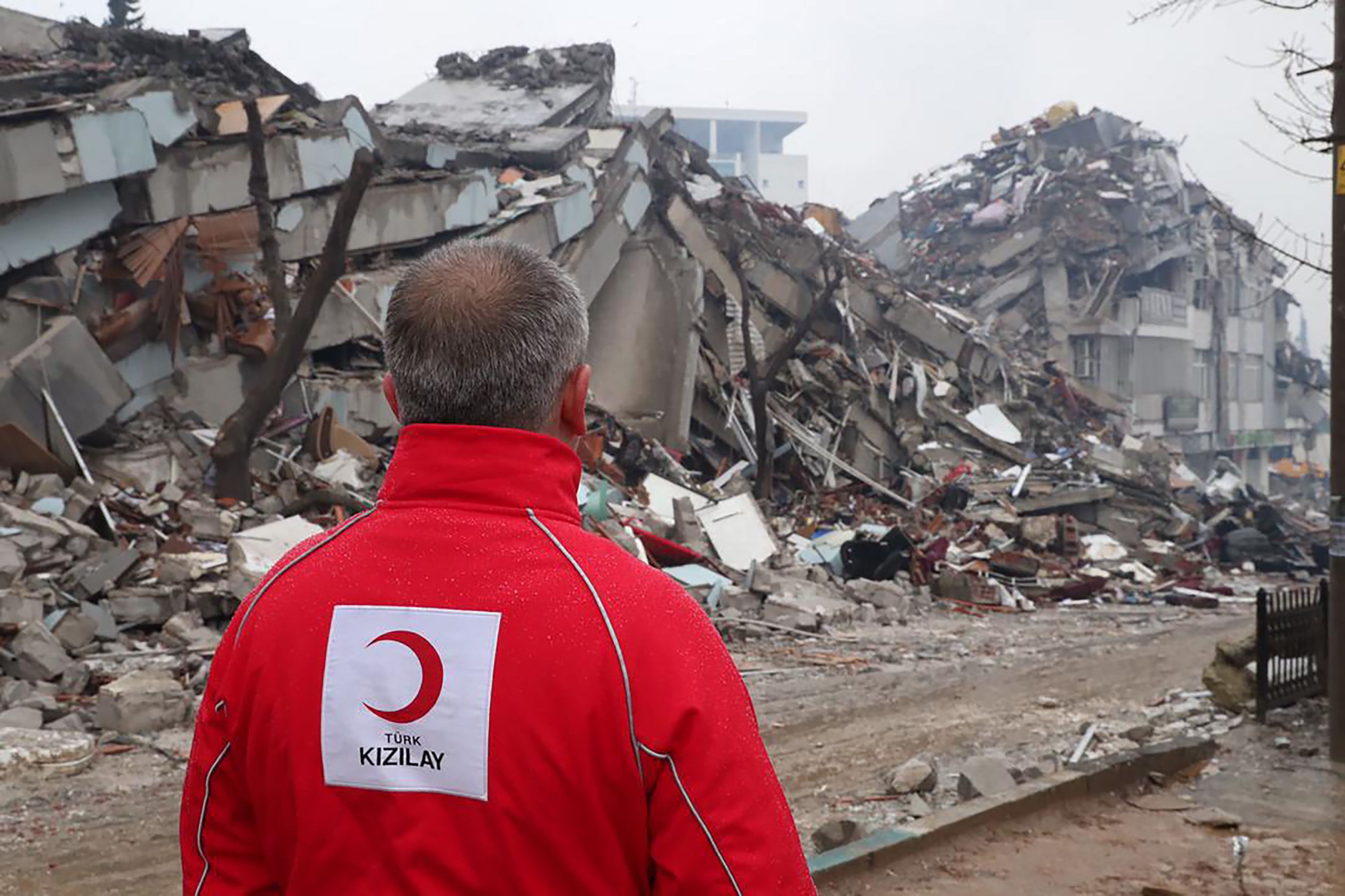
February 11, 2023. Türkiye.
Following the devastating earthquake that stroke Turkey and Syria on 6 Feb 2023, Turkish Red Crescent has deployed more than 4,000 staff and volunteers to respond to the urgent needs of the affected people.
Photo by Turkish Red Crescent
Jean-Henri “Henri” Dunant was a Swiss businessman who was traveling through Italy to secure land and water and concessions from Napoleon III when he came across the aftermath of the Battle of Solferino during the Second War for Italian Independence. He saw the battlefield covered with men dying for lack of medical care. He rallied the women from surrounding villages, and they transported the men to the cathedral at Castiglione. Their motto was “tutti fratelli” (all brothers) as they cared for the men without consideration for the side they fought on.
In A Memory of Solferino, Dunant wrote, “Would it not be possible, in time of peace and quiet, to form relief societies for the purpose of having care given to the wounded in wartime by zealous, devoted and thoroughly qualified volunteers?” Gustave Moynier, the Chairman of the Geneva Public Welfare Society, pursued the idea by forming a committee of five men. The International Committee for Relief to the wounded was born and soon became the International Committee of the Red Cross (ICRC).
The ICRC convened a conference of European governments in Geneva, Switzerland, to study ways that volunteers from national societies could assist military medical services. The volunteers wore an emblem to distinguish them from ordinary civilians. A red cross on a white background, the reverse of the Swiss flag, was selected as the emblem (the Red Crescent and Red Crystal were added later). The original Geneva Convention resulted from the conference and went into effect in 1863 after receiving the approval of twelve European nations. The Convention had ten articles, which all pertained to relief for the wounded. Today there are four Geneva Conventions with hundreds of articles that protect soldiers, sailors, prisoners of war, and civilians during armed conflicts.
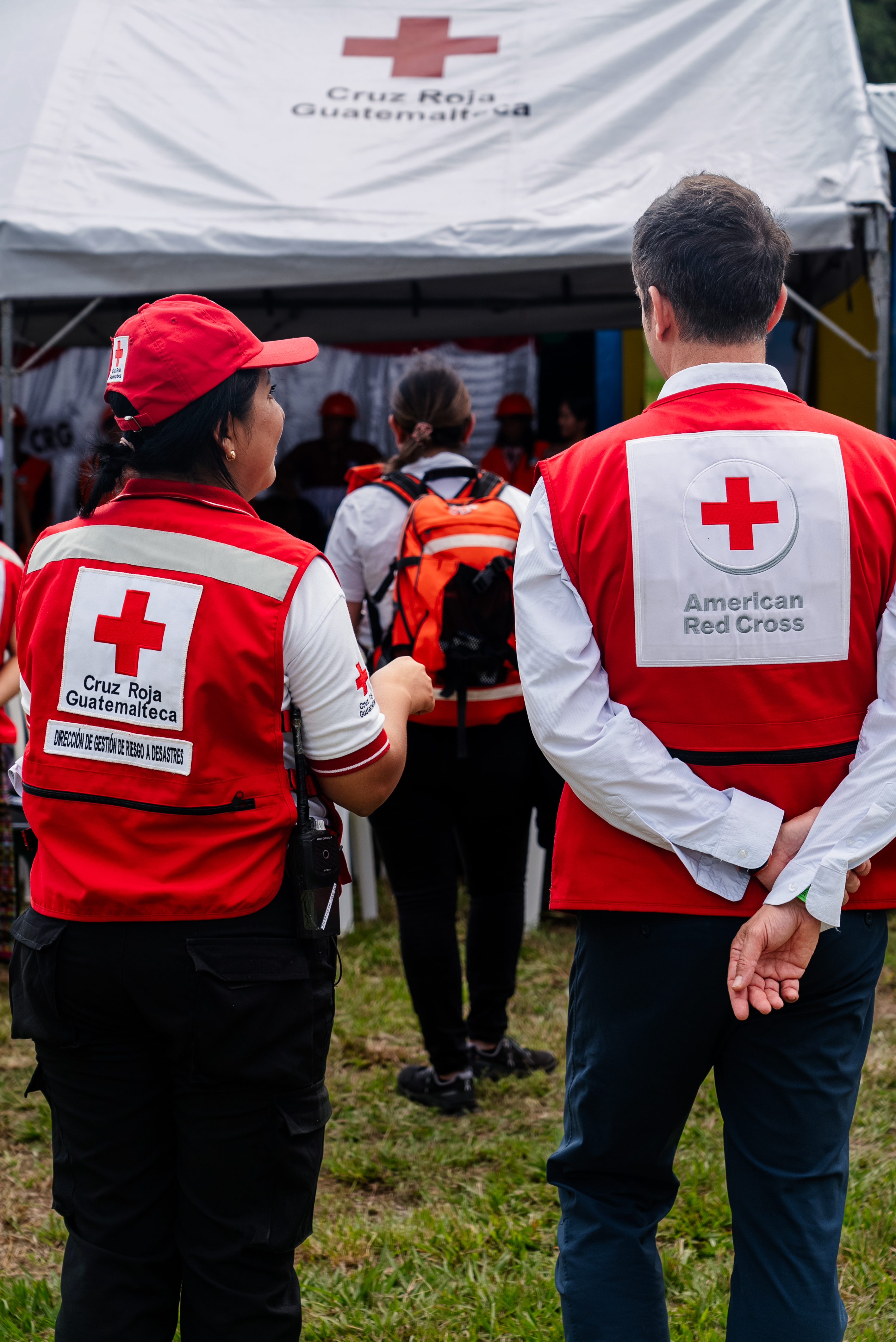
Two other branches of service have been added to the International Committee of the Red Cross. The first of the National Societies that Dunant proposed in his vision was Wűrttemberg (now Germany) in 1863. Today almost every country in the world has a national society. The American Red Cross was started in 1881 after nearly twenty years of lobbying by Clara Barton.
The third branch of the movement was proposed by American Henry Davison, President of the American Red Cross War Committee, after World War I. He suggested that volunteers who acquired expertise and experience during wartime could help people during peacetime disasters and public health emergencies. The International Federation of Red Cross and Red Crescent Societies (IFRC) was born in 1919 in Paris to coordinate the efforts of the National Societies.
Today, the American Red Cross and other National Societies around the world continue the work of Henri Dunant by educating the American public about International Humanitarian Law, the rules that seek to keep humanity in war. Please contact Sharon.Nicastro2@redcross.org for more information.

