Red Cross staff detects health issue in longtime blood donor during routine check in

By Sam Pudelski, American Red Cross volunteer

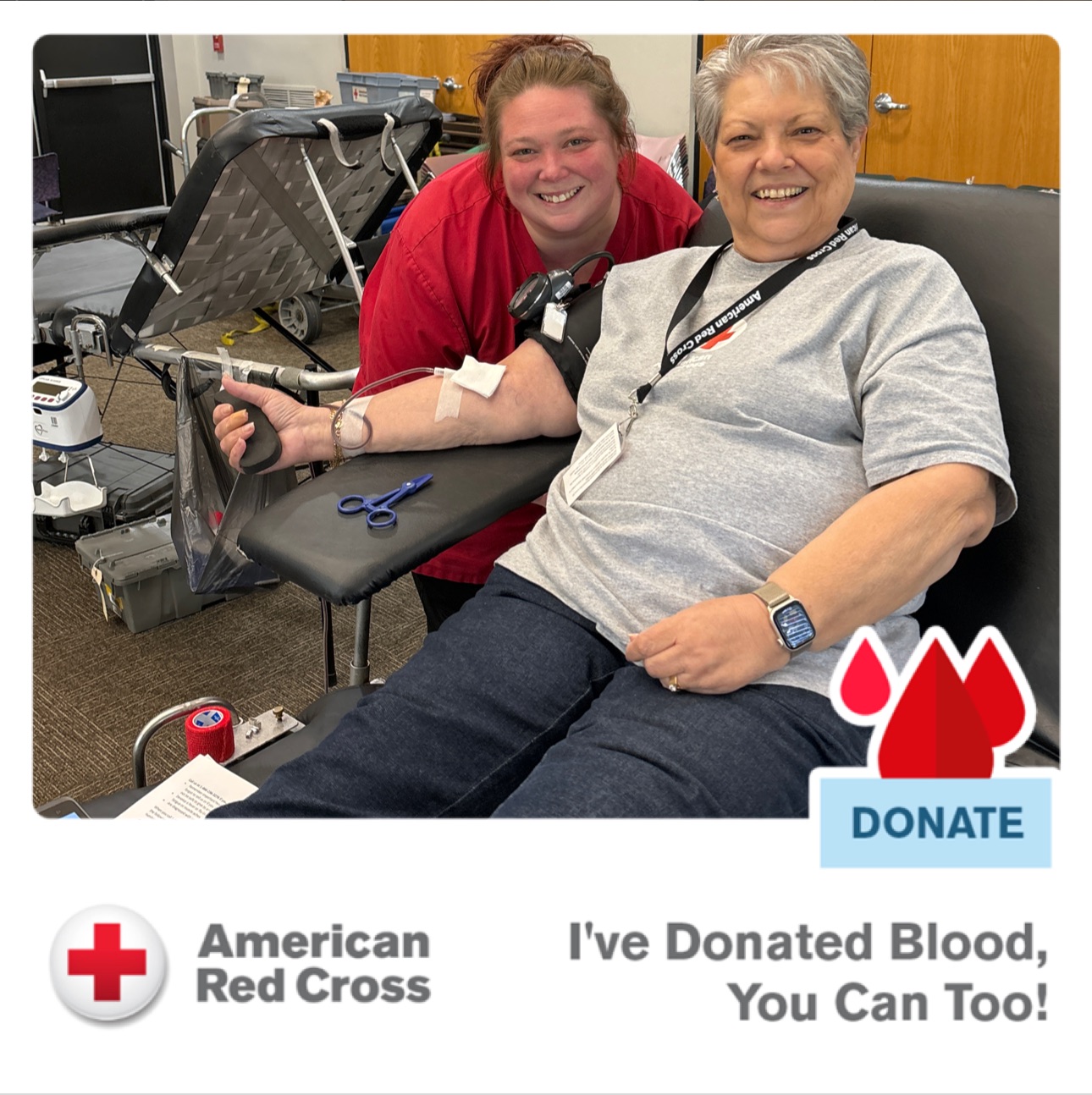
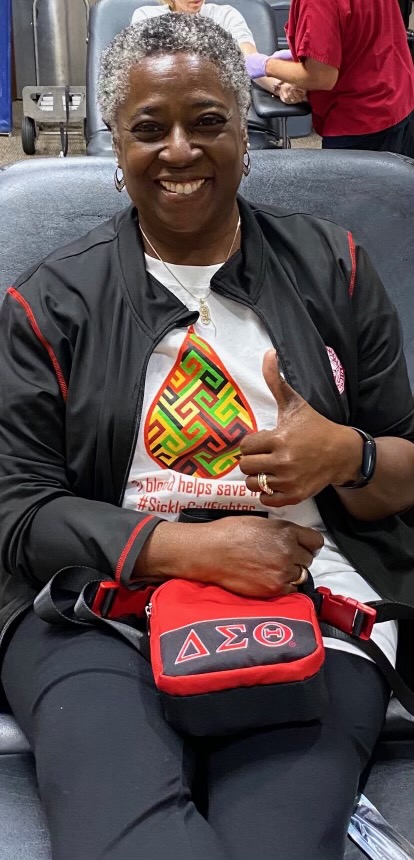
Peggy Hammond has donated blood for over 40 years. As someone with O+ blood, she understands the importance of giving blood. She started giving blood after a friend had a daughter diagnosed with Apert syndrome and needed regular blood infusions. She realized how extremely important it was to donate blood to help people like her friend’s daughter, who rely on blood donations.

Fast forward a few years, and Peggy was at the American Red Cross Michael T. George Blood Donation Center checking in for her routine blood donation. When she was signing in, the nurse noticed a sore on her head and told Peggy, “I think it’s infected.” The supervisor confirmed it was, and Peggy wasn’t able to donate that day. Over Christmas, she contacted her doctor and after sending a picture of the spot in question, she went in to have it evaluated.

Her doctor determined the sore was not just an irritated spot on the head, but was in fact skin cancer, specifically squamous carcinoma. Approximately 2 out of every 10 skin cancers are squamous cell skin cancers, according to the American Cancer Society. Luckily, the cancer was caught early. Peggy had Mohs micrographic surgery to have the cancerous spot removed. The procedure went well, and with the surgical site healed, she was able to resume her regular blood donations.

She returned back to the donation center to begin her regular blood donations again, and of all people volunteering that day, the same nurse who discovered her spot, was there again! “She saved my life,” Peggy said. She was grateful to have the chance to tell her how much her catch that day helped her.

In speaking with Peggy, it’s evident she’s passionate about giving back and grateful that she’s still able to continue to donate to help others in need. If you are interested in donating blood, the Red Cross holds blood drives across Northern Ohio. To find an upcoming blood drive near you, visit redcrossblood.org.

Edited by Glenda Bogar, American Red Cross volunteer


Celebrate Blood Collectors Week by thanking those who make life saving blood donations possible

By Tim Poe, American Red Cross volunteer

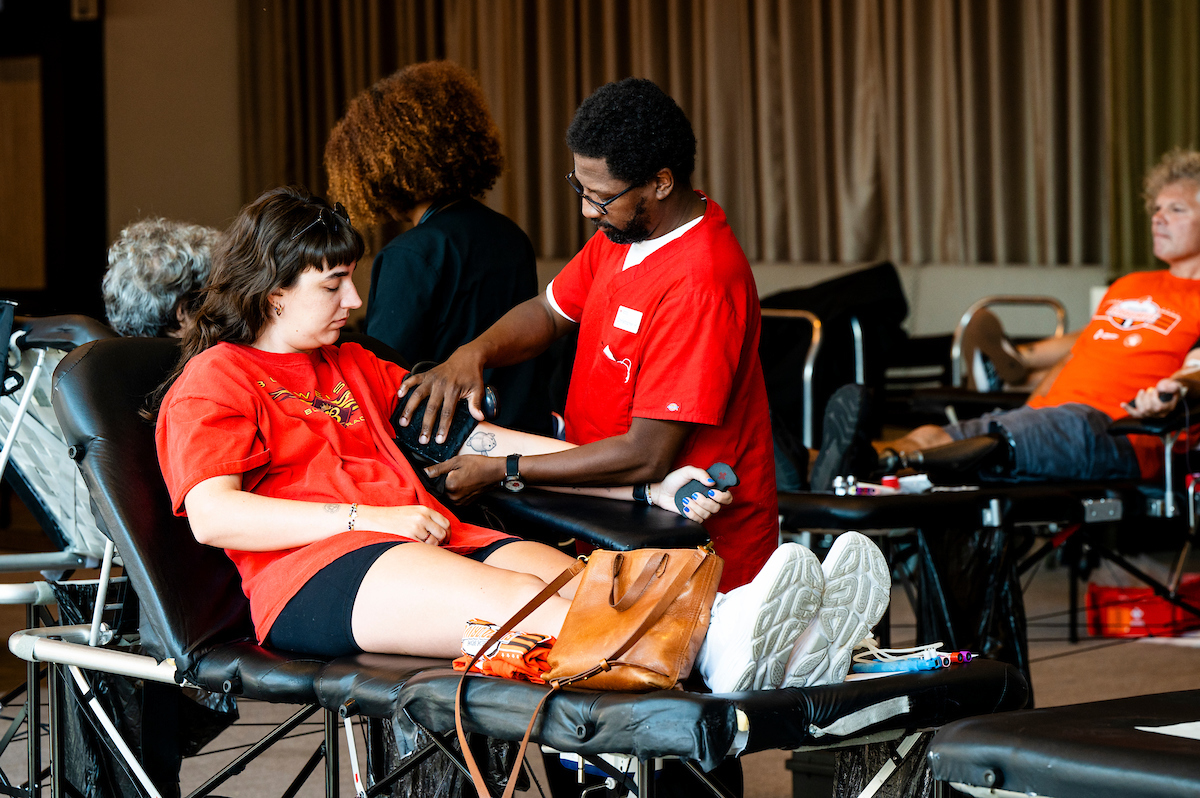
I walked into the cot-filled room on a sundrenched late-summer Friday, saw an arm rise and heard a smiling voice, “Hey, my man, I can take you over here!” After checking in with the American Red Cross blood donor ambassador, I was greeted by a phlebotomist, Will, who was professional, compassionate, and kind, as all the blood collectors I’ve met have been, making the experience as pleasant as possible. And phlebotomists are one portion of the blood collection process, as there are also ambassadors, apheresis operators, donor recruiters, and technicians.

These medical professionals play a critical role in our nation’s blood supply and health, yet their contributions are often unsung, so we honor their dedication, compassion, and skill during the 20th annual Blood Collectors Week, September 7-14.

Tessa Lewis, Red Cross phlebotomist, after ten Power Red donations were collected a recent blood drive at the Lakewood YMCA

To help celebrate the week, I spoke with Tessa Lewis, a phlebotomist with the Red Cross. Like many blood collection professionals, Tessa’s career choice grew out of a desire to help others. Tessa said, “My mom and close family are some of the most selfless people I have ever met. Growing up I had great examples of what a caring person looked like.” When Tessa was taking GED classes in Bucyrus, Ohio, which she credits with helping turn her life around, Tessa expressed her desire to help others with a counselor, who led her to phlebotomy school, which she loved. After working at a hospital for a short time, Tessa found her way to the Red Cross and loves her job.

When asked what she enjoys most about her job, Tessa said, “Not only do I get to help save someone’s life every day, I also get to travel places and meet new people. I’ve grown a close bond with multiple coworkers and donors.”

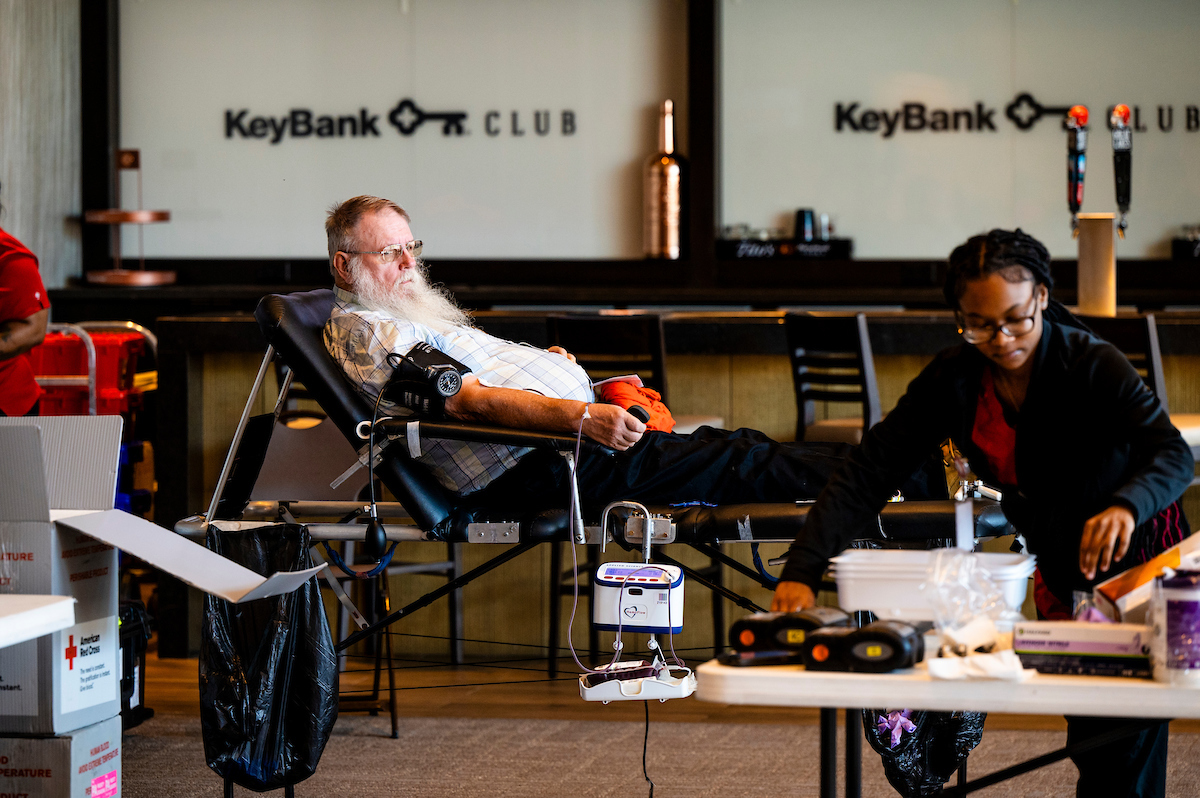
Browns Give Back hosted our annual First and Ten Blood Drive in the KeyBank Club of Cleveland Browns Stadium in partnership with the American Red Cross on July 27, 2024.

Tessa has had many positive experiences with donors. One example is a donor who was also a surgeon and family man and loved learning what vitamins can do for your body. “By the time he left,” Tessa said, “I had so much respect for him.” Later that week, Tessa received an e-mail from the donor who wrote several nice things, which really stuck with and further helped motivate her. Tessa also spoke of the critical need for a diverse blood supply, mentioning that it is especially heartwarming when donors show their support for sickle cell. Tessa also believes we need to continuously educate those in our lives on the importance of donating blood.

To celebrate Blood Collectors Week, Tessa plans to show her love to her colleagues and those in the lab who make it all possible.

Outside of her career, Tessa enjoys spending time with family and friends, as well as yoga, meditation, and drawing. She also has an adventurous spirit and has skydiving on her bucket list.

Tessa highly recommends those who, like her, want to help others consider a career in blood collection, as there are many opportunities for growth.

Finally, thanks to the continuous work and dedication of blood collectors, my most recent donation was a little different, as the hemoglobin check did not involve a needle. (I also received an exceptionally groovy Peanuts t-shirt, which is available for blood donors until September 21st.) More information on Blood Collectors Week is available here. If you would like to meet some of our fantastic blood collection professionals like Tessa and donate blood, please visit RedCrossBlood.org.

Celebrate tattoos and schedule a blood donation this National Tattoo Day! 

By Tim Poe, American Red Cross volunteer

July 17 is National Tattoo Day, a day to “recognize the history, culture, and artists dedicated to etching ink permanently on the skin.” We also think it’s a fantastic time to schedule a blood donation as, despite some myths, having tattoos does not prevent you from donating blood.  

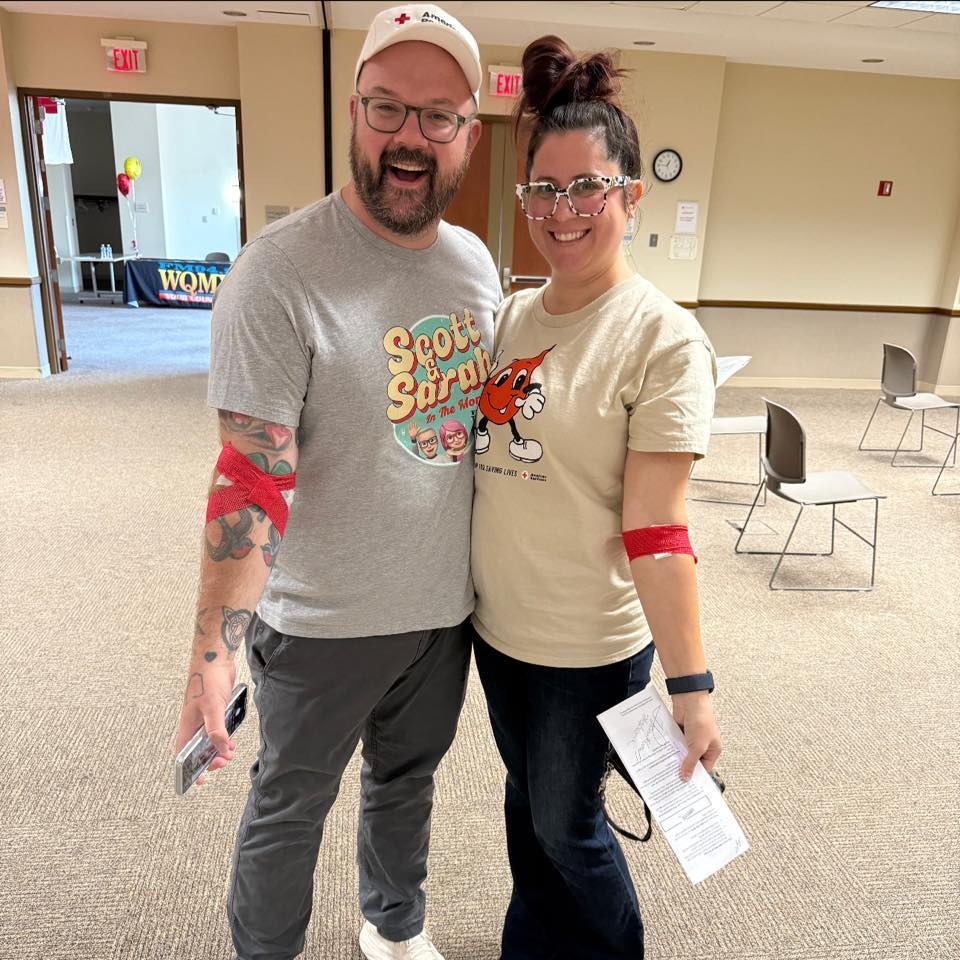
Ryan and Megan Lang, tattooed blood donors

Even if you do not have a tattoo, you’ve likely pondered possibilities. I am. Should I get an American Red Cross logo to commemorate my 7.5 years as a volunteer? Possibly. Or a fountain pin nib, for my love of writing? Granted, I mainly write on a laptop, but we need some artistic license. The pen could also be writing something, like a schwa! Yeah! Or a treble and bass clef, even a grand staff, to celebrate my love of music? That could mask some scars, too! Groovetastic! How about mascots of universities I attended? You have to admit, an Eagle-Penguin-Viking combo could be epic! Logos of previous employers? No, definitely not, especially the one with the common word ending. I’ve got it! All of them, being juggled by a jester! 

Now to bust a myth. Even if I went out and got these tattoos today, I could immediately donate blood if the tattoos were done at a state-regulated, licensed facility in Ohio or most other states. If done in one of the few states that do not regulate tattoo facilities, or by an unlicensed person, I’d only need to wait three months to ensure blood safety. (All blood donations are tested for hepatitis B and hepatitis C, but it is still important for people who may be infected with hepatitis viruses to not donate blood.) More about blood donor eligibility is available here

Also, the Red Cross is currently in need of blood donations and is offering additional ways to say thanks this summer. Those donating from July 15-31 will receive a Fandango movie ticket. Those donating in August can receive a free A1C test and, from August 1-28, a $15 gift card

Whether you have tattoos or not, enjoy celebrating them today, and consider scheduling a blood donation at RedCrossBlood.org or download the free blood donor app. After all, if you’re tattooed you don’t have a problem with needles. And a fun observation: many of the phlebotomists I’ve met have tattoos. Finally, please also read Christy Peters’ excellent post about her grandfather’s tattoos. 

Get a free pair of shades by goodr when you donate blood or platelets

By Kathryn Dean, American Red Cross Volunteer 

July is finally here, and summer has officially started. For many, this means vacations, cookouts, pool time, and fun with family and friends. For blood banks, this busy season can mean a time of fewer donors and a limited blood supply.   

Every two seconds, someone in the U.S. requires a blood transfusion. This equates to around 29,000 units of blood that are needed every day! Whether it be for cancer patients, accident victims, surgical patients, or new mothers, be a hero for a person in need by donating this precious, lifesaving gift. 

While all potential donors are asked to donate if they can, Type O is urgently needed at this time.   

Type O negative blood, often called the “universal donor,” can be safely transfused to anyone and is commonly used in emergencies when there is no time to determine blood type. With only around 7% of the U.S. population having Type O negative blood, it is often in short supply, even though the need for it is great. 

Special Promotion for donors 

Between July 1-14, consider taking time out of your schedule to donate blood, plasma or platelets, and look cool leaving with a free pair of American Red Cross x goodr “Just My Type” sunglasses, while supplies last! You will also receive a sticker with your blood type to personalize your glasses. Find out more about the promotion by clicking HERE

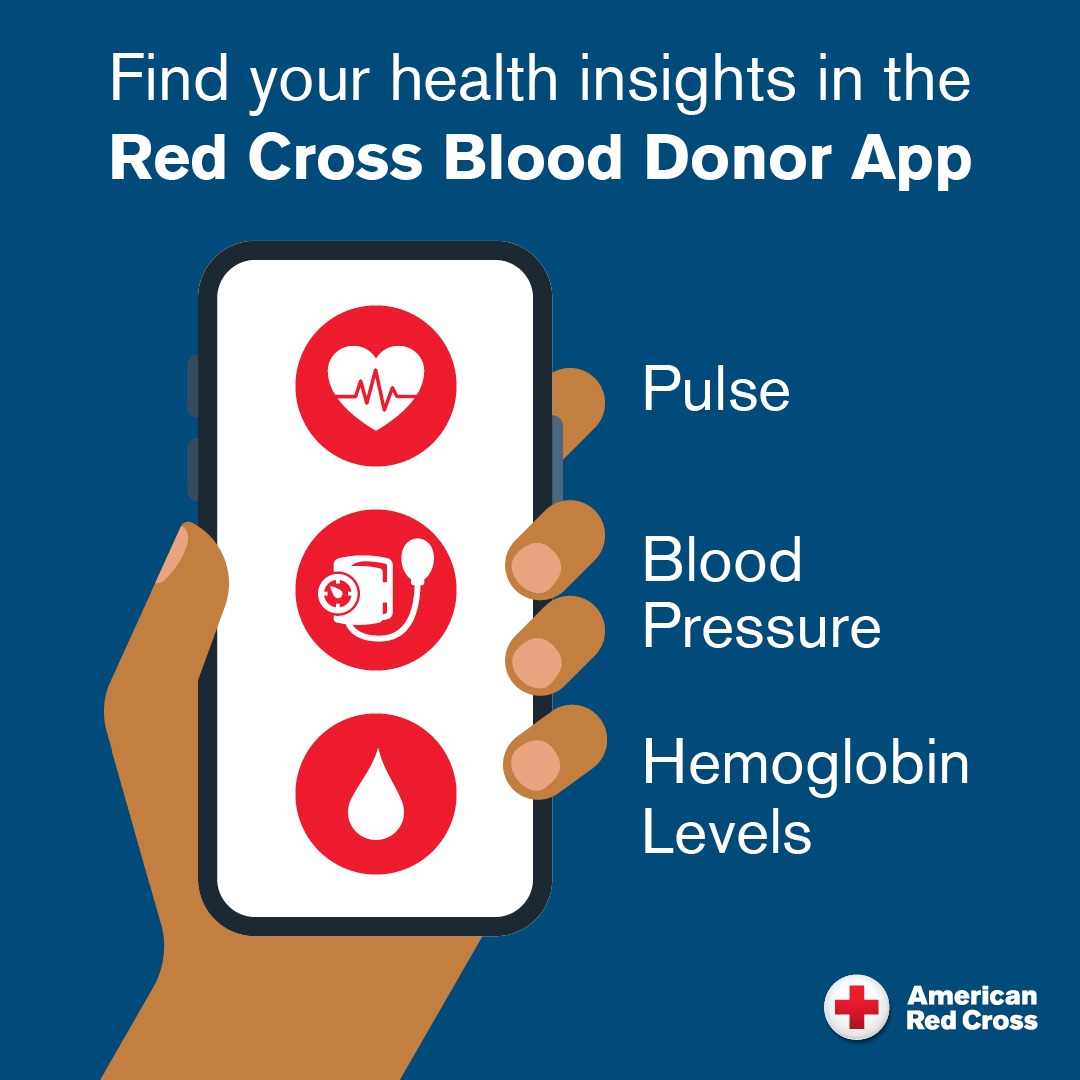
To donate, simply visit RedCrossBlood.org and enter your zip code or download the free Red Cross Blood Donor App by clicking HERE. Save time on the date of your donation by completing your pre-donation forms at RedCrossBlood.org/RapidPass or by using the Blood Donor App. 

Edited by Glenda Bogar, American Red Cross volunteer

National Nurses Week: Spotlight on Cynthia Bell, RN MSN

By Kathryn Dean, American Red Cross Volunteer

National Nurses Week is an annual week of recognition of the hardworking nurses in our community and runs every year from May 6 to May 12.  This year, the American Red Cross of Northern Ohio wants to recognize a local Akron nurse, Cynthia Bell, RN MSN, who has dedicated her life to the profession and continues to serve, even in retirement.

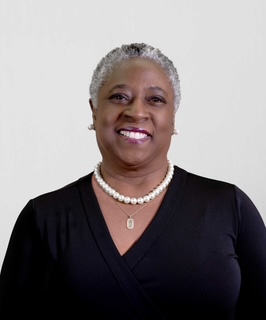
Cynthia Bell

Cynthia was encouraged to start her nursing journey when she was fresh out of high school and trying to determine life’s path.  A chance encounter with an Akron City Hospital administrator at her church changed everything for her.  She was given the opportunity to attend the hospital’s nursing program for free, and she jumped at the chance. 

“I said my parents can’t afford nursing school, and he said, well decide if you want to go, we’ll take care of it.  I said, no brainer.  But did I have any idea what I was getting myself into?“ she recalled. “No clue whatsoever.”

“’You’re going to be responsible for people’s lives’,” Cynthia was told, “and I remember panicking and I was 21 years old.  But I’ve never looked back, I loved every minute of it, it was the best career choice.  It was all in God’s plan because I would never have thought about being a nurse.  It all works for the good.  And I think that’s why I stay in the community, because I know the impact that one person can have on somebody else, and somebody may be having a bad day, and you can just be there for them.” Cynthia reflected.

Cynthia eventually went on to complete her bachelor’s degree at Capital, and then her Masters in psychiatric mental health.  She spent 37 years of her 52-year nursing career at the Cleveland Veterans Administration (VA) Hospital.  “It’s the highlight of my career, I’ve enjoyed every, every minute of being a nurse at the VA,” she beamed. 

At the VA, she was the nurse manager and Assistant Chief of the Homeless Domiciliary.  “We housed 122 veterans, some with mental illness, some with substance abuse, gambling issues, and they could have a combination of those things, and we got them housed and improved their health and set up healthcare for them in the community,“ she explained.  “I just loved being the nurse manager because my nurses ended up giving great care.  You had to be innovative, and compassionate, and tolerant, and it made a difference.”

Now as a retiree, she fills her days with volunteer hours, tutoring students in Akron and working as the President of the Akron Black Nurses, an organization that conducts local health fairs and blood pressure screenings in the community.  She also serves as a Blood Donor Ambassador for the Red Cross, working about 10 blood drives a month. 

Cynthia Bell at a Red Cross blood drive

“I go to the different blood drives, and I greet and help sign in any of the donors that come in, and we often engage in playful or good conversation.  I meet so many different people.  Some have a lot in common and some that have nothing in common.  But we always end up having a good conversation.  It’s a great place to meet people,” Cynthia said.

“I really hope that people continue to see the importance and the need for donating and if they have time, in becoming an ambassador for the Red Cross.  I appreciate the opportunity to serve, and how happy I am being a volunteer.”

Be sure to thank a nurse this National Nurses Week and join me in saying a big thank you to Cynthia for her dedication to nursing and helping her community.  Consider joining other volunteers at the Northern Ohio Region of the Red Cross by clicking HERE to learn about the available opportunities.

National Volunteer Week Spotlight: Long-time blood donor ambassador has no plans to slow down

By Jim McIntyre. American Red Cross volunteer

Carol O’Brien is approaching her 25th anniversary as an American Red Cross Blood Donor Ambassador, a volunteer role she relishes with the same enthusiasm she had when she started her Red Cross career in the year 2000.

Shortly after retiring from her position with an insurance firm, Carol said she decided to donate blood for the first time. That’s how she became familiar with the volunteer Blood Donor Ambassador position.

“It looked like it would be fun to do a couple of times a month,” she said. At one point, Carol was volunteering at up to six blood drives each month, registering donors and helping them through the donation process. “Now, I just work four shifts a month,” she said, with no plans to cut back anytime soon.

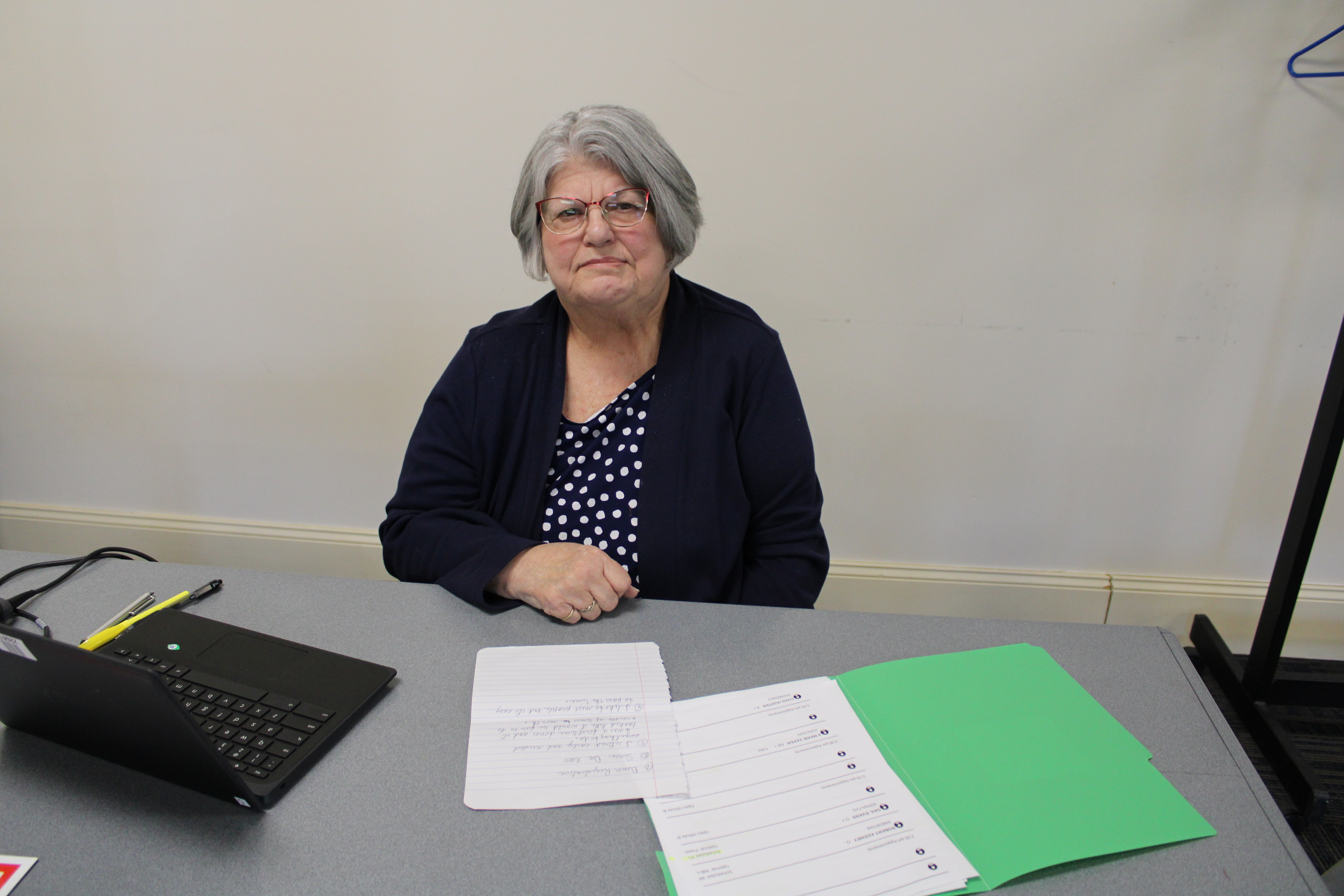
Because she volunteers so frequently, Carol said she has learned the names of many repeat blood donors.“ I like to meet people, and it’s easy to pass the time,” she said while staffing the registration table at a recent blood drive in Mayfield Village.

Carol also keeps an eye on the refreshment area, making sure snacks and beverages are available following each donor’s generous gift of blood. To learn more about the Blood Donor Ambassador position, visit here.

Red Cross volunteers are also needed to transport blood donations from blood drives to the biomedical services lab in Cleveland, and from the lab to area hospitals to help patients in need. Visit here to learn more about the opportunity to pick-up and deliver lifesaving blood..

Edited by Glenda Bogar. American Red Cross volunteer

National Volunteer Week Spotlight: Volunteer gives back to Red Cross after it reunited family years ago

By Kathryn Dean, American Red Cross volunteer

“…and I knew from that point on, even as young as I was…I said to myself, ‘when I’m old, I’m going to volunteer for the Red Cross,” said Linda Consolo of Stow.

A pivotal moment in Linda’s young life changed her trajectory and mindset. At the tender age of 18, just out of high school and newly engaged, her life was turned upside down. Her fiancé was drafted and sent to Vietnam, where he was wounded and sent to a field hospital. When he was well enough for transport and moved to a hospital in Japan, the army reached out to his parents, allowing only them the opportunity to visit. 

Unfortunately, the cost of travel was too much for the family, and they worried if they would ever see their son again. That’s when the American Red Cross stepped in to help. They covered the costs, and his parents were able to spend the last few weeks of his life with him. This was something that Linda never forgot, and she knew one day she would volunteer for the Red Cross.

Now, nearly 55 years later, she is living that reality and has dedicated a large portion of her retirement to volunteering with the Red Cross. She has found her niche in the role of Blood Donor Ambassador, a position that she really enjoys, working sometimes up to four days per week at blood drives.

“It’s my way of giving back to them because they did something special for somebody for me. Because having his parents there for his last month or two was amazing,” she reflected.

Not only does she volunteer at blood drives, but she is also a blood donor. “I’ve given 16 gallons and one pint in my lifetime,” she proudly states. Quite an achievement, considering that eight donations equate to one gallon of blood. 

“I started when I worked at Goodyear,” she explained. “Goodyear always had blood drives, and I started giving blood there because we were allowed to leave our desk and go across the street to Goodyear hall, give blood and have something to eat. We didn’t have to take time off from work. Goodyear made it easy for us to donate blood.”

“Donating blood is probably more important to me than volunteering,” she said, “but I do them in tandem. I do it every 56 days or as close to it as I can.”

Despite her busy schedule, she also finds time to bake for the workers at the blood drives, earning her the affectionate moniker, ‘the muffin lady.’ 

As a retiree, Linda said that she appreciates the opportunity to stay active and social and meet new people. “Now it’s time for me to give back,” she said. “It’s the thing to do. It makes your heart feel good that you’re giving back to the world. I’m doing my part and trying to give my best.”

The Red Cross is always looking for new volunteers. If you would like to learn more about this vital volunteer role or any of the other available opportunities, visit www.redcross.org/noh and click the Volunteer tab or call 1-800-RED CROSS.

Edited by Glenda Bogar, American Red Cross volunteer

American Red Cross remains committed to helping everyone as needs increase

By Tim Poe, American Red Cross volunteer

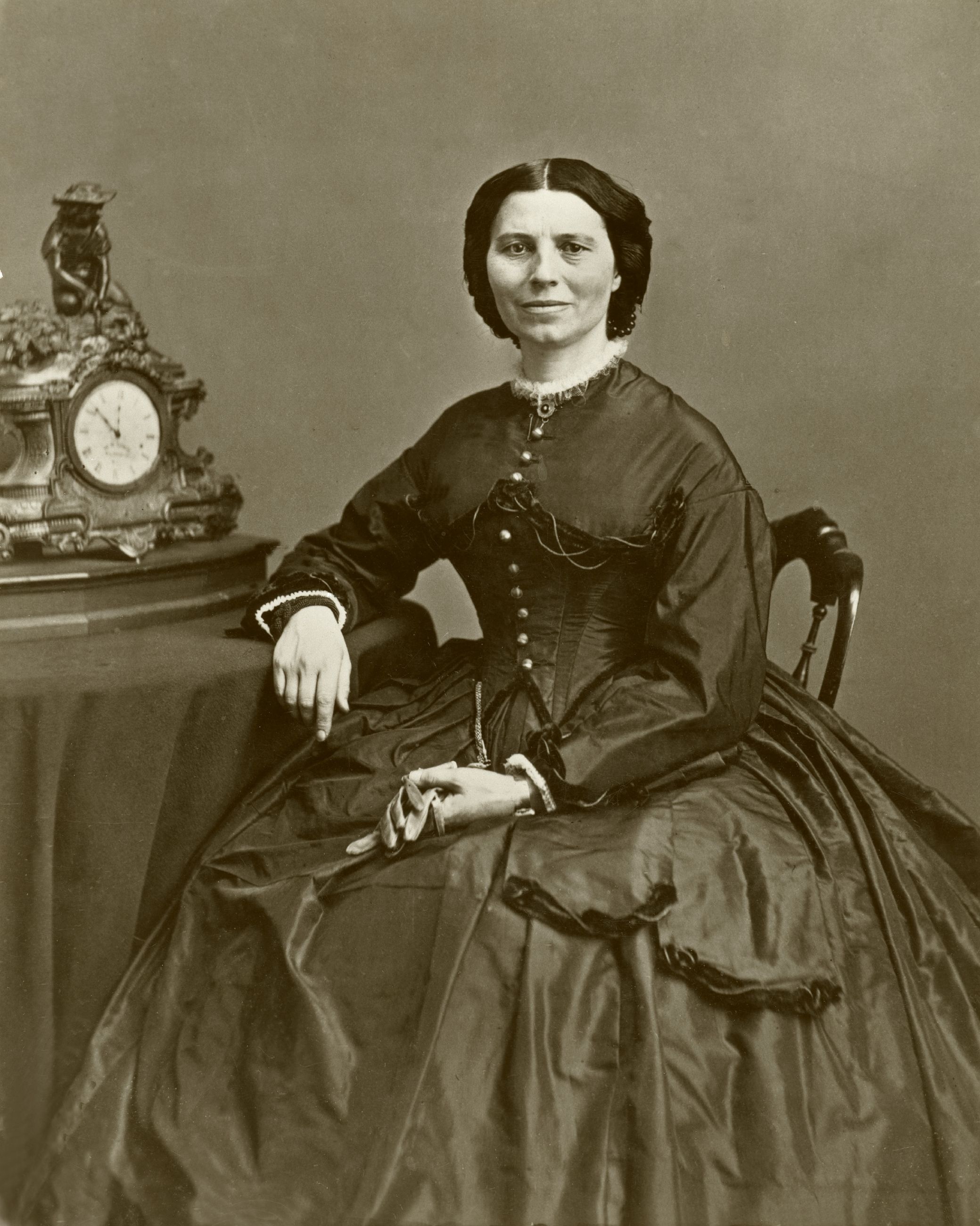
Portrait of Clara Barton, founder of the American Red Cross.

She was bent over, sobbing, frustrated, nearly everything in her family’s apartment destroyed. We sat in an American Red Cross vehicle outside a partially burned apartment complex. It was near the beginning of the school year, and she had recently purchased books, school supplies and clothes for her children. Unfortunately, her neighbor, whom I had helped earlier, had a moment of carelessness. Like most renters I assisted, especially those in lower-income areas, she did not have renter’s insurance. But we were there. One of my favorite moments as a Red Cross volunteer was handing her an aid packet, a lifeline, and seeing her frustration and despair turn to gratitude and resilience. Her family would have a place to stay, would eat, and her children’s clothes and school supplies would be replaced. Her race, gender, legal status, religion, beliefs, class and orientation didn’t matter. She needed help, and the Red Cross provided.

Scenes like this play out an average of three times per day in Northern Ohio, and about 65,000 times per year nationally. Similarly, someone in the U.S. needs blood every two seconds, while U.S. Armed Forces members, veterans and their families receive assistance daily. Our services have never, nor will ever, be contingent on anything other than if someone needs our help.

As March is Red Cross Month, we would like to reiterate that helping everyone has been a core principle since our founding in 1881 and remains central to our Fundamental Values of
humanity, impartiality, neutrality, independence, voluntary service, unity and universality. Clara Barton, who faced discrimination as a woman, believed in “perfectly equal rights–human rights,” and instilled those values in the Red Cross from the outset.

For the past 144 years, the Red Cross remained committed to helping those in need, bringing out the best of humanity in times of crisis.

February 25, 2025. Pike County, Kentucky.
American Red Cross volunteer, Tony Susi, comforts Tina Roberts after she lost her entire home in Eastern Kentucky after devastating floods hit her community just over a week ago.

Red Crossers are on the ground across Kentucky, assessing damage, working with community partners and local emergency management, and providing hot meals, a safe place to stay and other support to residents impacted by flooding.

Photo by Scott Dalton/American Red Cross

The need for Red Cross services and the commitment to help everyone has never been greater. The climate crisis is having a tremendous impact, as the Red Cross is responding to nearly twice as many large disasters as a decade ago, and they are increasing. Additionally, the climate crisis is taking a heavier toll on frontline communities, including low-income families, older adults, communities of color and people with disabilities.

The Red Cross is responding to these challenges through strengthening partner networks;
improving disaster relief capacity; enhancing our engagement with diverse communities, including offering information in Spanish; reaching out to diverse blood donors; continuing our Sickle Cell initiative; and adding health screenings for blood donors at different times throughout the year, currently including screening for Sickle Cell trait and, this month, A1C.

We could use your help. If you can donate blood, give financially or volunteer, your assistance has a tremendous impact. And no matter who you are, please reach out if disaster strikes, as the Red Cross continues its commitment to helping all.

Edited by Glenda Bogar, Red Cross volunteer

Posted by Ryan Lang, Red Cross board member and volunteer

Diverse blood supply is more important than ever

By Eilene E. Guy, American Red Cross volunteer

Volunteers are the lifeblood of the American Red Cross. And by extension, volunteers provide lifesaving blood and blood products to millions of people across the nation every year.

This chain of generosity begins at the local level, at an average of 500 blood drives and blood center collections every day. Last year, the Red Cross sent more than 6.3 million blood products to some 2,500 hospitals and other health care facilities.

But in the past two decades, the number of Red Cross blood donors has fallen by about 40%, with a significant drop among those between 16 and 22. As our national population ages and becomes more diverse, building the next generation of donors is critical.  

The University of Akron alumni chapter of Delta Sigma Theta, a sorority of scores of African American women, is helping meet that need by sponsoring blood drives.

Earlier this month, their event netted 30 units of blood, which will go to treat as many as 90 patients.

Drives like these are vital to maintain a stable supply of blood for trauma victims, surgery and cancer patients, fragile newborns and those with medical conditions such as Sickle Cell Disease (SCD). This hereditary condition can be life threatening: It leads to anemia (shortage of red blood cells), causing fatigue, organ damage and periodic severe pain, known as a sickle cell crisis.

Blood transfusions from donors of the same or similar ethnicity and blood type are the most effective way to treat a sickle cell crisis. Since most people with SCD are of African descent, blood from Black donors is the gold standard for treatment. In fact, one in three African American blood donors is a match for a patient with sickle cell disease.

As a northern Ohio district manager for Red Cross blood services, Sabrina Spikes works to recruit and educate a larger, broader base of blood donors, including the Black and African American, Latino and LGBTQ+ communities.

“It’s a testament to the work of Delta Sigma Theta that they sponsor at the University of Akron,” she told me. “We need to have diverse partners, to do more education.”

Education is two-pronged:

  • Reaching more people from all racial and ethnic groups to explain the importance of a diverse blood supply. “We know the number one reason people don’t donate blood is that they haven’t been asked,” she said. “We need to explain why a diverse blood supply is important.”
  • Preparing potential donors to have a successful donation experience, by getting them to drink plenty of water and eat iron-rich foods. “Cutting down on caffeinated beverages that slow the absorption of iron – coffee, tea, sodas – helps cut the deferral rate of donors, especially African American women,” she explained.    

To learn more about why a diverse blood supply is so important, tap here. And, to find where you can donate and to make an appointment, go to redcrossblood.org. Someone needs you!

Donate Blood in March and receive a free A1C screening

By: Kathryn Dean, American Red Cross volunteer

The American Red Cross of Northern Ohio is helping to bridge access to health care for blood donors by providing free A1C testing, commonly used to screen for diabetes and prediabetes, on all successful blood, platelet and plasma donations in March.

One-third of people lack access to regular primary care in the U.S., where diabetes affects 1 in 10 people and nearly a quarter of those living with it have been undiagnosed, according to the Centers for Disease Control and Prevention (CDC). The free A1C screening aims to help address this gap by empowering blood donors with valuable information to maintain their health and well-being.

What is the hemoglobin A1C test?  This is a common laboratory blood test that doctors use to help diagnose diabetes or prediabetes. Unlike a blood glucose test (or blood sugar test) which provides an instant snapshot of your current blood sugar levels, A1C reflects the average blood sugar levels of an individual over the past 3 months. This gives doctors a better idea of where your blood sugar typically lies, outside of the daily fluctuations.

Why is this important for me? It is estimated that there are over 8.7 million people in the U.S. living with undiagnosed prediabetes or diabetes. Type 2 diabetes accounts for over 90% of all cases and often remains symptomless until damage has been done. Untreated diabetes can lead to plaque build-up in the blood vessels which in turn puts you at greater risk for a stroke or heart attack. The eyes, kidneys, nerves, and skin are particularly vulnerable to the effects of decreased blood flow due to high glucose levels in the blood.  Fortunately, prediabetes is reversible with lifestyle changes, so early detection is key.

Blood donor, Audrey Savage
Photo by Michelle Frankfurter for the American Red Cross

How should I prepare for my donation?  No fasting is required for the A1C test or any other special preparation. Just be sure you are feeling well on the day of donation by getting enough rest, staying hydrated, and eating a well-balanced meal.

When will I get my results? You can expect your results within one to two weeks of your donation. Results will be posted on the Red Cross Donor App or through your donor’s account at RedCrossBlood.org.

What do my results mean?  An A1C test result of 5.7% or above will require follow-up with your primary care physician. Your doctor will be able to diagnose and guide you through an appropriate treatment plan. 

To learn more about the A1C test, pre-diabetes and diabetes, check out this informational page at the Red Cross website HERE. Download the Red Cross Blood Donor App HERE to schedule your next donation and view your donation history and test results.