Hiring military veterans works for the Red Cross

By Jim McIntyre, American Red Cross volunteer

“A shared commitment to a greater purpose may just be the most significant advantage veterans bring to the American Red Cross…” – Mike Parks, RADM, USCG (Retired), Regional CEO, American Red Cross of Northern Ohio. 

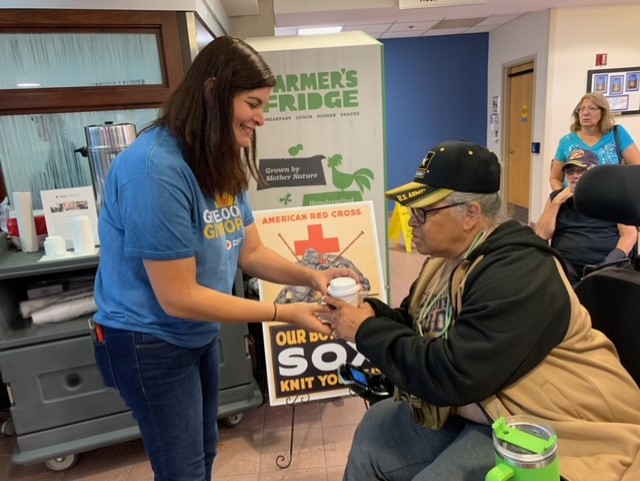
There were nearly 16 million veterans of the armed forces living in the U.S. in 2023, according to usafacts.org. Nearly 3% were unemployed, according to the Bureau of Labor Statistics. To raise awareness of veterans in need of job placement and to show the challenges of transitioning from the military to civilian workforce, July 25th has been named National Hire a Veteran Day

“Veterans bring unmatched dedication, discipline, and leadership to the workplace – skills forged through service and mission-focused training,” according to Dr. Alaina Foster, Regional Program Director for Service to the Armed Forces and International Services at the Red Cross of Northern Ohio. “Hiring a veteran means gaining a teammate who thrives under pressure, adapts quickly, and leads with integrity.” 

Foster is a veteran of the U.S. Air Force, and comes from a military family. On her team is Nasir Ahmad, also a retired Air Force veteran who recently completed an assignment for the Red Cross that took him to Iraq, where he provided Red Cross services for members of the U.S. military on a base in Baghdad.  He said being a veteran gave him a shared connection with members of the military in need of Red Cross services. 

“When people say, ‘thank you for your service,’ it’s appreciated and great to hear, but organizations like the Red Cross put those words into action by making a deliberate effort to hire veterans,” Nasir said, adding, “These organizations welcome people who know how to work on a team and put their own vision and ambitions second to the overall success of the company.  Firms that are willing to hire veterans gain people that are able to thrive in structured settings as well as adapt to free-flowing projects and events.”  

CEO Mike Parks, who calls the Red Cross “the world’s premier humanitarian organization,” said hiring veterans fits in well with the Red Cross ethos.  

Mike Parks,  Regional CEO, American Red Cross of Northern Ohio
Rear Admiral, United States Coast Guard (Retired)

“I’m fond of saying ‘The Red Cross is all about caring.’  Most successful veterans largely became successful by caring.  Sacrificial giving and servant leadership are both hallmarks of veterans who have found a home in the Red Cross after they’ve served their country in uniform.” 

Mike found a home at the Red Cross, leading the Northern Ohio Region since 2015, following a lengthy career with the U.S. Coast Guard. Nasir has called the Red Cross home since 2023. 

“I was unsure what to expect from the Red Cross, but the Northern Ohio team showed me that there’s still a place where I could serve.  And I’m grateful for it.  Maybe that’s all any of us veterans want — a place to still be of service.”    

Veterans excel in every sector of the employment market, but there are numerous job opportunities at the Red Cross, where the experience of having served in the armed forces can add extra value.  See current job opportunities here. And tap here to learn more about how the Red Cross supports military members, veterans and their families.

A knife, a belt, and a life saved

Rich Colarik knows his way around a knife. He’s been a butcher for nearly four decades. But you can never be too careful. He learned that the hard way, when a knife he was holding slipped from his hand and severed his femoral artery a couple of inches above the knee.

Chris Colarik, left, Red Cross Regional COO TIm O’toole, and Rich Colarik

Fortunately for Rich, he was with his family, including his son Chris, a Madison middle school teacher in Lake County, Ohio, who has received a certificate for First Aid training from the American Red Cross.

As blood began to flow from the wound, Chris took action. He called 9-1-1 and sent his 8 year-old son, Easton, to retrieve a belt. He then used the belt Rich had been wearing to fashion a tourniquet and slow the bleeding.

The Colarik Family

“Chris remembers that his hands were turning white by how hard he was holding the belt,” said his wife, Melissa. She also said the siren from the ambulance was one of the best sounds he’d ever heard.

As the responders applied a proper tourniquet, Rich began to experience shock. “Chris smacked him in the face and held his head and said, ‘stay with me’,” said Melissa. Rich was then loaded into the ambulance and taken to a hospital for emergency surgery.

He has since recovered.

Melissa said, “With my husband’s knowledge and training from his Red Cross certification he was able to save his father’s life.”

Lifesaving Award

Chris was presented with a Certificate of Extraordinary Personal Action, which is awarded to individuals who step up in an emergency and help save or sustain a life using lifesaving skills. “This award is bestowed upon individuals who stepped-up during an emergency,” said Tim O’Toole, Regional COO of the Red Cross of Northern Ohio. “These recipients truly embody the mission and values of the American Red Cross.”

Madison Firefighter Mike Maskal, Chris Colarik, Easton Colarik, Rich Colarik, Madison Fire Lieutenant Mike Brewer

The Lifesaving Award was presented at Madison Fire District Station 3, where Rich was reunited with two of the firefighters who responded that day – Mike Maskal and Lieutenant Mike Brewer.

It was a heartwarming reunion.

Get Trained

Red Cross training gives people the knowledge and skills to act in an emergency and save a life. A variety of online, blended (online and in-person skills session) and classroom courses are available at redcross.org/takeaclass.

Posted by Ryan Lang, Red Cross board member and volunteer

Four ways to stay safe this 4th of July

By Samantha Pudelski, American Red Cross volunteer

Fourth of July plans usually include fireworks, barbeques, and spending time near
water to stay cool in the warm July sun. Whether you plan to do all of these things or
just one of them, the American Red Cross wants you to enjoy a safe and fun fourth of
July holiday. Think of these four areas of safety this holiday weekend:

  1. Fireworks Safety
     The safest way to enjoy fireworks is by attending a public firework show that
    is put on by professionals.
     If you are planning to set off fireworks at home, make sure to:
    o Light fireworks at a safe distance from people, animals, structures,
    vehicles or anything that is flammable. Do not point or throw
    fireworks anyone or anything.
    o Never give fireworks to small children.
    o Follow the instructions on the fireworks packaging.
    o Have a supply of water close as a precaution.
    o If you the person lighting the fireworks, wear eye protection.
    o Only light one firework at a time. Never attempt to relight a “dud.”
    o Store fireworks away from children and pets, in a cool, dry place.
     There are many free community fireworks displays throughout Northern
    Ohio planned for the July 4 th weekend. Visit your city’s website for details or
    the links below to find fireworks displays near you.
    o Northern Ohio area fireworks
    o Youngstown area fireworks
    o Northwest Ohio, Southeast Michigan area fireworks

  2. Water Safety
     Anyone near water, whether it is a pool, lake, water park or other body of
    water, should know how to swim.
     At minimum, everyone should have water competency, meaning they can
    enter the water, take a breath, stay afloat, change positions, swim for a
    distance and get out of the water safely.
     Always swim in an area where lifeguards are on duty.
     Get out of the water at the first sign of thunder or lightning. Stay indoors and
    away from water at least 30 minutes after the last streak of lightning or roar
    of thunder.
     Watch children in or near the water closely and constantly.
     Pools and spas should be fenced with adequate, four-sided fencing.
     Children and inexperienced swimmers should wear a properly fitted U.S.
    Coast Guard-approved life jacket. Everyone on a boat should wear a life
    jacket, regardless of their ability to swim.

 If swimming in an open body of water, such as a lake, river or ocean, make
sure to swim with a buddy and walk carefully into open waters.
 If you get caught in a rip current, stay calm and try not to panic. Signal to
those on shore that you need help. Swim parallel to the shore until free of the
current and then swim towards the shore.

  1. Grilling Safety
     Grilling sparks more then 10,000 home fires each year.
     Always supervise a barbeque grill when it’s being used.
     Never grill indoors or in any enclosed area.
     Make sure people and pets stay away from the grill.
     Keep the grill away from the house, deck, tree branches or anything that
    could catch fire.
     Never add charcoal-started fluid to coals that have already been lit.

  2. Heat Safety
     Stay hydrated – drink enough water to help prevent heat illness.
     Make a plan to stay cool during the hottest parts of the day.
     Gather emergency supplies – create a kit for your home and when you’re on
    the go.
     Learn how to recognize and respond to heat illness. Learn CPR and first aid.

Bonus Number 5: Have some Free Time this Fourth of July? Donate Blood and
See a Movie


This July, The Red Cross, has teamed up with Universal Pictures’ new film,
TWISTERS to help avoid a summer blood shortage. Anyone who comes to give blood
or platelets with the Red Cross between July 1 and July 31 will get a Fandango Movie
Ticket via email. Learn more about the partnership and get more details here.

Posted by Ryan Lang, American Red Cross board member and volunteer

Northern Ohio Red Cross prepares for the total solar eclipse

By Tim Poe, American Red Cross volunteer

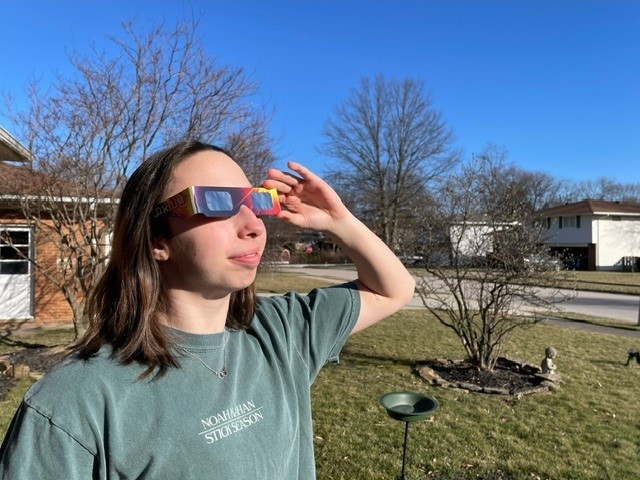
Millions of Northern Ohio residents and hundreds of thousands of visitors will look to the sky through dark glasses on April 8, and the American Red Cross is preparing.

In doing so, Red Cross volunteers and staff throughout Northern Ohio, especially the disaster Assistance Team (DAT), are employing several of their greatest strengths: their experience and dedication, relationships with partner organizations and flexibility.

Preparation is needed. In addition to the eclipse and NASA’s broadcast from the Great Lakes Science Center, Cleveland will host the NCAA Women’s Final Four on April 5 and Championship on April 7. The Cleveland Guardians’ home opener is on the 8th.

While estimates fluctuate, the number of expected visitors is up to 500,000, in addition to the 7.2 million Ohioans who live within the path of totality. The entire region will be crowded, especially downtown Cleveland. Other locations face unique challenges, such as Avon Lake, which will have the longest period of totality.

I spoke with two people leading the preparations. Emma Banton, Regional Readiness Program Manager for Northern Ohio, and Piet Hagenaars, Disaster Program Manager for Northeast Ohio. Both are exceptionally experienced in crisis and emergency management.

The entire Northern Ohio Region Red Cross team has garnered considerable preparedness experience. Emma mentioned seven shelters were operated in our region over the past year, including our largest in over 20 years in Cleveland.

Emma, whose focus is all of Northern Ohio, said, “Each chapter will have at least one shelter team on call from April 5 through 9, while the Northeast and North Central Ohio chapters will each have two shelter teams standing by. Each chapter will also have one canteen team ready for any safety forces that may request refreshments during a response, like a home fire.”

“A Red Cross representative will also be deployed at the Cuyahoga County Office of Emergency Management’s Emergency Operation Center (EOC),” said Piet, “And we are prepared to work with other county offices as needed.”

As home fires will still occur–the Red Cross responds to an average of more than three per day in our region–DAT crews will also be ready. Depending on traffic, crowds and logistics, they may respond virtually. In fact, home fires are a major reason shelters need to be ready. Should a family need a safe place to stay, hotels are fully booked.

Emma and Piet both stressed the importance of preparation, which can be difficult when we do not know where an incident may occur. Considerations include maintaining communication and having fully fueled vehicles should access to gas stations become limited. Emma has also supported the region’s chapter Disaster Program managers and specialists as they updated shelter agreements and ensured readiness.

Emma added that the Disaster Program managers and specialists in all five of our region’s chapters are working diligently to ensure we are fully prepared.

Piet also finds inspiration from other crisis managers, like one who remarked he would never apologize for being over-prepared, and others who pointed out normal rules and expectations often do not apply in a crisis.

Finally, both are looking forward to enjoying this once-in-a-lifetime event. But when and where help will be needed, they are ensuring that the Red Cross is ready.

NASA’s tips for safely viewing a solar eclipse are here, and more information on the Red Cross, Northern Ohio Region, is here.

Edited by Glenda Bogar, Red Cross volunteer

Posted by Ryan Lang, Red Cross board member and volunteer

Volunteers make special deliveries, filling vital role for patients in need

By Eilene E. Guy, American Red Cross Volunteer

When is a chain stronger with a flexible link? When it’s the American Red Cross chain that gets vital blood and blood products from donors to recipients.

I’ve blogged about almost all of the links in that life-saving chain: donors who generously volunteer to give the liquid of life; phlebotomists who skillfully, patiently drain that blood from donors’ arms; trained lab technicians who test blood for safety and for unique characteristics that will match with recipients.

Chris Chmura, a Red Cross volunteer delivering lifesaving blood

But that only takes the blood and blood products so far. How does blood get to hospitals where it’s needed for trauma victims, surgery patients and folks being treated for cancer, sickle cell disease and other conditions?

That’s the flexible link in this chain of life. Volunteer Red Cross blood transportation specialists cover this last mile.

“Our blood collection and distribution system would stall without our transportation specialists,” said Alayah Ross, who supervises drivers out of the Cleveland Red Cross blood center.

Alayah Ross supervises drivers out of the Red Cross blood center in Cleveland

“This is ideal for someone who enjoys driving and would like to be involved in a really meaningful activity,” she said.

“And one of the perks of the job is that it’s flexible. We ask for one to four trips a month; we need drivers during the day, in the evening and on weekends, so we work hard to match trips with our volunteers’ own schedules.”

Listen to and watch one of our “special” specialists talk about his experience:
https://vimeo.com/manage/videos/696678128

Currently, the Red Cross needs volunteers to drive blood from blood collection sites to the lab in Cleveland for testing and processing, and to deliver blood products to hospitals around northern Ohio.

If you have a valid state driver’s license and at least three years of licensed driving experience, you can choose regular routes, stand-by emergency deliveries or both. This is a great volunteer opportunity for couples, friends or family members.

If you’d like to help hospital patients who need blood and blood products during their battle back to health, click here for more information.

Edited by Glenda Bogar, American Red Cross volunteer
Posted by Ryan Lang, Red Cross board member and volunteer

Happy birthday, Clara!

By Eilene E. Guy, American Red Cross volunteer

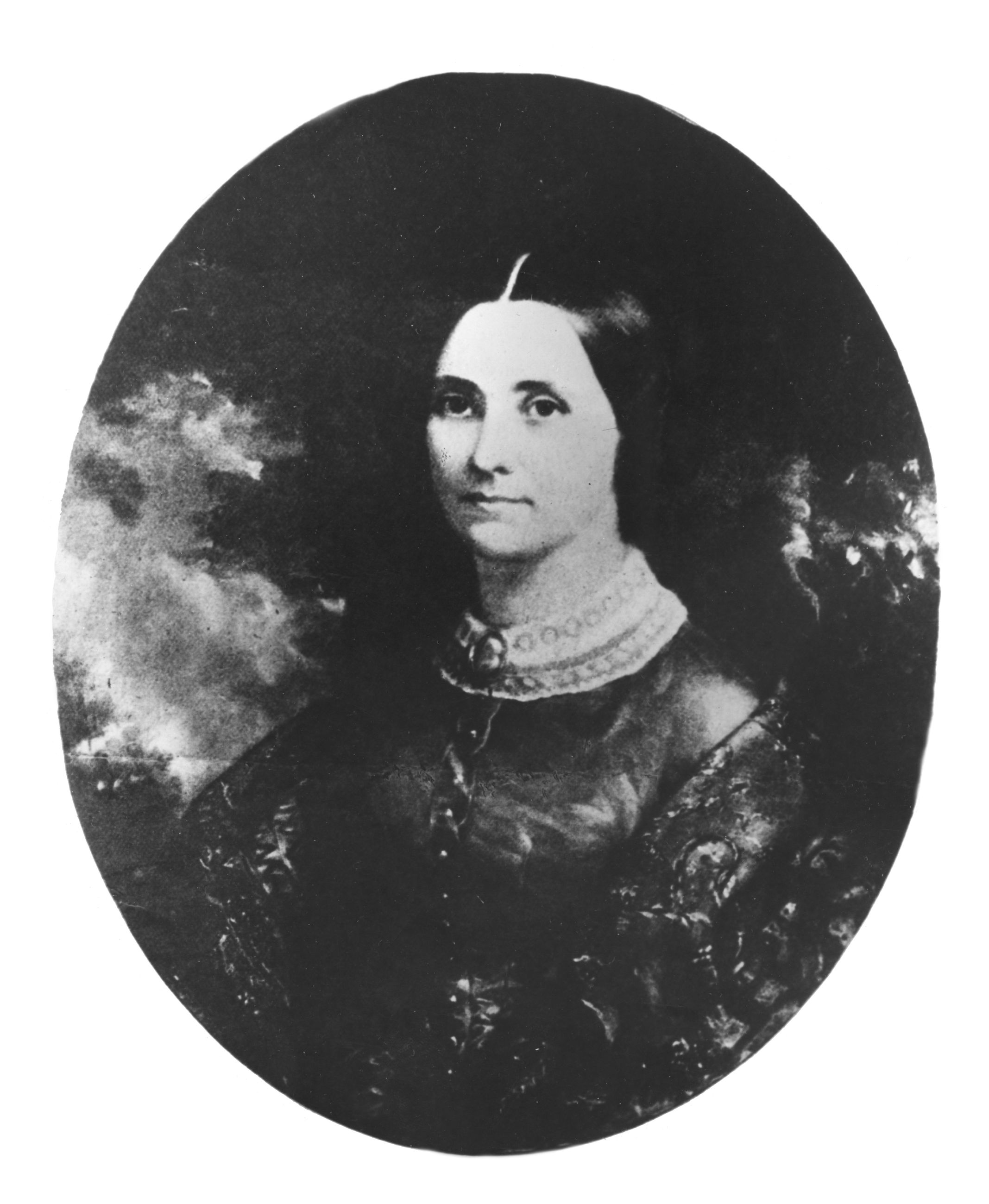
Clara Barton was born on Dec. 25, 1821, 202 years ago today. What a gift she turned out to be!

National Gallery, Washington, DC. Henry Inman’s portrait of Clara Barton.

Clara was a trailblazer throughout her life, but her most impactful legacy is the organization she founded in 1881, the American Red Cross.

Although she never married or had children, her “baby” has moved millions of people to give their time and talents to help even more millions of people prevent, prepare for, respond to, and recover from emergencies.

One of the things I admire about Clara was her ability to adapt. That “semper Gumby” (forever flexible) ethos guides the organization to this day.

In 1882, Clara sent her right-hand man, Julian Hubbell, to assess damage from floods along the Ohio and Mississippi rivers and provide relief. Clara managed fundraising, including $3,000 from the German Red Cross.

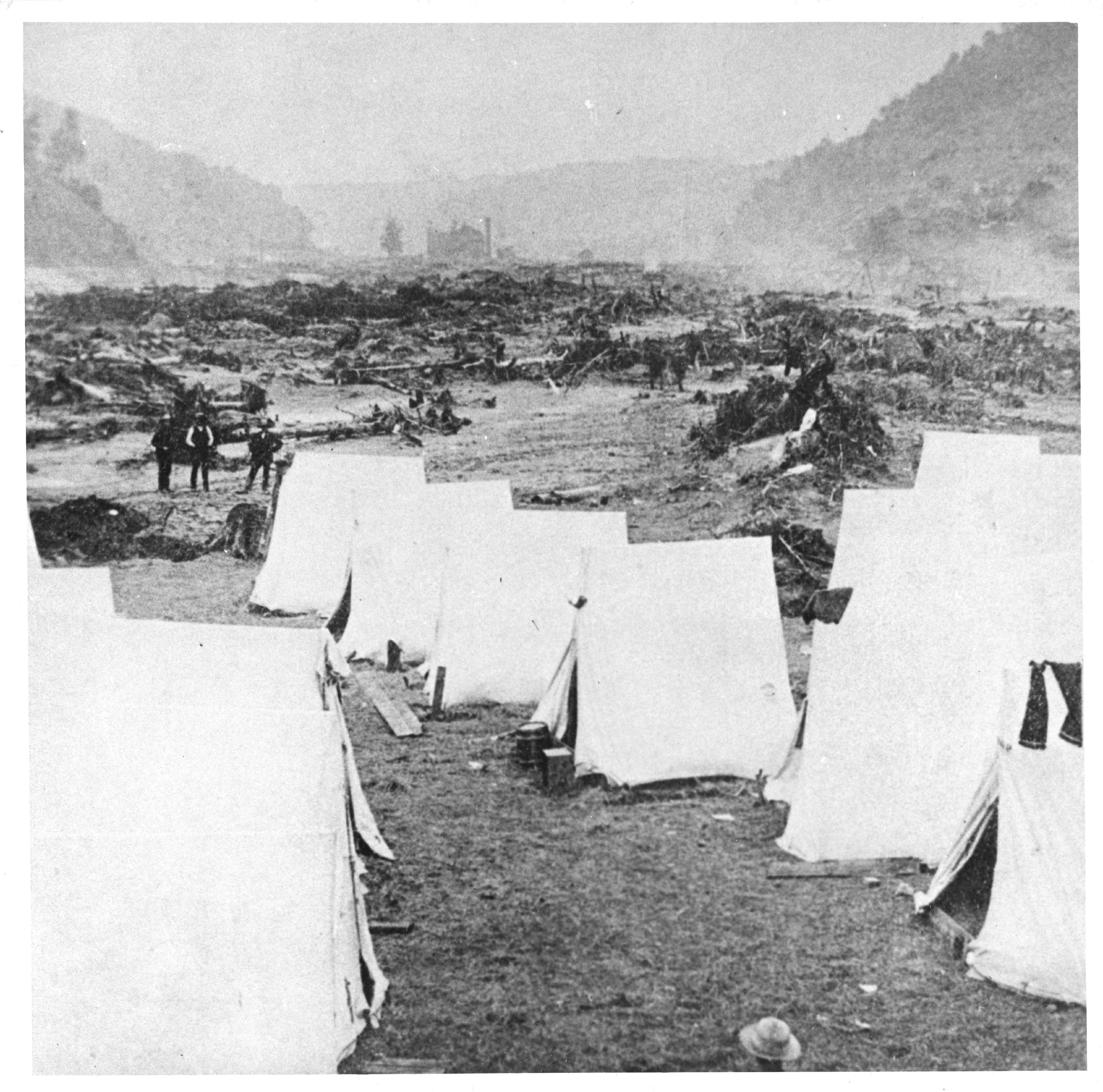
1889. Johnstown, Pennsylvania. Upon her arrival in Johnstown, Miss Barton immediately set up Red Cross headquarters in a tent on Prospect Hill overlooking the stricken valley. Another Red Cross faction, from Philadelphia, headed by a Dr. Pancoast, also arrived and set up hospital facilities in tents.

The flood wasn’t a large-scale disaster, but it did reveal the need for preparedness. Up to that time, Clara had run the Red Cross as a centralized operation, dispatching funds and relief management after emergencies.

Recognizing the need to localize, Clara had Hubbell work with mayors and business owners in Louisville, Cincinnati, and St. Louis to start local chapters, the first of what is now a national network of some 230 chapters recruiting volunteers and financial support.

Within a few decades, Red Cross chapters were popping up all over northern Ohio. In
fact, one of the most influential early supporters of the fledgling Red Cross was
Cleveland-born Mable Boardman, who traveled the country promoting volunteerism.

Across the decades, the Red Cross has followed Clara’s lead, adding programs to meet vital needs across a wide scope of American life:

  • Collecting nearly 40% of the blood needed to sustain trauma victims, support surgery patients and treat people with acute conditions from cancer to sickle cell disease.
  • Training volunteers to help victims of natural and manmade disasters with shelter, food, emergency medical and emotional support as well as guidance to plan their recovery.
  • Teaching lifesaving skills ranging from first aid and CPR to swimming and lifeguarding, to disaster preparation for children and adults. This year, the Red Cross launched a new online course, “Until Help Arrives,” to train bystanders to respond to opioid overdoses, severe bleeding, cardiac arrest and choking emergencies.
  • Installing millions of free smoke alarms in homes across the country to prevent home fire injuries and deaths.
  • Supporting our men and women in the military, and their families, with pre- and post-deployment preparedness, and morale and wellness support stateside and overseas. This year, Red Cross volunteers delivered emergency messages connecting more than 87,000 service members with their loved ones in times of family need.
  • Serving as a vehicle for Americans’ desire to contribute to disaster prevention and response around the world. This year, the American Red Cross helped support the international response to such disasters as earthquakes in Turkey and Syria, drought and hunger crises in Africa and flooding in Pakistan and Bangladesh.

Meanwhile, the organization is taking steps to minimize its environmental impact by shifting to more hybrid and electric vehicles, renewable energy sources and eco-friendly supplies.

Clara Barton recognized the importance of adapting to emerging needs. As such, I see her as one of the most consequential women in American history. She set the template for humanitarian service: During 2022, more than 275,000 people in America stepped up to volunteer.

And she established an organization that continues – more than 133 years later – to adjust to society’s new needs: More than half a million people downloaded Red Cross disaster preparedness apps on their phones during 2022.

If you’d like to learn more about the many ways Red Cross volunteers and donors live out Clara’s vision, visit redcross.org or cruzrojaamericana.org, or visit us on X at @RedCross.

Edited by Glenda Bogar, Red Cross volunteer

Posted by Ryan Lang, Red Cross board member and volunteer

An intense, exhausting, grateful December

A personal account of getting through a tough time

By Tim Poe, American Red Cross volunteer

Streams of people, ambulances and occasionally a helicopter. In a parking lot and garage just beyond, cars arrive, depart, circle. Each time I look out the fourth-story window in my dad’s hospital room, I see this scene. Whether in the cerulean predawn, during the intense glow of short December days, or beneath pools of sodium light in long evenings, it continues. Lives impacted, whether through illness, tragedy, or disaster. Crises do not cease. I also watch the many who arrive to help, while others leave, often looking exhausted, and am grateful for them.

Tim Poe, Red Cross volunteer

The last few weeks have been a torrent of emotion, of worry, discussions, activity, seeking information, of varying between bleakness and optimism.

I am especially grateful to the doctors, nurses, and other medical professionals working to identify the cause of and cure my dad’s illness and address the complications that arise. And to the blood donors and blood services personnel who enabled a transfusion to be ready if needed. I take a mental note to schedule a blood donation.

I hear rhythms of footsteps, medical equipment rolling on wheeled carts, voices, a cacophony of whirs and beeps emerging from medical devices, approaching sirens (silenced just before arrival), PA announcements, and occasionally the music-box chime of “Lullaby and Good Night” announcing a new life. I imagine orchestrating all this into a symphony.

I think of the times I have been in that and other ERs and hospitals in the area, as an American Red Cross volunteer, a patient, a friend, and family member. And how grateful I am to have been able to help and receive it when needed.

I have previously written about seeing the results when bringing help to those in need as a Red Cross volunteer. The tears of relief, smiles returning to faces, human resilience being bolstered, people beginning to recover and move forward, and especially gratitude.

Linda, Tim, and Billy Poe

My goal with this article, before my dad’s illness, was to focus on how much your help is needed and the tremendous good it does. As we have recently written, the need for Red Cross services is tremendous and continues to increase, with the climate crisis, global instability, and other factors. We have also written about seeing the impact of your donations, whether through financial support, volunteering time, or donating blood.

But now I wanted to offer another perspective, that of a family member during a time of need. While my dad’s illness is not the result of a disaster—although having a blood transfusion ready was necessary—I am trying to show a little of the intensity and worry felt when in need of help, and the thankfulness and relief when help is received.

My dad is home now. Recovery will take some time, including doses of antibiotics every eight hours, which I am administering via an IV attached to a PICC line. As I write this, we are on day six of 10. Since my formal education is in literature and music, this is far outside my area of expertise. I’m experiencing a fair amount of anxiety and fatigue. My Red Cross experience helps, especially managing in times of crisis, but I have needed and found help, advice, expertise, wisdom, and kindness from medical professionals, friends, family members, and others in the Red Cross. Each instance has helped keep me going, to refocus, to help the optimism win out over the bleakness. And for that I am deeply grateful.

Through all this, my family and I have not done much for the holiday season. I did put up a Christmas tree, and there are a few decorations. I have not been able to attend celebrations, and there won’t be much to wrap and unwrap, but if all continues to improve, the season will be one of the most grateful, thanks to those who helped.

So when life regains some normalcy, I’m more resolute than ever to continue helping where and how I can, help with and encourage financial support, and schedule a blood donation .

Edited by Glenda Bogar, Red Cross volunteer

Posted by Ryan Lang, Red Cross board member and volunteer

Platelet donor understands impact of giving from both sides

By Kathryn Dean, American Red Cross volunteer

As the director of manufacturing at the American Red Cross blood lab in Cleveland, Darlene Morris has a unique perspective on the importance of donating blood products. Over her 30+ year career in the biomedical field, Darlene has experience both working in hospitals and in the blood centers where products such as blood, platelets and plasma are processed.

Darlene Morris, All-Star Platelet Donor

This unique perspective has allowed her to not only understand what goes into making the blood products, but to witness firsthand the good that they can do.

“It is important to always keep blood on the shelf because you never know when something is going to happen,” said Darlene. “I’ve seen lives saved, and that’s why it’s important to me.”

In her current role, she oversees all of the blood once it’s been collected and returned to the Red Cross at the Warzel Donation Center in Cleveland. There the collections are divided into their respective products and sent back to the hospitals to be used. This center is the third-highest manufacturing site in the country, producing over 700,000 products last year serving Northern Ohio and the Detroit and Fort Wayne regions in Michigan.

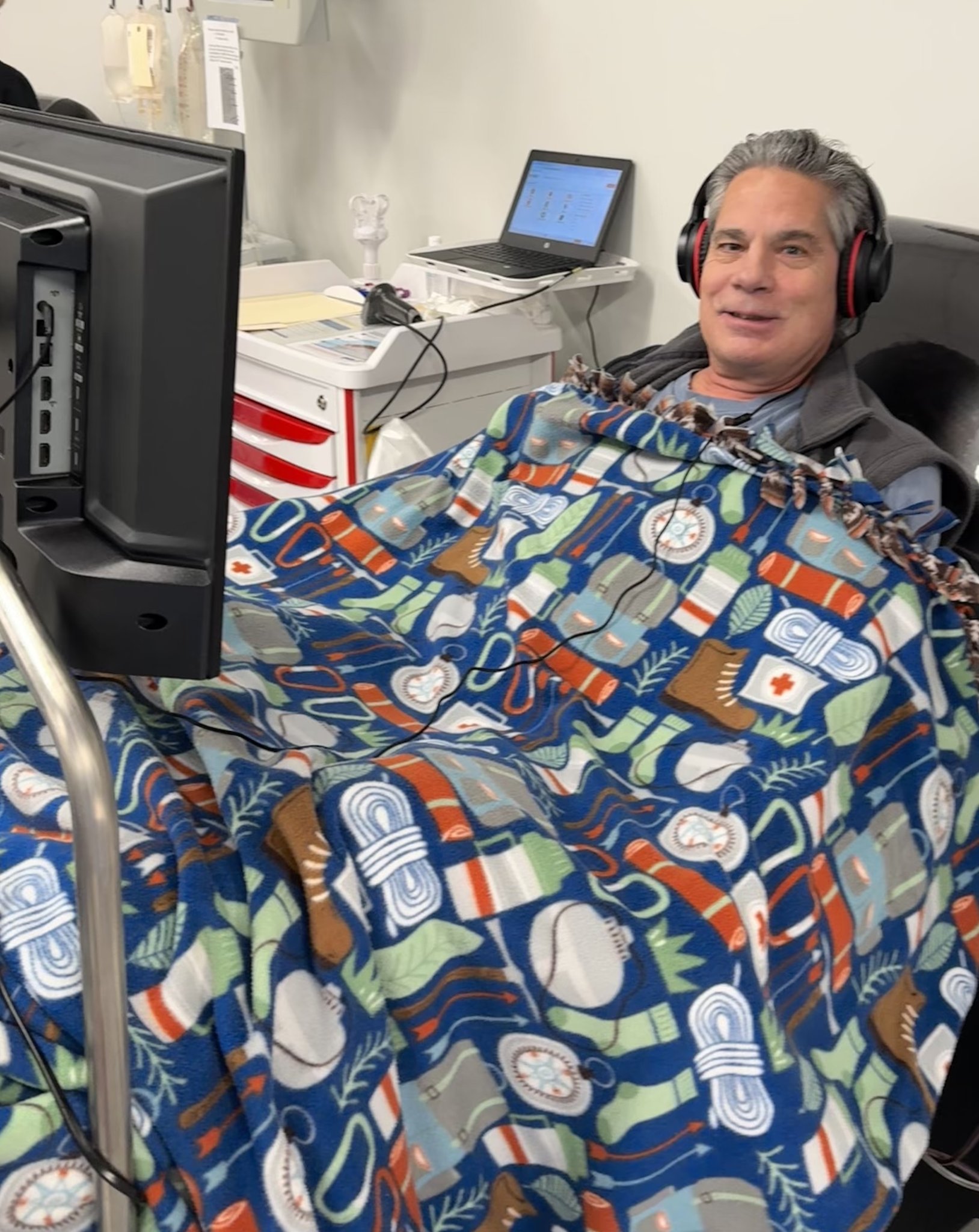
She is also an all-star platelet donor, giving donations of platelets about once every two weeks for the past several years. Platelet donations can be made with a wait time of only around seven days, versus a 56-day interval between standard blood donations.

Platelets are an important blood component that enable clotting when there is an injury or trauma. They are also important for cancer patients and others suffering from hematological conditions. Darlene notes that “between the (blood) products being available and improved procedures, now a lot of people survive.”

Darlene Morris, All-Star Platelet Donor

Darlene’s experiences have shaped her views of blood donations and the people they serve.

“For me, I feel like it’s been a privilege to be a part of the Red Cross,” she explained. “It’s been a blessing to me, and this has been the greatest career. It’s not just about me, it’s about everybody else that we help.”

Learn more about the different types of blood donations you can give this holiday season here.

To find a blood drive near you, click here and enter your zip code.

Edited by Glenda Bogar, Red Cross volunteer

Posted by Ryan Lang, Red Cross board member and volunteer

Shedding light on Sickle Cell Disease

By Eilene E. Guy, American Red Cross volunteer

Sickle Cell Disease is hiding in plain sight, and La’Shardae Scott is determined to bring it into the spotlight.

Sickle Cell Disease (SCD) is the most common genetic blood disorder in the United States, afflicting some 100,000 people, primarily those of African descent. Every year, an estimated 1,000 babies are born with SCD.

During September, Sickle Cell Awareness Month, the American Red Cross is teaming up with SCD crusaders like La’Shardae to bring attention to this painful and life-threatening disorder.

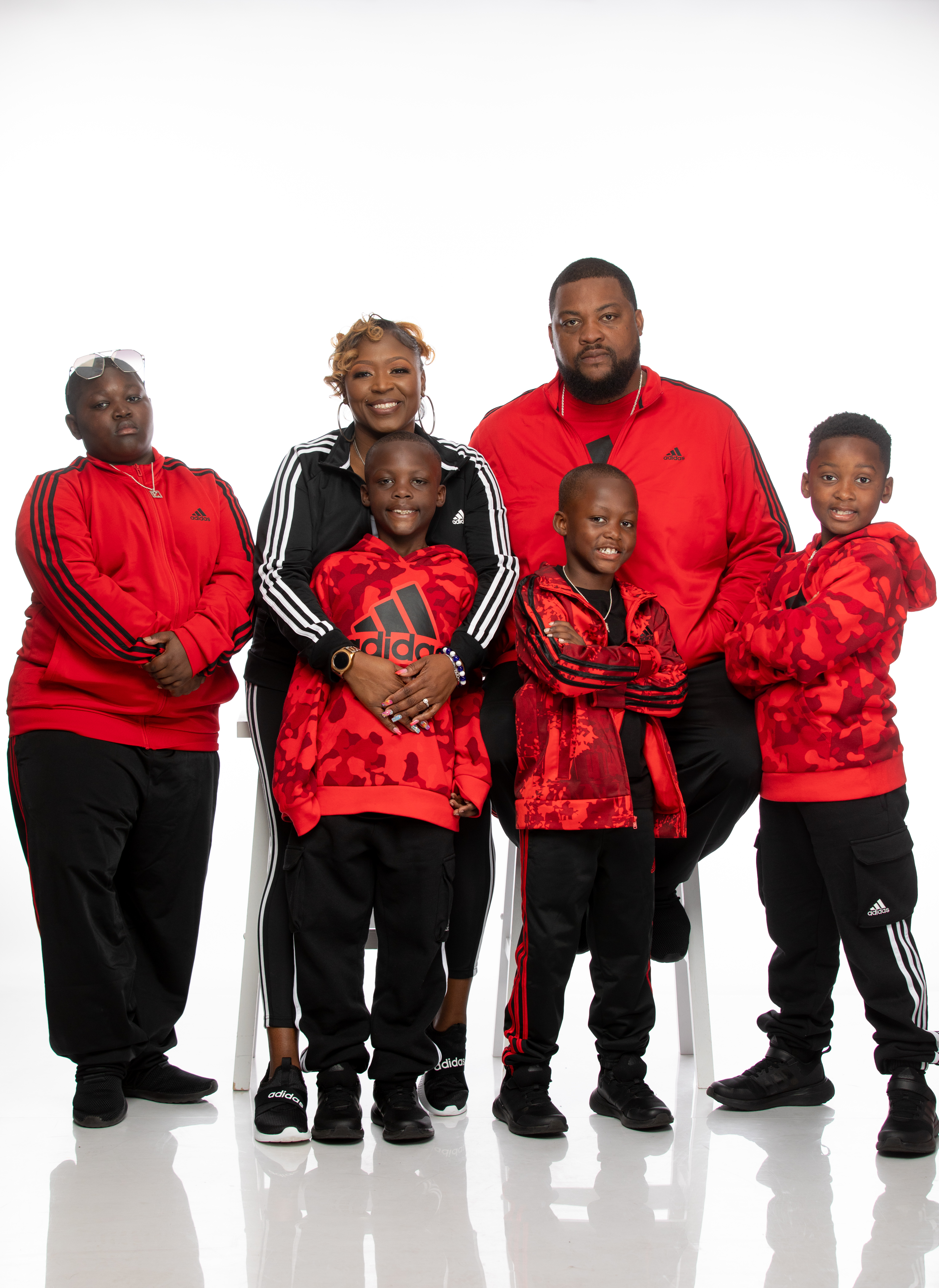
The Scott Family: Eric, La’Shardae, Emory, Evan, Eric and Liam

La’Shardae has launched the nonprofit Scott Center for Observation, Treatment and Transition in Oregon, Ohio, to minimize infant mortality in populations of color and help families and individuals with SCD transition successfully from pediatric to adult care.

She’s well aware that people of color have a fraught history with the medical establishment, which leads to poor doctor-patient relationships. Even today, misconceptions persist about Black people’s tolerance for pain.

“Patients born with this condition don’t look ill; they learn to manage their pain, but that doesn’t mean it isn’t real,” she said. “So when they finally seek help, they get dismissed as drug-seeking and that leads to further complications.”

Screening of newborns for SCD is now routine in all 50 states, but too often parents — confronted with the sudden notice that their baby has an incurable condition — don’t know how to handle that reality as the child grows, La’Shardae said.

At her house, she relies on medications, appropriate diet and “hydration, hydration, hydration” to keep her two SCD “warriors,” eight-year-old Emory and Evan, 7, thriving. At the same time, she advocates for them when they experience the acute pain and other side effects typical of SCD. But she knows the damaging effects accumulate.

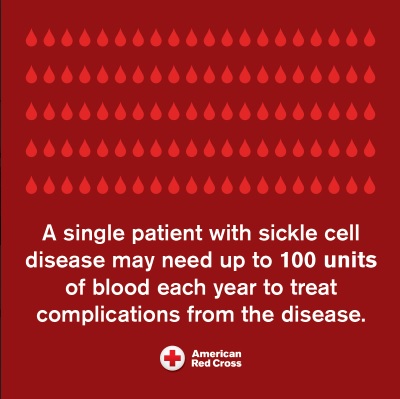
SCD causes red blood cells to take the shape of crescent moons or sickles. These misshapen cells don’t carry their full load of oxygen throughout the body, leading to anemia, pain “crises” and gradual damage to organs and tissues. Worse yet, the sickled cells tend to clump together, causing strokes.

Transfusions play a key role in “diluting” these defective cells in the blood stream, easing pain and slowing damage. Blood from one in three African American donors carries unique characteristics — antigens — that make it a close match for SCD patients.

This is where the Red Cross comes in. As supplier of more than 40% of the nation’s whole blood and blood products, the Red Cross needs a diverse donor population to meet the many unique transfusion needs.

Since launching its Sickle Cell Initiative in 2021, the Red Cross has seen a 60% increase in first- time African American blood donors to more than 45,000.

La’Shardae is working hard to boost that number. She uses social media platforms, Facebook Live and community presentations to educate and recruit. You can read all about her activities at scottcenteroh.org.

Her next event is the Scott Community Blood Drive in partnership with the Red Cross, from 9 a.m. to 2 p.m. Sept. 16 at 653 Miami St. in Toledo.

To register to give blood, go to redcrossblood.org, call 1-800-REDCROSS or use the free Red Cross blood donor app.

Edited by Glenda Bogar, Red Cross volunteer

Posted by Ryan Lang, Red Cross board member and volunteer

Pet CPR? Yeah, there’s an app for that!

By Ryan Lang, American Red Cross board member and volunteer

As a lifelong pet owner and pet lover, I hope I’m never in a situation where I’d need to perform CPR on my dog. And while I hope it never comes to that, I can find comfort in the fact that if it does, the American Red Cross has a free app that can show me exactly what I need to do.

Amos and Dublin

From recognizing warning signs to the ABCs of pet CPR (airway, breathing, circulation), the Pet First Aid app has you covered. With lifesaving instructions on allergic reactions, bleeding, car accidents, poisoning and more, the app helps you prepare for virtually every scenario you can imagine. It also gives guidance on how to include your pet in your emergency preparedness plans. And after you’ve brushed up on your emergency pet response, put your knowledge to the test with a quiz.

In addition to emergency response information, the Red Cross provides wellness tips for your pet. It offers information on what supplies to have in your home and on hand for your cat or dog. You can upload not only your vet’s information, but also your pet’s information for easy access in case of an emergency.

So in the spirit of National Dog Day that just passed and National Cat Day that’s coming up in October, take a moment and download the free Pet First Aid app. You can find it by going to redcross.org/apps or by searching for ‘American Red Cross’ in app stores. Who knows, you could save your furry friend’s life!

Edited by Glenda Bogar, American Red Cross volunteer

Posted by Ryan Lang, American Red Cross board member and volunteer