Celebrating our Volunteers and Supporters this Red Cross Month

By Samantha Puselski, American Red Cross communications volunteer

For 80 years, March has been declared American Red Cross Month with a presidential proclamation. The tradition started in 1943 with President Franklin D. Roosevelt to recognize all those who have answered the call to help others through the American Red Cross.

This Red Cross Month, we celebrate the work of the Northern Ohio Red Cross volunteers – who make up over 90 percent of the Red Cross’s workforce. We also celebrate the supporters – those who have donated blood, donated funds, taken a course, shared their story or contributed to the mission in other ways. The work of the Red Cross is not possible without those who volunteer, work and provide support.
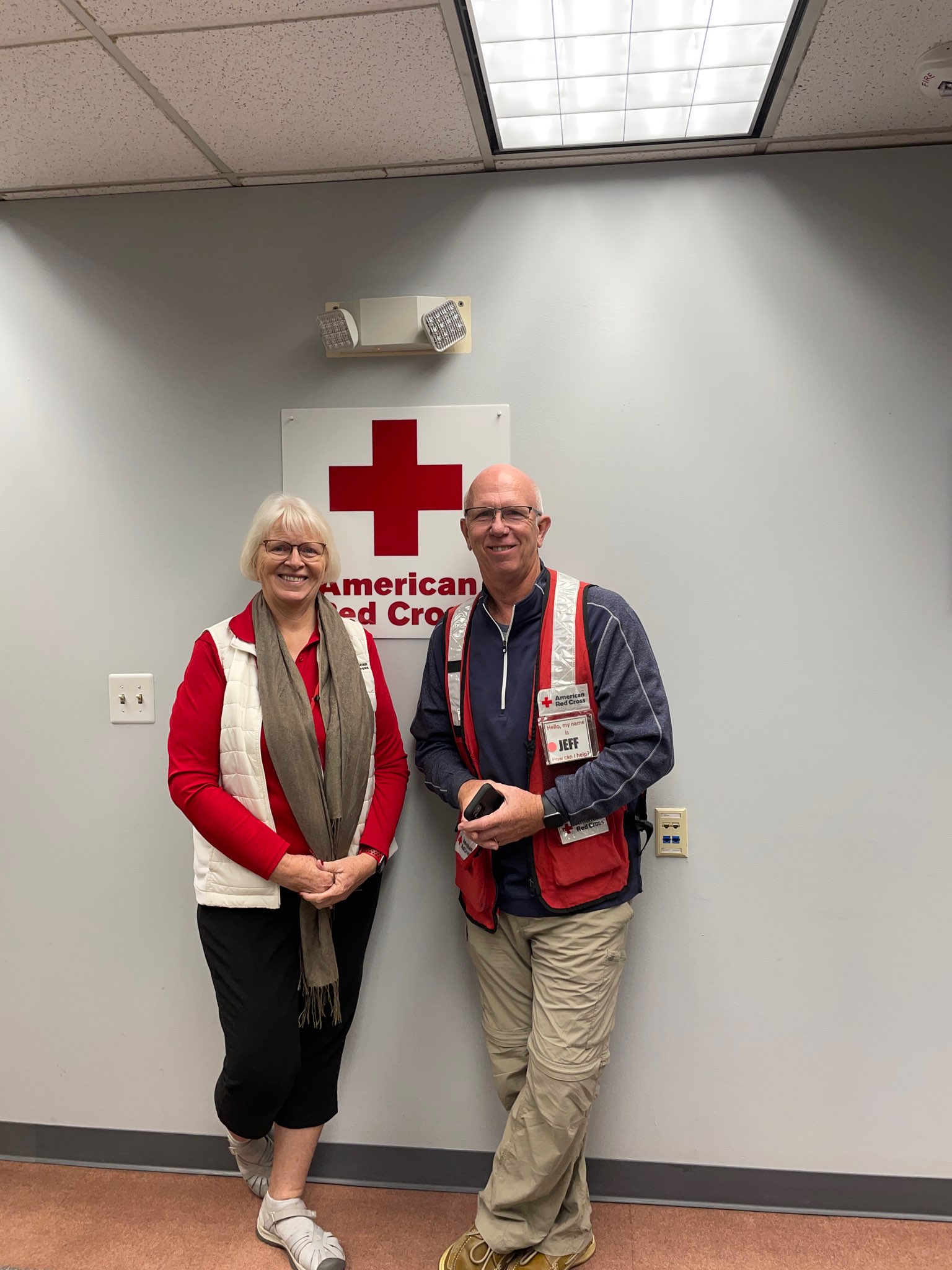
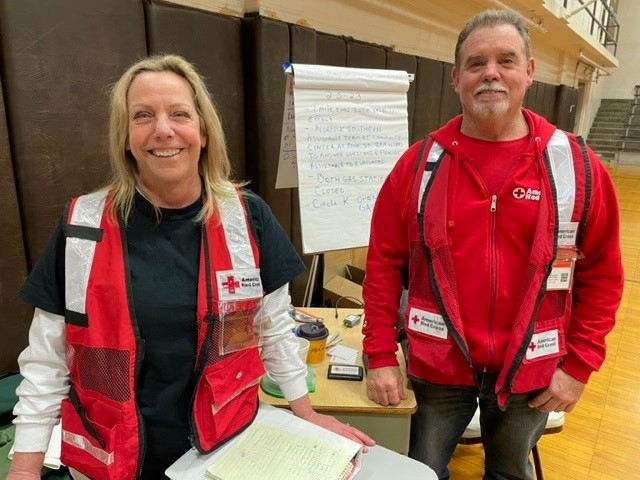
American Red Cross volunteers Callene Derrick and Jeff Mann

While the Red Cross is a national and international organization, they also have a profound impact locally every single day. Here are just a few facts that represent the history and magnitude of the work that has been done thanks to the support our communities and partners provide:

 The Red Cross and our partners have installed more than 100,000 smoke alarms and helped create more than 37,400 escape plans in Northern Ohio households through the Sound the Alarm campaign.
 The Red Cross responds to disasters providing support to those affected. Most recently the Red Cross provided more than 100 overnight stays and nearly 400 meals to those in East Palestine, Ohio.
 The Red Cross helped survivors of the Titanic.
 Service members in every U.S. conflict since the Spanish-American War have been supported by the Red Cross.
 International Committee of the Red Cross was won the most Nobel Peace Prizes.
 The Red Cross has responded to 3 million U.S. disasters since 1881.

Take Action this Red Cross Month
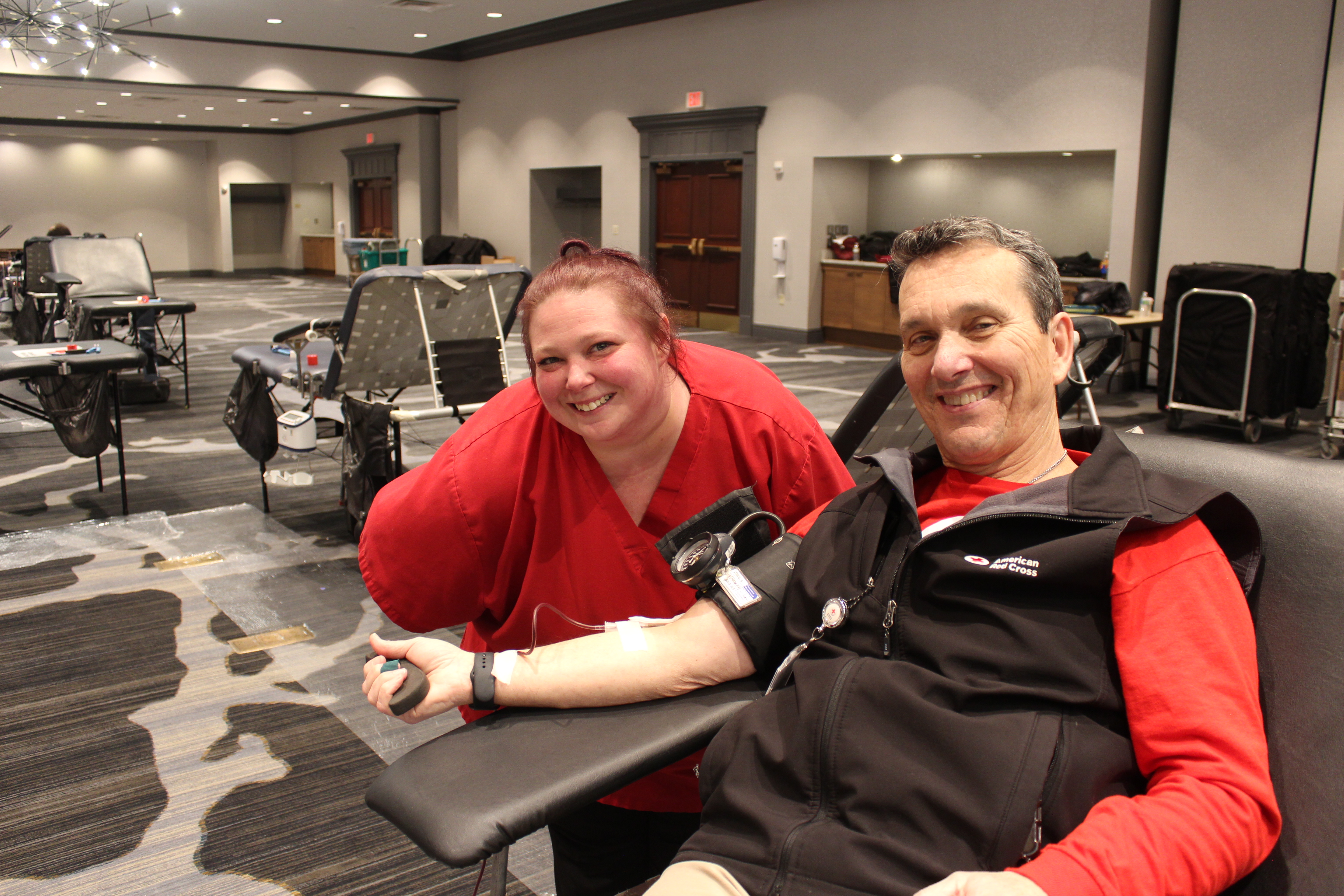
There are many ways you can support the Red Cross. Celebrate Red Cross Month by supporting your community through one or more of these activities:

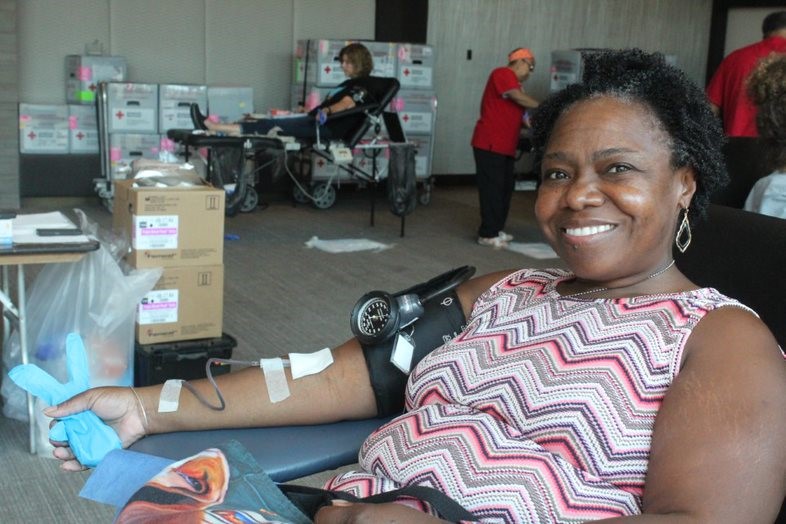
 Donate Blood. About 40% of the nation’s blood supply comes from Red Cross blood donors. Blood drives are held every week in locations across Northern Ohio. Find an upcoming drive.
 Become a volunteer. The Red Cross offers many different opportunities to volunteer in Northern Ohio. These roles include administrative support, clinical support, disaster response, IT support, blood donor ambassadors and more.
– Interested in becoming a volunteer? Join the upcoming volunteer information session
on March 10th
.
 Make a Financial Donation. Donations of any amount can make a difference. The Red Cross offers several different ways that you can make a financial contribution.
 Take a Class. Get trained and certified in a lifesaving skill. Find a class.

Posted by Ryan Lang, American Red Cross Board Member and communications volunteer


Red Cross Home Fire Campaign reaches goal of installing 2.5 million free smoke alarms nationwide

Since October 2014, the campaign has saved at least 17 lives in Northern Ohio

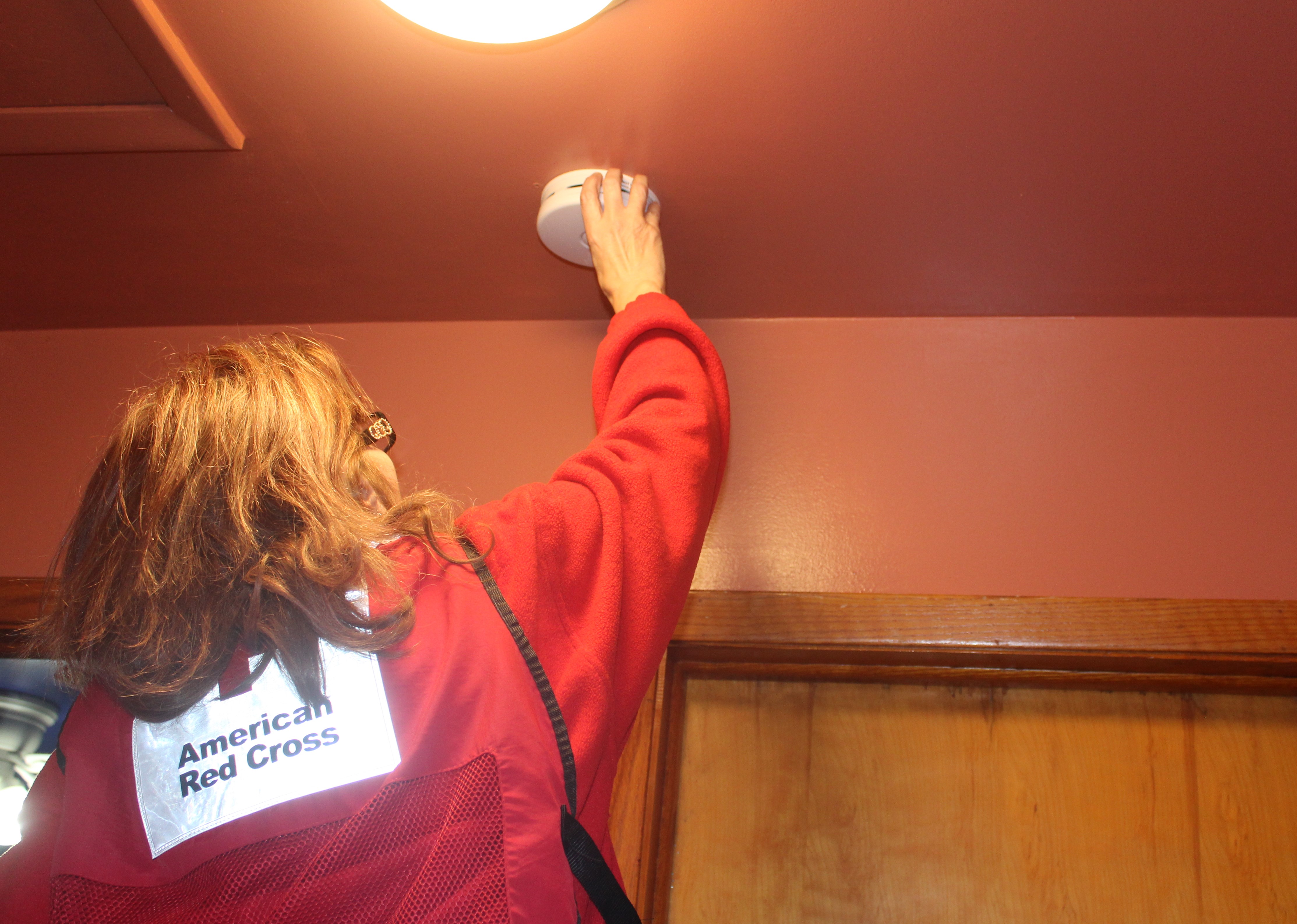
The American Red Cross Home Fire Campaign with the support of community partners has achieved its goal of installing 2.5 million free smoke alarms and making 1 million households safer across the country.

Since launching in October 2014, the campaign has saved at least 1,583 lives nationwide — including 17 people in Northern Ohio — from the threat of home fires, which claim seven lives every day in the U.S. Most often, these tragedies occur in homes without working smoke alarms.

“We are proud of our incredible work with community partners to help save lives by providing free smoke alarms in Northern Ohio as part of the national Home Fire Campaign,” said John Gareis, Regional Preparedness Manager. “And we take special pride in knowing that the smoke alarm program we started more than 30 years ago in Cleveland served as a model for the current Red Cross Home Fire Campaign.” Watch a video of the history of the Home Fire Campaign in Cleveland. 

In Northern Ohio since the start of the Home Fire Campaign in 2014, Red Cross volunteers and partners have:
 Installed more than 100,000 free smoke alarms
 Made 37,400 households safer
 Educated more than 31,000 children through youth preparedness programs

FREE HOME FIRE SERVICES TO CONTINUE Because home fires remain a daily threat and the campaign has made a lifesaving difference, the Red Cross will be continuing the program with community partners as part of its standard services, including Sound the Alarm events in communities throughout the region this spring to install free smoke alarms.

Visit soundthealarm.org/noh for a home fire safety visit if you need assistance, or to volunteer. No prior experience is needed. Training will be provided before volunteer teams visit area homes to install smoke alarms and share fire safety information. During the Sound the Alarm appointments, volunteers will install free smoke alarms, and will share information on the causes of home fires, how to prevent them, what to do if a fire starts and how to create an escape plan.

In addition, the campaign’s other services will continue, such as teaching children about the threat of home fires and what to do through youth preparedness programs, installing accessible fire safety equipment like bedshaker alarms and strobe light smoke alarms for residents who are deaf or hard of hearing, and providing home fire
safety resources in American Sign Language.

Home fires account for most of the more than 60,000 disasters that the Red Cross responds to annually in the Northern Ohio Region and across the country. So far in 2023, Red Cross volunteers have helped nearly 400 people affected by nearly 200 home fires in the Northern Ohio Region by providing emergency lodging, financial
assistance for urgent needs like food and clothing, and one-on-one recovery support for navigating next steps and connecting with community resources.

ONE HOME FIRE SURVIVOR’S STORY: Akron grandfather Shawn Spaulding had just returned home after a long day at work when fire broke out in his home. Read about his escape here.

Read more stories and see the campaign’s national impact at redcross.org/HomeFireStories.

HOW TO GET INVOLVED Help save lives through the campaign by becoming a volunteer or making a financial donation to prepare, respond and help families recover from home fires. Learn more at redcross.org/noh.

You can also help your family by testing your smoke alarms monthly and practicing your two-minute home fire escape plan. Additional safety tips are available at redcross.org/fire and on the free Red Cross Emergency app (search “American Red Cross” in mobile app stores).

Posted by Ryan Lang, Red Cross board member and volunteer

Plea for blood donors who are Black to give during Black History Month

Donors essential for helping patients with sickle cell disease

By Sabrina Spikes, American Red Cross Blood Donor Recruitment Manager

Sickle Cell disease is the most common genetic blood disease in the U.S., affecting about 100,000 people—primarily affecting Black and African American individuals. Though there is no widely available cure, the Red Cross supports one of the most critical sickle treatments of all—blood transfusions. For many patients, a close blood type match is essential and is found in donors of the same race or similar ethnicity.

Blood donor Bridget C. Miller Harper at the 2021 Cleveland Browns blood drive

Blood transfusions from individuals of the same race or similar ethnicity and blood type are the most effective way to help patients experiencing a sickle cell crisis. Since the majority of people with sickle cell are of African descent, blood donations from Black individuals are essential in helping those suffering from this disease.

When provided blood from a donor of similar race or ethnicity, patients have fewer chances of complications. In the donor recruitment department here at Red Cross, we encourage individuals in the Black community to host blood drives and give blood. By collaborating with our community partners, we also provide and encourage blood donation education to increase the likelihood of a successful blood donation.

Blood donor Keith Lofton of Olmsted Falls donated in Rocky River in 2022

While working with community organizations, I have talked to many persons with sickle cell disease. They report experiencing anemia (a shortage of red blood cells), fatigue and severe pain crises. Often the only treatment available to alleviate this pain is blood transfusion. Some individuals with sickle cell disease can require up to 100 pints of blood per year. This makes minority blood donation critical.

Donating blood can make a difference in the lives of patients battling sickle cell disease, but also cancer, and other chronic illnesses. When we increase the number of blood donors who are Black, we diversify the blood supply – a critical step to improving health and wellness in the community. Together, we can raise awareness of the impact and need by hosting a blood drive or visiting redcrossblood.org to sign up to donate at a blood drive in your community.

Posted by Ryan Lang, American Red Cross board member and volunteer

Recognizing and honoring family caregivers

Celebrating National Caregivers Day in Northern Ohio – February 17, 2023

By Doug Bardwell, Red Cross volunteer

National Caregivers Day originated from the efforts of the Caregiver Action Network
(CAN), a nonprofit organization dedicated to supporting and advocating for family
caregivers. In 2015, CAN established the holiday to honor the millions of family
caregivers who provide care to their loved ones.

February 2012. Baltimore, Maryland. Used for the development of the 2012 American Red Cross Babysitting Training program, which provides participants with the tools needed to provide the best care to infants and children aged 10 and younger. Geared for sitters, nannies, au pairs and caregivers 16 and older, the course is composed of both online and in-person learning. Photo credit: American Red Cross © Stock photo taken for the American Red Cross.

There are many individuals in northern Ohio who serve as family caregivers, providing
compassionate care for their loved ones day in and day out. This includes spouses
caring for their partners with Alzheimer’s disease, adult children caring for parents with
chronic illnesses, and siblings caring for siblings with disabilities.

What can you do?

Some other things each of us can do to recognize these caregivers are:

  1. Offer to help with household tasks or errands, such as grocery shopping or cooking a meal.
  2. Provide emotional support and a listening ear to caregivers who may be feeling
    overwhelmed or stressed.
  3. Give caregivers a break by offering to stay with their loved one for a few hours so
    they can have some time for themselves.
  4. Offer to drive caregivers and their loved ones to medical appointments or other
    important engagements.
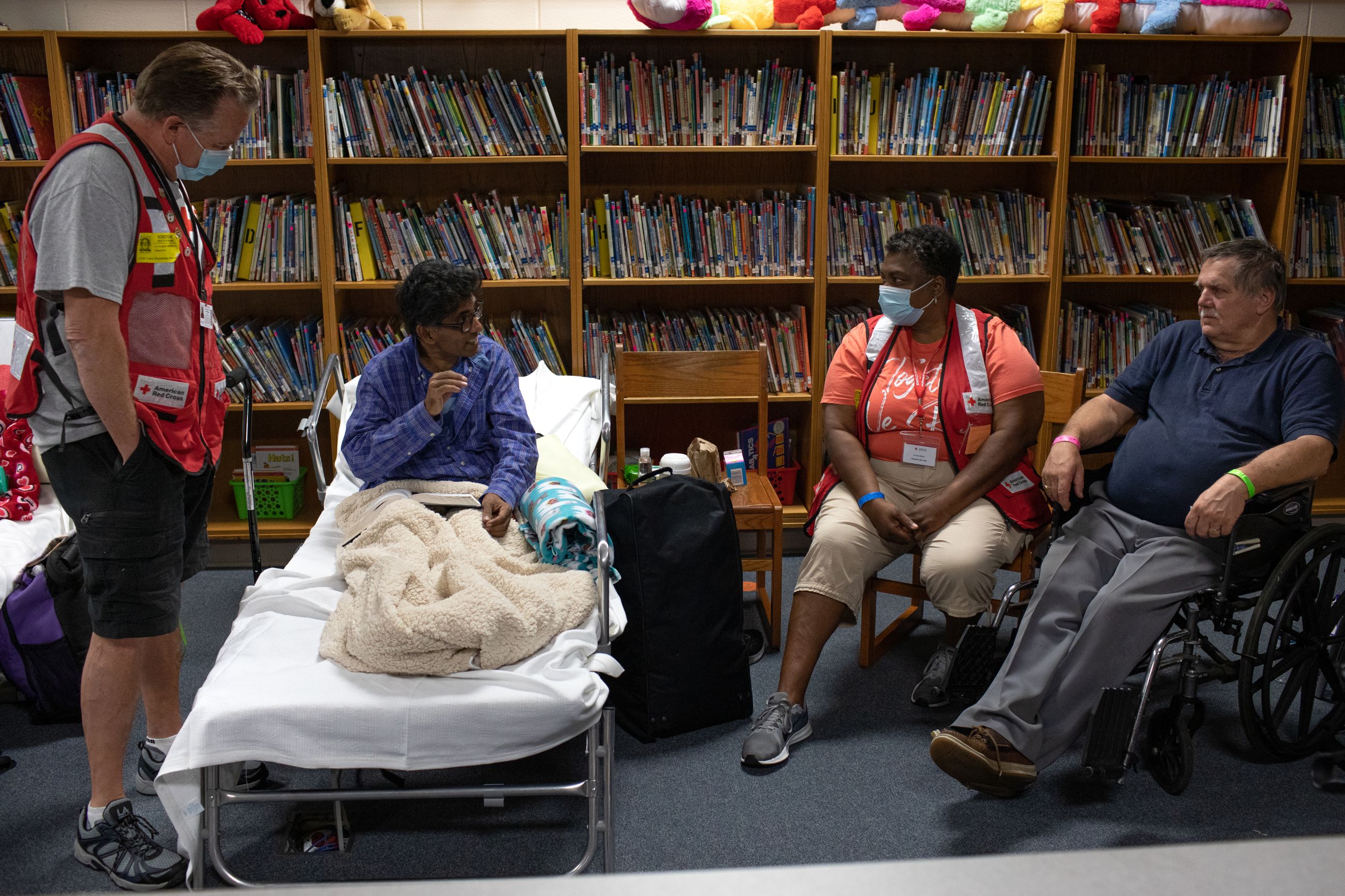
September 28, 2022. Clermont, Florida Red Cross volunteer Cynthia Myatt checks up on the Wilberts who are staying in the evacuation shelter at the Lost Lake Elementary School in Clermont, Fl. The shelter, staffed by Red Cross volunteers and County Health Services nurses, is caring for local residents who were forced from their homes by Hurricane Ian. “My wife is on oxygen,” related Tom Wilbert, “and I didn’t want her be at home if the electricity went out. I’m her caregiver.” Wilbert remembers the power interruptions and devastation from Hurricane Irma, and wanted to be prepared. He said that he and his wife also took shelter In this same building for a storm in 2019. The Wilberts brought along their two dogs but couldn’t corral the cat to take along with them. “I like this shelter,” he said, “because its pet friendly and they have nurses here to help me care for my wife.” Photo by Marko Kokic/American Red Cross
Let the American Red Cross help

While the Red Cross is not directly affiliated with National Caregivers Day, the
organization does provide support and resources for caregivers. The Red Cross offers a
variety of courses and training programs, including caregiving courses, to help
individuals develop the skills they need to care for their loved ones.

In addition, the Red Cross provides assistance to caregivers in times of emergencies
and disasters, such as providing relief supplies or connecting caregivers with local
resources and support services.

National Caregivers Day serves as an important reminder to recognize and support the
vital role that caregivers play in our communities. By showing our appreciation and
offering support, we can make a difference in the lives of those who dedicate their time
and energy to caring for their loved ones.

Need help getting started?

Check out the following Red Cross options:

Take a class – online, in a classroom, or a combination of both
Learn more about the Military and Veteran Caregiver Network
Shop for caregiver training manuals and DVD’s

For other local care resources, check with

Benjamin Rose Institute on Aging
Western Reserve Area Agency on Aging

Edited by Glenda Bogar, American Red Cross volunteer

Posted by Ryan Lang, American Red Cross board member and volunteer

Inspired by a loved one’s gift: One of a thousand reasons to give life

By J. D. Brink, American Red Cross volunteer

Everyone has their own reasons for donating blood with the American Red Cross. Some are inspired by family members, donating to follow in their generous footsteps. Others are charitable by nature. What could be more charitable than giving the gift of life? And former recipients of transfusions sometimes see it as a means of giving back, returning a past favor when they themselves or someone they love were in critical need.

For Candy Sendelbach of East Toledo, it’s a combination of all three.

Candy Sendelbach and her husband Greg

“My husband was diagnosed over a year ago with a very rare blood disease,” she said. “Greg is the love of my life. Funny, creative and loves helping others.  Someone donates blood so he can have regular transfusions that allow him to still be active in spite of his disease. I choose to pass that gift to someone who is in need.”

Greg has PNH. Paroxysmal nocturnal hemoglobinuria (PNH) is a disorder that leads to the premature destruction and impaired production of blood cells. Red blood cells carry oxygen in the body. White blood cells fight infections. And platelets clot the blood to stop bleeding. All three are affected by PNH. The long, complicated name is derived from the visually shocking results patients may find first thing in the morning, when their urine is colored with dead blood cells.

“Bone marrow transplant is the cure,” Sendelbach explained, “but he would not survive it, so he gets medication infused every two months. Unfortunately, the meds aren’t working well so he is receiving blood transfusions every four to six weeks now. While my blood isn’t compatible, I donate so someone else can have a chance at a better life. We are grateful for the donor who helps us and believe God wants us to bless others.”

Sendelbach said that she sometimes donates whole blood but usually gives platelets. “That way I can give more often. And I know they’re going directly to cancer patients.”

Whole blood can be given every eight weeks, up to six times a year. Power Red donations (concentrated red blood cells) can be given every 16 weeks. But platelet donors may give every seven days, up to 24 times a year. 

Toledo’s Executive Parkway location is her blood donation center of choice. A whiteboard on the wall lists where the day’s donations are going. Sendelbach listed cancer patients and a car accident victim as examples she’s seen.

“The people are phenomenal and great to work with,” she added. “Knowing where your blood is going keeps you motivated to give again and again. It’s easy, very little pain and the reward far outweighs any inconvenience.”

To find out if you are eligible to donate blood, visit this page. Ready to give blood to give someone the gift of life? Then find a blood drive near you HERE.

Edited by Glenda Bogar, American Red Cross volunteer

Posted by Ryan Lang, American Red Cross board member and volunteer

Longest-standing shelter in years closes after evacuation order is lifted

Red Cross volunteers provide a safe place for residents of East Palestine to stay

By Jim McIntyre, American Red Cross Regional Communications Director

The American Red Cross Northern Ohio Region seldom experiences a large-scale natural disaster, like hurricanes and wildfires – thankfully!  Many volunteers from our region often travel to help people in other areas of the country where natural disasters are more prevalent.  As a result, they have gained valuable experience sheltering people when they’ve been driven from their homes.

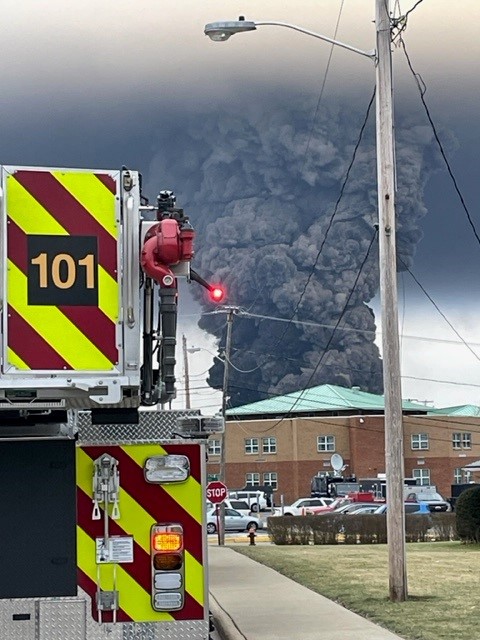
That experience proved to be mighty valuable when railroad cars transporting chemicals derailed in East Palestine, Ohio on Friday, February 3rd, 2023.

Residents who live within a one-mile radius of the derailment found themselves in an evacuation zone and were told to leave their homes as a precaution.  The Red Cross was asked to open and staff a shelter for those residents.

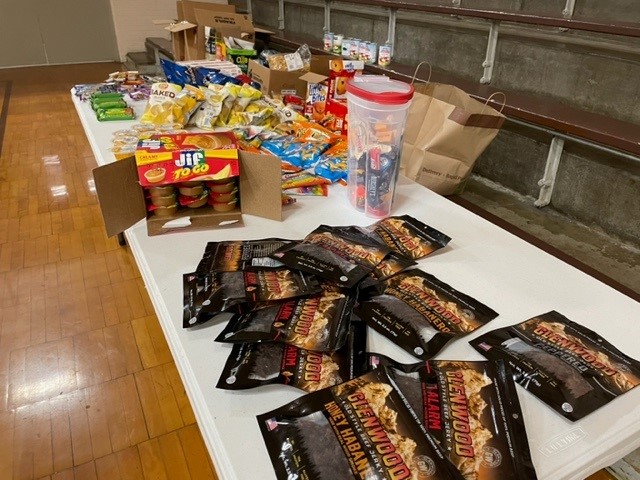
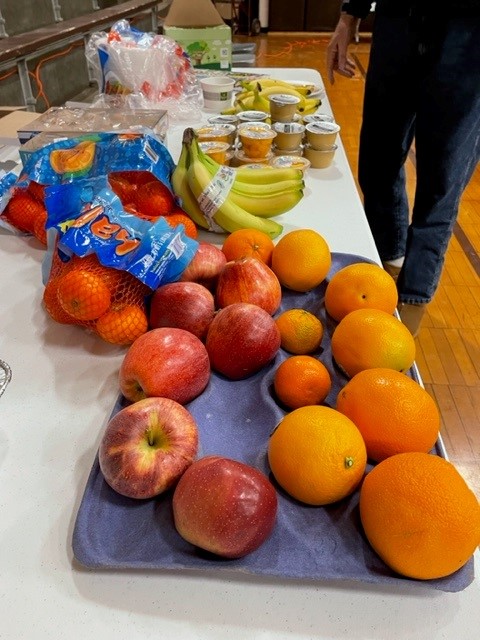
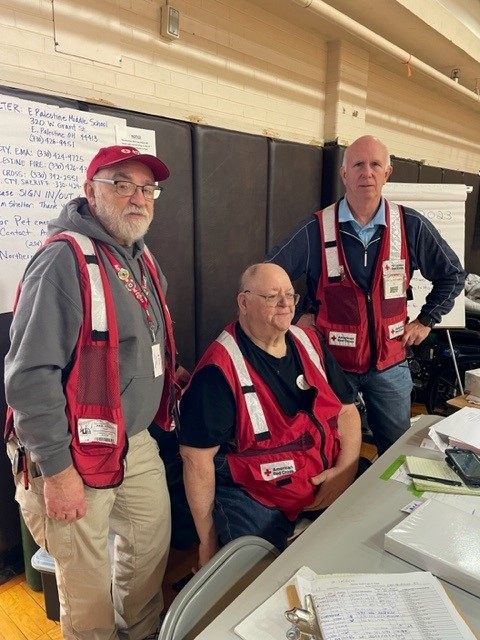
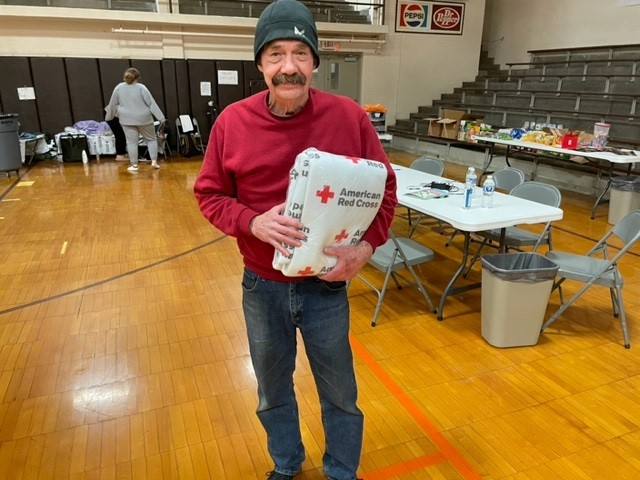
By Saturday morning, February 4th, a shelter stocked with cots, blankets, personal hygiene items and other necessities was established in a gymnasium at East Palestine High School, outside the evacuation area.  Many residents took refuge there.  Red Cross volunteers provided those residents of East Palestine with a safe place to stay and helped serve meals provided by various community partners.

Over the course of five days and four nights, Red Cross volunteers worked 12-hour shifts, providing more than 100 overnight stays in the shelter, and serving nearly 400 meals – breakfast, lunch and supper, along with beverages and snacks that were made available throughout the day and night.

“Congratulations to the Greater Akron and Mahoning Valley team (Kristen Gallagher, Debbie Chitester and Rachel D’Attoma), along with a lot of support from the Heartland, Stark Muskingum Lakes chapter for standing up and sustaining the longest running shelter operation in this region since I have been here,” said Tim O’Toole, Regional Disaster Officer.  “Great work Team.  I couldn’t be prouder.”

Mike Parks, Regional CEO, said in a message to the Red Cross staff, “The teamwork and selfless sacrifice so many of you displayed not only helped our clients (East Palestine residents) but went a long way in strengthening our relationships with our partners and the community in general.   You also did an outstanding job sharing our Red Cross story with numerous members of the media.”

Residents like Robert Gee noted that the Red Cross staff not only tended to their immediate needs – they also sought outside help when necessary, like Emergency Medical Service personnel when a resident needed help with her oxygen tank.

“They couldn’t have been more helpful,” he said of the Red Cross volunteers.

Charel Smith was able to keep her family together during the ordeal, sharing the shelter with her husband Keith, daughter Tammy and grandson Tanner.

And her beloved pet, Molly.

“She’s my baby.  I couldn’t leave her home alone.  The schools allowed her to stay in here with me.”

CEO Parks summed up his message to the staff: “It’s events like this, however unfortunate they may be, that clearly point to the incredibly important role the American Red Cross plays in our local communities.”

The Red Cross can always use volunteers from the community to help during disasters.  Visit redcross.org/volunteer for more information about helping people during their time of need.

Visit our photo album here for more images.

Watch a video wrap-up of the sheltering effort here.

The power of platelets in fighting cancer

By Tim Poe, American Red Cross volunteer

Platelet donations are crucial in the ongoing fight against cancer. Their importance is movingly illustrated by a recent quote we received from Mandi Kuhlman, an American Red Cross blood donor in Putnam County, Ohio. Mandi said, “My 2 ½ year old son was diagnosed with acute lymphoblastic leukemia and through the course of his treatment he needed transfusion after transfusion. Between red blood cells and platelets he received 25 transfusions within the first few months of treatment as the chemo severely impacted his counts. Without the generosity of donors his outcome could have been much different, so I started donating to give someone else the precious gift of life saving transfusions.”

Mandi’s quote sums up the need and effectiveness of platelet donation for cancer treatment, the love of a parent, and the inspiration to help others. As February 4th is World Cancer Day — and February is National Cancer Prevention Month — we wanted to share her quote and highlight the need for platelet donation.

Platelets are a vital component in treating patients with cancer and other chronic diseases, as well as those recovering from traumatic injuries, as they stick to the lining of blood vessels, help form clots, and stop bleeding.

Nearly half of donated platelets go to cancer patients, as cancer and cancer treatments put them at risk for low red blood cells and low platelet counts, known as thrombocytopenia. In addition, some types of chemotherapy can damage bone marrow, which lowers the production of platelets. Cancers such as leukemia and lymphoma attack the bone marrow as well.

In addition, hospitals have a continual need for platelets, as they must be transfused within just 5 days after donation. In fact, on average a U.S. cancer patient needs a platelet transfusion every 30 seconds, and new cancer cases are expected to increase more than 36% by 2040, increasing their demand.

Platelet donation is a little different than regular whole blood donation. They need to be donated at select Red Cross Donation Centers and require an appointment.  

During the donation:

  • A relatively small amount of blood is drawn from a donor’s arm and goes into a blood cell separator. ​
  • This blood is rapidly spun, which forces the platelet cells to the bottom. ​
  • These cells then go into a sterile, single-use plastic bag. ​
  • Meanwhile, the rest of the blood — the plasma, red cells and white cells — is returned to the donor.
  • This cycle is repeated several times. A single donation of platelets often constitutes several transfusable platelet units.​

The Red Cross is especially seeking platelet donors with the following blood types and a high platelet count:​ A positive​, B positive​, AB positive​, AB negative​. (Type O negative and type B negative can make the most impact by giving whole blood or a Power Red donation.)

For more information or to make an appointment to donate platelets, please visit this page. You can also visit RedCrossBlood.org, download the Blood Donor App, or call 1-800-RED CROSS (1-800-733-2767).

Then and Now: Celebrating Black History Month, recognizing African American contributions to Red Cross

By Doug Bardwell – American Red Cross volunteer

Editor’s note: This article originally posted in February, 2022 to recognize Black History Month.

It’s 1860, and there’s an outcry from voters who can’t accept the results of that year’s election. Abraham Lincoln is declared winner, without carrying a single southern state. Before his inauguration, seven southern states secede from the union, followed by others soon thereafter. Civil war ensues.

As the Civil War concludes in 1865, Clara Barton is commissioned by Abraham Lincoln to locate missing soldiers. She sends 63,000 letters and locates 22,000 missing men. The American Red Cross is founded 16 years later in 1865 in Washington, D.C., and is still in charge of contacting armed service members.

With Lincoln gone, Reconstruction effectively fails, and thousands of freed slaves are forced to return to the plantations and their former owners. Many stayed along the eastern coastline. In 1893, the country’s largest recorded hurricane hit the coastal islands with a storm surge of 10 to -12 feet and 20-foot waves on top of that, killing up to 3,500 inhabitants, 92% of which were Black.

Sea Islands Hurricane – 1893

Clara Barton answered the call to this huge disaster, the biggest to date for the Red Cross. The U.S. Congress refused to provide any aid short of some seeds, tents, and a couple deep-draft boats. All the funds to care for 30,000 displaced persons had to come via requests for donations from Clara, who got newspapers to run the story across the entire eastern half of the U.S.

Frances Reed Elliot Davis

Possibly motivated by Clara’s efforts, 10-year-old Frances Reed Elliott Davis was
growing up in North Carolina and had lived through that storm. Despite being
orphaned, she taught herself to read and write. Wanting to become a nurse, she
entered nursing school in 1910. She was the first African American to pass the
final board exams in Washington, D.C. Eight years later, she became the first
officially recognized African American nurse to be accepted into the Red Cross
Nursing Service.

Frances Reed Elliot Davis

That same year, Red Cross nurses combated the worldwide H1N1 influenza epidemic. With the returning injured troops from World War I, and the raging pandemic, Red Cross volunteers grew to 20 million adults and 11 million junior members.

Later, in Michigan, Davis helped organize the first training school for African American nurses at the Dunbar Hospital. In the 1940s, Davis established a childcare facility that caught the attention of first lady Eleanor Roosevelt, who helped plan for and fund the center.

Mary McLeod Bethune

About this time, Mary McLeod Bethune was serving as an advisor to President
Roosevelt. She became the highest ranking African American woman in government when the president named her director of Negro Affairs of the National Youth Administration, making her the first African American woman to head a federal agency.

Mary McLeod Bethune

Bethune was one of five committee members who made recommendations on the blood plasma project, the use of African American staff in overseas service clubs, the enrollment of African American nurses and the representation of African Americans on local and national Red Cross committees and staff departments.

Dr. Jerome Holland

During his time as president of Hampton University in 1964, Dr. Holland became
a member of the American Red Cross Board of Governors. He served as a member until he resigned in 1970 to become the U.S. Ambassador to Sweden. He was the second African American to lead a delegation in any European nation.

Dr. Jerome Holland

Dr. Holland was later appointed by President Jimmy Carter to be the chairman of the American Red Cross Board of Governors in 1979, and was the first African American to hold this position. Because of his commitment to the Red Cross, he was appointed again in 1982.

While serving on the board, Dr. Holland showed a passion for blood research and took the lead in consolidating growing laboratory operations for the Red Cross Blood Services program. He also encouraged Red Cross regions to integrate their volunteers so important services could be extended to the entire community, regardless of a person’s ethnicity or background.

We salute them

History has a way of repeating itself. Whether it was a pandemic flu, a giant, slow-moving hurricane, or the need to improve blood research, the same needs are still being met by the Red Cross today. To contribute to the cause, click here. To volunteer and do your part to help others in need, click here.

Other African American contributions

To read more about the contributions of other African Americans to the American Red Cross, you might like these articles:

Steve Bullock – Acting President of American Red Cross in 1999

Frederick Douglass – Friend of Clara Barton

Gwen T. Jackson – American Red Cross Board of Governors

Dr. Charles Drew – Blood Bank Pioneer

Edited by Glenda Bogar, American Red Cross volunteer

No more donor deferrals related to ‘mad cow’ concerns

John Dowell, blood donor

By EILENE E. GUY, American Red Cross volunteer

During this National Blood Donor Month, I’d like to salute American Red Cross blood donor John Dowell, even though he out-ranks me.

John, who makes his home in Lakewood, finished his service in the U.S. Air Force as a senior airman/sergeant. When he returned to civilian life, he tried to donate blood but couldn’t because he had been at RAF Upper Heyford near Oxford, England, from March 1981 to March 1983.

For decades, the U.S. Food and Drug Administration banned blood donations from folks who had spent time in certain European countries during the 1980s and ‘90s, to prevent transmission of a deadly brain infection commonly known as “mad cow disease.”

The Red Cross, of course, respected that ban, which meant turning away potentially hundreds of thousands of donors, including many in the military community who had served overseas.

Last year, the FDA lifted the final section of its “mad cow” ban after finding there had been no reported cases of the brain disease associated with time spent in the United Kingdom, France and Ireland.

“As soon as I heard about it (lifting of the ban), I was right down there to donate the next day,” John said.

John comes from a family of dedicated blood donors – mom, dad and sister – so he started donating when he was in high school. “I was just a couple of pints short of a gallon when I went into the air force,” he said.

John Dowell donating blood 2022

“I believe in it. It’s important to have that spare blood on the shelf,” he said. “I don’t try to recruit people – if you want to donate, fine. If not, I’ve got your back,” he added with a chuckle.

But John is active in a couple of Facebook groups populated by the military community. When he posted about the lifting of the “mad cow” donor ban, “I got a big response, an overwhelming response. ‘Hey, that’s great to know. Thanks for putting out the word’,” his Facebook friends replied.

So, I want to salute Sgt. John Dowell for his service, in uniform and as a civilian, doing his bit to be sure there’s “blood on the shelf” for those who need a lifesaving transfusion.

If you, or someone you know – military or civilian – has been deferred from giving blood because of the “mad cow” (variant Creutzfeldt-Jakob Disease) criteria, you can contact the Red Cross Donor and Client Support Center at 1-866-236-3276 for more information.

During National Blood Donor Month, please consider joining the ranks of folks, young and old, who serve their country in a profound way. I salute you.

To find a blood drive near you, go to http://www.redcrossblood.org or call 1-800-REDCROSS.

Posted by Ryan Lang, American Red Cross volunteer and board member

Day of service in Newcomerstown

Neighborhood where family perished in home fire made safer

Dozens of residents in Newcomerstown, Ohio are safer in their homes, after Red Cross and community volunteers banded together on Saturday to install free smoke alarms and share home fire safety information.

The effort targeted the neighborhood where six people died – four children and their parents – in a fire on the day after Christmas. Investigators found no evidence of smoke alarms in the home.

Newcomerstown Mayor Patrick Cadle and five village council members gathered with about two dozen Red Cross volunteers, some coming from as far away as Cleveland, for a brief training session prior to splitting into teams of three or four and going door to door on several streets in the neighborhood.

Newcomerstown Mayor Patrick Cadle

“I was unaware that the Red Cross did this,” said Mayor Cadle, referring to the Red Cross Home Fire Campaign, which includes making homes safer with the installation of free smoke alarms.

“If I had known they didn’t have smoke alarms I would have contacted you for them,” said Kitty Clay, who lives on Spaulding Avenue, next door to the home that burned. She said she and other neighbors were outside for several hours, watching firefighters battle the blaze. “There was nothing we could do,” she said.

Village Councilmember Michael Wise shares home fire safety information with Spaulding Avenue resident Kitty Clay

Village Council member Michael Wise was on the team that inspected Kitty’s home on Saturday. He made sure there was a working smoke alarm on every level of the home. It was one of 52 homes made safer that day, as 136 smoke alarms were installed.

“We’re not stopping there,” said Tim O’Toole, Regional Disaster Officer for the Red Cross of Northern Ohio. “We plan to come back in April, when we include Newcomerstown as part of our Sound the Alarm event,” he said. Sound the Alarm is an annual campaign that targets neighborhoods at high risk for home fires nationwide for home fire safety visits and smoke alarm installations.

“This is just the beginning,” said Elizabeth Cante, Disaster Program Specialist with the Heartland, Stark and Muskingum Lakes Chapter. “We will also be helping students at the elementary school whose classmates lost their friends with preparedness education. Our job has only just begun.”

See more photos from the day of service in Newcomerstown here.

Visit soundthealarm.org/noh for more information on how to make your home safer, and to request free smoke alarms.