Don’t put yourself and others at risk: avoid or be cautious around backyard fireworks

By Tim Poe, American Red Cross volunteer

July 3, 2020- Fireworks have been part of Fourth of July celebrations since 1777; unfortunately, so have injuries. This year may pose increased risks, as many have responded to the cancelation of professional community displays by purchasing consumer fireworks.

Cleveland.com reports that fireworks complaints in our area have surged, with Cleveland alone seeing a 461% increase. Many regions in the U.S. are seeing similar increases, according to CNN, while the American Pyrotechnics Association anticipates this year will set an all-time high for backyard consumer fireworks sales.

Fireworks-safety-tw

The number of injuries caused by fireworks in a typical year, however, is sobering. The U.S. Consumer Product Safety Commission states that, in 2019, about 10,000 injuries and 12 fireworks-related deaths were reported, 73% of which occurred from June 21 to July 21. During that period, sparklers alone caused 900 injuries, many of them to children. (The full report is here).

Andrew Neading, burn program coordinator at Cleveland’s MetroHealth System, said that MetroHealth anticipates an increased number of burn injuries this year.

“MetroHealth treats approximately six burn and blast injuries related to firework use every year,” he said. “Although most of these injuries can be treated as an outpatient, some do require an inpatient stay. Inpatients may require skin grafting and reconstructive work given the extent of injury.”

purple red white and orange fireworks display

Photo by Public Domain Pictures on Pexels.com

Andrew also mentioned the risk posed by sparklers as their high burning temperature can cause deep burns. He advised close parental supervision, as well as keeping fireworks in a secure location away from children. Andrew also noted that alcohol is often a contributing factor in both traumatic and burn injury and to please consume it responsibly. He added, “Be safe and enjoy the holiday!”

Given the risks of injury and fire, particularly during a time when medical professionals and facilities are stressed, and that most fireworks are illegal in Ohio, the Northern Ohio Region of the American Red Cross recommends avoiding backyard fireworks to help ensure a safe and happy Fourth holiday.

couple holding sparklers

Photo by cottonbro on Pexels.com

If you decide to light fireworks anyway, the Red Cross recommends that you:

  • Check first if it is legal in your area. (Only “trick and novelty” fireworks that smoke, pop, and/or sparkle are currently legal in Ohio).
  • Never give fireworks to small children, and never throw or point a firework toward people, animals, vehicles, structures or flammable materials.
  • Always follow the instructions on the packaging.
  • Keep a supply of water close by as a precaution.
  • Make sure the person lighting fireworks always wears eye protection.
  • Light only one firework at a time and never attempt to relight a “dud.”
  • Store fireworks in a cool, dry place away from children and pets.

These and other July Fourth safety tips are available here.

Fireworks are especially stressful for pets. The American Veterinary Medical Association offers suggestions here.

However you celebrate this Independence Day, we hope you have a safe and enjoyable experience.

Edited by Glenda Bogar, American Red Cross volunteer
Red Cross offering virtual safety courses for all ages

Learn how to prepare for disasters like tornadoes and flooding at no cost

By Eric Alves, American Red Cross of Northern Ohio

June 25, 2020- As Northern Ohio, like the rest of the world, is adjusting to the new reality caused by the coronavirus, it is often hard to find ways to entertain ourselves, despite businesses slowly reopening.

The other reality is, as more Ohioans stay home in record numbers, including the fact we are now in the volatile summer storm season, there is a higher risk for disasters to occur.

IMG_7203

Safety is the number one priority for the American Red Cross, may it be ensuring the safety of residents from disasters, such as home fires, through safety courses, or preventing the spread of the coronavirus. This is why the Red Cross of Northern Ohio is offering virtual disaster safety preparation courses.

Each course is free to the public, lasts approximately an hour and covers a range of various disaster preparation topics.

Here is a list of the upcoming Be Red Cross Ready virtual sessions that is sure to have a topic of interest for everyone:

General Preparedness & Fire Safety

dunham ave 2

This presentation will focus on actions that you can take now, before an emergency happens, to make you and your family safer. The fire safety presentation discusses how you can avoid home fires, actions you can take if a fire occurs in your home, actions you can take to escape a fire and ways to make you and your family safe.

Tuesday, June 30- 3 PM

Tuesday, July 7- 3 PM

Wednesday, July 15- 3 PM

Thursday, July 23- 3 PM

Tuesday, July 28- 3 PM

Virtual Pillowcase Project


IMG_7199

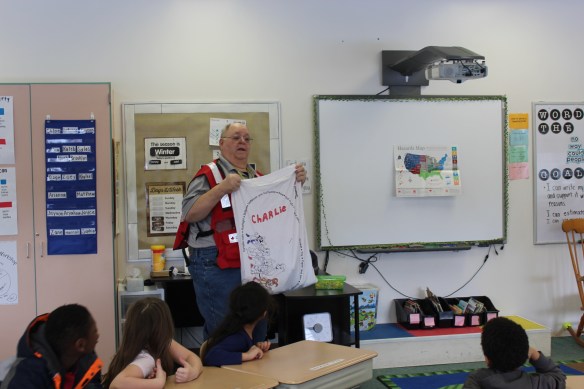
The Pillowcase Project is a preparedness education program for grades 3-5 that teaches students about personal and family preparedness, safety skills, local hazards and basic coping skills. Red Cross volunteers lead students through a “Learn, Practice, Share” framework to engage them in disaster preparedness and survival skills.

Wednesday, July 1- 3 PM

Wednesday, July 8- 3 PM

Thursday, July 16- 3 PM

Tuesday, July 21- 3 PM

Wednesday, July 29- 3 PM

General Preparedness & Tornado Safety

Texas Tornadoes 2020

It is summertime in Northern Ohio, which means it is tornado season. This presentation will cover the concept of “Build a Kit, Make a Plan and Be Informed.” It will also share tornado safety information and steps you can do to protect you and your family.

Thursday, July 2- 3 PM

Thursday, July 9- 3 PM

Wednesday, July 22- 3 PM

General Preparedness & Thunderstorm Safety

This presentation will share suggestions on how you and your family can be better prepared for all types of emergencies. It will also cover thunderstorm safety preparedness information, share information on how thunderstorms develop and steps you can take to be prepared.

Tuesday, July 14- 3 PM

General Preparedness & Flood Safety 

2002 Tropical Storm Isidore

This presentation will share suggestions on how you and your family can be better prepared for all types of emergencies. It will also cover flood safety preparedness information, share information on how flooding can happen and steps you can take to avoid being trapped in your home if flooding occurs.

Thursday, July 30- 3 PM

To join each presentation, click on the date of the presentation you are interested in to register and use the password Prepare20.

For more disaster safety tips, visit redcross.org. Be sure to also download the free Red Cross mobile apps, available in the Apple App Store or Google Play, for tools and preparedness information you need every day.


Red Cross issues heat safety tips as temperatures climb

By Jim McIntyre, Regional Communications Manager, American Red Cross of Northern Ohio

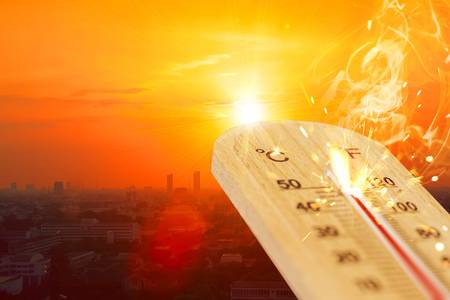
June 10, 2020- It’s hot out there and the soaring temperatures can be dangerous. The American Red Cross has steps people can follow to help stay safe when it’s hot outside.

heat wave


NEVER LEAVE CHILDREN OR PETS IN YOUR VEHICLE. The inside temperature of the car can quickly reach 120 degrees. Other heat safety steps include:

  • Stay hydrated, drink plenty of fluids. Avoid drinks with caffeine or alcohol.
  • Avoid extreme temperature changes.
  • Wear loose-fitting, lightweight, light-colored clothing. Avoid dark colors as they absorb the sun’s rays.
  • Slow down, stay indoors. Avoid strenuous exercise during the hottest part of the day.
  • Postpone outdoor games and activities.
  • Use a buddy system when working in excessive heat. Take frequent breaks if working outdoors.
  • Check on family, friends and neighbors who do not have air conditioning, who spend much of their time alone or who are more likely to be affected by the heat.

Centennial Campaign 2015

HEAT EXHAUSTION Excessive heat can lead to sunburn, heat cramps, heat exhaustion and heat stroke. If someone is experiencing heat cramps in the legs or abdomen, get them to a cooler place, have them rest, lightly stretch the affected muscle, and replenish their fluids with a half a glass (about 4 ounces) of cool water every 15 minutes.

If someone is exhibiting signs of heat exhaustion (cool, moist, pale or flushed skin, heavy sweating, headache, nausea, dizziness, weakness exhaustion), move them to a cooler place, remove or loosen tight clothing and spray the person with water or apply cool, wet cloths or towels to the skin. Fan the person. If they are conscious, give small amounts of cool water to drink. Make sure the person drinks slowly. Watch for changes in condition. If the person refuses water, vomits or begins to lose consciousness, call 9-1-1.

HEAT STROKE IS LIFE-THREATENING. Signs include hot, red skin which may be dry or moist; changes in consciousness; vomiting and high body temperature. Call 9-1-1 immediately if someone shows signs of heat stroke. Move the person to a cooler place. Quickly cool the person’s body by immersing them up to their neck in cold water if possible. Otherwise, douse or spray the person with cold water, or cover the person with cold, wet towels or bags of ice.

Hurricane Harvey 2017

DON’T FORGET YOUR PETS Check on animals frequently to ensure that they are not suffering from the heat. Make sure they have plenty of shade and cool water.

  • Animals can suffer heat stroke, a common problem for pets in the warmer weather. Some of the signs of heat stroke in your pet are:
    • Heavy panting and unable to calm down, even when lying down.
    • Brick red gum color
    • Fast pulse rate
    • Unable to get up.
  • If you suspect your pet has heat stroke, take their temperature rectally.
    • If the temperature is above 105 degrees, cool the animal down. The easiest way to do this is by using the water hose. Stop cooling the animal when the temperature reaches 103 degrees.
    • Bring your pet to a veterinarian as soon as possible as heat stroke can lead to severe organ dysfunction and damage.

LEARN MORE

The Red Cross has several resources for people to learn how to treat heat emergencies including online and in-person training courses, a free First Aid App and Pet First Aid App, and a First Aid Skill for Amazon Alexa-enabled devices.

Spring tornado safety tips with recommended precautions to keep older adults safe

By Jason Copsey, American Red Cross volunteer

April 3, 2020- As the COVID-19 pandemic evolves daily, the American Red Cross faces a spring storm season unlike any other in recent memory. Amidst the dramatic changes everyone is experiencing in their day-to- day lives, some things remain the same: Spring will bring storms, and the Red Cross will be ready to help those impacted by them.

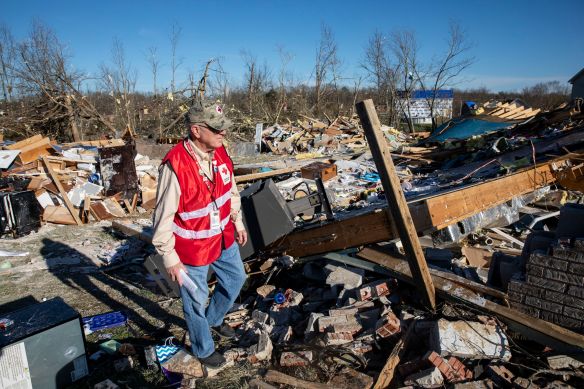
Tennessee Tornadoes 2020

As always, preparation is a critical responsibility we all share. April, May and June are the peak months for tornadoes in the United States, with each month bringing hundreds of events across the country. Although tornadoes are most common in Plains states, they can occur anywhere, at any time.

Last year, an EF2 tornado (with wind speeds of 111 to 135 miles per hour) touched down near Shelby, Ohio, traveling 17 miles across Richland County and leveling multiple homes. Red Cross volunteers provided shelter and assistance to those displaced by the storm.

Tennessee Tornadoes 2020

The Red Cross recommends a number of precautions to keep safe during a weather event that could produce a tornado, including:

  • Know your community’s warning system. Many communities use sirens intended for outdoor warning purposes.
  • Identify a safe place in your home to gather — a basement, storm cellar or interior room on the lowest floor with no windows.
  • Move or secure items outside that can be picked up by the wind.

While preparation is critical for everyone, recent research indicates older adults are more vulnerable during weather events compared to other age groups.

Tennessee Tornadoes 2020

A report produced by members of the American Red Cross Scientific Advisory Council and the American Academy of Nursing Policy Expert Round Table on Emergency/Disaster Preparedness for Older Adults identified several factors contributing to the heightened vulnerability of older adults, including:

  • A greater prevalence of chronic conditions, multi-morbidity, cognitive impairment and medication concerns during disasters.
  • A greater dependence on assistive devices (i.e. walkers, glasses) and support requirements, from caregivers and others, during disasters.
  • Likelihood of social isolation.
  • Potential for psychological distress.
  • Gaps in how prepared the caregivers of older persons are, especially those who care for older adults with dementia.

Tennessee Tornadoes 2020

Improving disaster preparedness among older adults, as well as response efforts, is even more important as we move into a 2020 spring storm season dramatically impacted by COVID-19. To help address this need, the report offers recommendations such as:

  • Older adults who are reliant on mobility aids should remove or minimize barriers affecting their ability to evacuate and should take steps to ensure their safety within their surroundings.
  • Programs that provide essential community services and assistance with daily living activities for older people (financial, medical, personal care, food and transportation) should develop plans and protocols related to responding adequately to the needs of their clients during emergencies and disasters.
  • Local governments should leverage data sources, such as registries, that identify at-risk individuals to enable emergency responders to more easily prioritize their search and rescue efforts following an emergency.
  • Healthcare professionals and emergency response personnel should receive training on providing geriatric care relevant to their discipline and how best to assist both older adults and their unpaid caregivers during disasters.

Many more tips to keep yourself and your family and loved ones safe are available at www.redcross.org.

You can also download the Red Cross Emergency App for instant access to emergency alerts, lifesaving information and ways to contact family and friends. Download the app for free in the Apple or Google app stores or at redcross.org/apps

Edited by Glenda Bogar, American Red Cross volunteer
Red Cross urges Northeast Ohio residents to practice and prepare for future disasters

COVID-19 social distancing measures provide opportunity to be prepared

 By Eric Alves, Regional Communications Specialist, American Red Cross of Northeast Ohio

March 23, 2020 — As individuals and families remain at home at a higher rate due to the COVID-19 outbreak and social distancing measures, the American Red Cross is urging all Northeast Ohio residents to take the time to prepare for future disasters.

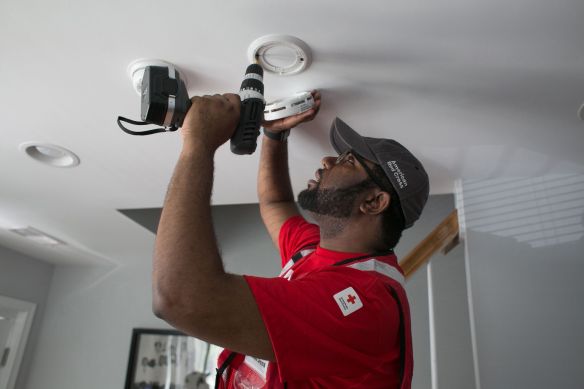
Sound the Alarm Event in Capitol Heights, Maryland 2019

Here are some safety tips to practice and follow while everyone is home together:

Home Fire Safety

Home Fire Save Story Birmingham, Alabama 2019

  • Install smoke alarms on every level of your home, inside bedrooms and outside sleeping areas.
  • Test smoke alarms every month. If they’re not working, change the batteries.
  • Talk with all family members about a home fire escape plan, make sure everyone has two exits out of every room.
  • Practice your fire escape plan and have everyone meet at the designated safe location. Make sure everyone escapes in two minutes or less.

Flood Safety

2002 Tropical Storm Isidore

Tornado Safety

Tennessee Tornadoes 2020

  • Talk about tornadoes with your family so that everyone knows where to go if a tornado warning is issued.
  • Ensure you have access to NOAA Radio broadcasts.
  • Prepare a pet emergency kit for your furry friends.

Thunderstorm Safety

  • Discuss thunderstorm safety and lightning safety with all members of your household.
  • Pick a safe place in your home for household members to gather during a thunderstorm. This should be away from windows, skylights and glass doors.
  • Make a list of items to bring inside in the event of a severe thunderstorm.

Sound the Alarm Event in Capitol Heights, Maryland 2019

Visit redcross.org to learn more emergency preparedness tips to ensure you and your family are Red Cross ready. Be sure to download the free Red Cross mobile apps, available in the Apple App Store or Google Play, for tools and preparedness information you need every day.

Cold weather safety tips – especially for seniors

By Doug Bardwell, American Red Cross volunteer

February 7, 2020- Surviving winter weather here in Northeast Ohio takes more than just praying for spring (and hoping the groundhog’s prediction is right this year). It can be especially dangerous for the elderly. So if you are a boomer, or you have parents that are, here’s a ‘Do’ and a ‘Don’t’ deserving some serious consideration.

Snow shoveling

Don’t. (If that’s not an option, continue reading.)

Doug 1

Consider rock salt or other chemical deicer pellets. Let that do the work instead of you.

If you must go out to shovel, stretch your arms and legs for a few minutes before going outside. Warm muscles work better and are less likely to cause problems.

Wear sturdy shoes or boots with good, non-slip soles. Old tennis shoes with no tread can be extremely slippery on ice. Wear a warm hat and gloves.

Use a sturdy, but lightweight shovel, and push rather than lifting if possible. If lifting is necessary, do it in small loads. If the snow is extremely heavy or wet, and you’ve had back problems, flex your knees while lifting instead of using your back muscles.

Have a friend or spouse check on you every couple minutes. If you should slip and fall, they can call 911 if needed. Even if you had your cellphone in your pocket, if you were to hit your head on the sidewalk, you could freeze before regaining consciousness.

Keeping warm inside

Do. Staying inside with a warm heat source is the best way to conquer winter weather, but all heat sources are not equal.

Doug 2

Never use your kitchen stove for additional heat.

Never burn anything in a fireplace or Franklin stove that is not properly vented. Make sure the flue is open and the chimney is unobstructed.

Keep all flammable materials away from the hearth area of your fireplace, especially draperies that might blow around the flames.

Only use UL-rated portable electric heaters and only use one per electrical circuit.

Never leave the electric heaters on at night or when you leave the room. Make sure the cords are not a tripping hazard.  Make sure pets can’t tip them over.

Check outside vents of heaters, water heaters, clothes dryers and furnaces to make sure they are not blocked by snow.

Install and check smoke alarms and carbon monoxide (CO) alarms regularly. If you need smoke alarms in your home, we can help. Call your local Red Cross chapter and get put on a list for free installation.

Consider donating to the American Red Cross

On average, the Red Cross responds to a home fire every eight seconds – many in the wintertime. For many people, we are the first organization to bring them financial help and ongoing assistance as they try to recover. It’s only with financial donations from people like you that we can offer this emergency assistance. Please consider donating, and keep warm!

Edited by Glenda Bogar, American Red Cross volunteer

Vaccines, healthy choices, tissues and the crook of your elbow: Tips to stay safe during flu season

By Tim Poe, American Red Cross volunteer 

January 31, 2020- We are in the midst of the flu and respiratory disease season, schools in Northeast Ohio are closing due to student illnesses, and there are concerns about the 2019 Novel Coronavirus (see the link below). The Northeast Ohio  Region of the American Red Cross offers information and recommendations to help keep you, your family and those close to you safe.

Flu safety is especially important for those at high risk for flu-related complications, including children over 6 months, pregnant women, those living with a chronic medical condition, anyone living with or caring for someone at high risk, and those age 50 or older. If you are at high risk, update your vaccinations each year as directed by your physician.

image

According to the U.S. Centers for Disease Control (CDC), children younger than 6 months are also at high risk of flu complications but are too young to receive a flu vaccine. Due to this, the CDC advises those who live with, care for or are around infants younger than 6 months to take special care to safeguard the child, including getting vaccinated. More information from the CDC is available here.

There are other preventative actions you can take. Foremost is practicing good health habits such as eating a balanced diet, drinking plenty of fluids, exercising, managing stress and getting enough sleep. You can also help stop the spread of germs by frequently washing your hands, covering your mouth and nose with tissues when coughing or sneezing (if a tissue is not available, cough or sneeze into the crook of your elbow), minimizing contact with sick people, avoiding others when you are sick, and adopting business and school practices that encourage those who are sick to stay home.

Philippines 2018

When you or a loved one does get the flu, we recommend taking a number of steps. These include designating one person as the caregiver, keeping everyone’s personal items separate, disinfecting common surfaces, washing dishes in the dishwasher or by hand using very hot water and soap, washing your hands after handling dirty laundry, and wearing disposable gloves when in contact with or cleaning up body fluids. See more Red Cross information here.

Finally, regarding the 2019 Novel Coronavirus, the CDC states its investigation is ongoing and the situation rapidly evolving. Currently, CDC experts say, “While the immediate risk of this new virus to the American public is believed to be low at this time, everyone can do their part to help us respond to this emerging public health threat.” The CDC offers similar recommendations to those outlined above as well as taking flu antiviral medication if prescribed. Special considerations and care need to be taken by healthcare professionals, travelers and those who may have the infection. Information and updates are available on the CDC website.

image(2)


Stay safe this flu season. For more information on the Northeast Ohio Region of the Red Cross, click here.

Edited by Glenda Bogar, American Red Cross volunteer

American Red Cross statement on Novel Coronavirus:

Resolve to prepare for home fires as Northeast Ohio rings in the new year

By Tim Poe, American Red Cross volunteer

December 31, 2019- While celebrating the beginning of a new year, many of us make resolutions to change something in our lives. As you think about your 2020 resolutions, consider resolving to keep you and your loved ones safe from home fires year-round.

33855683928_a909d4d7aa_c (2)

Fire preparation safety is critically important in our area. So far in 2019, the American Red Cross’ Northeast Ohio Region has responded to 890 home fires. Winter is an especially prevalent time for home fires, as heating fires are the second leading cause.

32815589827_f4bb3d666f_c

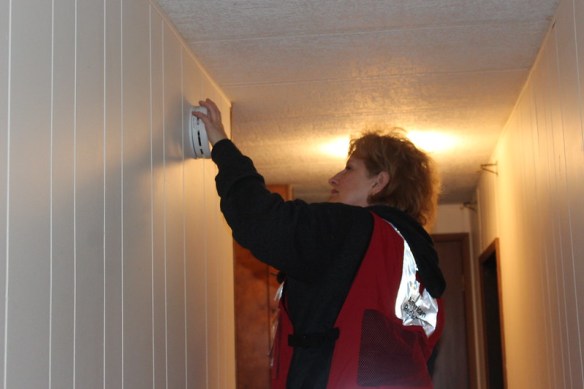
In Northeast Ohio and throughout the nation, home fires are the most frequent disaster, sadly taking an average of seven lives every day in the U.S. But you can help prevent tragedies by taking two simple steps: practice your home fire escape plan until everyone can escape in two minutes or less and test your smoke alarms monthly.

40853651503_97a68b05f4_c

WHAT YOU SHOULD DO

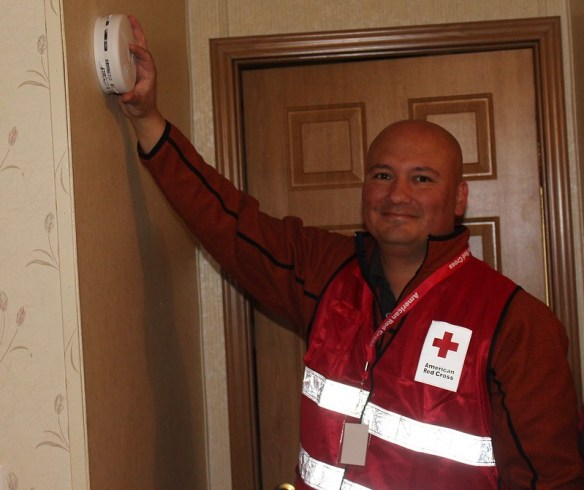
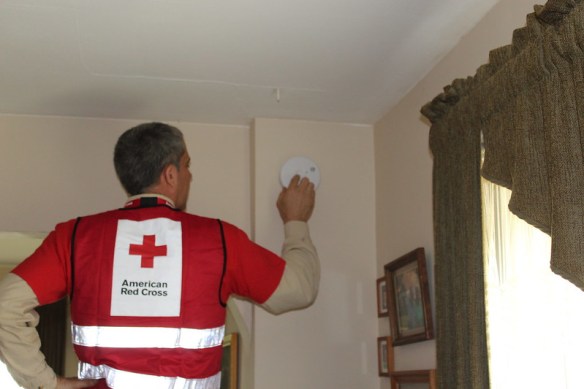
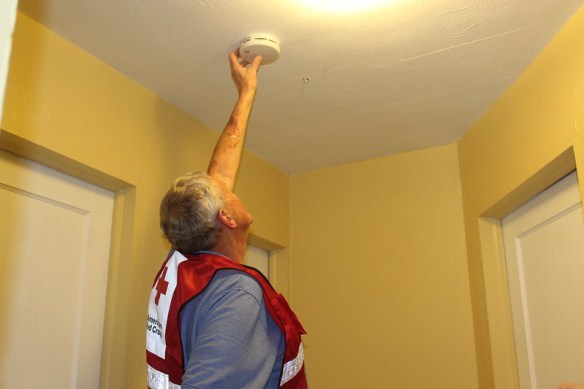
  1. Install smoke alarms on every level of your home, placing them inside and outside bedrooms and sleeping areas.
  2. Test smoke alarms once a month and replace the batteries at least once a year, if your model requires it. Smoke alarms typically need to be replaced every 10 years. Check the manufacturer’s instructions for your specific model.
  3. Teach children what smoke alarms sound like and what to do when they hear one. Talk to children regularly about fire safety and teach them not to be afraid of firefighters.
  4. Create and practice a home fire escape plan until everyone in your household can escape in two minutes or less — at least twice a year. Ensure that all household members know two ways to escape from every room of your home.
  5. Select a meeting spot at a safe distance away from your home, such as your neighbor’s home or landmark like a specific tree in your front yard, where everyone knows to meet.

47706531162_e11583791a_c

Additional information and free resources are at redcross.org/homefires.

HOME FIRE CAMPAIGN

Sound the Alarm -  Minnesota 2018

For more than five years, the Red Cross has been working to reduce home fire deaths and injuries through its Home Fire Campaign, which grew out of an initiative that began in Cleveland. Through the campaign, Red Cross volunteers and community partners go door to door in high-risk neighborhoods to install smoke alarms and educate families about home fire safety.

47807894121_a646e92bb0_c

So far, the campaign has saved as many as 14 lives in Northeast Ohio and 682 lives nationally. It has also reached 62,656 people locally and more than 2.2 million across the country by:

47746054812_1b22671db7_c

  • Installing more than 2 million free smoke alarms, 62,656 of them in Northeast Ohio.
  • Reaching more than 5 million children through youth preparedness programs, 16,273 of them in our region.
  • Making more than 838,000 households safer from the threat of home fires. 22,308 homes are here in Northeast Ohio.

40821921013_2239102110_c (1)

For more information on the Home Fire Campaign in Northeast Ohio, to request an alarm or help with the initiative, click here.

Edited by Glenda Bogar, American Red Cross volunteer
Happy first day of winter!

Helpful tips to keep you safe during the longest season in NEO

By Sue Wilson, American Red Cross volunteer

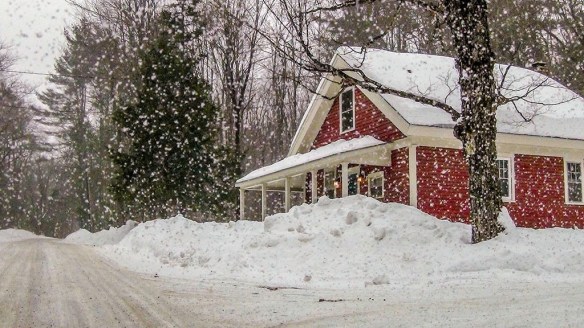
December 21, 2019- Although December 21st is the first official day of winter, Northeast Ohio has already experienced enough frigid days and nights to let us know this is just the beginning of the long winter ahead. Here are some safety tips to help you prepare, and some of these you may not have thought about!

The Hands Have It 

  • Don’t put your hands in your pockets: It’s a natural instinct to put your hands in your pockets when you go outside, but don’t do it! If you slip and fall you can’t react to balance or catch yourself on the ice.
  • Mittens are warmer:  Gloves may be more fashionable, but mittens are warmer. When your fingers are touching one other they generate more body heat and keep your hands warmer.

North Dakota and Minnesota Floods

Before You Shovel 

  • Warm up your muscles by stretching and marching in place for a few minutes before you head out to shovel. You will work more efficiently and reduce the risk of injuring yourself if your muscles are warmed up.
  • Avoid caffeine and cigarettes. They increase your heart rate and cause your blood vessels to constrict, which is not good for your heart.
  • Use rock salt and kitty litter for safer walkways. The salt helps melt the ice and kitty litter adds traction.

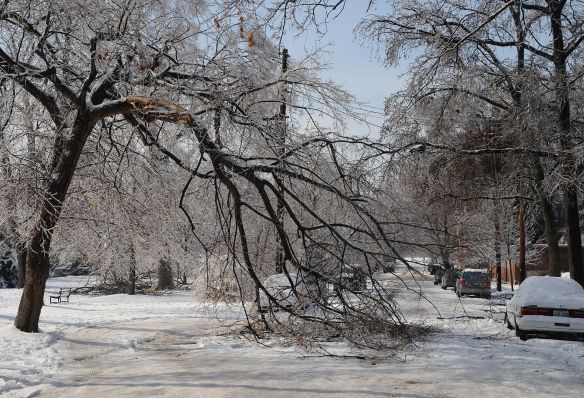
Kentucky Ice Storm

Car Safety Kit

It can happen to all of us, a car breakdown, a flat tire, a big snowstorm. It’s always good to be prepared before going on the road in cold weather.

  • Have your vehicle winterized before the winter storm season to decrease your chance of being stranded in cold weather
  • Install good winter tires with adequate tread. All-weather radials are usually adequate but some jurisdictions require vehicles to be equipped with chains or snow tires with studs.
  • Keep a safety kit in the car that includes: An emergency drinking water prep kit: a tin can, matches, candle, and paper cup in the car in case you would ever get stuck. Just melt some snow with these supplies if you run short on water.
  • A small shovel, a blanket, a flare and jumper cables.

Kentucky Ice Storm

Protect Your Pets

  • Bring your companion animals indoors.
  • Ensure that you have supplies for cleanup for your companion animals, particularly if they are used to eliminating outdoors (large plastic bags, paper towels, and extra cat litter).
  • Create a place where outside animals can be comfortable in severe winter weather:  Horses and livestock should have a shelter where they can be protected from wind, snow, ice, and rain. Grazing animals should have access to a protected supply of food and non-frozen water.
  • Provide a feral cat shelter, food and water.
  • Report to the humane society or other local authorities if you see a pet chained outside with no protection from the elements

Red Cross pet photo 2018

Additional tips from the American Red Cross: 

  • Listen to local area radio, NOAA radio or TV stations for the latest information and updates.
  • Check your emergency kit and replenish any items missing or in short supply, especially medications and medical supplies. Keep it nearby.
  • Be sure you have ample heating fuel.
  • If you have alternative heating sources, such as fireplaces, wood- or coal-burning stoves, or space heaters, be sure they are clean and in working order. Never leave electrical devices or live flames unattended.
  • After a winter storm, immediately report any downed power lines or broken gas lines in your area or workplace.
  • Be a good neighbor. Winter weather can be tough on all of us, but especially the elderly, children, and people with chronic illnesses or disabilities. Check on an elderly neighbor, or anyone you know that may live alone and have special needs.

American Red Cross National Headquarters Building 2001

Find more winter safety tips from The American Red Cross HERE.

Trim Your Home with Care this Holiday Season

By Samantha Pudelski, American Red Cross Volunteer

December 4, 2019- As we enter the holiday season here in Northeast Ohio, many will be trimming trees and putting up decorations. As you hang your stockings with care, make sure to keep in mind these holiday decorating safety tips from the American Red Cross.

source

  1. Candles: Use battery-operated candles whenever you can. If you do use candles, never leave them unattended, keep them away from anything that could burn, and place them out of reach from children and pets.
  2. Lights:
    1. Check all holiday light cords to make sure they aren’t frayed or broken.
    2. Don’t string too many strands of lights together—no more than three per extension cord.
    3. Turn off all holiday lights when going to bed or leaving the house.
    4. Don’t use electric lights on metallic trees.
  3. Outside Decorations: Make sure all decorations hung outside are marked for outdoor use. If using hooks or nails outside, make sure they are insulated to avoid an electrocution or a fire hazard.
  4. Trees: If buying an artificial tree, look for the fire-resistant label. If getting a live tree, make sure it’s fresh and water it often to keep it from drying out. Bend the needles up and down to make sure no needles fall off. Keep the tree away from fireplaces, radiators and other sources of heat.
  5. Indoor Decorations:
    1. If using older decorations, check their labels. Some older tinsel is lead-based.
    2. If using angel hair, wear gloves to avoid irritation. Avoid breathing in artificial snow.
    3. If hanging stockings on the fireplace mantel, don’t light the fireplace.
  6. Ladders: Make sure to have a good, stable placement of the ladder before use. Wear shoes that allow for good traction.

Christmas Story

Home Fire Campaigns Saves Lives

Home fires take seven lives each day in the U.S. To prevent fire tragedies, the Red Cross works with community partners to install free smoke alarms and help families create escape plans through its Home Fire Campaign — which has saved at least 658 lives nationwide since launching in October 2014. In Northeast Ohio, Red Cross volunteers and partners have:

  • Installed 62,656 smoke alarms.
  • Reached 16,273 youth through preparedness programs.
  • Made 22,308 households safer from the threat of home fires.

47842055231_cd2fa86d96_c

You can help save lives by making a financial donation to support our mission, registering to become a volunteer or by taking steps to protect your family from home fires. Visit redcross.org to learn more.