
By Doug Bardwell, American Red Cross Volunteer
I just celebrated my 20th anniversary – 20 years since my first blood donation back on January 21, 1997. I’ve learned a lot since then, and much of it concerns things I did wrong. Profit from my mistakes, all made in a relatively short amount of time.
- While walk-ins are gratefully accommodated, you’re liable to have to wait for an open donation time slot if you haven’t made an appointment. Appointments can easily be made online or with the Red Cross Blood app for your phone.
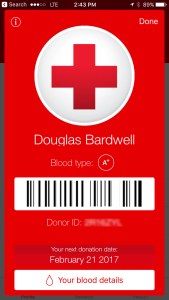
- When you are leaving home or office and heading to the donation site, be sure to have your blood donor card or the blood app on your phone. A driver’s license or two other forms of ID could suffice, but without ID, you won’t be allowed to donate. Have your ID ready as you approach the registration table.
- Drink PLENTY of water and have something nourishing (not fatty) to eat before you donate; BUT, not immediately before you come in. Eating or chewing gum immediately before taking your temperature can cause an incorrect reading and could disqualify or delay you. I recently had a chocolate chip cookie right before donating and it raised my temperature to 99.9 degrees. I then had to wait fifteen minutes while it returned to 98.6. It’s best to have something to eat one-half to one hour before you donate. Also, avoid caffeinated coffee and tea before your appointment.
- Just like we exercise to keep our bodies in shape, you can pump up your blood’s iron levels by eating an iron-rich diet before donating. A low iron level could keep you from donating.
- Get a good night’s sleep the night before your donation. Your body rejuvenates your cells while you sleep.
- Don’t rush. Rushing to get to the donation center can cause stress, which can elevate your blood pressure. Avoid stressful activities. Breathe, and give yourself time to leisurely get to the donation center. Even if you are a couple minutes late, you’ll be welcomed with open arms.
- If you’ve got cold or flu symptoms (other than allergies), call (1-800-RED-CROSS) and discuss rescheduling your appointment. You’ll potentially save the trip, and your appointment time can be assigned to someone who walked in without an appointment.
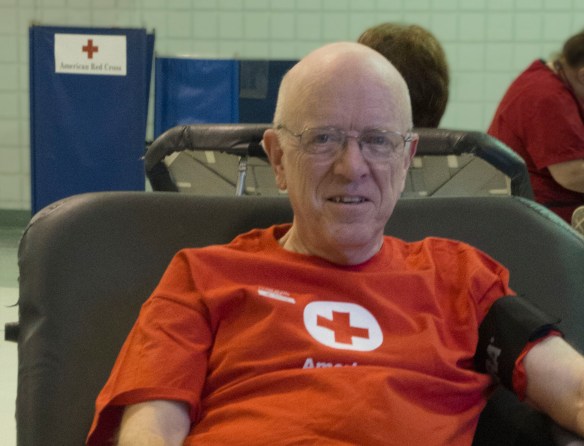
Red Cross Communications Volunteer and long-time blood donor Doug Bardwell
- Lastly, wear loose clothing with sleeves that can easily be rolled up above the elbow.
Congratulations, you just made sure your donation was a success. But, one last suggestion, don’t try to leave too quickly afterwards. There are snacks and drinks at that refreshment table in the corner. Pay it a visit. Take some of the time you saved and treat yourself to a snack. It will provide your body with some needed nourishment and you’ll leave feeling better for it.
Don’t forget, the clock is ticking, and you’ll be eligible to donate again before you know it. Make that appointment today and have another great experience.

 “To lose everything and to know [there are] people out there that care…There are a lot of good people out in the world,” she added. “I’m telling you that I had so much generosity, so much love, from strangers saying, ‘What can I do to help?’”



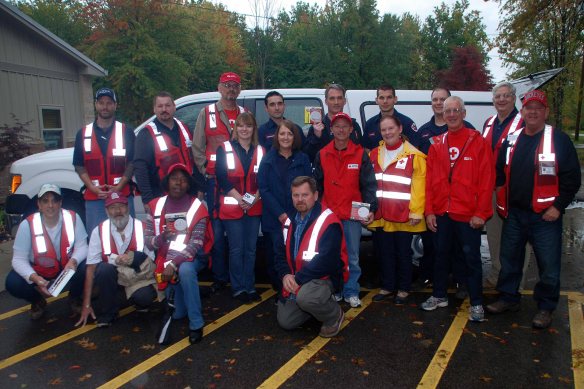


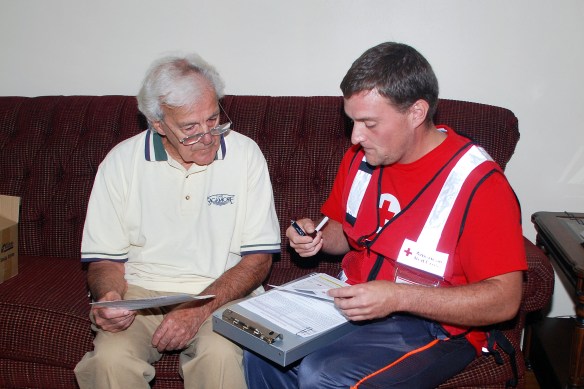

 volunteers are out in communities – as conditions permit – across North Carolina, South Carolina, Georgia and Florida to provide warm meals and relief supplies. Some are on the ground accessing the damages to homes (a step necessary for a family to obtain financial assistance), while others begin to meet with families and individuals to help them map out their own recovery process.
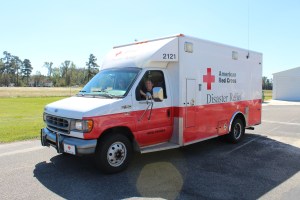 All told, the Red Cross has mobilized almost 5,000 disaster workers, 235 response vehicles, 19 partner-supported kitchens as well as truckloads of water, ready-to-eat meals, cots, blankets, kitchen items, cleaning supplies and comfort kits, insect repellant, gloves, masks, shovels, rakes, coolers and more.
 Dori Baumwart is passionate about service to others.
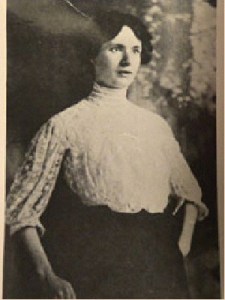 As the Titanic sank into the cold, Atlantic waters, Amy found herself standing on the deck as the lifeboat in front of her was filled to capacity. However, a young man who had a seat saw her there, and without any pressure from other passengers, he leaped out and offered his spot to her.


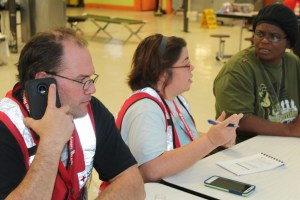 The McIntoshes are Red Cross caseworkers who helped the Davis family obtain initial assistance, and who will help them develop a plan for recovering from the losses they suffered. They have been Red Cross volunteers for just over a year.


 NOHredcross