Northern Ohio Red Cross CEO Mike Parks shares Memorial Day message

By Mike Parks, RADM, U.S. Coast Guard (Ret.), Chief Executive Officer American Red Cross Northern Ohio Region
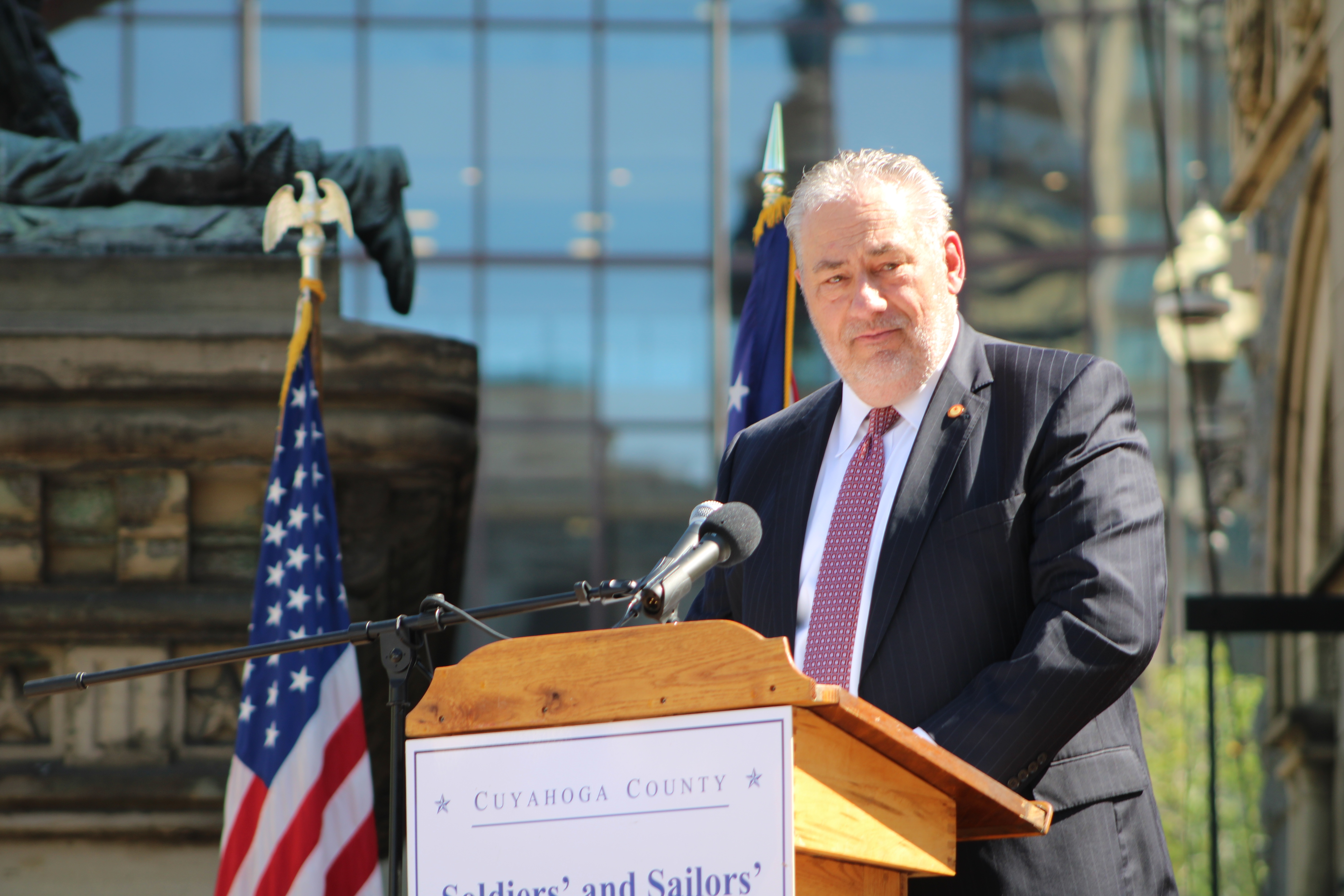
Memorial Day is the time of year when we prepare to honor those service members who paid the ultimate sacrifice in defense of our great nation.  We take time to pay homage to those men and women, who gave their lives while serving in the Armed Forces of the United States. 

It should also be a time when we pay tribute to those Gold Star families who have endured pain and sacrifice due to the loss of their family member.  A Gold Star Family is the immediate family of a U.S. military service member who died in the line of duty.  Those who die in service to their country leave behind parents, siblings, spouses, children, and extended families. These are recognized as Gold Star Families. The title is meant to honor the service member’s ultimate sacrifice while acknowledging their family’s loss, grief, and continued healing.

The tradition dates to World War I when flags/banners were first flown by families. The flag included a blue star for every immediate family member serving in the Armed Forces of the United States, during any period of war or hostilities in which the Armed Forces of the United States were engaged.  But in the event of a death, that blue star is replaced with a gold variant — the highest honor. The term Gold Star Family is a modern reference that comes from the Service Flag (as seen below).

Whenever we see someone displaying a gold star flag or similar emblem, it’s wholly appropriate to acknowledge their loss by saying something as simple, but powerful, as “I’m sorry for your loss—thank you for your sacrifice.”  It’s also important to remember that although we focus on Memorial Day once a year, Gold Star Families focus on their loss 365 days a year.  That’s why our acknowledgement of their loss and sacrifice is so important.

This Memorial Day, in addition to honoring those who died serving our country, let us also honor those Gold Star Families who continue to grieve the loss of their loved ones who paid the ultimate sacrifice so we can be free.  Wishing you and yours a memorable and meaningful Memorial Day weekend! 
Honoring our commitment during Military Appreciation Month

By Doug Bardwell, Red Cross volunteer

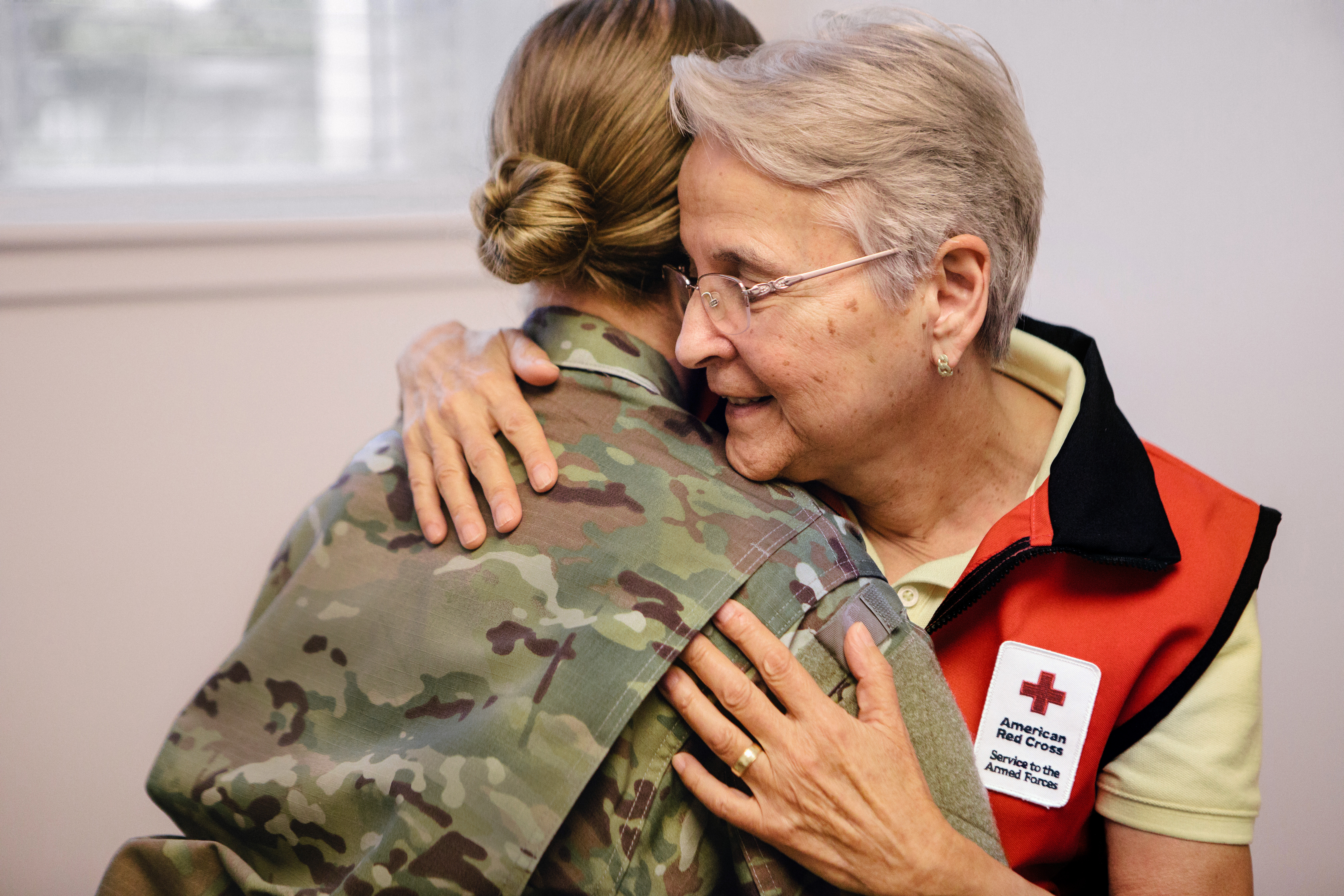
June 20, 2018. Washington, DC. Development SAF Stock Photography Project 2018. Photo by Roy Cox/American Red Cross

In 1776, our founders signed the Declaration of Independence, but without a military to back up our claims, the British Crown could have quickly regained control of our country. Fast forward to 2022, and one needs to look no further than Ukraine to see why our country needs a well- trained, well-equipped, always-prepared military.

Our military guarantees our entire way of life, so we need to do all we can to be there for our fighting men and women, along with their families. That was the original aim of the Red Cross founder, Clara Barton when she began caring for the wounded during the Civil War.

Service to the Armed Forces (SAF)

Since 1881, the American Red Cross has deployed alongside our military in every U.S. conflict since the Spanish-American War. The Red Cross also provides in-person support on more than 100 military installations and deployment sites worldwide, leveraging the services of 14,700 SAF volunteers around the globe.

“Members of the military, veterans, and their family members all make sacrifices,” said Jessica Tischler, Regional Program Director, Service to the Armed Forces and International Services.  “From emotional wellness workshops to emergency communications, our staff of volunteers works hard to help provide valuable service to the armed forces.

Red Cross services for our military and their families include:

Before deployment:

 “Get to know us before you need us” sessions inform the military family about the variety of Red Cross services available to them.

During deployment:

 Delivering verified emergency messages to active-duty personnel worldwide
 Facilitating financial assistance and resources through Military Aid Societies
 Military hospital services – providing comfort and help with therapy
 Coping strategies for families at home
 Mind-body stress reduction workshops

After deployment:

 Assistance at local VA hospitals and facilities
 Hero Care Resource Directory
 Information and referral services to community programs
 Military and Veteran Caregiver Network
 Reconnection workshops
 Assistance with veteran’s assistance appeals

Since 9/11, Red Cross and its volunteers have served more than 1 million military families, providing 24/7 emergency care and communications. Would you like to support military and veteran families in your community? Don’t take your freedoms for granted. Sign up to become a Red Cross volunteer or donate on our Support Military Families webpage.

Edited by Glenda Bogar, Red Cross volunteer