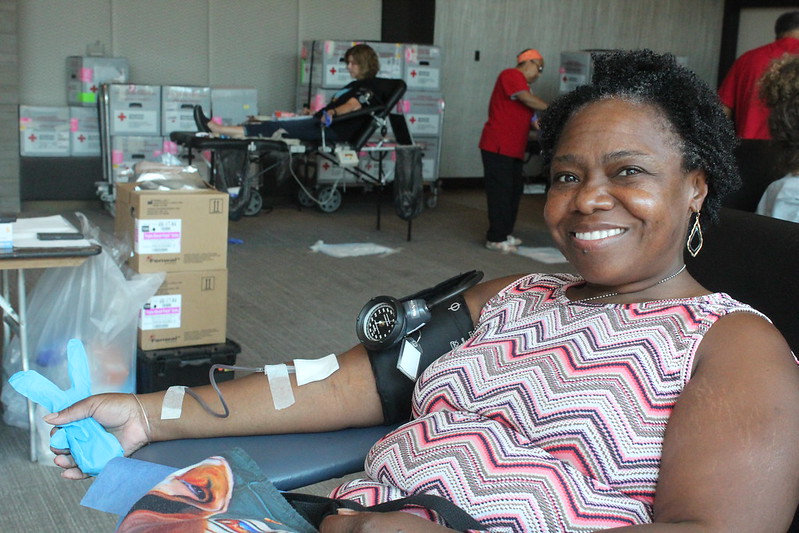
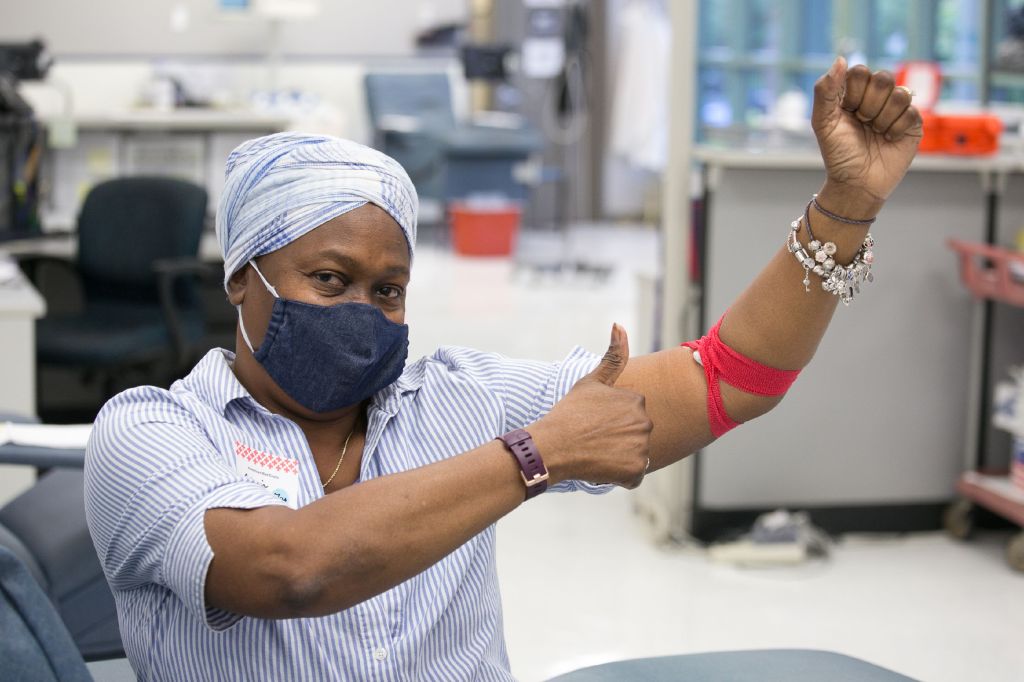
Blood drives held for Sickle Cell Awareness Month

Three separate blood drives were scheduled in Akron, Ohio for the final three days of September to collect lifesaving blood and to raise awareness of sickle cell disease.

About 100,000 people in the United States have sickle cell disease. The disease affects 1 out of every 365 Black or African American births.
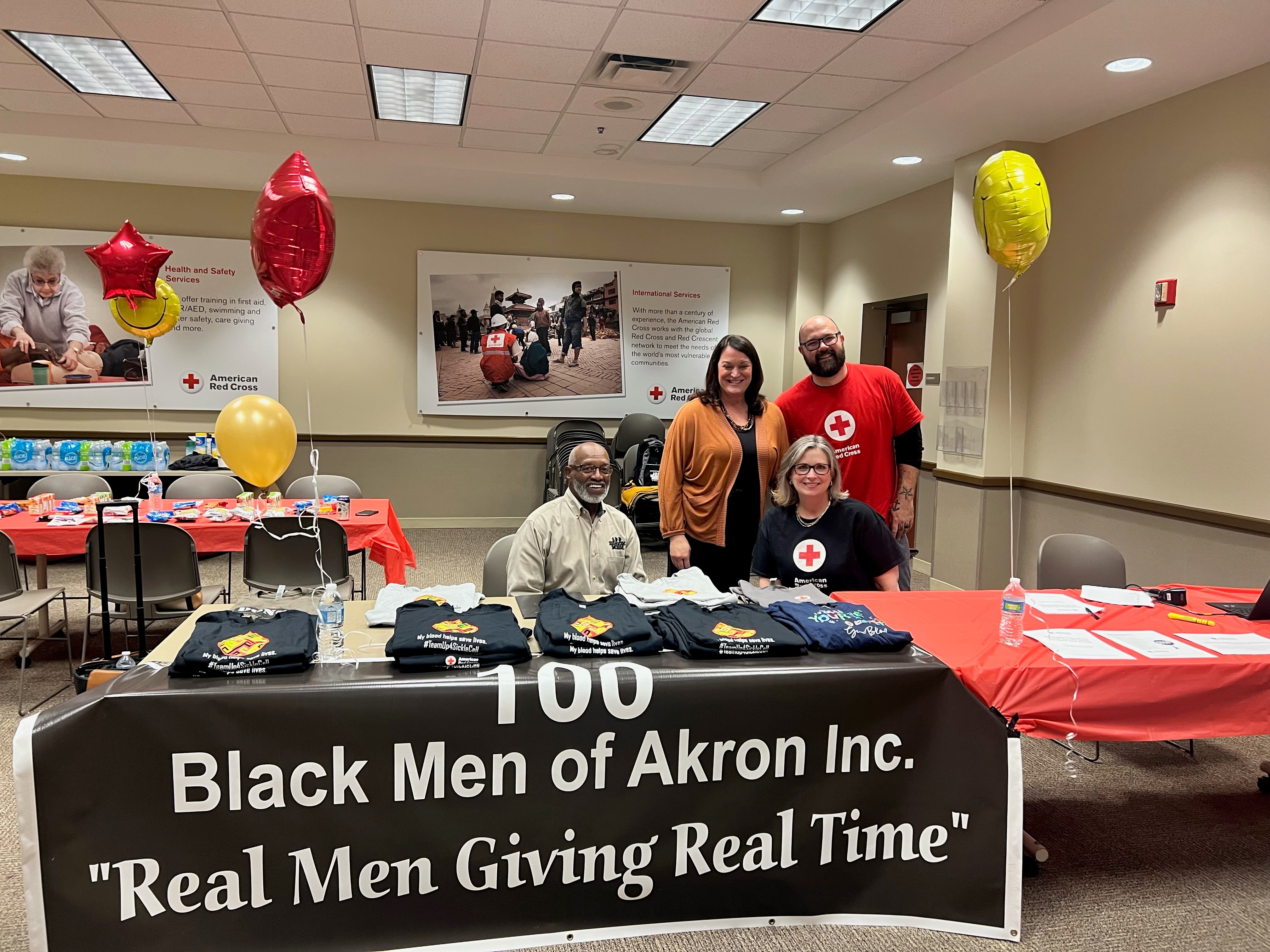
Michael Irby, President of the 100 Black Men of Akron, Rachel D’Attoma, Executive Director
Greater Akron and The Mahoning Valley, Ryan Lang, Red Cross board member and volunteer, Amy Cole, Red Cross board member and volunteer

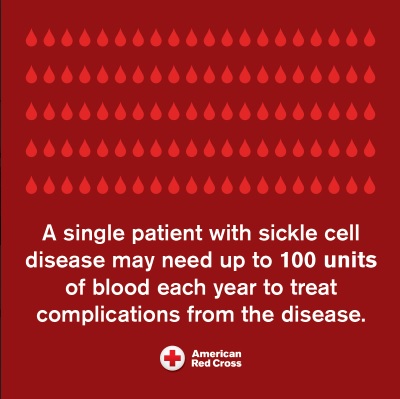
People with sickle cell disease may need as many as 100 units of blood each year. Blood donations could help alleviate the symptoms of someone living with sickle cell disease, or even help save their life.

On Thursday, September 28th , the organization 100 Black Men of Akron hosted a drive at the headquarters of the Red Cross of Greater Akron and the Mahoning Valley. Michael Irby, President of the local organization, said hosting the blood drive fits with the national group’s mission.
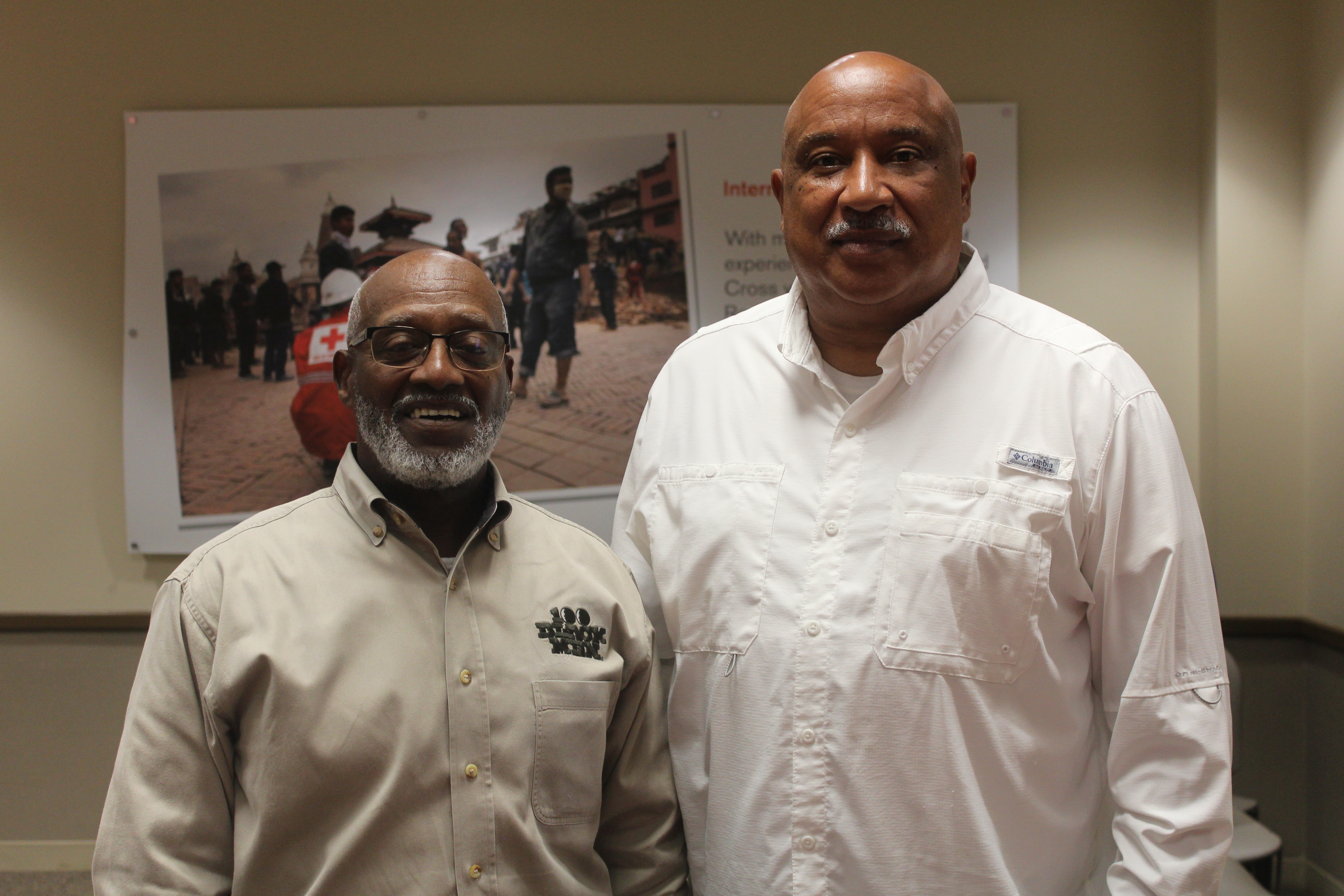
Michael Irby, President of 100 Black Men of Akron with Charles Brown, Red Cross board member and Deputy Mayor of Akron, (retd.)

“Being out in the community, not just mentoring but partnering is important to us,” he said. “Blood drives fit right into our narrative of health and well-being.”

Michael said hosting the blood drive was especially important, not just because September is Sickle Cell Awareness Month, but also because of the shortage of blood nationwide.

The American Red Cross declared a national blood shortage on Sept. 11, citing a critically low blood supply level that dropped nearly 25% since early August.
When supplies are low it can often take weeks for inventories to rebound. The Red Cross estimates that 10,000 additional blood products must be collected each week over the next month for the blood supply to reach sufficient levels and meet hospital and patient needs.

On Friday, September 29th , the Akron Public Schools and Delta Sigma Theta Akron Alumnae Chapter and the Active Chapter at the University of Akron scheduled a blood drive at the Akron Public schools board office. And on Saturday, September 30th, a blood drive sponsored by the Akron National Panhellenic Council was scheduled at the Greater Akron and the Mahoning Valley Chapter headquarters. It’s the second blood drive for sickle cell awareness hosted by the group, following an initial blood drive last June.

If you feel healthy and well, please consider scheduling a blood donation by visiting redcrossblood.org, or by calling 1-800-RED CROSS (1-800-733-2767.) You can also schedule an appointment on the Red Cross blood donor app.

Donors of all blood types are urgently needed, and there is an emergency need for platelet donors and type O blood donors to make an appointment to give now to ensure patients across the country continue receiving critical medical care. And for people with sickle cell disease, blood from people of the same race or similar ethnicity is important in ensuring the best transfusion results, with the least potential reaction.

Posted by Ryan Lang, Red Cross board member and volunteer
Shedding light on Sickle Cell Disease

By Eilene E. Guy, American Red Cross volunteer

Sickle Cell Disease is hiding in plain sight, and La’Shardae Scott is determined to bring it into the spotlight.

Sickle Cell Disease (SCD) is the most common genetic blood disorder in the United States, afflicting some 100,000 people, primarily those of African descent. Every year, an estimated 1,000 babies are born with SCD.

During September, Sickle Cell Awareness Month, the American Red Cross is teaming up with SCD crusaders like La’Shardae to bring attention to this painful and life-threatening disorder.

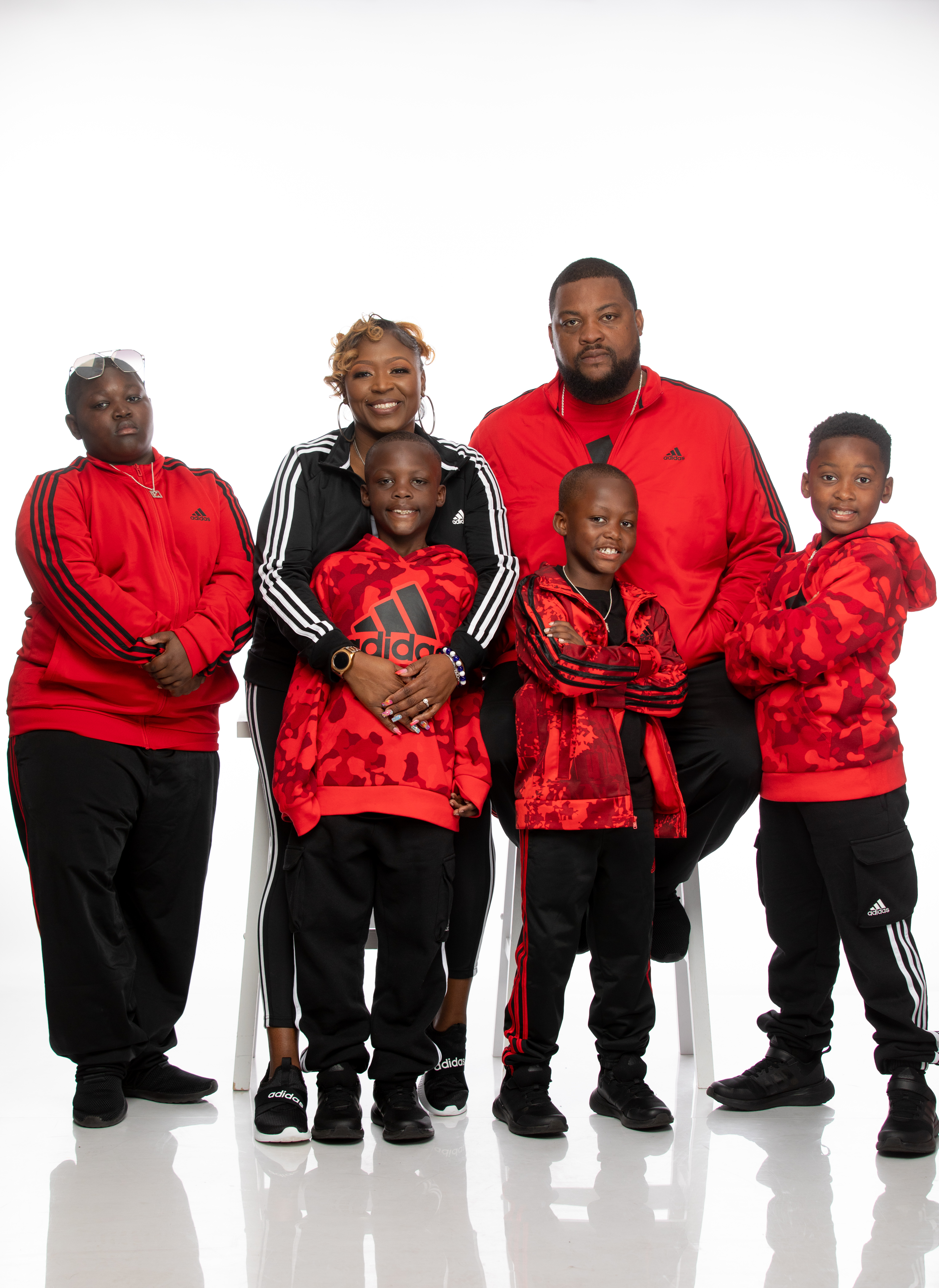
The Scott Family: Eric, La’Shardae, Emory, Evan, Eric and Liam

La’Shardae has launched the nonprofit Scott Center for Observation, Treatment and Transition in Oregon, Ohio, to minimize infant mortality in populations of color and help families and individuals with SCD transition successfully from pediatric to adult care.

She’s well aware that people of color have a fraught history with the medical establishment, which leads to poor doctor-patient relationships. Even today, misconceptions persist about Black people’s tolerance for pain.

“Patients born with this condition don’t look ill; they learn to manage their pain, but that doesn’t mean it isn’t real,” she said. “So when they finally seek help, they get dismissed as drug-seeking and that leads to further complications.”

Screening of newborns for SCD is now routine in all 50 states, but too often parents — confronted with the sudden notice that their baby has an incurable condition — don’t know how to handle that reality as the child grows, La’Shardae said.

At her house, she relies on medications, appropriate diet and “hydration, hydration, hydration” to keep her two SCD “warriors,” eight-year-old Emory and Evan, 7, thriving. At the same time, she advocates for them when they experience the acute pain and other side effects typical of SCD. But she knows the damaging effects accumulate.

SCD causes red blood cells to take the shape of crescent moons or sickles. These misshapen cells don’t carry their full load of oxygen throughout the body, leading to anemia, pain “crises” and gradual damage to organs and tissues. Worse yet, the sickled cells tend to clump together, causing strokes.

Transfusions play a key role in “diluting” these defective cells in the blood stream, easing pain and slowing damage. Blood from one in three African American donors carries unique characteristics — antigens — that make it a close match for SCD patients.

This is where the Red Cross comes in. As supplier of more than 40% of the nation’s whole blood and blood products, the Red Cross needs a diverse donor population to meet the many unique transfusion needs.

Since launching its Sickle Cell Initiative in 2021, the Red Cross has seen a 60% increase in first- time African American blood donors to more than 45,000.

La’Shardae is working hard to boost that number. She uses social media platforms, Facebook Live and community presentations to educate and recruit. You can read all about her activities at scottcenteroh.org.

Her next event is the Scott Community Blood Drive in partnership with the Red Cross, from 9 a.m. to 2 p.m. Sept. 16 at 653 Miami St. in Toledo.

To register to give blood, go to redcrossblood.org, call 1-800-REDCROSS or use the free Red Cross blood donor app.

Edited by Glenda Bogar, Red Cross volunteer

Posted by Ryan Lang, Red Cross board member and volunteer
Mom makes plea for diverse blood donors

By Theresa Carter, guest blogger and proud supporter of the American Red Cross of Greater Akron and the Mahoning Valley

In the U.S., it is estimated that over 100,000 people – the majority of whom are of African descent – have sickle cell disease and may require blood transfusions throughout their lifetime to help manage their disease.

Theresa Carter, speaking at the Acts of Courage Awards in March, 2022

The American Red Cross has launched a national initiative to grow the number of blood donors who are Black to help patients with sickle cell disease and improve health outcomes.

Sickle cell disease is an enduring – and often invisible – health disparity in the U.S. Despite the discovery of the disease more than a century ago, there has been fewer health resources available to help those currently suffering from sickle cell disease in comparison to similar diseases.

The Red Cross currently provides sickle cell trait screening on all donations from self- identified African American donors. This additional screening helps the Red Cross identify compatible blood types more quickly to help patients with sickle cell and provides our African American donors an additional health insight during a time when health information has never been more important.

This cause is near and dear to my heart because both my daughters have sickle beta thalassemia disease, a minor form of sickle cell. You see, I have a sickle trait and their father has the thalassemia trait. We had no clue until our children were born that we had these traits and that our girls would have this disease. Therefore, screening is so very important…. just to know; to understand the cause and then educate ourselves so that we can be our best advocates if and when the time arises for medical care.

Garvin and Theresa Carter with daughters Erin and Cesily

Please take action today and schedule a blood donation appointment by visiting RedCrossBlood.org, using the Blood Donor App or calling 1-800-RED CROSS.

Editor’s note: Regular blood transfusions are critical to managing extreme pain and life threatening complications faced by many. Unfortunately, they may develop an immune response against blood from donors that is not closely matched to their own. However, because most individuals who are Black have unique structures on their red blood cells that are not often found in other donor populations, 1 in 3 African American blood donors is a match for people with sickle cell disease.

Sickle cell disease distorts soft, round blood cells and turns them hard and crescent-shaped, which can cause severe pain. “When cells harden, they can get caught in blood vessels, potentially leading to stroke and organ failure,” says Dr. James Westra, Regional Medical Director. “Transfusions provide healthy blood cells, unblocking blood vessels and delivering oxygen, minimizing crises patients with sickle cell may face.”

Seasonal changes can trigger pain crises for those battling sickle cell – possibly increasing the need for lifesaving blood transfusions. As summer ends, book a time to give blood by using the Red Cross Blood Donor App, visiting RedCrossBlood.org or by calling 1-800-RED CROSS (1-800-733-2767). As a thankyou, all who come to give through Sept. 18 will get an exclusive Red Cross T-shirt, while supplies last.

Posted by Ryan Lang, American Red Cross board member and volunteer

Red Cross initiative aims to increase blood availability for patients with sickle cell disease

Blood transfusions from donors who are Black may provide best outcomes for patients

When patients living with sickle cell disease face a sickle cell crisis, blood transfusions can make a lifesaving difference. That’s why the American Red Cross has launched an initiative to grow the number of blood donors who are Black to help patients with sickle cell disease, an enduring and often invisible health disparity in the U.S.

Bridget C_Miller Harper_Photo

Over 100,000 people in the U.S. have sickle cell disease, the most common inherited blood disorder, and the majority of patients are of African descent. Despite the discovery of the disease more than a century ago, there have been fewer health resources available to help those currently suffering from sickle cell crisis in comparison to similar diseases. According to the Centers for Disease Control and Prevention, people with sickle cell disease experience worse health outcomes than comparable diseases.

A closer blood match leads to better outcomes

Many patients with sickle cell disease will require regular blood transfusions to help manage their disease. Glinda Dames-Fincher, of Mayfield Heights, has lived with sickle cell disease for more than 60 years. She receives monthly red cell exchange transfusions as part of her treatment.

Unfortunately, these patients may develop an immune response against blood from donors that is not closely matched to their own. Many individuals who are Black have distinct markers on their red blood cells that make their donations ideal for helping patients with sickle cell disease. More than half of blood donors who are Black have blood that is free of C, E and K antigens – making them the best match for those with sickle cell disease.

Life-threatening complications

Sickle cell disease distorts soft, round blood cells and turns them hard and crescent-shaped, which can cause extreme pain. When hardened, the cells can get caught in blood vessels, potentially leading to stroke and organ failure.

“Transfusions provide healthy blood cells, unblocking blood vessels and delivering oxygen,” said Dr. James Westra, Red Cross regional medical director. “By increasing the amount of closely matched blood products, the Red Cross is able to help ensure the right blood product is available at the right time for patients facing a sickle cell crisis – minimizing complications for those with rare blood types fighting sickle cell disease.” makenzie-nance-002

Cleveland teenager Makenzie Nance was a preschooler when she received her first blood transfusion to help overcome complications from sickle cell disease. She visits local high schools to educate students about sickle cell disease and her family hosts blood drives to encourage more Black donors to give. You can read Makenzie’s story here.

The Red Cross asks members of the Black community to join in helping to address this health disparity and meet the needs of patients with sickle cell disease. Donors can take action today by scheduling a blood donation appointment at RedCrossBlood.org, by downloading the Blood Donor App or by calling 1-800-RED CROSS. To help tackle the need for blood in September – Sickle Cell Awareness Month − all donors who come to give with the Red Cross Sept. 13-30 will receive a limited-edition football-themed T-shirt, while supplies last. 


Blood donations to treat sickle cell disease are needed

By Tim Poe, American Red Cross volunteer

September 25, 2020- September is Sickle Cell Awareness Month, and the need for blood donations to assist the 100,000 Americans with sickle cell disease is especially critical this year. While the disease does not have a cure, blood transfusions are one of the most effective treatments. The American Red Cross requests anyone who can help with a lifesaving blood donation to do so.

Sickle cell disease, which mostly affects those of African and Latino descent, causes red blood cells to be hard and crescent-shaped. Blood has difficulty flowing smoothly and carrying oxygen to the rest of the body, which may lead to severe pain, tissue and organ damage, acute anemia and even strokes.

As Christy Peters, External Communications Manager for Red Cross’ Northern Ohio Biomedical Services, reported in June, blood donations from African Americans are vital in treating sickle cell disease, as blood must be closely matched to reduce the risk of complications. During the COVID-19 pandemic, however, she noted, “the number of African Americans donating blood with the Red Cross has dropped by more than half.”

Julie Broze at MetroHealth Medical Center’s Hematology/Oncology Department also mentioned the importance of blood donors in treating sickle cell disease. While MetroHealth has not had its blood supply for sickle cell patients hindered, she said more people donating is vital, as the demographic can be difficult to match. African Americans who do not have the sickle cell trait or disease are especially encouraged to donate, as their blood has a greater chance to have needed antigens and be a better match.

For a personal perspective, I spoke with Demeatrice Nance, whose daughter Makenzie, now 16, has sickle cell disease. Both Demeatrice and Makenzie are effective advocates in educating people about sickle cell, the need for blood donations, perseverance and helping others.

Makenzie has given a number of talks, especially to fellow young people, on sickle cell and the need to donate blood. Demeatrice, a Certified Community Healthcare Worker for the Ohio Sickle Cell and Health Association, has performed vital roles in a number of efforts, including the largest African American blood drive in Ohio.

Their outlooks are inspiring. While they have faced sickle cell disease—and its personal and emotional challenges—for 16 years, they focus on being positive and doing what is needed. This remains true even during the current pandemic. Demeatrice said there is a greater need for blood, but many are currently afraid to give, so she and her daughter are continuing to educate and help.

An avid football fan, Makenzie adapts a coach’s saying that, when you get hit, keep your legs moving as you can still gain yardage. Makenzie says we can learn from that, whether donating blood, facing sickle cell, cancer, COVID-19 or other hardships. Even with the hits we are experiencing, we need to keep going, as we’ll help ourselves and others gain a bit more. So please, consider donating blood.

For another powerful perspective on sickle cell disease, please read Glinda Dames Fincher’s story here.

More information on joining the fight is available here.

Information on donating blood and Coronavirus is available here.

Edited by Glenda Bogar, American Red Cross volunteer