Mother advocating for her “Sickle Cell Warrior”

By Ryan Lang, American Red Cross

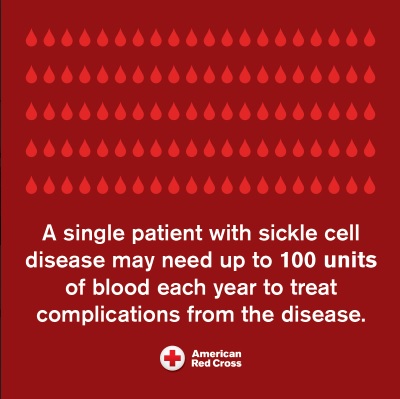
Sickle cell disease affects more than 100,000 people in the United States. One out of every 365 Black or African American births is affected by sickle cell. People living with sickle cell disease may need as many as 100 units of blood each year. These are all statistics that Demeatrice Nance was unaware of prior to October 2003, when her daughter Makenzie was born. 

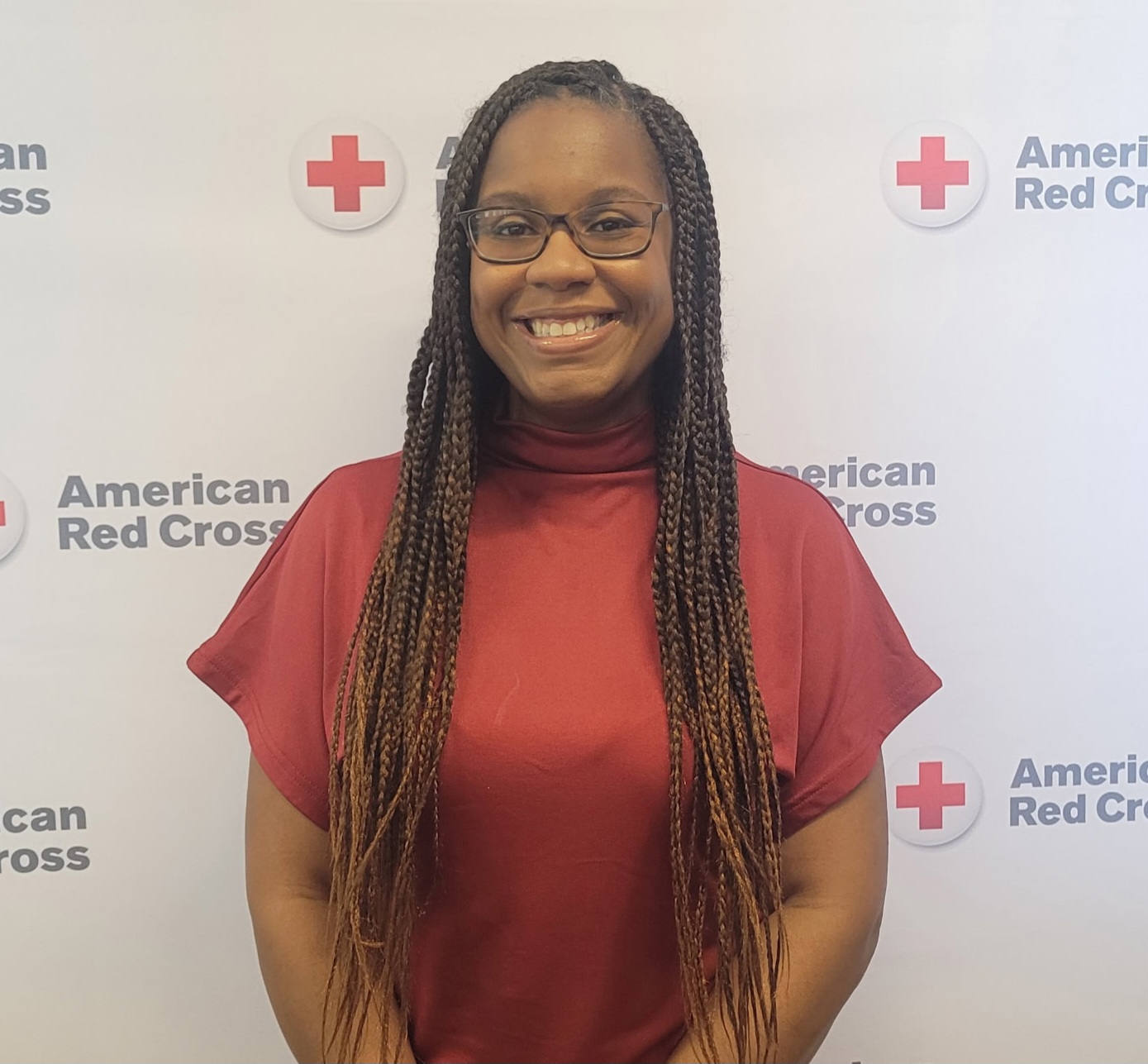
Makenzie Nance, sickle cell warrior

“There were some abnormalities in her newborn screening and the doctor wanted us to come in to talk about it,” Demeatrice said. “That was when they told us that Makenzie had sickle cell disease.”

Demeatrice and her husband were devastated, mostly, she said, because they didn’t know where to start getting the best help for their daughter.

From that point on, Demeatrice was on a fact-finding mission – a quest for knowledge about sickle cell disease. “We did a lot of online research and had a lot of conversations with the doctors. We were also referred to a local sickle cell outreach group that provided a lot of resources for Makenzie and our family,” Demeatrice said.

As Demeatrice delved more deeply into the world of sickle cell disease, she quickly discovered how important blood donors, especially Black blood donors, would be in Makenzie’s life.

Fast forward just two and a half years and Makenzie needed her first blood transfusion. “The doctor told us her hemoglobin had dropped, and it was at a crucial state, and Makenzie needed a blood transfusion,” Demeatrice explained. Then she and her husband got word from the doctor that there was a blood shortage, specifically from African American donors, which was what Makenzie and most all sickle cell patients need.

“The doctor said we’re just gonna try and wait it out and try and locate blood for her,” Demeatrice said. And while it was only about a day before they did locate blood for Makenzie, Demeatrice said it felt like a year. “From that time, donating blood has been a priority to me and educating people about the importance and the reason to donate blood. It’s important that our sickle cell warriors have the blood supply when it’s needed.”

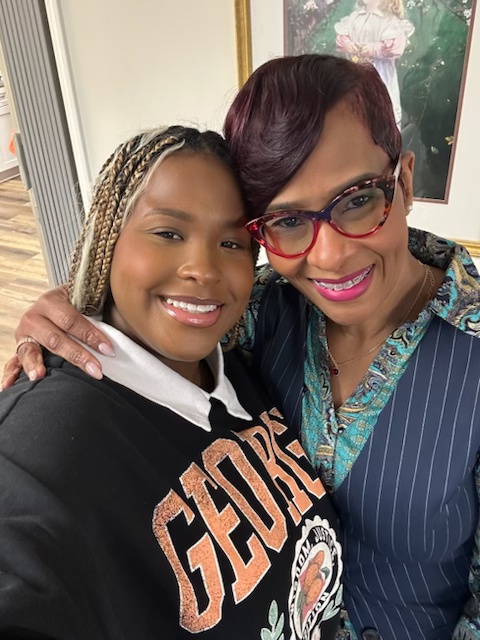
Makenzie and Demeatrice Nance

For the past 15-plus years Demeatrice and her family have been advocating and educating. Advocating for her own sickle cell warrior, Makenzie, and all of the sickle cell warriors who desperately need blood. And educating the public about why they need blood and why the blood supply needs to be maintained through regular donations.

“My first blood drive was small,” Demeatrice said, “but when I shared my story and explained the importance of donating, not just for sickle cell patients, but for cancer patients and trauma victims and others, the numbers started growing.” Demeatrice says she always tells people, “It could by my day today, or it could be your day tomorrow,” which is why she encourages everyone she meets to donate blood.   

As for Makenzie, she’s just graduated with an associate’s degree in health science and is starting her nursing clinicals in the next couple of months. “Sickle cell patients are often told they can’t do a lot of things, but over the past 21 years Makenzie’s done more things than a lot of people ever thought she could do,” Demeatrice said, beaming with pride for her sickle cell warrior.

Click here to hear more of Demeatrice’s story about her journey with Makenzie and sickle cell disease.

To schedule your appointment to donate today, visit redcrossblood.org.  

Diverse blood supply is more important than ever

By Eilene E. Guy, American Red Cross volunteer

Volunteers are the lifeblood of the American Red Cross. And by extension, volunteers provide lifesaving blood and blood products to millions of people across the nation every year.

This chain of generosity begins at the local level, at an average of 500 blood drives and blood center collections every day. Last year, the Red Cross sent more than 6.3 million blood products to some 2,500 hospitals and other health care facilities.

But in the past two decades, the number of Red Cross blood donors has fallen by about 40%, with a significant drop among those between 16 and 22. As our national population ages and becomes more diverse, building the next generation of donors is critical.  

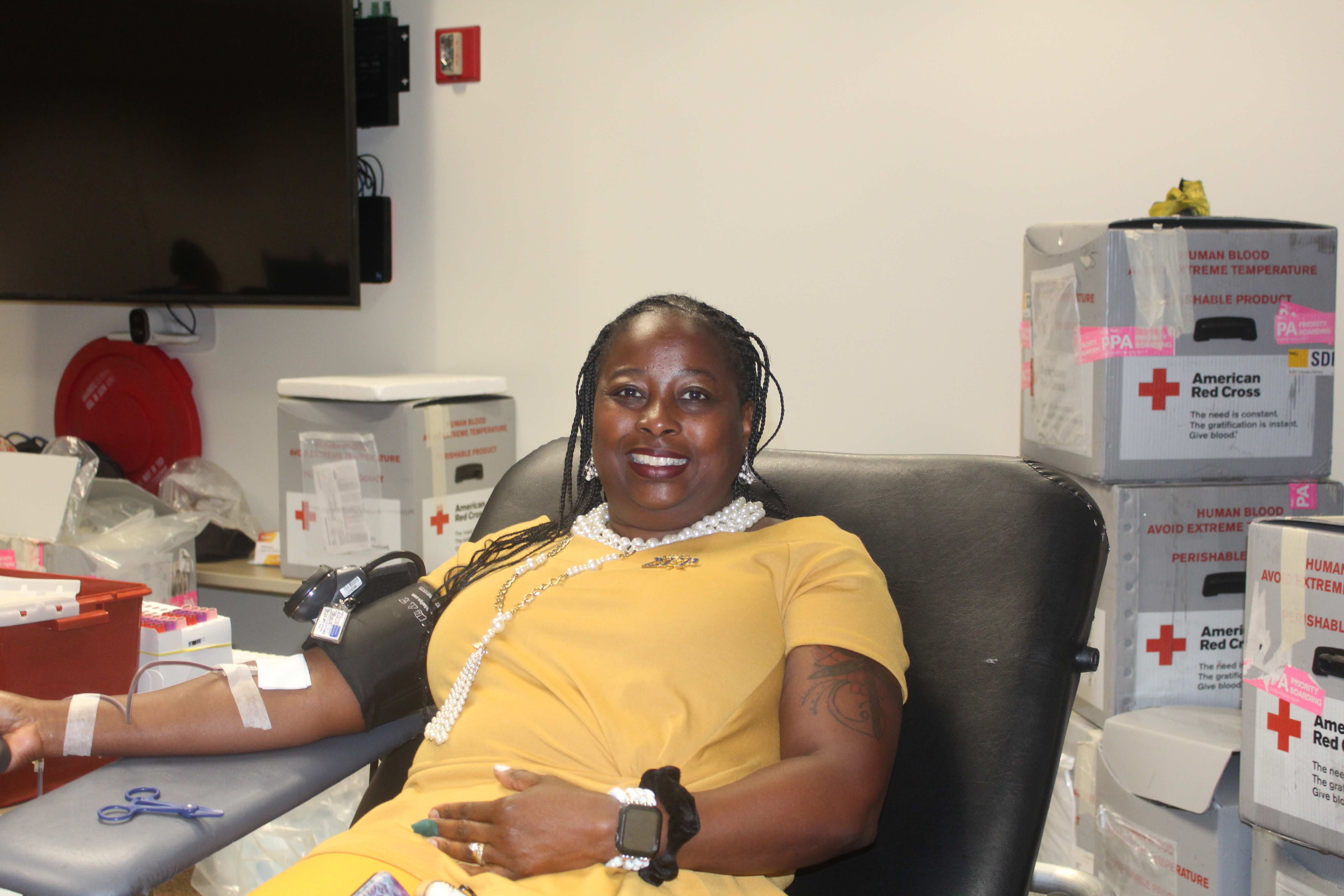
The University of Akron alumni chapter of Delta Sigma Theta, a sorority of scores of African American women, is helping meet that need by sponsoring blood drives.

Earlier this month, their event netted 30 units of blood, which will go to treat as many as 90 patients.

Drives like these are vital to maintain a stable supply of blood for trauma victims, surgery and cancer patients, fragile newborns and those with medical conditions such as Sickle Cell Disease (SCD). This hereditary condition can be life threatening: It leads to anemia (shortage of red blood cells), causing fatigue, organ damage and periodic severe pain, known as a sickle cell crisis.

Blood transfusions from donors of the same or similar ethnicity and blood type are the most effective way to treat a sickle cell crisis. Since most people with SCD are of African descent, blood from Black donors is the gold standard for treatment. In fact, one in three African American blood donors is a match for a patient with sickle cell disease.

As a northern Ohio district manager for Red Cross blood services, Sabrina Spikes works to recruit and educate a larger, broader base of blood donors, including the Black and African American, Latino and LGBTQ+ communities.

“It’s a testament to the work of Delta Sigma Theta that they sponsor at the University of Akron,” she told me. “We need to have diverse partners, to do more education.”

Education is two-pronged:

  • Reaching more people from all racial and ethnic groups to explain the importance of a diverse blood supply. “We know the number one reason people don’t donate blood is that they haven’t been asked,” she said. “We need to explain why a diverse blood supply is important.”
  • Preparing potential donors to have a successful donation experience, by getting them to drink plenty of water and eat iron-rich foods. “Cutting down on caffeinated beverages that slow the absorption of iron – coffee, tea, sodas – helps cut the deferral rate of donors, especially African American women,” she explained.    

To learn more about why a diverse blood supply is so important, tap here. And, to find where you can donate and to make an appointment, go to redcrossblood.org. Someone needs you!

Scholarship winner is blood donor advocate and community service role model

By Tim Poe, American Red Cross volunteer

The American Red Cross grants Sickle Cell Fighter High School Scholarships to the nation’s top 10 high schools that host at least one blood drive and collect the most productive units from donors who self-identify as African American. One of the 2023-2024 recipients is Charles F. Brush High School in Lyndhurst, and their scholarship recipient is Meredith Davis-Cooper.

Meredith Davis-Cooper

Meredith graduated from Brush High School in 2024 and is now studying architecture at Kent State University. She graciously took time from her busy schedule to speak with me.

I asked Meredith how she became so active in community service. It began with her family, which is involved with several committees, church and worship groups, and counseling. This continued at Brush High School and the National Honor Society (NHS), as community involvement is a major initiative with both organizations. In addition to blood drives, Meredith and other students held several food drives last year.

“I’m always open to the community,” Meredith said. “I love staying involved. It brings me joy.” She has also learned she is quite adept at it.

Meredith’s skill in assisting community efforts was clearly seen with Brush’s three blood drives last school year. As the school’s National Honor Society president, she helped recruit and schedule students and donated blood herself.

I asked Meredith how she was so effective convincing others to become blood donors. She said knowing Red Cross facts helped, especially the critical need for blood donations in the African American community to help fight sickle cell disease. And her status as NHS president, a top 10 student, artist, and athlete were key. Meredith said her leadership and ability to fit in everywhere garnered trust and helped her persuade others to donate.

Meredith’s former NHS adviser, Mrs. Jill Strainic, concurs. She said, “It helps to have a role model like Meredith on our recruiting team. She’s an excellent student and leader, but by stepping up and donating blood herself, she takes ownership and is a great ambassador for the process. Meredith also brings this amazing sense of enthusiasm and confidence to everything she does. When she talks, students listen.”

In addition to her studies, Meredith works as a volleyball coach. She played volleyball in high school and competed in swimming, shot put, and discus. She is also an accomplished artist, creating abstract sculptures, some of which have won Gold Key awards and honorable mentions from the Cleveland Institute of Art. Meredith said art is how she developed her interest in architecture.

While Meredith is just getting settled in at Kent State and her demanding major, she plans to continue helping the community and donating blood, whether in Kent or at home. She also hopes to play or referee volleyball next year, and would like to study architecture abroad.

After graduating, Meredith hopes to eventually have her own firm and create innovative, striking buildings. She is especially inspired by Zaha Hadid’s work.

Meredith is extremely grateful for the Sickle Cell Fighter scholarship. She said she had been stressed about paying for college, and the award was a “shocking surprise.” It helped “seal the deal” so she could begin her university studies and prepare for her future.

The Red Cross is currently offering sickle cell trait screening for donors who self-identify as Black or African American. To schedule a blood donation, please visit redcrossblood.org.

Edited by Glenda Bogar, Red Cross volunteer

Posted by Ryan Lang, Red Cross board member and volunteer

Blood drives held for Sickle Cell Awareness Month

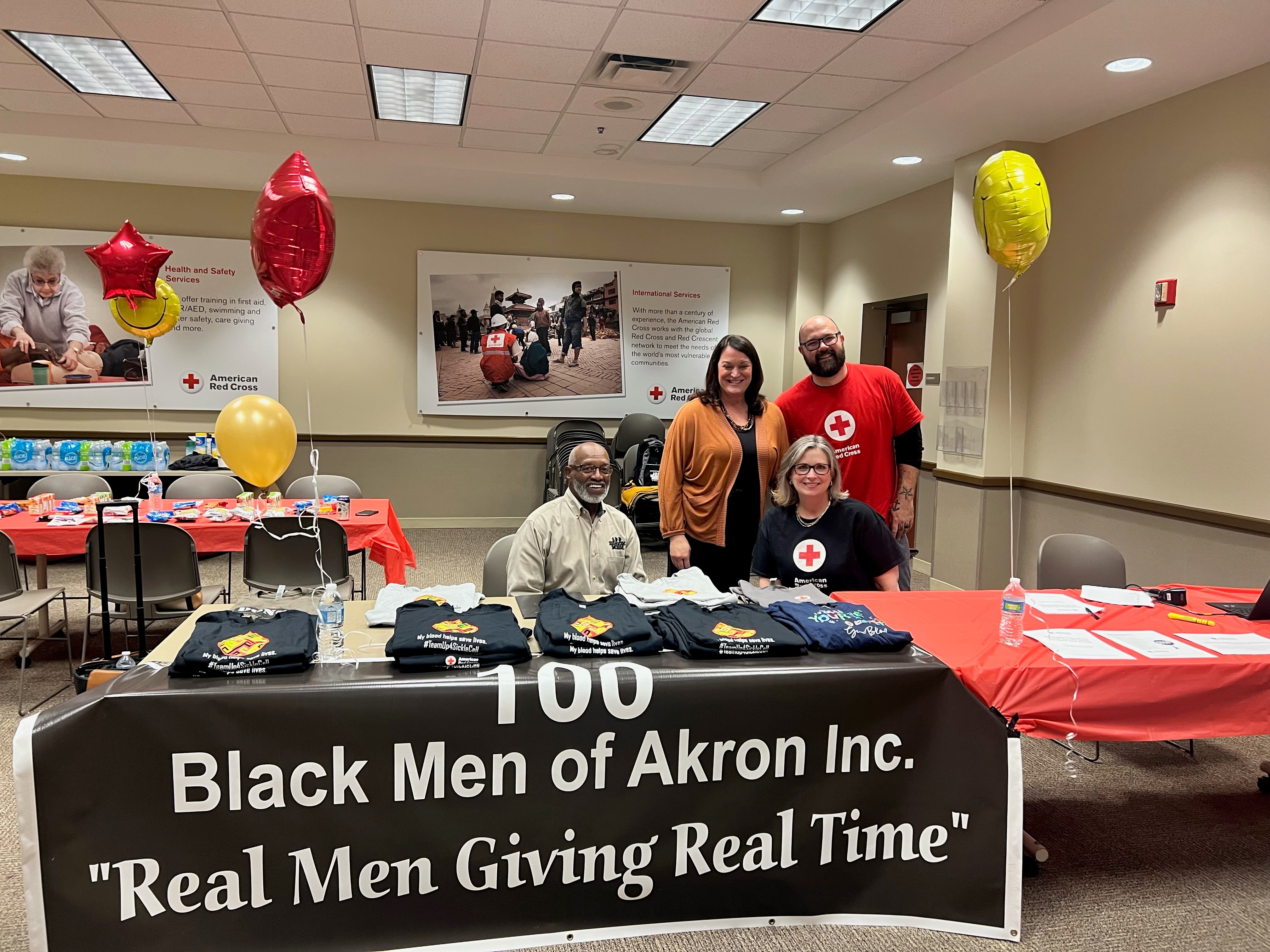
Three separate blood drives were scheduled in Akron, Ohio for the final three days of September to collect lifesaving blood and to raise awareness of sickle cell disease.

About 100,000 people in the United States have sickle cell disease. The disease affects 1 out of every 365 Black or African American births.

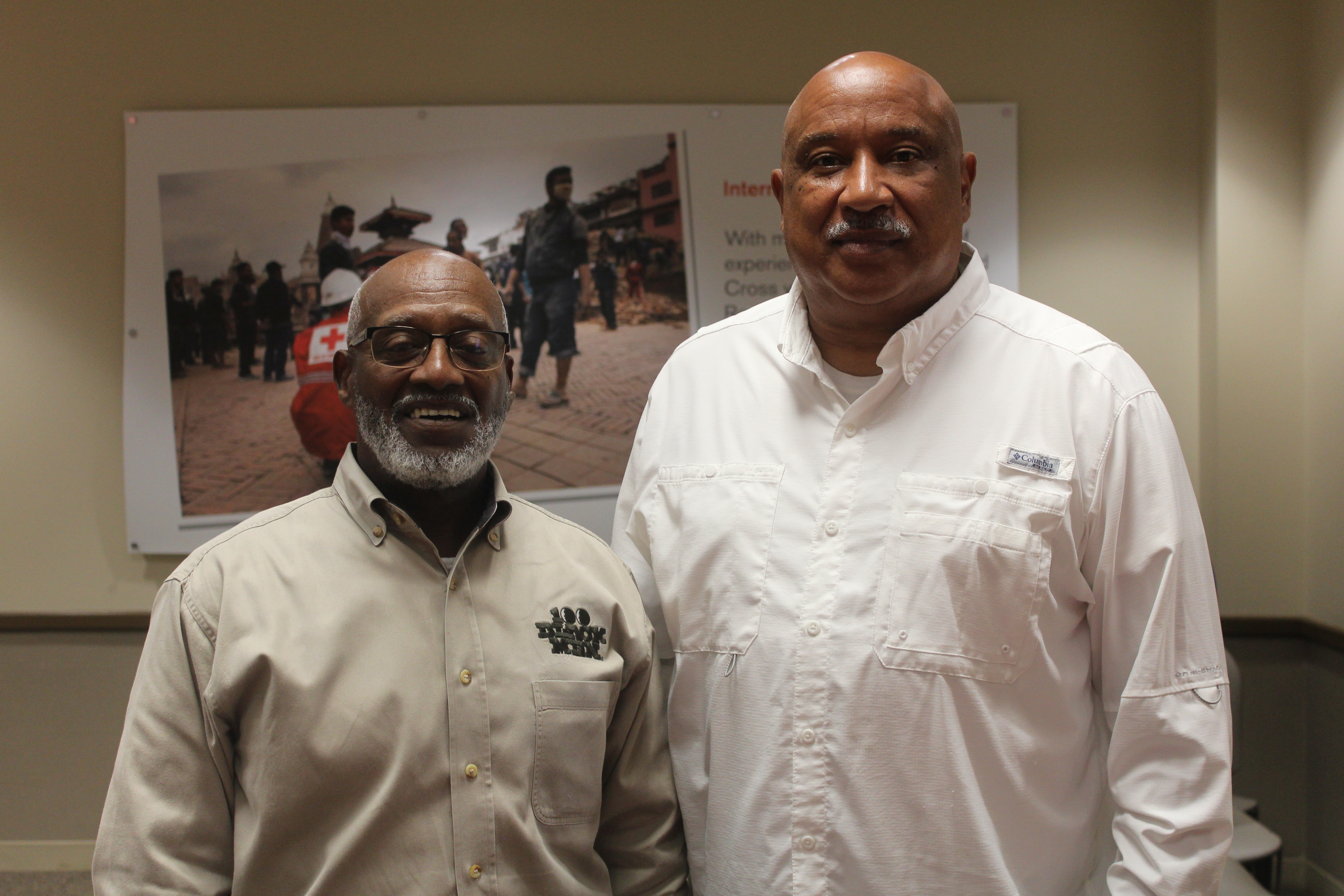
Michael Irby, President of the 100 Black Men of Akron, Rachel D’Attoma, Executive Director
Greater Akron and The Mahoning Valley, Ryan Lang, Red Cross board member and volunteer, Amy Cole, Red Cross board member and volunteer

People with sickle cell disease may need as many as 100 units of blood each year. Blood donations could help alleviate the symptoms of someone living with sickle cell disease, or even help save their life.

On Thursday, September 28th , the organization 100 Black Men of Akron hosted a drive at the headquarters of the Red Cross of Greater Akron and the Mahoning Valley. Michael Irby, President of the local organization, said hosting the blood drive fits with the national group’s mission.

Michael Irby, President of 100 Black Men of Akron with Charles Brown, Red Cross board member and Deputy Mayor of Akron, (retd.)

“Being out in the community, not just mentoring but partnering is important to us,” he said. “Blood drives fit right into our narrative of health and well-being.”

Michael said hosting the blood drive was especially important, not just because September is Sickle Cell Awareness Month, but also because of the shortage of blood nationwide.

The American Red Cross declared a national blood shortage on Sept. 11, citing a critically low blood supply level that dropped nearly 25% since early August.

When supplies are low it can often take weeks for inventories to rebound. The Red Cross estimates that 10,000 additional blood products must be collected each week over the next month for the blood supply to reach sufficient levels and meet hospital and patient needs.

On Friday, September 29th , the Akron Public Schools and Delta Sigma Theta Akron Alumnae Chapter and the Active Chapter at the University of Akron scheduled a blood drive at the Akron Public schools board office. And on Saturday, September 30th, a blood drive sponsored by the Akron National Panhellenic Council was scheduled at the Greater Akron and the Mahoning Valley Chapter headquarters. It’s the second blood drive for sickle cell awareness hosted by the group, following an initial blood drive last June.

If you feel healthy and well, please consider scheduling a blood donation by visiting redcrossblood.org, or by calling 1-800-RED CROSS (1-800-733-2767.) You can also schedule an appointment on the Red Cross blood donor app.

Donors of all blood types are urgently needed, and there is an emergency need for platelet donors and type O blood donors to make an appointment to give now to ensure patients across the country continue receiving critical medical care. And for people with sickle cell disease, blood from people of the same race or similar ethnicity is important in ensuring the best transfusion results, with the least potential reaction.

Posted by Ryan Lang, Red Cross board member and volunteer

Shedding light on Sickle Cell Disease

By Eilene E. Guy, American Red Cross volunteer

Sickle Cell Disease is hiding in plain sight, and La’Shardae Scott is determined to bring it into the spotlight.

Sickle Cell Disease (SCD) is the most common genetic blood disorder in the United States, afflicting some 100,000 people, primarily those of African descent. Every year, an estimated 1,000 babies are born with SCD.

During September, Sickle Cell Awareness Month, the American Red Cross is teaming up with SCD crusaders like La’Shardae to bring attention to this painful and life-threatening disorder.

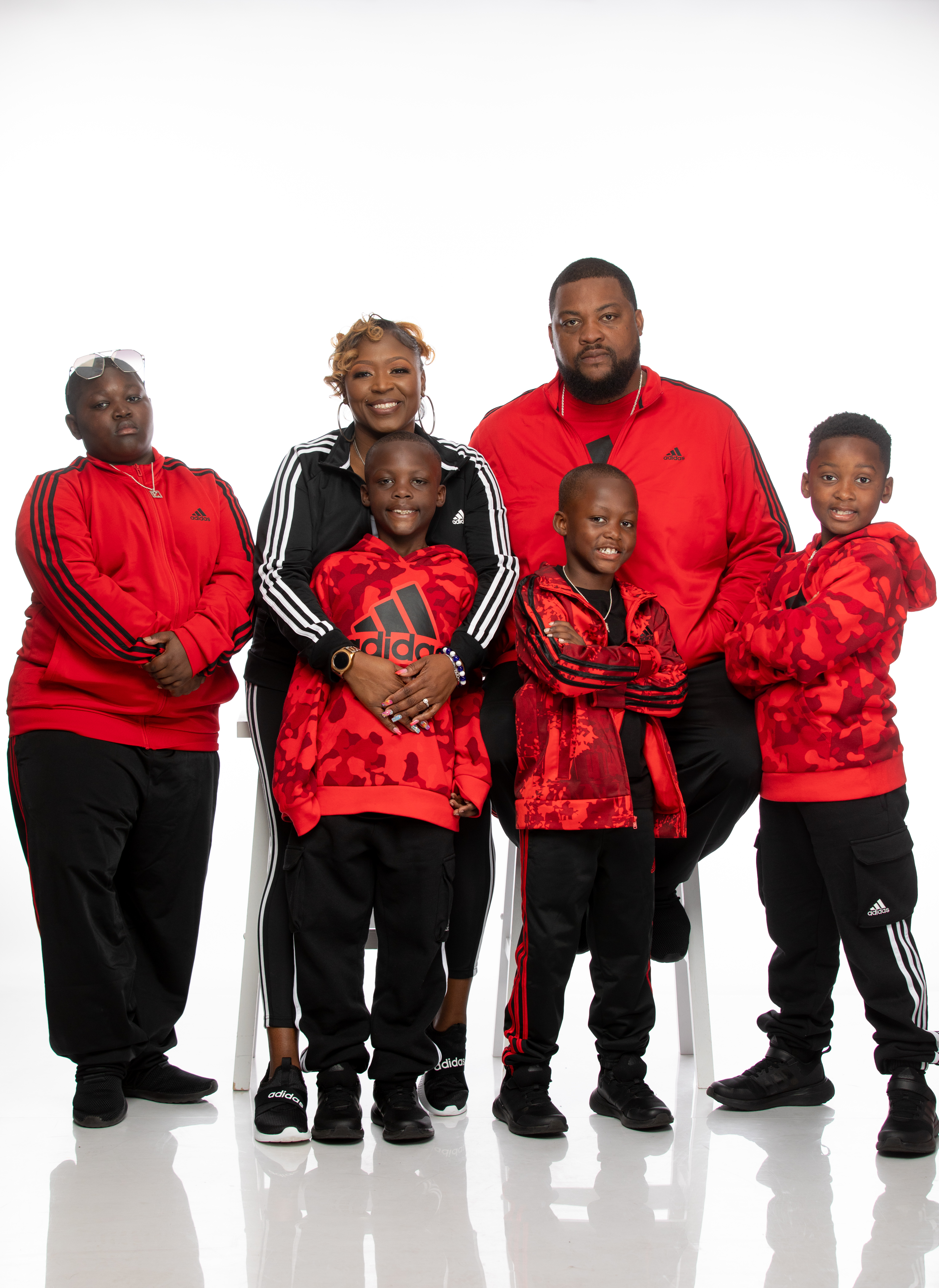
The Scott Family: Eric, La’Shardae, Emory, Evan, Eric and Liam

La’Shardae has launched the nonprofit Scott Center for Observation, Treatment and Transition in Oregon, Ohio, to minimize infant mortality in populations of color and help families and individuals with SCD transition successfully from pediatric to adult care.

She’s well aware that people of color have a fraught history with the medical establishment, which leads to poor doctor-patient relationships. Even today, misconceptions persist about Black people’s tolerance for pain.

“Patients born with this condition don’t look ill; they learn to manage their pain, but that doesn’t mean it isn’t real,” she said. “So when they finally seek help, they get dismissed as drug-seeking and that leads to further complications.”

Screening of newborns for SCD is now routine in all 50 states, but too often parents — confronted with the sudden notice that their baby has an incurable condition — don’t know how to handle that reality as the child grows, La’Shardae said.

At her house, she relies on medications, appropriate diet and “hydration, hydration, hydration” to keep her two SCD “warriors,” eight-year-old Emory and Evan, 7, thriving. At the same time, she advocates for them when they experience the acute pain and other side effects typical of SCD. But she knows the damaging effects accumulate.

SCD causes red blood cells to take the shape of crescent moons or sickles. These misshapen cells don’t carry their full load of oxygen throughout the body, leading to anemia, pain “crises” and gradual damage to organs and tissues. Worse yet, the sickled cells tend to clump together, causing strokes.

Transfusions play a key role in “diluting” these defective cells in the blood stream, easing pain and slowing damage. Blood from one in three African American donors carries unique characteristics — antigens — that make it a close match for SCD patients.

This is where the Red Cross comes in. As supplier of more than 40% of the nation’s whole blood and blood products, the Red Cross needs a diverse donor population to meet the many unique transfusion needs.

Since launching its Sickle Cell Initiative in 2021, the Red Cross has seen a 60% increase in first- time African American blood donors to more than 45,000.

La’Shardae is working hard to boost that number. She uses social media platforms, Facebook Live and community presentations to educate and recruit. You can read all about her activities at scottcenteroh.org.

Her next event is the Scott Community Blood Drive in partnership with the Red Cross, from 9 a.m. to 2 p.m. Sept. 16 at 653 Miami St. in Toledo.

To register to give blood, go to redcrossblood.org, call 1-800-REDCROSS or use the free Red Cross blood donor app.

Edited by Glenda Bogar, Red Cross volunteer

Posted by Ryan Lang, Red Cross board member and volunteer

Raising awareness in Akron for patients with sickle cell disease

When patients living with sickle cell disease face a sickle cell crisis, blood transfusions can make a lifesaving difference. That’s why the Akron National Panhellenic Council partnered recently with the American Red Cross to grow the number of blood donors who are Black to help patients with sickle cell disease, the most common inherited blood disorder in the U.S.

28 donations were collected at the Akron NPHC blood drive on Saturday, June 23, to help raise awareness for patients living with the disease. Nine sororities and fraternities took park in the drive.

Jasina Chapman, first-time blood donor and organizer of the Akron NPHC blood drive for sickle cell awareness

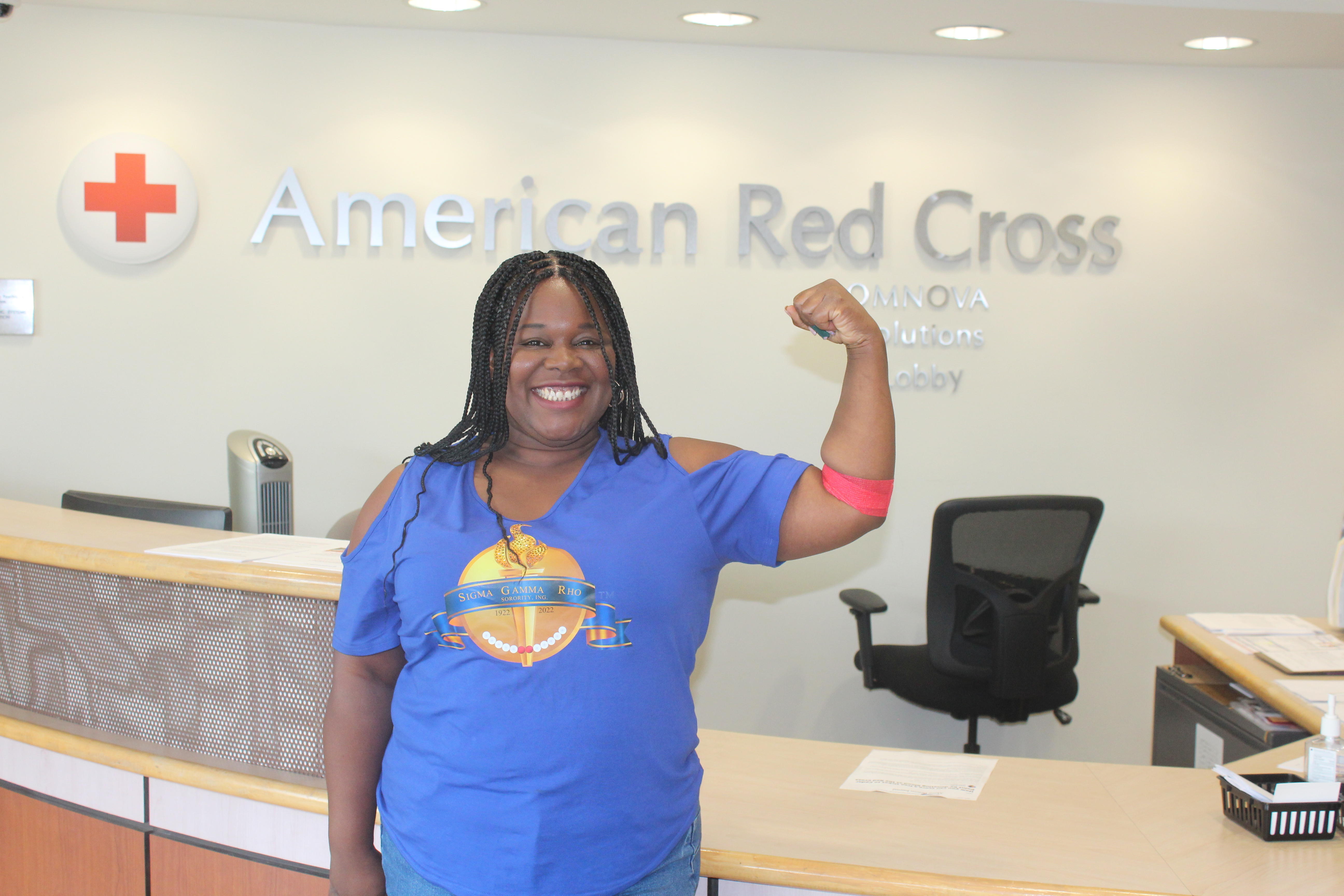
“We mobilized all of our groups to get them to either donate or volunteer,” said Jasina Chapman, who donated blood for the first time at the drive. As the Community Service Chairperson for the Eta Delta Sigma Chapter of Sigma Gamma Rho Sorority, Inc. and the Akron NPHC, she helped organize the blood drive.

“We are African American leaders in our community,” she said. “We need to activate African Americans to donate blood.”

More than 100,000 people live with sickle cell disease nationwide, and the majority of patients are of African descent. The disease distorts soft, round blood cells and turns them hard and crescent-shaped, which can cause extreme pain. When hardened, the cells can get caught in blood vessels, potentially leading to stroke and organ failure. Blood transfusions are often used in treatment, and many individuals who are Black have distinct markers on their red blood cells that make their blood donations the most compatible match for helping patients with sickle cell disease. One in three African American blood donors is a match for people with sickle cell disease.

Christa Nuru, one of 28 donors at the Akron NPHC blood drive

How to donate blood:
Simply download the American Red Cross Blood Donor App, visit RedCrossBlood.org, call 1-800-RED CROSS (1-800-733-2767) or enable the Blood Donor Skill on any Alexa Echo device to make an appointment or for more information. All blood types are needed to ensure a reliable supply for patients. A blood donor card or driver’s license or two other forms of identification are required at check-in. Individuals who are 17 years of age in most states (16 with parental consent where allowed by state law), weigh at least 110 pounds and are in generally good health may be eligible to donate blood. High school students and other donors 18 years of age and younger also have to meet certain height and weight requirements.

Blood and platelet donors can save time at their next donation by using RapidPass ® to complete their pre-donation reading and health history questionnaire online, on the day of their donation, before arriving at the blood drive. To get started, follow the instructions at RedCrossBlood.org/RapidPass or use the Blood Donor App.

World Sickle Cell Day

By Eilene E. Guy, American Red Cross Volunteer

What do Juneteenth (today) and World Sickle Cell Day (also today) have in common? Both of these events focus on African Americans.

Glinda Dames-Fincher is a member of the American Red Cross Sickle Cell Sub-committee in northern Ohio. She’s a proud, outspoken “sickle cell warrior” calling for more Black blood donors.

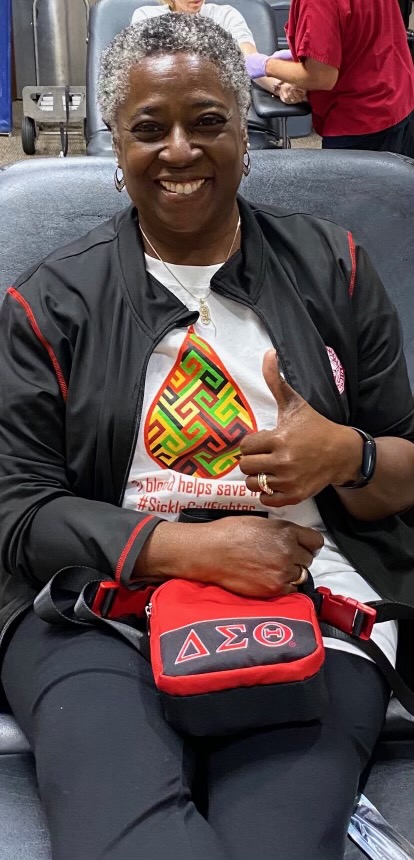
Glinda Dames-Fincher

“Over 80 percent of Americans with Sickle Cell Anemia are of African descent, and ethnicity matters with blood transfusion,” she said. Many individuals who are Black have unique structures on their red blood cells that make their donations the most compatible to help patients with sickle cell disease. Glinda likes to think of it as “special sauce.”

“So please, African Americans, roll up your sleeves and help sickle cell warriors like me fight their battle!”

For Glinda, the need is personal. In order to combat the many effects of sickle cell (SCD) on her body, she gets two units of red blood cells every month; the procedure involves withdrawing one unit of her damaged blood each time and then transfusing in two units of healthy red cells.

She figures she’s received more than 600 units of red cells, between regular transfusions and the many surgeries she’s undergone to repair organs damaged by oxygen deprivation.

Glinda is a wealth of knowledge about sickle cell:

 This inherited disorder makes red blood cells sticky, rigid and curl into a C “sickle” shape, limiting their ability to carry oxygen into every tissue in the body. The misshapen cells also tend to clump, leading to various complications. “For many pediatrics, a stroke is their first major sickle cell event,” she said.

 When tissues are starved of oxygen, something as simple as a change in the weather can trigger excruciating pain – called a sickle cell crisis – lasting from hours to days or even weeks. That often sends sickle cell sufferers to emergency rooms for treatment, including pain killers and blood transfusions.

 Sickled red blood cells also die prematurely: The distorted cells die within 10 to 20 days, compared to normal red blood cells that typically last 100 to 120 days. That leads to a shortage of red blood cells, a type of anemia. Here again, transfusions are crucial.

 Glinda is 64. “When I was born, life expectancy for a sickle cell patient was 18 years. Now it’s 40 to 60 years, thanks to medications and research,” she said. However, over time, patients may be subject to persistent infections, and damage to kidneys, heart, lungs and other organs.

 SCD affects more than 100,000 people in the United States. Eight out of 10 of them are of African descent; the rest are Hispanic or trace their ancestry to south Asia (such as India), southern Europe (Greece and Italy) or the Middle East (such as Saudi Arabia and Lebanon).

 SCD testing is part of the routine blood tests for newborns in the United States. Additionally, the Red Cross provides sickle cell trait testing for all blood donors who identify themselves as Black or African American. Those with the “trait” inherited a sickle cell gene from one parent; those who got a sickle cell gene from both parents are born with the disease.

Since the best blood match for a patient receiving ongoing transfusions comes from donors of the same genetic background, the Red Cross is urging people of all ethnicities to give blood and help increase the number of diverse donors, so we can find the best match for all patients.

Watch this video that documents Glinda’s ongoing struggle with sickle cell disease.

In honor of Juneteenth, learn more about SCD and please make an appointment to donate blood at RedCrossBlood.org/SickleCell.

Posted by Ryan Lang, American Red Cross board member and volunteer

Plea for blood donors who are Black to give during Black History Month

Donors essential for helping patients with sickle cell disease

By Sabrina Spikes, American Red Cross Blood Donor Recruitment Manager

Sickle Cell disease is the most common genetic blood disease in the U.S., affecting about 100,000 people—primarily affecting Black and African American individuals. Though there is no widely available cure, the Red Cross supports one of the most critical sickle treatments of all—blood transfusions. For many patients, a close blood type match is essential and is found in donors of the same race or similar ethnicity.

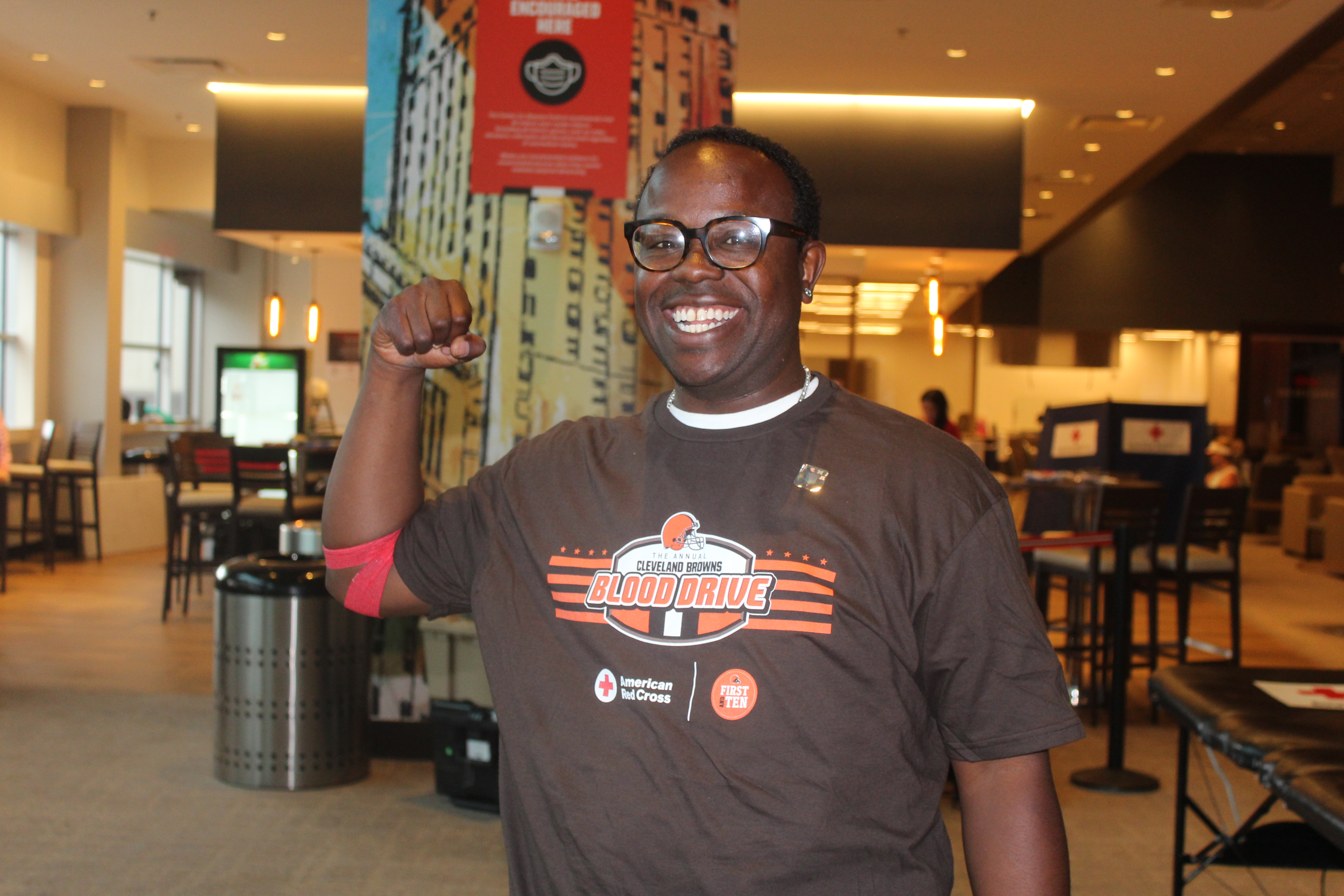
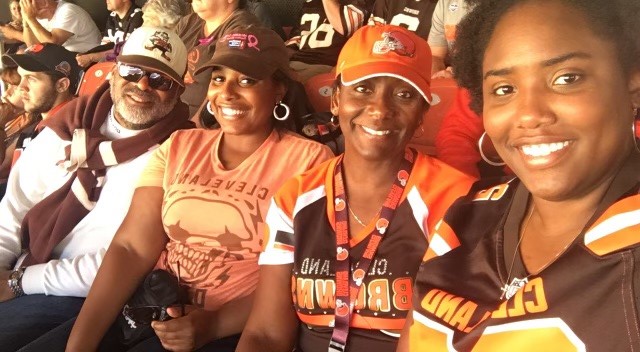
Blood donor Bridget C. Miller Harper at the 2021 Cleveland Browns blood drive

Blood transfusions from individuals of the same race or similar ethnicity and blood type are the most effective way to help patients experiencing a sickle cell crisis. Since the majority of people with sickle cell are of African descent, blood donations from Black individuals are essential in helping those suffering from this disease.

When provided blood from a donor of similar race or ethnicity, patients have fewer chances of complications. In the donor recruitment department here at Red Cross, we encourage individuals in the Black community to host blood drives and give blood. By collaborating with our community partners, we also provide and encourage blood donation education to increase the likelihood of a successful blood donation.

Blood donor Keith Lofton of Olmsted Falls donated in Rocky River in 2022

While working with community organizations, I have talked to many persons with sickle cell disease. They report experiencing anemia (a shortage of red blood cells), fatigue and severe pain crises. Often the only treatment available to alleviate this pain is blood transfusion. Some individuals with sickle cell disease can require up to 100 pints of blood per year. This makes minority blood donation critical.

Donating blood can make a difference in the lives of patients battling sickle cell disease, but also cancer, and other chronic illnesses. When we increase the number of blood donors who are Black, we diversify the blood supply – a critical step to improving health and wellness in the community. Together, we can raise awareness of the impact and need by hosting a blood drive or visiting redcrossblood.org to sign up to donate at a blood drive in your community.

Posted by Ryan Lang, American Red Cross board member and volunteer

Mom makes plea for diverse blood donors

By Theresa Carter, guest blogger and proud supporter of the American Red Cross of Greater Akron and the Mahoning Valley

In the U.S., it is estimated that over 100,000 people – the majority of whom are of African descent – have sickle cell disease and may require blood transfusions throughout their lifetime to help manage their disease.

Theresa Carter, speaking at the Acts of Courage Awards in March, 2022

The American Red Cross has launched a national initiative to grow the number of blood donors who are Black to help patients with sickle cell disease and improve health outcomes.

Sickle cell disease is an enduring – and often invisible – health disparity in the U.S. Despite the discovery of the disease more than a century ago, there has been fewer health resources available to help those currently suffering from sickle cell disease in comparison to similar diseases.

The Red Cross currently provides sickle cell trait screening on all donations from self- identified African American donors. This additional screening helps the Red Cross identify compatible blood types more quickly to help patients with sickle cell and provides our African American donors an additional health insight during a time when health information has never been more important.

This cause is near and dear to my heart because both my daughters have sickle beta thalassemia disease, a minor form of sickle cell. You see, I have a sickle trait and their father has the thalassemia trait. We had no clue until our children were born that we had these traits and that our girls would have this disease. Therefore, screening is so very important…. just to know; to understand the cause and then educate ourselves so that we can be our best advocates if and when the time arises for medical care.

Garvin and Theresa Carter with daughters Erin and Cesily

Please take action today and schedule a blood donation appointment by visiting RedCrossBlood.org, using the Blood Donor App or calling 1-800-RED CROSS.

Editor’s note: Regular blood transfusions are critical to managing extreme pain and life threatening complications faced by many. Unfortunately, they may develop an immune response against blood from donors that is not closely matched to their own. However, because most individuals who are Black have unique structures on their red blood cells that are not often found in other donor populations, 1 in 3 African American blood donors is a match for people with sickle cell disease.

Sickle cell disease distorts soft, round blood cells and turns them hard and crescent-shaped, which can cause severe pain. “When cells harden, they can get caught in blood vessels, potentially leading to stroke and organ failure,” says Dr. James Westra, Regional Medical Director. “Transfusions provide healthy blood cells, unblocking blood vessels and delivering oxygen, minimizing crises patients with sickle cell may face.”

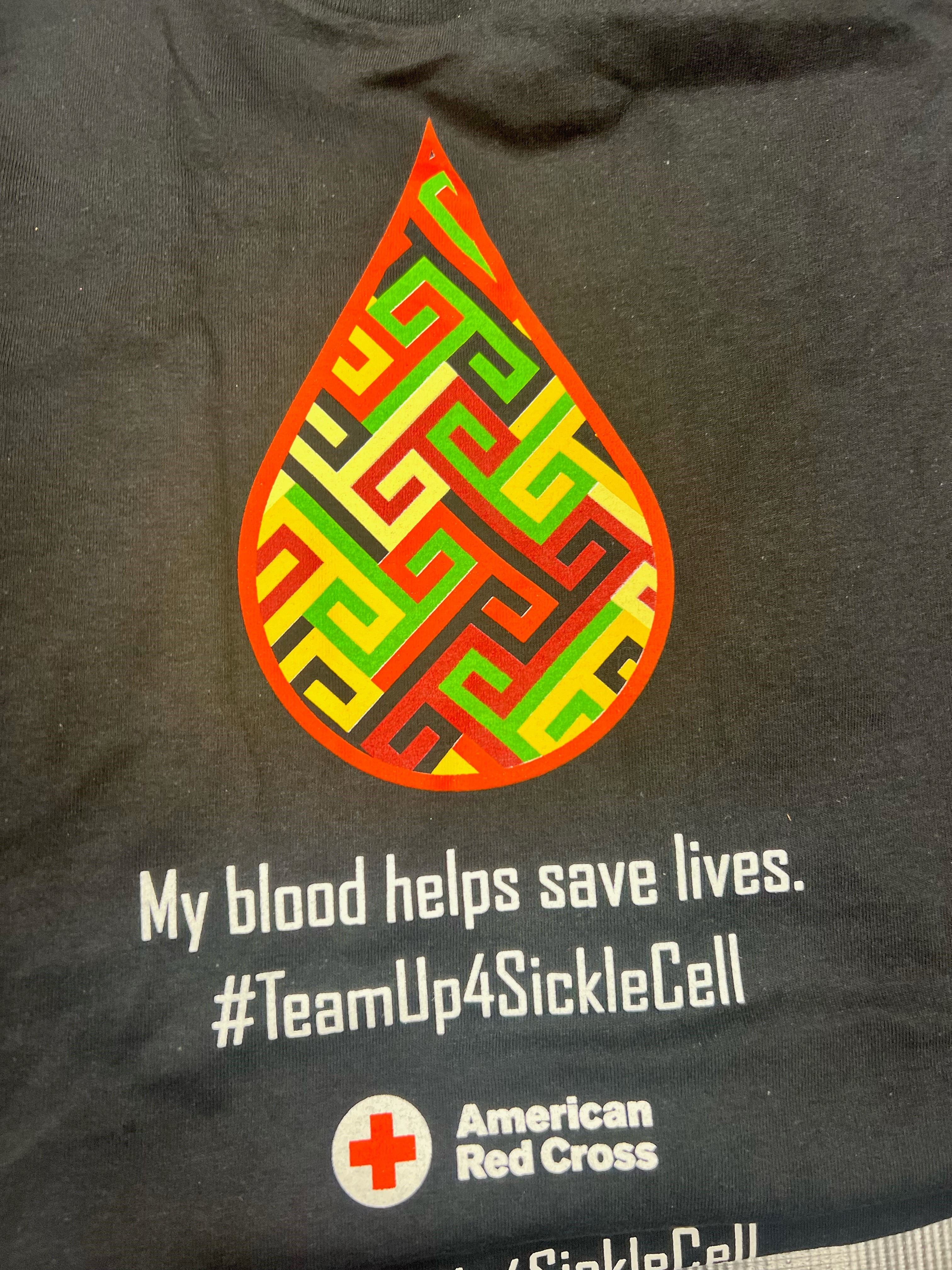
Seasonal changes can trigger pain crises for those battling sickle cell – possibly increasing the need for lifesaving blood transfusions. As summer ends, book a time to give blood by using the Red Cross Blood Donor App, visiting RedCrossBlood.org or by calling 1-800-RED CROSS (1-800-733-2767). As a thankyou, all who come to give through Sept. 18 will get an exclusive Red Cross T-shirt, while supplies last.

Posted by Ryan Lang, American Red Cross board member and volunteer

Blood donations: Who benefits?

By Samantha Pudelski, American Red Cross volunteer

We’ve all seen the American Red Cross logo at one time or another in our lives. Many of us have seen it promoting a local blood donation drive being held that day as we drove down the road. We all know that blood is needed for us to live–but we may not always think of how many different individuals rely on blood donations, until we or someone we know needs it. In fact, in Northern Ohio the Red Cross provides blood for patients in more than 70 local hospitals in Cleveland, Akron, Youngstown and Toledo.

Platelet donors Al Whitney of Avon Lake and Vinton Smith of Gettysburg, PA

Who are some of the people who rely on blood donations? Below are just a few:

Cancer Patients

Cancer patients may need blood transfusions to implement platelets back into the body after treatments such as chemo or radiation therapy. Certain cancers can also affect a patient’s ability to produce their own platelets.

Trauma Patients

When a patient comes into an emergency department with a trauma injury and there’s no time to check the patient’s blood type, emergency providers use type O negative red blood cells and type AB plasma. O negative blood cells and AB plasma can be transfused into any patient, regardless of blood type. However, less than 7 percent of the population has type O negative blood, and only about 4 percent have type AB Blood. A constant flow of blood donors who have these blood types are critical to keep up with hospital demand, and to help emergency providers save lives.

Glinda Dames-Fincher, of Mayfield Heights has lived with sickle cell disease for more than 60 years and receives regular red cell exchanges as part of her treatment.

Sickle Cell Patients

Sickle cell disease affects about 100,000 people in the United States, and causes red blood cells to harden and form a C-shape. When these cells harden, they can get caught in blood vessels and cause serious complications like respiratory conditions, organ failure, stroke or severe pain. While there is no cure for the disease, there is a critical treatment—blood transfusions. 

Burn Patients

Burn patients may experience blood loss through surgery or anemia. These individuals may need blood transfusion to replace the blood or red blood cells lost. 

Patients Who Have Major Surgeries

Patients who have a major surgical procedure may need a blood transfusion to replace any blood loss that occurred during their surgery.

Patients with Chronic Diseases

Patient with certain chronic diseases or disorders may require blood transfusions. Some may need blood transfusions throughout their lives. 

The next time you see one of those signs, one of our advertisements or think about the Red Cross, take the next step. Schedule an appointment to donate blood. Your donation helps people in your community – and you never know if that person could be standing right beside you. To take that next step now, visit www.redcrossblood.org/give.html/find-drive to find an upcoming blood drive or donation site near you.

Edited by Glenda Bogar, American Red Cross volunteer