What would you do if extreme weather forced you to stay in your car for hours?

Extreme weather can happen anywhere and at anytime. Typically, the public has advanced notice of extreme weather and can prepare for the event. But consider the ice storm that stopped Georgians in their tracks last January. Some travelers were stuck in their cars on the interestate for 12 or more hours.

So, what can you be prepared for the next #blizznado? (#winterblizz? #heckofalottasnow?)

A lot, actually! Be aware of the amount of gas you have in your car and never let it get below a quarter of a tank.

Pack a special Emergency Kit (Car Edition!) that you keep in your car. Include:

  1. Flashlight with extra batteries
  2. An extra Cell Phone Car Charger
  3. Blanket and/or emergency Mylar blanket
  4. Fleece Hat, Gloves, Scarf (one set for each traveler)
  5. Flares
  6. Folding Shovel
  7. Sand or Cat Litter
  8. Ice Scraper and Snow Brush
  9. First-Aid Kit
  10. Small battery-operated radio
  11. Emergency contact card with names and phone numbers
  12. Extra prescription medications
  13. Bottled Water (4 quarts per traveler – don’t forget pets!)
  14. High protein snacks such as nuts and energy bars; canned fruit and a portable can opener
  15. Maps
  16. Whistle
  17. Baby formula and diapers if you have a small child
  18. A baggie of pet food, if you frequently travel with your four-legged friends

Additionally, know the differences between winter storm outlooks, advisories, watches and warnings.

  • Winter storm outlook – Winter storm conditions that are possible in the next 2 to 5 days.
  • Winter Weather Advisory – Winter weather conditions are expected to cause significant inconveniences and may be hazardous. When caution is used, these situations should not be life-threatening.
  • Winter Storm Watch – Winter storm conditions are possible within the next 36 to 48 hours. People in a watch area should review their winter storm plans and stay informed about weather conditions.
  • Winter Storm Warning – Life-threatening, severe winter conditions have begun or will begin within 24 hours.
    • People in a warning area should take precautions immediately.

After you turn back the clock, check your smoke alarm batteries and emergency preparedness supplies

This weekend marks the end of Daylight Saving Time which means we will turn the clocks back one hour on Saturday night and receive an extra hour of sleep Sunday morning.

You can post this graphic to your Facebook page to help remind all of your friends and family to do the same.

You can post this graphic to your Facebook page to help remind all of your friends and family to do the same.

We recommends that you also use this as an opportunity to prepare for the winter season by checking you smoke alarm batteries and emergency preparedness supplies – a step that could save you time should an unexpected crisis arise.

Other preparedness steps you can take this weekend include:


  • Updating the emergency contact information in your family communications plan. Choose an out-of-area emergency contact that each person in your family can call if he/she becomes separated during a disaster situation.
  • Making sure your emergency preparedness kit still includes at least a three-day supply of non-perishable food items and water (one gallon per person per day), a flashlight, a battery-powered or crank radio, can opener, first aid kit, copies of important documents, and special items such as medications, diapers, and infant formula.
  • Checking your emergency preparedness kit for expired food items; refresh staples such as water, food and batteries. If there have been changes in prescriptions or dietary needs, add new foods and medications as needed.


Taking simple actions like these can help you be better prepared for emergencies. You can find more information on preparedness on redcross.org.

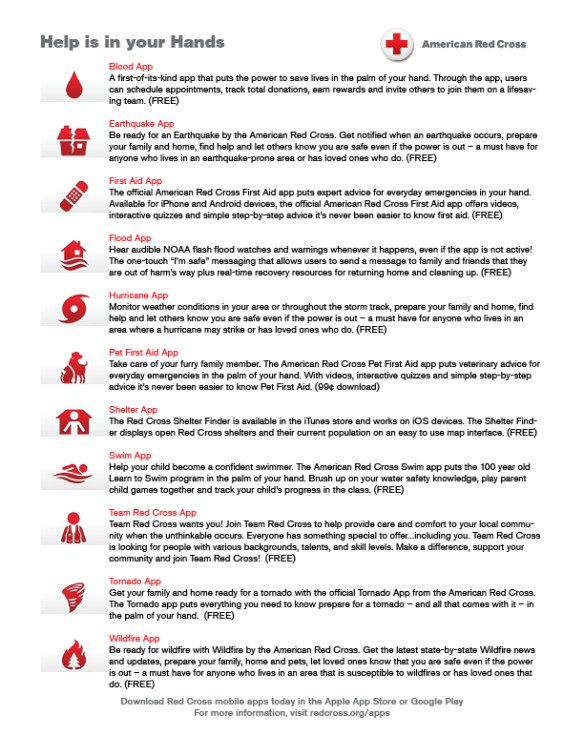
The Red Cross has free mobile apps that help people learn what to do before, during and after an emergency or disaster

Red Cross and the 910th Airlift Wing team up for “Feel the Heat” event

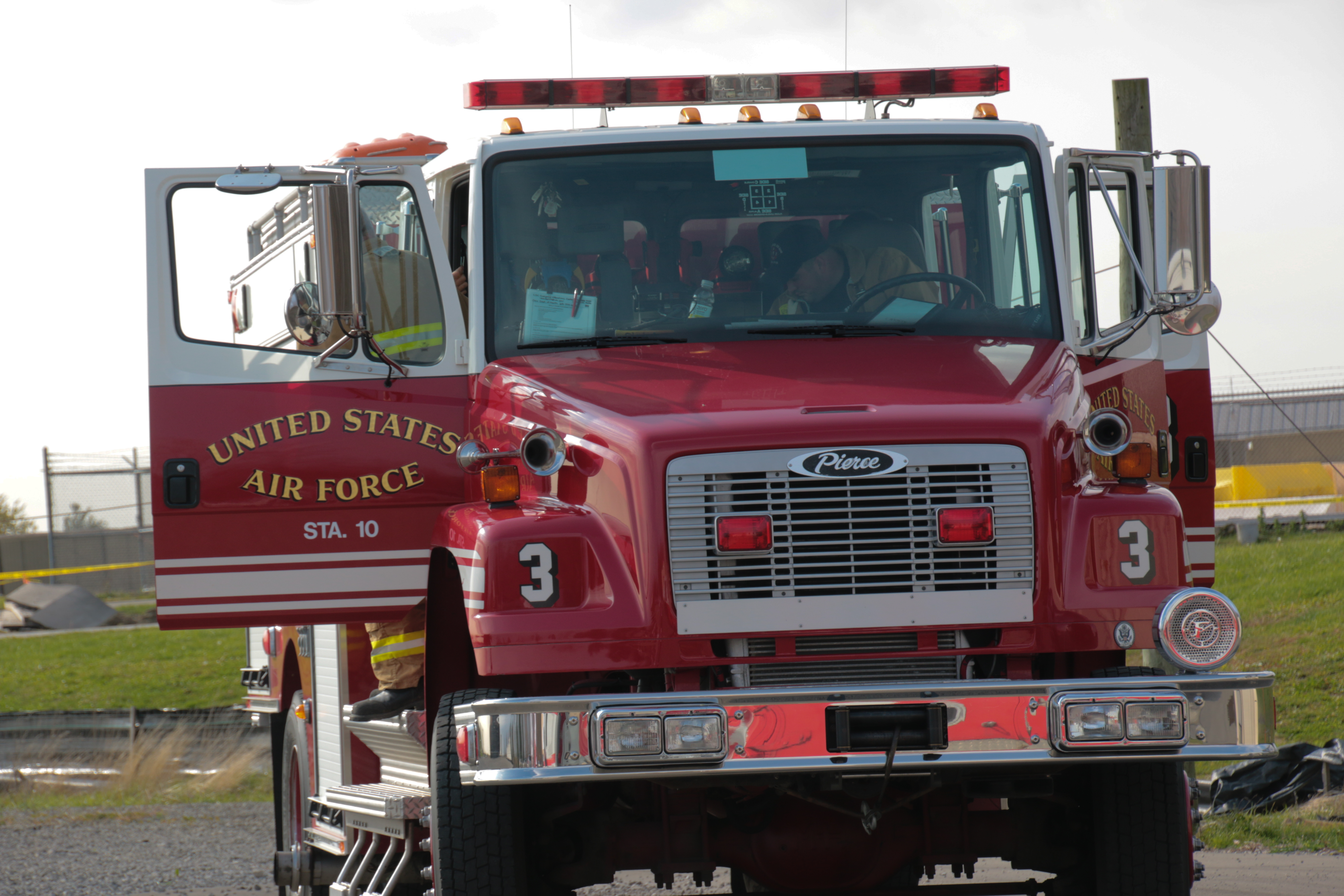
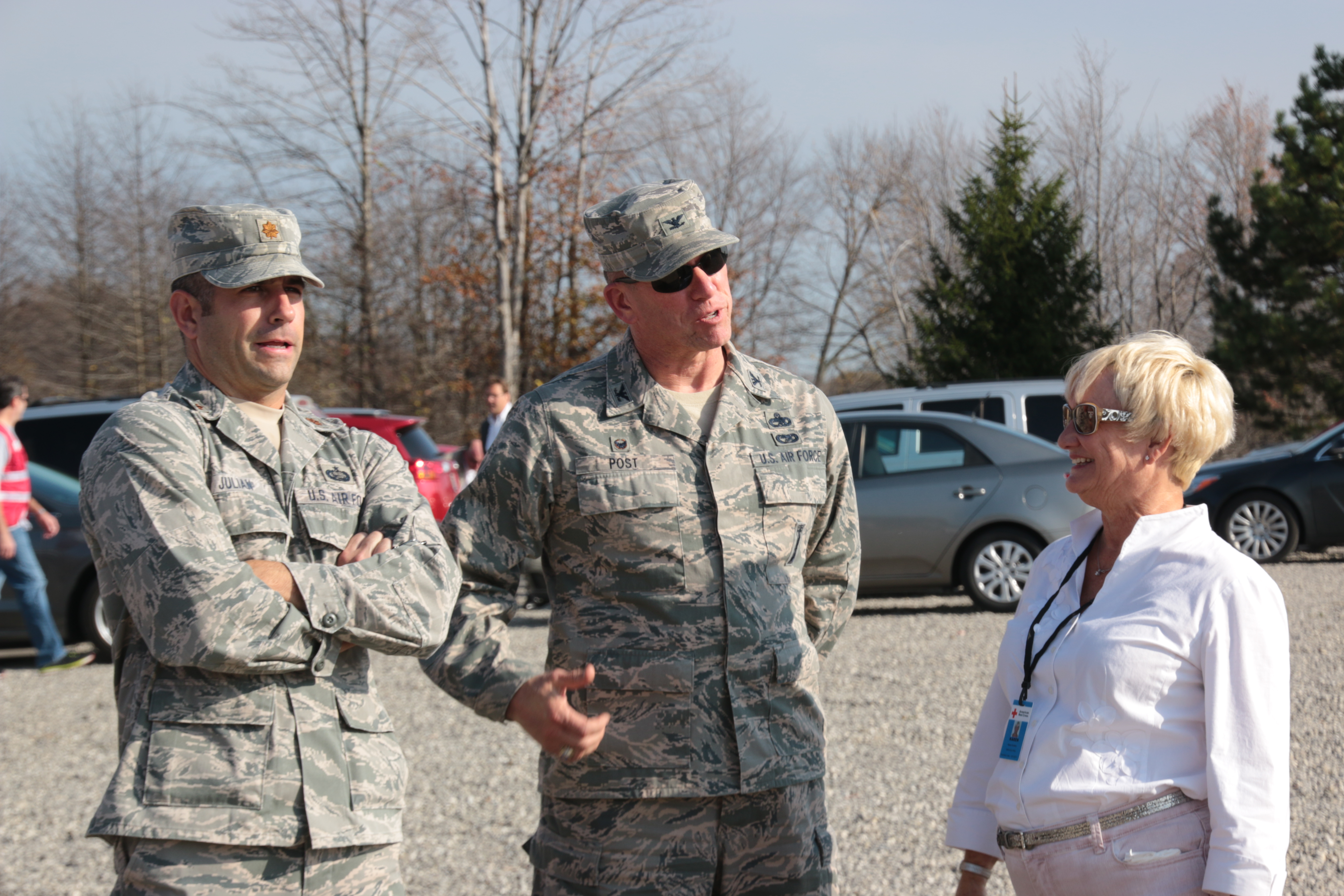
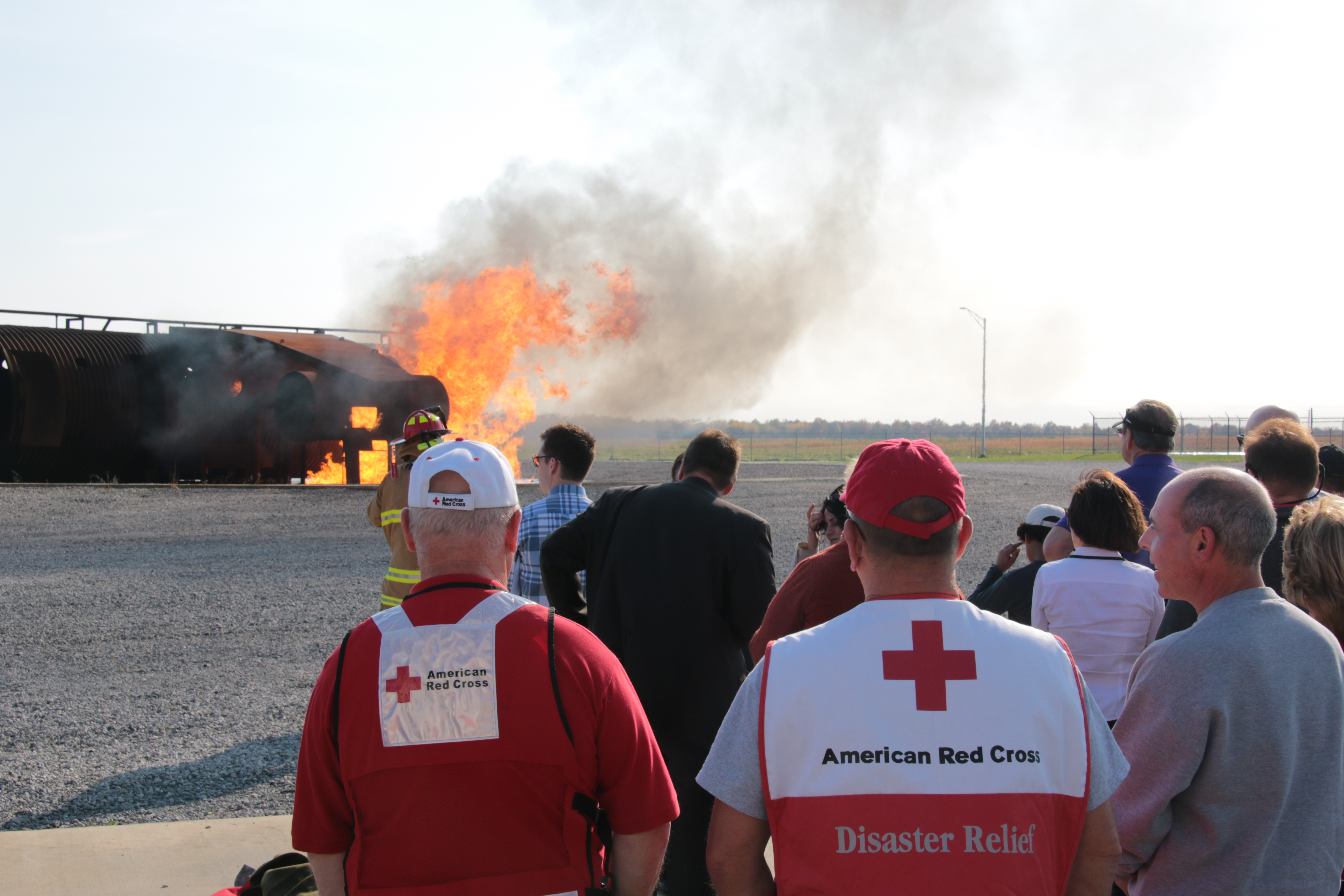
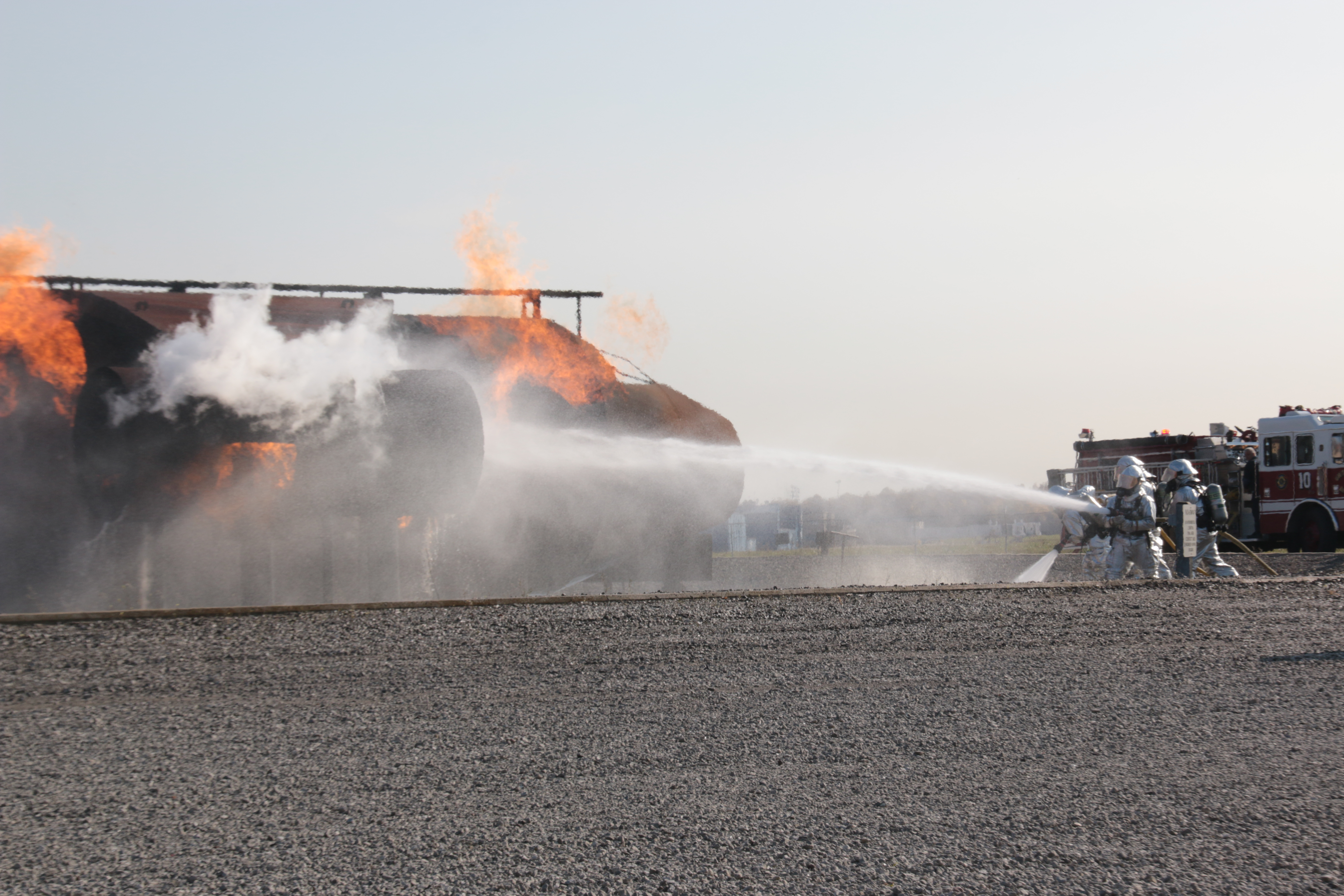
IMG_4036IMG_4080 IMG_4095 IMG_4133 On Monday, October 27 the
American Red Cross of the Mahoning Valley and the 910th Airlift Wing teamed up to conduct a mock aircraft crash disaster training event at the Youngstown Air Reserve Station.

The 2014 “Feel the Heat” event simulated a mock aircraft crash. The 910th Civil Engineer Fire Department responded to contain the aircraft fire while the American Red Cross provided care and comfort to simulated survivors. The exercise is designed to demonstrate the high level of readiness of the air station’s first responders and the everyday work of the area’s American Red Cross staff and volunteers who respond to the plight of those in need of their services in our community. An audience of invited guests and area media outlets were on hand to observe the exercise.

Designed to showcase the partnership between the Red Cross and the military, this exercise was the second event to take place as part of the Air Force Community Partnership Initiative at Youngstown Air Reserve Station.

“This exercise is another example of community partnership and support. Since Clara Barton, the Red Cross has been committed to helping our military. We are proud to continue that tradition with our 910th Air Reserve Station and, in doing so, making our community a safer place.”

For more information about the Air Force Community Partnership Initiative, the Youngstown Air Reservation Station and more photos of the event, please visit their site.

Are you prepared for a home fire? Test yourself

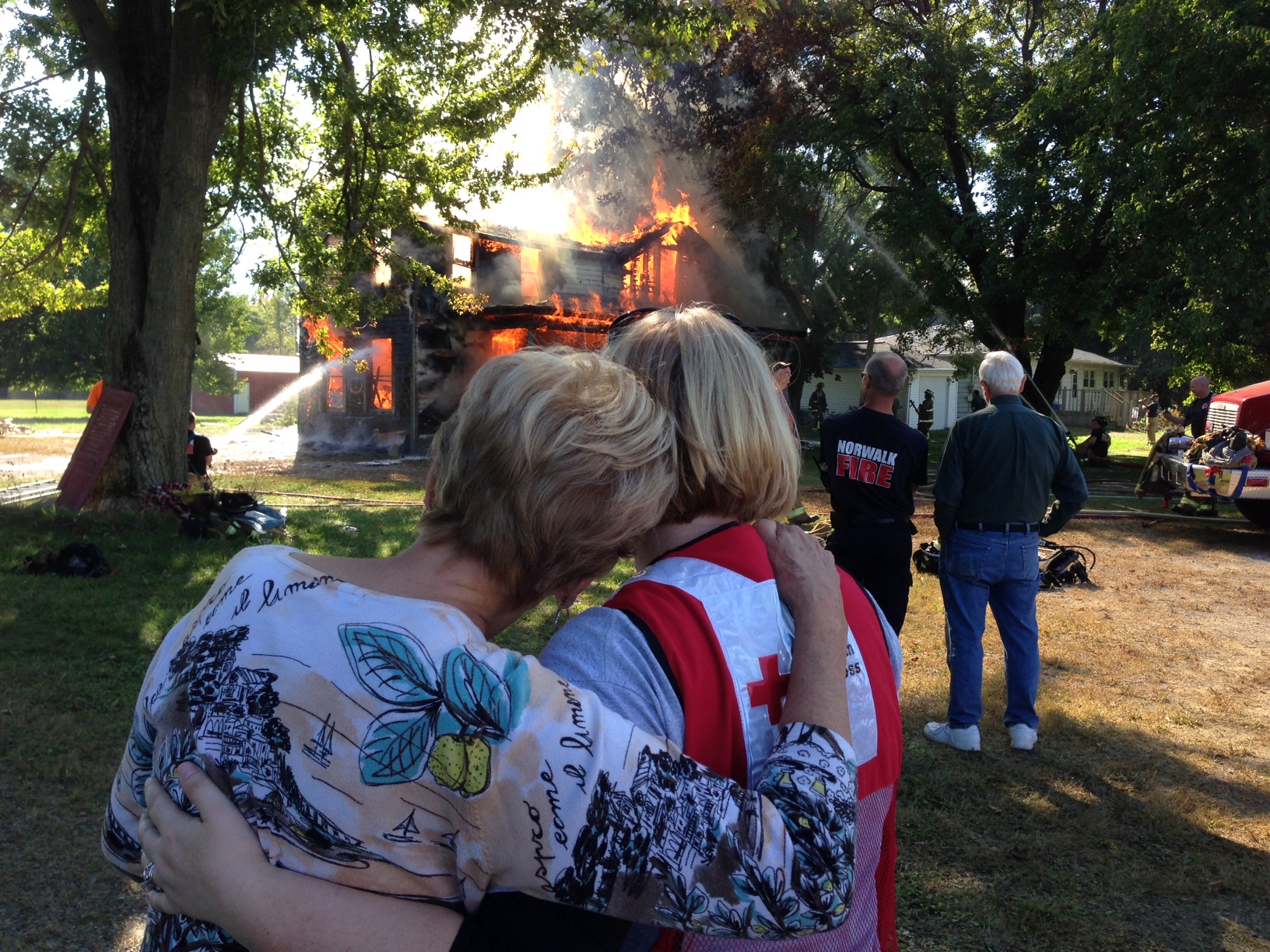
Did you realize that, on average, the Red Cross of Northeast Ohio responds to 2.5 home fires every night? While one piece of our mission is to help families displaced by these and other disasters, many households can help themselves by becoming more aware of how to reduce their chances of experiencing a fire.

2014 Katie with Fire VICTIM

In fact, the Red Cross and its local and national partners have launched the Home Fire Preparedness Campaign, an initiative that aims to reduce deaths and injuries caused by home fires by 25% in five years.

Test yourself with this handy quiz to determine what you have covered, and what you and your family may need to work on.

The Red Cross is asking every household in America to join us in taking two simple steps that can save lives: checking or installing smoke alarms and practicing fire drills at home.

Join the Red Cross and Federal Emergency Management Agency in the second annual PrepareAthon on September 30

Join us for the second annual America’s PrepareAthon! national day of action.

The last few years have been an important reminder to all of us that disasters can strike anytime and anyplace. Nearly every region of the country experienced some form of extreme weather event, including devastating tornadoes in Oklahoma, scorching wildfires throughout California, and destructive flooding in Northeastern Ohio.

The destructive power of weather affects all communities. Learning how prepare for an emergency will help determine your course of action during a disaster.

The destructive power of weather affects all communities. Learning how prepare for an emergency will help determine your course of action during a disaster.

As with many life events, preparation is the key to success. When you prepare and practice for an emergency in advance of an event, it makes a real difference in your ability to take immediate and informed action when it matters most. Early action can also help you to recover more quickly.

That’s why thousands of individuals, organizations, schools, houses of worship, and local governments across the Nation are actively participating in a new national campaign for action – America’s PrepareAthon!

The Red Cross continues to support and promote this action-based initiative to build a more resilient Nation starting with the national day of action on September 30.

Can’t participate on September 30? Preparing for disasters is a year-round activity. So pick a date that works for you. You can still register to be counted in the movement. And be sure to post your preparedness activities on the national calendar.

It’s not a matter of if the next disaster will happen, but when. Take action and prepare now by completing simple steps such as making a plan and having an emergency kit. Start the conversation in your family today. It can help determine what you need to do next to become more prepared.

Be smart, take part, and prepare for emergencies before they strike!

Disaster preparedness for pets too!

When disaster strikes, all members of the family should be prepared with a disaster kit – including your pets.  Keep items in an accessible place and store them in sturdy containers so that they can be carried easily.

Pictured beside Zack and Zoe are leashes, water, food, Vet information, dog toys, a towel, dog treats, medical history, medicine, current picture of Z&Z and a water bowl.

Pictured beside Zack and Zoe are leashes, water, food, Vet information, dog toys, a towel, dog treats, medical history, medicine, current picture of Z&Z and a water bowl.

Your kit should include—

  • Sturdy leashes, harnesses and/or carriers to transport pets safely and ensure that they can’t escape.
  • Food, drinking water, bowls, cat litter/pan and a manual can opener.
  • Medications and copies of medical records stored in a waterproof container.
  • A first aid kit and download the Pet First Aid App
  • Current photos of you with your pet(s) in case they get lost. Since many pets look alike, this will help to eliminate mistaken identity and confusion.
  • Information on feeding schedules, medical conditions, behavior problems, and the name and number of your veterinarian in case you have to foster or board your pets.
  • Pet beds and toy

Click here for a complete list of pet disaster preparedness items: http://www.redcross.org/images/MEDIA_CustomProductCatalog/m3640126_PetSafety.pdf

Pets will look to family members for comfort during all the changes that disasters bring.  Having a plan ahead of time will reduce stress and ensure you that you can care for your furry family members.

Northeast Ohio rolls out the Disney Pillowcase Project

The Pillowcase Project, presented by the Red Cross and the Walt Disney Company, teaches students grades 3-5 about emergency preparedness.

The Pillowcase Project, presented by the Red Cross and the Walt Disney Company, teaches students grades 3-5 about emergency preparedness.

Thanks to a grant from the Walt Disney Company, the Red Cross of Northeast Ohio is now able to present The Pillowcase Project. The program provides disaster preparation education for third through fifth grade students. Kids learn how to create a disaster kit by packing essential items into a pillowcase for easy transport in times of emergency.

The project grew from stories of Loyola University students who packed their emergency belongings in a pillowcase during Hurricane Katrina in 2005. The New Orleans chapter first developed the program and it has grown to include more than 59 Red Cross Regions.

In addition to preparing an emergency pillowcase kit, students will learn about geographic-specific hazards and practice resilience-coping skills. The program ties in to educational standards. During the class, kids will receive and color their own Disney pillowcase.

We are currently training presenters. If you are a registered volunteer (who has taken the Disaster Services Overview course) and are interested in being a presenter, please call John Gareis at 216-431-3219 or email John.Gareis@redcross.org.

Not a volunteer…yet? Get started today at redcross.org/volunteer.

Interested in hosting a presenter in your class or scout meeting? Call John Gareis at 216-431-3219 or email John.Gareis@redcross.org.

Learn more about Flood Safety Awareness with a new app from the Red Cross

On average, there are 89 fatalities and more than $8.3 billion dollars in damage each year as a result of flooding. Floods and flash floods are the most common, and costliest, weather related disaster in the United States. The National Oceanic and Atmospheric Administration (NOAA), the organization that monitors and manages weather and ocean related data, predicts that minor flooding will occur this spring in Northeast Ohio. That prediction does not take in to consideration the potential for flash flooding, a type of flooding that occurs when water rises in a short amount of time, quickly with little or no warning.

In an effort to get the word out about the deadly nature of flooding, NOAA and the Federal Emergency Management Agency (FEMA) observe Flood Safety Awareness week from March 16 through 22.

Screen Shot from the Flood App, now available from the American Red Cross.

Screen Shot from the Flood App, now available from the American Red Cross.

To celebrate, the American Red Cross released a free, Flood app.  The app helps users gain more information about how to prepare for and respond to a flood in their area. It features interactive quizzes and awards users with badges that can be shared on social networks.

Want to build an emergency kit in preparation? The app can help with that!

Most importantly, the app can be used during a flood. It provides an audible and location specific alert when a Flood Warning or Watch is in effect, plus a toolbox of helpful features such as turning a smart phone’s camera flash into a flashlight and helping the user post the message “I’m safe” on social networks. It will also map out area Red Cross shelters.

The app is available in the Apple App Store and the Google Play Store or visit redcross.org/apps


Be a Force of Nature: Take the Next Step during National Severe Weather Preparedness Week

In July of 2013, the Red Cross responded to flooding in Barberton, OH.

In July of 2013, the Red Cross responded to flooding in Barberton, OH.

This year, why not take the time to learn how to prepare for severe weather during National Severe Weather Preparedness Week, March 2-8, 2014, sponsored by the Federal Emergency Management Agency (FEMA) and the National Oceanic Atmospheric Administration (NOAA).

Being prepared to act quickly could be a matter of survival. This is especially evident during the threat of severe weather. The deadliest and most destructive tornado of 2013, an EF-5 on May 20 in Moore, Oklahoma and caused more than $2 billion in property damage. Even though severe weather was anticipated days in advance, many in the impacted areas said they did not have a plan and were caught unprepared.

While spring tends to produce more tornadoes, they’re not uncommon in fall. On Nov. 17, a late season tornado outbreak that struck seven Midwestern states became the most active tornado day of 2013 with a total of 74 tornadoes.

Being prepared to act quickly could be a matter of survival. This is especially evident during the threat of severe weather. The Moore Oklahoma ESF 5 tornado is estimated to have caused about $2 billion in property damage. In November 2013 alone, at least 70 tornadoes spanned seven Midwestern states.

Severe weather could happen at any time, anywhere. Even though the Oklahoma tornado outbreak was forecasted for days in advance, and warning lead times for the tornado outbreak averaged nearly 20 minutes, there were still many people in the impacted areas that stated they were unprepared.

Here is what we can do to prepare:

Knowing your risk, taking action and being an example by sharing your knowledge and actions with your social network are just a few steps you can take to be better prepared and save your life and others.

Know Your Risk: Hurricanes, tornadoes, storms – every state in the United States experiences severe weather. Download our Hurricane or Tornado app to receive real time alerts for your location. Also, visit weather.gov to get the latest on weather threats.

Take Action: Take the next step in severe weather preparedness by creating a family communications plan, putting an emergency kit together, keeping important papers and valuables in a safe place, and learning about Wireless Emergency Alerts. Download the Red Cross First Aid app or natural disaster related apps (like the Tornado app) to learn more about preparing for and responding during a storm. To learn more about taking action, participate in a local event on April 30 through America’s PrepareAthon.

Be an Example: Once you have taken action to prepare for severe weather, share your story with family and friends on Facebook or Twitter. Your preparedness story will inspire others to do the same.

Learn more at www.redcross.org, www.weather.gov and www.ready.gov/severe-weather or the Spanish-language web site http://www.listo.gov. We also regularly post weather related stories to our chapter Facebook pages and through @neoredcross on Twitter. Follow the National Weather Service @nws and FEMA @readygov