The Unseen Battle: Why Platelet Donations are Vital for Those Fighting Breast Cancer 

By Kathryn Dean, American Red Cross volunteer 

October is Breast Cancer Awareness Month.  In the United States, 1 in 8 women will be diagnosed with breast cancer at some point in their life, making breast cancer the second most common cancer in women behind skin cancer.   

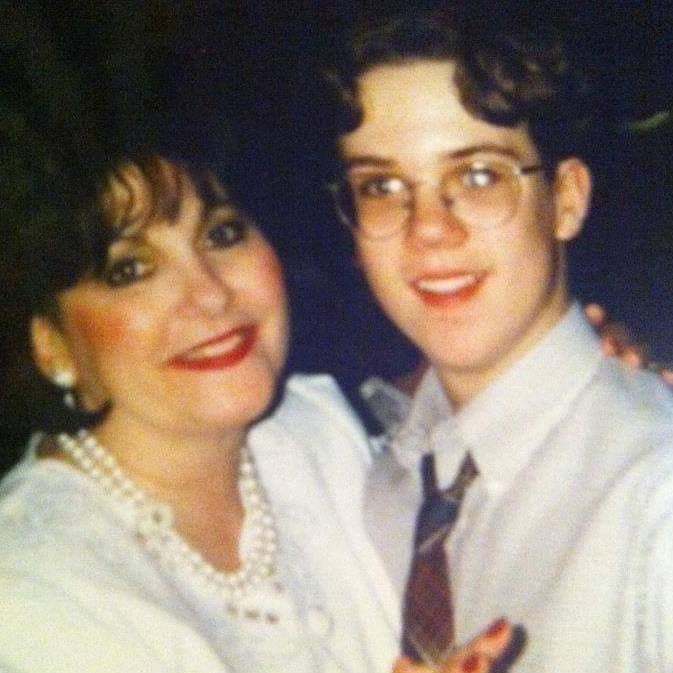
Mother and son, Rosalie Lang and Ryan Lang

Almost all of us have been affected in one way or another by this terrible disease, whether it has impacted a family member, friend, associate, or oneself.  Ryan Lang, Regional Communications Manager at the American Red Cross Northern Ohio Region, shared his own personal story back in February about his mom’s battle with breast cancer.  You can read his story HERE

When dealing with any cancer, transfusions are often an important and crucial part of treatment.  Chemotherapy and radiation cause bone marrow suppression, reducing the number of blood cells that the body can produce.  Low counts of red and white blood cells and platelets lead to symptoms like anemia, immunosuppression, and risk of hemorrhage.   

With around one-fourth of all blood products and half of all platelets used in the U.S. by patients who are fighting cancer, it is crucial to maintain an adequate blood supply. 

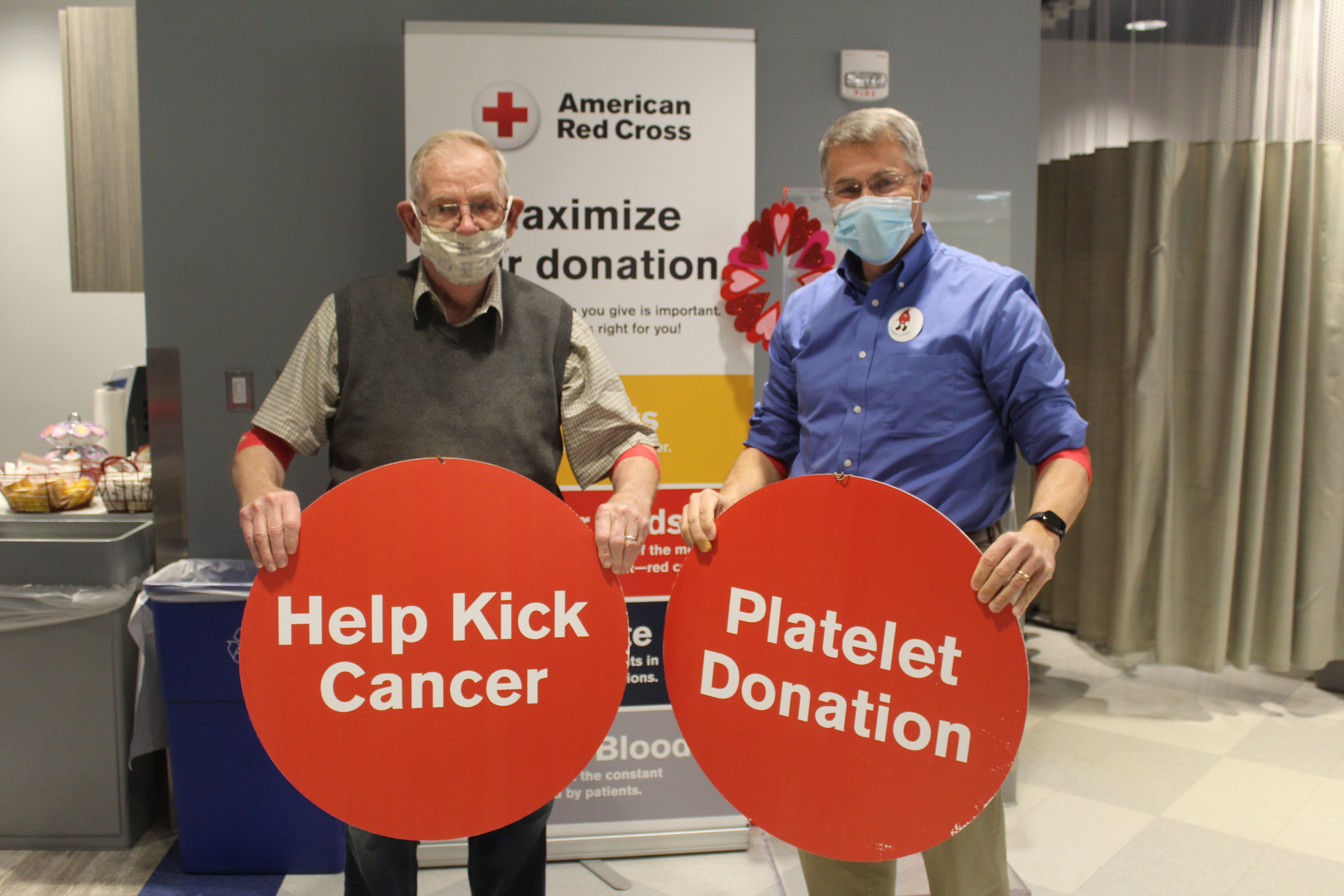
Platelet donations are needed daily, as they have a shelf life of only about 5 days.  However, most are tested and used within 3 days.  The need is so great that every 15 seconds, someone in the U.S. receives a platelet infusion.   

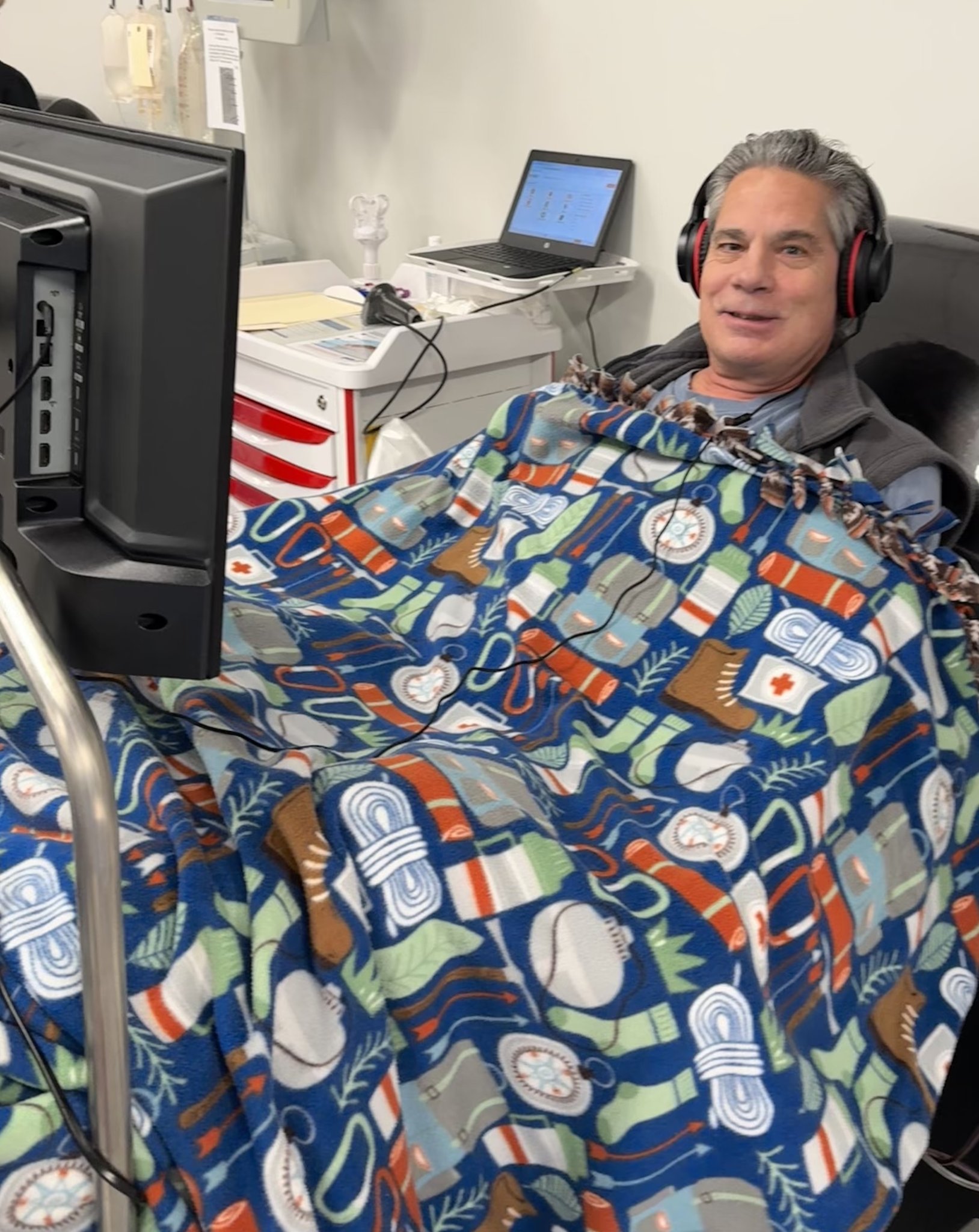
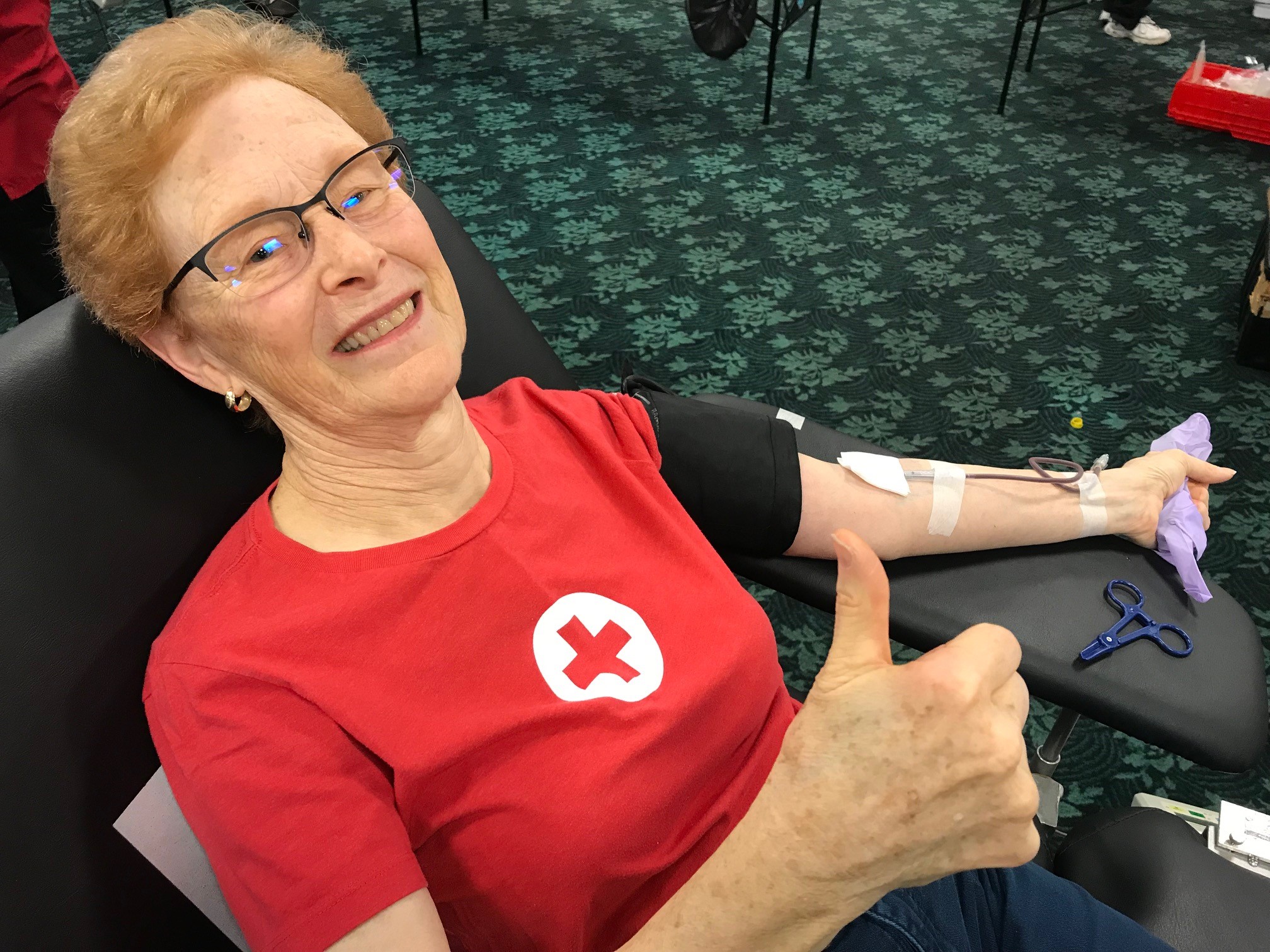
Donating platelets is by appointment only and will take around 3 hours of your time, but a single donation can help up to 3 people in need.  Here are some things to expect at your visit: 

  • 3 hours from start to finish includes set up, pre-donation questionnaire, and refreshments afterwards. 
  • A smaller needle is used to donate platelets than a standard blood donation, making the process more comfortable for some. 
  • Eligibility is the same as that for whole blood donations. 
  • It is possible to donate both plasma and platelets at the same time if you choose. 
  • Some find recovery to be easier than blood donations, as the fluids and red blood cells are returned to you during the process. 

Make a difference this October and help those fighting breast cancer and beyond by considering a life-giving donation. Donate platelets by Oct. 19 and receive a $10 Amazon Gift Card, or donate between Oct. 20–Nov. 3 to receive an American Red Cross Platelet Donor t-shirt, while supplies last! 

To learn more about platelet donations, click the link HERE.  You can schedule an appointment by downloading the Red Cross Blood Donor App HERE, or by visiting this link HERE

Paul Wadowick: from lifelong blood donor to blood transfusion recipient

By Tim Poe, American Red Cross volunteer.

Our lives can change in a moment, posing difficulties, presenting challenges. In many of these instances, the American Red Cross is there to help, including providing life-saving blood when a transfusion is needed. Such was the case for Paul Wadowick of Ashtabula County. After he was diagnosed with blood cancer in the spring of 2021, Paul went from being a lifelong blood donor to being a blood recipient. Paul, who is also a Red Cross volunteer, was gracious enough to speak with me about his background and experience.

Paul Wadowick

Paul has dedicated himself to assisting others throughout his life, and his parents were an early inspiration. Paul became aware of blood donations in the 1950s when his father, a universal donor, had a capability test for another person’s open-heart surgery. His mother was also a donor. Paul followed suit, and from 1968 until 2021, donated 137 units (17 gallons + 1 unit) of blood, helping to save many lives in the process.

While donating blood in 2021, he became aware of a problem. As part of our services, Red Cross blood donors receive a mini-health screening, including a hemoglobin test. Paul’s iron level had dropped dramatically. Shortly thereafter, he was working as a Blood Donor Ambassador at another blood drive, took the hemoglobin test again, and knew he had to see doctors. He learned he had blood cancer and began undergoing chemotherapy.

In October 2021, Paul received a “High Chemo” 15-day treatment, where he received two units of  platelets, which are a component of blood. He recalled hearing how a donor of whole blood can save many lives. It then hit him that his was now one of those lives.

Thankfully, Paul’s cancer is in remission, and he continues his volunteer work with the Red Cross, mainly as a Blood Donor Ambassador, in addition to other community service.

Paul’s sense of responsibility and service is lifelong. As the third oldest in a family of 10, he assisted in the care of younger siblings and household chores. He was also class “dean” in his high-school seminary, volunteered in a long-term hospital, and found his calling in social work. After earning his degree and certification, Paul spent decades as a social worker, mostly at a long-term-care facility, while continuing his community service, including with the Boy Scouts. Paul and his wife, Denise, raised two sons.

After retiring in November 2015, Paul became a Red Cross volunteer in January 2016. He is also a member of the Knights of Columbus and credits his faith for his perseverance, gifts, and outlook.

Melissa Papini, a Red Cross Blood Services Account Manager, pointed out that Paul has been a Blood Program Leader with the Knights of Columbus for almost four years, recruiting over 400 donors and collecting 382 units of lifesaving blood.

Paul cited several favorite experiences as a Red Cross volunteer, especially photographing volunteer recognition celebrations, smoke alarm installations, and blood drive events in ways that tell a story. He also enjoys coaching and easing blood donors through the process and sending them home with a “Thank You.” And while he can no longer donate blood, he is happy to help recruit, organize, and bring in donations from others.

For anyone considering donating blood, Paul asks,  “What would you do if you needed blood?” and reminds us that we may find ourselves, like he did, in a position where we or a loved one need it.

To schedule a donation, please visit www.redcrossblood.org.

World Cancer Day: The power of platelets and other blood products

By Ryan Lang, American Red Cross board member and volunteer

I was just a small child when my mom was diagnosed with breast cancer. In fact, most of my childhood she was in remission. That is, until she wasn’t. I was 12 or 13 when it came back more aggressively. I was 16 when she eventually passed away.

Rosalie and Ryan Lang

Trips to the doctor’s office and hospital were commonplace throughout my early teen years. No one doctor visit really stood out. What did stand out were the times my father and my aunts and uncles went to donate platelets on behalf of my mother. I was young and naive and thought they were specifically for mom. I later realized they were donating to replenish the supply of platelets.

Due to their short shelf life, hospitals require a consistent supply of platelets. That’s why donors like my dad, aunts and uncles, and you are critical to helping the American Red Cross replenish that supply.

February 4 is World Cancer Day, a day that touches many of us who have either had the disease or know someone who has fought the tough battle against it. Almost two million new cases may occur this year, according to experts, and blood products will be important for many of these patients in their fight against cancer.

Blood is so important during their treatment that patients fighting cancer use nearly one quarter of the nation’s blood supply — more than patients fighting any other disease. The Red Cross asks you to schedule a time to donate blood now to help cancer patients and so many others.

CANCER PATIENTS NEED BLOOD — THE FACTS

  • One in three people will be diagnosed with cancer during their lifetime.
  • Many of these patients, especially those undergoing chemotherapy, will likely have a need for blood products.
  • In fact, about six blood products are needed every minute to help someone going through cancer treatment.
  • Low blood count is a major side effect of cancer treatment. Some types of chemotherapy can damage bone marrow, reducing red blood cell and platelet production and putting a person at risk for life-threatening infections or bleeding.
  • The cancer itself can cause the need for blood and platelet transfusions by causing internal bleeding or preventing the patient’s body from producing blood cells.
Grady, Krista, Ed, and Dylan Fink

My friend Dylan and his family know the importance of blood and platelet donors. At just 14- years-old, Dylan was diagnosed with non-Hodgkin lymphoma. He’s in remission now, but that hasn’t stopped him and his family from paying it forward and organizing their own blood drives through the Red Cross.

Some cancer patients require more blood products than others. That was the case with Casey, who discovered she had cancer when she was ten weeks pregnant. She said, “Giving blood helps not just the person receiving it, by helping with their disease, but it truly helps that person’s family and friends as well.”

To find out more about donating platelets, click here. And, to schedule your appointment to give blood, visit RedCrossBlood.org, call 1-800-RED CROSS or download the free Red Cross Blood App.

Posted by Ryan Lang, Red Cross board member and volunteer

A legacy of giving

By J.D. Brink, American Red Cross volunteer

I first gave blood because my father had given.

He gave because my sister had leukemia.

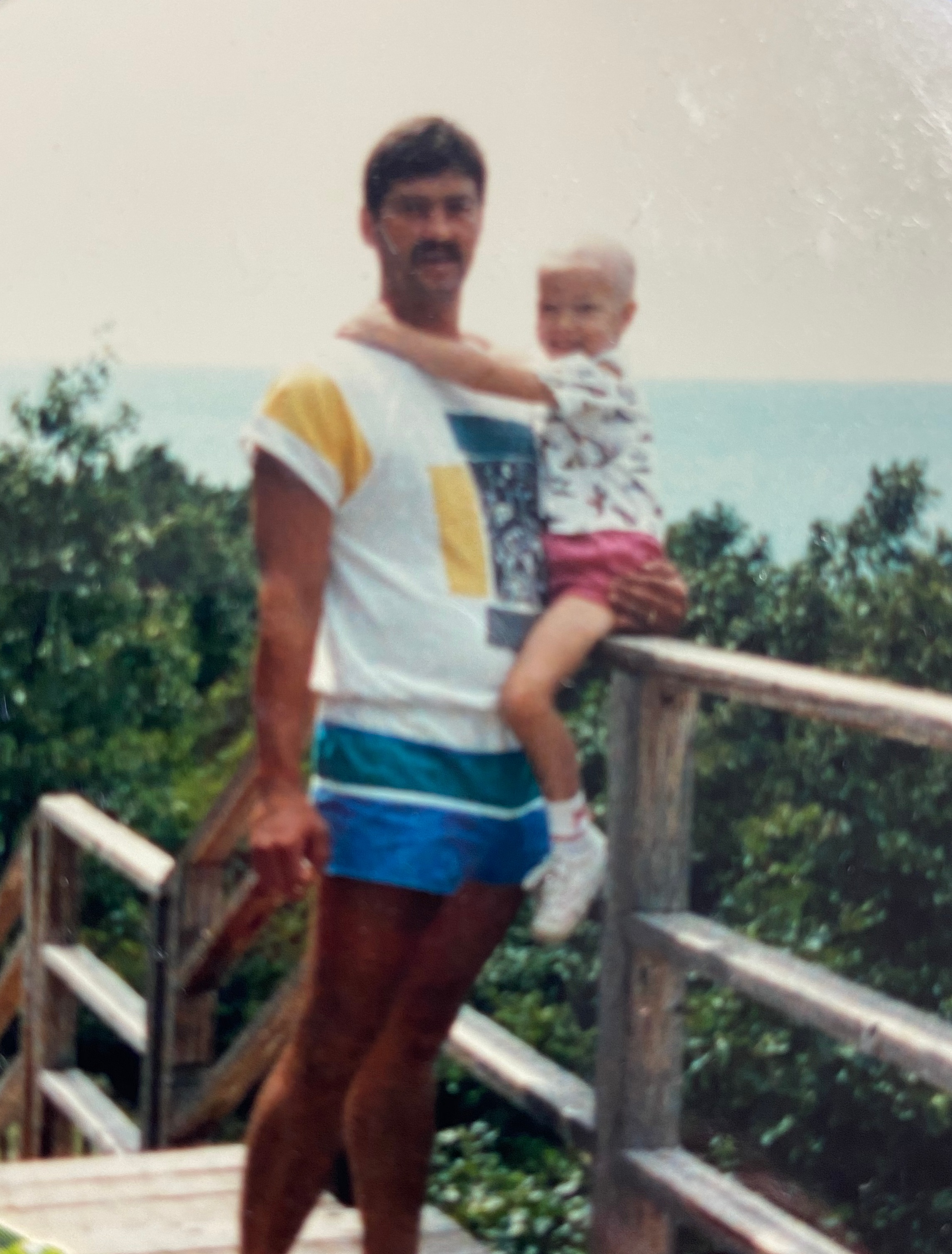
He may have given blood before that, but I was too young to know. On Labor Day 1986, my sister Ashley was diagnosed with leukemia at St. Vincent’s Medical Center in Toledo. She was three years old at the time. I was not quite ten.

Ashley and David Brink

Leukemia is a cancer of the bone marrow. Since the bone marrow is where blood cells are manufactured, patients with leukemia have a severe lack of them. Red blood cells deliver oxygen throughout the body. White blood cells fight infections. Platelets stick together to form blood clots so we don’t bleed to death. For those with leukemia, these are all in tragically short supply.

I don’t remember a lot from that time. But I do remember her smile, her dancing, her wonderful personality. I think most of my mental images of Ashley come from pictures and home movies. And in the vast majority of them, Ashley is bald. A smiling, beautiful, three- and four-year old girl with no hair. Her hair loss was caused by the chemotherapy used to treat her cancer. Not only did it take hair, it killed her blood cells too. Because of this, Ashley received many blood transfusions. My dad’s blood was not compatible, so he gave so that others could get what they needed.

Ashley and David Brink

I have retained some memories of my own from that time. The handmade sign that hung in our mudroom, just inside the backdoor, warning of every one of Ashley’s low cell counts, asking them to take their shoes off and minimize germs coming into the house. Another was a big handwritten list of rules for my brother and I from Grandma Brink, taped to the closet door. Guidance when Ashley and our mom spent weeks or months at a children’s hospital in Wisconsin. I remember my Uncle Pork (not the name on his birth certificate) staying with us when both parents were there. And I remember all of us staying at the Milwaukee Ronald McDonald House, which is a wonderful charity that supplies a place for families to live while their children are hospitalized away from home. We even spent a Christmas there.

Ashley had a bone marrow transplant on Halloween, 1987. Since all the nurses were in costume, she insisted on dressing as a witch that day, too.

She passed away January 15, 1988. She was only four years old. Her light shined amazingly bright for someone so young with so much pain in her life.

I’ve had a good cry writing this article, reliving memories that had long been forgotten. It feels good.

My father, David Brink, passed away September 20, 2021. Cancer was a factor. My grandma’s list of rules was still on the closet door when we cleared out his house. In his lifetime, he’d donated gallons of blood. I think it was nine gallons. Maybe twelve? (We know how unreliable my memory is.) He signed up to be a bone marrow donor, too, but was never matched for it. But he would have done it, gladly.

I started donating blood as soon as I was legally able, at 18. My first time was in the high school gym, during my school day.

I give because of everything you’ve just read. So did my dad. I hope my son will someday, too.

If you’d like to make an appointment to donate blood or platelets, please visit redcrossblood.org or call 800-RED CROSS.


https://leukemiarf.org/leukemia/statistics/
https://my.clevelandclinic.org/health/diseases/4365-leukemia

Posted by Ryan Lang, Red Cross board member and volunteer

The power of platelets in fighting cancer

By Tim Poe, American Red Cross volunteer

Platelet donations are crucial in the ongoing fight against cancer. Their importance is movingly illustrated by a recent quote we received from Mandi Kuhlman, an American Red Cross blood donor in Putnam County, Ohio. Mandi said, “My 2 ½ year old son was diagnosed with acute lymphoblastic leukemia and through the course of his treatment he needed transfusion after transfusion. Between red blood cells and platelets he received 25 transfusions within the first few months of treatment as the chemo severely impacted his counts. Without the generosity of donors his outcome could have been much different, so I started donating to give someone else the precious gift of life saving transfusions.”

Mandi’s quote sums up the need and effectiveness of platelet donation for cancer treatment, the love of a parent, and the inspiration to help others. As February 4th is World Cancer Day — and February is National Cancer Prevention Month — we wanted to share her quote and highlight the need for platelet donation.

Platelets are a vital component in treating patients with cancer and other chronic diseases, as well as those recovering from traumatic injuries, as they stick to the lining of blood vessels, help form clots, and stop bleeding.

Nearly half of donated platelets go to cancer patients, as cancer and cancer treatments put them at risk for low red blood cells and low platelet counts, known as thrombocytopenia. In addition, some types of chemotherapy can damage bone marrow, which lowers the production of platelets. Cancers such as leukemia and lymphoma attack the bone marrow as well.

In addition, hospitals have a continual need for platelets, as they must be transfused within just 5 days after donation. In fact, on average a U.S. cancer patient needs a platelet transfusion every 30 seconds, and new cancer cases are expected to increase more than 36% by 2040, increasing their demand.

Platelet donation is a little different than regular whole blood donation. They need to be donated at select Red Cross Donation Centers and require an appointment.  

During the donation:

  • A relatively small amount of blood is drawn from a donor’s arm and goes into a blood cell separator. ​
  • This blood is rapidly spun, which forces the platelet cells to the bottom. ​
  • These cells then go into a sterile, single-use plastic bag. ​
  • Meanwhile, the rest of the blood — the plasma, red cells and white cells — is returned to the donor.
  • This cycle is repeated several times. A single donation of platelets often constitutes several transfusable platelet units.​

The Red Cross is especially seeking platelet donors with the following blood types and a high platelet count:​ A positive​, B positive​, AB positive​, AB negative​. (Type O negative and type B negative can make the most impact by giving whole blood or a Power Red donation.)

For more information or to make an appointment to donate platelets, please visit this page. You can also visit RedCrossBlood.org, download the Blood Donor App, or call 1-800-RED CROSS (1-800-733-2767).

Platelet donor sets a new goal

600 units not enough for Painesville Township man

Richard and Carol Gundelach – Photo Credit: Jim McIntyre/American Red Cross

Richard Gundelach donates platelets every two weeks, and on March 11, 2022, he reached a milestone: 600 platelet units donated.

His wife Carol baked a carrot cake to mark the occasion.

“Compared to giving (whole) blood, it’s easier,” Richard said after the donation. “People need it.”

Platelets are cell fragments in our blood that form clots and stop or prevent bleeding. They can be essential to helping patients survive surgeries such as organ transplants, and to fight cancer, chronic diseases and traumatic injuries.

During the platelet donation, the blood clotting portion of whole blood is “spun” out and the rest of the blood is returned to the donor; typically, the body replaces its platelets in 24-36 hours.

Platelets are always in short supply because they only have a shelf life of five days. Every 15 seconds, someone needs platelets.

Richard Gundelach – Photo Credit: Jim McIntyre/American Red Cross

Encouraged by a friend, Richard began donating platelets during a time of unemployment 27 years ago. He’s retired now, and he wants to continue giving regularly.

His new goal: to donate 1,000 units of platelets.

When he achieves that goal, Carol may need to bake a bigger cake!

Donors can make an appointment to give platelets, whole blood or plasma by visiting redcrossblood.org, by calling 1-800-RED CROSS, or by installing the Red Cross blood app on their smartphones.

Edited by Glenda Bogar. American Red Cross volunteer

Pennsylvania platelet donor visits Northern Ohio on quest to donate in 50 states

Vinton Smith has now donated blood in 45 states, and while he indeed plans to donate in the five states remaining (Idaho, Nevada, Montana, Alaska and Hawaii), he has begun yet another quest: To donate platelets in all 50 states.

Vinton Smith at the Warzel Donation Center in Cleveland

“I’m inspired by recalling my dad’s work ethic and his dedication to donate, and by my mom’s compassion to help others,” said the Gettysburg, Pennsylvania man as he donated platelets at the American Red Cross Warzel Donor Center in Cleveland on Jan. 31.

He is also inspired by Al Whitney of Avon Lake, Ohio. Al has donated platelets in all 50 states twice. Vinton made a point of meeting Al after they connected through a donor website. 

Al Whitney, making his 1016th platelet donation on January 31, 2022

“It’s remarkable, how dedicated he is,” Vinton said of Al. 

His donation comes at a critical time for patients in hospitals who are counting on blood and blood products like platelets for their treatment. The Red Cross is in the midst of a national blood emergency – it’s worst shortage in more than a decade, posing a concerning risk to patient care. The Red Cross has had less than a one-day supply of critical blood products in recent weeks – well below the ideal five-day supply.

Platelets are cell fragments in our blood that form clots and stop or prevent bleeding. They can be essential to helping patients survive surgeries such as organ transplants, and to fight cancer, chronic diseases and traumatic injuries.

Al Whitney and Vinton Smith

“Donating blood or platelets is doing something good to help someone else,” Vinton said.

He appears to be an inspiration to his children, both students at Penn State, as his father was an inspiration to him. Even at their young age, they have both donated blood many times.

Ohio is now the fifth state where Vinton has donated platelets.

When told his story would be shared by the Red Cross, he said, “I’m hopeful that it will inspire others, even just one more person, to take the time to donate life through blood or platelets.”

First-time blood donor gives to meet nationwide shortage, more donors needed

By Eilene Guy – Red Cross Volunteer

Last Saturday was a red-letter day for me: My husband donated blood for the first time.

Don Guy – First-time blood donor

I’ve nagged the poor man for years to join me, but he always deferred. That seemed odd: He’s generous with his time and talents, he’s a compassionate person and he’s not needle-phobic (that I know of).

“It just wasn’t my thing, but after the years of incessant bugging, the nationwide blood shortage finally tipped the scales,” he admitted with a grin.

Fortunately, the phlebotomist we had at the American Red Cross blood drive was really skillful. I know, because she “stuck” me too.

“If you want to look away, now would be the time,” she said. “A pinch and a little burn,” and the needle was in — – with hardly a pinch a burn. Honest.

Eilene Guy – Blood donor

I have the Red Cross Blood Donor App on my phone and I’m looking forward to seeing where my blood goes. Will it go as a whole blood transfusion? Or will it be separated into the component parts —– plasma, platelets and red blood cells —– to potentially save three lives?

In January, the Red Cross declared a national blood crisis because the blood supply had fallen to the lowest levels in more than a decade amid the latest surge in COVID-19 cases. And severe winter weather forced the cancellation of more than 300 blood drives that month, which added to the emergency.

The crisis is impacting health care nationwide, including right here in northern Ohio. A friend of mine’s heart surgery was delayed until there was enough blood on hand of her individual blood type. Imagine how nerve-wracking that would be.

Apparently the number one reason people don’t donate blood is that they haven’t been asked, so I’ve set myself a winter goal of asking, urging, convincing at least five people to donate blood for the first time. I hope if they do it once, they’ll become repeat donors.

If you’re reading this, consider yourself asked: Please, give donating blood a try. What have you got to lose? And think of what the recipient of that blood has to gain, be they an accident victim, surgery patient, parent undergoing a difficult childbirth, or person with an on-going need, such as someone with cancer or sickle-cell disease.

To find a blood drive near you, go to http://www.redcrossblood.org or call 1-800-REDCROSS. Be sure to make a reservation: That cuts down on the wait time for all donors and the Red Cross certainly doesn’t want to turn anyone away.

Please, give the gift that can’t be manufactured. There is no substitute for blood, and the only way to collect it is from generous donors.

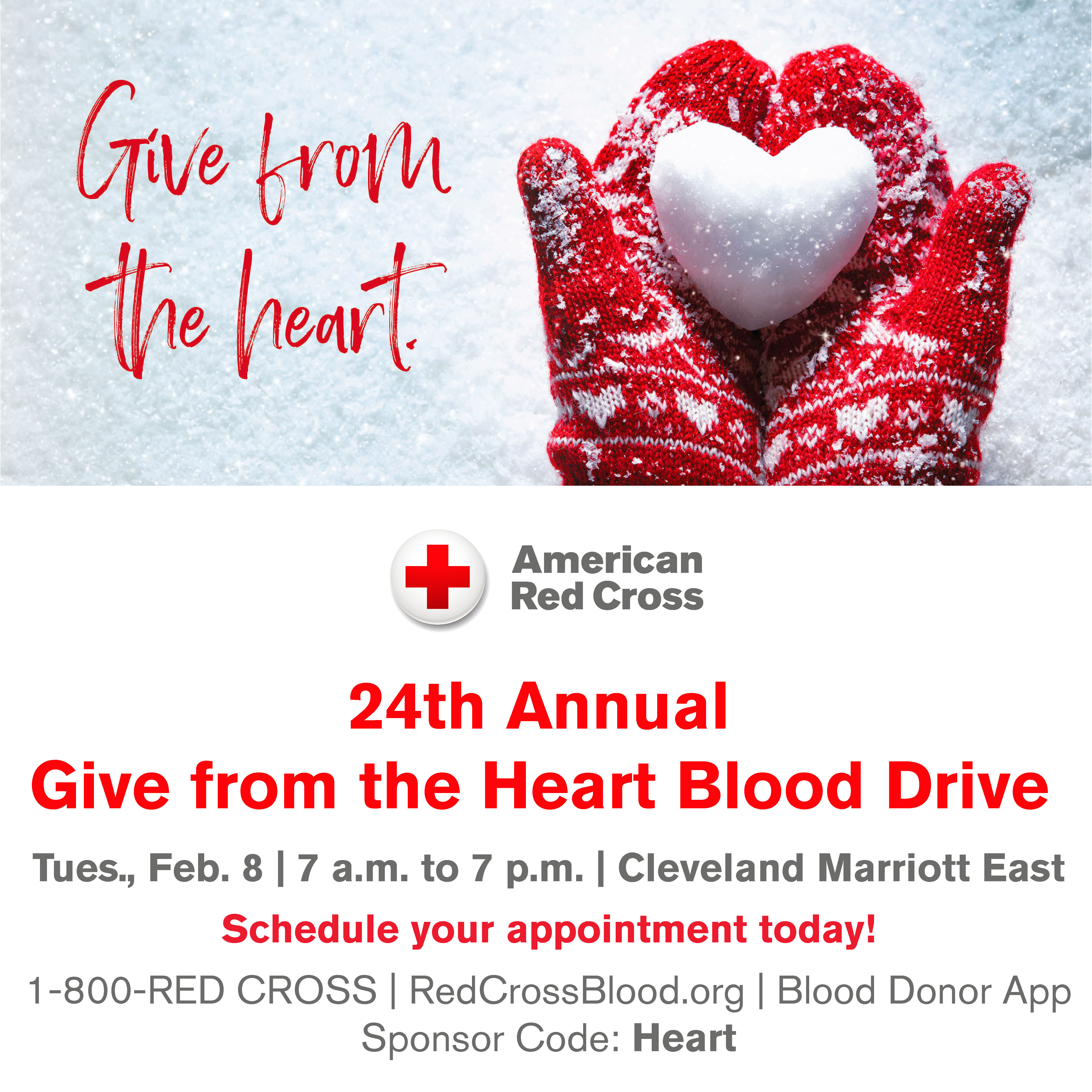
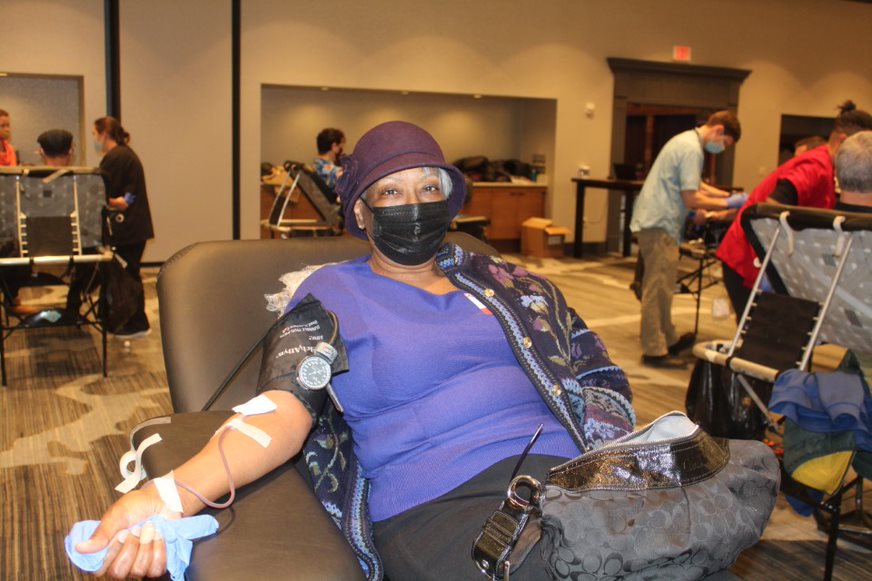
More than 260 donations made at the Give from the Heart at annual blood drive

For 23 years, the Give from the Heart blood drive has been a lifesaving tradition in Northern Ohio. This year’s event was held last Tuesday, Feb. 8 at the Cleveland Marriott East in Warrensville Heights.

This blood drive came at a vital time, as the Red Cross continues to struggle with a national blood crisis. The current nationwide shortage has been further impacted by winter weather across the country, with about 600 blood drives cancelled forcing 20,000 donations to go uncollected.


Across the Northern Ohio Region, 21 blood drives were cancelled Thursday, February 3 leaving more than 730 donations uncollected.

The more than 260 donations made at the Give from the Heart blood drive will potentially help up to 800 patients.

We encourage donors to make an appointment for future blood drives by visiting redcrossblood.org, calling 1-800-RED CROSS (1-800-733-2767), or downloading the free Red Cross Blood Donor App.

Each Red Cross blood drive and donation center follows the highest standards of safety and infection control, and additional precautions – including face masks for donors and staff, regardless of vaccination status – have been implemented to help protect the health of all those in attendance.

If you are not able to give blood, the Red Cross also needs blood drive volunteers and blood transportation specialists to support critical blood collections. Blood drive volunteers play an important role by greeting, registering, answering questions and providing information to blood donors throughout the donation process. Blood transportation specialists provide a critical link between blood donors and blood recipients by delivering blood to hospitals our local communities. To learn more and sign-up, visit redcross.org/volunteertoday.

Community members come together to give back this holiday season

By Samantha Pudelski, American Red Cross Volunteer

The American Red Cross of Northern Ohio held holiday blood drives across the region, providing an opportunity for donors to give the gift of life for people in need during this holiday season.

Hailee Horstman, Blood Donor

The drives were held between December 14th and December 23rd at the Rocket Mortgage Fieldhouse in Cleveland, the Hilton Garden Inn in Twinsburg, the Sheraton Suites Akron/Cuyahoga Falls, the Hilton Garden Inn in Perrysburg and Stambaugh Auditorium and Packard Music Hall in Youngstown.

Daniel Salmons, Blood Donor

The Red Cross put the call out to the public, encouraging them to donate at our holiday drives, and our community members answered. Across all of the holiday blood drives, 1,240 pints of blood were donated to provide critical help for patients across the region.

Each donation can help up to three patients awaiting a blood product – red blood cells, platelets, or plasma. That means more than 3,700 people will possibly benefit by the donations made at this year’s holiday blood drives.

Lee Holmes-Blood Donor

Blood donations help patients in our community of all ages, including accident and burn victims, heart surgery and organ transplant patients, and those battling cancer, among others. In fact, every two seconds someone in the U.S. needs blood.

The need this year is high, as pandemic challenges and concerns, along with the typical winter lulls, have resulted in historically low levels of blood supply. If you haven’t had a chance to donate—don’t delay. We are calling all eligible donors this January as part of National Blood Donor Month to roll up their sleeves and donate. To find an upcoming blood donation drive near you, click here.