Keep your kids safe as they head back to school

It’s getting closer… Yes, it is almost time… Time for the kids to go back to school! And while parents all across Northern Ohio collectively exhale that sigh of relief, knowing that their “break” from the summer mayhem is on the horizon, there are still things to think about. Most notably back to school safety! With that, the American Red Cross offers ways to help keep your students safe as they return to school for the upcoming year.

If your student is younger or going to school for the first time, teach them:

  • Their phone number, address, how to get in touch with their parents at work, how to get in touch with another trusted adult and how to dial 911.
  • Not to talk to strangers or accept rides from someone they don’t know.

If your child walks to school, teach them to:

  • Walk on the sidewalk. If no sidewalk is available, walk facing traffic.
  • Stop and look left, then right and left again to see if cars are coming.
  • Cross the street at the corner, obey traffic signals and stay in the crosswalk.
  • Never run out into the street or cross between parked cars.

If your student takes the bus to school, teach them to:

  • Get to their bus stop early and stand away from the curb while waiting for the bus to arrive.
  • Board the bus only after it has come to a complete stop and the driver or attendant has instructed them to get on. And only board their bus, never an alternate one.
  • Stay in clear view of the bus driver and never walk behind the bus.

If your student rides their bike to school, teach them to:

  • Always wear a helmet.
  • Ride on the right in the same direction as the traffic is going.

If you drive your child to school, make sure to:

  • Always use seat belts. Younger children should use car seats or booster seats until the lap-shoulder belt fits properly (typically for children ages 8-12 and over 4’9”), and ride in the back seat until they are at least 13 years old.

If you have a teenager driving to school, make sure they:

  • Use seat belts.
  • Don’t use their cell phone to text or make calls and avoid eating or drinking while driving.

If you are considering getting your student a cell phone:

  • Download the free Red Cross First Aid and Emergency apps to give them access to first aid tips for common emergencies and full weather alerts. Find the apps in smartphone app stores by searching for the American Red Cross or going to redcross.org/apps.

DRIVERS, SLOW DOWN! Drivers should slow down as children head back to school. Know that yellow flashing lights indicate a school bus is getting ready to stop ─ motorists should slow down and be prepared to stop. Red flashing lights and an extended stop sign indicate the bus is stopped and children are getting on or off.

Motorists must stop when they are behind a bus, meeting the bus or approaching an intersection where a bus is stopped. Motorists following or traveling alongside a school bus must also stop until the red lights have stopped flashing, the stop arm is withdrawn, and all children have reached safety. This includes two and four-lane highways. If physical barriers such as grassy medians, guide rails or concrete median barriers separate oncoming traffic from the bus, motorists in the opposing lanes may proceed without stopping. Do not proceed until all the children have reached a place of safety.

Safely Back to School

By Mary Falconer-Williams, American Red Cross volunteer

Why is it that as soon as the 4th of July comes and goes, it feels like no time passes before the bus arrives one morning to pick up my kiddos for school?

Back to school is upon us once again. Along with those $0.50 crayons, pencils, and blunt tipped scissors, the Red Cross is recommending that you equip your school aged children with these safety tips.

First time or younger students
If your student is younger or going to school for the first time – start with their phone number. My children have never known a landline, so my cell phone serves as the primary phone number that they all know. Many school districts will collect this information, as well as other emergency contacts, at the beginning of the school year but this comes into play when they are outside of the school grounds and need to contact a parent.

Secondly, teach them their address. I have had the most luck getting my children to remember our address(es) by making it into a goofy little song and singing it over and over. We moved the summer before my son, now 13-years-old, started first grade and he can still tell you our old address. In song form. Additionally, this is a great time to reinforce how to dial 911!

Finally, remind your children not to talk to strangers or accept rides from someone they don’t know. A rule we follow is that either a parent or teacher will tell them if they will be picked up by someone different from normal. This gives them only 3 people that could let them know of a change in plans.

Students who walk
If your child walks to school, teach them to:
● Walk on the sidewalk. If no sidewalk is available, walk facing traffic.
● Stop and look left, right and left again to see if cars are coming.
● Cross the street at the corner, obey traffic signals and stay in the crosswalk.
● Never run out into the street or cross between parked cars.

Students who ride the school bus
If your student takes the bus to school, teach them to:
● Get to their bus stop early and stand away from the curb while waiting for the bus to arrive.
● Board the bus only after it has come to a complete stop and the driver or attendant has instructed them to get on. And only board their bus, never an alternate one.
● Stay in clear view of the bus driver and never walk behind the bus.

Checklist for grown-ups
Take a breath, then take a moment to write down some key information about your child so that you have it handy in a heat-of-the-moment situation. (Ask me how I know…)
● A clear photo of each child, focusing on the shoulder up, try to replace it every 6 months – even if it’s just on your phone!
● If your child rides the bus, make sure to write down the phone number for the bus garage and their bus number.
● The phone number for their school, as well as their grade level and homeroom teacher.
● The name, phone number and address of their primary care physician.
● The name, phone number and address of their dentist.
● The name, phone number and address of any other medical specialist that would hold records regarding your child.
● A list of regular medications.

Drivers!
● Slow down.
● Yellow flashing lights indicate the bus is getting ready to stop ─ slow down and be prepared to stop. Red flashing lights and an extended stop sign indicate the bus is stopped and children are getting on or off.
● Motorists must stop when they are behind a bus, meeting the bus or approaching an intersection where a bus is stopped.
● Motorists following or traveling alongside a school bus must also stop until the red lights have stopped flashing, the stop arm is withdrawn, and all children have reached safety. This includes two and four-lane highways.
● If physical barriers such as grassy medians, guide rails or concrete median barriers separate oncoming traffic from the bus, motorists in the opposing lanes may proceed without stopping. Do not proceed until all the children have reached a place of safety.
Posted by Ryan Lang, American Red Cross board member and volunteer

It’s August – time for everyone to learn – not just schoolchildren

By Doug Bardwell, American Red Cross volunteer

Here are 16 tips to help to educate the whole family:

Driving

In Northern Ohio, as children return to school earlier and earlier each year, it’s not
unusual in August to see children lined up, waiting for school buses. That means drivers
need to readjust their driving habits.

As youngsters wait for the bus for the first time, many have never been asked to stand
in one spot without dancing around or chasing their nearby friends. It’s not unusual to
see one of them dart off the curb and into the street without looking. Lesson: if you see
young children on the street corner – slow down and watch for unexpected behavior.

As young drivers with new driver’s licenses start to drive to school for the first time, they
can be easily distracted between the car radio, their cellphone, and/or friends they see
along the way. Lesson: remind them before they leave every day in August to be on the
lookout for little ones who might dart out between parked cars.

Grandparents may be pressed into service with school starting again, playing chauffeur
to their grandchildren. As darling as they can be, resist adjusting the rearview mirror to
have extended conversations with your little loved ones. Lesson: for every second you
are peering into the backseat, someone else’s child could run out in front of your moving
vehicle.

Grandparents must also be aware of current driving regulations regarding car seats,
booster seats, etc. Lesson: In Ohio, State law requires:

  • Infants and young children must ride in a child safety seat until they are 4 years old, AND, weigh at least 40 pounds.
  • Every child ages 4-8 who is no longer in a car seat must use a booster seat until he/she reaches 4’9” tall.
  • Children and teens, ages 8-15, who are not in booster seats must use adult seat belts.

This grandparent recalls traveling with our children unstrapped in a car bed on the back
seat. Fortunately, their guardian angels watched over them. Don’t even think about trying that now.

Awareness

“There are some special steps parents of younger kids should take, especially if they
have youngsters going to school for the first time,” said Mike Parks, Regional CEO.
Lesson: “They should make sure the child knows their phone number, address, how to
get in touch with their parents at work, how to get in touch with another trusted adult and
how to dial 911. And teach them not to talk to strangers or accept rides from someone
they don’t know.”

The American Red Cross always stresses the importance of having an emergency plan before disaster strikes. Lesson: Back-to-school time is an excellent opportunity to think about “What-If”. As you imagine different scenarios, who can you enlist to help out?

Neighbors, other parents, friends, relatives? Make sure to have current contact information for each of them.

Want more?

Here are another 10 “Get-ready-for-school” tips.
For more emergency preparedness suggestions, visit http://redcross.org/prepare.

Posted by Ryan Lang, Red Cross board member and volunteer

As many students head back to school, Red Cross offers important safety tips

By Christy Peters, American Red Cross Regional Communications Manager

If you’re out this weekend, making a quick Target or Wal-Mart run, be prepared to witness a strange phenomenon – the panicked, school supplies shopping parent. We’ll be wide eyed and shaky, searching for a plastic folder, with three holes but no prongs, in a specific color that 500 other parents have also been looking for since school supply lists came out. That’s right folks, it’s back to school time!

My son will be in first grade this year, so I’m slightly less nervous than I was when he started his academic journey last year as a kindergartener. Of all my fears (and there were many) one of the biggest was him riding the bus. Watching him climb on and sit in that huge seat was enough to send me into a full-on panic attack. Unfortunately, so was watching the many drivers who sped past the bus as it was slowing down to get him or didn’t stop at all.

The American Red Cross Northern Ohio Region wants everyone to stay safe as students head back to school. Below are several reminders for riders, walkers and those of us sharing the roads and sidewalks with them. Take a moment to review these important tips and go over them with your kids returning to school.

CELL PHONES A DISTRACTION The National Safety Council (NSC) reports distracted walking can be dangerous, even deadly. Teach your students the following:
– Don’t text or talk on your phone while walking. If you must text, move out of the way of others and stop on the sidewalk.
– Never cross the street while using an electronic device.
– Do not walk with headphones in your ears.
Drivers can be distracted too. Never use a phone while driving. Help keep children
safe by eliminating all distractions.

TAKING THE BUS
– Students should get to their bus stop early and stand away from the curb while waiting for the bus to arrive. Young children should be supervised.
– Board the bus only after it has come to a complete stop and the driver or attendant instructs them to get on. They should only board their bus, never an alternate one.
– All students should stay in clear view of the bus driver and never walk behind the bus.

WALKING TO SCHOOL
– Cross the street at the corner, obeying traffic signals and staying in the crosswalk.
– Never run out into the street or cross between parked cars.
– Use a route along which the school has placed crossing guards.
– Parents, walk with young children and those taking new routes or attending new schools, for the first week to ensure they know how to get there safely. Arrange for the kids to walk to school with a friend or classmate.

GOING BY CAR
– Everyone should always wear a seat belt.
– Younger children should use car seats or booster seats until the lap-shoulder belt fits properly (typically for children ages 8-12 and over 4’9”), and ride in the back seat until they are at least 13 years old.
– If a teenager is going to drive to school, parents should mandate that they use seat
belts.

RIDING A BIKE There may be more young people on bikes as the school bells ring. They should:
– Wear a properly fitted helmet and bright clothing.
– Ride on the right side of the road, with traffic, in a single file.
– Come to a complete stop before crossing the street; walk bikes across the street.
– Stay alert and avoid distracted riding.

SLOW DOWN Drivers should slow down, especially in residential areas and school zones, and know what the yellow and red bus signals mean. Yellow flashing lights indicate the bus is getting ready to stop, that motorists should slow down and be prepared to stop. Red flashing lights and an extended stop sign indicate the bus is stopped and children are getting on or off.

Motorists must stop when they are behind a bus, meeting the bus or approaching an intersection where a bus is stopped. Motorists following or traveling alongside a school bus must also stop until the red lights have stopped flashing, the stop arm is withdrawn, and all children have reached safety. This includes two and four-lane highways. If physical barriers such as grassy medians, guide rails or concrete median barriers separate oncoming traffic from the bus, motorists in the opposing lanes may proceed without stopping.

KEEP LITTLE ONES SAFE Keeping all students safe is the primary concern for everyone, but there are special steps for parents of younger kids and those going to school for the first time:
– Make sure the child knows their phone number, address, how to get in touch with their
parents at work, how to get in touch with another trusted adult and how to call 911.
– Teach children not to talk to strangers or accept rides from someone they don’t know.

Finally, download the free Red Cross First Aid app for instant access to information on handling the most common first aid emergencies. You can find it by searching for ‘American Red Cross’ in your app store or at redcross.org/apps. Learn and practice First Aid and CPR/AED skills by taking a course (redcross.org/takeaclass) so you can help save a life.

Posted by Ryan Lang, American Red Cross Volunteer


Back to school safety tips

Almost everyone is back at school by now, and most students are back to the classroom after months of virtual learning. The American Red Cross wants to make sure your student is safe as they head back to school for the upcoming year

“Parents and kids are both eager to get back to normal and return to the classroom for the new school year,” said Mike Parks, Regional CEO, American Red Cross of Northern Ohio. “But don’t forget to make safety a top priority.”

The Red Cross offers these steps to help make the trip back to the classroom a safe one.

  1. If your student rides a bus to school, they should plan to get to their bus stop early and stand away from the curb while waiting for the bus to arrive.
  2. Students should board the bus only after it has come to a complete stop and the driver or attendant has instructed them to get on. They should only board their bus, never an alternate one.
  3. All students should stay in clear view of the bus driver and never walk behind the bus.
  4. Cross the street at the corner, obey traffic signals and stay in the crosswalk.
  5. Never dart out into the street or cross between parked cars.
  6. If children go to school in a car, they should always wear a seat belt. Younger children should use car seats or booster seats until the lap-shoulder belt fits properly (typically for children ages 8-12 and over 4’9”), and ride in the back seat until they are at least 13 years old.
  7. If a teenager is going to drive to school, parents should mandate that they use seat belts. Drivers should not use their cell phone to text or make calls, and avoid eating or drinking while driving.
  8. Some students ride their bike to school. They should always wear a helmet and ride on the right, in the same direction as the traffic is going.
  9. When children are walking to school, they should only cross the street at an intersection, and use a route along which the school has placed crossing guards.
  10. Parents should walk young children to school, along with children taking new routes or attending new schools, at least for the first week to ensure they know how to get there safely. Arrange for students to walk to school with a friend or classmate.

In addition, parents of younger kids and those headed to school for the first time, should also take a few special steps. Make sure the child knows their phone number, address, how to get in touch with their parents at work, how to get in touch with another trusted adult and how to dial 911. Teach children not to talk to strangers or accept rides from someone they don’t know.

DRIVERS, SLOW DOWN!

Drivers should be aware that children are out walking or biking to school and slow down, especially in residential areas and school zones. Motorists should know what the yellow and red bus signals mean. Yellow flashing lights indicate the bus is getting ready to stop and motorists should slow down and be prepared to stop. Red flashing lights and an extended stop sign indicate the bus is stopped and children are getting on or off.

Motorists must stop when they are behind a bus, meeting the bus or approaching an intersection where a bus is stopped. Motorists following or traveling alongside a school bus must also stop until the red lights have stopped flashing, the stop arm is withdrawn, and all children have reached safety. This includes two and four-lane highways. If physical barriers such as grassy medians, guide rails or concrete median barriers separate oncoming traffic from the bus, motorists in the opposing lanes may proceed without stopping. Do not proceed until all the children have reached a place of safety.
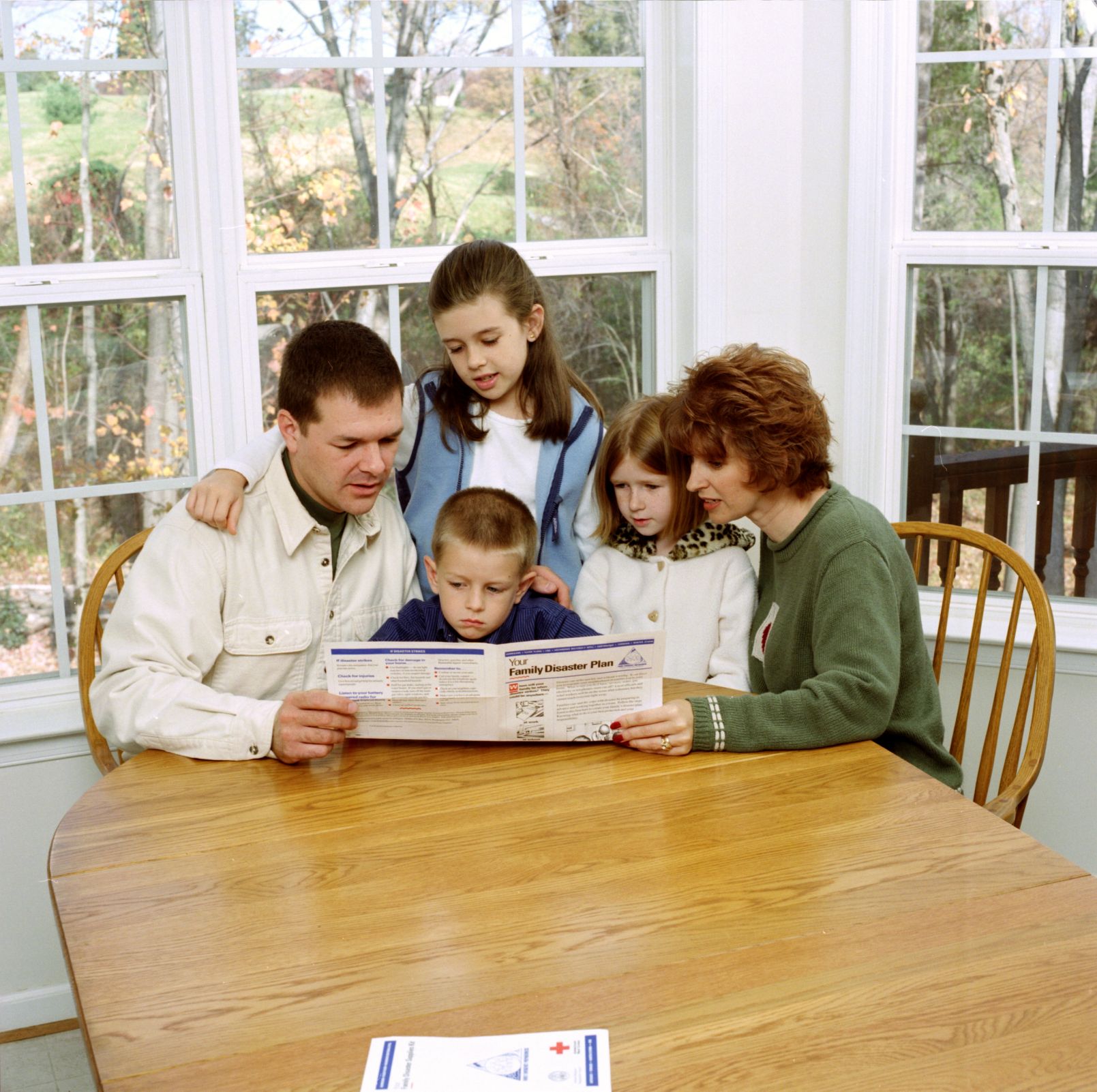
PREPARE FOR EMERGENCIES Know what the emergency plan is at your child’s school in case a disaster or an unforeseen event occurs. Develop a family emergency plan so everyone will know who to contact and where to go if something happens while children are at school and parents are at work. Details are available at redcross.org/prepare.

TAKE A FIRST AID CLASS The Red Cross First Aid App provides instant access to information on handling the most common first aid emergencies whether it be before, during or after school. Download the app for free by searching for ‘American Red Cross’ in your app store or at redcross.org/apps. Learn and practice first aid and CPR skills by taking a course (redcross.org/takeaclass) so you can help save a life.

Three R’s plus a dose of Three C’s

Cover up, Caution around traffic, Car seats

By Doug Bardwell, Red Cross volunteer

As of this writing, Cleveland, Akron, and Massillon have declared that all returning students will be required to wear masks until further notice. With the Delta variant as dangerous as it is, that’s the only way to protect those too young to be vaccinated.

But that’s not all

The virus isn’t the only thing parents and caretakers need to be aware of. Accordingly, the American Red Cross has issued a list of ten tips to help make this school year a safe one.

  1. If your student rides a bus to school, they should plan to get to their bus stop early and stand away from the curb while waiting for the bus to arrive. 
  2. Students should board the bus only after it has come to a complete stop and the driver or attendant has instructed them to get on. They should only board their bus, never an alternate one.
  3. All students should stay in clear view of the bus driver and never walk behind the bus. 
  4. Cross the street at the corner, obey traffic signals and stay in the crosswalk.
  5. Never dart out into the street or cross between parked cars.
  6. If children go to school in a car, they should always wear a seat belt. Younger children should use car seats or booster seats until the lap-shoulder belt fits properly (typically for children ages 8-12 and over 4’9”), and ride in the back seat until they are at least 13 years old.
  7. If a teenager is going to drive to school, parents should mandate that they use seat belts. Drivers should not use their cell phone to text or make calls, and avoid eating or drinking while driving.
  8. Some students ride their bike to school. They should always wear a helmet and ride on the right, in the same direction as the traffic is going. 
  9. When children are walking to school, they should only cross the street at an intersection, and use a route along which the school has placed crossing guards. 
  10. Parents should walk young children to school, along with children taking new routes or attending new schools, at least for the first week to ensure they know how to get there safely. Arrange for students to walk to school with a friend or classmate.

“Parents and kids are both eager to get back to normal and return to the classroom as a new school year starts,” said Mike Parks, Regional CEO, Red Cross of Northern Ohio. “But don’t forget to make safety a top priority.”

While most people realize that the Red Cross responds to disasters, we try equally hard to promote safety at home, at work, and at school; so your donations are always welcome.

Safety tips as Northeast Ohio students get ready to go back to school

August 21, 2019- The school bells will be calling students back to the classroom soon in Northeast Ohio and StayWell PHSS stock photographythe American Red Cross wants to make sure your student is safe as they head back to school for the upcoming year.

SCHOOL BUS SAFETY

  • If children ride a bus to school, they should plan to get to their bus stop early and stand away from the curb while waiting for the bus to arrive. Cross the street at the corner, obey traffic signals and stay in the crosswalk.
  • Never dart out into the street or cross between parked cars.
  • Teach your student to board the bus only after it has come to a complete stop and the driver or attendant has instructed them to get on.
  • Kids should board their bus only, never an alternate one.
  • Make sure your student always stays in clear view of the bus driver and never walks behind the bus.

GETTING TO SCHOOL BY CAR, BIKE, ON FOOT

  • If children go to school in a car, they should always wear a seat belt. Younger Typhoon Haiyan 2015children should use car seats or booster seats until the lap-shoulder belt fits properly (typically for children ages 8-12 and over 4’9”), and ride in the back seat until they are at least 13 years old.
  • If a teenager is going to drive to school, parents should mandate that they use seat belts. Drivers should not text or make calls using their cell phone and should avoid eating or drinking while driving.
  • Some students ride their bike to school. They should always wear a helmet and ride on the right in the same direction as the traffic is going.
  • When children are walking to school, they should only cross the street at an intersection, and use a route along which the school has placed crossing guards. Parents should walk young children to school, along with children taking new routes or attending new schools, at least for the first week to ensure they know how to get there safely. Arrange for the kids to walk to school with a friend or classmate.

DRIVERS, SLOW DOWN!

Drivers should be aware that children are out walking or biking to school and slow down, especially in residential areas and school zones. Motorists should know what the StayWell PHSS stock photographyyellow and red bus signals mean. Yellow flashing lights indicate the bus is getting ready to stop and motorists should slow down and be prepared to stop. Red flashing lights and an extended stop sign indicate the bus is stopped and children are getting on or off.

Motorists must stop when they are behind a bus, meeting the bus or approaching an intersection where a bus is stopped. Motorists following or traveling alongside a school bus must also stop until the red lights have stopped flashing, the stop arm is withdrawn, and all children have reached safety. This includes two and four-lane highways. If physical barriers such as grassy medians, guide rails or concrete median barriers separate oncoming traffic from the bus, motorists in the opposing lanes may proceed without stopping. Do not proceed until all the children have reached a place of safety.

Typhoon Haiyan 2015PREPARE FOR EMERGENCIES Know what the emergency plan is at your child’s school in case a disaster or an unforeseen event occurs. Develop a family emergency plan so everyone will know who to contact and where to go if something happens while children are at school and parents are at work. Details are available at redcross.org/prepare.

TAKE A FIRST AID CLASS The Red Cross First Aid App provides instant access to information on handling the most common first aid emergencies whether it be before, during or after school. Download the app for free by searching for ‘American Red Cross’ in your app store or at redcross.org/apps. Learn and practice First Aid and CPR/AED skills by taking a course (redcross.org/takeaclass) so you can help save a life.

Back to School Safety Tips

By Sue Wilson, American Red Cross Board Member and Volunteer Partner

back to school conceptual creativity cube

Photo by Pixabay on Pexels.com

Summer vacation for students around the country is drawing to a close as the nation’s schools prepare to open their doors for the new school year. Some students have already returned to the classroom.  Here are some safety steps from the American Red Cross to make the new school year a safe one.

Keeping all students safe is the primary concern for everyone, but there are special steps for parents of younger kids and those going to school for the first time:

  • Make sure the child knows their phone number, address, how to get in touch with their parents at work, how to get in touch with another trusted adult and how to dial 9-1-1.
  • Teach children not to talk to strangers or accept rides from someone they don’t know.

SCHOOL BUS SAFETY

  • If children ride a bus to school, they should plan to get to their bus stop early and stand away from the curb while waiting for the bus to arrive.
  • Board the bus only after it has come to a complete stop and the driver or attendant has instructed you to get on.
  • Only board your bus, never an alternate one.
  • Always stay in clear view of the bus driver and never walk behind the bus.
  • Cross the street at the corner, obeying traffic signals and staying in the crosswalk.
  • Never dart out into the street or cross between parked cars.

GETTING TO SCHOOL BY CAR, BIKE, ON FOOT

  • If children ride in a car to get to school, they should always wear a seat belt. Younger children should use car seats or booster seats until the lap-shoulder belt fits properly (typically for children ages 8-12 and over 4’9”), and ride in the back seat until they are at least 13 years old.

  • If a teenager is going to drive to school, parents should mandate that they use seat belts. Drivers should not use their cell phone to text or make calls, and should avoid eating or drinking while driving.
  • Some students ride their bike to school. They should always wear a helmet and ride on the right in the same direction as the traffic is going.
  • When children are walking to school, they should only cross the street at an intersection, and use a route along which the school has placed crossing guards. Parents should walk young children to school, along with children taking new routes or attending new schools, at least for the first week to ensure they know how to get there safely. Arrange for the kids to walk to school with a friend or classmate.

DRIVERS, SLOW DOWN!

Drivers should be aware that children are out walking or biking to school and slow down, especially in residential areas and school zones. Motorists should know what the yellow and red bus signals mean. Yellow flashing lights indicate the bus is getting ready to stop and motorists should slow down and be prepared to stop. Red flashing lights and an extended stop sign indicate the bus is stopped and children are getting on or off. Drivers in both directions must stop their vehicles and wait until the lights go off, the stop sign is back in place and the bus is moving before they can start driving again.
PREPARE FOR EMERGENCIES AND TAKE A FIRST AID CLASS

Know what the emergency plan is at your child’s school in case a disaster or an unforeseen event occurs. Develop a family emergency plan so everyone will know who to contact and where to go if something happens while children are at school and parents are at work. Details are available at redcross.org/prepare. The Red Cross First Aid App provides instant access to information on handling the most common first aid emergencies whether it be before, during or after school. Download the app for free by searching for ‘American Red Cross’ in your app store or at redcross.org/apps. Learn and practice First Aid and CPR/AED skills by taking a course (redcross.org/takeaclass) so you can help save a life.

Back-to-School Sports Safety Tips

By Sue Wilson, American Red Cross Board Member and Volunteer Partner

August is called the “dog days of summer” for a reason. It’s the hottest month of the year for most parts of the country and this year, especially, much of the nation is suffering wave after wave of brutal heat.Icon Disaster

So when I see high school football players on practice fields, I immediately flash back to the dreaded “two-a-days.” Back in my day (yes, I’m a baby-boomer) our very football-oriented high school coaches worked the players hard in the heat twice a day during the hottest months of the summer. I’d hear about— and even witness—guys in my class pass out, get sick and suffer from what was probably heat stroke or exhaustion, as they worked out in their pads day after day in the heat. I think it was a badge of honor somehow if you made it through. However, I thought it looked barbaric. Back then, we didn’t talk about things like the importance of hydration, or the concern over head injuries and long-term damage from concussions and warming up and cooling down as we practice.

Thankfully, we know a lot more now about sports safety. But whether you are male or female, or play one of the many fall and winter sports indoors or out, back-to-school time is a good time to think about sports safety.

The Centers for Disease Control (CDC) offers some great tips to keep kids safe on the field, the court or wherever they participate in sports and recreation activities. Here are some of these tips and a few others:

Use the right equipment: Make sure kids use the right gear for the right sport and use it for both practice and the game. It is important they use protective gear like helmets, wrist guards, knee or elbow pads.

Make sure the gear fits and is in good shape: Check the equipment to assure it is in

action adult american football angry

Photo by Pixabay on Pexels.com

good condition, fits appropriately and is worn correctly all the time—for example, avoid missing or broken buckles or compressed or worn padding.

Warm up, cool down: Before starting (or ending) any form of activity, it is important to warm up the muscles by stretching, walking and easing into the practice. At the end, the reverse is also important, so slow down and cool down. Diving right into a strenuous activity without a warm-up can cause pulled muscles, strains and potential injuries. 

Get an action plan in place: Be sure your child’s sports program or school has an action plan that includes information on how to teach athletes ways to lower their chances of getting a concussion and other injuries. Get more concussion safety tips.

Be mindful of temperature: On extremely hot or humid days, allow time for the athlete to gradually adjust to the environments to prevent heat-related injuries or illness. Parents and coaches should pay attention to each player’s activity level, give breaks and make sure they are well hydrated and appropriately dressed. The same is true in extremely cold climates. Parents and coaches need to watch for signs of heat stroke or exhaustion and frostbite and hypothermia .

Be a good role model: No one wants to be that crazy sports parent (we all know the type) screaming at the coaches and the kids from the stands. Most coaches in youth sports are volunteers and should be supported and appreciated not verbally abused. You can help promote sportsmanship from the sidelines and the stands by being respectful not only to the coaches, but to your child, their teammates, coaches, opposing teams and the officials. As a good sports parent, you can help promote sportsmanship from the sidelines and in the stands.

Icon App

Icon used on American Red Cross Apps

Prepare for an emergency: As a parent, coach or fan, it is always helpful to know basic first aid and CPR. The American Red Cross offers First Aid/CPR/AED classes and has an excellent First Aid App for your phone. Having this knowledge could be a lifesaver in just about any situation including and beyond sports. Find out more about classes and download one of the many free mobile apps here.