Local volunteers assist residents in Shelby, Ohio and elsewhere
By Eilene Guy, American Red Cross volunteer
April 15, 2019 – Spring is usually welcome here in Northeast Ohio, but the tornado strike this week in Richland County is a stark reminder that the season can turn nasty.
“We have a shelter on standby for tonight (Monday) at the Shelby YMCA Community Center, and volunteers in an emergency response vehicle going through damaged areas of the community, offering meals as folks work to recover their belongings,” said Tim O’Toole, American Red Cross regional disaster officer for Northeast Ohio.
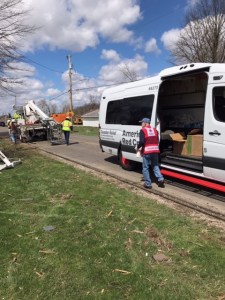
Red Cross volunteer Bill Conley in Shelby, Ohio
“We also have teams there doing damage assessment so we can sit down with people whose homes were damaged or destroyed and help them with immediate and longer-term assistance.”
Meanwhile, Mother Nature has been particularly aggressive elsewhere in the country, with the South strafed by multiple tornado outbreaks and the Midwest hit with “bomb cyclones,” tornadoes and historic flooding.
The Red Cross has mustered hundreds of disaster workers – including men and women from our area – to bring comfort to victims of these severe weather events.
“I had seen pictures of the flooding before I left, but when I got out there I was totally amazed by the damage,” said veteran Red Cross volunteer Rick Whitehead of Willoughby, Ohio, who spent 10 days in Lincoln, Neb. “In some places you could barely see the tops of houses.”
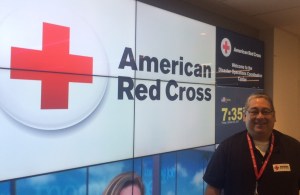
Red Cross volunteer Rick Whitehead
Rapid melting after a freak snowstorm swelled rivers so fast “some towns were literally islands,” he said. National Guard helicopters airlifted Red Cross shelter personnel, food and water into some Nebraska communities, cut off by high water, and ruined roads and bridges.
For the scope of flooding across Nebraska, Iowa, Illinois, Kansas and Wisconsin, the Red Cross has done relatively little sheltering: 6,300 overnight stays. But it has provided help in one form or another to some 7,760 households: 65,000 meals, more than 1,000 cases of water, and nearly 39,000 cleanup kits and supplies such as diapers, bleach and other items not readily available in stranded communities.
This slideshow requires JavaScript.
And it’s not over yet. Kevin Jones of Brunswick, Ohio, who is helping keep Red Cross field computer systems running in Omaha, said another flood crest is working its way down the Missouri River. “Some communities will get hit again,” he predicted.
“Looks like it’s going to be a busy year” for disaster response, the veteran volunteer observed.
Indeed, deadly storms raked Mississippi, Alabama and Georgia several weeks ago, and just days ago, Texas, Louisiana, Arkansas and Mississippi got hit. The Red Cross is responding wherever shelter, food, medical and emotional support, and relief supplies are needed.
The Red Cross has tips to keep yourself and your family and loved ones safe at https://www.redcross.org/about-us/news-and-events/news/Spring-Brings-Its-Own-Severe-Weather-Get-Ready-Now.html
“We’re just coming into prime tornado season and already we have disaster workers helping one community,” O’Toole said. “But we’re ready. That’s the strength of the Red Cross, having trained responders all over who can help their neighbors or folks across the country they’ve never met, no matter what the emergency.”
To become a trained volunteer to help victims of disasters here in Northeast Ohio or across the country, visit redcross.org/volunteer or call 216-431-3328.

 of volunteers. During an emergency, may it be a natural disaster or a home fire, volunteers are ready at a moments notice to help comfort and help individuals during the worst moments of there lives without expecting anything in return. That is why it is important to recognize and thank these amazing volunteers.
 Click here to view photos from the Lake Erie/Heartland South volunteer recognition event.
 people.” That’s how Kim Giberson, the quality assurance project manager for


 Sound the Alarm is a nationwide American Red Cross campaign meant to help save lives. Teams of volunteers are going door-to-door across the country through May 11, installing smoke alarms and providing home fire safety information. Several more installation events are planned throughout the Northeast Ohio region.
 Saturday, April 27 to Saturday, May 11. Volunteers are still needed to install free smoke alarms and help families create home fire escape plans in high-risk communities.
 Juel Ward Collins was one of those volunteers. According to her son, Tom, Juel started volunteering for the Red Cross during WWII. She was proud of her assistance to the Red Cross mission and how she helped those who served our country in times of war. This volunteer work during the war began her lifetime of service on behalf of the Red Cross.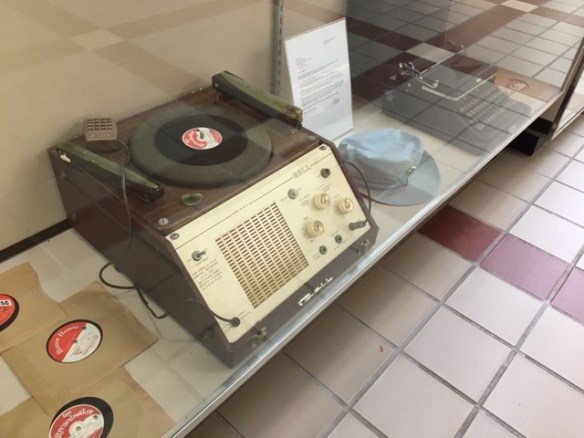
 the real odds are the opposite: the chance is greater of dying from exposure to fire or smoke (nearly one in 1,500), compared to winning the lottery (typically one in millions).




 NOHredcross