
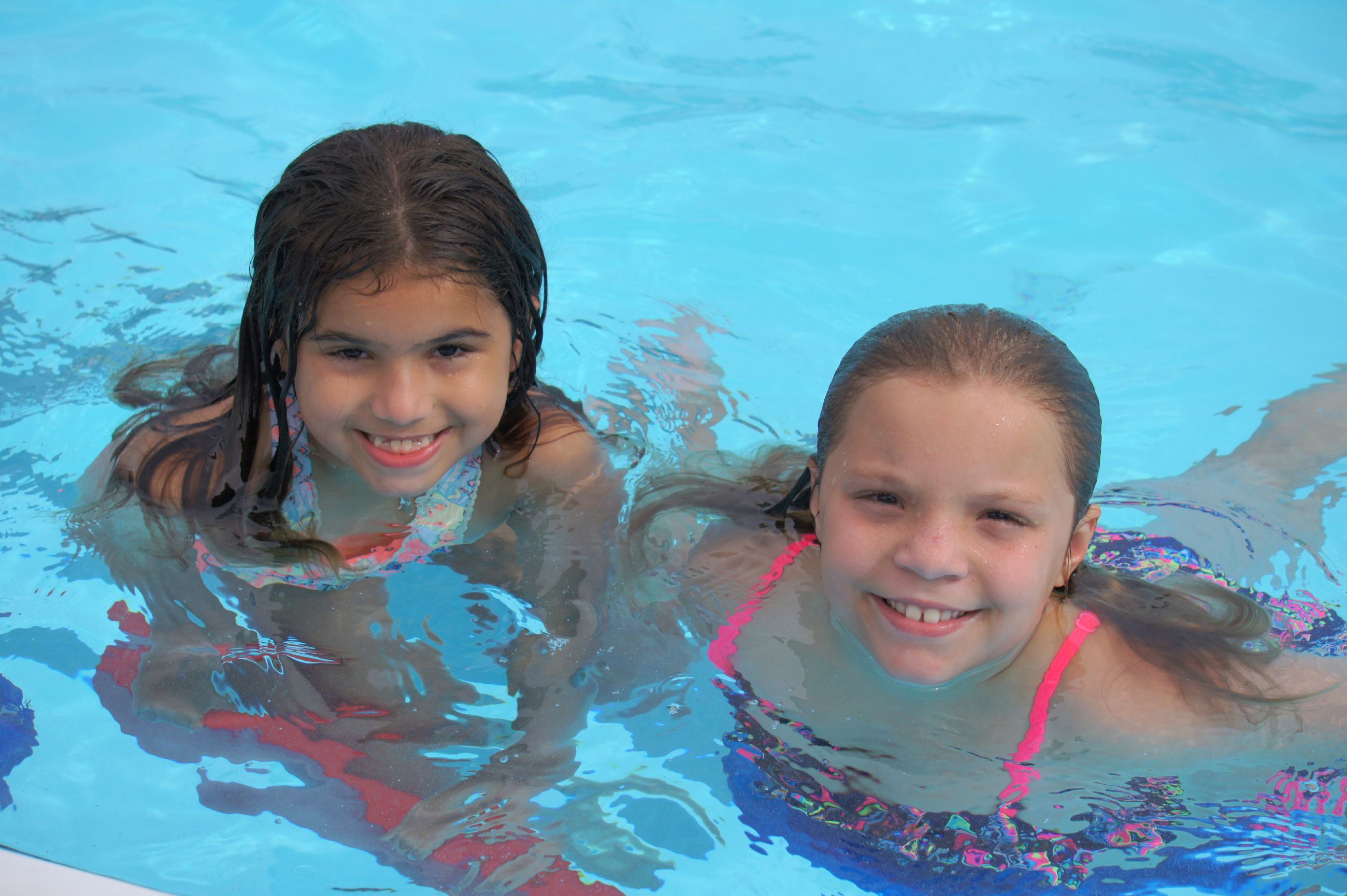
Memorial Day weekend is the unofficial kickoff to summer. People head to local pools and beaches to splash and swim. Before hitting the water, be sure you’re water smart.
By Sam Pudelski, American Red Cross volunteer
Water safety goes beyond just the local swimming pool or lake—it includes rivers, backyard pools, kiddie pools, hot tubs, the ocean and even buckets. It only takes a moment for someone to drown—the time it takes to reply to a text, check the grill or apply sunscreen.
The Red Cross believes by working together to improve swimming skills, water smarts and helping others, countless lives can be saved. Make sure you, your family and loved ones:
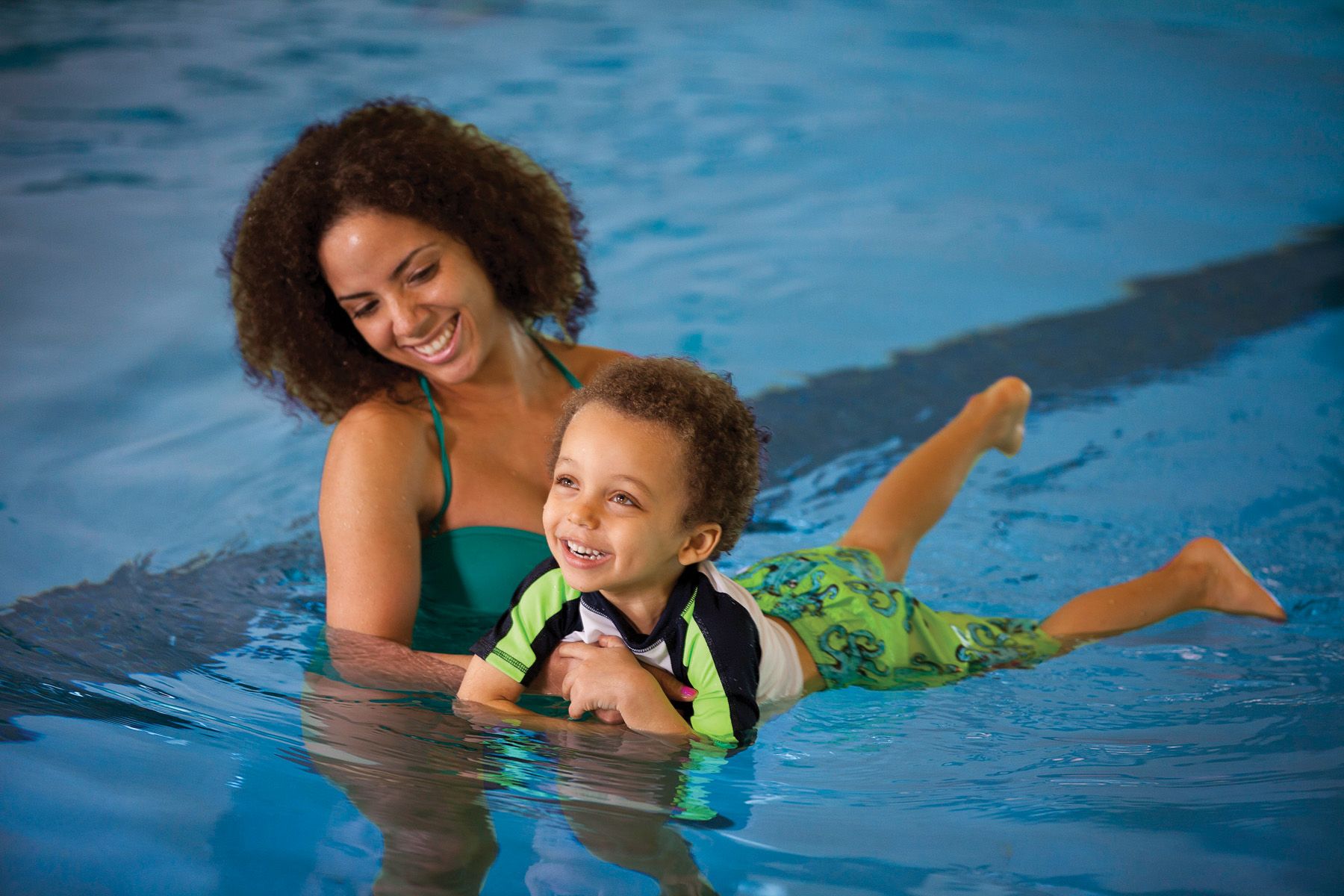
- Learn basic water skills so they can at least enter the water, get a breath, stay afloat, change position, swim a distance then get out of the water safely.
- Employ layers of protection including barriers to prevent access to water, life jackets, and close supervision of children and weaker swimmers to prevent drowning.
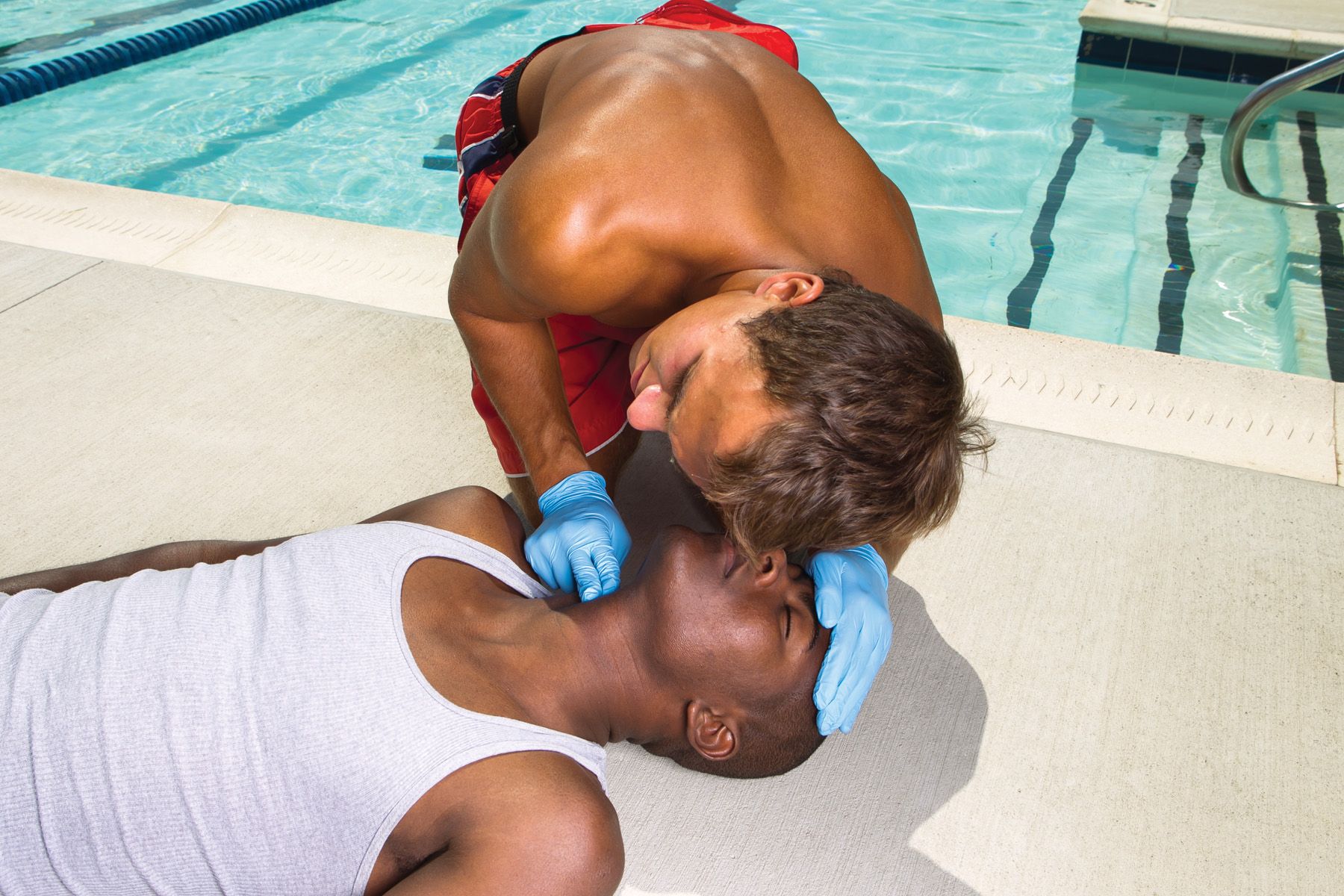
Know what to do in a water emergency—including how to help someone in trouble in the water safely, call for emergency help and CPR.

A history of teaching lifesaving water skills
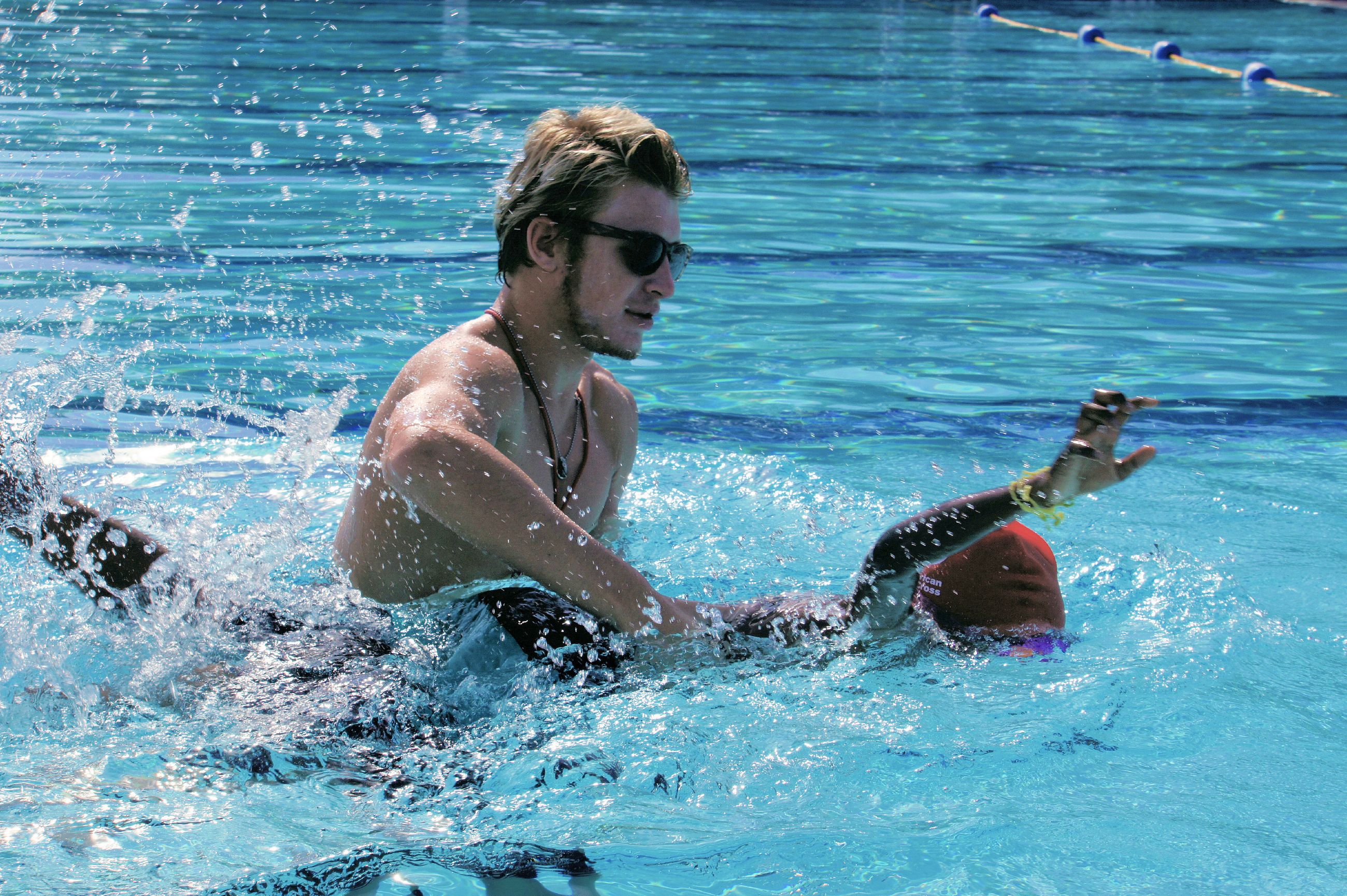
For over 100 years, the American Red Cross has been teaching people how to swim and training lifeguards through their swimming and water safety programs. The Red Cross was part of the initial effort to train people in the early 1900s when the number of people drowning was on the verge of becoming a national crisis. Many people did not know how to swim and did not have the tools or knowledge we have today about water safety. The effort was led by Wilbert E. Longfellow, a young newspaper reporter, who partnered with the Red Cross to launch a nationwide movement that resulted in a reduction of drowning deaths and allowed more people to enjoy the water safely. Since the program launch in 1914, the Red Cross has taught millions swimming and lifesaving skills.

Lifeguard training
The Red Cross also teaches lifeguard classes for certification and recertification. Courses include lifeguarding, aquatic instructor training, safety training and more.
“The most important thing that we teach in American Red Cross lifeguard classes is not the rescue skills when responding to an emergency, but the ability to recognize potential emergencies before they occur and enabling the lifeguards to prevent them,” said Phillip Hearne, aquatics director at the Hillcrest Family YMCA, where he teaches Red Cross lifeguarding classes. “The most important job of a lifeguard is prevention.”
Watch this video testimonial from Red Cross-trained lifeguards who are employed by the YMCA.
Lifeguard classes enable pools and lakes across Northern Ohio to be safer for their patrons by training the lifeguards that station these areas. They teach lifeguards vital preparation, how to respond to emergencies in a quick manner, as well as how to prevent drownings and injuries.
Whether you are looking for a summer job or are looking for a water safety/swimming class, the Red Cross trains individuals right here in Northern Ohio. Visit redcross.org for more information and to find an upcoming class. And don’t forget to stay safe this summer!
Edited by Glenda Bogar, American Red Cross volunteer



 When you arrive, make sure you are prepared in case of an emergency by:
 enjoy the many natural water resources Northeast Ohio is fortunate to have, from magnificent Lake Erie and its islands, to the beautiful Cuyahoga River. In the Akron area, thousands enjoy boating, swimming and water skiing on the Portage Lakes in additional to local ponds, lakes and pools. It is crucial that adults and children are committed to water safety and take precautions as they prepare for a summer of water fun.
 of the ongoing drowning pandemic in the United States and around the world, and educate people to be safe in and around water. Among preventable injuries, drowning is the leading cause of death for children one to four years old. But people of all ages can drown in all kinds of situations.





 NOHredcross