Resolve to be Prepared

by: Melissa Papini, Disaster Program Manager

As we spend time reflecting on the closing of 2017, celebrating the season with our loved ones, being thankful for all the little things that bring us joy like safety and security, let’s also take time to think about (and say prayers for, if you’re so moved) our friends and family all over the world whose safety and security was threatened this year by natural disasters.
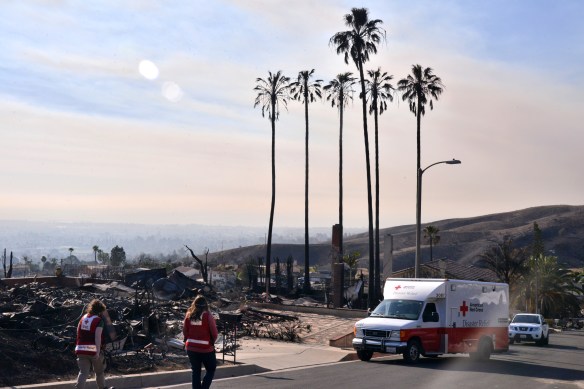
12292-409.jpgI recently heard an interview on the radio about a couple who moved from Brooklyn, NY to Ventura, CA this year. The interview was about the mandatory evacuations in their neighborhood related to the Thomas fire. They talked about how different it is to live in a community that has to be prepared at all times to flee their homes. Everyone they know has an emergency kit ready for not if, but when the wildfires get too close. That observation struck me. We live in a part of the country where very few people have natural disasters on their minds regularly. How many people do you know in Northeast Ohio that have an emergency kit ready at home?

Through my recent career move to “all things disaster,” my 10-year-old daughter has picked up on the idea of disaster preparedness. She has heard me talking about the Pillowcase Project and has created her own emergency kit that she’s packed in a pillowcase. She has a change of clothes, a flashlight, and a first aid kit ready to go if we ever need it. After reviewing the checklist in the Pillowcase Project booklet, I may suggest she add things like toiletries, markers and paper, a blanket, and a favorite toy.

For a detailed list of items that you can put together to create an entire household emergency kit please refer to our previous posts. There are also many Red Cross apps that can help you be prepared for and alerted about local disasters.

One other thing I’ve realized about preparedness through follow-up casework with our clients who’ve had home fires is how important it is to create an inventory of the contents of your home. If you are ever in a situation where you have a fire, your insurance company cannot begin to help you start replacing things until you’ve created a detailed inventory list for them. This is a daunting task for people who have millions of other things on their minds after a home fire. The easiest way to do this is take videos in each room of your home. Be sure to open drawers where you may have valuables too. Keep a copy of this video somewhere safe like an external hard drive in a fire proof lock box, the cloud, or you can even email it to yourself.

If you are like me and can’t wait to crack open your new planner for 2018 and start making lists of goals, be sure to add preparedness to your list of resolutions!

The Twelve Days of Christmas

Preparing Families for Emergencies

By John Gareis, Regional Preparedness Manager

Most people believe that on the First Day of Christmas the appropriate gift to give is a Partridge in a Pear Tree. Well the American Red Cross believes in building Disaster Resilient Neighborhoods during the Holiday Season as well throughout the year.pear
To help you select stocking stuffers and Christmas gifts designed to make individuals, families and the homes they live in as safe as possible, the American Red Cross has put together the following recommendations for gifts for the Twelve Days of Christmas.

On the First Day of Christmas

On the First Day of Christmas, the Red Cross recommends that you install a Smoke AlarmSMOKE ALARM. Smoke alarms should be installed on every level of a home; outside bedrooms on the ceiling or high on the wall, at the top of open stairways and at the bottom of enclosed stairs and near (but not in) the kitchen. It is important to check your Smoke Alarms every month and replace their batteries annually. The life expectancy of ALL smoke alarms is 10 years – the sensors wear out.
On the Second Day of Christmas

On the Second Day of Christmas the Red Cross recommends that you install a CO2CARBON MONOXIDE ALARM. Carbon Monoxide Alarms should be placed in hallways throughout the home. They should also be placed in recreational vehicles and on boats.

extinguisherOn the Third Day of Christmas

On the Third Day of Christmas the Red Cross recommends that you install a FIRE EXTINGUISHER in your home. Install A-B-C type Fire Extinguishers in the home and teach all household members how to use them.

On the Fourth Day of Christmas

On the Fourth Day of Christmas the Red Cross recommends that you install aladder FIRE ESCAPE LADDER. Homes with more than one floor should have at least one Fire Escape Ladder stored on all floors, other than ground level. Store these ladders where they are easily accessible.
kitOn the Fifth Day of Christmas

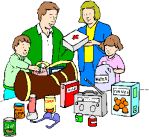
On the Fifth Day of Christmas the Red Cross recommends that you assemble a FAMILY DISASTER SUPPLIES KIT. A family will cope best by preparing for emergencies before they occur. One way to prepare is by assembling a Family Disaster Supplies Kit. Once disaster hits, you won’t have time to shop and search for supplies.

On the Sixth Day of Christmas

petOn the Sixth Day of Christmas the Red Cross recommends that you assemble a PET SUPPLIES KIT. Pets enrich the lives of individuals and families in more ways than you can count. In turn they depend on people for their safety and well-being. Having a Pet Disaster Supplies Kit is one of the best ways to care for pets when disaster strikes.

On the Seventh Day of Christmas

On the Seventh Day of Christmas the Red Cross recommends that you acquire wxa WEATHER RADIO. As the voice of the National Weather Service, a Weather Radio provides continuous broadcasts of the latest weather information directly from a National Weather Service Forecast Office. During severe weather routine broadcasting is interrupted and special watch and warning messages are issued.

On the Eighth Day of Christmas

firstaidOn the Eighth Day of Christmas the Red Cross recommends that you get a FIRST AID KIT. Because the first five minutes of a medical emergency are critical, every individual and family should have a First Aid Kit in their home and vehicle and on your boat.
On the Ninth Day of Christmas

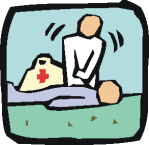
cprOn the Ninth Day of Christmas the Red Cross recommends that you attend FIRST AID AND CPR TRAINING. For more than a century, the Red Cross has been saving lives with Health and Safety Services education programs. A unique idea for a Christmas Stocking would be a Gift Certificate for a First Aid and CPR Training course.
On the Tenth Day of Christmas

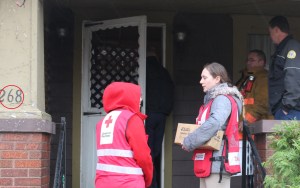
On the Tenth Day of Christmas the Red Cross recommends that you purchasehouse numbers HOUSE NUMBERS. Each home should have its number posted clearly on the front door, over the doorway, or elsewhere on the front so emergency responders can easily locate it. Lives and property can be saved simply by adequate house numbers where emergency workers can find them as quickly as possible.

On the Eleventh Day of Christmas

flashOn the Eleventh Day of Christmas the Red Cross recommends that you purchase a FLASHLIGHT. As simple as a Flashlight is, it can become a very important tool during and after disaster strikes. Every Family Disaster Supplies Kit should contain a Flashlight and spare batteries.

On the Twelfth Day of Christmas

On the Twelfth Day of Christmas the Red Cross recommends that you create an phoneEMERGENCY COMMUNICATION PLAN. Each home should have a list of Emergency Phone Numbers posted near the phone or in the front of a phone book.


For additional information on these and other safety tips visit:
http://www.redcross.org/news/article/7-fire-safety-tips-for-holiday-decorating-and-entertaining


Beautiful to View – Dangerous to Ignore

By Doug Bardwell – American Red Cross Volunteer-Communications and Disaster Services

Candles can add beauty, fragrance and ambiance to any home.  They can even add the scent of fresh pine to a home with an artificial tree. But, home safety trumps ambiance, so keep these easy to follow suggestions in mind during the holiday season (and the rest of the year as well.)

Candle2

Photo credit: Mel Turner on Unsplash

Flickering flames can be extremely interesting to toddlers.  Keeping candles high enough to avoid their reach goes without saying, but if your toddler is ingenious enough to drag over a stool or chair, make sure that the candle will still be out of reach.

If you live in a home with cats, make sure that the candle is somewhere kitty can’t jump or climb.  One swish of a long, furry tail and your candle could come flying down.

Never place candles near draperies or other flammable fabrics. Also, consider open windows. Loose papers or blowing curtains could easily come in contact with the flame.

Candles in the bedroom can be truly romantic; but, statistics show that one-third of candle fires start in the bedroom and approximately half of candle-related deaths occur after midnight and before 6:00 a.m. Be sure to extinguish your candles before you dose off to sleep, or better yet, opt for the inexpensive, flickering, battery-operated candles.  Some even come with small remote controls.

Candle1

If there is a power outage, opt for a flashlight or other battery-powered light. Candles can easily get knocked over in the darkness.  As an alternate, consider these Red Cross nightlights which plug into an outlet, and emit a soft glow. If the power goes out, they turn to a bright white light and can actually be removed from the outlet to serve as a flashlight.  No batteries to ever worry about, since the outlet keeps them charged constantly.

Make sure the candle holder is sized properly for the intended candle. Preferably, have multiple holders for all your favorite-sized candles.  If the holder is too loose, the candle could shift and fall at any time.

Finally, a UL/NFPA approved fire extinguisher is always great to have nearby.  Make sure all family members know where it’s located and know how to properly use it. Now’s an ideal time to review your family escape plan as well.

Read on for more practical fire safety tips.

Severe Weather Refresher

We normally share tornado safety information in the spring, when tornadoes in Northeast Ohio are most likely.  But the National Weather Service U. S. Hazards Outlook indicates a chance of severe weather for Northeast Ohio tomorrow.  So here is some information you can review:

Tornado Safety

Tornado70K

Top Tips

  • Identify a safe place in your home where household members and pets will gather during a tornado: a basement, storm cellar or an interior room on the lowest floor with no windows.
  • In a high-rise building, pick a hallway in the center of the building. You may not have enough time to go to the lowest floor.
  • In a mobile home, choose a safe place in a nearby sturdy building. If your mobile home park has a designated shelter, make it your safe place. No mobile home, however it is configured, is safe in a tornado.

What should I do to prepare for a tornado?

  • Know the Difference
    • Tornado Watch – A tornado WATCH means a tornado is possible.
    • Tornado Warning – A tornado WARNING means a tornado is already occurring or will occur soon. GO TO YOUR SAFE PLACE IMMEDIATELY.
  • During any storm, listen to local news or a NOAA Weather Radio to stay informed about tornado watches and warnings.
  • Know your community’s warning system. Communities have different ways of warning residents about tornadoes, with many having sirens intended for outdoor warning purposes.
  • Pick a safe room in your home where household members and pets may gather during a tornado. This should be a basement, storm cellar or an interior room on the lowest floor with no windows.
  • Practice periodic tornado drills so that everyone knows what to do if a tornado is approaching.
  • Consider having your safe room reinforced. Plans for reinforcing an interior room to provide better protection can be found on the FEMA web site (open in Chrome)
  • Prepare for high winds by removing diseased and damaged limbs from trees.
  • Move or secure lawn furniture, trash cans, hanging plants or anything else that can be picked up by the wind and become a projectile.
  • Watch for tornado danger signs:
  • Dark, often greenish clouds – a phenomenon caused by hail
  • Wall cloud – an isolated lowering of the base of a thunderstorm
  • Cloud of debris
  • Large hail
  • Funnel cloud – a visible rotating extension of the cloud base
  • Roaring noise


What to Do During a Tornado

  • The safest place to be is an underground shelter, basement or safe room.
  • If no underground shelter or safe room is available, a small, windowless interior room or hallway on the lowest level of a sturdy building is the safest alternative.
  • Be aware that no area of a mobile home is safe during tornadoes or other severe winds.
    • If you have access to a sturdy shelter or a vehicle, abandon your mobile home immediately and go to either, using your seat belt if driving.
  • If you are caught outdoors, seek shelter in a basement, shelter or sturdy building.
  • If you cannot quickly walk to a shelter:
    • Immediately get into a vehicle and try to drive to the closest sturdy shelter. Remember to buckle your seat belt and drive at right angles to the storm movement to get out of its path.
    • Stay away from bridge/highway overpasses.
    • If strong winds and flying debris occurs while driving, pull over and park, keeping your seat belt on and engine running. Put your head down below the windows, covering your head with your hands and a blanket (if available).


From Hurricanes to Home Fires – Get Prepared in September

Hurricane Harvey 2017By now you know may think that you know all about hurricanes — massive storm systems that form over the water and move toward land. Threats from hurricanes include high winds, heavy rainfall, storm surge, coastal and inland flooding, rip currents, and tornadoes. These large storms are called typhoons in the North Pacific Ocean and cyclones in other parts of the world. The Atlantic hurricane season runs from June 1 to November 30, with the peak occurring now, between mid-August and late October. The Eastern Pacific hurricane season begins May 15 and ends November 30.
It may seem like you’re well versed on basic preparedness tips, such as:

  • Know where to go if ordered to evacuate.
  • Put together a go-bag: disaster supply kit, including a flashlight, batteries, cash, first aid supplies, medications, and copies of your critical information if you need to evacuate
  • If not in an area that is advised to evacuate and you decide to stay in your home, plan for adequate supplies in case you lose power and water for several days and you are not able to leave due to flooding or blocked roads.
  • Make a family emergency communication plan.

And with Ohio not being a coastal state, you may feel that you don’t have to worry about any of these things!

But you should.

Hurricane Harvey 2017Coming right smack in the middle of the peak of Hurricane season, is Preparedness Month. Celebrated every September, it is the perfect time for you, your family, and your community learn how to BE PREPARED.

Prepare for the things you may experience as an Ohioan: tornadoes, flooding, extreme winter weather, power outages, or a home fire.

Step one:
Build a Kit or Do an Annual Supply Check

Make sure your emergency kit is stocked with the items on the checklist below. Most of the items are inexpensive and easy to find, and any one of them could save your life. Headed to the store? Download a printable version to take with you. Once you take a look at the basic items, consider what unique needs your family might have, such as supplies for pets, or seniors.

After an emergency, you may need to survive on your own for several days. Being prepared means having your own food, water and other supplies to last for at least 72 hours. A disaster supplies kit is a collection of basic items your household may need in the event of an emergency.

Basic Disaster Supplies Kit

To assemble your kit, store items in airtight plastic bags and put your entire disaster supplies kit in one or two easy-to-carry containers such as plastic bins or a duffel bag.

A basic emergency supply kit could include the following recommended items:

  • Waterone gallon of water per person per day for at least three days, for drinking and sanitation
  • Food – at least a three-day supply of non-perishable food
  • Battery-powered or hand crank radio and a NOAA Weather Radio with tone alert
  • Flashlight
  • First aid kit
  • Extra batteries
  • Whistle to signal for help
  • Dust mask to help filter contaminated air and plastic sheeting and duct tape to shelter-in-place
  • Moist towelettes, garbage bags and plastic ties for personal sanitation
  • Wrench or pliers to turn off utilities
  • Manual can opener for food
  • Local maps
  • Cell phone with chargers and a backup battery

Download the Recommended Supplies List (PDF)

Additional Emergency Supplies

Consider adding the following items to your emergency supply kit based on your individual needs:

  • Prescription medications
  • Non-prescription medications such as pain relievers, anti-diarrhea medication, antacids or laxatives
  • Glasses and contact lense solution
  • Infant formula, bottles, diapers, wipes, diaper rash cream
  • Pet food and extra water for your pet
  • Cash or traveler’s checks
  • Important family documents such as copies of insurance policies, identification and bank account records saved electronically or in a waterproof, portable container
  • Sleeping bag or warm blanket for each person
  • Complete change of clothing appropriate for your climate and sturdy shoes
  • Household chlorine bleach and medicine dropper to disinfect water
  • Fire extinguisher
  • Matches in a waterproof container
  • Feminine supplies and personal hygiene items
  • Mess kits, paper cups, plates, paper towels and plastic utensils
  • Paper and pencil
  • Books, games, puzzles or other activities for children

Maintaining Your Kit

After assembling your kit remember to maintain it so it’s ready when needed:

  • Keep canned food in a cool, dry place
  • Store boxed food in tightly closed plastic or metal containers
  • Replace expired items as needed
  • Re-think your needs every year and update your kit as your family’s needs change.

Kit Storage Locations

Since you do not know where you will be when an emergency occurs, prepare supplies for home, work and vehicles.

  • Home: Keep this kit in a designated place and have it ready in case you have to leave your home quickly. Make sure all family members know where the kit is kept.
  • Work: Be prepared to shelter at work for at least 24 hours. Your work kit should include food, water and other necessities like medicines, as well as comfortable walking shoes, stored in a “grab and go” case.
  • Vehicle: In case you are stranded, keep a kit of emergency supplies in your car.

The Red Cross and the Eclipse…Please Explain

By Todd James, Red Cross Public Affairs Volunteer and Executive Director from the Ohio Buckeye Region

IMG_1217I recently had the opportunity to serve as part of the Red Cross preparedness operations team in Kentucky as part of the Great American Eclipse.

Many people will ask, “What does the Red Cross have to do with an eclipse?”

Well, whenever there is a large public event such as the Super Bowl, a national political convention, or in this case, an eclipse,  the Red Cross is part of the planning process with local,  state and federal  officials. It takes a lot of work to be prepared for large crowds of people coming into an area. In this case, over 7 million people were expected to visit the 12 states in the path of totality to see the eclipse. This had the potential to overwhelm local infrastructure in many communities, especially here in Hopkinsville, Kentucky,  where the point of greatest eclipse took place.

The Red Cross has been planning, for over a year, for single this event.

In Kentucky, where I served, 21 counties were in the path of totality and hundreds of thousands of people were expected to visit the area in the days leading up to the eclipse.

What if a natural disaster occurred during this period? The possible need for sheltering and feeding was a big concern. Many people may have had to sleep in their cars!

This is storm season! A severe storm or tornado would be devastating in normal circumstances, but could be catastrophic with thousands more people than usual in the area. Severe heat is also common in the area at this time of year. The Kentucky Red Cross spent months making sure shelter locations were secured and inspected. They loaded trailers with shelter supplies and moved them to strategic locations, ready to be moved to town shelters where needed. Red Cross volunteers signed up to be available and ready at a moment’s notice to open shelters and provide care and comfort.

Prior to the event, the Red Cross coordinated safety and preparedness messaging with emergency management officials to let people traveling to view the eclipse know what they could do to make their trip a safe one.

All this work led up to August 21, the day of the eclipse.

So, what happened? Nothing! Millions of people made their way to their destination, viewed the eclipse and returned home safely. There were no major incidents or disasters. Our teams went home without having to open a single shelter.  And that’s just the way we wanted it!  Preparedness is key to the Red Cross mission. We’re constantly training, preparing and collaborating with our partners, so when a disaster happens, we are ready to respond immediately. But, sometimes, our best days are the ones when we don’t do anything but wait.

Have a Safe 4th of July!

Everyone is looking forward to the upcoming Fourth of July holiday weekend! We wanted to be sure to send out some steps that you can follow to stay safe, whether enjoying a nice meal with friends and family or going for a swim.

The biggest take away? Download the first aid app to help you and your family be prepared for whatever may happen!

Fourth-of-July-Grill-Tip-FINAL

GRILLING SAFETY Every year people are injured while using charcoal or gas grills. Here are several steps to safely cook up treats for the backyard barbecue:

  1. Always supervise a barbecue grill when in use.
  2. Never grill indoors – not in the house, camper, tent, or any enclosed area.
  3. Make sure everyone, including the pets, stays away from the grill.
  4. Keep the grill out in the open, away from the house, the deck, tree branches, or anything that could catch fire.
  5. Use the long-handled tools especially made for cooking on the grill to keep the chef safe.

WATER SAFETY Swim only at a beach with a lifeguard, within the designated swimming area. Obey all instructions and orders from lifeguards. While enjoying the water, keep alert and check the local weather conditions. Other safety steps include:

  • Swim sober and always swim with a buddy. Make sure you have enough energy to swim back to shore.
  • Have young children and inexperienced swimmers wear a U.S. Coast Guard-approved life jacket.
  • Protect your neck – don’t dive headfirst. Walk carefully into open waters.
  • Keep a close eye and constant attention on children and adults while at the beach. Wave action can cause someone to lose their footing, even in shallow water.
  • Watch out for aquatic life. Water plants and animals may be dangerous. Avoid patches of plants and leave animals alone.

DOWNLOAD SWIM, FIRST AID APPS The Red Cross Swim App promotes water safety education and helps parents and caregivers of young people learning how to swim. The app has features specifically designed for children, including a variety of kid-friendly games, videos and quizzes. It also contains water safety information for parents on a variety of aquatic environments including beaches and water parks. The First Aid App provides instant access to expert guidance on a variety of situations from insect bites and stings to choking and Hands-Only CPR. People can download the apps for free by searching for ‘American Red Cross’ in their app store or at redcross.org/apps.

HOME POOL ESSENTIALS COURSE The Red Cross and National Swimming Pool Foundation® (NSPF) have developed an online safety course for pool and hot tub owners. Home Pool Essentials helps people understand the risks of pool ownership, how to maintain a safer and cleaner pool, what safety equipment is appropriate, how to prevent pool and hot tub entrapment hazards, and how to respond to an emergency.


Partnership with VA, Vets Groups Makes 100+ Homes Safer

The heat couldn’t keep the Red Cross and some of its partners from installing smoke alarms throughout Northeast Ohio on Saturday, June 17, 2017.

The high temperature topped out at 93 degrees, as volunteers from the Northeast Ohio VA Healthcare System and members of several veterans groups helped install nearly 300 smoke alarms in homes in four separate cities simultaneously.  The Operation Save-A-Life event was scheduled to occur during the same week as Flag Day, an observance that is held with reverence among many members of the military and veterans.

“Our Northeast Ohio VA employees are dedicated to serving those who serve day in and day out.  Their dedication carries over to their time away from work as we join forces with the Red Cross to make our Veterans homes and those of their neighbors safer,” said Susan M. Fuehrer, Northeast Ohio VA Healthcare System Director.

Homeowners in Akron, Canton, Mansfield and Parma received home fire safety information as well as smoke alarms, installed at no cost to them.

“It was an extremely hot day, but through your hard work and commitment to your communities, we were able to make 103 homes in Northeast Ohio safer by installing 297 smoke alarms,” wrote Jessica Tischler, Director of Service to the Armed Forces for the Red Cross of Northeast Ohio, in a message to the volunteers.

“I can’t get over it, this is such a nice thing you all are doing,” said Sara Janasik of Parma, as smoke alarms were being installed in her Monmouth Road home.

The Flag Day event preceded another big push to prevent home fire deaths this fall. Sound the Alarm, a home fire safety and smoke alarm installation event will take place across the country, including Northeast Ohio during the weekends of September 23, September 30, October 7 and October 14, 2017.  If you’d like to help us make homes safer, become a Red Cross volunteer.  Call 216-431-3328 for more information about Sound the Alarm and all of the volunteer opportunities the Red Cross offers.

You can also help people affected by disasters like home fires by making a donation to support Red Cross disaster relief online.  Your gift enables the Red Cross to prepare for, respond to and help people recover from disasters big and small.  Visit redcross.org, call 1-800-RED CROSS, or text the words RED CROSS to 90999 to make a $10 donation.


Partners Help Make Parma Homes Safer

Young Professionals Help Protect People in Parma from Home Fires

A new partnership proved to be fruitful for residents in a neighborhood of Parma on Saturday, May 6.  Members of the Cleveland Professional 20/30 Club joined forces with the Red Cross and members of the Parma Community Emergency Response Team (CERT) to install more than two-dozen smoke alarms in homes where needed. The volunteers also performed home fire safety inspections and offered valuable fire prevention and safety education.

safety_walk_parma_170506_3369---copy_33647619564_o

The Cleveland Professional 20/30 Club is the longest-running young professional association in Northeast Ohio. The mission and vision is to enrich the lives of young professionals, to foster the future leaders of Cleveland. The group is independent, open and inclusive, and membership represents a wide range of cultures, backgrounds and professions, and touching the lives of more than 1,000 young professionals through its programs on an annual basis.

“Our volunteers from The Cleveland Professional 20/30 Club enjoyed working together with the American Red Cross of Greater Cleveland and Parma Cert to help install free smoke alarms in people’s homes,” said Melanie Raese, Philanthropy Director of the Cleveland Professional 20/30 Club.  “It was a fun, team building experience and we learned about fire safety.  We are grateful to serve our communities and to work alongside those dedicated to building safer neighborhoods.”

Since 2014, Red Cross volunteers, along with fire departments and other partners, have visited homes installing free smoke alarms, replacing batteries in existing alarms and providing fire prevention and safety education to prevent needless tragedies. More than 26,000 smoke alarms have been installed in homes in Northeast Ohio in the past two years. This fall, the Red Cross will celebrate the program with Sound the Alarm, a series of home fire safety and smoke alarm installation events nationwide. Volunteers will install 100,000 free smoke alarms in high risk neighborhoods in Akron, Cleveland, and more than 100 other cities across the country, culminating in the installation of the one millionth smoke alarm!

If you would like to help us Sound the Alarm about fire safety and help save lives, visit us at redcross.org/neo and click on the Volunteer tab.  More information about Sound the Alarm is located here.

See more photos, taken by Red Cross volunteer George Scherma, on Flickr.