Sandusky resident shows age is just a number when it comes to donating blood

By Eilene Guy, American Red Cross volunteer

April 29, 2020- Ken Fultz is proof positive you’re never too old to save a life, or two, or three.

The spry Sanduskian, who celebrated his 90th birthday in March, did his part for others during this COVID-19 emergency by giving blood at a recent American Red Cross blood drive.

Ken Fultz 2

Ken Fultz

“You know, I would do it again tomorrow if they (would) let me,” Ken said. “Everyone there knew what they were doing, and I got thanked over and over again.”

And well he should be thanked. Under the “stay home and save a life” rules to slow the spread of the deadly virus, scores of blood drives have been cancelled across northern Ohio. But the need for blood never stops, for accident victims; moms and newborns in difficult deliveries; surgery and cancer patients; and men, women and children who rely on transfusions for a healthy life.

“Dad has always been my hero,” Ken’s daughter, Sally Carter, said. “He has always put his family first and his community a close second.

“When the COVID-19 virus started to spread, it was hard to keep him inside and safe. When he suggested maybe he could give blood, we made the necessary phone calls to make it happen.”

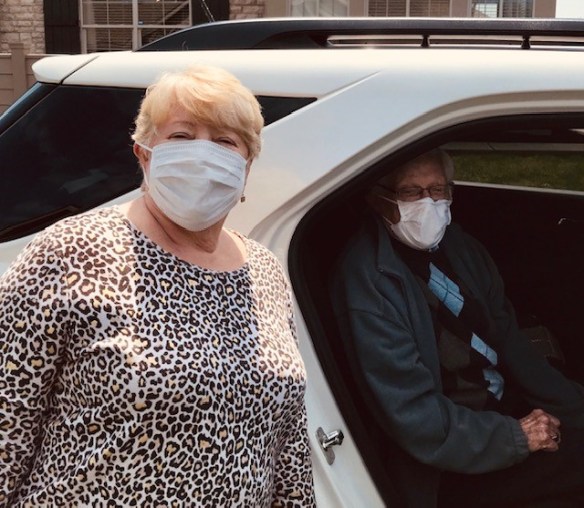
Ken Fultz Sally Carter facemasked

Ken with his daughter Sally Carter

And while he was at it, Ken encouraged four other family members to donate blood along with him.

Donating blood was nothing new for Ken: His next donation – which could be as soon as late June – will put him into the 10 Gallon Club. That will mean he’s given 80 units of blood! And if each of those units was separated into red blood cells, white blood cells and platelets, that amounts to as many as 240 lives saved!

Ken’s generosity isn’t limited to life saving. For more than 25 years, until last fall – at the age of 89 – he delivered Meals on Wheels to an eager group of shut-ins. And he delivered flowers from Zion Lutheran Church to Firelands Regional Medical Center faithfully every week until the hospital had to stop all visits as an infection precaution.

Ken Fultz

“It’s people like Ken who step forward to help others that are the heart and soul of the Red Cross,” said Christy Peters, northern Ohio regional biomedical communications manager. “They are genuine humanitarians, giving the gift of life.”

To find the date, time and location of your nearest Red Cross blood drive, call 1-800-REDCROSS or access RedCrossBlood.org.  Or you can text BLOODAPP to 90999 or search “Red Cross Blood” on the App Store or Goggle Play to get the free Blood Donor App.


Blood donors and drives help Red Cross maintain nation’s blood supply

By Eric Alves, Regional Communications Specialist, American Red Cross of Northern Ohio

April 9, 2019- Thanks to the many donors who gave blood and scheduled upcoming appointments, and to the sponsors of blood drives during this uncertain time, the American Red Cross has been able to meet immediate patient needs. We encourage individuals to keep their scheduled blood donation appointments and to make new appointments for the weeks ahead to ensure a stable supply throughout this pandemic.

Donating blood is essential to ensuring the health of our communities. The need for blood is constant, and volunteer donors are the only source of blood for those in need.

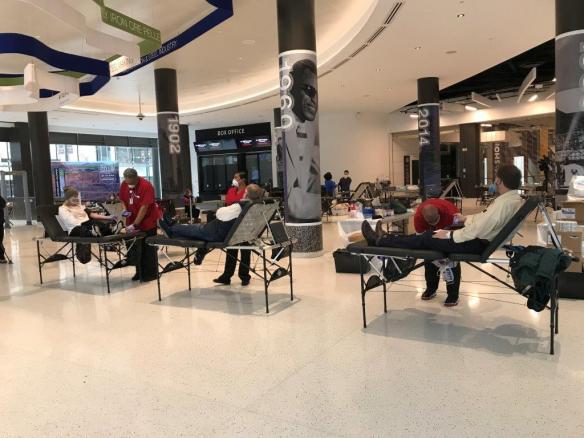
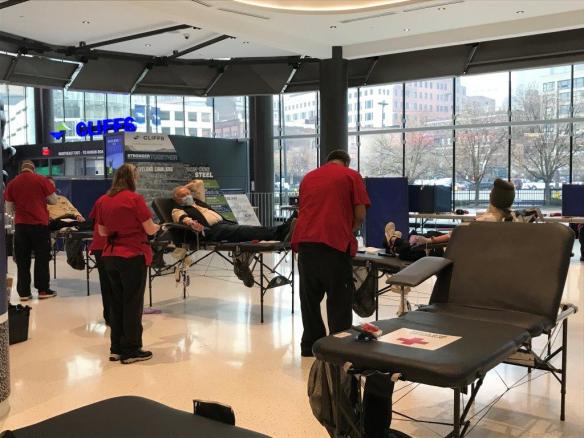
Blood drives across Northern Ohio, such as the one held at the Rocket Mortgage FieldHouse in Cleveland, provide an opportunity for blood donors to donate lifesaving blood at a convenient location.

IMG_0090

“Its been incredibly encouraging, and we’re very thankful to the community for their continued support in the midst of so much uncertainty,” said Christy Peters, external communications manager, Northern Ohio Biomedical Services.

Following a very successful blood drive on March 27, which saw 135 pints of blood donated, officials at Rocket Mortgage FieldHouse decided to hold another blood drive on April 7. The decision to hold another blood drive proved to be the right decision as the community showed their generosity by filing into the arena once again to donate blood to help others in need.

IMG_0094

Rocket Mortgage FieldHouse will be holding another blood drive on April 24.

Similar stories are being told across the Northern Ohio Region of local communities coming together to ensure the blood supply is well maintained for those who are in need, such as patients undergoing cancer treatment.

On April 8, Akron Mayor Daniel Horrigan joined residents to donate blood at the blood drive being held at the Joy Park Community Center.

Akron Mayor

Mayor Daniel Horrigan

Each Red Cross blood drive and donation center follows the highest standards of safety and infection control. To ensure the health of employees, volunteers and staff, precautions include checking temperatures of staff and donors before entering a drive to make sure they are healthy, providing hand sanitizer for use before the drive, as well as throughout the donation process, following social distancing between donors including entry, donation and refreshment areas, routinely disinfecting surfaces, equipment and donor-touched areas, wearing gloves, and changing gloves often, using sterile collection sets and an aseptic scrub for every donation and staff wearing basic face masks.

Blood donation is essential to ensuring the health of our communities. The need for blood is constant, and volunteer donors are the only source of blood for those in need.

IMG_0093

Every day patients rely on lifesaving blood transfusions including those who need surgery, victims of car accidents and other emergencies, or patients suffering from cancer. Right now, people are following public health guidance to keep their families safe and that includes contributing to a readily available supply of blood for hospitals.

This is the time to take care of one another. If you are healthy and feeling well, please make an appointment to donate by using the Red Cross Blood Donor App, visiting RedCrossBlood.org or calling 1-800-RED CROSS (1-800-733-2767).

First time donor gives blood to aid with shortage

By Eric Alves, Regional Communications Specialist, American Red Cross of Northeast Ohio

March 25, 2020- The COVID-19 outbreak is all anyone can talk about in Northeast Ohio. Beyond the immediate health emergency, the virus is threatening to create additional future public health emergencies due to the current blood shortage.

As of March 23, about 7,000 Red Cross blood drives have been canceled across the country due to coronavirus concerns, resulting in more than 200,000 fewer blood donations. This is why the Red Cross is asking all healthy and eligible individuals to donate lifesaving blood.

49680779247_672010821e_c

Jenna Ostrowski with Regional CEO Mike Parks

On March 20, the Cleveland Clinic lent a helping hand to put an end to the blood shortage by opening their doors to host a much needed blood drive.

One of the donors present at the blood drive was Jenna Ostrowski, a medical technologist in the Automated Hematology Department. This moment was a milestone for Jenna, as she was a first time blood donor, who was motivated to take the leap to officially become a blood donor due to the need following the outbreak.

“I figured now is the time, since so many people need blood. It’s a good opportunity for caregivers since the drive is right here at the Clinic,” stated Jenna.

Red Cross of Northeast Ohio Regional CEO Mike Parks was present at the blood drive, thanking Cleveland Clinic President Tomislav Mihaljevic for opening the Cleveland Clinic’s doors to host the blood drive and to thank donors like Jenna for giving the gift of life.

49680488646_24fb7f1573_c

Tomislav Mihaljevic speaking with Mike Parks

Everyone at the Red Cross understands why people may be hesitant to come out for a blood drive, but we want to assure the public that we are taking additional precautions to ensure the safety of our donors, volunteers and staff.

Volunteers and staff are checking the temperature of  everyone before they enter a drive to make sure they are healthy. Hand sanitizer is available for use before entering the drive, as well as throughout the donation process. We are also spacing beds, where possible, to follow social distancing practices between blood donors.

49680489446_554a1c3570_c

Red Cross employees follow strict safety procedures, including wearing gloves and changing them often, wiping down all donor-touched surfaces and equipment and preparing the arm for donation with an aseptic scrub.

If you are a first-time donor, like Jenna, click here to learn some helpful best practices.

49680813507_abfe643018_c

If you are healthy, feeling well and eligible to give blood or platelets, please make an appointment to donate as soon as possible by using the Red Cross Blood Donor App, visiting RedCrossBlood.org or calling 1-800-RED CROSS (1-800-733-2767).

To view more photos from the Cleveland Clinic blood drive, visit the Northeast Ohio Region Flickr page.

My first attempt to donate blood

By Samantha Pudelski, American Red Cross volunteer

Editors note: The American Red Cross now faces a severe blood shortage due to an unprecedented number of blood drive cancellations during this coronavirus outbreak.  Through March 17, nearly 4,000 Red Cross blood drives have been canceled across the country due to coronavirus concerns, resulting in more than 100,000 fewer blood donations. Healthy individuals are needed to donate now to help patients counting on lifesaving blood.

March 18, 2020- You’ve seen the advertisements and signs before—the ones that list upcoming American Red Cross blood drives in your area. You may drive past the sign on your way home or see something about a local drive on your social media feed. Like many people, I am not fond of needles. This is why for many years I went without donating blood.

This year, I was determined to put my nerves aside to take part in my first blood drive. I found a local site and signed up for a time slot, hoping that scheduling an appointment would help avoid any lines. When I arrived, there were several people donating and several more getting their screenings completed.

Blood bank Campaign ceremony 2017

Laurie Brungeau giving blood during the launch of the Haitian Red Cross blood collection center in Port-au-Prince. The Haitian Red Cross suffered serious damage during the earthquake, but thanks to their hard work–and capacity-building investments from partners like the American Red Cross — they have stregthened and become more sustainable over the years. Photo: Garry Calixte/American Red Cross

After registering and completing my pre-screening, it was time to donate. The nurse asked me which arm I prefer, to which I answered, “Whichever arm that you can find a vein.” The nurse asked me if I have had trouble with nurses finding my veins in the past. They have but I didn’t think that would be an issue for donating. These volunteers do this regularly and are pros, right?

While the nurses at the donation site were, in fact, seasoned experts, the two nurses who checked still had trouble finding a viable vein to use in my arm. Out of caution for my well-being, they told me I wasn’t able to donate. I was incredibly disappointed that of all reasons to be turned away as a donor, it was my lack of a viable vein!

Blood Drive New York 2018

This experience showed me just how important it is for those who can donate blood to do so. After sharing my experience with a few friends, I learned that many of them had similar experiences. From my friends and the nurses at the blood drive, I learned a few best practices I wanted to share for those looking to donate:

  • Drink lots of water before you donate – the day before and the day of your donation.
  • Avoid caffeine to avoid detracting from #1.
  • The magic number for your iron level is 12.5. They test this before you actually start your donation to make sure you have the minimum level.
  • Complete the RapidPass online before you donate to save time at the blood donation location. This contains the pre-donation packet reading and health history questions donors need to complete.
  • Bring some music or reading when you donate. It only takes 8-10 minutes to do the actual blood donation but having something to do can help pass the time, especially if you are nervous.

Knowing these things, I plan to go back again soon to see if I can donate. I hope my story encourages you to donate as well.

Blood Drive, Fairfax, Virginia 2018

Currently, there is an urgent need for blood due to the Coronavirus outbreak. Right now, eligible and healthy donors are strongly urged to make an appointment to give soon. To schedule an appointment and for information on enhanced blood donation safety related to Coronavirus, visit: https://www.redcrossblood.org.

For those who can’t donate, the Red Cross offers volunteer opportunities to support  blood drives. You can learn more about these at: https://www.redcross.org/local/ohio/northeast/volunteer.html.

Edited by Glenda Bogar, American Red Cross volunteer

Northeast Ohio Region weekend disaster report: March 13-15, 2020

By Eric Alves, Regional Communications Specialist, American Red Cross of Northeast Ohio

March 16, 2020- While residents in Northeast Ohio were taking precautions to remain safe from the coronavirus, members of the American Red Cross of Northeast Ohio Disaster Action Team were assisting residents facing the worst day of their lives, as disasters do not adhere to social distancing measures.

During the weekend of March 13-15, the DAT team responded to disasters in four of the five chapters of the Northeast Ohio Region, with disasters occurring in Columbiana, Cuyahoga, Erie, Lake, Richland, Stark and Trumbull counties.

The Red Cross assisted 32 adults, 29 children and provided $12,460 in immediate financial assistance.

dunham-ave-2


While we all take extraordinary steps to contain the coronavirus, the Red Cross is asking all healthy individuals to donate blood, to help maintain the nation’s blood supply as blood drives across the country continue to be cancelled.

Over the last few days, we have seen blood drive cancellations grow at an alarming rate. Through March 13, about 1,500 Red Cross blood drives have been canceled across the country due to coronavirus concerns, resulting in some 46,000 fewer blood donations. We expect that number to rise.

We understand why people may be hesitant to come out for a blood drive, but want to reassure the public that we are taking additional precautions to ensure the safety of our donors and staff.

Monroe Carell Jr Children's Hospital at Vanderbilt, Nashville, Tennessee 2019

We are checking the temperature of staff and donors before entering a drive to make sure they are healthy. Hand sanitizers are available for use before entering the drive, as well as throughout the donation process. We are also spacing beds, where possible, to follow social distancing practices between blood donors.

Red Cross employees follow strict safety procedures, including wearing gloves and changing them often, wiping down all donor-touched surfaces and equipment and preparing the arm for donation with an aseptic scrub.

A blood shortage could impact patients who need surgery, victims of car accidents and other emergencies, or patients suffering from cancer. One of the most important things you can do to ensure we don’t have another health care crisis on top of the coronavirus is to give blood.

the-time-to-give-is-now (1) (1)

If you are healthy, feeling well and eligible to give blood or platelets, please make an appointment to donate as soon as possible by using the Red Cross Blood Donor App, visiting RedCrossBlood.org or calling 1-800-RED CROSS (1-800-733-2767).

Healthy blood donors needed amid coronavirus concerns

March 11, 2020- With confirmed coronavirus disease cases in Northeast Ohio and the state of Ohio declaring a state of emergency, and with schools across the region closed and events postponed due to precautions, the American Red Cross strongly urges healthy, eligible individuals who are feeling well to give blood or platelets to help maintain a sufficient blood supply and prevent shortages as concerns about the outbreak of coronavirus disease 2019, or COVID-19, rise in the U.S.

Cold and flu season has already impacted the nation’s ability to maintain its blood supply. As the number of coronavirus cases grows in the U.S., the number of people eligible to give blood for patients in need could decrease further.

“We’re asking the American people to help keep the blood supply stable during this challenging time. As communities across the country prepare for this public health emergency, it’s critical that plans include a readily available blood supply for hospital patients,” said Chris Hrouda, president, Red Cross Blood Services. “As fears of coronavirus rise, low donor participation could harm blood availability at hospitals, and the last thing a patient should worry about is whether lifesaving blood will be on the shelf when they need it most.”

help-maintain-the-blood-supply

Donating blood is a safe process and people should not hesitate to give or receive blood. There are no data or evidence that this coronavirus can be transmissible by blood transfusion, and there have been no reported cases worldwide of transmissions for any respiratory virus, including this coronavirus, from a transfusion.

The Red Cross only collects blood from individuals who are healthy and feeling well at the time of donation – and who meet other eligibility requirements, available at RedCrossBlood.org. At each blood drive and donation center, Red Cross employees follow thorough safety protocols including wearing gloves, routinely wiping down donor-touched areas, using sterile collection sets for every donation, and preparing the arm for donation with an aseptic scrub. These mitigation measures will help ensure blood recipient safety, as well as staff and donor safety in reducing contact with those who may potentially have this respiratory infection.

Blood drive hosts play important role
Blood drive hosts also play a critical role in maintaining a sufficient blood supply and are asked to keep hosting blood drives for patients who rely on lifesaving blood. The need for blood is constant, and volunteer donors are the only source of blood for those in need of transfusions.

The Red Cross, with the help of its blood drive hosts and blood donors, can help ensure the safety and availability of the U.S. blood supply for patients including accident and burn victims, heart surgery and organ transplant patients, and those receiving treatment for leukemia, cancer or sickle cell disease.

“Keep giving, keep hosting blood drives,” said Hrouda. “Patients across the country need our help.”

To learn more about hosting a blood drive for patients in need, please visit RedCrossBlood.org.

coronavirus-safety-fb (2)

Red Cross committed to blood supply safety

The top priority of the Red Cross is the safety of our valued staff, blood donors and blood recipients, and we are committed to transparency with the American public during this evolving public health emergency. There are no data or evidence that this coronavirus can be transmissible by blood transfusion, and there have been no reported cases worldwide of transmissions for any respiratory virus including this coronavirus, from a transfusion.

Nonetheless, the Red Cross has implemented new blood donation deferrals out of an abundance of caution. Individuals are asked to postpone their donation for 28 days following:

  • Travel to China and its special administrative regions, Hong Kong and Macau, as well as Iran, Italy and South Korea;
  • Diagnosis of COVID-19, contact with a person who has or is suspected to have the virus.

As the situation evolves, the Red Cross will continue to evaluate all emerging risks in collaboration with the U.S. Food and Drug Administration, Centers for Disease Control and Prevention and industry partners to determine if additional intervention strategies are needed. Together, we stand ready to keep the American public informed and prepared.

Blood donation process

A blood donation takes about an hour from start to finish, but the actual donation itself only takes about 8-10 minutes. Donors can also save up to 15 minutes at the blood drive by completing a RapidPass®. With RapidPass®, donors complete the pre-donation reading and health history questionnaire online, on the day of donation, from a mobile device or computer. To complete a RapidPass®, follow the instructions at RedCrossBlood.org/RapidPass or use the Red Cross Blood Donor App.

To donate blood, individuals need to bring a blood donor card or driver’s license or two other forms of identification that are required at check-in. Individuals who are 17 years of age in most states (16 with parental consent where allowed by state law), weigh at least 110 pounds and are in generally good health may be eligible to donate blood. High school students and other donors 18 years of age and younger also must meet certain height and weight requirements.


Blood donations save newborn baby’s life

Quote

A mother’s perspective and plea

By Lauren Hancharick, guest blogger

Camden was 3 weeks old when he received his blood transfusion Aug. 22, 2019. He spent 20 of his first 23 days of life in and out of the hospital three different times. Once he was discharged and readmitted into the same hospital two times, not including his birth, we were finally sent to University Hospitals Rainbow Babies & Children’s Hospital. He had many blood tests every day and by the time he reached 3 weeks old, his blood had reached dangerously low levels. I will never forget the wave of emotions that came over me when they came into the room and told me that.

Camden

My first question as his mother was “Can I donate?” That was when I was informed that I was not able to donate because of the cleaning process that the blood must go through, as well as the virus CMV that 90% of the population carries. I was completely at the mercy of some kind stranger to save my newborn son’s life.

Today Camden is 6 months old and living at home, instead of a hospital! He is the happiest baby I have ever met and loves to smile and laugh. He loves his milk, to roll, and to chew on anything and everything you will allow! Camden is doing very well. He is just being monitored. Receiving the blood transfusion seems to be the turning point in his illness.

I am unsure how you measure units of blood but at 3 weeks old, he received two full syringes of blood. (The very large ones put into the transfusion machine).

Camden’s illness completely rocked his family. He is the first grandchild on both sides of the family and the first great grandson on his father’s side. I stayed in the hospital with him the whole time he was there, and his dad stayed until he had to return to work. My husband had run out of time off, unfortunately. The rest of his family visited often.

Since then his mom will tell anyone who will listen about the importance of donating blood, for the babies! His mom and dad also have donated twice since things calmed down and plan to donate regularly for the rest of their lives.

Camden family (002)

I always say “thank you,” with tears in my eyes to people who donate regularly. I hugged a total stranger at a blood drive the other day because I found out she was CMV negative and donates as much as possible. I also always tell people that it really makes a difference and that I wouldn’t have my son today if it wasn’t for a complete stranger’s kindness.

I have posted many times on social media to motivate people to donate. I always inform them that babies do not make blood for the first two to three weeks of their lives so any baby with illnesses at birth are at risk of needing a transfusion. I also include information about the CMV virus so they know only a very select few people who donate can actually have their blood given to a baby.

I believe most people think, “If someone I know needs it, I’ll donate” but it does NOT work that way. A completely anonymous donor has to have given at least a week before it is received so it can go through the very important process of cleaning and testing the blood so it is safe for you or your loved one to receive. My son had been inside me three weeks prior and they would not take my blood to give to him. I especially want to motivate people for the babies. But as mothers it never really matters how old our children are, they are always our babies.

When you donate, you save someone else’s baby. It’s as simple as if you or a loved one were in need, you would want someone else to think it was worth their time to spend 20 minutes one day to donate. I know a lot of people have fear of needles, but I just ask them to imagine the fear a mother experiences when she finds out her child, especially a newborn, needs a blood transfusion. When you donate blood, you save someone else’s baby, someone else’s spouse, someone else’s parent, or just someone else. IT IS WORTH IT! IT IS FREE! IT IS IMPORTANT!

Edited by Glenda Bogar/American Red Cross volunteer

March is Red Cross Month

By Doug Bardwell, American Red Cross volunteer

February 28, 2020- You’ve probably seen the American Red Cross blood drive signs across town, and you’ve probably passed a Red Cross vehicle or two recently. But did you know that March is Red Cross Month?

The first nationally proclaimed Red Cross Month was the idea of President Franklin D. Roosevelt in 1943. He said, “I request that during that month (March) our people rededicate themselves to the splendid aims and activities of the Red Cross.” It’s been remembered each year since.

mircm-celebrating-volunteers-fb

Every day the Red Cross answers the calls from those in need in many ways. Our blood collection unit supplies about 40% of the blood requirements of the United States. Each unit of blood can save as many as three lives.

Our Service to the Armed Forces unit helps military members, veterans and their families in many ways, including making contact military members when there is a family emergency.

Our disaster services team responds to local, national and international emergencies. Regionally, we respond to an average of three home fires every 24 hours.

What most people don’t realize is that the Red Cross is a charitable organization, not a government agency. It depends on volunteers and the generosity of people like you to perform our mission. Another interesting fact is that the Red Cross is part of the world’s largest volunteer network, found in 187 counties.

mircm-helpsavelives-fb

WWFDRS?  (What would FDR say?)

His idea was for everyone to adopt the aim and activities of the Red Cross. For some, that might mean a donation if they don’t have time to serve. You can always make a donation here.

But if you really want to make a difference, consider volunteering. It will make a difference in someone else’s life as well as your own. There’s no better feeling than being able to assist someone when they are at their lowest hour.

Volunteer opportunities exist now for many talents. But we are especially in need of people to:

1) Join the Disaster Action Team, which goes out in pairs after a local fire or flood to provide financial and emotional support.

2) Become a Home Fire Campaign volunteer to spend an afternoon assisting with the installation of free smoke alarms in local neighborhoods.

3) Serve as drivers to Transport Blood products from blood drives to our main office and then to hospitals. Clean driving record needed. Vehicles provided.

mircm-thank youvolunteers-fb

There’s no experience needed for any of these positions, and they can be done by the young as well as the young-at-heart. Hours are flexible and all training is provided. Make FDR proud, and consider joining our mission to alleviate human suffering in the face of emergencies.

Edited by Glenda Bogar, American Red Cross volunteer 

Red Cross has my heart, on Valentine’s Day and every day

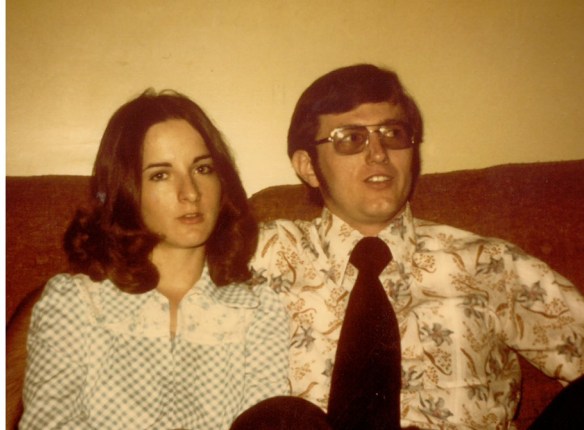
My family’s Red Cross connection and how a blood drive led to lasting love

By Renee Palagyi, Senior Disaster Program Manager

February 14, 2020- Valentine’s Day is one of my favorite holidays. Partly because it’s also my birthday but mostly because it’s the time to think about love and caring. In that spirit, here’s my love story.

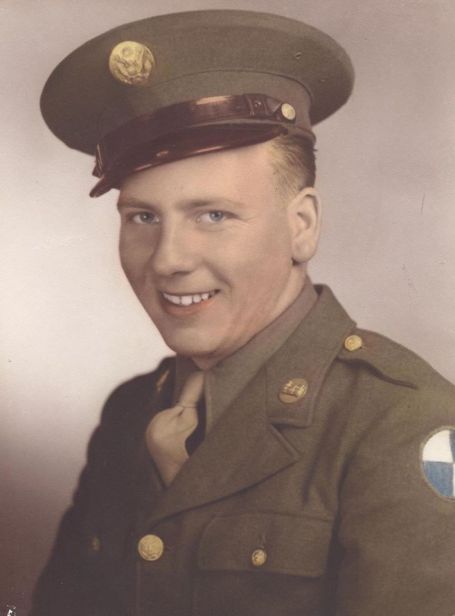
My dad, Pvt. Charles Fedor, was 19 in the 1940s when his Army battalion was sent to Germany during World War II. He also fought in France before returning safely home. I’m sure he saw horrific things in those years but he never spoke about that time to his children.

dad (002)

Pvt. Charles Fedor

What my dad did share with his children happened while he was still in basic training at Fort Sill. Sadly, his baby brother Paul died in a car accident and Dad told us how he was “brought home” by the American Red Cross. According to Dad, a Red Cross nurse was with the commanding officer to deliver the tragic news, waited while he packed his belongings and took him to the train station. When he arrived in Conneaut, a Red Cross worker met him at the train station and drove him home.

My quiet, soft-spoken dad, a lifetime blood donor, told his six children that they should all think of ways to give back to the Red Cross.

us 3

Renee with her husband Stan Palagyi

Fast forward to 1969. My mother was working as a “Gray Lady”*  at the local Red Cross bloodmobile and they needed extra help. She called home where I was enjoying my two-week summer vacation from nursing school and “asked” that I come help. I was hooked the minute I arrived. Everyone was friendly and talkative and they were all thanking the blood donors. I couldn’t wait to go back to the next bloodmobile!

I graduated from nursing school in 1971 and made sure I always had the time in my surgical nurse schedule to work the blood drive every other month. Back then, we volunteer nurses were allowed to do more, and I routinely did histories and screening of about half of the 200-plus donors we had every 56 days.

us (002)

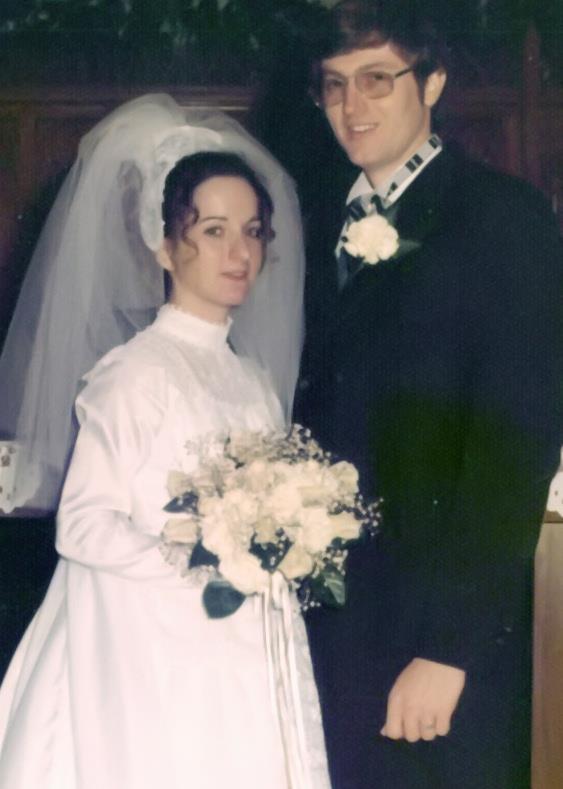
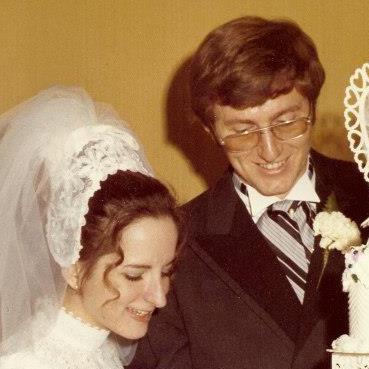
Renee and Stan’s wedding day

It happened that the January blood drive in 1973 was super busy and I worked the entire eight hours, screening donors and talking with many folks who had been greeted by my mom and her fellow Gray Ladies. What I did not know, was that my loving mother and her cohorts were carefully vetting the donors in search of a beau for me! All women and older men were directed to the other screener while I got all of the “eligible bachelors.” I can only imagine that greeting process, which went far beyond, “Did you read the materials today?” and more into, “So what do you do for a living?” Oh my.

Well, two days later I got a call. “Hi, my name is Stan Palagyi and we met at the bloodmobile. I was wondering if you’d like to see a movie this weekend.” I had absolutely NO IDEA who this person was after seeing so many donors that day. Yet, I was single and, admittedly, desperate for a date. I said “yes.”

wedding (002)

Stan and I were married in December 1973 and are the parents of four children and grandparents of eight. Just this past summer, we welcomed our first great grandchild.

us 5 (2) (002)

Renee and Stan Palagyi and their great-grandson

Stan and I are regular blood donors and on occasion have made it to the same blood drive where people enjoy hearing the story of how we met. I know my Type O negative blood is very valuable and I love watching the story of my donation on the Red Cross blood app. I am grateful for the chance to save up to three lives every 56 days. I am super grateful to have found the love of my life while we were both helping others through the Red Cross.

Show you care and give blood to help save a life. To find a blood drive near you, visit https://www.redcrossblood.org/give.html/find-drive.

Edited by Glenda Bogar, American Red Cross volunteer

*Gray Ladies were Red Cross volunteers who wore a gray nurse-style uniform, complete with cap.

They worked in hospitals delivering flowers and gifts and sometimes the book cart ( mini lending library). They staffed hospital gift shops and made blankets and stuffed toys to sell there.

They did registrations and snacks at bloodmobiles. During the war, they packed gift boxes for soldiers with handmade socks etc.

In general, they were the non-professional female volunteer corps for many years.

I loved the Gray Ladies! – Renee Palagyi


Cancer patients use more blood than those fighting any other disease

“Give Blood to Give Time” partnership with the American Cancer Society launches 

By Christy Peters, External Communications Manager, Northern Ohio Biomedical Services

February 10, 2020- In November 2019, North Canton resident Casey Richards was diagnosed with Burkitt’s lymphoma. Richards was 10 weeks pregnant when doctors discovered a mass that doubled in size over one week. She was immediately scheduled for surgery to remove it and a biopsy revealed the mass was cancerous. A few days later, Richards was admitted to University Hospital’s Seidman Cancer Centerto begin chemotherapy.

Winter Blood Need Sign

Richards went through four rounds of inpatient chemotherapy and received several blood and platelet products during her treatment.

“Receiving blood products helped with my extreme fatigue during treatment,” said Casey. “It also helped my levels go up faster, so I not only felt better, but it got me back into the hospital to start my next round of chemo and beat this disease faster.”

Blood Donation at the University of North Carolina Chapel Hill Megadrive 2017

Richards is now in remission and home with her husband Bobby, and their 2 1/2-year-old daughter Parker. She encourages everyone to donate blood to help patients like her.

“Giving blood helps not just the person receiving it, by helping with their disease, but it truly helps that person’s family and friends as well,” Casey said. “So many people benefit from such a generous donation.”
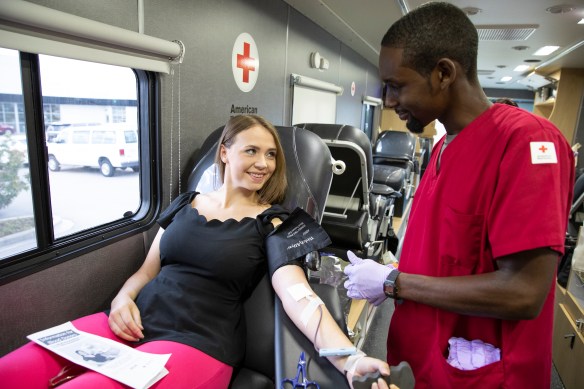
Bloodmobile Blood Drive Columbia, South Carolina 2018

Upcoming blood donation opportunities:

American Red Cross Blood Donation Centers

Warzel Blood Donation Center

3747 Euclid Ave., Cleveland

Mondays, Fridays, Saturdays and Sundays: 7 a.m. – 3 p.m.

Tuesdays, Wednesdays and Thursdays: 12 p.m. – 8 p.m.


Parma Blood Donation Center

5585 Pearl Rd., Parma

Monday – Thursday: 12 p.m. – 8 p.m.

Fridays and Saturdays: 7 a.m. – 3 p.m.


Summit Blood Donation Center

501 W. Market St., Akron

Sundays, Mondays, Fridays, Saturdays: 7 a.m. – 3 p.m.

Tuesdays: 11 a.m. – 7 p.m.

Wednesdays and Thursdays: 12 p.m. – 8 p.m.

Ashtabula County

Ashtabula

2/12/2020: 2 p.m. – 7 p.m., Ashtabula Towne Square, 3315 N Ridge Rd E

2/26/2020: 2 p.m. – 6:30 p.m., Elks Lake Lodge 208, 3115 Lake Rd W

Austinburg

2/10/2020: 2:30 p.m. – 6:30 p.m., Austinburg Town Hall, 2794 State Route 307 E.

Conneaut

2/14/2020: 12 p.m. – 6 p.m., Conneaut Public Library, 304 Buffalo Street

2/20/2020: 1 p.m. – 6 p.m., New Leaf United Methodist Church, 110 Gateway Avenue

Pierpont

2/27/2020: 3 p.m. – 8 p.m., Williams-Ducro Funeral Home, 1071 State Route 7 North

______________

Cuyahoga County

Bay Village

2/25/2020: 10 a.m. – 3 p.m., Cuyahoga County Library Bay Village Branch, 502 Cahoon Road

Beachwood

2/18/2020: 9 a.m. – 2 p.m., Cleveland Clinic Administrative Campus, 25875 Science Park Drive, Building 1

2/21/2020: 1 p.m. – 7 p.m., Beachwood Community Center, 25451 Fairmount Blvd

Berea

2/24/2020: 2 p.m. – 7 p.m., Berea Recreation Center, 451 Front St

Brecksville

2/20/2020: 1 p.m. – 7 p.m., Brecksville Community Center, One Community Drive

Broadview Heights

2/17/2020: 2 p.m. – 6:30 p.m., Church of the Assumption, 9183 Broadview Rd

Brooklyn

2/20/2020: 9 a.m. – 2 p.m., Health-Mor, 1 American Road, Suite 1250

Cleveland

2/12/2020: 8 a.m. – 1 p.m., MetroHealth Medical Center, 2500 Metrohealth Drive

2/12/2020: 9 a.m. – 2 p.m., 1111 Superior, 1111 Superior

2/12/2020: 9 a.m. – 2 p.m., Anthony J Celebrezze Federal Building, 1240 East 9th Street

2/13/2020: 8:30 a.m. – 2:30 p.m., James Ford Rhodes High School, 5100 Biddulph

2/13/2020: 9 a.m. – 2 p.m., Anthony J Celebrezze Federal Building, 1240 East 9th Street

2/14/2020: 9 a.m. – 2 p.m., Anthony J Celebrezze Federal Building, 1240 East 9th Street

2/18/2020: 6 a.m. – 11:30 a.m., Dave McCall Union Hall, 3421 Independence Road

2/18/2020: 9 a.m. – 2 p.m., Cleveland Clinic Pathology and Laboratory Medicine, 9500 Euclid Ave.

2/18/2020: 9 a.m. – 3 p.m., 1100 Superior Building, 1100 Superior Avenue

2/18/2020: 11 a.m. – 4 p.m., Dave McCall Union Hall, 3421 Independence Road

2/18/2020: 11 a.m. – 5 p.m., CWRU Thwing Hall Ballroom, 11111 Euclid Avenue

2/19/2020: 11 a.m. – 5 p.m., CWRU Thwing Hall Ballroom, 11111 Euclid Avenue

2/21/2020: 9 a.m. – 2 p.m., Cleveland Clinic Miller Tower, 9500 Euclid Avenue

2/22/2020: 8:30 a.m. – 1 p.m., Annunciation Greek Orthodox Church, 2187 W 14th St

2/22/2020: 11 a.m. – 3:30 p.m., Omega Psi Phi, 15435 St. Clair

2/24/2020: 11 a.m. – 5 p.m., Severance Hall, 11001 Euclid Ave.

2/25/2020: 10 a.m. – 3 p.m., Cleveland State University Main Classroom, 2121 Euclid Avenue

2/25/2020: 10 a.m. – 3 p.m., Lutheran Hospital, 1730 West 25th Street

2/26/2020: 10 a.m. – 3 p.m., Cleveland State University Main Classroom, 2121 Euclid Avenue

2/29/2020: 8:30 a.m. – 1:30 p.m., University Circle United Methodist Church, University Circle United Methodist Church, 1919 East 107th

Cleveland Heights

2/12/2020: 12 p.m. – 6 p.m., Cleveland Hts Library, 2345 Lee Road

Euclid

2/23/2020: 9 a.m. – 1 p.m., Our Lady of the Lake Church, 19951 Lakeshore Blvd.

Fairview Park

2/26/2020: 2 p.m. – 7 p.m., Bain Cabin, 21077 North Park Dr

Garfield Heights

2/25/2020: 1 p.m. – 6 p.m., Marymount Hospital, 12300 McCracken Road

Independence

2/17/2020: 1 p.m. – 7 p.m., Independence Community Center, 6363 Selig Drive

Lakewood

2/16/2020: 8 a.m. – 1 p.m., Lakewood United Methodist Church, 15700 Detroit Rd.

2/24/2020: 2 p.m. – 7 p.m., Lakewood Women’s Club Pavilion, 14532 Lake Ave.

Mayfield Heights

2/11/2020: 7 a.m. – 7 p.m., Landerhaven, 6111 Landerhaven Drive

2/14/2020: 10:30 a.m. – 3 p.m., Hillcrest Hospital, 6780 Mayfield Road

Mayfield Village

2/17/2020: 1 p.m. – 7 p.m., The Mayfield Branch Library, 500 SOM Center

2/20/2020: 2 p.m. – 6:30 p.m., Mayfield Village Civic Center, 6622 Wilson Mills Rd.

Middleburg Heights

2/28/2020: 8 a.m. – 1 p.m., Middleburg Hts Comm Center, 16000 Bagley Rd

North Olmsted

2/21/2020: 10:30 a.m. – 3:30 p.m., Cuyahoga County Library North Olmsted Branch, 27403 Lorain Road

North Royalton

2/27/2020: 1:30 p.m. – 6:30 p.m., Cuyahoga County Library North Royalton Branch, 5071 Wallings Rd

Rocky River

2/17/2020: 3 p.m. – 7 p.m., Rocky River Civic Center, 21016 Hilliard Rd.

2/23/2020: 8:30 a.m. – 1 p.m., St Christopher Catholic Church, 20141 Detroit Rd

Shaker Heights

2/16/2020: 8:30 a.m. – 1:30 p.m., St Dominic Church, 3455 Norwood Drive

Solon

2/19/2020: 1:30 p.m. – 7:30 p.m., Church of the Resurrection, 32001 Cannon Road

South Euclid

2/13/2020: 9 a.m. – 3 p.m., Notre Dame College, 1857 S. Green Rd

Strongsville

2/13/2020: 1 p.m. – 6 p.m., Cleveland Clinic Strongsville Family Health & Surgery Center, 16761 Southpark Center

2/21/2020: 10:15 a.m. – 3:15 p.m., Cuyahoga County Library Strongsville Branch, 18700 Westwood Dr

Westlake

2/13/2020: 1 p.m. – 7 p.m., Westlake Porter Public Library, 27333 Center Ridge Rd.

2/20/2020: 1 p.m. – 7 p.m., Westlake Recreation Center, 28955 Hilliard Rd.

_______________

Erie County

Huron

2/27/2020: 12:30 p.m. – 6 p.m., Huron Public Library, 333 Williams St.

Sandusky

2/12/2020: 1 p.m. – 6 p.m., Perkins Township Building, 2610 Columbus Ave

2/14/2020: 12 p.m. – 5 p.m., Firelands Regional Medical Center, 1912 Hayes Ave Sandusky

2/19/2020: 9 a.m. – 2 p.m., Sandusky High School, 2130 Hayes Ave

2/20/2020: 1 p.m. – 5:30 p.m., Holy Angels Catholic Church, 428 Tiffin Ave

2/28/2020: 12 p.m. – 5 p.m., Firelands Regional Medical Center, 1912 Hayes Ave Sandusky

Vermilion

2/13/2020: 8 a.m. – 2 p.m., Vermilion High School, 1250 Sanford St.

_______________

Geauga County

Chagrin Falls

2/13/2020: 1 p.m. – 7 p.m., Bainbridge Town Hall, 17826 Chillicothe Rd

Chardon

2/21/2020: 1 p.m. – 6 p.m., Munson Town Hall, 12210 Auburn Rd.

Chesterland

2/26/2020: 12:30 p.m. – 5:30 p.m., Mayfield Church, 7747 Mayfield Rd.

Middlefield

2/27/2020: 2 p.m. – 7 p.m., Middlefield Library, 16167 East High

_______________

Huron County

Bellevue

2/27/2020: 10 a.m. – 3 p.m., The Bellevue Hospital, 1400 W. Main St.

Collins

2/15/2020: 8 a.m. – 12:30 p.m., United Methodist Church, 4290 Hartland Center Rd

New London

2/13/2020: 12:30 p.m. – 6 p.m., Eagles, 29 West Fir Street

Norwalk

2/17/2020: 1:30 p.m. – 7 p.m., First United Methodist Church, 60 West Main St.

_______________

Lake County

Eastlake

2/18/2020: 2:15 p.m. – 7:15 p.m., Thomas Jefferson Elementary School, 35980 Lakeshore Blvd.

Kirtland

2/20/2020: 1:30 p.m. – 6 p.m., Kirtland Community Center, 7900 Euclid-Chardon Rd.

Mentor

2/14/2020: 1 p.m. – 5:30 p.m., Great Lakes Mall, 7850 Mentor Ave.

2/14/2020: 1 p.m. – 6 p.m., Pilgrim Lutheran Brethren Church, 9514 Johnnycake Ridge Rd.

2/18/2020: 3 p.m. – 8 p.m., Bellflower Elementary – Paradigm Building, 6477 Center St.

2/24/2020: 1 p.m. – 7 p.m., St John Vianney Church, 7575 Bellflower Rd.

2/26/2020: 12 p.m. – 6:30 p.m., Mentor Civic Arena, 8600 Munson Rd.

2/28/2020: 3 p.m. – 7 p.m., Pinegate Community Clubhouse, 6301 Gatewood Dr.

Painesville

2/16/2020: 8 a.m. – 1 p.m., Painesville United Methodist, 71 North Park Place

2/17/2020: 1 p.m. – 5:30 p.m., Quail Hollow Country Club, 11295 Quail Hollow Drive

2/25/2020: 1 p.m. – 6 p.m., Morley Library, 184 Phelps Street

2/28/2020: 1 p.m. – 6 p.m., Lake County YMCA Central Branch, 933 Mentor Ave.

Wickliffe

2/26/2020: 12:30 p.m. – 5 p.m., Wickliffe Community Center, 900 Worden Road

2/27/2020: 2 p.m. – 6:30 p.m., Wickliffe Public Library, 1713 Lincoln Rd.

Willoughby

2/28/2020: 10 a.m. – 3 p.m., Willoughby Fire Dept, 37000 Euclid Ave.

Willoughby Hills

2/23/2020: 9 a.m. – 1 p.m., St Noel Church, 35200 Chardon Rd.

2/28/2020: 9:30 a.m. – 3:30 p.m., Cleveland Clinic Family Health Center Willoughby Hills, 2550 SOM Center Rd.

Willowick

2/23/2020: 8:30 a.m. – 1:30 p.m., St Mary Magdalene Church, 32114 Vine St

_______________

Lorain County

Avon

2/25/2020: 9:30 a.m. – 4:30 p.m., Richard E. Jacobs Health Campus, 33100 Cleveland Clinic Blvd.

Columbia Station

2/22/2020: 10 a.m. – 3 p.m., Paramount Dog Training, 27100 Royalton Road

Lorain

2/13/2020: 12 p.m. – 5 p.m., Horizon Science Academy, 760 Tower Blvd

North Ridgeville

2/20/2020: 11:30 a.m. – 4:30 p.m., Kemper Science and Engineering, 37501 Center Ridge Road

Oberlin

2/12/2020: 2 p.m. – 8 p.m., Shanks Health and Wellness Center, 200 Woodland St.

Sheffield Village

2/12/2020: 9 a.m. – 2 p.m., Ohio Business College, 5095 Waterford Dr

How to donate blood

All blood types are needed to ensure a reliable supply for patients. A blood donor card or driver’s license or two other forms of identification are required at check-in. Individuals who are 17 years of age in most states (16 with parental consent where allowed by state law), weigh at least 110 pounds and are in generally good health may be eligible to donate blood. High school students and other donors 18 years of age and younger also have to meet certain height and weight requirements.

Blood and platelet donors can save time at their next donation by using RapidPass® to complete their pre-donation reading and health history questionnaire online, on the day of their donation, before arriving at the blood drive. To get started, follow the instructions at RedCrossBlood.org/RapidPass or use the Blood Donor App.