THIS IS NOT A DRILL: Northeast Ohio Weather Turns Frightful

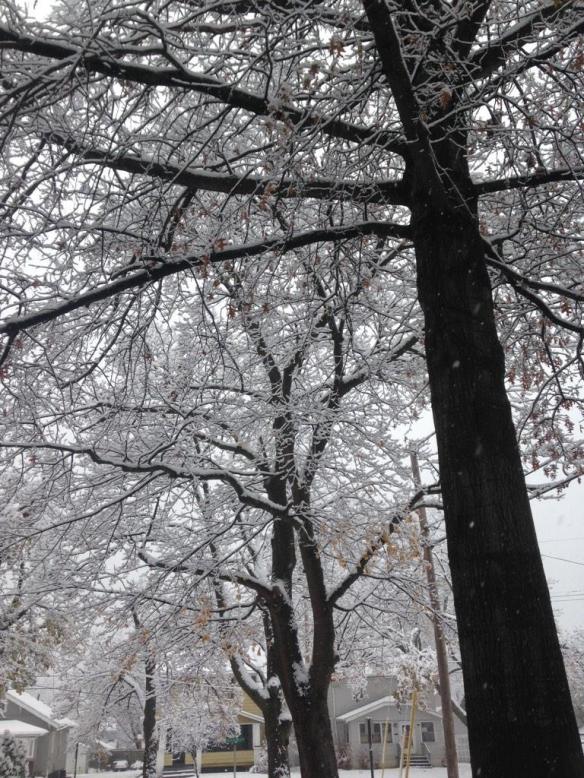
Since Northeast Ohio has been experience a nice (for some) respite from the polar vortex winters of the past few years, it is quite possible that we’ve all forgotten how to react to cold, normal-Ohio weather.

With frigid temperatures sticking around for the next 10 or so days, it’s time to review!

Freezing Pipes

  • Keep the thermostat set to the same temperature both during the day and at night. By temporarily suspending the use of lower nighttime temperatures, you may incur a higher heating bill, but you can prevent a much more costly repair job if pipes freeze and burst.
  • Keep garage doors closed if there are water supply lines in the garage.
  • For more freezing pipe tips and tricks, visit our page on redcross.org!

Fire Safety

  • Keep items that can catch on fire at least three feet away from anything that gets hot, such as space heaters.
  • Never smoke in bed.
  • Talk to your children regularly about the dangers of fire, matches and lighters and keep them out of reach.
  • Turn portable heaters off when you leave the room or go to sleep.
  • Install smoke alarms on every level of your home, inside bedrooms and outside sleeping areas.
  • Teach your children what smoke alarms sound like and what to do when they hear one.
  • Test smoke alarms once a month, if they’re not working, change the batteries.
  • For more information about fire safety, visit the Home Fire tab on redcross.org/prepare.

Personal Safety

  • Avoid unnecessary exposure to the cold. Be aware of both the temperature and the wind chill when planning outdoor activities. 
  • Most of your body heat is lost through your head so wear a hat, preferably one that covers your ears.
  • Dressing in layers helps you retain heat. You can remove layers as needed if you become too warm.
  • Mittens provide more warmth to your hands than gloves.
  • Wear waterproof, insulated boots to help avoid hypothermia or frostbite by keeping your feet warm and dry and to maintain your footing in ice and snow.
  • Get out of wet clothes immediately and warm the core body temperature with a blanket or warm fluids like hot cider or soup. Avoid drinking caffeine or alcohol if you expect you or someone you are trying to help has hypothermia or frostbite.
  • Recognize the symptoms of hypothermia that can be a serious medical condition: confusion, dizziness, exhaustion and severe shivering. Seek medical attention immediately if you have these symptoms.
  • Recognize frostbite warning signs: gray, white or yellow skin discoloration, numbness, waxy feeling skin. Seek medical attention immediately if you have these symptoms.
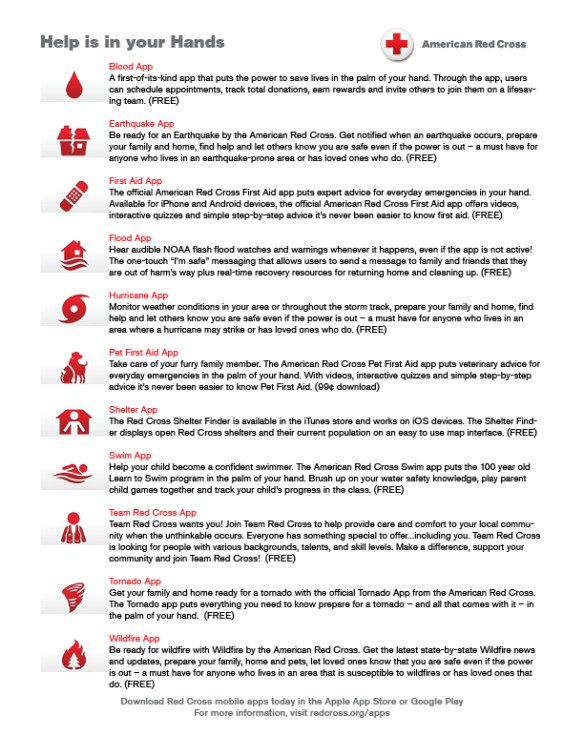
  • Download the Red Cross First Aid app for more information about how to respond during a personal safety emergency.

Well, it’s a Hot One. Learn How to Beat the Heat!

With high, high Northeast Ohio temperatures expected this week, it’s important that you keep three key things in mind to beat the heat: stay cool, stay hydrated and stay informed.

Stay Cool

Here are a few ways to keep your body temperature cool to avoid heat-related illness.

  • Stay in air-conditioned buildings as much as possible.
  • Find an air-conditioned shelter.
  • Do not rely on a fan as your primary cooling device.
  • Avoid direct sunlight.
  • Wear loose-fitting, light-colored clothing.
  • Take cool showers or baths.
  • Check on those most at-risk twice a day.

Stay Hydrated

Your body may sweat more in these temps, which means you will be losing fluids.

  • Drink more water than usual.
  • Don’t wait until you’re thirsty to drink more fluids.
  • Avoid alcohol or liquids containing high amounts of sugar.
  • Encourage others (especially those at risk like people 65 and older, pregnant women and children) to drink enough water.

Stay Informed

Download the free Red Cross First Aid app to learn more about how to treat heat related illnesses. Here are a few of the warning signs:

Heat cramps are muscular pains and spasms that usually occur in the legs or abdomen. Heat cramps are often an early sign that the body is having trouble with the heat.

  • Get the person to a cooler place and have him or her rest in a comfortable position. Lightly stretch the affected muscle and gently massage the area.
  • Give an electrolyte-containing fluid, such as a commercial sports drink, fruit juice or milk. Water may also be given. Do not give the person salt tablets.
Heat exhaustion is a more severe condition than heat cramps. Heat exhaustion often affects athletes, firefighters, construction workers and factory workers. It also affects those wearing heavy clothing in a hot, humid environment.
  • Signs of heat exhaustion include cool, moist, pale, ashen or flushed skin; headache; nausea; dizziness; weakness; and exhaustion.
  • Move the person to a cooler environment with circulating air. Remove or loosen as much clothing as possible and apply cool, wet cloths or towels to the skin. Fanning or spraying the person with water also can help. If the person is conscious, give small amounts of a cool fluid such as a commercial sports drink or fruit juice to restore fluids and electrolytes. Milk or water may also be given. Give about 4 ounces of fluid every 15 minutes.
  • If the person’s condition does not improve or if he or she refuses water, has a change in consciousness, or vomits, call 9-1-1 or the local emergency number.
Heat stroke is a life-threatening condition that usually occurs by ignoring the signals of heat exhaustion. Heat stroke develops when the body systems are overwhelmed by heat and begin to stop functioning.
  • Signs of heat stroke include extremely high body temperature, red skin which may be dry or moist; changes in consciousness; rapid, weak pulse; rapid, shallow breathing; confusion; vomiting; and seizures.
  • Heat stroke is life-threatening. Call 9-1-1 or the local emergency number immediately.
  • Preferred method: Rapidly cool the body by immersing the person up to the neck in cold water, if possible OR douse or spray the person with cold water.
  • Sponge the person with ice water-doused towels over the entire body, frequently rotating the cold, wet towels.
  • Cover the person with bags of ice.
  • If you are not able to measure and monitor the person’s temperature, apply rapid cooling methods for 20 minutes or until the person’s condition improves.

For more information on at-risk populations, check out the Centers for Disease Control and Prevention’s website: http://www.cdc.gov/extremeheat/

Fourth of July Safety Tips: Celebrate Independence Day Safely

This Fourth of July weekend, many people will be traveling, firing up the backyard grill or enjoying fireworks, so we wanted to offer a series of steps everyone can follow to safely enjoy the holiday weekend!

HIGHWAY SAFETY Millions of Northeast Ohioans will hit the road over the Fourth of July weekend. (Auto club AAA estimates that 41.9 million Americans will travel over the weekend, the most in eight years!) Here are five things everyone should do to stay safe while traveling:

  1. Buckle seat belts, observe speed limits.
  2. Do not drink and drive.
  3. Pay full attention to the road – don’t use a cell phone to call or text.
  4. Use caution in work zones.
  5. Clean the vehicle’s lights and windows to help the driver see, especially at night. Turn the headlights on as dusk approaches, or during inclement weather.

4th of July Firework SafetyFIREWORKS SAFETY The best way to enjoy fireworks is to attend a public fireworks show put on by professionals. But if sparklers are part of your Independence Day tradition, here are five safety steps for people using novelty fireworks (the only fireworks which are legal for home use in the state of Ohio) at home:

  1. Never give novelty fireworks to small children, and always follow the instructions on the packaging.
  2. Keep a supply of water close by as a precaution.
  3. Make sure the person lighting novelty fireworks always wears eye protection.
  4. Light only one novelty firework at a time and never attempt to relight “a dud.”
  5. Never throw or point a novelty firework toward people, animals, vehicles, structures or flammable materials. 

Grill Safety Tips

GRILLING SAFETY Ah! The Red, White and Blue Backyard Barbecue!! But did you know that every year people are injured while using charcoal or gas grills? Here are five steps to safely cook up treats for your Independence Day feast:

  1. Always supervise a barbecue grill when in use.
  2. Never grill indoors – not in the house, camper, tent, or any enclosed area.
  3. Make sure everyone, including the pets, stays away from the grill.
  4. Keep the grill out in the open, away from the house, the deck, tree branches, or anything that could catch fire.
  5. Use the long-handled tools especially made for cooking on the grill to keep the chef safe.

JUST IN CASE: WHY NOT BE SAFE AND DOWNLOAD THE FREE FIRST AID APP – The Red Cross has a free Red Cross First Aid App to put expert advice for everyday emergencies at their fingertips. The app is available for smart phones and tablets and can be downloaded from the Apple or Google Play for Android app stores.

Happy AND SAFE Fourth of July, everyone!

Stay Safe in the Summer Heat

The long, hot days of summer can bring dangerously high temperatures. summer sunExcessive heat has caused more deaths than any other extreme weather in recent years. Do you know how to keep your family safe in a heat wave?
The Red Cross has steps people can follow to stay safe when it’s hot outside.

HOT CARS CAN BE DEADLY Never leave children or pets in your vehicle. The inside temperature of the car can quickly reach 120 degrees. Other heat safety steps include:

  • Stay hydrated by drinking plenty of fluids. Avoid drinks with caffeine or alcohol.
  • Avoid extreme temperature changes.
  • Wear loose-fitting, lightweight, light-colored clothing. Avoid dark colors because they absorb the sun’s rays.
  • Slow down, stay indoors and avoid strenuous exercise during the hottest part of the day.
  • Postpone outdoor games and activities.
  • Use a buddy system when working in excessive heat. Take frequent breaks if working outdoors.
  • Check on family, friends and neighbors who do not have air conditioning, who spend much of their time alone or who are more likely to be affected by the heat.
  • Check on animals frequently to ensure that they are not suffering from the heat. Make sure they have plenty of cool water.
  • If someone doesn’t have air conditioning, they should choose places to go to for relief from the heat during the warmest part of the day (schools, libraries, theaters, malls).

HEAT EXHAUSTION Excessive heat can lead to sunburn, heat cramps, heat exhaustion and heat stroke. If someone is experiencing heat cramps in the legs or abdomen, get them to a cooler place, have them rest, lightly stretch the affected muscle, and replenish their fluids with a half a glass (about 4 ounces) of cool water every 15 minutes.

If someone is exhibiting signs of heat exhaustion (cool, moist, pale or flushed skin, heavy sweating, headache, nausea, dizziness, weakness exhaustion), move them to a cooler place, remove or loosen tight clothing and spray the person with water or apply cool, wet cloths or towels to the skin. Fan the person. If they are conscious, give small amounts of cool water to drink. Make sure the person drinks slowly. Watch for changes in condition. If the person refuses water, vomits or begins to lose consciousness, call 9-1-1 or the local emergency number.

HEAT STROKE LIFE-THREATENING. Signs include hot, red skin which may be dry or moist; changes in consciousness; vomiting and high body temperature. Call 9-1-1 or the local emergency number immediately if someone shows signs of heat stroke. Move the person to a cooler place. Quickly cool the person’s body by immersing them up to their neck in cold water if possible. Otherwise, douse or spray the person with cold water, or cover the person with cold, wet towels or bags of ice.

For more information on what to do when temperatures rise, download the Red Cross Heat Wave Safety Checklist, or the free Red Cross Emergency App. The app also gives users the option to receive alerts for excessive heat watches, warnings and heat advisories. People can learn how to treat heat-related and other emergencies by taking First Aid and CPR/AED training online or in person. Go to redcross.org/takeaclass for more information.

Winter Driving Safety Tips from the Red Cross

While the Red Cross encourages you to stay off the road if possible, if you have to drive in snow or freezing rain, follow these tips about how to drive safely during a winter storm or what to do if you become stuck in your vehicle:

  • Make sure your vehicle is ready for winter with a window scraper, kitty litter or sand in case you get stuck, extra clothes and a Disaster Supplies Kit in your trunk. Pack high-protein snacks, water, first aid kit, flashlight, small battery-operated radio, an emergency contact card with names and phone numbers, extra prescription medications, blankets and important documents or information you may need (for a more detailed list, check out our post about vehicle emergency kits!)
  • Fill the vehicle’s gas tank and clean the lights and windows to help you see.
  • Find out what disasters may occur where you are traveling and pay attention to the weather forecast. Before you leave, let someone know where you are going, the route you plan to take, and when you expect to get there. If your car gets stuck, help can be sent along your predetermined route.
  • If you have to drive, make sure everyone has their seat belts on and give your full attention to the road. Avoid distractions such as cell phones.
  • Don’t follow other vehicles too closely. Sudden stops are difficult on snowy roadways.
  • Don’t use cruise control when driving in winter weather.
  • Don’t pass snow plows.
  • Know that ramps, bridges and overpasses will freeze before roadways.
  • Don’t run your engine and heater constantly to help avoid running out of gas. Don’t use things like lights or the radio without the engine running so the battery doesn’t conk out.
  • If you can, move your vehicle off the roadway. Stay with it – don’t abandon it. If you have to get out of your vehicle, use the side away from traffic.

10 ways to stay safe during this latest round of cold temperatures

COLD WEATHER SAFETY TIPS

Here are ten ways to stay safe during this latest round of cold temperatures:

Wear layers of lightweight clothing to stay warm. Gloves and a hat will help prevent losing body heat.

Wear layers of lightweight clothing to stay warm. Gloves and a hat will help prevent losing body heat.

  1. Wear layers of lightweight clothing to stay warm. Gloves and a hat will help prevent losing body heat.
  2. Know the signs of hypothermia – confusion, dizziness, exhaustion and severe shivering. If someone has these symptoms, they should get immediate medical attention.
  3. Watch for symptoms of frostbite including numbness, flushed gray, white, blue or yellow skin discoloration, numbness or waxy feeling skin.
  4. Bring the pets indoors. If that’s not possible, make sure they have enough shelter to keep them warm and that they can get to unfrozen water.
  5. Avoid frozen pipes – run water, even at a trickle, to help prevent them from freezing. Keep the thermostat at the same temperature day and night to help avoid freezing pipes.
  6. Do not use a stove or oven to heat the home.
  7. Space heaters should sit on a level, hard surface and anything flammable should be kept at least three feet away.
  8. If using a fireplace, use a glass or metal fire screen large enough to catch sparks and rolling logs.
  9. Turn off space heaters and make sure fireplace embers are out before leaving the room or going to bed.
  10. Learn how to treat cold weather related emergencies by downloading the free Red Cross First Aid App at redcross.org/apps. More information about winter safety is available on redcross.org.         

After you turn back the clock, check your smoke alarm batteries and emergency preparedness supplies

This weekend marks the end of Daylight Saving Time which means we will turn the clocks back one hour on Saturday night and receive an extra hour of sleep Sunday morning.

You can post this graphic to your Facebook page to help remind all of your friends and family to do the same.

You can post this graphic to your Facebook page to help remind all of your friends and family to do the same.

We recommends that you also use this as an opportunity to prepare for the winter season by checking you smoke alarm batteries and emergency preparedness supplies – a step that could save you time should an unexpected crisis arise.

Other preparedness steps you can take this weekend include:


  • Updating the emergency contact information in your family communications plan. Choose an out-of-area emergency contact that each person in your family can call if he/she becomes separated during a disaster situation.
  • Making sure your emergency preparedness kit still includes at least a three-day supply of non-perishable food items and water (one gallon per person per day), a flashlight, a battery-powered or crank radio, can opener, first aid kit, copies of important documents, and special items such as medications, diapers, and infant formula.
  • Checking your emergency preparedness kit for expired food items; refresh staples such as water, food and batteries. If there have been changes in prescriptions or dietary needs, add new foods and medications as needed.


Taking simple actions like these can help you be better prepared for emergencies. You can find more information on preparedness on redcross.org.

The Red Cross has free mobile apps that help people learn what to do before, during and after an emergency or disaster

Are you prepared for a home fire? Test yourself

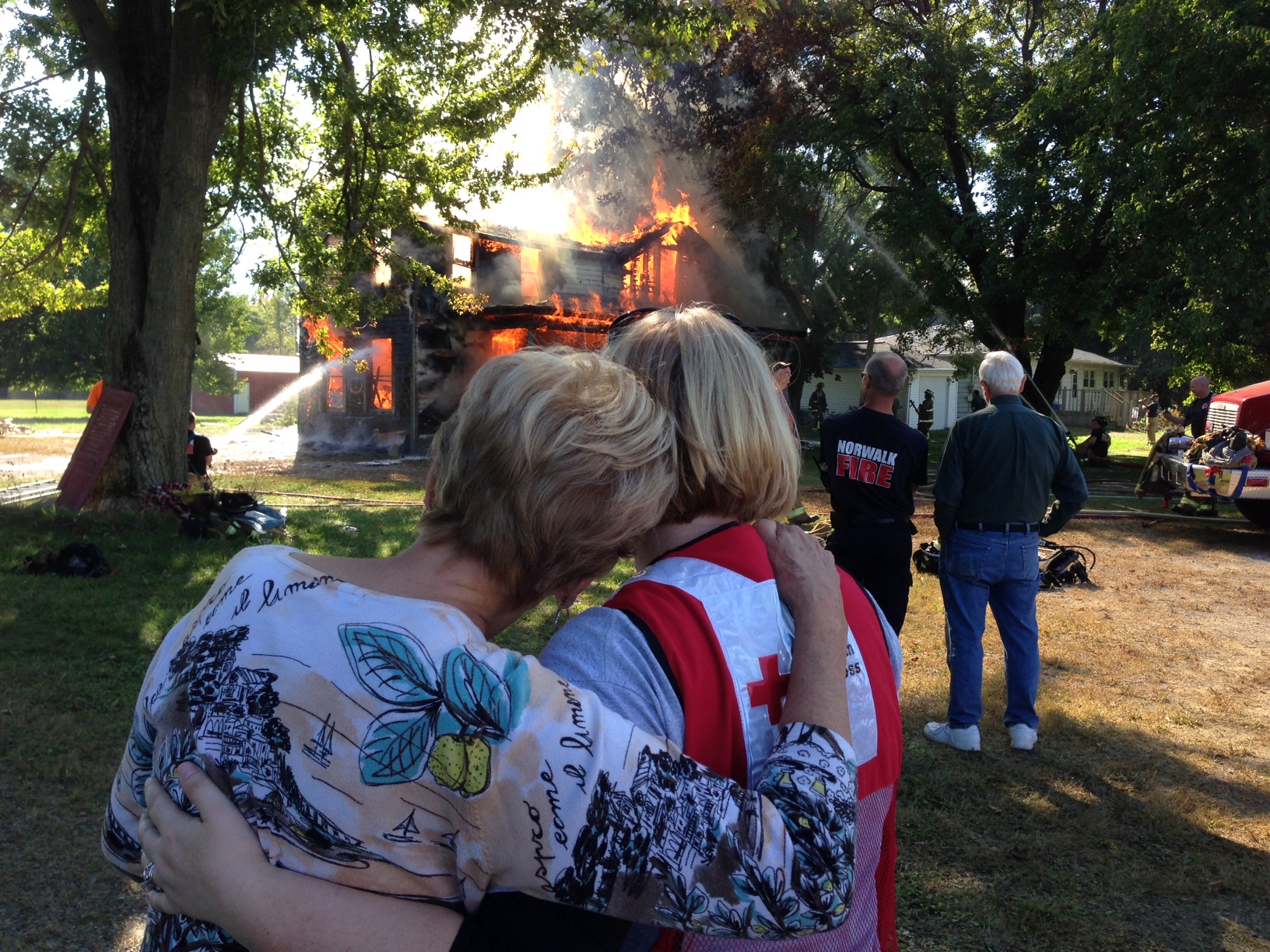
Did you realize that, on average, the Red Cross of Northeast Ohio responds to 2.5 home fires every night? While one piece of our mission is to help families displaced by these and other disasters, many households can help themselves by becoming more aware of how to reduce their chances of experiencing a fire.

2014 Katie with Fire VICTIM

In fact, the Red Cross and its local and national partners have launched the Home Fire Preparedness Campaign, an initiative that aims to reduce deaths and injuries caused by home fires by 25% in five years.

Test yourself with this handy quiz to determine what you have covered, and what you and your family may need to work on.

The Red Cross is asking every household in America to join us in taking two simple steps that can save lives: checking or installing smoke alarms and practicing fire drills at home.