National Volunteer Week spotlight: Proud volunteer says Red Cross chapter feels like home

By EILENE E. GUY, American Red Cross volunteer

“There’s a lot of pride in that vest.”

Teresa Greenlief considers herself a hard-core American Red Cross volunteer. Retired on disability after 15 years as a firefighter/EMT, she spends as much as 30 hours a week on activities with the Greater Akron and Mahoning Valley chapter. “I do everything I can,” she says proudly.

Teresa, who calls Cuyahoga Falls home, manages the chapter’s vehicle fleet and is trained to do mass care and feeding, disaster damage assessment, family reunification and local disaster response. She actively leads the chapter’s campaign to prevent home fires. “We’re focused on prevention, installing free smoke alarms and education.”

When she’s not at the chapter — “The chapter feels like home” — she’s eager to spread the word about the Red Cross. “I wear my ‘merch ’even when I’m not working,” she says warmly. People approach her when they see the iconic red cross on her jacket or T-shirt.

“My most asked question is, ‘where do I donate blood? ’The Red Cross is so much more than collecting blood, but that one’s a lifesaver.”

The Red Cross provides a framework for Teresa, and more than 300,000 volunteers across the country, to show their compassion for their fellow man. “It takes empathy and humility,” she says. “We all need it.”

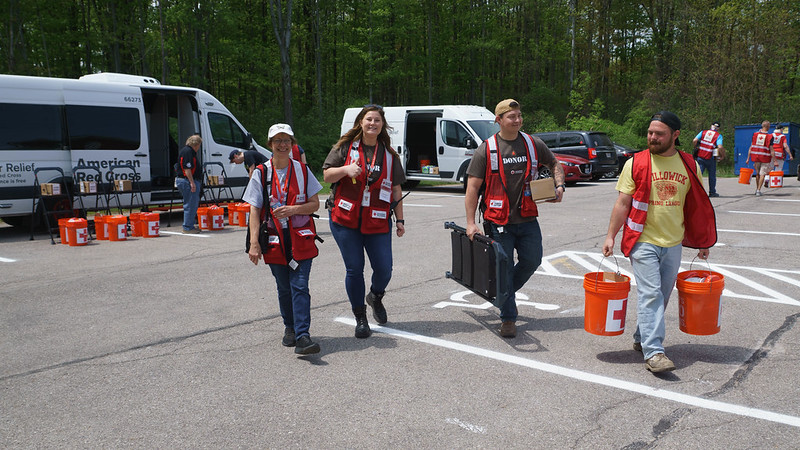
During National Volunteer Week especially, we salute all the volunteers, like Teresa, who put on the red vest and give their time and talents to help prevent, prepare for and respond to disasters. They make up more than 90% of the Red Cross workforce that:

• teaches 4.5 million people a year first aid, CPR and AED,

• provides more than 480,000 services to the men and women in our armed services, at home and abroad,

• prepares to respond to an average 65,000 local disasters each year, most of them home fires,

• continues to install free smoke alarms (2.6 million alarms installed and counting!) and help families make home safety plans (saving more than 2,300 lives in 19,560 towns across the country),

• supports Red Cross operations in office settings and virtually,

• and more!

“There is such a need for the Red Cross,” Teresa says with emphasis. “You have to have empathy for people and be a team player, but the rewards will come back to you ten-fold.”

Just like the people it serves, the Red Cross welcomes people from a wide array of cultures, lifestyles, ages, backgrounds and beliefs. Come join us! Begin at redcross.org/volunteer.

Edited by Glenda Bogar, American Red Cross volunteer

Thank you from the bottom of our hearts!

By Gail Wernick, Regional Volunteer Services Officer, American Red Cross of Northern Ohio

As I begin my 15th year with the American Red Cross, I would like to share a message of appreciation to the truly special Red Cross team and volunteers with whom I have had the privilege of working to deliver our mission.

This fall I deployed for the first time in-person to be a part of the Hurricane Helene Disaster Relief Operation in Asheville, North Carolina. On deployment, I joined a team of dedicated Red Crossers to share volunteer opportunities with surrounding communities.  Due to intermittent internet availability, the team often connected with new volunteers personally to complete volunteer intake to begin volunteering as soon as possible! The Disaster Event Based and Local Community Volunteer teams supported volunteer scheduling, with more than 200 calls/texts to coordinate and prepare for the volunteers’ engagement. The team created volunteer recognition messaging and unique ways to say THANK YOU!  Each day, some more than 12 hours, was filled with new experiences, learning quickly, and adjusting to the evolving needs of the disaster operation. I will always remember my Red Cross deployment experience and the kind people I met, who inspired me and helped make a meaningful difference each day.

Thank you for delivering service in the community to help your neighbors when needed most. Your efforts are greatly appreciated, and we are most grateful for your service as a Red Cross Disaster volunteer.

Featured in the photo above, Red Cross volunteer deployment team members, disaster event based and local community volunteers from Asheville, North Carolina.

Glen McCandless, a disaster event based volunteer, featured on the far right in the photo above, volunteered at the AG Center every day for two weeks consecutively. He said, “Volunteering at the shelter and helping others in the midst of so much devastation is like salve for the soul.”

The Red Cross shelter supervisors we met extended their sincere appreciation for the dedicated disaster volunteers from the local community who tirelessly volunteered, many whose own lives and homes have been impacted by the disaster, to prepare and serve meals and offer support. Whether a volunteer gave two hours or several days of their time to help, we are grateful to them for helping deliver the Red Cross mission! 

More than 1,400 Disaster Event Based Volunteers joined the Red Cross in North & South Carolina this October and November, engaging in more than 640 volunteer commitments to provide comfort, care and hope by assembling and distributing emergency supplies, preparing and serving meals, setting up and cleaning up and supporting residents impacted by Hurricane Helene. 

The Red Cross is here to help make your volunteer experience the best it can be! Please continue to volunteer with us and encourage your friends and family to join you. Thank you for exploring and sharing our most-needed ongoing volunteer opportunities at www.redcross.org/volunteer.  We are working hard to prepare for, respond to and help communities recover from disaster. Become a part of the Red Cross Disaster Action Team at www.redcross.org/dat.

Volunteers – the MVPs of the American Red Cross

By Samantha Pudelski, American Red Cross volunteer

2023 was another successful year for meeting the mission of the American Red Cross in Northern Ohio, and it couldn’t have been done without the support of our volunteers. More than 1,500 volunteers reported contributing 58,000 hours in the Northern Ohio Region and on disaster relief operations since July 1, 2023 (Fiscal Year 2024).

Volunteers and staff at the Red Cross of Greater Akron and the Mahoning Valley

As we reflect on 2023 and look forward to the new year, some of the leaders in the Northern Ohio Region shared their gratitude for our volunteer workforce for giving their time, expertise and talent to help our community this past year.

“The individuals who volunteer for our mission are truly some of the most dedicated people I have ever encountered. They provide so much more than a hug or a handshake. They provide hope to people on truly their darkest day. That is invaluable.” – Rachel D’Attoma, Executive Director, Red Cross of Greater Akron and Mahoning Valley.

“Working alongside our volunteers is one of the greatest privileges of my career. Thank you for all you do to make our mission so impactful!” – Rachel Hepner-Zawodny, Executive Director, Red Cross of Western Lake Erie.

Volunteers Rick McCullough and Al Irwin

“Our volunteer family is the heart and soul of the Red Cross. Every day, they give of themselves to those who need help in our communities. I want to thank every one of our volunteers for the amazing work they do and the compassion they show to those who need our help. It is truly and honor to work beside such amazing men and women.” – Todd James, Executive Director, Red Cross of North Central Ohio.

“The best part of my job is working with our incredible volunteers. It is an honor and privilege to work alongside of them, and because of them, our mission is delivered each and every day!” – Kimberly Kroh, Executive Director, Red Cross of Heartland, Stark and Muskingum Lakes.

“One of the most important things I’ve learned since joining the Red Cross, and has now been firmly ingrained in me, is the critical importance of our volunteers! If it weren’t for our tremendous volunteer workforce, there would be no American Red Cross. Pure and simple—they are the “lifeblood” of the world’s premier humanitarian organization! I am inspired by our Red Cross volunteers each and every day—they are a true blessing!” – Mike Parks, Chief Executive Officer, Red Cross of Northern Ohio.

Volunteers providing meals for residents forced to stay in a shelter last summer

90% of the Red Cross workforce are volunteers and serve in roles at blood drives and our blood donation centers, supporting our regional work, responding to disasters and more. If you are interested in volunteering with the Red Cross, visit our website here.

Read more about the impact made by our volunteers at our Year-in-Review page here.

Sound the Alarm campaign installs more than 1,500 free smoke alarms in Northern Ohio

When people think of the American Red Cross responding to disasters, they often imagine the aftermath of a massive hurricane or deadly tornado. Trees uprooted and tossed aside, homes with missing roofs or destroyed by floodwaters. But it’s not the large-scale disasters that keep Red Cross volunteers busy day in and day out. Home fires are the most frequent disaster in the country, claiming seven lives every day in the U.S. In Northern Ohio, the Red Cross responds to more than three home fires, on average, every 24 hours.

As part of the national Sound the Alarm campaign, Red Cross staff, volunteers and community partners set aside specific weeks throughout the year to focus on educating residents about home fire safety and installing free smoke alarms where they are needed. From April 22 to May 12 staff and volunteers in northern Ohio, in partnership with local fire departments, held Sound the Alarm events in 11 communities across the region. They included:

  • Sandusky
  • Uhrichsville
  • Cleveland
  • Medina
  • Hubbard
  • Warrensville
  • Toledo
  • Findlay
  • Henry County
  • Newcomerstown
  • Willoughby Hills

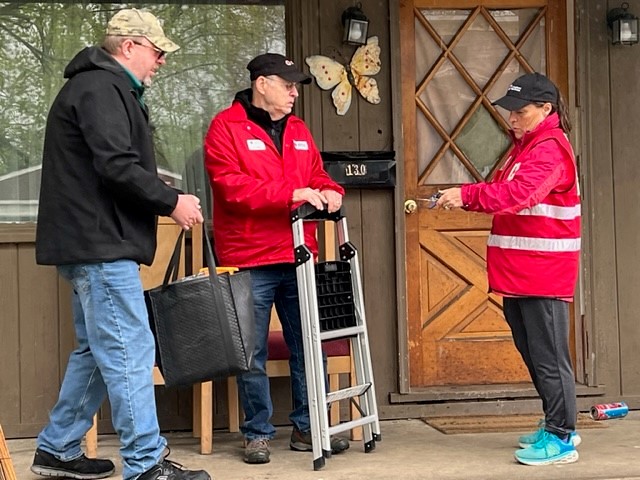
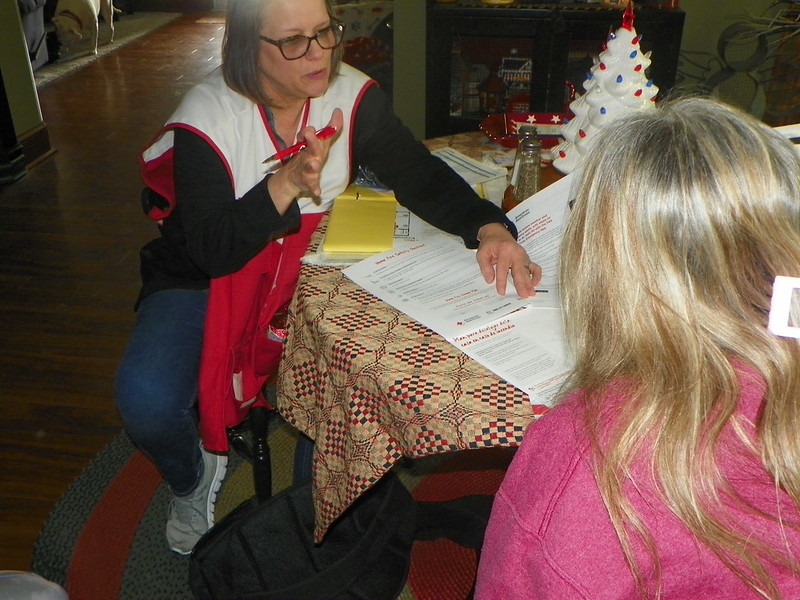
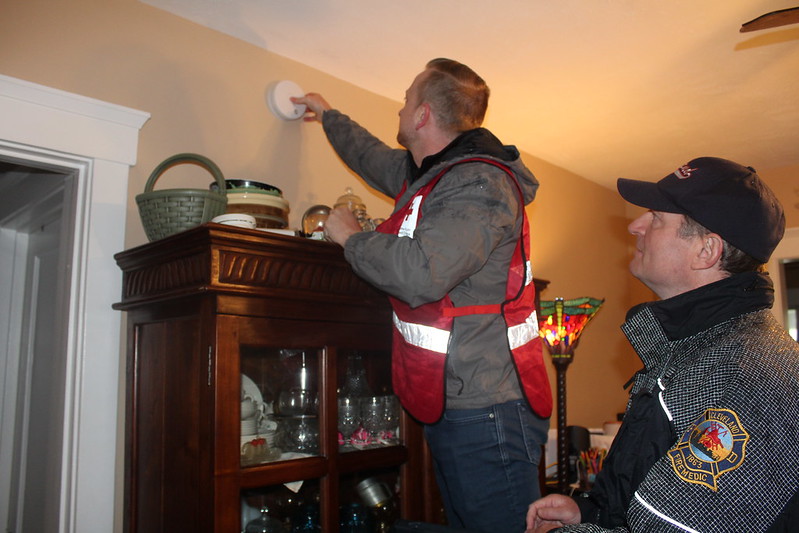
During these events, volunteers met with local families to install free smoke alarms, helped them create a two-minute fire escape plan and shared safety information on home fires and other local disaster risks. In Northern Ohio, more than 600 homes were made safer, with over 1,500 smoke alarms installed.

For those who do have smoke alarms, the Red Cross recommends testing smoke alarms each month and practicing your escape plan until everyone can get out in less than two minutes. It’s also important to teach children what smoke alarms sound like and what to do in an emergency.

While certain weeks of the year are designated as Sound the Alarm events, the Red Cross is working every day to help prepare communities for disasters like home fires.  If you or someone you know needs smoke alarms, visit the Sound the Alarm page to find out how to request an appointment with one of our teams. You can partner with the Red Cross and donate to this lifesaving work. Without the financial support of generous donors, the Sound the Alarm campaign would not be possible.

Check out more photos from our Sound the Alarm events on Flickr. Thank you to everyone who joined us this year and we look forward to seeing you all again soon at a Sound the Alarm event near you!

Northern Ohio volunteer delivered supplies and hope in the wake of Hurricane Ian

By Michael deVulpillieres, American Red Cross

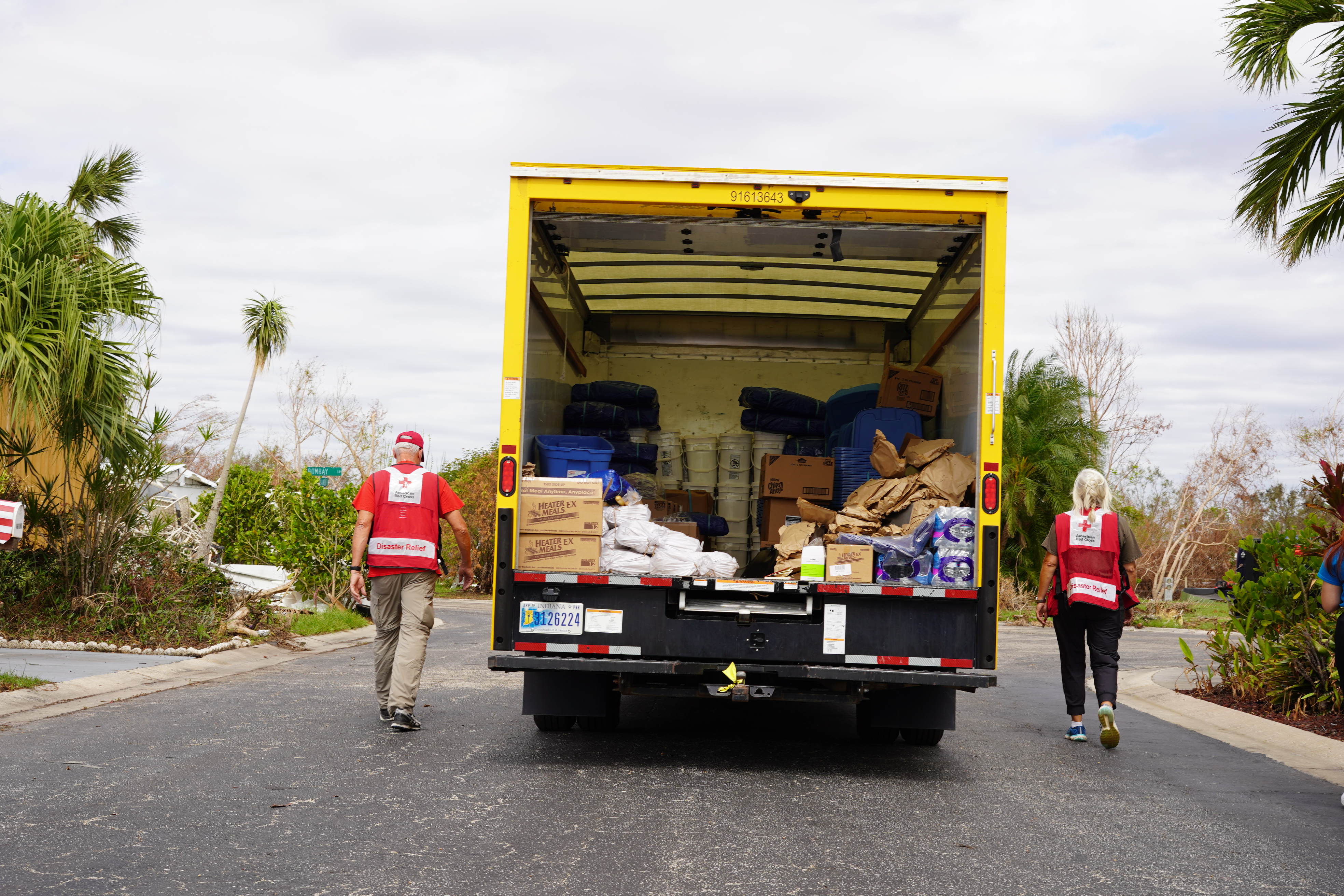
Destruction was everywhere as a large truck with an American Red Cross logo taped to its side made its way slowly through Coastal Estates, a small Fort Myers neighborhood lined with single family homes, most either wiped out entirely or badly damaged by Hurricane Ian.

On one side of the street, a stray cat wandered inside a blown-out manufactured home. A few doors down, the driver paused at the sight of a metal roof wrapped around a palm tree.

“Within 30 minutes, we had five feet of water here,” Reba Fennessy told Red Cross volunteers Lisa Mize and David Tolander. “It was so scary.”

American Red Cross volunteers David Tolander of Iowa and Lisa Mize of Huron, Ohio deliver relief supplies to a small neighborhood in Fort Myers, Florida, hit hard by Hurricane Ian. Photo credit: Michael deVulpillieres, American Red Cross

Mize, who is from Huron, Ohio, and Tolander, from Waterloo, Iowa, first met a week earlier after arriving in Southwest Florida to be part of the hurricane relief efforts. They were assigned to deliver supplies together in some of the hardest hit parts of the state.

Their presence meant more than the much-needed free relief items like tarps, bins, brooms, rakes, batteries, bleach and trash bags that filled their truck. Mize and Tolander also represented the reassurance that help would continue to be available as long as needed.

“We’re here where the Gulf (of Mexico) meets the Bay (of the Caloosahatchee River), so we got a double whammy,” Catherine Casby said. The storm surge, pushed by 160-mile-an-hour winds, destroyed so many of the homes around hers. Though damaged, her small house is still standing.

Catherine Casby, a resident of Fort Myers, Fla., hit hard by Hurricane Ian, speaks with Red Cross volunteer Lisa Mize. Photo Credit: Michael deVulpillieres, American Red Cross

Casby spends her days clearing debris, cleaning up inside, and keeping an eye on her neighbors. “We look after each other,” she said of her tight-knit community. In fact, the night Ian made landfall, Casby braved the winds and flood waters to check on residents next door, injuring her leg in the process.

While Mize, who works as a nurse back home, was handing out supplies, she asked Casby about her noticeable limp. Casby said she spent a few days in the hospital after the storm and is slowly recovering.

“That’s the hardest part, the stories,” Mize said of the physical and emotional scars left by Ian. Yet during her Red Cross deployment, Mize has learned how to “laugh and smile, even in the worst of it.” Her positive disposition and sense of humor lifted the spirits of those around her.

“The people are so appreciative of seeing anyone here,” Tolander said. “Many told us the Red Cross was the first and only people they’ve seen (helping).”

Fennessy recalled how, a week after landfall, the Red Cross was in Coastal Estates providing warm meals. “It made us feel that someone cared,” she said, her voice breaking up with emotion.

Before accepting some cleanup supplies from the truck, Fennessy looked up at Mize in the back of the vehicle and said, “If I could come up there, I’d give you a hug.” Mize promptly climbed down to share an embrace.

Despite having just met a week earlier, Mize and Tolander talked and joked as if they’d known each other for years. There was a seamlessness about the way they worked together.

“We’ve clicked really well,” said Mize, who recently joined the Red Cross. “This is my first deployment. But Dave has been on a lot, so he’s taught me quite a bit.” She paused. “He taught me that it’s OK to cry sometimes.”

American Red Cross relief is free to anyone with disaster-caused needs, thanks to the generosity of the American people. To become a trained disaster volunteer, like Mize and Tolander, go to redcross.org/volunteer or call 1-800-REDCROSS.

If you would like to support the Hurricane Ian response financially, visit redcross.org or CruzRojaAmericana.org, text the words IAN to 90999 to make a $10 donation, or call 1-800-HELP NOW.

Edited by Eilene Guy, American Red Cross volunteer
Posted by Ryan Lang, American Red Cross board member and volunteer

Northern Ohio volunteer helps reunite families separated by Hurricane Ian

By Diane Weber, American Red Cross volunteer

“Hello. Red Cross? I can’t reach my parents!” 

The call comes in, and Monica Bunner of Medina and the American Red Cross Reunification Team get to work. They begin with an interview of the missing person’s family. Where do the missing persons live? When did you last hear from them? More questions follow:  Do they know their neighbors?  Do they attend a house of worship? Are they part of an organization such as Knights of Columbus? Are there places they like to frequent?  

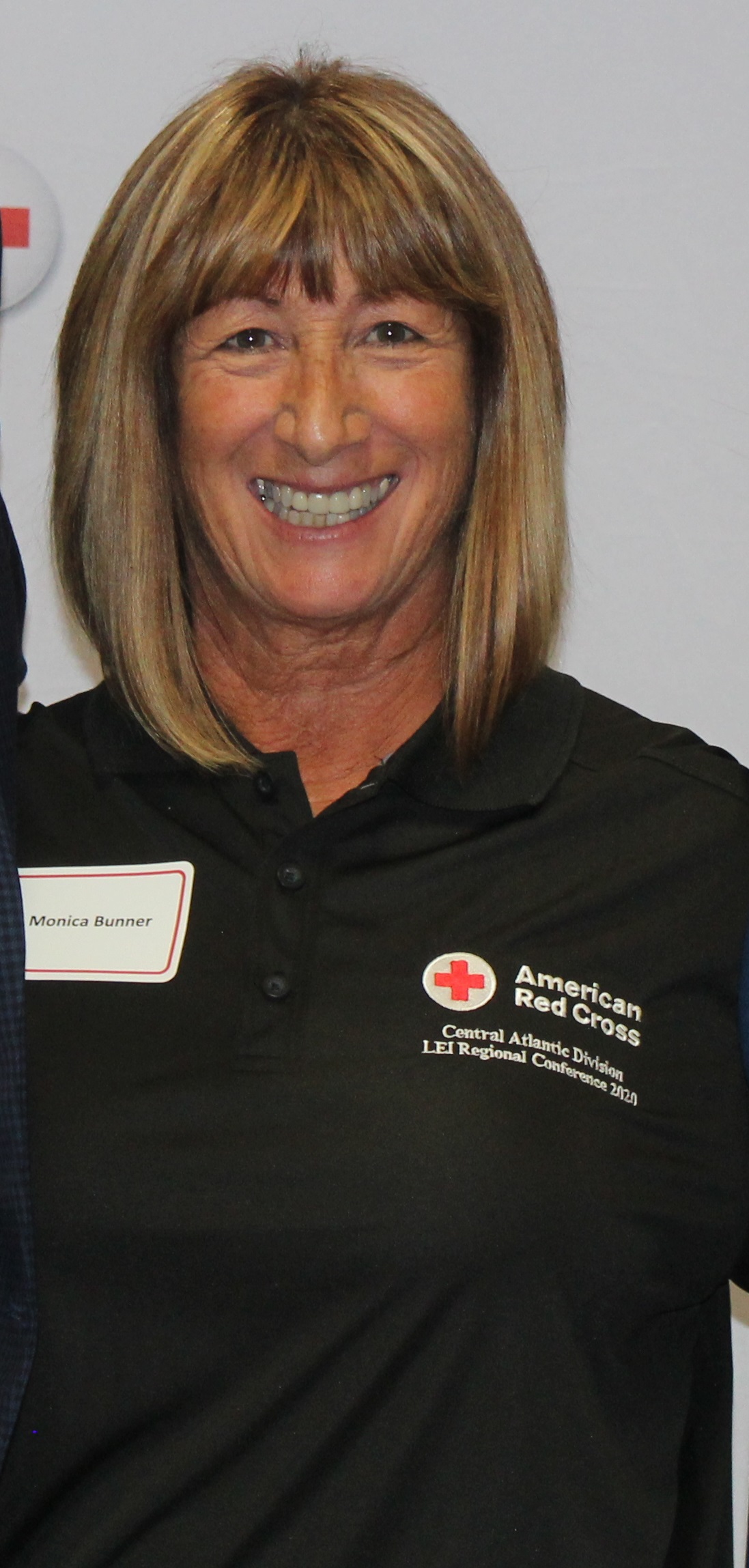
Monica Bunner, Red Cross volunteer, Reunification Regional Program Lead

In this case, the parents had recently bought a home in Rotonda West, a golf community on the coast in central Florida. The son did not know the neighbors’ names, and a call to the golf clubhouse did not yield a connection. But Monica and her colleague, Tammy Miner of Maysville, Washington spotted a lead in their interview – the missing couple had just bought a home. A search of public records yielded the name of the realtor. On a hunch that the realtor lived in the area or perhaps remained in contact with the couple, Monica called the realtor. The realtor not only lived within driving distance, but he was also willing to drive to the couple’s home.  

The realtor reported that the couple were doing well but had no electricity or cell service to contact the family. The couple drove to a nearby town and reconnected with a very relieved son. 

Such is the daily experience for reunification workers Monica. Most of these requests are resolved with just a few phone calls.  

She explained the process: 

  • Calls for reunification assistance are typically initiated through the 1-800-RED CROSS portal, although some requests come from people who see the reunification team working in the field and tell them of their own missing persons. 
     
  • The requests are then vetted according to urgency, with priority going to people with medical issues or physical or mental disabilities or veterans. Unaccompanied minors are given immediate priority, as are requests from immediate family members. Friends searching for friends or work acquaintances are coached with suggestions for their own searches.  
     
October 7, 2022. Punta Gorda, Florida. Red Cross disaster relief worker Lynette Nyman gets a hug from darling Ava who evacuated to her grandmother’s home to be safe from Hurricane Ian. Photo by Marko Kokic/American Red Cross
  • If the reunification team decides to open a case for the missing person, more information is gathered, such as the physical appearance of the person and why that person decided to remain in the area and not evacuate. 

    “That information helps us to understand the missing person more fully,” explained Monica. “We find out if the person is afraid to venture out into crowds or if they refused to leave their pets, for example. That will help us in our search for them.” 
  • The reunification team then presses for more information. Is the missing person part of an organization such as Knights of Columbus or American Legion? Does he/she have a favorite site to visit, such as a library or museum or even a favorite store or restaurant? Is he active on social media?  
     
  • If none of the telephone detective work yields the whereabouts of the missing person, the Reunification Field Team heads out to the neighborhood, first to the address of the missing person and then canvasing the neighbors, churches, organizations, and local shelters.  
October 11, 2022. Ft. Myers Beach, Florida. Red Cross volunteers drive through some of the areas in Fort Myers Beach, FL, that were hit hardest by Hurricane Ian’s devastating winds and storm surge. They took their emergency response vehicle into the community to deliver hot meals to residents who have only just begun their cleanup efforts since being let back on the island on Sunday. Photo by Scott Dalton/American Red Cross

Last week, a missing grandmother was located in a Florida shelter. 

“I’m well and happy as a clam,” she told her family when she was found. “I’m sitting in a shelter. I’m well fed, and I’m watching TV with my friends.”  

Another successful case for the reunification team. 

“It is addictive,” cautioned Monica. “When you’re able to tell the family that you have found their family member safe and sound and see the relief on their faces, it is worth all the effort to find them.” 

Edited by: Jim McIntyre, Red Cross Regional Communications Director

Buckeye native shines light on humanitarian needs worldwide

By Eilene E. Guy, American Red Cross volunteer
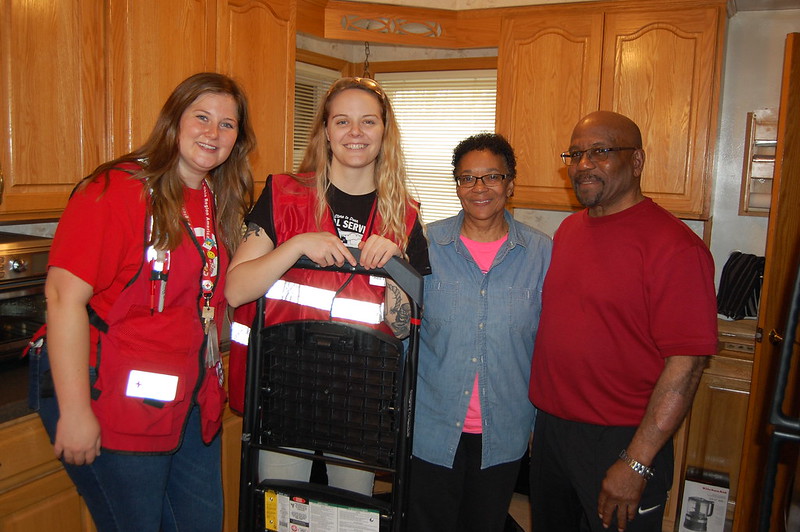
When there’s a humanitarian crisis somewhere around the world, the American Red Cross sends Jenelle Eli to bear witness.

In the spring, Jenelle – who hails from Trumbull County, in the Mahoning Valley of northeast Ohio – spent a month aboard the Ocean Viking in the middle of the Mediterranean Sea. She was reporting on the rescue of hundreds of desperate migrants trying to reach safety in flimsy boats.

Ivan Jimenez Garra, Mexican Red Cross and Jenelle Eli, American Red Cross survey damage in Jojutla, a small Mexican city that suffered massive damage when a 7.1 magnitude earthquake struck in September 2017. Photo credit: Daniel Cima/American Red Cross

Then she spent July in Warsaw, reporting to the world on the arrival in Poland of hundreds of thousands of refugees from warfare in Ukraine.

With more than a dozen years in disaster and refugee communications, Jenelle has become a highly skilled and widely respected voice.

In May, she spoke at the United Nations about the importance of humanitarian aid, drawing on her first-hand experiences with Red Cross relief efforts around the world.

Recently, the professional organization PRNews recognized her as one of the 2022 Top Women in its Industry Innovators category.

“It’s not easy to get attention from audiences about humanitarian crises – especially because there are just so many taking place at one time,” Jenelle said. “People get disaster fatigue and start tuning out all the hurt that’s happening in the US and around the world. Yet, harnessing people’s attention for good is the only way that things are going to change.

“I’m really pleased that the professional world of PR recognizes the importance of humanitarian communication – and that communicating in a way that ensures dignity for refugees is key.”

Jenelle Eli delivers humanitarian aid to Ines (right) and her neighbors in Morelos, in the wake of a 7.1 earthquake in 2017.  Photo credit: Daniel Cima/American Red Cross

This is how Jenelle describes her mission: “Right now, there are more people displaced from their homes than at any other point in history. I studied refugee issues in school and have devoted my career to raising awareness about people’s needs on migratory routes and even once they’ve reached safety. I raise my hand for international missions because I know that getting refugees’ stories out and elevating their voices is the only way to truly create space for empathy.

“Humanitarians’ work speaks for itself; I simply pull out the megaphone.”

“For nearly two decades, Jenelle has vowed to amplify the stories of displaced survivors through a lens of empathy and empowerment rather than victimization and pity,” said Emily Osment, Red Cross senior media relations manager.

“Through her work, Jenelle has helped secure ports of safety for stranded migrants at sea, enforced the importance of upholding the Geneva Conventions as a neutral, impartial aid actor in the midst of war, protected the identities of vulnerable families fleeing violence and ensuring lifesaving blood reaches patients during national shortages here at home.”

Now, Jenelle has moved from senior director of media relations at American Red Cross national headquarters in Washington, D.C., to a six-month stint as head of media relations and advocacy at the headquarters of the International Federation of Red Cross and Red Crescent (IFRC) Societies in Geneva, Switzerland.

In this role, she’s directing efforts to focus attention in 192 IFRC member countries on the needs of the world’s most vulnerable people.

“I do want people to know that they don’t have to deploy to crisis zones to make a huge difference! EVERYONE can have a humanitarian impact in their own way – whether that’s volunteering in their own community, donating money, raising awareness, or choosing a career responding to crises.

June 30, 2019. Cox’s Bazar, Bangladesh. Kids make ‘heart’ symbols alongside American Red Cross team member, Jenelle Eli, in Kutupalong—a displacement camp in Cox’s Bazar, Myanmar.  Photo credit: Brad Zerivitz, American Red Cross

“In the US, if you want to help refugees, volunteer for an organization helping to reconnect them with separated family members (like the Red Cross!) or a group that welcomes newly- arrived refugees in small cities and helps them navigate their new lives here. There are loads of ways to be a humanitarian.”

To learn more about American Red Cross activities worldwide, powered by the generosity of volunteers and donors, click here.

Helping those in need after a disaster is challenging but rewarding

By Mike Arthur, Regional Mass Care & Logistics Manager, American Red Cross of Northern Ohio

I’m grateful to live in northern Ohio, one of the safest areas of the country from a weather-related disaster standpoint. We don’t have to worry about a hurricane coming and wiping our homes away. We are unlikely to walk out our front doors and have trouble breathing due to smoke from a nearby wildfire.

I have never worried about the fate of my family and myself, where we would live and work after a disaster destroyed my home and place of work. I have never had to make a decision about which of my hard-earned belongings I need to take with me when I evacuate. I have never had my community devastated. Every year thousands of families have their lives changed drastically when their homes and communities are affected by disasters large and small.

Mike Arthur, during the Red Cross response to hurricane Harvey in Houston, Texas in 2017
 

I’m also grateful that I get the opportunity to help people in need. As a Regional Mass Care & Logistics Manager, I get to put the skills and talents learned over the course of my life to good use leading and supporting the American Red Cross workforce in meeting the needs of our clients locally and nationally.

I get to deploy for a few weeks each year making an immediate difference in someone’s life. Deployments to large disasters are tough but incredibly rewarding. The hours can be long. The food is not always five star. I sometimes sleep on a cot in a staff shelter with my fellow workers. It can be stressful. Compassion fatigue is a risk.

Residents wait to receive clean up supplies from the Red Cross after hurricane Harvey in 2017.

I look forward to each deployment and go as often as I can. I feel like I make a difference. I have made incredible friends across the country. I have great stories to tell. I get to bring hope to those in need. I help provide a safe place to sleep and food in bellies, and sometimes, most importantly I can provide a warm hug, bright smile and a sympathetic ear. My life is fuller because of my deployment experiences. I hope you will take to opportunity to join me out in the field this year and experience the magic of helping.

Help those in need when they need it most by becoming a volunteer with the Red Cross. To find a volunteer opportunity that’s right for you, visit redcross.org/volunteer.

Edited by Glenda Bogar, Red Cross volunteer
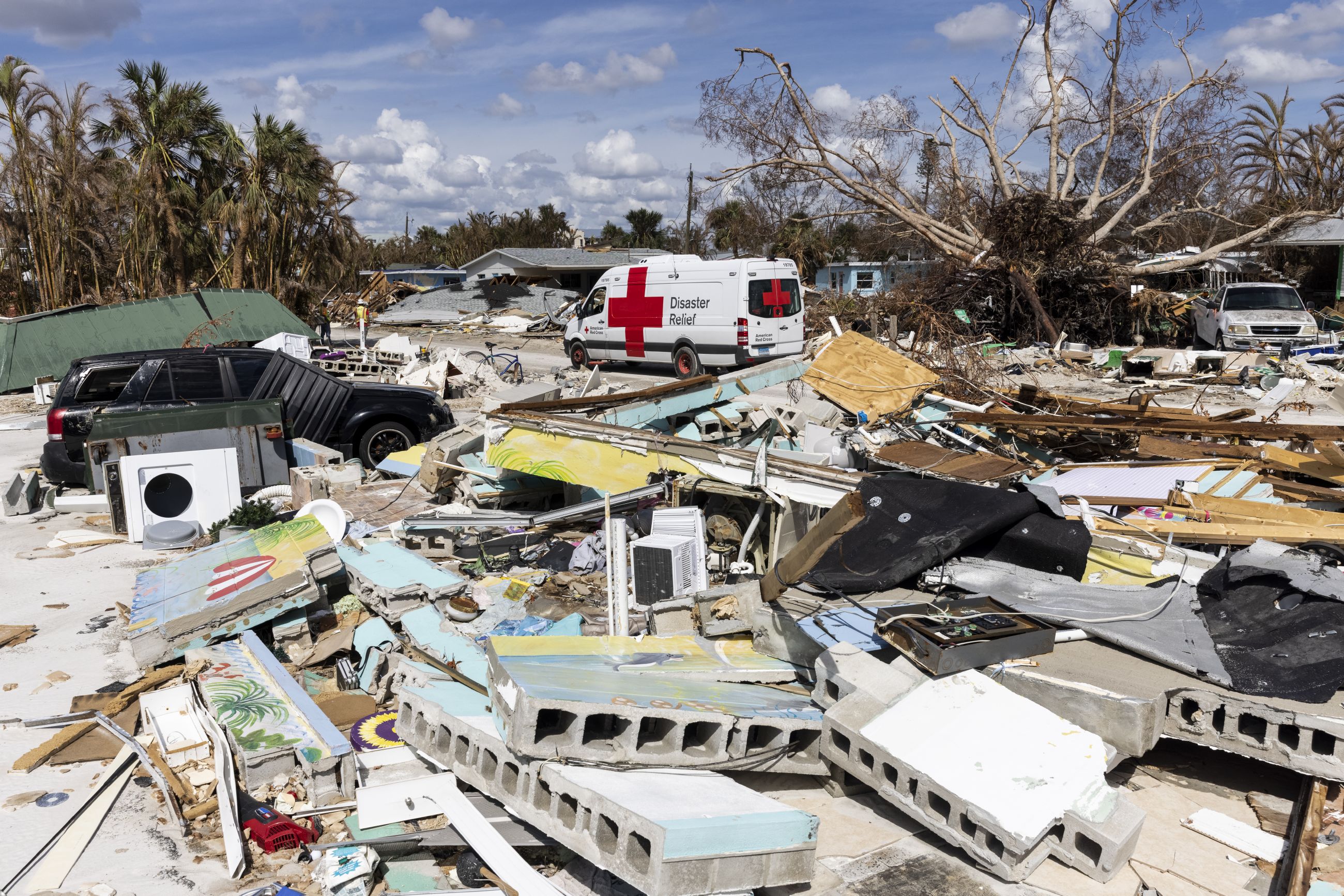
March 23rd is Giving Day, and the need for Red Cross services is critical

By Tim Poe, Red Cross volunteer

March 23rd is the eighth annual American Red Cross Giving Day, when communities come together to raise awareness about our critical disaster relief mission and fund our lifesaving work across the country. As recent events show, the Red Cross mission and services are critically needed, as #HelpCantWait.

As I reported earlier this month, Disaster Action Team (DAT) responses in our region increased by over 30% in February, mainly due to home fires, and March has continued to be exceptionally busy. Nationally, the Red Cross responded to more than 15,900 home fires since January 1, providing help to almost 60,000.

Please see this video for a behind-the-scenes look at the work Giving Day makes possible.

The blood supply is vulnerable, and help is greatly needed, from blood donors, volunteers, and those providing financial support.

In addition, climate change, global instability, and the effects of the pandemic will continue to pose challenges for all humanitarian services. Challenges that, with your help, the Red Cross will rise to meet. 

On a personal note, as a disaster responder I have seen the benefits of Red Cross services. I often saw the relief on people’s faces when we arrived after a home fire, knowing they would have help recovering. And, as assistance was provided, I also frequently saw human resiliency and signs of hope returning. Such moments occur, on average, more than three times a day in Northern Ohio and are made possible by donors and volunteers.

Here are some examples of what a financial gift can provide:

  • $3: one comfort kit containing hygiene items.
  • $15: one smoke alarm installation with fire safety education.
  • $50: a full day of food and shelter for one person.
  • $135: one smoke alarm and fire safety education for a hearing-impaired person.
  • $150: travel, meals, and shelter for one day for a deployed Red Cross disaster relief, health, or mental health worker.
  • $200: a full day of food and shelter to a family of four. Includes the cost of Red Cross workers to provide this service.
  • $350: the daily cost to deploy an Emergency Response Vehicle (ERV).
  • $605: financial assistance for a family impacted by a local disaster, like a home fire. This helps the family purchase food, lodging, clothing, and other critical needs.
  • $4,000: a Sound the Alarm event. Includes installing smoke alarms and providing a fire safety package, deploying an ERV for the day, and lunch for volunteers. Average events install around 200 alarms.

To participate in Giving Day, please visit redcross.org/GivingDay. A gift of any size makes a difference.

For Northern Ohio volunteer opportunities, please visit this link..

To donate blood, visit RedCrossBlood.org.

To learn lifesaving skills like CPR and First Aid, consider taking a class at redcross.org/TakeAClass.

Video streamers can also help. See here if interested.

Red Cross celebrates community heroes during Red Cross Month in March

Please help celebrate the month and Red Cross Giving Day, March 23, by volunteering, donating blood or providing financial support, as #HelpCantWait

By Tim Poe, Red Cross volunteer
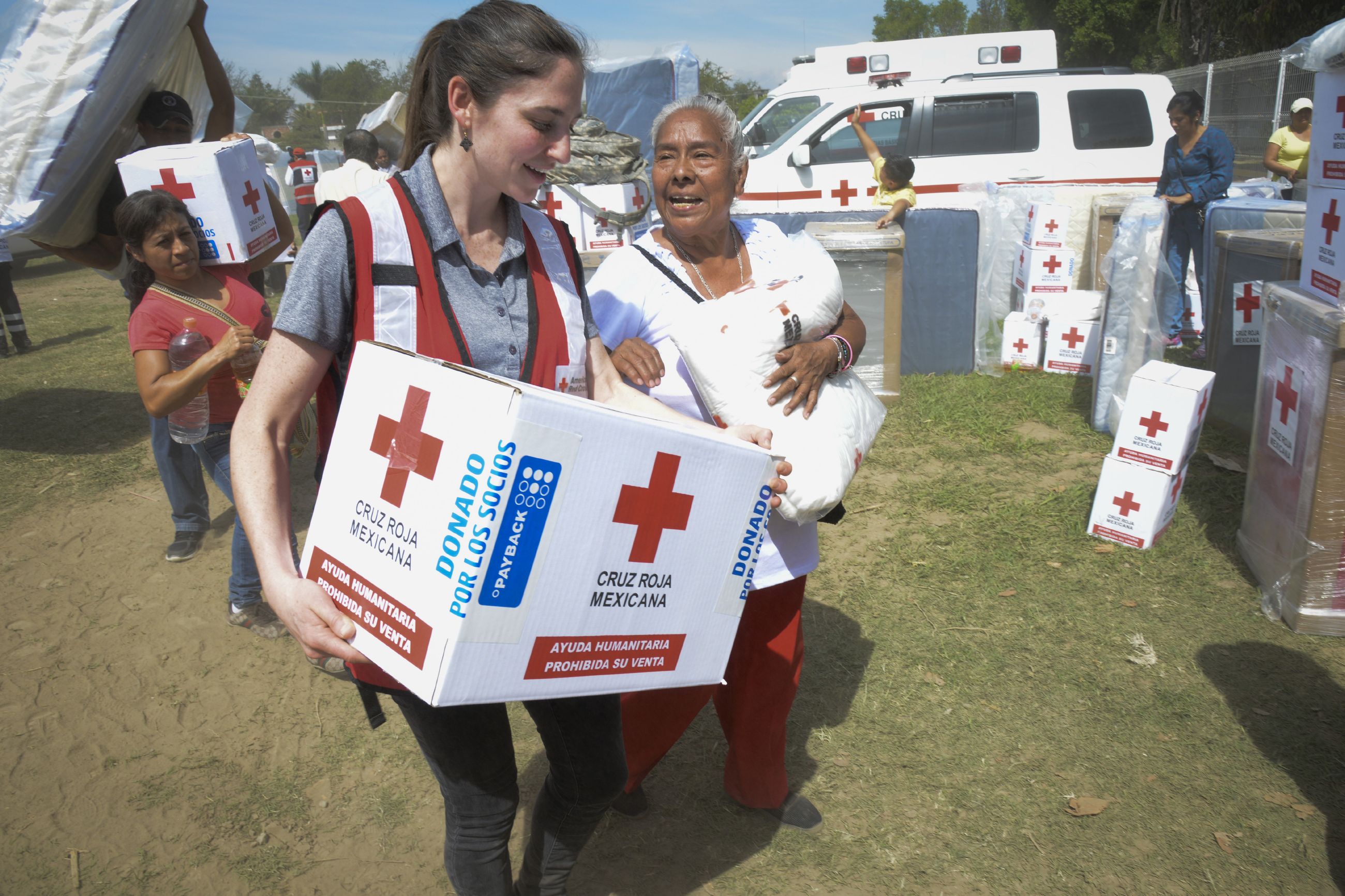
As busy and challenging as 2021 was for the American Red Cross’ Northern Ohio region, 2022 may be even more so. Disaster Action Team (DAT) responses in our region increased by over 30% in February, and we continue to face a national blood crisis.

Red Cross volunteer Ben Weisbrod responds to a hotel fire in Parma

As always, volunteers, staff and donors have been stepping up, but we could use your help. Throughout March, the Red Cross honors those who make its mission possible during the annual Red Cross Month celebration—a national tradition started nearly 80 years ago when Franklin D. Roosevelt issued the first national Red Cross Month proclamation. Each U.S. president since has also issued a proclamation.

“When emergencies strike, our community rallies together to help families and individuals when it matters most,” said Tim O’Toole, the Regional Disaster Officer for the Northern Ohio Region. “We honor this dedication during our Red Cross Month celebration, and we invite everyone to join us by turning their compassion into action by joining our response teams. We need help both here locally and to also send teams across the nation to major disasters.”

Help can’t wait during emergencies. Over the last 12 months—between 2/23/2021 and 2/23/2022—Northern Ohio Disaster Action Teams responded over 1,100 times to help families in need in our region, the vast majority of them victims of home fires. Just this past week our teams were in Harrison County assisting victims of flooding as shown in this video.

Nationally, the Red Cross has responded to more than 10,000 home fires, helping more than 37,000 people, since January 1, 2022.

My experience as a Red Cross volunteer has been exceptionally rewarding, whether in communications, disaster response or assisting in another capacity. It is an honor to work alongside so many compassionate, capable people, helping those in need and seeing the appreciation and relief of those we assist.

Please consider joining the Red Cross Month celebration by volunteering. You can also provide financial support on Giving Day or any time.

Jessica Voorheis donates blood at the Emerald Event Center in Avon

Blood donors are needed. The American Red Cross blood supply remains incredibly vulnerable – especially as doctors begin to resume elective surgeries previously delayed by the Omicron variant. It’s critical that individuals schedule a blood or platelet donation immediately to help ensure patients get the care they need as soon as possible.

To make an appointment to give blood, visit RedCrossBlood.org, call 1-800-RED CROSS or download the Red Cross Blood Donor App. As a thank you, all who give in March will receive a $10 e-gift card, thanks to Fanatics. March blood donors will also have a chance to win a trip for two to the 2022 MLB® All-Star Game® in Los Angeles (terms apply; visit rcblood.org/team for details).

Edited by Glenda Bogar, Red Cross volunteer