Vaccination Does Not Prevent Blood Donation
October 16, 2019- Flu season is underway, and it is expected that more than half of the U.S. population will get a flu vaccine this year according to the National Foundation for Infectious Diseases (NFID). However, the American Red Cross does not defer individuals from donating blood after receiving the influenza vaccine if they are symptom-free and meet all other donation eligibility requirements.
Did you read that? You can still give blood, even after getting a flu shot!

Important Flu and Blood Facts
The flu vaccine can be administered by a flu shot or intranasal. Neither are cause for a blood donation deferral and there is no risk of transmitting the influenza virus after receiving the vaccine. Additionally, influenza virus has not been shown to be transmitted through blood transfusion.
If you have the flu, it is important to wait until you no longer have symptoms and have recovered completely before attempting to donate. All blood donors must feel healthy and well on the day of donation.
Preventing the Flu
According to the Centers for Disease Control (CDC), millions of people in this country get sick with flu every year, hundreds of thousands are hospitalized and, unfortunately, tens of thousands die. The best way to help avoid getting influenza is to get vaccinated every year.
While seasonal influenza (flu) viruses are detected year-round in the United States, flu viruses are most common during the fall and winter. Influenza activity often begins to increase in October and most times peaks between December and February, although activity can last as late as May. It takes about two weeks after receiving your vaccine for the antibodies that protect against flu to develop in the body so it’s important to get your vaccine now.
The CDC recommends that everyone be vaccinated by the end of October. Children 6 months through 8 years of age who need 2 doses should receive their first dose as soon as possible after vaccine becomes available to allow the second dose (which must be administered at least 4 weeks later) to be received by the end of October.
AT HIGH RISK FOR FLU:
- Adults 65 years and older
- Children younger than 2 years old – although all children younger than 5 years old are considered at high risk for serious flu complications, the highest risk is for those younger than 2 years old, with the highest hospitalization and death rates among infants younger than 6 months old.
- Pregnant women and women up to 2 weeks after the end of pregnancy
- People who live in nursing homes and other long-term care facilities
The CDC also reports people with the following health and age factors are also at an increased risk of getting serious complications from the flu:
- Asthma
- Neurologic and neurodevelopment conditions
- Blood disorders
- Chronic lung disease
- Endocrine disorders
- Heart disease
- Kidney disorders
- Liver disorders
- Metabolic disorders
- People who are obese with a body mass index [BMI] of 40 or higher
- People younger than 19 years of age on long-term aspirin- or salicylate-containing medications.
- People with a weakened immune system due to disease or medications
Flu vaccine is available now in many locations such as your doctor’s office, pharmacies, grocery stores and health departments. Your vaccine will help protect you throughout the 2019-2020 flu season.

DO I HAVE THE FLU? The common signs of influenza are high fever, severe body aches, headache, being extremely tired, sore throat, cough, runny or stuffy nose and vomiting and/or diarrhea (which is more common in children). If you think you have the flu, call your health care provider. Seek immediate care if you have any of these symptoms:
- Fast breathing, trouble breathing or bluish skin color.
- Pain or pressure in the chest or abdomen (adults).
- Confusion or sudden dizziness.
- Not drinking enough fluids, not being able to eat, or severe or persistent vomiting.
- Flu-like symptoms that improve but then return with fever and worse cough.
- Not waking up, being so irritable that the child does not want to be held or not interacting (children).
- Fever with a rash (children).
- No tears when crying or significantly fewer wet diapers than normal (children).
YOU CAN HELP STOP THE FLU FROM SPREADING
- Cover your nose and mouth with a tissue or sleeve when coughing or sneezing and throw the tissue away after use. If a tissue isn’t available, cough or sneeze into your elbow, not your hands.
- Wash hands often, especially after coughing or sneezing. If soap and water are not available, use an alcohol-based hand-sanitizer.
- Avoid touching your eyes, nose or mouth.
- Avoid close contact with people who are sick.
- Stay home if you’re sick.
More information about how to help keep you and your loved ones protected from the flu is available on this website and in the free Red Cross First Aid App. See all the Red Cross apps at redcross.org/mobileapps.
How Healthy Individuals Can Donate Blood
Learn more about how to stay healthy this flu season so you can help patients in need. You can find more information about preventing the flu at redcross.org, as well as receive guidance on the flu from the Centers for Disease Control and Prevention (CDC).
Schedule an appointment to give blood with the American Red Cross by visiting RedCrossBlood.org, using the Red Cross Blood Donor App, calling 1-800-RED-CROSS or activating the Blood Scheduling Skill for Amazon Alexa.
All blood types are needed to ensure a reliable supply for patients. A blood donor card or driver’s license or two other forms of identification are required at check-in.
You must be 17 years of age in most states (16 with parental consent where allowed by state law), weigh at least 110 pounds and be in generally good health to be eligible to donate blood. High school students and other donors 18 years of age and younger also have to meet certain height and weight requirements.
You can save time at your next donation by using RapidPass® to complete your pre-donation reading and health history questionnaire online, on the day of your donation, before arriving at the blood drive or donation center. To get started, follow the instructions at RedCrossBlood.org/RapidPass or use the Red Cross Blood Donor App.


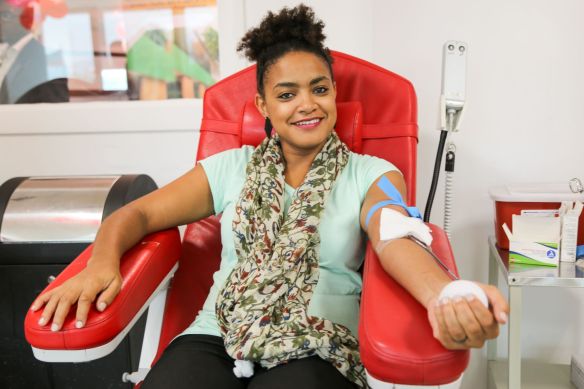


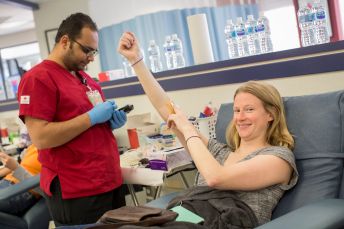 January is National Blood Donor Month. If you have never given blood before or it has been a while, it is the perfect time to become a blood donor.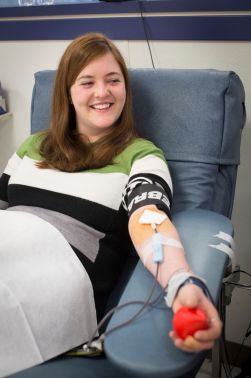
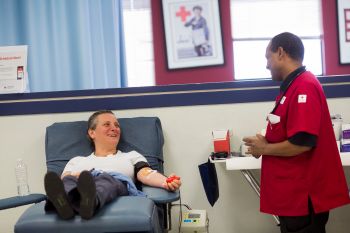
 One of those missions is providing the nation a safe and secure blood supply. It’s regrettable that less than 40% of our nation’s population CAN give blood (for a variety of reasons). What’s far more regrettable is that less than 10% of that population CHOOSES to give blood. My challenge to all of us is to not be part of that 90% of the population that can give but chooses not to donate this life saving product. Please find time over the next five weeks to donate blood to the American Red Cross. If you can’t donate, then please encourage a family member, colleague, and/or friend to give. Every donation counts!! Thank you in advance for making a difference and helping save lives!


