July is finally here, and summer has officially started. For many, this means vacations, cookouts, pool time, and fun with family and friends. For blood banks, this busy season can mean a time of fewer donors and a limited blood supply.
Every two seconds, someone in the U.S. requires a blood transfusion. This equates to around 29,000 units of blood that are needed every day! Whether it be for cancer patients, accident victims, surgical patients, or new mothers, be a hero for a person in need by donating this precious, lifesaving gift.
While all potential donors are asked to donate if they can, Type O is urgently needed at this time.
Type O negative blood, often called the “universal donor,” can be safely transfused to anyone and is commonly used in emergencies when there is no time to determine blood type. With only around 7% of the U.S. population having Type O negative blood, it is often in short supply, even though the need for it is great.
Special Promotion for donors
Between July 1-14, consider taking time out of your schedule to donate blood, plasma or platelets, and look cool leaving with a free pair of American Red Cross x goodr “Just My Type” sunglasses, while supplies last! You will also receive a sticker with your blood type to personalize your glasses. Find out more about the promotion by clicking HERE.
To donate, simply visit RedCrossBlood.org and enter your zip code or download the free Red Cross Blood Donor App by clicking HERE. Save time on the date of your donation by completing your pre-donation forms at RedCrossBlood.org/RapidPass or by using the Blood Donor App.
Edited by Glenda Bogar, American Red Cross volunteer
Sickle cell disease affects more than 100,000 people in the United States. One out of every 365 Black or African American births is affected by sickle cell. People living with sickle cell disease may need as many as 100 units of blood each year. These are all statistics that Demeatrice Nance was unaware of prior to October 2003, when her daughter Makenzie was born.
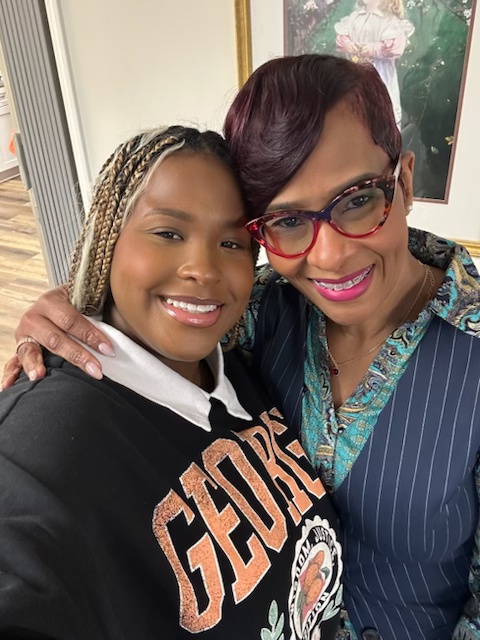
Makenzie Nance, sickle cell warrior
“There were some abnormalities in her newborn screening and the doctor wanted us to come in to talk about it,” Demeatrice said. “That was when they told us that Makenzie had sickle cell disease.”
Demeatrice and her husband were devastated, mostly, she said, because they didn’t know where to start getting the best help for their daughter.
From that point on, Demeatrice was on a fact-finding mission – a quest for knowledge about sickle cell disease. “We did a lot of online research and had a lot of conversations with the doctors. We were also referred to a local sickle cell outreach group that provided a lot of resources for Makenzie and our family,” Demeatrice said.
As Demeatrice delved more deeply into the world of sickle cell disease, she quickly discovered how important blood donors, especially Black blood donors, would be in Makenzie’s life.
Fast forward just two and a half years and Makenzie needed her first blood transfusion. “The doctor told us her hemoglobin had dropped, and it was at a crucial state, and Makenzie needed a blood transfusion,” Demeatrice explained. Then she and her husband got word from the doctor that there was a blood shortage, specifically from African American donors, which was what Makenzie and most all sickle cell patients need.
“The doctor said we’re just gonna try and wait it out and try and locate blood for her,” Demeatrice said. And while it was only about a day before they did locate blood for Makenzie, Demeatrice said it felt like a year. “From that time, donating blood has been a priority to me and educating people about the importance and the reason to donate blood. It’s important that our sickle cell warriors have the blood supply when it’s needed.”
Makenzie and Demeatrice Nance
For the past 15-plus years Demeatrice and her family have been advocating and educating. Advocating for her own sickle cell warrior, Makenzie, and all of the sickle cell warriors who desperately need blood. And educating the public about why they need blood and why the blood supply needs to be maintained through regular donations.
“My first blood drive was small,” Demeatrice said, “but when I shared my story and explained the importance of donating, not just for sickle cell patients, but for cancer patients and trauma victims and others, the numbers started growing.” Demeatrice says she always tells people, “It could by my day today, or it could be your day tomorrow,” which is why she encourages everyone she meets to donate blood.
As for Makenzie, she’s just graduated with an associate’s degree in health science and is starting her nursing clinicals in the next couple of months. “Sickle cell patients are often told they can’t do a lot of things, but over the past 21 years Makenzie’s done more things than a lot of people ever thought she could do,” Demeatrice said, beaming with pride for her sickle cell warrior.
Click here to hear more of Demeatrice’s story about her journey with Makenzie and sickle cell disease.
To schedule your appointment to donate today, visit redcrossblood.org.
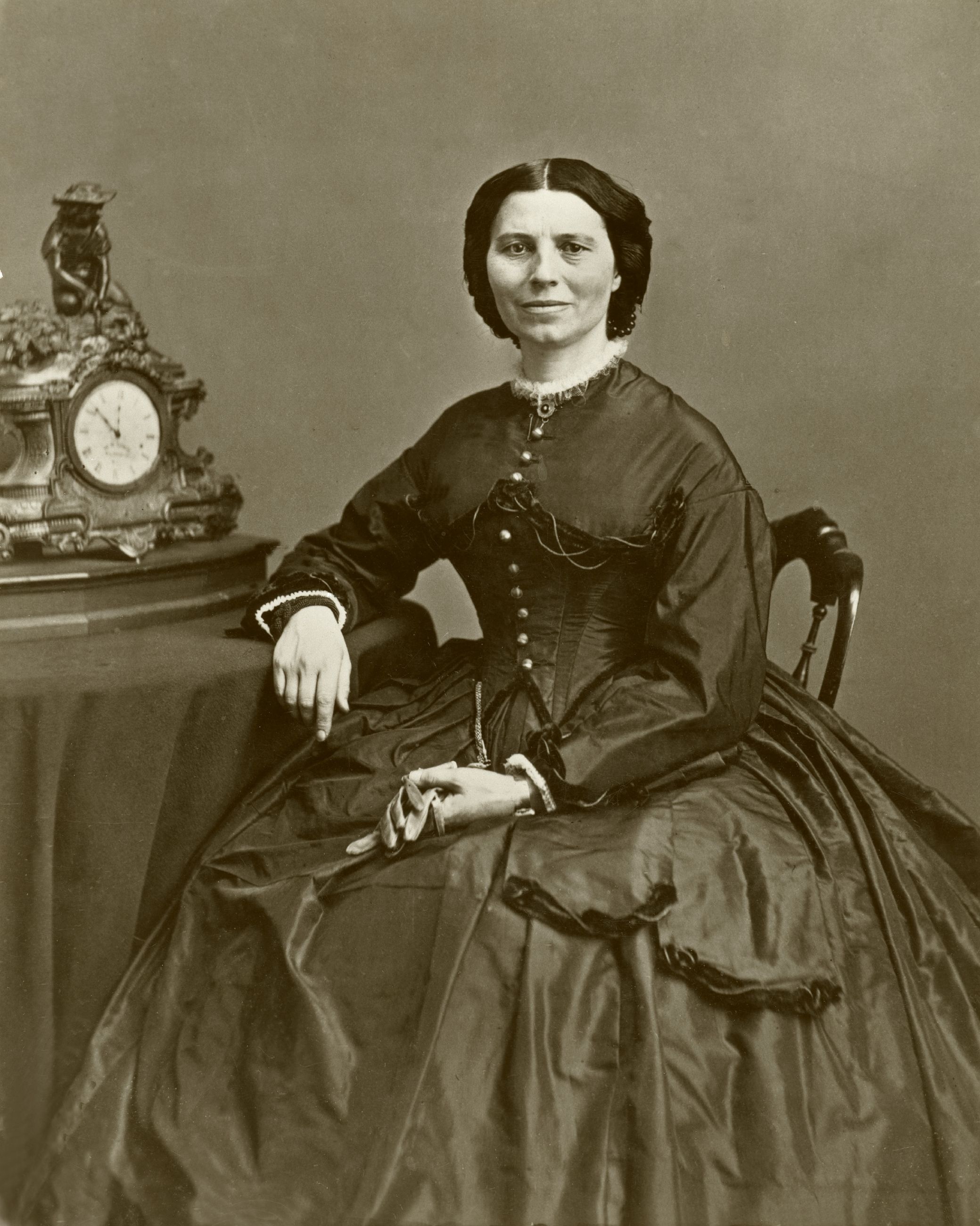
Portrait of Clara Barton, founder of the American Red Cross.
She was bent over, sobbing, frustrated, nearly everything in her family’s apartment destroyed. We sat in an American Red Cross vehicle outside a partially burned apartment complex. It was near the beginning of the school year, and she had recently purchased books, school supplies and clothes for her children. Unfortunately, her neighbor, whom I had helped earlier, had a moment of carelessness. Like most renters I assisted, especially those in lower-income areas, she did not have renter’s insurance. But we were there. One of my favorite moments as a Red Cross volunteer was handing her an aid packet, a lifeline, and seeing her frustration and despair turn to gratitude and resilience. Her family would have a place to stay, would eat, and her children’s clothes and school supplies would be replaced. Her race, gender, legal status, religion, beliefs, class and orientation didn’t matter. She needed help, and the Red Cross provided.
Scenes like this play out an average of three times per day in Northern Ohio, and about 65,000 times per year nationally. Similarly, someone in the U.S. needs blood every two seconds, while U.S. Armed Forces members, veterans and their families receive assistance daily. Our services have never, nor will ever, be contingent on anything other than if someone needs our help.
As March is Red Cross Month, we would like to reiterate that helping everyone has been a core principle since our founding in 1881 and remains central to our Fundamental Values of humanity, impartiality, neutrality, independence, voluntary service, unity and universality. Clara Barton, who faced discrimination as a woman, believed in “perfectly equal rights–human rights,” and instilled those values in the Red Cross from the outset.
For the past 144 years, the Red Cross remained committed to helping those in need, bringing out the best of humanity in times of crisis.
February 25, 2025. Pike County, Kentucky. American Red Cross volunteer, Tony Susi, comforts Tina Roberts after she lost her entire home in Eastern Kentucky after devastating floods hit her community just over a week ago.
Red Crossers are on the ground across Kentucky, assessing damage, working with community partners and local emergency management, and providing hot meals, a safe place to stay and other support to residents impacted by flooding.
Photo by Scott Dalton/American Red Cross
The need for Red Cross services and the commitment to help everyone has never been greater. The climate crisis is having a tremendous impact, as the Red Cross is responding to nearly twice as many large disasters as a decade ago, and they are increasing. Additionally, the climate crisis is taking a heavier toll on frontline communities, including low-income families, older adults, communities of color and people with disabilities.
The Red Cross is responding to these challenges through strengthening partner networks; improving disaster relief capacity; enhancing our engagement with diverse communities, including offering information in Spanish; reaching out to diverse blood donors; continuing our Sickle Cell initiative; and adding health screenings for blood donors at different times throughout the year, currently including screening for Sickle Cell trait and, this month, A1C.
We could use your help. If you can donate blood, give financially or volunteer, your assistance has a tremendous impact. And no matter who you are, please reach out if disaster strikes, as the Red Cross continues its commitment to helping all.
Edited by Glenda Bogar, Red Cross volunteer
Posted by Ryan Lang, Red Cross board member and volunteer
Volunteers are the lifeblood of the American Red Cross. And by extension, volunteers provide lifesaving blood and blood products to millions of people across the nation every year.
This chain of generosity begins at the local level, at an average of 500 blood drives and blood center collections every day. Last year, the Red Cross sent more than 6.3 million blood products to some 2,500 hospitals and other health care facilities.
But in the past two decades, the number of Red Cross blood donors has fallen by about 40%, with a significant drop among those between 16 and 22. As our national population ages and becomes more diverse, building the next generation of donors is critical.
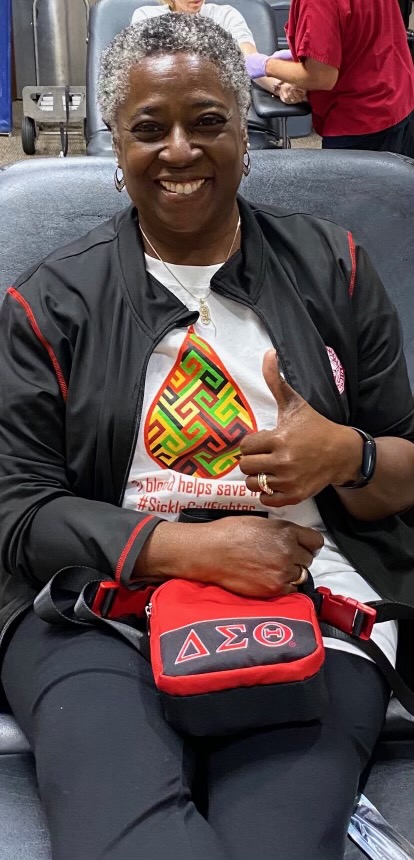
The University of Akron alumni chapter of Delta Sigma Theta, a sorority of scores of African American women, is helping meet that need by sponsoring blood drives.
Earlier this month, their event netted 30 units of blood, which will go to treat as many as 90 patients.
Drives like these are vital to maintain a stable supply of blood for trauma victims, surgery and cancer patients, fragile newborns and those with medical conditions such as Sickle Cell Disease (SCD). This hereditary condition can be life threatening: It leads to anemia (shortage of red blood cells), causing fatigue, organ damage and periodic severe pain, known as a sickle cell crisis.
Blood transfusions from donors of the same or similar ethnicity and blood type are the most effective way to treat a sickle cell crisis. Since most people with SCD are of African descent, blood from Black donors is the gold standard for treatment. In fact, one in three African American blood donors is a match for a patient with sickle cell disease.
As a northern Ohio district manager for Red Cross blood services, Sabrina Spikes works to recruit and educate a larger, broader base of blood donors, including the Black and African American, Latino and LGBTQ+ communities.
“It’s a testament to the work of Delta Sigma Theta that they sponsor at the University of Akron,” she told me. “We need to have diverse partners, to do more education.”
Education is two-pronged:
Reaching more people from all racial and ethnic groups to explain the importance of a diverse blood supply. “We know the number one reason people don’t donate blood is that they haven’t been asked,” she said. “We need to explain why a diverse blood supply is important.”
Preparing potential donors to have a successful donation experience, by getting them to drink plenty of water and eat iron-rich foods. “Cutting down on caffeinated beverages that slow the absorption of iron – coffee, tea, sodas – helps cut the deferral rate of donors, especially African American women,” she explained.
To learn more about why a diverse blood supply is so important, tap here. And, to find where you can donate and to make an appointment, go to redcrossblood.org. Someone needs you!
By Ryan Lang, American Red Cross board member and volunteer
I was just a small child when my mom was diagnosed with breast cancer. In fact, most of my childhood she was in remission. That is, until she wasn’t. I was 12 or 13 when it came back more aggressively. I was 16 when she eventually passed away.
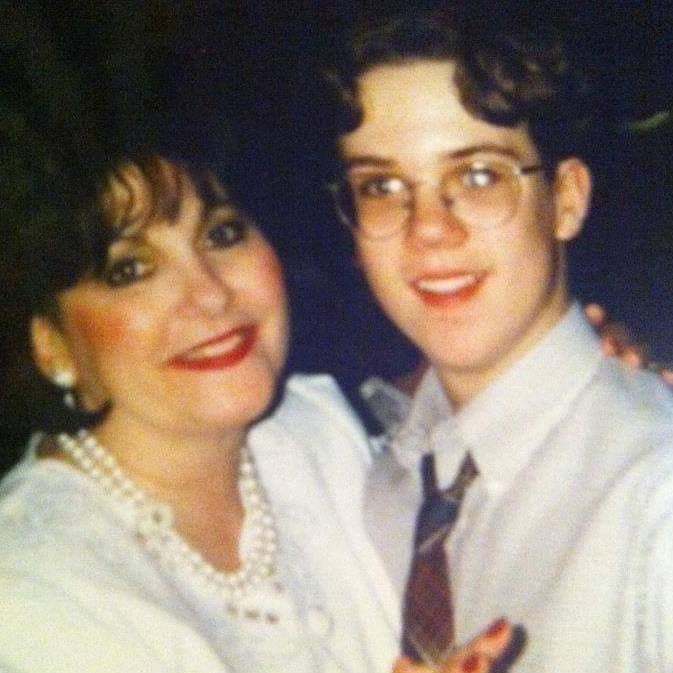
Rosalie and Ryan Lang
Trips to the doctor’s office and hospital were commonplace throughout my early teen years. No one doctor visit really stood out. What did stand out were the times my father and my aunts and uncles went to donate platelets on behalf of my mother. I was young and naive and thought they were specifically for mom. I later realized they were donating to replenish the supply of platelets.
Due to their short shelf life, hospitals require a consistent supply of platelets. That’s why donors like my dad, aunts and uncles, and you are critical to helping the American Red Cross replenish that supply.
February 4 is World Cancer Day, a day that touches many of us who have either had the disease or know someone who has fought the tough battle against it. Almost two million new cases may occur this year, according to experts, and blood products will be important for many of these patients in their fight against cancer.
Blood is so important during their treatment that patients fighting cancer use nearly one quarter of the nation’s blood supply — more than patients fighting any other disease. The Red Cross asks you to schedule a time to donate blood now to help cancer patients and so many others.
CANCER PATIENTS NEED BLOOD — THE FACTS
One in three people will be diagnosed with cancer during their lifetime.
Many of these patients, especially those undergoing chemotherapy, will likely have a need for blood products.
In fact, about six blood products are needed every minute to help someone going through cancer treatment.
Low blood count is a major side effect of cancer treatment. Some types of chemotherapy can damage bone marrow, reducing red blood cell and platelet production and putting a person at risk for life-threatening infections or bleeding.
The cancer itself can cause the need for blood and platelet transfusions by causing internal bleeding or preventing the patient’s body from producing blood cells.
Grady, Krista, Ed, and Dylan Fink
My friend Dylan and his family know the importance of blood and platelet donors. At just 14- years-old, Dylan was diagnosed with non-Hodgkin lymphoma. He’s in remission now, but that hasn’t stopped him and his family from paying it forward and organizing their own blood drives through the Red Cross.
Some cancer patients require more blood products than others. That was the case with Casey, who discovered she had cancer when she was ten weeks pregnant. She said, “Giving blood helps not just the person receiving it, by helping with their disease, but it truly helps that person’s family and friends as well.”
To find out more about donating platelets, click here. And, to schedule your appointment to give blood, visit RedCrossBlood.org, call 1-800-RED CROSS or download the free Red Cross Blood App.
Posted by Ryan Lang, Red Cross board member and volunteer
It’s already nearing mid-December and with the holiday season in full swing, the spirit of giving is on many of our hearts and minds. As we grow older, we learn to appreciate the fulfillment that giving to others brings. This year, as we consider ways to give back, either through gifts, service, or charity, let’s remember one other significant way that we can help – by giving the gift of life through blood donations.
Merrylou Windhorst and St. Vincent – St. Mary High school teacher Heidi Tripp
Merrylou Windhorst knows the importance of giving back to the community. She has been doing it throughout her almost 80 years of life (she’ll reach her milestone birthday on Christmas day this year).As a teacher at St. Vincent – St. Mary High School (St. V’s) in Akron and now as a volunteer for the last 50 years, Merrylou has been mentoring students and organizing blood drives through the American Red Cross, giving back to the community that she loves.
Merrylou started out as a student at Our Lady of Elms Catholic school. After graduation, she stayed on as religious sister at the Elms for 11 years before feeling called to do something else. That something else was to become a mother and a teacher, and thus starting her work at St. V’s. During her tenure, she worked as a health and physical education teacher, as well as teaching theology and coaching softball.
Her interest in health and well-being led her to start a program at St. V’s about 40 years ago that she still leads and is still going strong today, the Future Medics program. Recently she has expanded the program to include students from her alma mater, Our Lady of the Elms. In it, students who have an interest in the medical field meet up once a month and learn about career options and hear from alumni who have found success in medicine. Students also help to run three blood drives per school year, something that she brought to the school over 20 years ago.
“As a teacher I’ve always said ‘don’t just think of yourself as a ME, turn the M upside down and it becomes a W, becomes WE’… and that’s kind of what I have done as a teacher and especially at Future Medics and at blood drives. It’s time to give to other people.”
High school students who are 16, with a parent’s permission, can donate blood. Students can also volunteer to work at the blood drives. Either way, they earn service hours for graduation, an important part of the culture at St. V’s. Merrylou is so proud of her students and their willingness to go above and beyond for their community.
“I’m always honored and amazed at these young people at age 16, and it’s gotta be scary to roll up their sleeve and give blood.”
She said with the students help, they often make or exceed their donation goals. Their next blood drive is scheduled for Jan. 22 at the school and is open to the public.
“You think about, when can you save a life? How can we ever in our life, other when you stop and give CPR to somebody on the side of the road, who can say, ‘I’ve saved lives?’”
Recently Merrylou received recognition from the Red Cross for her over 20 years of service in organizing blood drives.
If you’re considering donating and giving the gift of life this holiday season, join us at the annual holiday blood drive at the Sheraton Suites in Cuyahoga Falls on Dec. 17 from 7am-7pm. There will be refreshments and raffles all day, and all donors will receive a free, long-sleeved Red Cross T-shirt!
Edited by Glenda Bogar, Red Cross volunteer
Posted by Ryan Lang, Red Cross board member and volunteer
By Ryan Lang, Red Cross board member and volunteer
Look at me! I’m a blood donor, could I be wearing any more clothes?!
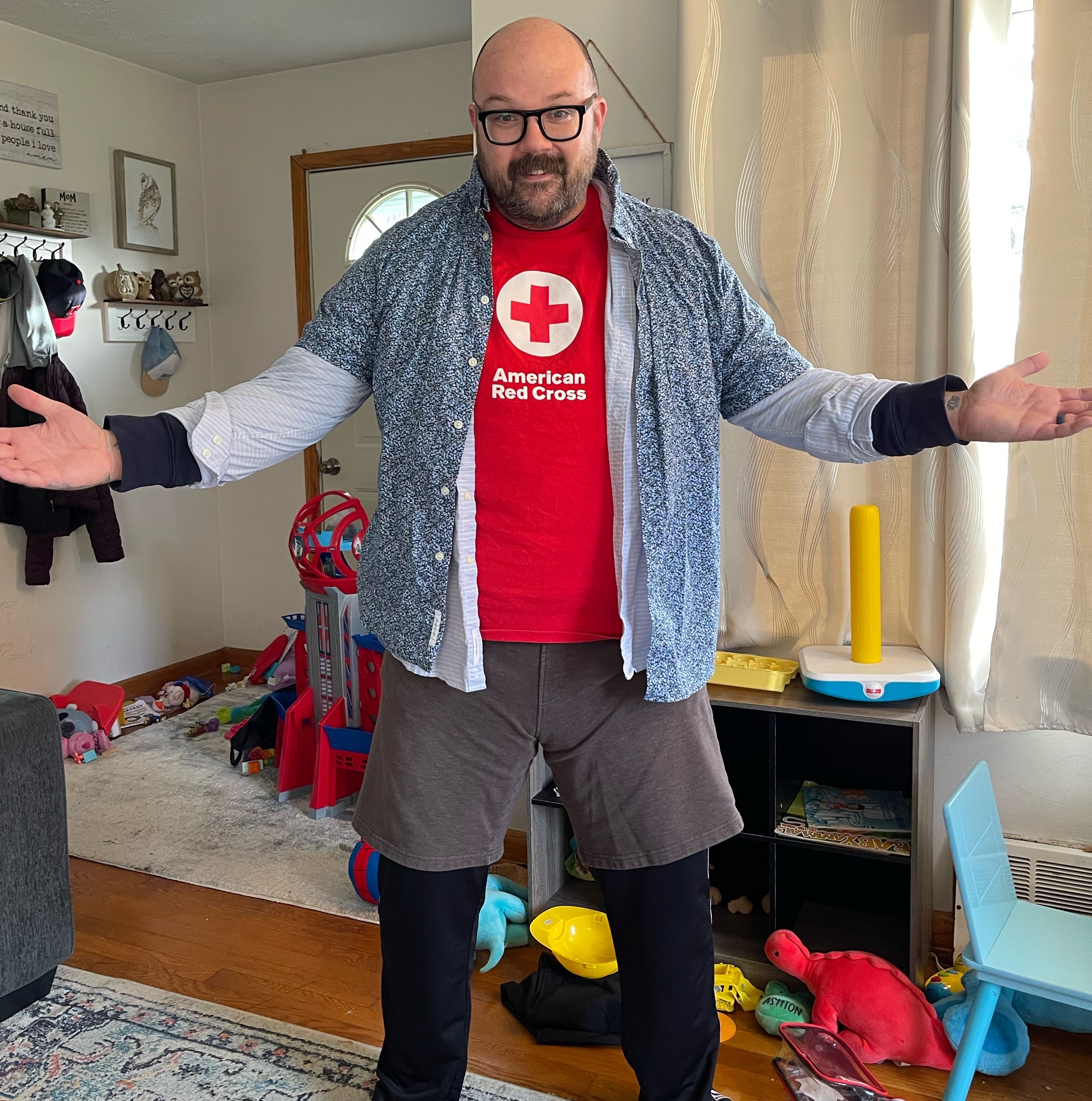
Ryan Lang, Blood Donor and Friends enthusiast
The short answer: yes! I could have a fun pair of “Friends” socks courtesy of the American Red Cross when I donate blood over the next few weeks.
To celebrate 30 years of the iconic TV show “Friends,” the Red Cross is asking donors to grab their bestie and make donating blood a holiday tradition. Those who come to give now through December 8th, 2024, will receive two pairs of custom “Friends” + Red Cross socks, while supplies last – one to keep and one to give to a friend.
Friends x Red Cross socks
Everything’s better with friends, especially giving lifesaving blood. Not only does it strengthen the bond of friendship, but it also doubles the impact in the community.
A couple of things to remember before donating:
Sleep! Whether that’s taking a great nap with your friend, a la Joey and Ross in “The One with the Nap Partners,” or a good night’s sleep in your own bed, be sure and rest up.
Hydrate! And we’re not talking about a latte at Central Perk. Water is essential. Plan on drinking an extra 16 ounces of H20 the day of your donation.
Eat! Iron rich foods are recommended, like eggs, meat, spinach, and more. Remember, Joey doesn’t share food, and you shouldn’t either – not on donation day.
So grab a friend and visit redcrossblood.org to schedule your donation appointment today! And if you download the Red Cross Blood Donor app, you and your friend can track where your donation goes through the “blood journey” feature.
Posted by Ryan Lang, Red Cross board member and volunteer
The American Red Cross grants Sickle Cell Fighter High School Scholarships to the nation’s top 10 high schools that host at least one blood drive and collect the most productive units from donors who self-identify as African American. One of the 2023-2024 recipients is Charles F. Brush High School in Lyndhurst, and their scholarship recipient is Meredith Davis-Cooper.
Meredith Davis-Cooper
Meredith graduated from Brush High School in 2024 and is now studying architecture at Kent State University. She graciously took time from her busy schedule to speak with me.
I asked Meredith how she became so active in community service. It began with her family, which is involved with several committees, church and worship groups, and counseling. This continued at Brush High School and the National Honor Society (NHS), as community involvement is a major initiative with both organizations. In addition to blood drives, Meredith and other students held several food drives last year.
“I’m always open to the community,” Meredith said. “I love staying involved. It brings me joy.” She has also learned she is quite adept at it.
Meredith’s skill in assisting community efforts was clearly seen with Brush’s three blood drives last school year. As the school’s National Honor Society president, she helped recruit and schedule students and donated blood herself.
I asked Meredith how she was so effective convincing others to become blood donors. She said knowing Red Cross facts helped, especially the critical need for blood donations in the African American community to help fight sickle cell disease. And her status as NHS president, a top 10 student, artist, and athlete were key. Meredith said her leadership and ability to fit in everywhere garnered trust and helped her persuade others to donate.
Meredith’s former NHS adviser, Mrs. Jill Strainic, concurs. She said, “It helps to have a role model like Meredith on our recruiting team. She’s an excellent student and leader, but by stepping up and donating blood herself, she takes ownership and is a great ambassador for the process. Meredith also brings this amazing sense of enthusiasm and confidence to everything she does. When she talks, students listen.”
In addition to her studies, Meredith works as a volleyball coach. She played volleyball in high school and competed in swimming, shot put, and discus. She is also an accomplished artist, creating abstract sculptures, some of which have won Gold Key awards and honorable mentions from the Cleveland Institute of Art. Meredith said art is how she developed her interest in architecture.
While Meredith is just getting settled in at Kent State and her demanding major, she plans to continue helping the community and donating blood, whether in Kent or at home. She also hopes to play or referee volleyball next year, and would like to study architecture abroad.
After graduating, Meredith hopes to eventually have her own firm and create innovative, striking buildings. She is especially inspired by Zaha Hadid’s work.
Meredith is extremely grateful for the Sickle Cell Fighter scholarship. She said she had been stressed about paying for college, and the award was a “shocking surprise.” It helped “seal the deal” so she could begin her university studies and prepare for her future.
A blood donor story told in the spirit of film noir
By Tim Poe, American Red Cross volunteer
Tim Poe, Red Cross volunteer and blood donor
I shut off the car’s engine and reached for the bottle. This was the place. Looking at the glass and sandstone medical building bristling in the late-July afternoon, I unscrewed the cap and took a long swig. This wasn’t some liver-pummeling swill, though, nor even a dainty-derby aperitif. It was the good stuff: water, straight from the tap. I knew I’d need it; they’d told me so. They also told me to get a good night’s sleep, but the ghosts of nexuses past, present, and future rattling chains at bebop tempo in my brain had other ideas. But I had slept some, had drank plenty of water, and was here to do some good. I stepped out of my dented ride and gazed at a sky blue enough to make Monet weep. But today’s theme was red. I headed toward the building, prepared to lose some blood.
I had plenty, after all, and others needed it. Today I was a blood donor.
Cots, computers, snacks, beverages, people bustling, many wearing shades of red. I’d found the room. A Blood Donor Ambassador welcomed me with a smile and scanned the fuzzy square on my phone. I had completed the RapidPass that morning.
The two donors preceding me said they always gave together, as often as possible. O negatives, universal donors. Today they were donating whole blood. Next time, Power Red. These two were cool. I was humbled, in the presence of greatness.
Another groovy person called me over, verified the information I had provided earlier, asked a few more questions, checked vitals, and drew blood to check my iron, a large drop of crimson emerging from a finger. My mind wandered from iron to the irony of my blood type, which sounded like a happiness mantra: “Be positive.” Better suited for a life coach or morning weather reporter, not a mug who’d spent his formative years breathing blue notes through saxophones followed by a lifetime thinking of novel ways to describe dusks, dawns, dramas, drunks, and dreams.
My mental meanderings paused; time to get on a cot. Even in summer, I’m pale, nearly translucent with easily visible veins, a phlebotomist’s joy. A groovetastic phlebotomist in a cerise shirt handed me a squeezy then worked a scanner, tubing, bags, and swabs with the deftness of Bill Evans pressing piano keys into song. The scent of iodine sent a jumbled reel of hospital memories rolling through my mind. But those were times of need. Now to give, help someone going through something similar. I wondered if that someone’s personality matched “be positive.”
The needle. A pinch, the frosty tubing turned garnet as my blood flowed into unseen bags below. I resisted the urge to peer over at them, instead squeezing the foam every few seconds, my other hand with the phone, taking a photo, then scrolling in hope of finding some good news.
Soon came beeps and the return of the phlebotomist. With a flurry of clips, tubes, samples, cotton, and a candy red bandage wrap, I was done. I stood up, walked to the snack table, selected a blueberry granola bar, a bottle of spring water, and awaited the slight light- headedness to subside.
Shortly later I walked back down the hall, proudly wearing my bandaged arm, greeting others, possibly with a little “be positive” swagger. Because today, I did some good. Today, I was a blood donor.
Posted by Ryan Lang, American Red Cross board member and volunteer
One-year anniversary of blanket deferral that prevented blood donations
By Kathryn Dean, American Red Cross volunteer
If you’ve ever attended a blood drive in the past and were turned away due to a deferral, there has never been a better time to reassess your eligibility. Over the past two years, two important deferrals that have been in place since the 1980s have been modified or lifted, increasing the ever-needed pool of eligible blood donors.
In 1986, Bovine Spongiform Encephalopathy, colloquially known as “Mad Cow Disease,” was discovered in cattle in the United Kingdom. This disease was found to be transmissible to humans if infected meat was eaten and caused a number of illnesses, including a variant of Cruetzfeld-Jakob disease (vCJD), a degenerative, fatal disease that affects the central nervous system of the host.
U.S. Air Force veteran John Dowell of Lakewood gave blood after the variant Creutzfeldt-Jakob (mad cow) Disease deferral was lifted.
Due to this, during the 1980’s and 90’s the Food and Drug Administration restricted people who had visited certain European countries from donating blood in the United States in an effort to prevent the transmission of vCJD. The American Red Cross honored this ban, which remained in place until 2022 when it was removed after a steep decline in reported cases and no signs of a second wave.
Additionally, in 2023 a second long-standing deferral that restricted gay and bisexual men from donating was modified to remove the blanket deferral and instead assess people on a case-by-case basis. This deferral was originally created in an attempt to curb the spread of HIV, which became an epidemic in the 1980s.
Red Cross worker and volunteer, Mark Fleischer
Both of these deferrals affected long-time Red Cross worker and volunteer, Mark Fleischer, who was able to donate blood for the first time in decades back in January of this year. You can read his story HERE and learn of his great pride in being able to donate again after years of ineligibility.
When I spoke to him back in January, he indicated that not only was he previously affected by the deferrals placed on gay men, but because of his brief time living in England back in 1992 and because of fears surrounding Mad Cow disease, he had been told he was ineligible to donate for life. Now all of that has changed with the recent modifications to blood donor eligibility requirements.
Mark Fleischer and phlebotomist Ed Leonardi
In an update since his January 2024 donation, Mark told me that he has helped organize and has participated in many successful blood drives at the Willoughby Senior Center, some of which have exceeded their goal for blood donations. He is also personally scheduled to donate blood again at the end of this month.
“Recruiting for blood donors is in full force and things are going great,” he said. He also previously told me, “You may have been deferred decades ago for something that may no longer be in place. So I want to encourage people to look at the questions that the Red Cross asks (and) look at the deferred list…those deferrals or restrictions may have been lifted.”
Mark Fleischer and Red Cross staff at blood drive
Check out the Red Cross Give Blood page to learn more about eligibility requirements, and to find a local blood drive near you.
Edited by Glenda Bogar, American Red Cross volunteer
Posted by Ryan Lang, American Red Cross board member and volunteer









 NOHredcross